
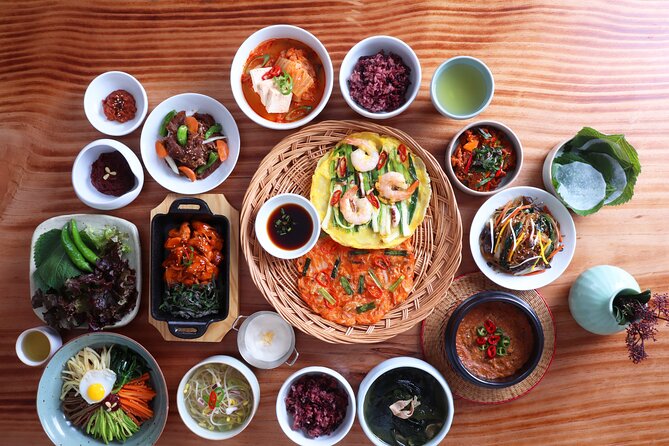
REVIEW · KOREAN COOKING CLASSES
Master Korean traditional cooking with a Kimchi chef
A morning class that starts in the market. You get the shopping, the hands-on cooking, and the meal, all in one smooth flow.
I really like the small-group size. You’re capped at a very manageable number, so questions do not get lost. I also like that the day’s menu changes, so you can plan around your Korean food cravings instead of taking what’s on the board.
The main drawback to consider is the menu depends on which day you book. If you specifically want kimchi coaching, pick the Thursday class, and if you want desserts, go on Sunday.
In This Review
- Key things that make this class worth your time
- From Jegi-dong Market to a Home Kitchen, the real point is the flow
- Meeting at Jegi-dong Station Exit 2, then heading out on foot
- Gyeongdong Market: where ingredients stop being abstract
- Inside the Korean-style house kitchen: hands-on, paced, and practical
- The day-by-day menu is the whole strategy
- What “cooking your meal” looks like, then you actually eat it
- Price and value: why $85 can feel reasonable here
- Who should book this class in Seoul
- Possible downsides to plan around
- Should you book? My take
- FAQ
- Where do I meet, and what time does the class start?
- What do I cook, and does the menu change by day?
- Is it a hands-on cooking class or just a demonstration?
- What’s included in the price?
- Do they offer vegan or halal options?
- Are there age limits or child rules?
- Can I cancel and get a full refund?
Key things that make this class worth your time
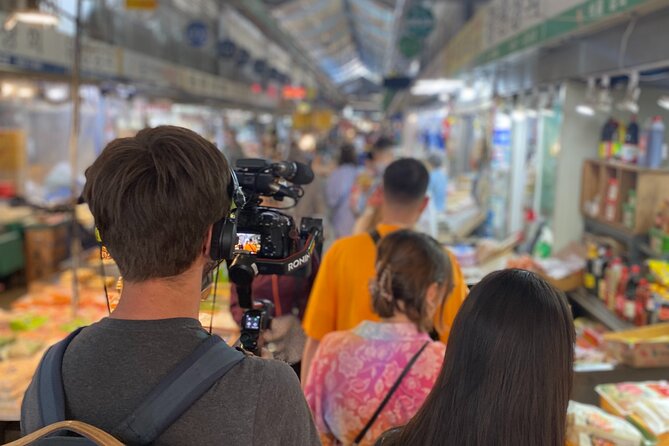
- Market first, cook second: you walk to Gyeongdong Market to buy the ingredients you’ll actually use.
- Chef-led, not sit-and-watch: this is a hands-on cooking class with guided prep and instruction.
- A menu that changes by day: samgyetang Monday, kimchi Thursday, bulgogi plus sides on Tuesday or Saturday, bibimbap Friday, desserts Sunday.
- A Korean home setting: the cooking happens in a Korean-style house, which feels less staged than a restaurant kitchen.
- Dietary options available: vegan and halal options are offered when you book.
- A calm group rhythm: tea is included, and you cook, taste, then sit together as a group.
More kitchens to book in Seoul
From Jegi-dong Market to a Home Kitchen, the real point is the flow
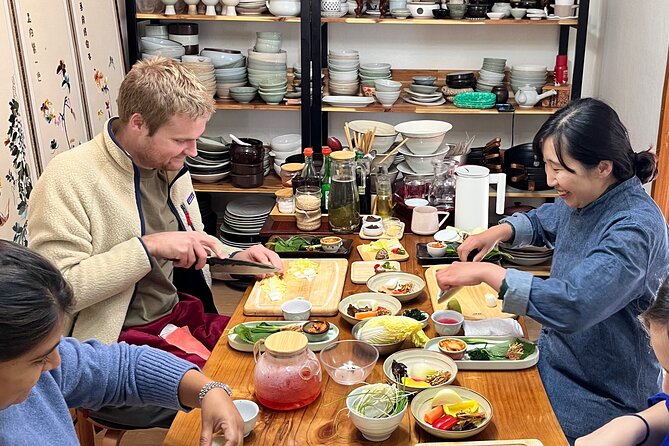
This is a morning class built around one idea: learn Korean cooking by doing the things locals do, in the order they do them. You start with a short walk and ingredient shopping, then move into a Korean-style home kitchen to cook and eat.
I like that it is set up for a small group. That matters because Korean cooking can be detail-heavy, especially with fermentation, sauces, and timing. When the instructor can actually see your hands, you learn faster and with less guesswork.
One more thing I appreciate is the day-to-day flexibility. You can book for the dish you most want to master, instead of hoping a class lines up with your appetite.
Meeting at Jegi-dong Station Exit 2, then heading out on foot
You meet at Jegi-dong Station, Exit 2, around 10:00 am. The meeting point is near the Seoul Oriental Medicine Market area, in the Dongdaemun neighborhood. You’ll meet, get oriented, and then walk with your chef-guide to the market.
Two practical notes for your planning:
- This is not a meet-and-greet with subway pickup. You should be ready to get to the station on your own.
- You should expect walking through crowded market streets at a steady pace, since the trip is part of the “learn the food” experience.
If you like structured mornings and clear direction, this format is a good fit. If you hate walking before breakfast, you may want to keep your schedule light afterward.
Gyeongdong Market: where ingredients stop being abstract
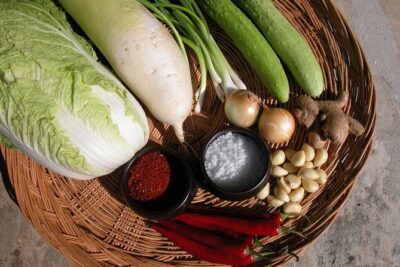
The market stop is not filler time. It’s where you learn what makes Korean flavors work. You shop as a group with your instructor’s guidance, so you can ask questions in real time while you are standing next to the products.
What you’re doing here is more than buying groceries. You are learning how Korean dishes are built:
- what aromatics matter
- which fermented items are essential
- how sauces and seasonings work together
- what fresh and dried ingredients look like in real life
In some sessions, people also mention picking up small bites during the walk, like traditional Korean donuts, which adds a fun layer to the ingredient education. Even if that is not your focus, the market itself is where you start thinking like a cook, not just a diner.
The big value is confidence. After you’ve seen the ingredient lineup with the chef pointing out key items, cooking at home becomes much less intimidating.
Inside the Korean-style house kitchen: hands-on, paced, and practical
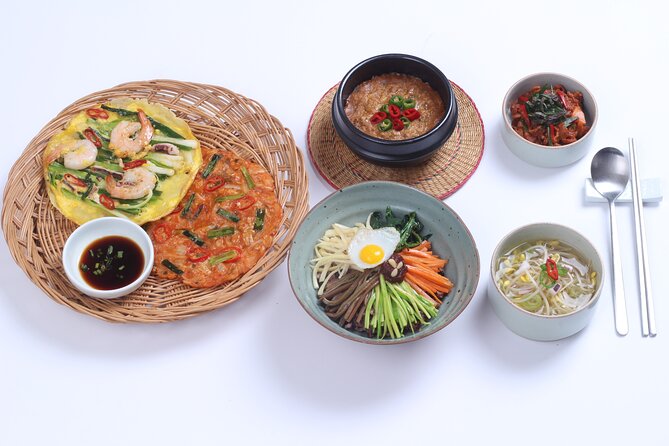
After the market, you head to a Korean-style home in the neighborhood. This is where the class really turns into a skill-building session.
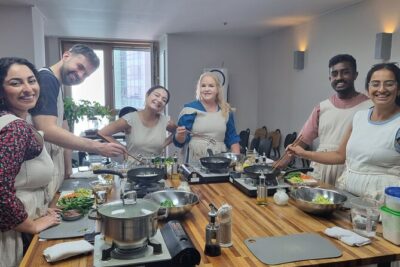
You’re set up in the kitchen with the other participants and the chef becomes your cooking instructor. Cooking lessons in Seoul can range from lecture-like demos to true step-by-step sessions. This one is designed to be hands-on, with structured prep and guidance so you can follow even if you are not confident in the kitchen.
A few details that show up repeatedly in the experience:
- The instruction is patient, with explanations that stick.
- The pacing gives you time to do the steps instead of rushing you through.
- People note that the chef communicates well in English, which helps with technique questions.
Chef Minseon is specifically mentioned in the class feedback as communicative and helpful. That gives you a clue about the teaching style you can expect, especially if you learn best by asking “why does it work” questions.
One possible consideration is that kitchen time can feel busy if you are easily overwhelmed by multitasking. The class is still organized, but you will be cooking, stirring, and assembling, not only observing.
Other classes with a stove in Seoul
- Korean Cooking at Seoul Cooking Club
★ 5.0 · 220 reviews - Experience Korean Cooking in Modern Hanok Kitchen
★ 5.0 · 118 reviews - Korean Cooking Class with Grocery Shopping at Seoul Local Market
★ 5.0 · 107 reviews - Royal Seoul Cooking Class in a 100-Year-Old Hanok
★ 5.0 · 81 reviews - Seoul : Taste of Korea, Authentic Home-Style Cooking Class
★ 5.0 · 64 reviews
The day-by-day menu is the whole strategy
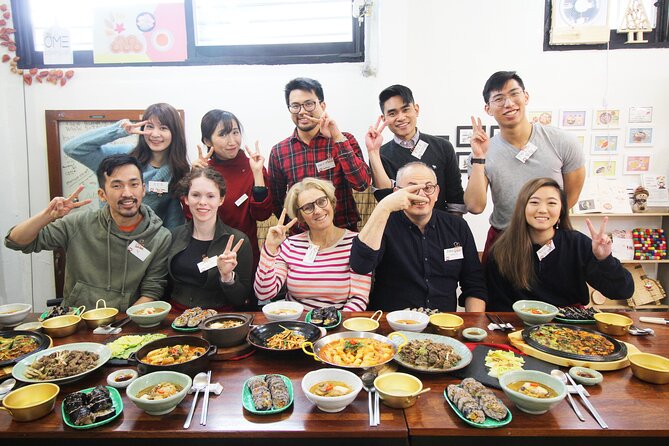
This class changes its cooking menu depending on the day you choose. It also includes 3 different menu items as part of the day’s work.
Here’s the practical cheat sheet:
- Monday: samgyetang
- Tuesday or Saturday: bulgogi, japchae, and doenjang jjigae
- Thursday: kimchi
- Friday: bibimbap
- Sunday: a variety of Korean desserts
So if your goal is specifically to learn kimchi technique, Thursday is your best bet. If you want a fuller “Korean meal” mix with meat, noodles, and stew, Tuesday or Saturday is a strong choice.
Also, don’t overthink the exact dish names. The class is about learning how Korean flavors are built, with the specific dishes acting as your practice templates.
What “cooking your meal” looks like, then you actually eat it
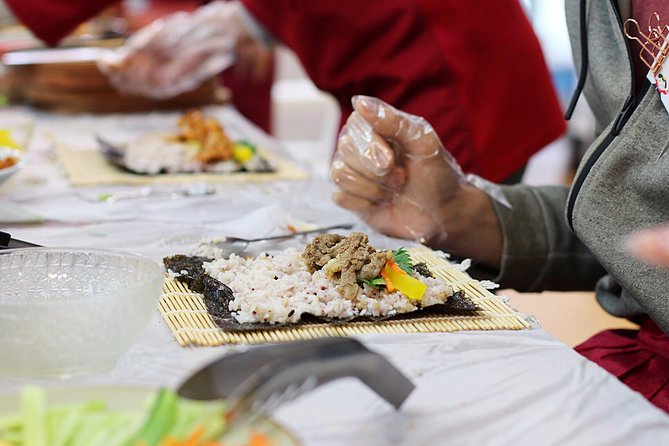
Once everything is cooked, you sit down and taste your meal with the group. That part matters because you get feedback immediately. You can compare the flavors you made against what they are supposed to taste like, then ask follow-up questions before everything is packed up.
People also mention that ingredients can be well prepped in the studio, which makes a huge difference for beginners. You still do the real cooking, but you are not stuck fighting every step from scratch.
In some experiences, participants report receiving a cookbook or take-home recipe materials. That is not something I can promise for every booking, but it is consistent with the way the class is described: you should leave with enough guidance to recreate what you cooked.
Price and value: why $85 can feel reasonable here
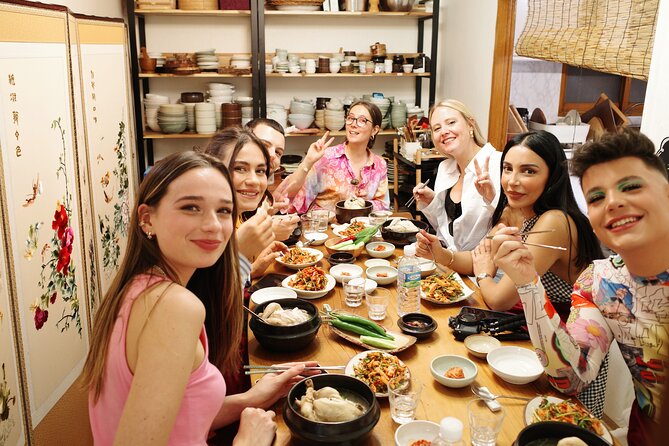
At $85 per person for about 3 hours 30 minutes, this is not a “cheap and cheerful” activity. But you are paying for three things that together make the price make sense:
- market walking and ingredient sourcing
- hands-on instruction in a real kitchen setting
- the meal that you prepare, plus morning tea
You are also benefiting from a small group limit. A class like this becomes less about the food and more about the logistics once you get a big crowd. Keeping it intimate means you can get help while you cook.
One more value angle: because the class includes the ingredients you use, you do not have to figure out an ingredient scavenger hunt later. That saves both money and time, especially for items that are hard to find or easy to buy incorrectly.
If you are already comfortable cooking Korean food, you might find this less transformative. If you are new, or you cook but want better technique and seasoning accuracy, the value is much higher.
Who should book this class in Seoul
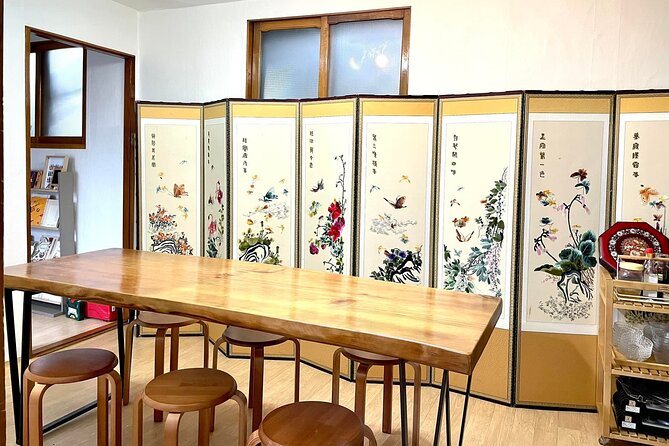
This is a great fit if you:
- want a short, focused experience in Seoul that teaches real skills
- like food markets and want to understand ingredients, not just shop for photos
- are a beginner cook, because the class structure supports step-by-step learning
- want a Korean meal experience without doing it alone at home
It also supports dietary needs. Vegan and halal options are available, so you should be able to join without having the whole class become a workaround.
Family note: adults are charged the adult price for guests over 14. One child can participate per class, but under 6 years old is not available for safety. So if you are traveling with kids, check ages closely before booking.
Possible downsides to plan around
Even good classes have friction points. Here’s what you should consider:
- Menu is tied to the day. Choose the day based on what you want to eat and learn.
- Group sizes vary. The experience is described as limited to seven, but the booking info lists a maximum of 10 per booking. Either way, it stays small, but you’ll feel the difference if you’re comparing to a class that caps at five.
- You need to meet at the station. No subway pickup or drop-off is included, so you’ll want to navigate to Jegi-dong Station Exit 2 by yourself.
- It runs in the morning. Starting around 10:00 am means you’ll want a travel plan that doesn’t rely on a late breakfast and slow start.
None of this is a dealbreaker, but it helps you match the class to your travel style.
Should you book? My take
If you want Korean cooking that feels grounded in real ingredients and real kitchen steps, I think you should book this class. The strongest reasons are the market shopping, the hands-on cooking, and the fact that you eat what you make right afterward.
Book it especially if you:
- want kimchi instruction (pick Thursday)
- want a complete meal practice set (Tuesday or Saturday is a strong “variety” day)
- like structured mornings and learning by doing
If you only care about eating, and you hate cooking, you might prefer a food tour instead. But if you want the kind of souvenir you can use for years, this class gives you something you can remake at home, not just photos.
FAQ
Where do I meet, and what time does the class start?
You meet at Jegi-dong Station Exit 2 around 10:00 am. The class ends back at the meeting point.
What do I cook, and does the menu change by day?
Yes. The menu depends on the day you choose: Monday samgyetang, Thursday kimchi, Tuesday or Saturday bulgogi, japchae, and doenjang jjigae, Friday bibimbap, and Sunday Korean desserts.
Is it a hands-on cooking class or just a demonstration?
It is a cooking class where you cook as part of the session, not only watch. You’ll be set up in the kitchen and learn with the chef as the dishes are prepared.
What’s included in the price?
The price includes the guided experience, morning tea, and what you cook to eat (lunch or dinner depending on timing, or dessert depending on selection). A group guide is included.
Do they offer vegan or halal options?
Yes. Vegan and halal options are available.
Are there age limits or child rules?
Yes. Guests over 14 pay the adult price. Up to one child per class can participate, but under 6 years old is not available for safety.
Can I cancel and get a full refund?
Yes. You can cancel for a full refund if you cancel at least 24 hours before the experience’s start time. If you cancel less than 24 hours in advance, the amount paid is not refunded.
Classes With a Stove

More Seoul Write-Ups




Back to the Kitchen in Seoul
Fresh on the Seoul pile
- Unique Native Experience : Han River Picnic, Board game, BBQ★ 5.0 · 3 reviews
- 2-Hour Private Kayaking and Paddleboarding Experience in Hanriver★ 5.0 · 3 reviews
- Korean Folk Village & Suwon Hwaseong Fortress Private Tour★ 5.0 · 3 reviews
- Seoul Korean BBQ Dinner Experience with Secret Food Tours★ 5.0 · 3 reviews
- Seoul Highlights & Hidden Gems – Private Tour with Photo Service★ 5.0 · 3 reviews
- Night Food Tour in Seoul with Traditional and Modern Cuisine★ 5.0 · 3 reviews
Korean Cooking Classes you might have missed.
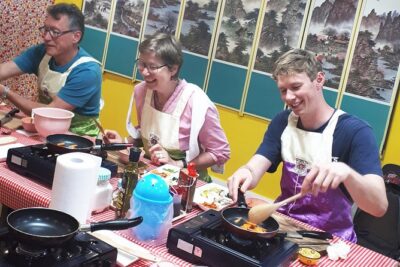 ★ 5.0Local Home Korean Cooking Class & Market Adventure in SeoulFrom $911,024 reviews
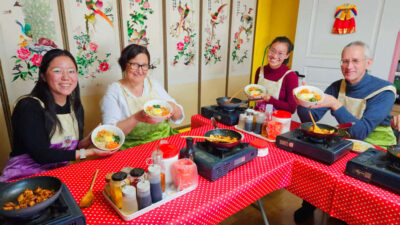 ★ 5.0Seoul: Korean Cooking Class at a Local Home and Market TourFrom $98348 reviews
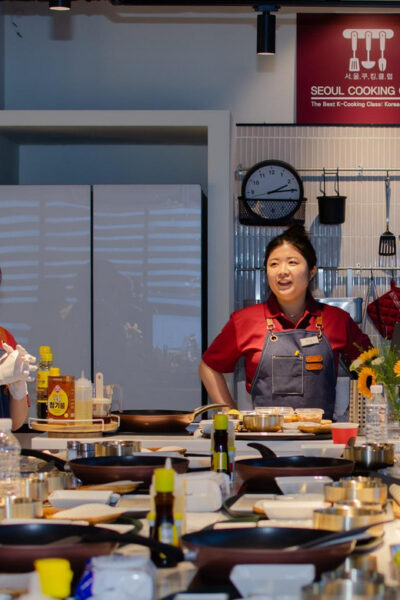 ★ 5.0Seoul: Korean Cooking at Seoul Cooking Club!From $109311 reviews
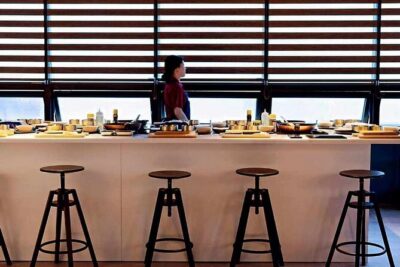 ★ 5.0Korean Cooking at Seoul Cooking ClubFrom $109220 reviews
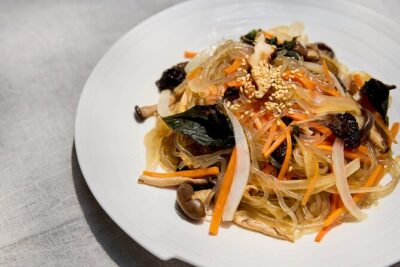 ★ 5.0Experience Korean Cooking in Modern Hanok KitchenFrom $87118 reviews
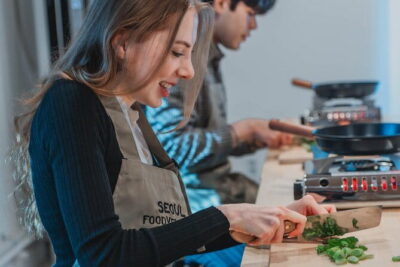 ★ 5.0Korean Cooking Class with Grocery Shopping at Seoul Local MarketFrom $91107 reviews
 ★ 5.0Korean Kimchi Making Day Experience with a Local Market TourFrom $8999 reviews
 ★ 5.0Korean cooking class in Haeundae, BusanFrom $10092 reviews
Where this tour also appears