
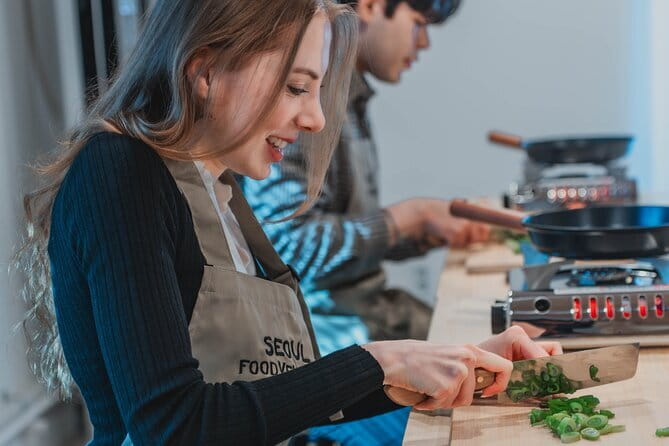
REVIEW · KOREAN COOKING CLASSES
Korean Cooking Class with Grocery Shopping at Seoul Local Market
Cooking in a real Seoul market changes your trip. This class takes you to Mangwon Market to buy ingredients locals use, then moves into a cozy studio kitchen to make kimbap plus two other Korean staples. It runs about 3 hours, and the group stays small enough to actually get help.
I also like the teaching vibe, especially with host Phoebe, who guides you step by step and makes room for talk about Korean food and culture. One thing to plan carefully for is timing, since if you’re more than 10 minutes late, you may miss the market portion where the ingredients are chosen.
In This Review
- Key things I’d circle before you book
- Mangwon Market at 10:30, shopping like locals in Mapo-gu
- The studio kitchen near Mangwon Station, cozy and easy to settle in
- Cooking bulgogi, gyeran-jjim, and kimbap without stress
- Bulgogi, marinated beef that tastes like a shortcut
- Gyeran-jjim, steamed egg with that smooth, gentle bite
- Kimbap, rolling Korean-style lunch staples
- Eating what you made, then turning leftover kimbap into a Han River picnic
- Value check: $91.91 for a 3-hour market plus cooking day
- Practical details that can make or break your day
- Who this class is best for, and who should reconsider
- Should you book this Korean cooking class?
- FAQ
- What dishes will I cook in the class?
- How long is the cooking class?
- Where does the class meet?
- Is there a limit on group size?
- What if I have dietary restrictions?
- What is the late arrival policy?
Key things I’d circle before you book
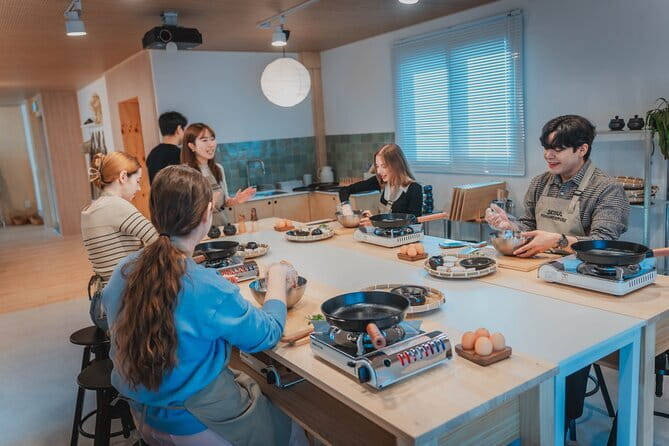
- Mangwon Market shopping in Mapo-gu, using local go-to spots rather than a quick photo stop
- Three dishes, one home-style workflow: bulgogi, gyeran-jjim, and kimbap
- Small group limit of 8, so questions do not get lost in the room
- Phoebe’s patient instruction, good for complete beginners as well as cooks
- Flexible after-class idea, take leftover kimbap to the Han River for a simple picnic
More kitchens to book in Seoul
Mangwon Market at 10:30, shopping like locals in Mapo-gu
You start your morning at the Seoul Foodventure meeting point in Mangwon-dong, Mapo-gu, with an official 10:30 am start. From there, the day centers on Mangwon Market, a local market with over 40 years behind it. The point is not just to walk through stalls, it’s to practice choosing ingredients like a Korean home cook would.
Mangwon Market is the kind of place where you learn fast. You see different cuts and shapes of produce, you notice how people browse, and you pick up the logic behind what goes into everyday meals. The class also focuses on going to the host’s favorite stores in the market, which is a big part of why this feels less like a scripted tour and more like a day out with someone who genuinely shops there.
Come hungry and ready to move. The market portion can be busy, but it is not the kind of chaos that makes it hard to shop. One practical tip from the way the class is set up: get there on time. If you show up late by more than 10 minutes, you might miss the market tour, and that is the best time to connect the ingredients to what you will cook later.
The studio kitchen near Mangwon Station, cozy and easy to settle in
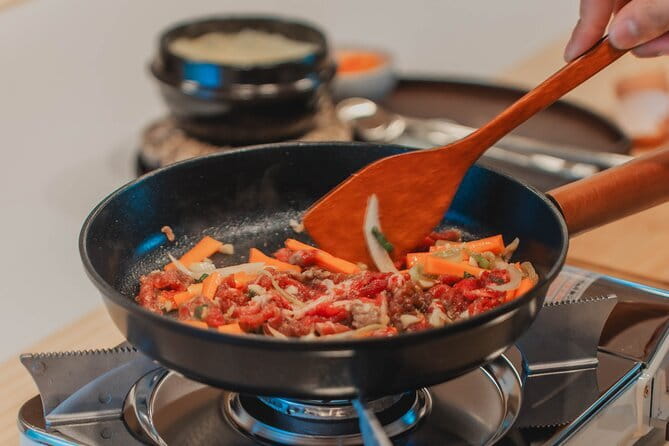
After shopping, you head to a studio kitchen that is conveniently located near Mangwon Station. That matters more than it sounds. You avoid the stress of long transfers with a tote of groceries, and you can focus on cooking instead of logistics.
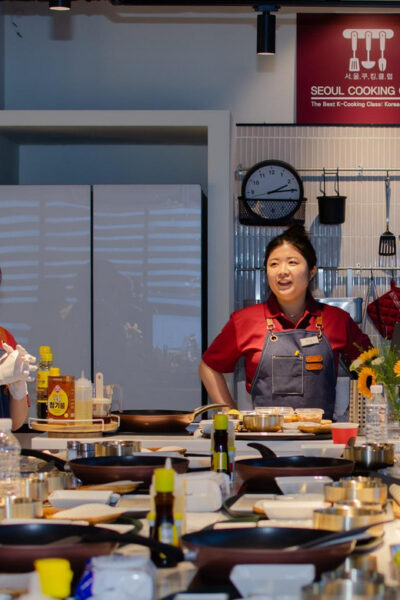
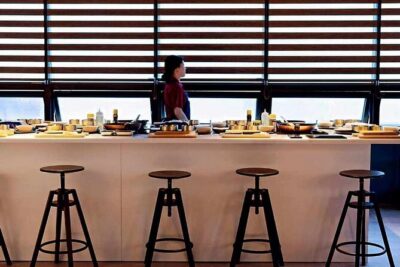
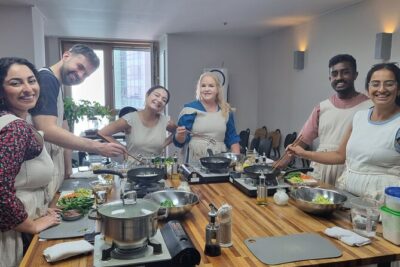
The studio setup also helps the class work for beginners. With a small group, you get space to cook, ask questions, and follow along without feeling rushed. The room itself is described as cosy and pleasant, which matches the overall tone of the experience. This is not a huge show kitchen. It’s a real training kitchen that feels like you could actually use it back at home.
You’ll also get confirmation at booking and receive a mobile ticket. That combination usually means fewer day-of headaches, especially when you are arriving in a new neighborhood.
Cooking bulgogi, gyeran-jjim, and kimbap without stress
You learn three dishes: bulgogi, gyeran-jjim, and kimbap. What I like about this lineup is that each dish teaches a different Korean cooking skill, so you come away with more than memorizing recipes.
Bulgogi, marinated beef that tastes like a shortcut
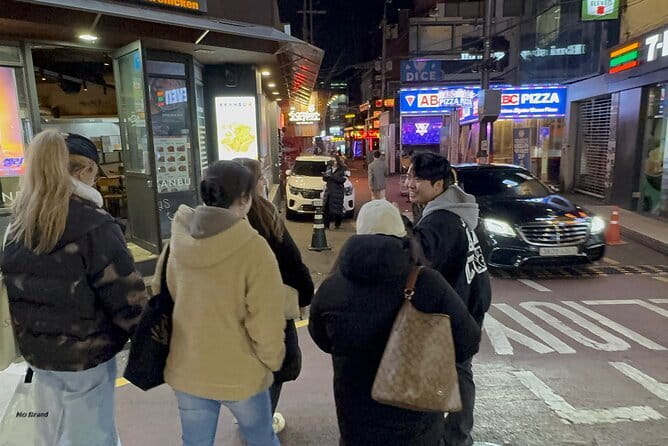
Bulgogi is often described as Korean comfort food, and in class it’s handled like a practical home dish. You learn the process behind making it work: how to treat the beef, how the marinade flavors the meat, and how cooking time affects texture. Even if you are not an experienced cook, the structure of a guided class makes it easier to understand what you are aiming for, not just what to do.
More shopping runs in Seoul
- Seoul Street Food Market Tour
★ 5.0 · 1,226 reviews - Local Home Korean Cooking Class & Market Adventure in Seoul
★ 5.0 · 1,024 reviews - Seoul: Night Market Food Tour with Local Guide
★ 4.9 · 943 reviews - Private DMZ Tour (No Shopping): 3rd Tunnel & Suspension Bridge
★ 5.0 · 607 reviews - Downtown Seoul Guided Food & Market Tour with 8+ Local Tastings
★ 5.0 · 580 reviews
Gyeran-jjim, steamed egg with that smooth, gentle bite
Gyeran-jjim is the steady, calming dish on the list. Steamed egg sounds simple, but it’s actually where technique matters. You learn how the egg mixture should behave and how steaming produces that soft, spoonable result. This is the dish that helps beginners feel confident, because you can really tell when the texture is on target.
Kimbap, rolling Korean-style lunch staples
Then comes kimbap, the dish most people picture when they think of Korean food. The class gives you the steps so you can roll with confidence, not frustration. Kimbap also has a built-in reward, because once you finish rolling, you can slice and eat immediately, and it feels like you made something real, not just cooked a component.
One more reason kimbap is a great final dish for this class: it turns leftovers into something useful. Your meal can stretch beyond the studio, which you’ll see in the next section.
Eating what you made, then turning leftover kimbap into a Han River picnic
After cooking, you enjoy the meal in a cozy studio setting. The experience is designed so you get enough food to feel properly fed, and not just a small sample. People often mention eating a lot during the class, which makes sense when you cook three dishes that naturally work as a group meal.
Then there’s the best part for after class: the suggestion to take leftover kimbap to the nearby Han River. The idea is simple. Spread out a mat, relax in the sun, and eat like a local. It’s a low-cost way to finish your day and turn your own cooking into an instant souvenir you can actually enjoy.
If you plan to do this, bring a small mat or a light cloth you can sit on comfortably. Also, plan to handle your leftovers carefully so your kimbap stays neatly portioned for eating on the river.
Value check: $91.91 for a 3-hour market plus cooking day
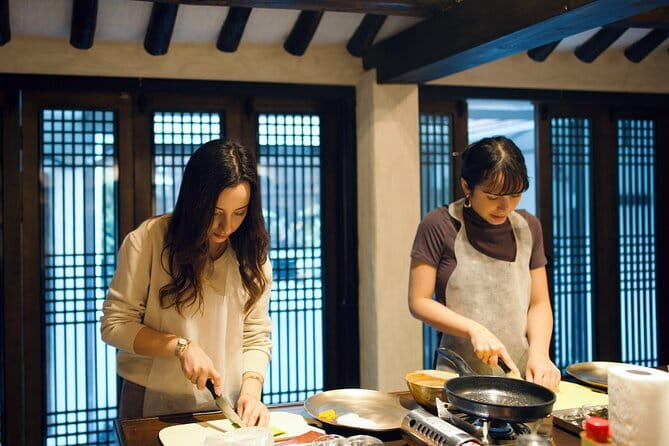
At $91.91 per person for about 3 hours, this is not the cheapest thing you can do in Seoul. But it is priced like a small-group experience that includes both shopping and instruction. In other words, you are paying for more than recipes.
You’re paying for:
- Market guidance so you know what to look for and why
- Hands-on cooking time for three dishes
- A small-group teaching ratio, with time to ask questions
- A full work flow you can copy at home, not just a lecture
You’ll also notice the booking pace, with an average of about 21 days in advance. That usually signals demand for this format, especially among people who want less tourist crowding and more everyday Korean rhythm.
Here’s how I’d judge whether it’s worth it for you. If you want a market experience and you want to cook with support, this price makes sense. If your goal is only to taste a few dishes, you might do better with street food and casual meals. But if you want confidence in cooking Korean staples, this is the kind of class that turns curiosity into real skill.
Practical details that can make or break your day
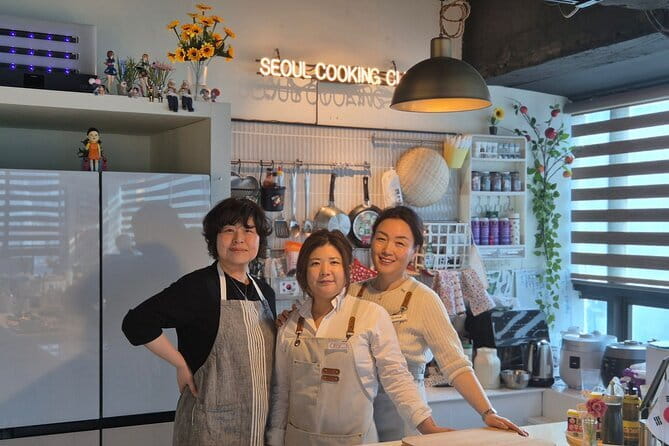
This experience is built for smooth timing and small groups. The max group size is 8 travelers, which is a big deal for comfort. You are not waiting for your turn while everyone else cooks. You get attention.
A couple practical notes:
- Start time is 10:30 am at the Seoul Foodventure meeting point in Mangwon-dong.
- You should plan to arrive on time because missing the market portion can reduce the value of the ingredient shopping.
- Dietary restrictions should be shared in advance so the class can adjust what you handle and cook.
- Service animals are allowed, and the location is near public transportation.
- The ticket is mobile, and confirmation happens at booking.
If you are sensitive to schedule changes, aim to be early by a few minutes. The class sets a clear expectation that the market tour matters.
Who this class is best for, and who should reconsider
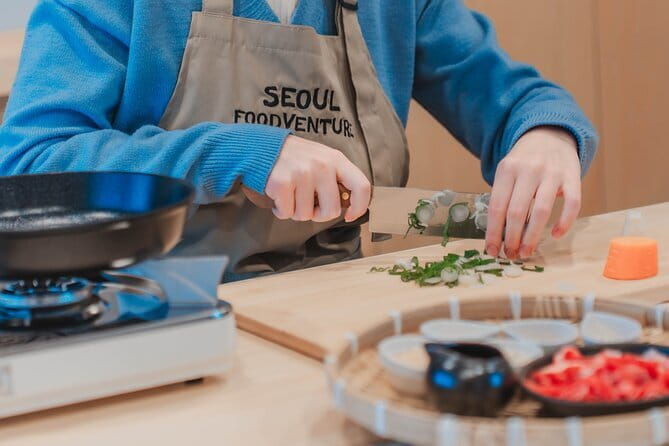
This fits best if you:
- Are a beginner who wants a step-by-step Korean cooking lesson
- Love market browsing but want it tied directly to a meal
- Prefer smaller groups over large tour buses
- Want a less crowded, more local-feeling activity in Seoul
It may not be the best fit if:
- You plan to arrive late or hate tight schedules
- You have complex food needs and cannot share them ahead of time
- You only want a quick food hit, not real cooking practice
Should you book this Korean cooking class?
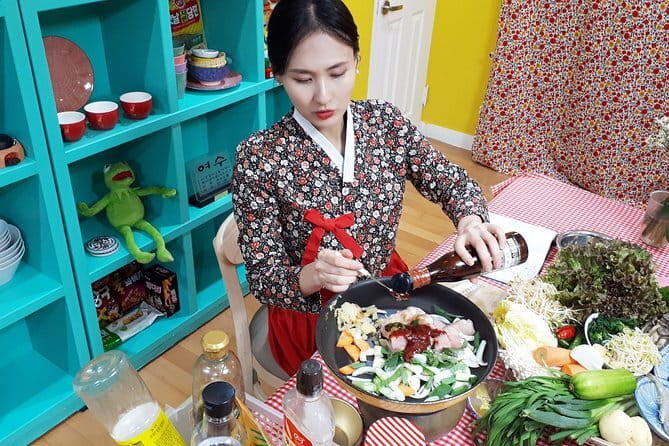
If you want a Seoul day that feels like real food life, not just sightseeing, I’d book it. The combination of Mangwon Market shopping plus cooking three iconic dishes in a small, guided studio format is exactly what makes this worth your time. The instruction style led by Phoebe also seems built for people who learn best through doing, not watching.
I’d especially recommend it if your ideal Seoul day includes a real local neighborhood, a meal you can confidently reproduce later, and an easy plan for the next part of your day like a Han River picnic with leftover kimbap. If you can show up on time and tell them your dietary needs early, this is one of those experiences that gives you both a story and a practical takeaway.
FAQ
What dishes will I cook in the class?
You’ll learn to prepare three Korean dishes: bulgogi (marinated beef), gyeran-jjim (steamed egg), and kimbap.
How long is the cooking class?
The duration is about 3 hours.
Where does the class meet?
The meeting point is Seoul Foodventure at 377-4, 4층, Mangwon-dong, Mapo-gu, Seoul.
Is there a limit on group size?
Yes. The class has a maximum of 8 travelers.
What if I have dietary restrictions?
If you have dietary restrictions, you should let the provider know in advance so the class can plan accordingly.
What is the late arrival policy?
Please arrive on time. If you are more than 10 minutes late, you might miss the market tour.
Bags Full in Seoul

More Seoul Write-Ups
Back to the Kitchen in Seoul
Fresh on the Seoul pile
- Unique Native Experience : Han River Picnic, Board game, BBQ★ 5.0 · 3 reviews
- 2-Hour Private Kayaking and Paddleboarding Experience in Hanriver★ 5.0 · 3 reviews
- Korean Folk Village & Suwon Hwaseong Fortress Private Tour★ 5.0 · 3 reviews
- Seoul Korean BBQ Dinner Experience with Secret Food Tours★ 5.0 · 3 reviews
- Seoul Highlights & Hidden Gems – Private Tour with Photo Service★ 5.0 · 3 reviews
- Night Food Tour in Seoul with Traditional and Modern Cuisine★ 5.0 · 3 reviews
Korean Cooking Classes you might have missed.
 ★ 5.0Local Home Korean Cooking Class & Market Adventure in SeoulFrom $911,024 reviews
 ★ 5.0Master Korean traditional cooking with a Kimchi chefFrom $85385 reviews
 ★ 5.0Seoul: Korean Cooking Class at a Local Home and Market TourFrom $98348 reviews
 ★ 5.0Seoul: Korean Cooking at Seoul Cooking Club!From $109311 reviews
 ★ 5.0Korean Cooking at Seoul Cooking ClubFrom $109220 reviews
 ★ 5.0Experience Korean Cooking in Modern Hanok KitchenFrom $87118 reviews
 ★ 5.0Korean Kimchi Making Day Experience with a Local Market TourFrom $8999 reviews
 ★ 5.0Korean cooking class in Haeundae, BusanFrom $10092 reviews
Where this tour also appears