
REVIEW · KOREAN COOKING CLASSES
Korean Kimchi Making Day Experience with a Local Market Tour
Kimchi feels like a science project in the best way. This Seoul experience starts at Mangwon Market with Jomin, then moves into a hands-on kitchen class where you learn to make multiple kinds of kimchi. You finish by eating what you made, plus you leave with a take-home container of your own fermented results.
I love how small the class is, capped at a maximum of four people. That setup means you get real guidance while you’re actually working, not just watching. I also like that the market time is practical, you learn what to buy and why, and you even get to taste street foods along the way.
One thing to plan for: you will end up with a lot of kimchi to take home. If luggage space is tight or you hate handling strong-smelling fermented food, this might feel like a chore instead of a souvenir.
In This Review
- Key points at a glance
- Mangwon Station Exit 2 to Market Snacks, the Start That Sets You Up
- Mangwon Market With Jomin, How to Shop Like You Actually Cook
- Moving Into the Cooking Studio, Why the Group Size Changes Everything
- Making Four Types of Kimchi, the Skills You’ll Use Again
- What you’ll likely notice while cooking
- The Eat-What-You-Made Moment, Pork, Tofu, and a Korean Table Feel
- Taking Home Leftovers, Your Fermented Souvenir Plan
- Value for $89 in Seoul, What You’re Actually Buying
- Who This Kimchi Day Fits Best (and When to Choose Something Else)
- FAQ
- Where do I meet for the experience?
- What time does the tour run?
- Is the class hands-on or mostly a demonstration?
- How many people are in the class?
- Is there a meal included?
- Can I take kimchi home?
- Do they offer vegetarian or vegan options?
- What types of kimchi do you learn to make?
- What if the minimum number of guests is not met?
- What is the cancellation rule?
- Should You Book This Kimchi Making Day in Seoul?
Key points at a glance
- Mangwon Market, with street food tasting before you cook
- Jomin leads the whole experience, from shopping to the four kimchi styles
- Small group coaching with time for questions and correction
- A proper meal afterward, kimchi with boiled pork and fried tofu
- Take-home container included, so you can keep cooking the next days
- Vegetarian and vegan options available if you plan ahead
More kitchens to book in Seoul
Mangwon Station Exit 2 to Market Snacks, the Start That Sets You Up
The day begins at Mangwon Station, Line 6, entrance 2. If you arrive a few minutes early, you’ll have time to find the meeting spot and get your bearings before walking into the market with Jomin.
The best part of starting at a real local market is that kimchi stops being a vague food idea and becomes a shopping-and-technique process. You get a guided sense of what ingredients look like when they are fresh, and what different products are good for. For me, that context is what makes the class actually usable later, when you try again at home.
You’ll also have a chance to taste lots of street foods on the walk. This isn’t random snacking, it’s part of understanding Korean food culture, how flavors show up in everyday meals, and how people move through markets without making it a big production.
Mangwon Market With Jomin, How to Shop Like You Actually Cook
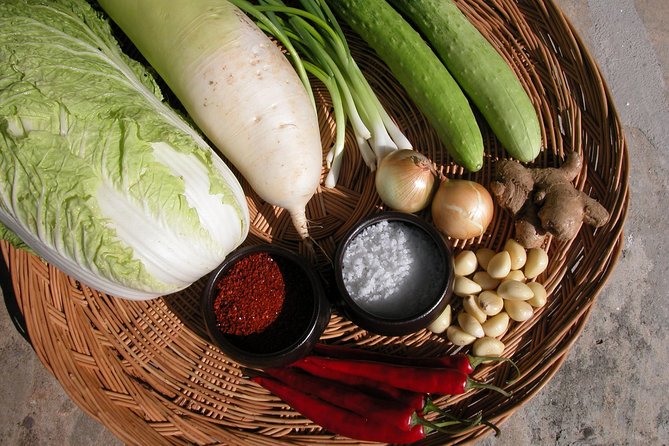
During the market walk, Jomin points out ingredients tied to the kimchi you’ll make. You’ll learn what to look for in things like Korean cabbage, radish, and cucumber, and you’ll hear how Korean cooks think about texture and seasoning, not just heat.
This is also the moment where you pick up small cues you can repeat later. For example, fresh produce feels different in your hands when you compare firm cabbage, crisp radish, or watery cucumber. In a normal grocery store shopping trip, it’s easy to grab what looks okay. In a guided market walk, you start learning what actually matters for fermentation and crunch.
One practical tip: bring a small bag for anything you want to store, and wear shoes you can walk in comfortably. Market time is active, you’ll cover ground before you even touch a cutting board.
Moving Into the Cooking Studio, Why the Group Size Changes Everything
After the walk, you head to the cooking studio. This is where the experience earns its keep. The class runs with one-on-one attention and a cap of up to four people, so it stays personal even though there can be a larger max group size for the overall activity.
That small size matters because kimchi is hands-on. You are doing the messy parts, mixing seasonings, coating vegetables thoroughly, and making sure the process matches what the recipe is trying to achieve. When you have a tight group, the instructor can notice small issues right away, like uneven coating or seasoning distribution.
Jomin’s teaching style also comes through in the way people describe the class. English support is strong, and the mood is friendly and patient, so if you are a beginner, you shouldn’t feel like you’re performing. You’re learning. That’s a big difference.
Making Four Types of Kimchi, the Skills You’ll Use Again
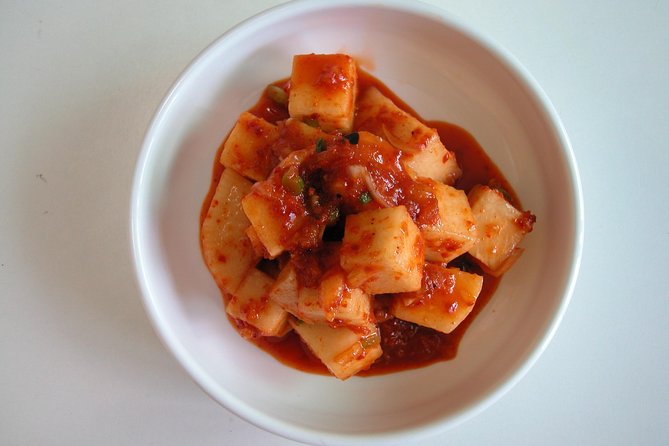
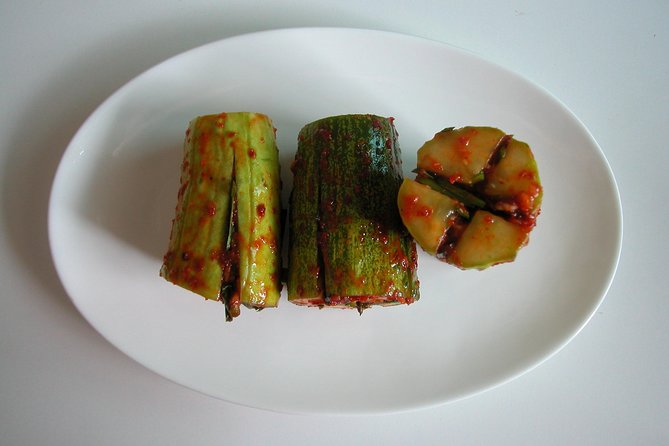
The core of the class is making four authentic types of kimchi using fresh ingredients like Korean cabbage, radish, and cucumber. You’re not limited to the single “classic” version. Instead, you learn how different bases lead to different textures and how the seasoning approach changes.
I like that the class is designed to make you confident to cook at home. The goal isn’t just to finish one jar. The goal is to understand the basics so you can adjust and repeat the process.
In the class, you’ll work through the sequence that most people only hear about in recipes: prepping the vegetables, applying salt and seasoning steps correctly, and making sure every piece gets coated. Then you pack it in a way that supports proper fermentation. Reviews also point to learning both fresh and longer-term thinking, meaning you understand what kimchi is doing over time, not just how it tastes right after mixing.
Another small but important detail: you get a cookbook/recipe set. That makes your take-home container more than just food. It becomes a reference you can follow later without trying to recreate memories from a blur of spices.
More shopping runs in Seoul
- Seoul Street Food Market Tour
★ 5.0 · 1,226 reviews - Local Home Korean Cooking Class & Market Adventure in Seoul
★ 5.0 · 1,024 reviews - Seoul: Night Market Food Tour with Local Guide
★ 4.9 · 943 reviews - Private DMZ Tour (No Shopping): 3rd Tunnel & Suspension Bridge
★ 5.0 · 607 reviews - Downtown Seoul Guided Food & Market Tour with 8+ Local Tastings
★ 5.0 · 580 reviews
What you’ll likely notice while cooking
- Different vegetable behavior changes your workload and results
- Coating technique matters as much as seasoning ingredients
- Time and storage mindset is part of the learning, not an afterthought
The Eat-What-You-Made Moment, Pork, Tofu, and a Korean Table Feel
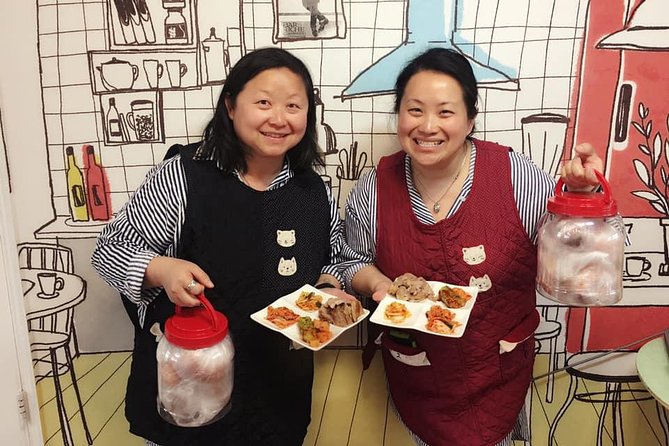
Once your hands-on work is done, you sit down to enjoy the food you created. The meal centers on kimchi paired with boiled pork and fried tofu, like many Korean family meals do around special food prep days.
This is a smart teaching choice. Making kimchi teaches you technique, but eating teaches you judgment. You taste what the process produces, then you connect that result to what you did in the kitchen.
Some people also mention it being served with makgeolli, which adds another layer to the experience. Even if you don’t drink, the idea is clear: kimchi is not just a side dish, it’s part of a meal rhythm. It’s salty, tangy, savory, and it brings the whole plate together.
Taking Home Leftovers, Your Fermented Souvenir Plan
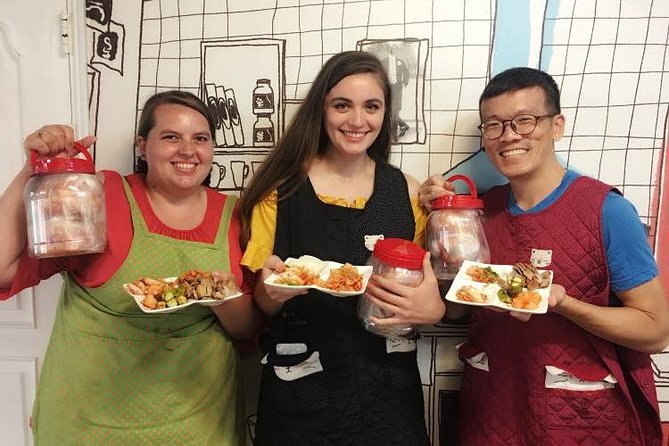
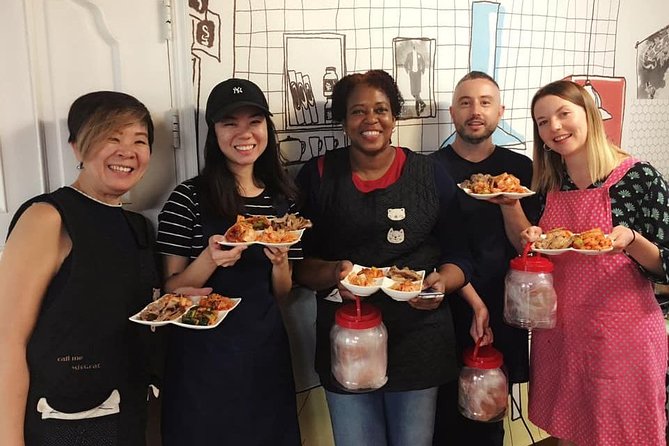
You finish the class with the kimchi you made, plus leftovers if any are prepared. You’ll be given a container to take it home, and it can be a lot.
Here’s the practical part you should plan for:
- You’ll want storage space in your fridge.
- You should think about container size before you pack.
- If you’re flying, consider that the container may be best handled as checked luggage, since it can take up room and you want the safest travel plan for a big food souvenir.
Also, expect that you’ll be eating kimchi for a few meals after. That’s not a problem, it’s the point. You get to practice “what do I do with this at home” right away.
Value for $89 in Seoul, What You’re Actually Buying
At $89 per person for about 3 hours 30 minutes, this sits in the category of “not cheap, but it feels earned.” The reason is not only the class. It’s the full package: market guidance, tasting street foods, hands-on instruction for four kimchi types, a sit-down meal, and take-home kimchi plus a recipe reference.
A lot of food experiences in Seoul are either strictly tours or strictly cooking demos. This one blends both, and that blend improves your odds of repeating the results at home. The market segment gives you a shopping model, while the studio segment gives you execution.
I also like that the experience is typically booked about 30 days in advance. That usually means it’s in demand, but it also means you should lock in dates sooner rather than last minute.
Who This Kimchi Day Fits Best (and When to Choose Something Else)
This is a great fit if you:
- Want hands-on cooking, not just observation
- Like learning through ingredients and technique
- Are spending a few days in Seoul and want a memorable food activity that still helps after your trip
- Enjoy getting recipes you can use right away
It might be less ideal if you:
- Have no room for food storage or limited luggage space
- Prefer a quick, light experience and don’t want to take home a large batch
- Are hoping for a pure sightseeing day, since the main point is cooking and eating
The good news is that you don’t have to be an expert cook. Jomin’s instruction style is described as clear and patient, and the group size helps you keep up.
Also note that vegetarian and vegan options are available. If that matters for you, plan ahead when booking so you can match the menu to your needs.
FAQ
Where do I meet for the experience?
You meet at Mangwon Station in Seoul, at Line 6, entrance 2.
What time does the tour run?
The experience lasts about 3 hours 30 minutes.
Is the class hands-on or mostly a demonstration?
It’s hands-on. You’ll be coached through making kimchi, not just watching.
How many people are in the class?
The kimchi class is designed for a small group, with a maximum of four people.
Is there a meal included?
Yes. After cooking, you sit down to eat kimchi with boiled pork and fried tofu.
Can I take kimchi home?
Yes. You’ll take home kimchi you make, and you’ll be provided a container.
Do they offer vegetarian or vegan options?
Yes. Vegetarian and Vegan options are available.
What types of kimchi do you learn to make?
You learn to make four authentic types of kimchi, using fresh ingredients like Korean cabbage, radish, and cucumber.
What if the minimum number of guests is not met?
If it doesn’t meet the minimum number of guests, the class can be rescheduled or canceled, with a full refund if it’s canceled.
What is the cancellation rule?
You can cancel for a full refund if you cancel at least 24 hours before the experience starts. If you cancel less than 24 hours before, the amount paid is not refunded.
Should You Book This Kimchi Making Day in Seoul?
Book it if you want a Seoul food experience that actually changes what you do after you return home. The combination of a guided Mangwon Market walk plus a small four-person cooking class is exactly the kind of structure that turns knowledge into results.
I’d especially recommend it if you like getting your hands on the ingredients, learning why they matter, and leaving with a meal and a take-home container you can use right away. Just be honest about your baggage space and fridge space, because this is a hands-on class with leftovers you can’t pretend are small.
Keep Browsing Seoul





More Seoul Write-Ups
Back to the Kitchen in Seoul

Fresh on the Seoul pile
- Unique Native Experience : Han River Picnic, Board game, BBQ★ 5.0 · 3 reviews
- 2-Hour Private Kayaking and Paddleboarding Experience in Hanriver★ 5.0 · 3 reviews
- Korean Folk Village & Suwon Hwaseong Fortress Private Tour★ 5.0 · 3 reviews
- Seoul Korean BBQ Dinner Experience with Secret Food Tours★ 5.0 · 3 reviews
- Seoul Highlights & Hidden Gems – Private Tour with Photo Service★ 5.0 · 3 reviews
- Night Food Tour in Seoul with Traditional and Modern Cuisine★ 5.0 · 3 reviews
Korean Cooking Classes you might have missed.
 ★ 5.0Local Home Korean Cooking Class & Market Adventure in SeoulFrom $911,024 reviews
 ★ 5.0Master Korean traditional cooking with a Kimchi chefFrom $85385 reviews
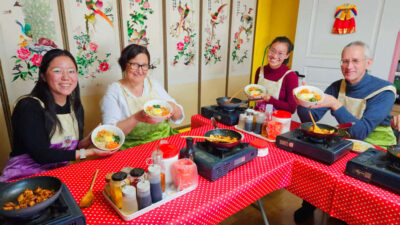 ★ 5.0Seoul: Korean Cooking Class at a Local Home and Market TourFrom $98348 reviews
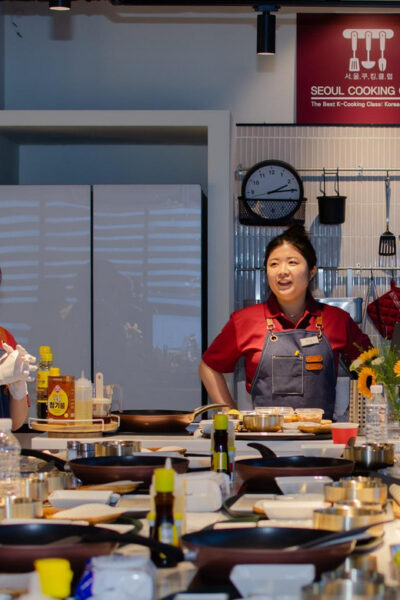 ★ 5.0Seoul: Korean Cooking at Seoul Cooking Club!From $109311 reviews
 ★ 5.0Korean Cooking at Seoul Cooking ClubFrom $109220 reviews
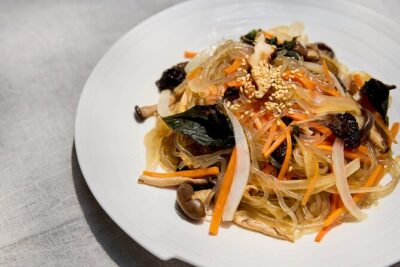 ★ 5.0Experience Korean Cooking in Modern Hanok KitchenFrom $87118 reviews
 ★ 5.0Korean Cooking Class with Grocery Shopping at Seoul Local MarketFrom $91107 reviews
 ★ 5.0Korean cooking class in Haeundae, BusanFrom $10092 reviews
Where this tour also appears