
REVIEW · BUKCHON HANOK VILLAGE & INSADONG
Experience Korean Cooking in Modern Hanok Kitchen
Cooking in Seoul is more fun when you get your hands messy.
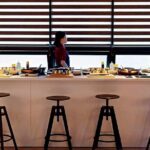
This class takes place in the Bukchon area, close to Seoul’s hanok sights, but the cooking room itself is modern and air-conditioned. You learn Korean dishes from professional English-speaking chefs, then eat what you make for lunch, with a drink. One thing to keep in mind: the school is in a multi-story building, and some rooms are up stairs.
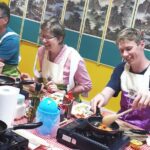
I really like the balance here. The chefs guide you through step-by-step, but you still do the real work: chopping, mixing, and cooking at your own station instead of just watching. I also like that the recipes are beginner-friendly, so even if your knife skills are basically imaginary, you still end up with food you can be proud of.
The main drawback is simple logistics. The location can be a little tricky to find, and it may involve stairs (some past participants noted there is no elevator), so pack light and wear shoes you can trust.
In This Review
- Key Highlights Worth Your Morning
- Bukchon Morning Kitchen, Close to Hanok Country
- Value Check: Why $87 Can Make Sense
- Getting Oriented at O’ngo Food Communications
- The Morning Flow: What Happens Before You Cook
- Cooking at Your Own Station: Hands-On, Not Just Watching
- Your Beginner-Friendly Menu: Learn the Core Korean Flavors
- Lunch Moment: You Eat What You Cook (With Rice and a Drink)
- Small Group Energy: Better Questions, More Personal Help
- Market Side Story: Why Ingredient Shopping Adds Value
- Who This Class Fits Best
- Price, Logistics, and Timing: Quick Decisions Checklist
- Should You Book This Korean Cooking Class?
- FAQ
- How long is the cooking class?
- What time does the class start?
- Where is the meeting point?
- Is lunch included?
- What drinks are included?
- Are ingredients and kitchen tools provided?
- Are hotel pickup and drop-off included?
- What is the minimum age to participate in the cooking class?
- Is the class limited in group size?
- What happens if the minimum number of participants is not met?
- Is free cancellation available?
Key Highlights Worth Your Morning
- Bukchon-area setting with a short walk feel, great if you want to pair it with hanok sightseeing later
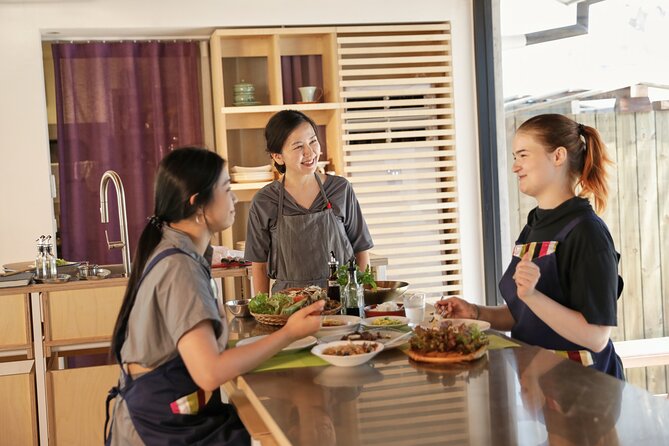
- Modern kitchen setup that’s clean, organized, and air-conditioned
- Professional English-speaking chefs who can explain ingredients and technique clearly for beginners
- Hands-on cooking time at your own workstation, not a passive demo
- Lunch included, plus one beverage, so you leave fed instead of just inspired
Other lanes worth walking in Seoul
Bukchon Morning Kitchen, Close to Hanok Country
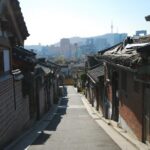
If you want a Seoul day that feels both local and practical, this one works. The meeting point is O’ngo Food Communications, in Jongno District, in the Bukchon area. That matters because Bukchon is where you can step out afterward and see traditional hanok streets, viewpoints, and lanes.
Now, here’s the twist. Even though the area screams old Seoul, the cooking happens in a fully air-conditioned modern kitchen. In other words, you get the best of both worlds: cultural context outside, comfortable training space inside. This is a morning class aimed at beginners, so the pacing is set for learning, not for impressing the chef’s Instagram account.
The class runs about 2 hours starting at 10:30 am, and you’re given a mobile ticket, which keeps things easy once you find the place. A small group format is typical too, which is part of why people leave smiling.
Value Check: Why $87 Can Make Sense
At $87 per person, this isn’t the cheapest thing you can book in Seoul. But cooking classes can quietly become expensive once you add ingredients, kitchen access, and a real instructor. Here, the big value piece is that all ingredients and equipment are included, and you also get lunch plus one beverage.
So you’re paying for:
- A structured beginner lesson with pro help
- A clean, stocked kitchen setup
- Food you eat at the end, not just samples
- English-speaking chefs and safety guidance
Also, you don’t have to budget for extra meals right after, since lunch is part of the deal. The one thing to watch is that hotel pickup and drop-off are not included, so you’ll want to plan your own subway or taxi route.
If you like hands-on experiences, and you know you’ll eat what you cook, this price starts to look fair fast.
Getting Oriented at O’ngo Food Communications
Your start point is O’ngo Food Communications, 137-11 Bukchon-ro, Jongno District, Seoul. That’s the key address to plug into maps so you do not spend your morning hunting staircases and street signs.
One practical note: some people have flagged that it’s on a higher floor and there may be no elevator. I’d treat that as real, not trivia. Bring water, take your time up, and wear shoes that work on indoor stairs.
The school atmosphere is a major part of what makes the experience work. Past participants describe a very clean environment and a cozy setup that supports smaller groups. In a cooking class, that cleanliness is not just nice, it’s useful. It helps you focus on learning technique instead of wondering if the station is chaos.
Also, plan to arrive about 10 minutes early. Late arrivals can miss parts of the program, and this class moves at a beginner-friendly pace, so you do not want to start behind.
The Morning Flow: What Happens Before You Cook
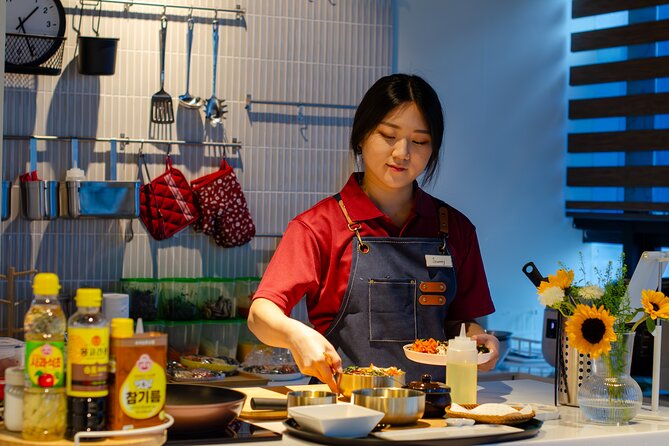
This morning class is designed to teach Korean cooking basics without overwhelming you. Before you start cooking in earnest, you’ll get a primer on Korean flavors and food culture, plus some practical guidance on ingredient selection.
You should expect a few things in the pre-cooking portion:
- A short introduction to the dishes you’ll make
- Tips from a certified guide about choosing good ingredients
- Safety instructions before you touch heat, knives, or anything messy
This matters even if you’ve cooked at home. Korean cooking often depends on sauces, seasoning balance, and texture control. If someone explains what to look for in ingredients, you can repeat the results at home later instead of just copying a recipe and hoping.
Also, the overall class format supports questions. People highlight patient, friendly instruction and steady help as they work.
More kitchens to book in Seoul
- Local Home Korean Cooking Class & Market Adventure in Seoul
★ 5.0 · 1,024 reviews - Master Korean traditional cooking with a Kimchi chef
★ 5.0 · 385 reviews - Seoul: Korean Cooking Class at a Local Home and Market Tour
★ 5.0 · 348 reviews - Seoul: Korean Cooking at Seoul Cooking Club!
★ 5.0 · 311 reviews - Korean Cooking at Seoul Cooking Club
★ 5.0 · 220 reviews
Cooking at Your Own Station: Hands-On, Not Just Watching
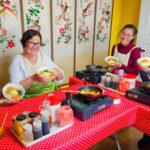
Once the lesson shifts into cooking mode, the experience becomes very physical in a good way. The class structure is built around doing the steps yourself. You’ll get guidance, but you’re the one chopping, dicing, grinding, mixing, and cooking.
Here’s what makes that valuable for beginners:
- You build muscle memory for key prep steps
- You learn how chefs troubleshoot in real time
- You pick up timing cues that photos and written recipes cannot teach
People also mention a good balance between prep and in-class cooking. Some chopping or prep may be handled earlier depending on the dish, but you still do plenty during your session. That keeps the class from feeling like a guided snack run.
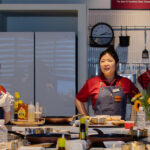
The chefs are professional and speak English, which makes a huge difference. When you can understand why you are doing something, you improve faster. In past sessions, instructors named Ran and Yibben have been specifically mentioned for clear explanations and friendly teaching.
One more detail that stands out: you’re working at your own workstation. That reduces the usual cooking-class bottleneck where one person controls the cutting board and everyone else watches. You get more hands-on practice, and you eat more satisfying food at the end.
Your Beginner-Friendly Menu: Learn the Core Korean Flavors
The exact menu can vary by session, but you should expect popular Korean dishes suited for beginners. The class focuses on learning fundamentals through real recipes, not vague food lectures.
Some dishes named in past classes include:
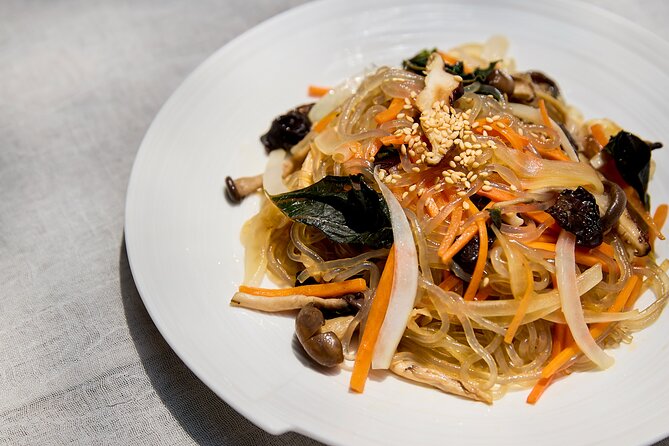
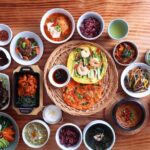
- Japchae (often praised for being easy and delicious)
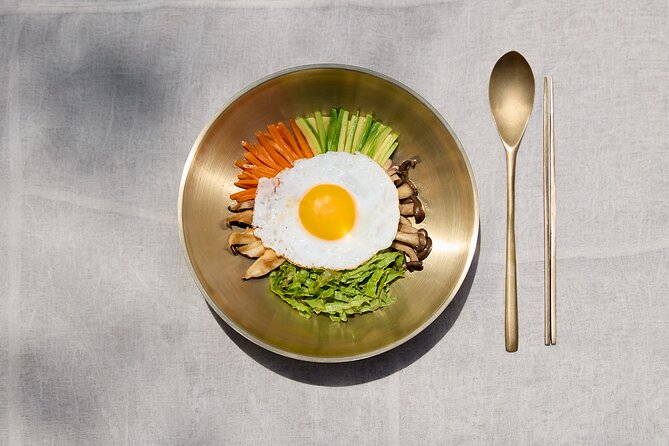
- Bibimbap
- Chicken stew
- Kimchi-based lessons, depending on the class theme
Even when the dish changes, the skill set you take home tends to be similar:
- How seasoning layers work in Korean cooking
- How sauces affect taste balance
- How texture changes as ingredients cook
- What to aim for visually before you call it done
One thing I like in a class like this is the emphasis on ingredient purpose. When someone connects a flavor to why it exists, you start understanding Korean food as a system, not a set of random recipes.
Lunch Moment: You Eat What You Cook (With Rice and a Drink)
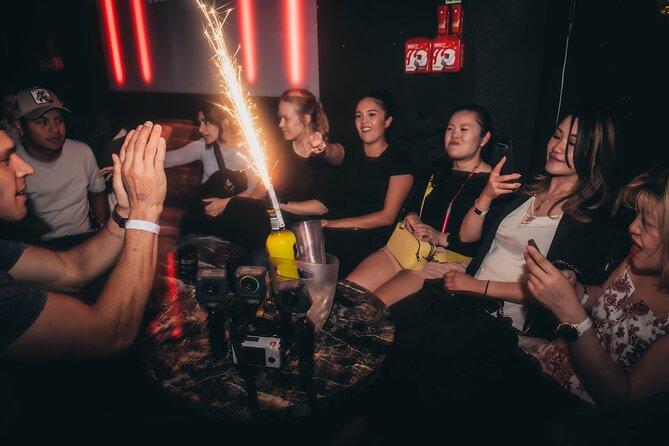
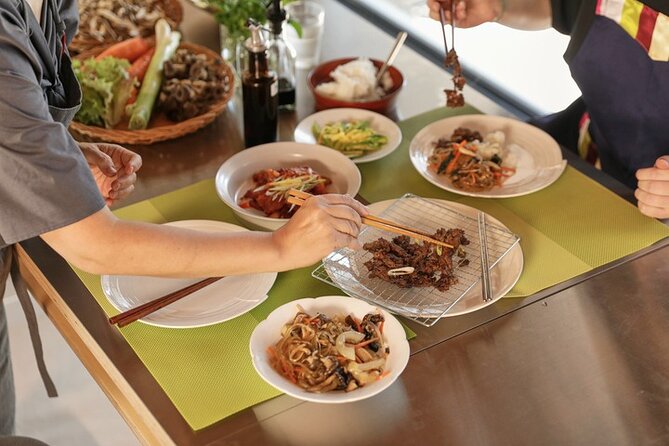
The payoff is built in. After you cook, you sit down to a meal featuring what you prepared. The meal includes rice and one beverage.
This is where you learn quickly if your balancing was on target. If the spice is too strong, you see how adjustments can work. If something tastes flat, you learn what kind of correction the chef uses. It’s a practical feedback loop, and it’s one reason people call this class a favorite Seoul experience.
And yes, you should come hungry. More than one person has advised that you will leave full.
Small Group Energy: Better Questions, More Personal Help
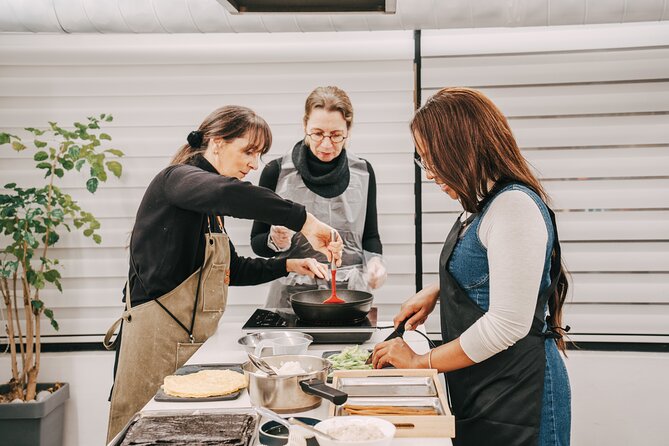
A big reason this gets such strong ratings is the “small class, real attention” feel. The group can be up to 22 travelers, but in practice, some schedules run smaller. People have talked about extremely small groups where they got lots of personal instruction.
For you, that means:
- You can ask follow-up questions without feeling rushed
- Chefs can catch mistakes earlier
- You spend more time actively cooking than waiting
If you are the type who freezes in kitchens when something goes wrong, this setup helps. Beginners often worry about messing up. A good instructor notices early, corrects gently, and keeps the energy positive.
Market Side Story: Why Ingredient Shopping Adds Value
Some sessions include a market component before cooking, and past participants have specifically mentioned a walk through an underground market area or shopping for ingredients. If your schedule includes it, treat it like a cheat code for learning Korean food beyond the cutting board.
Here’s why that ingredient step is helpful:
- You learn what ingredients are worth buying and what to watch for
- You hear practical advice on selecting quality items
- You connect the dish you’ll cook to what real shopping looks like in Seoul
Even if you skip or shorten the shopping time, the chef’s ingredient guidance during class still gives you a path to recreate flavors at home.
Who This Class Fits Best
This is a strong choice if you:
- Are a beginner and want step-by-step Korean cooking
- Prefer hands-on experiences over sitting through a food history lecture
- Want a structured morning activity that includes lunch
- Like learning from English-speaking chefs and clear instruction
There are also age considerations. The class has a minimum age of 11 for cooking, so younger kids may attend but may not participate in the class portion. If you’re traveling with a family and your child is near the minimum age, this can still work, but check participation rules before showing up.
Price, Logistics, and Timing: Quick Decisions Checklist
Before you book, here’s what I’d decide based on your own travel style.
Choose it if:
- You want a half-morning plan in the Bukchon area
- You like the idea of cooking and eating your own lunch
- You can get to the meeting point on your own (no pickup)
Maybe skip or adjust if:
- You prefer not to handle stairs, since some rooms may require going up
- You don’t like finding venues independently, since it’s been described as a little hard to locate
As for timing, a 10:30 am start is ideal. You can cook, eat, and then still have the rest of the day for Seoul exploring.
Should You Book This Korean Cooking Class?
Yes, if you want a beginner-friendly, hands-on Korean food experience with a real meal at the end. The class’s biggest strengths are practical: modern kitchen comfort, clear English instruction, and a format where you cook at your own station. Add the included lunch and beverage, and the value starts to make sense quickly.
Book it especially if you care about learning the “why” behind flavors, not just collecting recipes. And if you are planning a Bukchon day, this pairs nicely with hanok sightseeing afterward.
If you are sensitive to stair access or you dislike navigating to meeting points without pickup, make sure you plan your route carefully. Also arrive on time so you do not miss the early orientation and safety instructions.
FAQ
How long is the cooking class?
The class lasts about 2 hours.
What time does the class start?
The start time is 10:30 am.
Where is the meeting point?
The meeting point is O’ngo Food Communications, 137-11 Bukchon-ro, Jongno District, Seoul, South Korea.
Is lunch included?
Yes. Lunch is included with the class.
What drinks are included?
You receive 1 beverage with your meal.
Are ingredients and kitchen tools provided?
Yes. All ingredients and equipment are included.
Are hotel pickup and drop-off included?
No. Hotel pickup and drop-off are not included.
What is the minimum age to participate in the cooking class?
The minimum age required to cook is 11. Children younger than 11 may be welcome but may not participate.
Is the class limited in group size?
Yes. The tour/activity has a maximum of 22 travelers.
What happens if the minimum number of participants is not met?
There is a possibility of cancellation after confirmation if the minimum is not met. If that happens, you will be offered an alternative date or a full refund.
Is free cancellation available?
Yes. You can cancel up to 24 hours in advance for a full refund.
More Seoul Write-Ups
Back to the Kitchen in Seoul
Keep Wandering the Hanok Lanes
Fresh on the Seoul pile
- Unique Native Experience : Han River Picnic, Board game, BBQ★ 5.0 · 3 reviews
- 2-Hour Private Kayaking and Paddleboarding Experience in Hanriver★ 5.0 · 3 reviews
- Korean Folk Village & Suwon Hwaseong Fortress Private Tour★ 5.0 · 3 reviews
- Seoul Korean BBQ Dinner Experience with Secret Food Tours★ 5.0 · 3 reviews
- Seoul Highlights & Hidden Gems – Private Tour with Photo Service★ 5.0 · 3 reviews
- Night Food Tour in Seoul with Traditional and Modern Cuisine★ 5.0 · 3 reviews
Bukchon Hanok Village & Insadong you might have missed.
 ★ 4.9Seoul: Gyeongbok Palace, Bukchon Village, and Gwangjang TourFrom $322,321 reviews
 ★ 5.0Best Seoul City Tour (Gyeongbokgung Palace,Insadong,Namsan Tower)From $581,647 reviews
★ 5.0Seoul: Gyeongbok Palace, Bukchon Village, and Gwangjang TourFrom $321,044 reviews
★ 5.0Best Seoul City Tour (Gyeongbokgung Palace,Insadong,Namsan Tower)From $581,647 reviews
★ 5.0Seoul: Gyeongbok Palace, Bukchon Village, and Gwangjang TourFrom $321,044 reviews
 ★ 4.7Seoul Highlights: Gyeongbok Palace, Insadong & N Seoul TowerFrom $26726 reviews
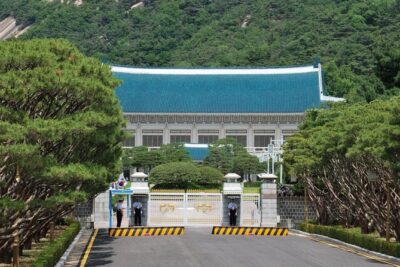 ★ 4.0Korean Palace and Market Tour in Seoul Including Insadong and Gyeongbokgung PalaceFrom $89174 reviews
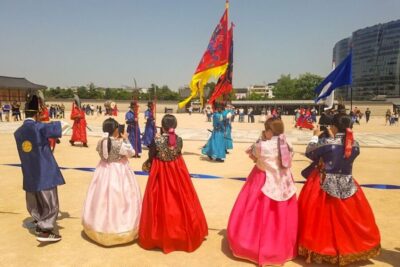 ★ 4.8Seoul: Gyeongbok Palace and Bukchon Hanok Walking TourFrom $88157 reviews
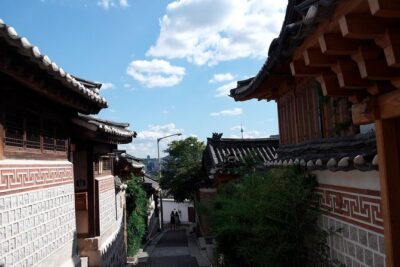 ★ 5.0Best Walking Tour to Gyeongbok Palace Bukchon Hanok VillageFrom $88138 reviews
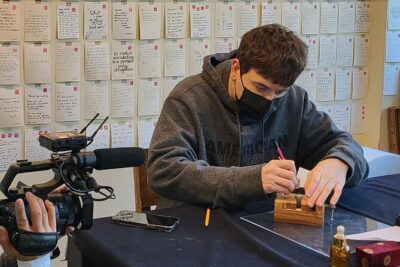 ★ 5.0Carve Your Personal Korean Stone Seal with Jeongju in InsadongFrom $42134 reviews
Where this tour also appears