
REVIEW · KOREAN COOKING CLASSES
Korean Cooking at Seoul Cooking Club
Korean food becomes personal fast. In Seoul, this small-group Korean cooking class turns classic dishes into something you can actually make, and it comes with flexible options like vegan and halal. One possible catch, if you want zero pre-work, is that some sessions can feel more like smart assembling than fully raw, start-to-finish cooking.
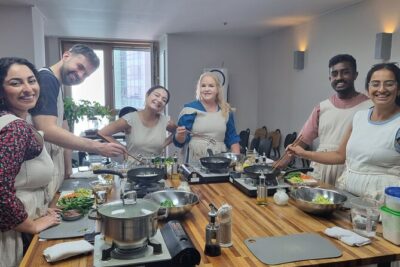
What I really like is how much you do in 2.5 hours: you build a three-course Korean meal, sample 10 different flavors, and leave fed with a souvenir cookbook. The teachers are a big part of the win, with clear instruction from people like Olivia, Elly, Sally, Grace, and Ally, plus a style that helps beginners feel capable.
You meet at 71-6 Jongno 2(i)-ga in Jongno District, and the activity ends back near the start. You’ll get a mobile ticket, it runs near public transportation, and the max group size is 12, which keeps the pace friendly and question-filled.
In This Review
- Key Highlights That Make This Class Worth Your Time
- Why Jongno and a 2.5-Hour Class Can Beat a Longer Tour Day
- What You Cook in Seoul Cooking Club: 3 Courses and 10 Flavors
- Hands-On Cooking or Ingredient Assembling? What to Know Before You Go
- Teachers Like Olivia and Elly: How the Class Helps Your Food Make Sense
- Eating What You Make, Plus Leftovers for Your Next Meal
- Dietary Options That Actually Help, Not Just Check a Box
- Price and Value: Is $109 a Fair Deal in Seoul?
- Getting There and Timing: Simple Tips That Make the Day Easier
- Who Should Book This Korean Cooking Class?
- Should You Book Korean Cooking at Seoul Cooking Club?
- FAQ
- How long is the Korean cooking class?
- Where do I meet for the experience?
- What dietary options are available?
- How many people are in the group?
- What do I receive at the end of the class?
- What is the cancellation policy?
Key Highlights That Make This Class Worth Your Time
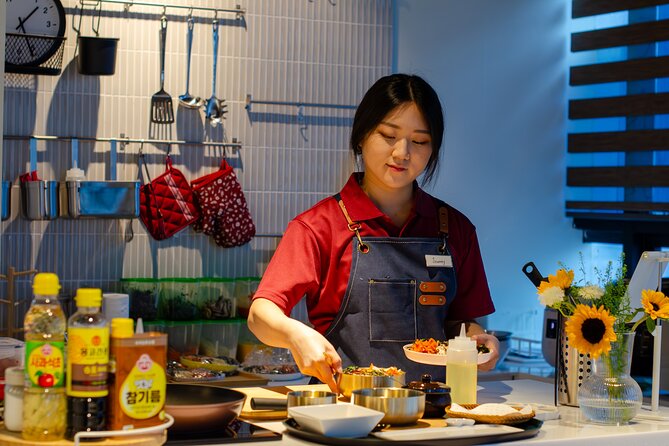
- Three-course meal format that lines up appetizers, mains, and dessert so you leave with a full Korean dining experience
- 10 Korean flavors to taste while you cook, so you learn what to aim for, not just how to follow steps
- Diet-friendly options including vegan, vegetarian, pescatarian, gluten-free, and halal
- Small group size (max 12) for hands-on attention and fewer stand-around moments
- Food you take home is common, plus you get a cookbook souvenir and a tote bag
More kitchens to book in Seoul
Why Jongno and a 2.5-Hour Class Can Beat a Longer Tour Day
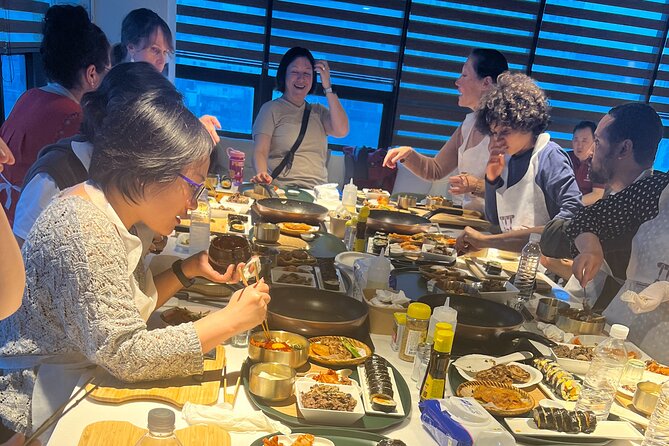
Jongno District is one of those Seoul neighborhoods where you can do a lot without crisscrossing the city all afternoon. This class starts in a central spot and keeps you within a tight time frame, about 2 hours 30 minutes, so you can stack it with other plans like shopping, a temple visit, or a night market.
The 2.5-hour length matters more than you’d think. It’s long enough to learn real cooking flow, but not so long that you’re exhausted halfway through. Plus, the small size, up to 12, means the instructor can actually correct your technique and not just watch the clock.
What You Cook in Seoul Cooking Club: 3 Courses and 10 Flavors
This is not just tasting. You’ll cook and then eat what you make, and the menu is designed to cover a range of Korean textures and flavor types.
You’re aiming for a three-course Korean meal, typically structured with:
- appetizers (often in the form of Korean savory bites like jeon or pancake-style dishes)
- main courses (think classics such as bulgogi and bibimbap, plus other staples)
- a dessert course (the sweet finish is part of the planned experience)
The class also emphasizes 10 Korean flavors, which is a nice way to learn the “flavor logic” behind Korean dishes. Instead of memorizing one recipe, you start recognizing patterns like how salty and savory components balance with sweetness, or how crispy and soft textures work together.
Based on the dishes repeatedly mentioned in the experiences, you can expect Korean favorites such as:
- bulgogi
- bibimbap
- gimbap
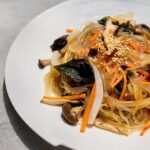
- japchae
- multiple varieties of jeon (and you may see pancake-style items like kimchi pancakes)
And you’ll usually get non-alcoholic drinks during the session. One standout mentioned is sujeonggwa, a ginger punch, served alongside water and tea.
Hands-On Cooking or Ingredient Assembling? What to Know Before You Go
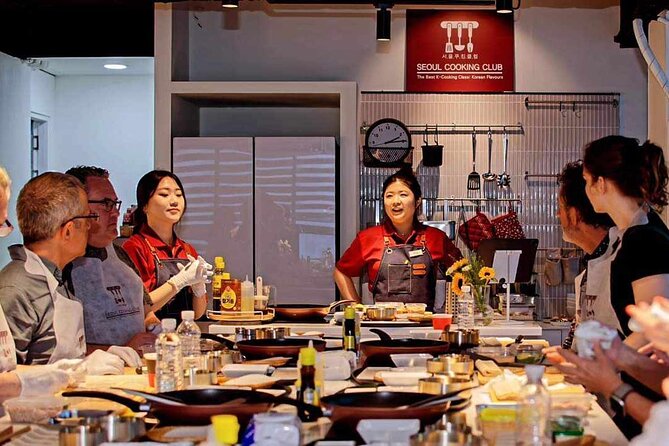
Here’s the balanced truth: not every Korean cooking class is the same level of scratch cooking. Some parts may be prepped, and at least one participant felt the lesson leaned more toward assembling than fully start-from-raw technique.
That doesn’t automatically make it bad. For most visitors, the sweet spot is: you learn the steps that affect flavor and results, without spending the whole class chopping and prepping everything. The key is whether the instructor shows you what matters.
From the teaching style described by multiple instructors and names like Olivia, Elly, Sally, and Grace, the focus is on:
- clear step-by-step directions
- simple techniques that still produce reliable results
- guidance on taste and adjustment as you cook
- explanations of why ingredients are used, not only what to add
If you’re an absolute knife-skills purist, you might wish for more raw prep. If you’re a beginner who wants confidence and repeatable results at home, this kind of structure is often the fastest path to enjoying cooking instead of wrestling it.
Teachers Like Olivia and Elly: How the Class Helps Your Food Make Sense
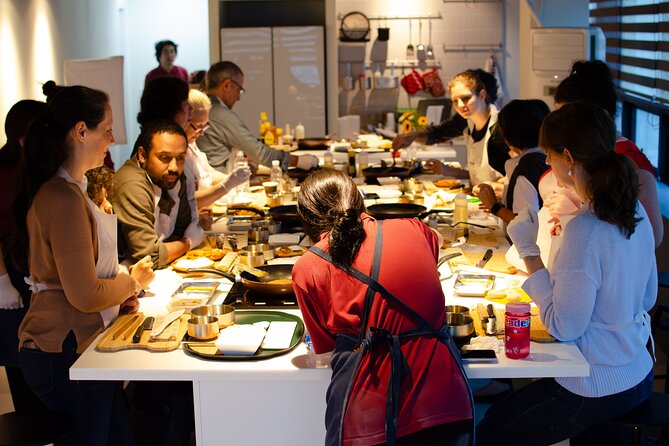
One reason this class gets strong marks is that instruction is consistently described as friendly, clear, and practical. It’s not just “do this, then that.” The better sessions explain the foundation of Korean flavor so you can troubleshoot.
What you’ll likely learn as you cook:
- how sauces and seasoning play off each other
- how to build balance in dishes like bibimbap, where components matter as much as the final mix
- how to approach gimbap and why certain fillings and textures work together
- how jeon and pancake-style dishes get their character through batter and heat
This is also where Korean food culture sneaks in naturally. Several instructors are described as talking about Korean cuisine and methods, and the experience is set up so you can ask questions while your food is cooking. That matters. If you leave Seoul without knowing what ingredient choices actually drive taste, you’ll struggle to recreate dishes later.
And yes, you may end up learning from different instructors depending on the session. Names that show up include Olivia, Elly, Sally, Grace, and Ally, and the repeated theme is patient coaching rather than tough-love perfection.
Other classes with a stove in Seoul
- Korean Cooking at Seoul Cooking Club
★ 5.0 · 220 reviews - Experience Korean Cooking in Modern Hanok Kitchen
★ 5.0 · 118 reviews - Korean Cooking Class with Grocery Shopping at Seoul Local Market
★ 5.0 · 107 reviews - Royal Seoul Cooking Class in a 100-Year-Old Hanok
★ 5.0 · 81 reviews - Seoul : Taste of Korea, Authentic Home-Style Cooking Class
★ 5.0 · 64 reviews
Eating What You Make, Plus Leftovers for Your Next Meal
Cooking classes succeed or fail on one simple point: do you get enough to eat, and do you enjoy it while you’re learning? Here, the answer seems strongly positive.
You’ll taste throughout the class while you prepare the three-course meal. By the end, you’re not nibbling small samples. People repeatedly mention leaving full and satisfied, and it’s common to pack leftovers for later.
That last part is smart value. If you’re paying $109 per person, you want real food value. This class is structured so you can eat a full meal and still have extras. It also helps if you’re visiting Seoul for the first time and you want one evening that feels like both a lesson and a meal out.
A small detail that adds comfort: you’ll have drinks during the session, including water, tea, and sujeonggwa. It makes the whole flow feel like a relaxed dining moment, not a rushed factory line.
You’ll also get a cookbook souvenir to take home. In at least one case, people specifically say the cookbook helps them recreate dishes, which is exactly what you want from a cooking class in a foreign country.
Dietary Options That Actually Help, Not Just Check a Box
One of the strongest practical advantages is the way this class handles dietary needs. The class can cater to vegan and halal preferences, and it also lists options for:
- vegan
- vegetarian
- pescatarian
- gluten-free
- halal
This matters in Korea because Korean meals often revolve around meat-based broths, fermented flavors, or cross-contact in shared kitchens. When a class publicly offers these options, it signals they’ve planned how to adjust ingredients and menu choices.
There are also notes about allergy accommodation. For example, someone mentioned peanut allergy being handled, and in general, you’ll want to share your dietary restrictions clearly when booking so the kitchen can prepare accordingly.
If you’re traveling with friends or family who have different eating styles, this is the kind of activity that can keep everyone included. You don’t want a cooking class where half the group watches while others eat.
Price and Value: Is $109 a Fair Deal in Seoul?
At $109 per person, this is not a bargain basement activity. But it doesn’t look overpriced when you break down what you get.
You’re buying:
- a small group (max 12)
- a 2.5-hour guided class
- ingredients and coaching for multiple dishes
- a full three-course meal
- tasting of 10 Korean flavors
- a cookbook souvenir
- food you can often take home
That combo is why people keep booking it. You’re not just paying for “entertainment.” You’re paying for instruction time, food value, and the chance to leave with skills.
If you compare it to a couple of restaurant meals plus a generic activity, this can start to make sense quickly, especially since you’re learning how to recreate dishes later.
Getting There and Timing: Simple Tips That Make the Day Easier
The meeting point is at 71-6 Jongno 2(i)-ga, Jongno District, Seoul, and the class ends back near the meeting point.
It’s near public transportation, so you don’t have to build your whole day around a complicated route. Still, give yourself a little time to find the building entrance and settle in.
One practical tip from the vibe of the class: come ready to eat. People explicitly suggest not eating beforehand because there is a lot of food. If you eat a heavy meal first, you may feel stuffed too fast and miss the fun of tasting everything.
A good plan is to treat this as your brunch, lunch, or dinner anchor. If you do that, you’ll feel in control rather than squeezed between meals.
Who Should Book This Korean Cooking Class?
This is a great fit if you:
- want an easy entry into Korean cooking without needing prior experience
- like eating while learning and hate the awkward “you cook but don’t get much” format
- have dietary restrictions and want a class that lists options like vegan and halal
- want a social, small-group activity to meet other visitors
It’s also good for couples and solo travelers because the class is structured so you’re doing steps together and sharing the table at the end. People mention it as a strong early Seoul activity because it gives you a mental map of Korean dishes and menu terms right away.
If you’re an advanced home cook looking for deep restaurant-level technique, you may find some prep already handled. But you’ll still likely pick up practical flavor guidance and learn how to combine components like bibimbap and gimbap successfully.
Should You Book Korean Cooking at Seoul Cooking Club?
If your goal is a fun, flavorful Korean cooking experience with real food, clear instruction, and diet-friendly options, I’d say yes. The value is strongest for beginners and intermediate cooks who want results they can repeat.
Book it if:
- you want to learn staples like bulgogi, bibimbap, gimbap, and japchae
- you like the idea of tasting 10 flavors while you cook
- you’re traveling with dietary needs like halal or gluten-free
- you’d rather spend 2.5 hours doing something hands-on than only touring
Skip it or rethink if:
- you need a strict, raw-from-scratch cooking workshop with maximum chopping and minimum pre-prep
- you’re likely to arrive underfed but then eat too lightly, because this class is designed to be a meal
Bottom line: for most people, this is one of the most satisfying “learn and eat” activities in Seoul, especially because you leave with the skills, the flavors, and enough food for later.
FAQ
How long is the Korean cooking class?
The class runs for about 2 hours 30 minutes.
Where do I meet for the experience?
You start at 71-6 Jongno 2(i)-ga, Jongno District, Seoul, South Korea, and it ends back at the meeting point.
What dietary options are available?
The class offers vegan, vegetarian, pescatarian, gluten-free, and halal options.
How many people are in the group?
The class has a maximum of 12 travelers.
What do I receive at the end of the class?
You will taste and eat what you cook, and you are also provided a cookbook as a souvenir. Tote bags are mentioned in participant experiences.
What is the cancellation policy?
You can cancel for free up to 24 hours in advance for a full refund. If you cancel less than 24 hours before the start time, the amount paid is not refunded.
Classes With a Stove
More Seoul Write-Ups



Back to the Kitchen in Seoul
Fresh on the Seoul pile
- Unique Native Experience : Han River Picnic, Board game, BBQ★ 5.0 · 3 reviews
- 2-Hour Private Kayaking and Paddleboarding Experience in Hanriver★ 5.0 · 3 reviews
- Korean Folk Village & Suwon Hwaseong Fortress Private Tour★ 5.0 · 3 reviews
- Seoul Korean BBQ Dinner Experience with Secret Food Tours★ 5.0 · 3 reviews
- Seoul Highlights & Hidden Gems – Private Tour with Photo Service★ 5.0 · 3 reviews
- Night Food Tour in Seoul with Traditional and Modern Cuisine★ 5.0 · 3 reviews
Korean Cooking Classes you might have missed.
 ★ 5.0Local Home Korean Cooking Class & Market Adventure in SeoulFrom $911,024 reviews
 ★ 5.0Master Korean traditional cooking with a Kimchi chefFrom $85385 reviews
 ★ 5.0Seoul: Korean Cooking Class at a Local Home and Market TourFrom $98348 reviews
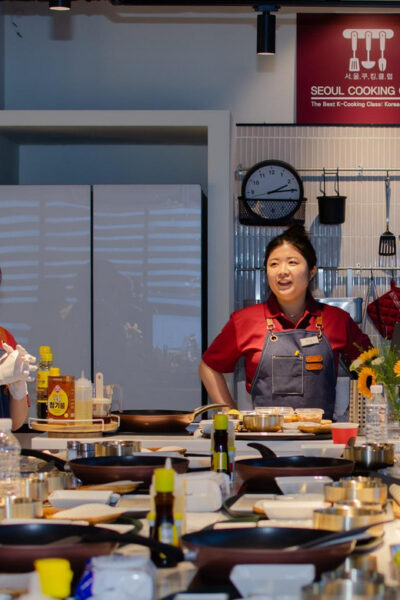 ★ 5.0Seoul: Korean Cooking at Seoul Cooking Club!From $109311 reviews
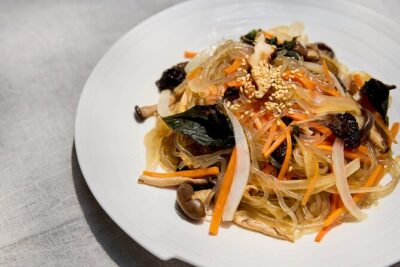 ★ 5.0Experience Korean Cooking in Modern Hanok KitchenFrom $87118 reviews
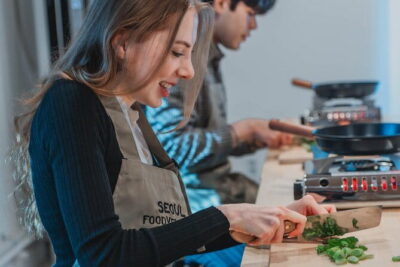 ★ 5.0Korean Cooking Class with Grocery Shopping at Seoul Local MarketFrom $91107 reviews
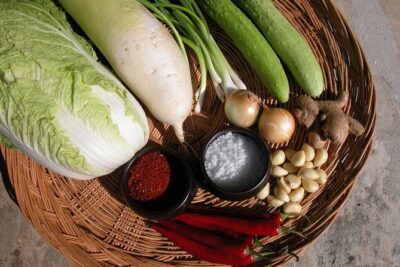 ★ 5.0Korean Kimchi Making Day Experience with a Local Market TourFrom $8999 reviews
 ★ 5.0Korean cooking class in Haeundae, BusanFrom $10092 reviews
Where this tour also appears