
REVIEW · BUKCHON HANOK VILLAGE & INSADONG
Royal Seoul Cooking Class in a 100-Year-Old Hanok
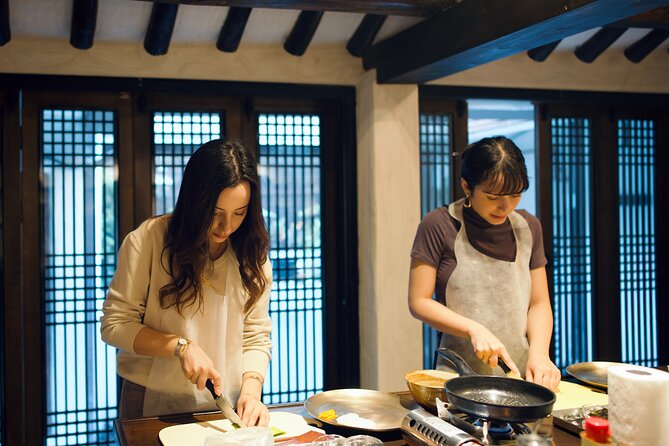
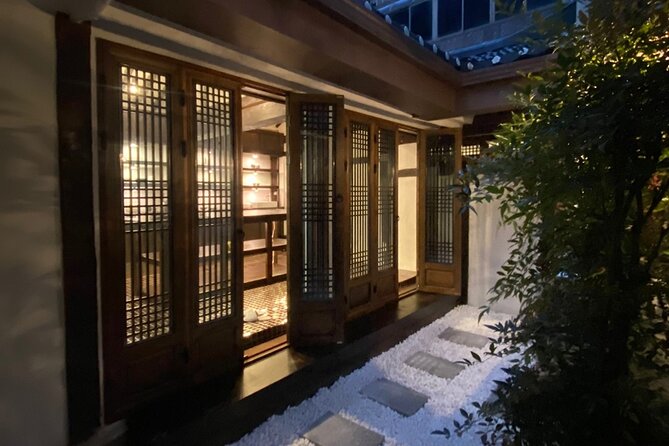
Cooking in a 100-year-old hanok feels special. Inside a preserved traditional home, I love the 100-year-old hanok atmosphere and the way this class turns Korean food into something you do at home, step by step. You also dine on handmade bangjja tableware after cooking, so it feels like a complete meal, not just a quick tasting.
The one possible drawback is simple: the class meal includes Makgeolli, so if alcohol is a hard no for you, this may not match your plans. The payoff is strong, though, since the experience is kept to a small group (max 6), with an instructor called Park in multiple bookings who’s known for clear guidance and comfortable conversation.
In This Review
- Key reasons this cooking class is worth your time
- A 100-Year-Old Hanok Home Where the Meal Actually Feels Korean
- What You Learn From Park, the Hands-On Instructor
- The Menu: LA Galbi, Fresh Kimchi, Haemul Pajeon, Tangpyeongchae
- LA Galbi
- Fresh Kimchi
- Haemul Pajeon
- Tangpyeongchae
- Dinner Like Royalty on Handmade Bangjja
- How the Day Connects to Korean Sights Around Seoul
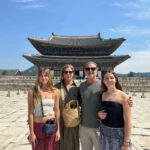
- Gyeongbokgung Palace
- Changdeokgung Palace
- Kwangjang Market
- Ikseon-dong Hanok Street
- Gwanghwamun Square
- Getting There Smoothly: Meeting Point and Mobile Ticket
- Price and Value: Is $98.98 Per Person Fair?
- Who This Cooking Class Suits Best
- Practical Tips So You Enjoy Every Part
- Should You Book the Royal Seoul Cooking Class?
- FAQ
- How long is the Royal Seoul Cooking Class?
- What is the group size limit?
- Where is the meeting point?
- What dishes will I cook?
- Is food and drink included?
- Do I get a mobile ticket?
- What is the cancellation policy?
Key reasons this cooking class is worth your time
- A preserved 100-year-old hanok home kitchen where the setting matters as much as the food
- Hands-on royal menu with LA galbi, fresh kimchi, Haemul pajeon, and tangpyeongchae
- Dine-on-bangjja plates for a more authentic Korean table feel
- Max 6 people for real attention, not a crowd shuffle
- Makgeolli plus traditional desserts included with your meal
- English instruction and story-driven explanations tied to what you’re cooking
Other lanes worth walking in Seoul
A 100-Year-Old Hanok Home Where the Meal Actually Feels Korean
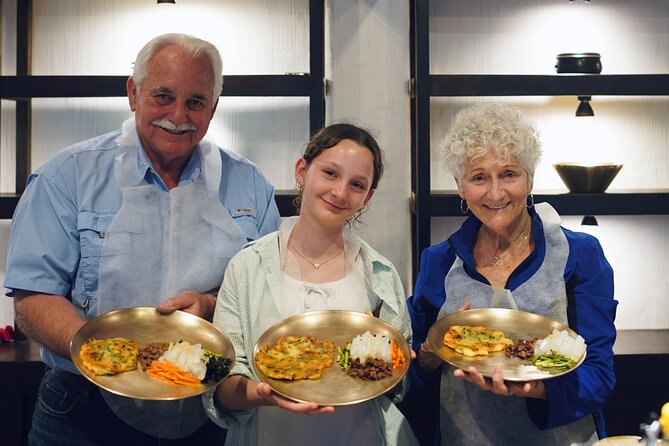
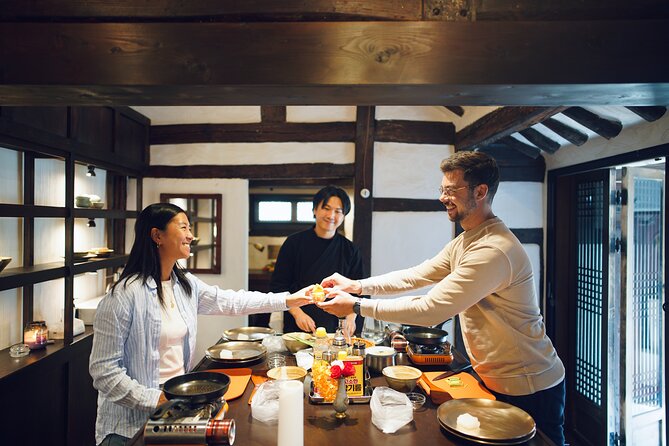
Seoul can be loud and fast, so I like that this experience anchors you in a quiet, old residential hanok. You are not just looking at Korean tradition from the outside. You’re cooking and eating inside a preserved home that’s set up for this kind of evening.
The real win here is the combination of cooking + dining in one place. Many food experiences stop at sampling. This one pushes you to make the dishes yourself, then serve them on handmade bangjja plates. That matters because Korean meals are meant to be shared and eaten in a certain rhythm. When you use the tableware and sit in the right setting, the food lands differently.
Also, the “royal” angle is not just marketing language. Your menu focuses on famous Korean dishes and techniques that connect to court-era cuisine and regional favorites. In other words, you’re learning recipes, but you’re also learning the logic behind them, so you can recreate them later.
What You Learn From Park, the Hands-On Instructor
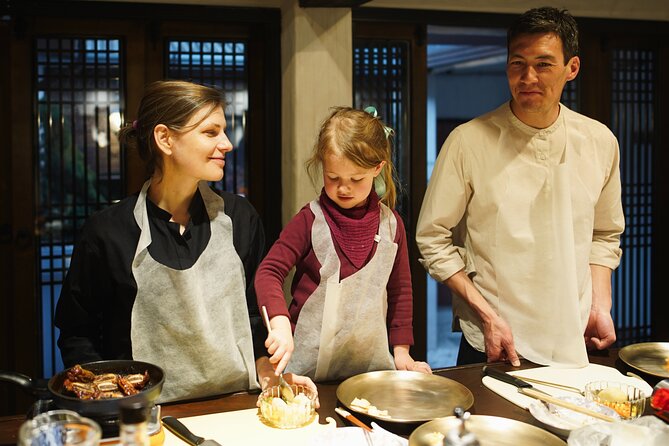
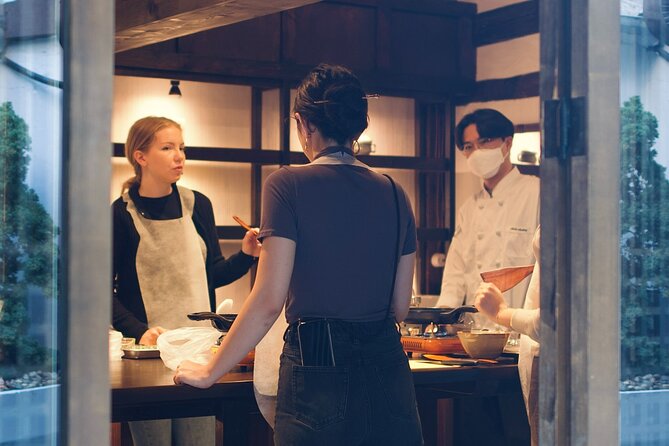
This class is built around small-group coaching. The maximum is 6 travelers, which keeps the kitchen calmer and makes it easier for the instructor to correct your technique.
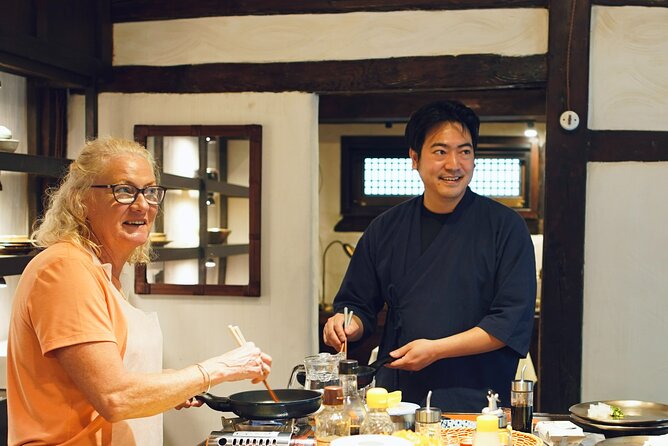
From what’s been shared by past participants, Park is especially known for two things: practical guidance and comfortable conversation. Even when you feel like you’re starting from scratch, the class is designed to be approachable. The goal is simple, you should leave able to cook at home without needing guesswork.
There’s also an added layer that makes the evening more than chores in an apron. Park talks about Korean food culture and the stories behind what you’re cooking. If you like explanations, this is the kind of class where history and everyday cooking connect, without turning the meal into a lecture.
One more detail I like for first-timers: the class aims for an easy flow, about 2 hours 15 minutes total. That’s long enough to cook well, but short enough that the night still feels fun and social.
The Menu: LA Galbi, Fresh Kimchi, Haemul Pajeon, Tangpyeongchae
Your hands-on time centers on a royal-style lineup with a mix of meat, fermented flavors, savory pancakes, and refreshing elements.
LA Galbi
LA galbi is a crowd-pleaser for a reason. In class, you get to see how it comes together so you can focus on the flavors and handling. It’s also a great dish to learn first because once you get the seasoning and cook timing right, you’ll feel confident for the rest of the menu.
More kitchens to book in Seoul
- Local Home Korean Cooking Class & Market Adventure in Seoul
★ 5.0 · 1,024 reviews - Master Korean traditional cooking with a Kimchi chef
★ 5.0 · 385 reviews - Seoul: Korean Cooking Class at a Local Home and Market Tour
★ 5.0 · 348 reviews - Seoul: Korean Cooking at Seoul Cooking Club!
★ 5.0 · 311 reviews - Korean Cooking at Seoul Cooking Club
★ 5.0 · 220 reviews
Fresh Kimchi
Fresh kimchi is where a lot of people learn that kimchi is not just a jar in the fridge. You’ll work with the idea of balance in seasoning and texture. Even if you have eaten kimchi many times, this is the moment where you understand how it becomes kimchi.
Haemul Pajeon
Haemul pajeon brings seafood into a familiar Korean comfort food. It’s also a technique lesson. Getting the batter and cook so it tastes right is easier when someone walks you through it, especially in a home-kitchen setup where timing feels real.
Tangpyeongchae
Tangpyeongchae adds a lighter, more refreshing finish. It’s the kind of dish that helps your meal feel complete instead of heavy. This is also a good choice for people who want variety, since your menu isn’t only grilled or only fried.
In practical terms, this menu is smart for tourists. You get Korea’s signature flavors in one sitting, and you’ll have a set of recipes you can confidently try again once you’re home.
Dinner Like Royalty on Handmade Bangjja
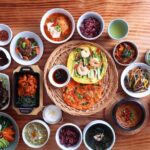
After you cook, you get to eat your food in true Korean style. The standout here is the handmade bangjja bronzeware for the table. If you care about craft details, this will be a treat.
Why does it matter? Because it changes the whole experience from cooking into dining. Korean meals are about portioning, sharing, and moving through flavors. Tableware and setting influence that, even if you are just focused on eating.
On top of your dishes, you also get a glass of freshly brewed Makgeolli and a selection of traditional Korean desserts. This turns the class into a full evening meal, so you’re not hunting for dessert plans after class.
One caution: Makgeolli is part of the included experience. If you do not drink alcohol, consider whether you want to pay for a class where that beverage is already baked into the menu.
How the Day Connects to Korean Sights Around Seoul
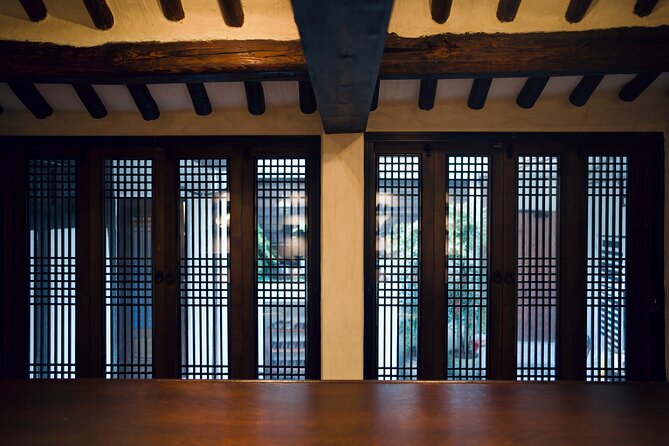
The schedule includes five major stops: Gyeongbokgung Palace, Changdeokgung Palace, Kwangjang Market, Ikseon-dong Hanok Street, and Gwanghwamun Square. Even though the cooking is the heart of the evening, these stops help put food into context.
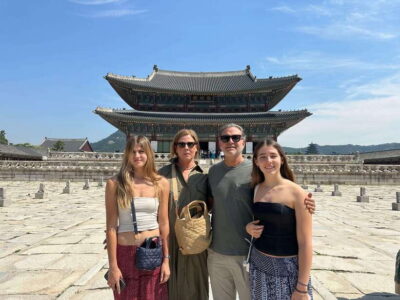
Gyeongbokgung Palace
Starting at Gyeongbokgung Palace sets a royal tone. It matches the class theme of royal cuisine and court-adjacent dishes. The tradeoff is time. You’ll want to keep your photo stops efficient so you don’t arrive at cooking feeling rushed.
Changdeokgung Palace
The second palace stop keeps that royal framing going. It’s a good way to shift your mindset from sightseeing mode into culinary mode, because the same theme of tradition shows up in what you’ll cook next.
A practical consideration here is stamina. Palace visits plus a market and a hanok street later can feel like a lot in one outing, so plan the rest of your day lightly.
Kwangjang Market
Kwangjang Market breaks the royal-only rhythm and brings you into a more everyday food atmosphere. It’s a natural pairing with pajeon and kimchi, since these are the kind of dishes that show up in Korean street food culture and home cooking.
If you are already hungry, you might find it hard not to snack between stops. Just remember you’ll still be cooking and then eating your own meal.
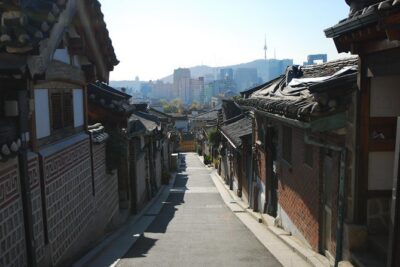
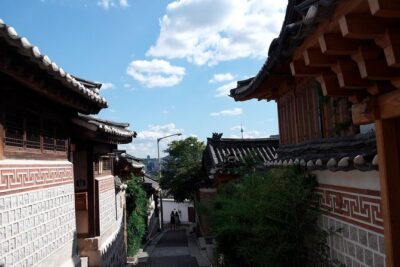
Ikseon-dong Hanok Street
Ikseon-dong Hanok Street fits perfectly with the hanok setting of the class. It helps you notice the differences between a hanok as an attraction and a hanok as a lived-in home.
This stop is also a visual reset before the evening settles in for cooking. It’s the kind of break that makes the final meal feel cozy and earned.
Gwanghwamun Square
Gwanghwamun Square ties the itinerary back into Seoul’s central energy. It can be a nice moment to orient yourself for the rest of your trip, especially if you’re planning where to go after dinner.
The drawback to any schedule packed with big landmarks is that you need a flexible mindset. You are not trying to win a checklist. You’re building the mood for your Korean food night.
Getting There Smoothly: Meeting Point and Mobile Ticket
The meeting point is 25 Samil-daero 32ga-gil, Jongno District, Seoul, South Korea, and the activity ends back at the meeting point. That helps if you hate playing phone tag at the end of an event.
You’ll also have a mobile ticket, which is convenient for city travel. The tour is described as near public transportation, so you can plan to use transit without needing a car.
Timing matters here because the class itself is only about 2 hours 15 minutes. If you arrive late, you may miss parts of your cooking flow, so give yourself a small buffer.
Price and Value: Is $98.98 Per Person Fair?
At $98.98 per person, this class sits in the midrange for Seoul cooking experiences. What makes it feel worth it is what’s included and how it’s delivered.
You are paying for:
- A small group size, max 6
- Cooking instruction from a chef host (Park is repeatedly mentioned)
- The full hands-on menu (LA galbi, kimchi, pajeon, tangpyeongchae)
- Dining on handmade bangjja bronzeware
- A glass of makgeolli plus traditional desserts
If you only want to taste Korean food, there are cheaper ways to do that. But if you want recipes you can repeat, and you want the meal to feel like a real home table in a real hanok, the pricing starts to make sense.
I especially like that the class is designed to be approachable even if you’re not a confident cook. For the price, you’re buying guidance, not just ingredients.
Who This Cooking Class Suits Best
This works well for multiple types of travelers.
Couples will like it because the group stays small, and you get a focused evening with a shared meal you cooked together. Solo diners should also feel comfortable since the class isn’t framed as a big show. You’re more likely to talk with your instructor and the people next to you.
Family groups can fit here too. One booking specifically mentions cooking with kids around ages 11 and 13, and that the instruction worked across ages. If you are bringing teens, this is a good option because it’s hands-on and structured.
If you care about English instruction and clear explanations, this class is described as friendly and easy to follow, with an instructor who can switch between food technique and cultural stories.
Practical Tips So You Enjoy Every Part
- Wear shoes you can stand in, since the day includes palace stops, a market, and a hanok street in addition to cooking.
- If you drink less alcohol, note that Makgeolli is included, so plan your pace.
- Come hungry, but not so hungry that you snack through the schedule. Your meal includes what you cook plus desserts.
- When Park explains the why behind the dish, lean in. That’s what helps the recipes actually stick after you go home.
- If you’re traveling on your first days in Seoul, this class can work as an anchor experience, because the setting and meal help you understand Korean food right away.
Should You Book the Royal Seoul Cooking Class?
Book it if you want a Seoul meal that feels genuinely Korean beyond the photo. The combination of a restored 100-year-old hanok, a chef-guided small-group hands-on menu, and eating your work on handmade bangjja makes this more memorable than a standard tasting.
Skip or reconsider if alcohol is a hard stop for you, because Makgeolli is included. Also, if you only have a tiny amount of time and hate moving between major sights, double-check whether your schedule allows for multiple stops before the cooking part.
If your goal is to leave with dishes you can recreate and a story you can tell, this is a strong choice.
FAQ
How long is the Royal Seoul Cooking Class?
The class lasts about 2 hours 15 minutes.
What is the group size limit?
The experience has a maximum of 6 travelers.
Where is the meeting point?
You meet at 25 Samil-daero 32ga-gil, Jongno District, Seoul, South Korea.
What dishes will I cook?
The class includes royal cuisine dishes such as LA galbi, fresh kimchi, pajeon, and tangpyeongchae, with Haemul pajeon also listed.
Is food and drink included?
Yes. You cook and then dine on your creations, with a glass of freshly brewed Makgeolli and a selection of traditional Korean desserts included.
Do I get a mobile ticket?
Yes, the experience includes a mobile ticket.
What is the cancellation policy?
You can cancel for free up to 24 hours in advance for a full refund. If you cancel less than 24 hours before the start time, the amount paid is not refunded.
More Seoul Write-Ups
Back to the Kitchen in Seoul
Keep Wandering the Hanok Lanes
Fresh on the Seoul pile
- Unique Native Experience : Han River Picnic, Board game, BBQ★ 5.0 · 3 reviews
- 2-Hour Private Kayaking and Paddleboarding Experience in Hanriver★ 5.0 · 3 reviews
- Korean Folk Village & Suwon Hwaseong Fortress Private Tour★ 5.0 · 3 reviews
- Seoul Korean BBQ Dinner Experience with Secret Food Tours★ 5.0 · 3 reviews
- Seoul Highlights & Hidden Gems – Private Tour with Photo Service★ 5.0 · 3 reviews
- Night Food Tour in Seoul with Traditional and Modern Cuisine★ 5.0 · 3 reviews
Bukchon Hanok Village & Insadong you might have missed.
 ★ 4.9Seoul: Gyeongbok Palace, Bukchon Village, and Gwangjang TourFrom $322,321 reviews
 ★ 5.0Best Seoul City Tour (Gyeongbokgung Palace,Insadong,Namsan Tower)From $581,647 reviews
★ 5.0Seoul: Gyeongbok Palace, Bukchon Village, and Gwangjang TourFrom $321,044 reviews
★ 5.0Best Seoul City Tour (Gyeongbokgung Palace,Insadong,Namsan Tower)From $581,647 reviews
★ 5.0Seoul: Gyeongbok Palace, Bukchon Village, and Gwangjang TourFrom $321,044 reviews
 ★ 4.7Seoul Highlights: Gyeongbok Palace, Insadong & N Seoul TowerFrom $26726 reviews
 ★ 4.0Korean Palace and Market Tour in Seoul Including Insadong and Gyeongbokgung PalaceFrom $89174 reviews
 ★ 4.8Seoul: Gyeongbok Palace and Bukchon Hanok Walking TourFrom $88157 reviews
 ★ 5.0Best Walking Tour to Gyeongbok Palace Bukchon Hanok VillageFrom $88138 reviews
 ★ 5.0Carve Your Personal Korean Stone Seal with Jeongju in InsadongFrom $42134 reviews
Where this tour also appears