
REVIEW · DMZ & BORDER TOURS
DMZ tour south Korea from Seoul (NK experience hall, defector)
The DMZ makes history feel alarmingly present. This tour from Seoul takes you to the most symbol-heavy parts of the DMZ, with a Dora Observatory stop plus a defector Q&A that turns the story from textbook to real life.
I really like the way the day is timed and paced, with clear explanations and high-energy guides such as Katie, Sadie, and Felicity. I also love the hands-on moments, like using the provided binoculars at Dora and seeing the tunnel section where people once trained to cross.
One thing to plan for: the experience is somber and physical. The 3rd Infiltration Tunnel involves a steep, narrow walk that gets hot, and restricted areas may close depending on conditions.
In This Review
- Key things that make this DMZ tour work
- From Seoul To the DMZ Line, the day starts with a reality check
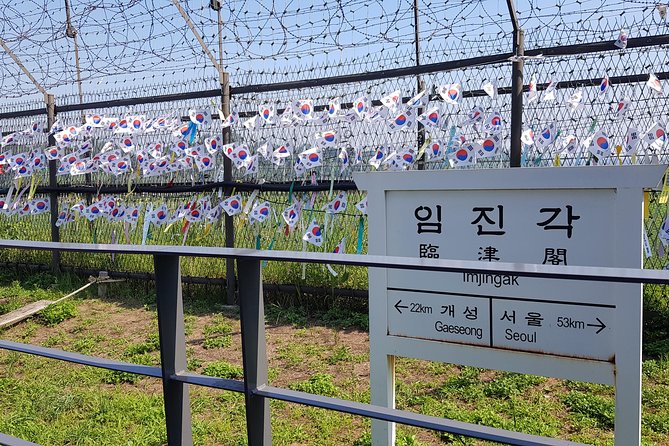
- Imjingak Park: war artifacts by the Imjin River
- Freedom Bridge and the POW exchange: one crossing, thousands of lives
- DMZ Theater and Exhibition Hall, plus the NK experience storytelling
- The 3rd Infiltration Tunnel: history you can feel in your legs
- Dora Observatory and Kijongdong: binoculars, then meaning
- Dorasan Station: the symbolism of a train that never fully returned
- Unification Village (Tongilchon-gil) and everyday life props
- Suspension bridges: how the full-day option changes the feeling of the day
- Guide quality, group size, and why the tour feels controlled
- Price and value: what you get for about $26
- Practical tips so you do not suffer in the tunnel
- Who should book this DMZ tour, and who should rethink
- Should you book this DMZ tour from Seoul?
- FAQ
- How long is the DMZ tour from Seoul?
- Is a passport required?
- What stops will I visit?
- Is hotel pickup included?
- Are tickets and admissions included?
- What should I wear or bring for the tunnel?
- What if military conditions close part of the tour?
Key things that make this DMZ tour work
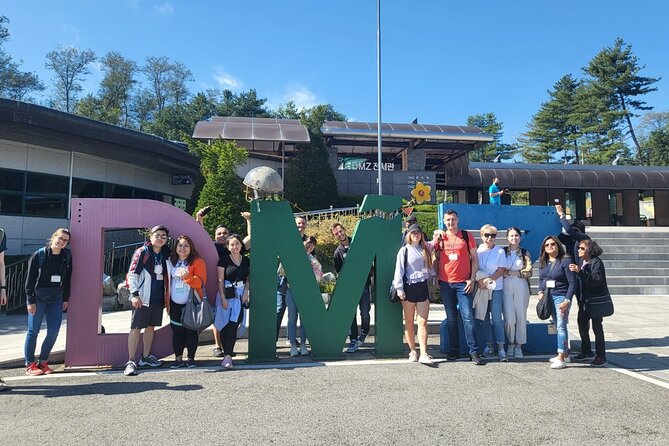
- Two formats, half-day or full-day: the full-day option adds suspension bridge stops.
- Guides bring the timeline into focus: you move from war relics to present-day border life in sequence.
- Binocular time at Dora Observatory: the view is better on clear days, and you get help spotting what matters.
- Defector Q&A is the emotional anchor: it gives you context that museum walls cannot.
- Tunnel walking is the hardest part: bring comfortable shoes, and follow locker instructions for coats.
- Small-group feel: the tour caps at 40 people, with coach transport and scheduled returns.
Other routes to the border, side by side
From Seoul To the DMZ Line, the day starts with a reality check
This tour runs out of Seoul and heads about an hour north toward the Demilitarized Zone, the 2.5-mile wide strip that has separated North and South Korea since 1953. From the first stops, you get the sense that this is not just a border on a map. It is a place that affects daily decisions, even when you are standing safely on the South Korean side.
You will typically start at City Hall in Seoul. If your hotel is within the pickup area, you may get a pickup from a centrally located hotel, but Incheon is not available for pickup. Either way, the goal is the same: get you into the DMZ route early enough to use the daylight.
Most departures are structured so you can do a half-day version or stretch into the full-day option. The half-day keeps things tight, while the full-day adds suspension bridge scenery and extra time at the later border-adjacent sights.
Imjingak Park: war artifacts by the Imjin River
Imjingak Park is where the tone turns serious fast. You step out near the Imjin River and see artillery and war artifacts tied to the Korean conflict. This stop sets you up for the rest of the day, because it frames the DMZ as a place shaped by history, not a vague political idea.
The park is also practical as a first stop. It is an easy warm-up for what is ahead, without requiring special skills. You do want comfortable walking shoes though, because the day continues with multiple legs of sightseeing.
If you are the type who likes context, you will enjoy how the guide connects what you see here to later DMZ landmarks. It makes the rest feel less like random photo stops.
Freedom Bridge and the POW exchange: one crossing, thousands of lives
Next comes Freedom Bridge, tied to the exchange of Korean POWs near the end of the war. The point of this stop is not the bridge itself, it is what it represents: a moment when war paused long enough for people to cross back.
It can feel strange to be taking pictures at something so heavy, but that is the nature of this region. I like how the tour keeps you focused on meaning rather than turning it into a sightseeing detour.
If you prefer your history storytelling clear and direct, this is a good stage of the day for that. The guide narration usually gives you a framework before you move to underground and surveillance-area topics.
DMZ Theater and Exhibition Hall, plus the NK experience storytelling
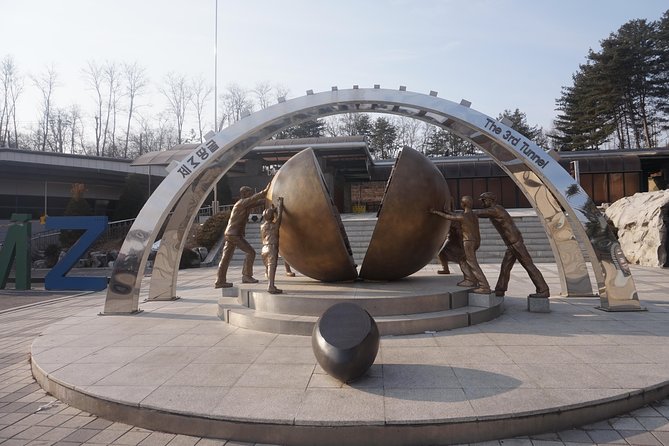
After Imjingak and Freedom Bridge, you head to the DMZ Theater and Exhibition Hall. This is the most “inside” stop of the day, and it helps you process what the outside landmarks are trying to say.
You will see war-era materials, artifacts, and photographs that tie the conflict to the present border reality. This is also where the “NK experience” theme tends to come alive. Some tours add a more interactive approach through exhibitions and guided explanations meant to help you understand daily life on the other side.
This is also where the day’s most personal moment often shows up. Many DMZ tours in this format include a North Korean defector session where you can ask questions and get answers framed by real experience. In the best cases, the guide keeps the tone respectful and the Q&A focused.
- Best DMZ Tour Korea from Seoul (Red Suspension Bridge Optional)
★ 5.0 · 41,422 reviews - DMZ Tour: 3rd Tunnel, Option(Suspension Bridge, Boat) from Seoul
★ 5.0 · 21,373 reviews - DMZ tour south Korea from Seoul (NK experience hall, defector)
★ 5.0 · 20,599 reviews - Seoul: DMZ Tour with Optional Suspension Bridge
★ 4.8 · 5,277 reviews - Signature DMZ Tour: Exclusive Defector Talk & Suspension Bridge
★ 5.0 · 4,459 reviews
The 3rd Infiltration Tunnel: history you can feel in your legs
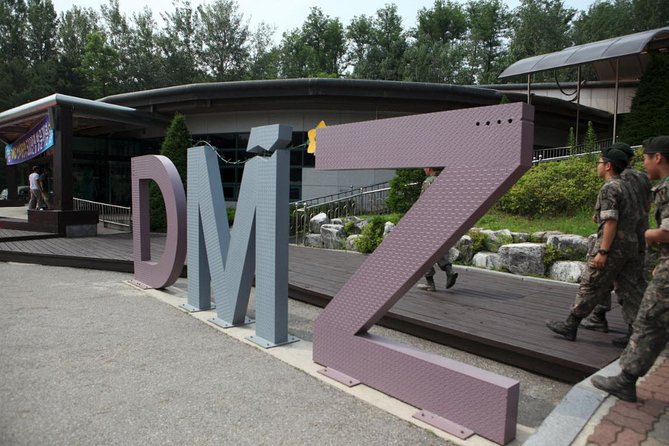
The 3rd Infiltration Tunnel is the stop that turns curiosity into a physical memory. The tunnel is linked to North Korean plans for military infiltration and was discovered in 1978. South Korea later blocked the actual military demarcation line portion with concrete, and this site now shows you what that underground reality looked like.
The walking can be the hardest part of the whole tour. Expect a moderate amount of walking through a steep, narrow tunnel. You will want shoes that grip well and clothes you can move in.
One practical tip that matters here: leave your coat in the locker when going down into the tunnel. The return can feel steep, and it can get hot. If you do not want to carry a heavy jacket for the tunnel portion, pack light layers or a thin outer layer you can handle without fuss.
This stop is not the kind where you linger for views. You will feel the environment, then move on. If you are claustrophobic, this is the place to decide. If you can manage tight spaces, it is one of the strongest learning moments of the day.
Dora Observatory and Kijongdong: binoculars, then meaning

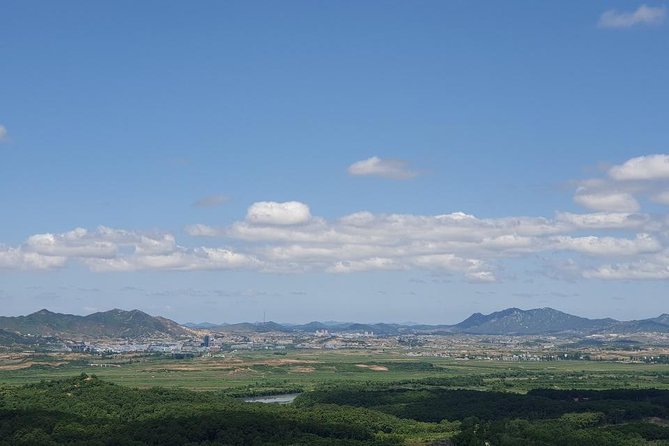
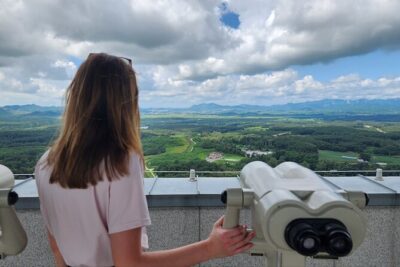
Dora Observatory is built for the kind of looking that changes your perspective. From here, you use provided binoculars to get a glimpse toward North Korea across the river. Even when visibility is limited, the act of scanning is part of the experience.
Your guide explains the backstory of Kijongdong, the North Korean model village used to represent border-adjacent daily life. The intention is not to “pretend” it is normal. It is to show you how the border region is portrayed, managed, and experienced, depending on which side you are on.
I like Dora because it balances two needs at once. You get the technical direction, with help spotting what the binoculars can show. Then you get the emotional frame, why this looking matters so much in a divided country.
If the day is clear, you have a better chance of seeing activity details. If it is hazy, the focus should shift from spotting individuals to understanding what you are seeing and why it is positioned where it is.
Dorasan Station: the symbolism of a train that never fully returned
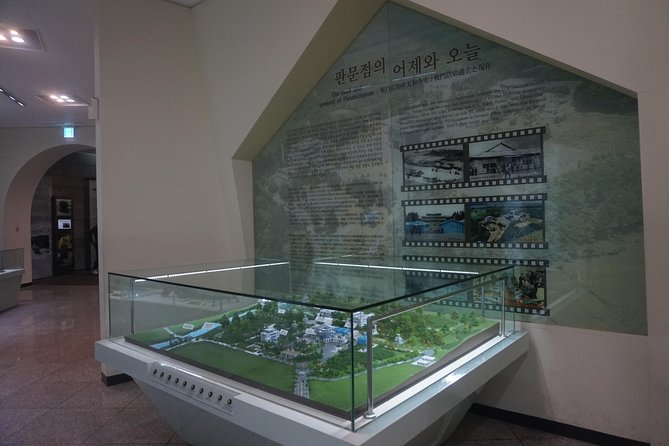
After Dora, the tour continues toward Dorasan Station, a train station that once connected North and South Korea. Even if trains are not running the way people hoped, the site carries symbolism, and the guide usually explains the significance clearly.
This stop often hits differently than the observatory. At Dora you look outward across the border. At Dorasan you face the idea that connection can exist as infrastructure, even when politics prevent it from becoming routine.
If you like structure in your history, this part of the itinerary helps. It turns scattered facts into a line you can follow: war, division, barriers, and the push and pull between them.
Unification Village (Tongilchon-gil) and everyday life props
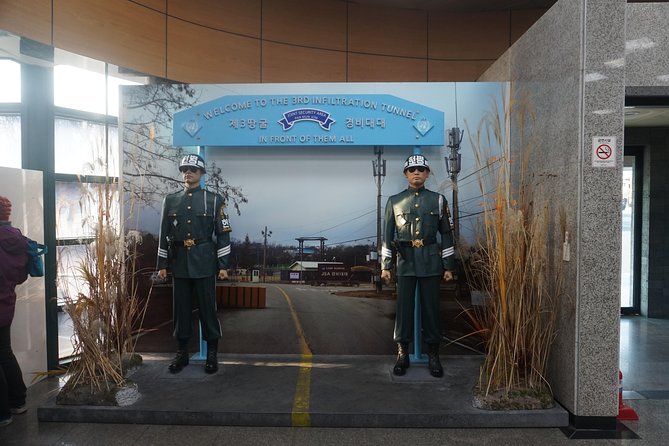
Next you pass the Unification Village, a small farming community intended to model everyday rural life in South Korea. At Tongilchon-gil, the village is described as focusing on practical food production like soybean milk, traditional soy sauce, and corn goods.
This is a lighter stop than the tunnel, but it still fits the day’s theme. The point is contrast. You see how daily routine gets staged or represented when borders disrupt the normal flow of people and culture.
If you are the type who enjoys tasting as you travel, this is the segment where snacks and small purchases might be part of your plan. The tour itself stays short here, so do not expect a long market wander.
Suspension bridges: how the full-day option changes the feeling of the day
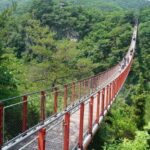
If you choose the full-day version, you add suspension bridge stops near the DMZ area. The route includes a stop called Gamaksan Chulleong Bridge, also described as the DMZ plus Red Suspension Bridge option. It may also include the Majang Late Suspension Bridge around Majang Lake.
These bridge stops are a change of pace. You go from tight, historical, and emotional places into open-air viewpoints. You are still in a DMZ context, but the pacing becomes more scenic and less contained.
I recommend the full-day option if you want more than the big three: Imjingak Park, the tunnel, and Dora Observatory. If your main goal is the strongest DMZ hits, the half-day can be plenty.
Guide quality, group size, and why the tour feels controlled
This tour is capped at 40 travelers and uses an air-conditioned coach. That cap matters. It makes it easier for your guide to keep the schedule moving and for you to follow instructions without the group feeling chaotic.
The guide is a big part of the experience. Names that show up often in praise include Katie, Sadie, Felicity, AJ, Yeoni, Lily, Yoon, and Miel. You can see patterns in what people love: clear explanations, lots of questions handled calmly, and a balance between respectful seriousness and keeping the day manageable.
You also benefit from simple, well-run timing. Guides typically tell you when to return to the bus, and they keep the day organized by stop sequence rather than letting it drift into a long, unstructured outing.
If you are visiting Seoul for the first time, this tour also gives you a quick orientation to Korean history and border reality without needing to research for weeks beforehand.
Price and value: what you get for about $26
At around $26.04 per person, this is one of the more affordable ways to reach the DMZ from Seoul in a guided format. The big value is that major stops include admission where it counts, like the DMZ Theater and Exhibition Hall, the tunnel, and Dora Observatory.
What you should budget separately is simple: breakfast and lunch are not included. You also do not get tram rides as part of the price, though the main sites are still reachable without thinking too hard about extra transport.
Another value point is the structure. The coach ride, scheduled stops, and guided context save you from the headache of planning a multi-location DMZ day with changing access rules. The tour also uses a mobile ticket, so you can keep everything in your phone.
The only real “cost” is time and energy. Wear comfortable shoes and expect a day that mixes quiet reflection with physical walking.
Practical tips so you do not suffer in the tunnel
This is the checklist that matters most:
- Bring a current passport, because a valid passport is required on the day of travel.
- Wear comfortable shoes for the steep tunnel and other walking segments.
- Pack light for the tunnel. Use the locker for coats when instructed, because the tunnel return can feel steep and hot.
- Expect a day with significant waiting at times while the group stays on schedule.
- If you care about views at Dora, clear weather helps, so plan for the best and accept limited visibility when it is not.
If you hate surprises, this is a good tour for you. Most of the day’s format is predictable: coach ride, named stops, and clear pickup and drop-off coordination at the end.
Who should book this DMZ tour, and who should rethink
Book this tour if:
- You want a guided, structured DMZ day that covers key sites in a logical order.
- You like understanding history with modern context, not just taking photos.
- You want the emotional reality check from a defector Q&A session.
Consider alternatives if:
- You are not comfortable with steep, narrow spaces, since the tunnel walk is part of the core experience.
- You want a purely scenic, relaxing outing. This is more about meaning than views.
Also, if your schedule is tight, the half-day option is a smart choice. If you can spare the time, the full-day version adds suspension bridge stops and gives the day more breathing room between heavy sites.
Should you book this DMZ tour from Seoul?
I think you should book it if you want the DMZ in one day, with guidance that connects each place to the bigger story. The strongest reasons to go are the combination of major landmarks, the 3rd Tunnel experience, the Dora Observatory binocular moment, and the defector Q&A that puts human faces on the division.
Choose the half-day if you want the essential DMZ sights without overextending. Choose the full-day if you want extra open-air viewpoints and more time to absorb what the border means beyond the tunnel and observatory.
If you do go, show up with a passport, comfortable shoes, and a mindset for a somber day. This is one of those places where the distance between here and there feels both close and impossible at the same time.
FAQ
How long is the DMZ tour from Seoul?
The tour is listed as about 7 hours approximately. It is offered in a half-day format or a full-day format, depending on which option you choose.
Is a passport required?
Yes. You need a current valid passport on the day of travel. You do not need to send a copy in advance.
What stops will I visit?
You can expect stops such as Imjingak Park, Freedom Bridge, the DMZ Theater and Exhibition Hall, the 3rd Infiltration Tunnel, Dora Observatory, Dorasan Station, and passing Unification Village. The full-day option adds suspension bridge stops like Gamaksan Chulleong Bridge and Majang Lake suspension bridge.
Is hotel pickup included?
The overview indicates round-trip hotel pickup from centrally located Seoul hotels, but the meeting point is City Hall in Seoul. Incheon is not available for pickup, so you may need to use City Hall if you are outside the pickup area.
Are tickets and admissions included?
Admission fees are included. Some stops explicitly list admission tickets as included, while others are marked as free.
What should I wear or bring for the tunnel?
Plan for walking through a steep and narrow tunnel. Wear comfortable clothes and shoes. If you go into the tunnel, you may be advised to leave your coat in the locker since the tunnel can get hot and the route back is steep.
What if military conditions close part of the tour?
If a part of the itinerary is cancelled due to unexpected military conditions or local circumstances, there is no refund. The operator may provide an alternative course related to the DMZ.
Keep Browsing Seoul

More Seoul Write-Ups
The Border, Other Routes In
Fresh on the Seoul pile
- Unique Native Experience : Han River Picnic, Board game, BBQ★ 5.0 · 3 reviews
- 2-Hour Private Kayaking and Paddleboarding Experience in Hanriver★ 5.0 · 3 reviews
- Korean Folk Village & Suwon Hwaseong Fortress Private Tour★ 5.0 · 3 reviews
- Seoul Korean BBQ Dinner Experience with Secret Food Tours★ 5.0 · 3 reviews
- Seoul Highlights & Hidden Gems – Private Tour with Photo Service★ 5.0 · 3 reviews
- Night Food Tour in Seoul with Traditional and Modern Cuisine★ 5.0 · 3 reviews
DMZ & Border Tours you might have missed.
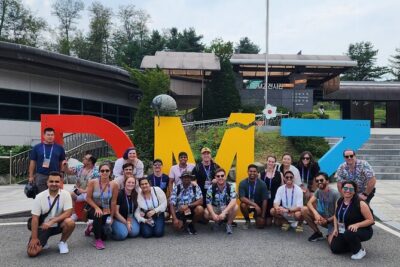 ★ 5.0Best DMZ Tour Korea from Seoul (Red Suspension Bridge Optional)From $2941,422 reviews
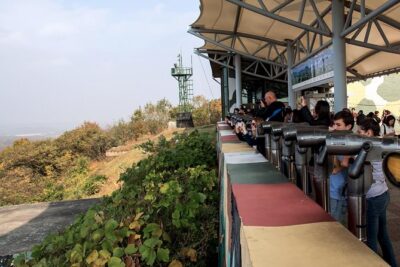 ★ 5.0DMZ Tour: 3rd Tunnel, Option(Suspension Bridge, Boat) from SeoulFrom $3521,373 reviews
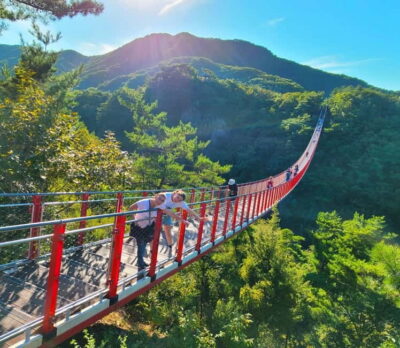 ★ 4.9DMZ Insider Tour: 3rd Tunnel, NK Defector Meet & Red BridgeFrom $5015,214 reviews
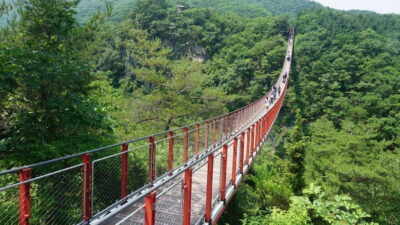 ★ 4.8Seoul: DMZ Tour with Optional Suspension BridgeFrom $455,277 reviews
 ★ 5.0Signature DMZ Tour: Exclusive Defector Talk & Suspension BridgeFrom $274,459 reviews
 ★ 5.0Thrilling Korean DMZ 3rd Tunnel Tour from Seoul + Red Bridge RushFrom $353,097 reviews
 ★ 5.0DMZ Past and Present: Korean Demilitarized Zone Tour from SeoulFrom $372,481 reviews
 ★ 5.0Ultimate Korea DMZ Tour from Seoul (Gondola & Suspension Bridge)From $352,396 reviews
Where this tour also appears