
REVIEW · DMZ & BORDER TOURS
Thrilling Korean DMZ 3rd Tunnel Tour from Seoul + Red Bridge Rush
The Korean DMZ is history you can feel. This full-day tour from Seoul strings together Imjingak Park, the Third Tunnel, and Dora Observatory with guided context all the way through. I especially like the comfort of pickup and the fact that key sites are already covered, so you are not hunting tickets or timing buses yourself. One drawback to plan for up front, the 3rd Tunnel and the optional Red Bridge walk can be strenuous, and photo rules can limit what you capture.
If you want a DMZ day that moves at a steady pace, this tour fits the bill. You get guided commentary at the main stops, plus enough time to look around on your own before heading back to central Seoul. Guides such as Nancy, Crystal, Judy, Kelly, Lina, and Henry have been singled out for keeping the day clear and engaging, which matters when the subject is heavy and the schedule is tight.
Because access can change, you should also go in with flexible expectations. Your timing can shift due to military issues or events, and on rough-weather days the itinerary may be adjusted. If your goal is the most direct views and photos, keep in mind there are restrictions at key points like the tunnel and the observatory viewing areas.
In This Review
- Key things to know before you go
- Why the DMZ day feels different than a regular history trip
- Price value: what $35 buys when admissions are included
- Pickup points in Seoul: how to meet the group with less stress
- Imjingak Park stops: the quiet setup before the DMZ story turns intense
- Bridge of Freedom: the human scale behind the dates
- Optional DMZ gondola over the Imjin River: worth it if you like viewpoints
- Third Tunnel of Aggression: the tour’s hardest walk and its biggest payoff
- Dora Observatory: the closest official view over North Korea
- Tongilchon Jangdankong Maeul, Peace Bell, and memory stops
- Red Bridge Rush: the optional Gamaksan suspension bridge hike
- The day feels fast, so here is how to manage it
- Photo and viewing limits: set expectations before you go
- Who this tour fits best
- Should you book the DMZ 3rd Tunnel tour with Red Bridge?
- FAQ
- How long is the DMZ 3rd Tunnel tour from Seoul?
- What does the $35 price include?
- Is lunch included?
- Do I need a passport?
- Are hotel pickup and multiple meeting points available?
- Can the tour time change?
- What optional activities are available?
- What language are the guides?
- Where do you get dropped off in Seoul?
Key things to know before you go
- Hotel pickup in downtown Seoul means less metro stress before you reach the border zone.
- Included admission reduces hassle, especially at the Third Tunnel and Dora Observatory.
- The Third Tunnel is physically demanding with a long, steep descent and a narrow tunnel walk.
- Dora Observatory is the big final thrill because it is South Korea’s closest official vantage over North Korea.
- Red Bridge is optional, but if you do it, wear shoes you trust on inclines.
- Passport (or an accepted ID) is required for DMZ entry, and schedules can shift.
Other routes to the border, side by side
Why the DMZ day feels different than a regular history trip
DMZ tours can turn into either lectures on a bus or quick photo stops. This one is paced like a guided story with real breaks for questions and viewing time, so you leave with a sense of how the peninsula got to where it is now.
The emotional weight is obvious, but the tour also keeps practical momentum. You move from remembrance spaces at Imjingak, to the wartime bridge story, to the tunnel that makes covert war plans feel concrete. Then you top it off at Dora Observatory, where the experience becomes very visual, very real, and very limited in what you can actually see.
If you like travel that mixes meaning with logistics, the format works. Pickup gets you out of Seoul smoothly, and the day is structured so you spend more time at the points that matter and less time wandering.
Price value: what $35 buys when admissions are included
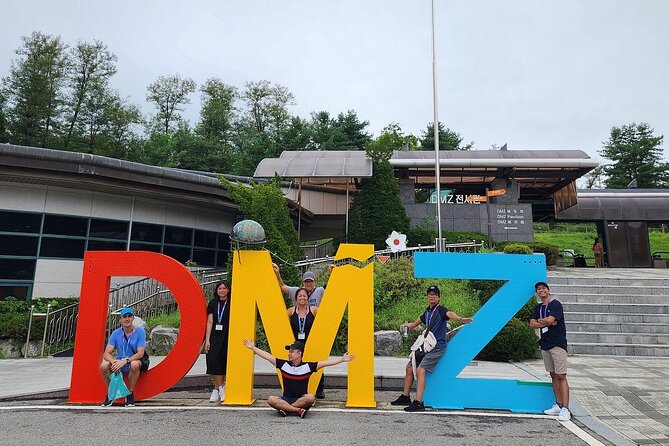
At $35 per person, this tour is one of the more budget-friendly ways to see multiple DMZ-area sites from Seoul. The big value is not only the price, it is that admission to key stops is included, so you are not adding separate ticket costs later.
You also get professional guidance and all taxes, fees, and handling charges included. On a DMZ day, that kind of all-in approach matters because you do not want to lose time at counters or argue about ticket coverage once you are already outside the city.
The tradeoff is that it is a full-day schedule. You do not get a slow, multi-day pace. Instead, you get a well-structured sprint through major stops that most people would struggle to organize alone.
Pickup points in Seoul: how to meet the group with less stress
This tour gives you multiple meeting points in central Seoul, which helps if your hotel is not close to one subway line. You can meet at Myeongdong Subway Station (Exit 9), Seoul City Hall Subway Station (Exit 6), or Hongdae Subway Station (Exit 3).
Hotel pickup is available, but it is limited to the downtown area or a main subway station. On tour day, I recommend you build in buffer time to your meeting spot, because your pickup and start time can shift depending on conditions inside the DMZ area.
Another practical detail: your ticket is a mobile ticket, so have your phone charged and ready. If your phone battery is low, carry a small power bank.
Imjingak Park stops: the quiet setup before the DMZ story turns intense
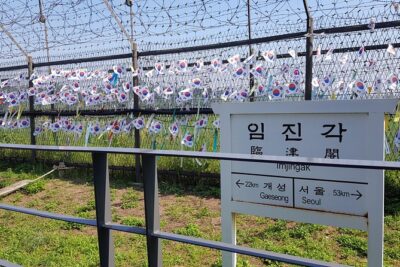
The Imjingak area is where the tour turns from general South Korea context to the lived reality of division. You start with Imjingak Pyeonghwa-Nuri Park, a memorial space built in 1972 for people affected by separation. You will see the Freedom Train, a bullet-scarred reminder of what happened during the war period.
Then you pass through Imjingak Resort briefly so the guide can receive clearance and tickets for the next crossing step via the Unification Bridge. It is a short stop, but it is important because it signals the administrative reality of entering this kind of restricted zone.
From there, the focus shifts toward wartime and remembrance at the Bridge of Freedom stop. Even if you know the basics, seeing the bridge story as part of a guided route makes it hit harder, because it is framed as a human crossing, not just a fact on a timeline.
- Best DMZ Tour Korea from Seoul (Red Suspension Bridge Optional)
★ 5.0 · 41,422 reviews - DMZ Tour: 3rd Tunnel, Option(Suspension Bridge, Boat) from Seoul
★ 5.0 · 21,373 reviews - DMZ tour south Korea from Seoul (NK experience hall, defector)
★ 5.0 · 20,599 reviews - Seoul: DMZ Tour with Optional Suspension Bridge
★ 4.8 · 5,277 reviews - Signature DMZ Tour: Exclusive Defector Talk & Suspension Bridge
★ 5.0 · 4,459 reviews
Bridge of Freedom: the human scale behind the dates
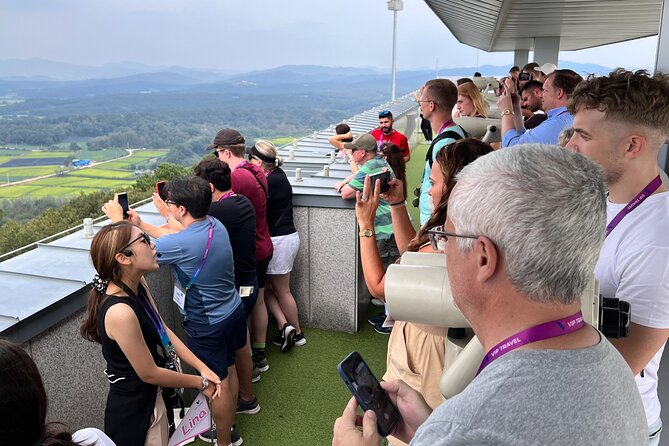
The Bridge of Freedom stop focuses on the Imjin River crossing by prisoners of war in 1953, with the word Freedom echoing through that story. The bridge itself is temporary and wooden, which makes it feel more like an emergency crossing than a monumental achievement.
This is one of those places where you do not need long to absorb the message, but you do want to listen. The guide’s commentary is where you connect the stop to what comes next, especially when you are headed to the Third Tunnel.
If you are the type who likes to stand still and think, take your time here. If you rush, you will miss the way the stop bridges the emotional and the strategic parts of the day.
Optional DMZ gondola over the Imjin River: worth it if you like viewpoints
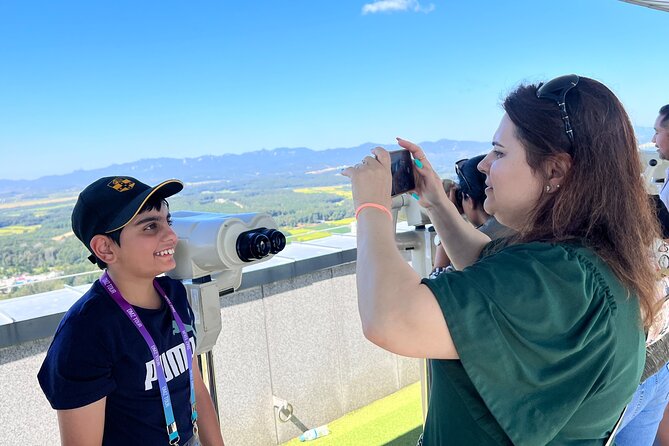
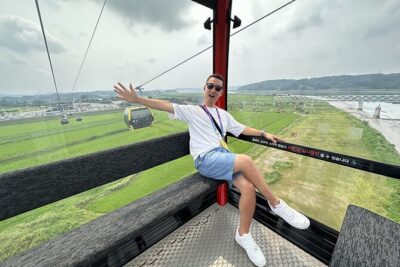
The Paju Imjingak Peace Gondola is optional, but it is a strong add-on if you want a different angle. The cable car opened in 2020 and it crosses into the Civilian Control Zone, which means the view is not just a city park perspective.
Because it is optional and scheduled for about an hour, it is a good choice if you find walking tiring but still want to see more of the river corridor from above. If you already plan to do the Red Bridge later, think about conserving energy. You only have one full day.
Also, treat optional segments as planning tools. If you skip the gondola, you still get the key DMZ stops. If you do it, the experience broadens, and the visual variety helps the day feel less repetitive.
Third Tunnel of Aggression: the tour’s hardest walk and its biggest payoff
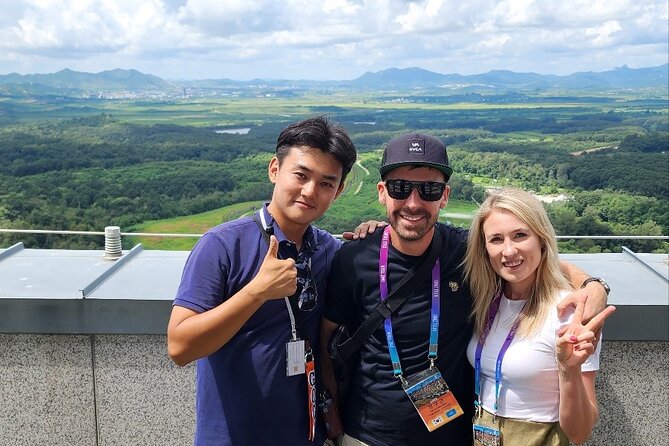
The Third Tunnel of Aggression, also called the 3rd Infiltration Tunnel, is the main star of the day. It was uncovered in 1978 and the site is located about 52 km from Seoul, with closeness to Munsan mentioned as well. The reason people love this stop is simple: it turns an abstract threat into a physical space.
Here is the reality check. The tunnel visit can be strenuous, and you should plan for a difficult descent and a narrow, low walk. One older traveler noted it was challenging enough to mention the steep slope and the tunnel height, and that is the kind of detail you should trust when you decide what shoes and stamina to bring.
Also, photo rules matter here. You cannot take photos inside the DMZ tunnel, so do not plan your day around filming or Instagram-style shots. What you can do instead is watch your guide, pace yourself, and focus on how the tunnel funnels you into that claustrophobic feeling.
If you get the chance to ask questions at the tunnel entrance, do it. The guide’s explanation is what makes the tunnel more than a strong stomach moment.
Dora Observatory: the closest official view over North Korea
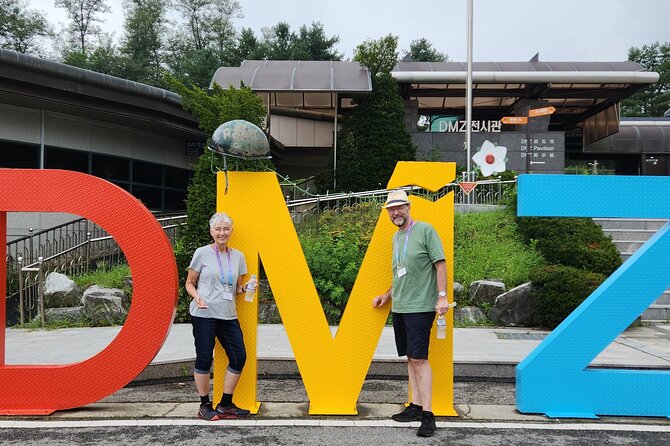
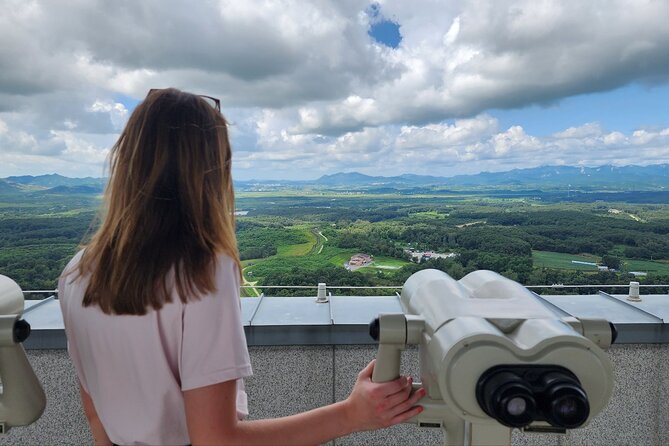
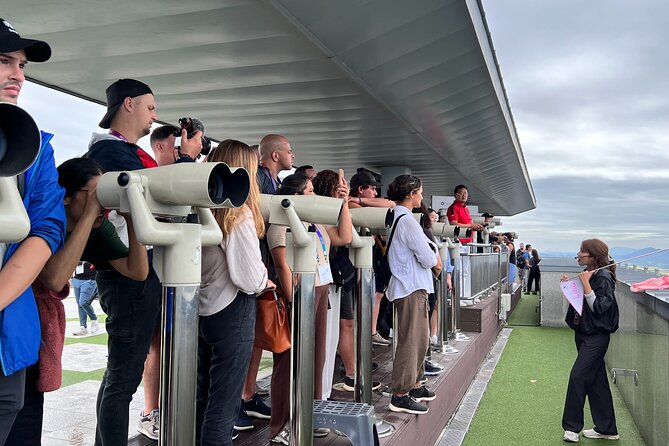
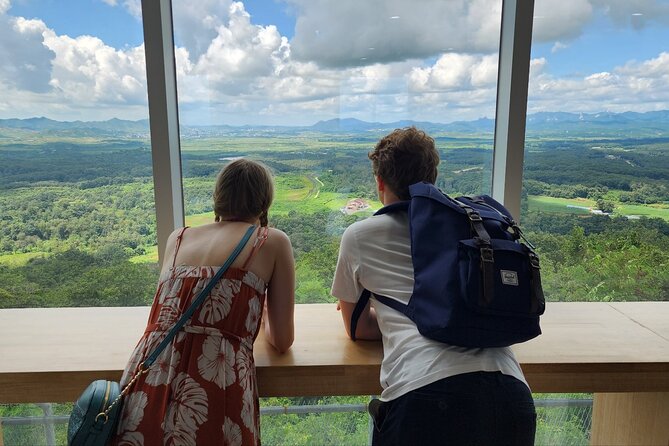
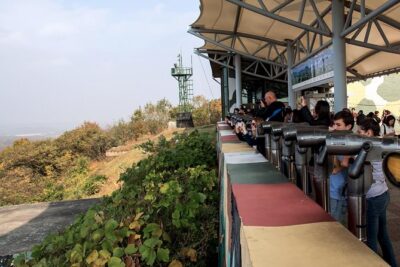
After the tunnel, Dora Observatory is your next major emotional and visual moment. It is located on Dorasan, rebuilt in 2018, and established in 1986, positioned as South Korea’s closest official vantage over North Korea.
This is a place where you might feel torn between wanting a clear view and accepting limitations. Even when skies are good, the view is still far, and you may rely on binoculars if they are provided or allowed. Also, photo restrictions can apply at the observatory viewing areas, so do not expect to capture a perfect shot.
If you are sensitive to emotional intensity, give yourself a minute here before you start scanning. The guided context helps, but your own breathing room matters.
Tongilchon Jangdankong Maeul, Peace Bell, and memory stops
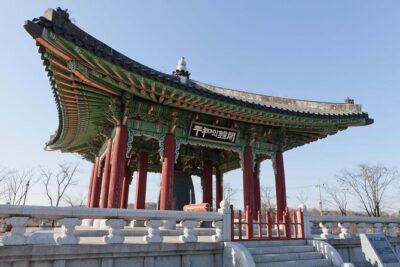
Toward the later part of the DMZ day, the tour includes a mix of memorial and symbolic sites in Imjingak Park. You may stand near the Mangbaedan Memorial Altar, where families honor loved ones trapped in North Korea, and the Peace Bell at Pyeonghwauijong, a 21-ton bronze bell built in 2002 to symbolize reunification.
There is also a stop at Tongilchon Jangdankong Maeul, a village just beyond the Civilian Control Line. It is a calmer closing note after the more intense sites. If you want a slower moment to reset your head after the tunnel, this is where it happens.
The best way to enjoy these stops is to lean into the guided framing. Without that context, memorial spaces can feel like they run together. With it, each one becomes a different type of message, grief, hope, and ongoing reality.
Red Bridge Rush: the optional Gamaksan suspension bridge hike
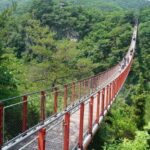
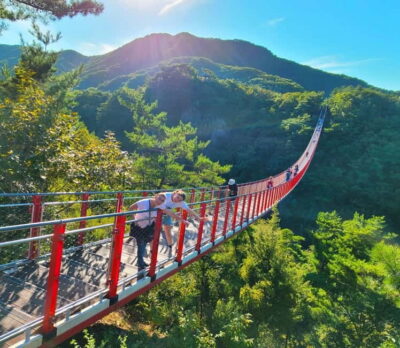
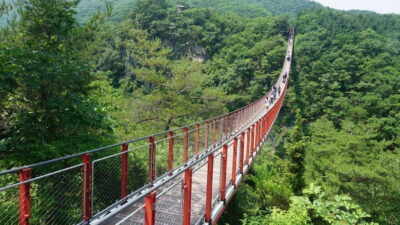
The Gamaksan Suspension Bridge, also known as the Gloucester Heroes Bridge, is the optional Red Bridge portion. It is about 150 meters long and built in 2018 to honor Korean War sacrifices.
If you do it, plan for a walk that can feel like a workout. One review called out a steep hillside hike to reach the top, with limited time for the ascent. That description matches what you should expect from an elevated bridge viewpoint experience.
If you are unsure, decide based on your shoes, stamina, and comfort with inclines. This is not a casual stroll, and you will get more out of the views if you are not struggling physically.
On the upside, this stop adds a fresh setting after the tunnel and observatory. A bridge viewpoint gives you that new angle that helps the whole day feel varied.
The day feels fast, so here is how to manage it
This tour is about 7 hours 30 minutes. That includes travel time from Seoul, guided stops, tunnel time, and observatory time, plus the optional gondola and optional Red Bridge. It is a full schedule, and you should treat it like one long guided outing rather than a menu of equal-weight stops.
Lunch is not included. You might be able to buy something at stops, but do not count on a real sit-down meal. Bring snacks and water so you can handle any delays without getting cranky.
Weather is also a factor. Schedules can change due to military issues or events occurring within the DMZ, and rough weather can lead to adjustments. The key is to stay flexible, because the tour is not in your full control.
Photo and viewing limits: set expectations before you go
A DMZ day is not a normal sightseeing day. You might be blocked from taking photos inside the tunnel, and photo restrictions can also apply at the observatory viewing areas.
So, how do you still enjoy it? Focus on memorizing what you learn, not just what you record. Listen for the guided context that explains what you are seeing, and bring binoculars only if you are sure it is allowed, since you may want help seeing far-off points from Dora Observatory.
If you need a lot of photos to feel satisfied, this tour can still work, but you will need to pivot your goal to understanding over capturing.
Who this tour fits best
This is a great choice if you want a structured DMZ day and you like having a guide explain what you are looking at. It also fits well if you want to limit your own planning effort, because pickup and admissions are handled.
It also suits families and mixed ages, as many people can participate. Still, I would be cautious if you have mobility concerns because the tunnel and the optional Red Bridge can involve steep sections and physical effort.
If you love history but hate dry classroom tours, this works because the sites are concrete and the route makes the story feel sequential. If you want pure comfort, you may prefer a less walking-heavy DMZ option, because this one includes at least one hard physical element.
Should you book the DMZ 3rd Tunnel tour with Red Bridge?
I would book it if you want the DMZ’s main headline sites in one day, at a price that stays budget-friendly because admissions are included. The Third Tunnel is the standout experience for many people because it is physical and unforgettable, and Dora Observatory closes the loop with an official vantage point that you cannot easily replicate on your own.
I would think twice if you hate steep walking or tight spaces. Also, if your dream is to take lots of photos in restricted areas, plan for photo limits and keep your expectations realistic.
If you are the right fit, you will leave with a very specific kind of memory. Not just views, but a guided route through division, war, and the quiet persistence of reunification symbols, all from one day-trip base in Seoul.
FAQ
How long is the DMZ 3rd Tunnel tour from Seoul?
The duration is about 7 hours 30 minutes.
What does the $35 price include?
It includes a professional guide, hotel pickup (limited to downtown area or main subway station), and all taxes, fees, and handling charges. Admission is included for the listed attractions.
Is lunch included?
No. Lunch is not included, so bring snacks and plan for quick options at stops if needed.
Do I need a passport?
Yes, you need a passport on the tour day. Military ID Cards and locally issued ARC cards are also accepted.
Are hotel pickup and multiple meeting points available?
Yes. You can use hotel pickup if you are in the downtown area or near a main subway station. Otherwise, meeting locations include Myeongdong Station (Exit 9), Seoul City Hall Station (Exit 6), and Hongdae Station (Exit 3).
Can the tour time change?
Yes. Tour time can be changed depending on military issues or events occurring within the DMZ.
What optional activities are available?
Two optional add-ons are listed: the Paju Imjingak Peace Gondola and the Gamaksan Suspension Bridge (Red Bridge). Their admissions are included when you choose them.
What language are the guides?
The tour includes a professional guide in English or Chinese.
Where do you get dropped off in Seoul?
You will be dropped off in central Seoul, with exits such as Hongdae, Seoul City Hall, or Myeongdong depending on the tour drop-off stop.
Keep Browsing Seoul
More Seoul Write-Ups
The Border, Other Routes In
Fresh on the Seoul pile
- Unique Native Experience : Han River Picnic, Board game, BBQ★ 5.0 · 3 reviews
- 2-Hour Private Kayaking and Paddleboarding Experience in Hanriver★ 5.0 · 3 reviews
- Korean Folk Village & Suwon Hwaseong Fortress Private Tour★ 5.0 · 3 reviews
- Seoul Korean BBQ Dinner Experience with Secret Food Tours★ 5.0 · 3 reviews
- Seoul Highlights & Hidden Gems – Private Tour with Photo Service★ 5.0 · 3 reviews
- Night Food Tour in Seoul with Traditional and Modern Cuisine★ 5.0 · 3 reviews
DMZ & Border Tours you might have missed.
 ★ 5.0Best DMZ Tour Korea from Seoul (Red Suspension Bridge Optional)From $2941,422 reviews
 ★ 5.0DMZ Tour: 3rd Tunnel, Option(Suspension Bridge, Boat) from SeoulFrom $3521,373 reviews
 ★ 5.0DMZ tour south Korea from Seoul (NK experience hall, defector)From $2620,599 reviews
 ★ 4.9DMZ Insider Tour: 3rd Tunnel, NK Defector Meet & Red BridgeFrom $5015,214 reviews
 ★ 4.8Seoul: DMZ Tour with Optional Suspension BridgeFrom $455,277 reviews
 ★ 5.0Signature DMZ Tour: Exclusive Defector Talk & Suspension BridgeFrom $274,459 reviews
 ★ 5.0DMZ Past and Present: Korean Demilitarized Zone Tour from SeoulFrom $372,481 reviews
 ★ 5.0Ultimate Korea DMZ Tour from Seoul (Gondola & Suspension Bridge)From $352,396 reviews
Where this tour also appears