
REVIEW · DMZ & BORDER TOURS
DMZ Past and Present: Korean Demilitarized Zone Tour from Seoul
The DMZ feels close, even from Seoul. This guided route takes you past the usual tourist fence lines, into a carefully controlled slice of the Korean border zone, with stop time at Dora Observatory and a tunnel walk that makes the war-era stories physical.
I love how the day mixes meaning and mechanics, you see the river sites and the POW story at Freedom Bridge, then you walk into the underground world at the Third Tunnel. I also love the guide-led binocular time, because you’re not just staring across, you’re learning what to look for like Kijong-dong.
The main drawback is the body workout. You’ll do about 400 meters of walking on an 11 degree gradient, plus a steep, narrow tunnel section, so this is not the easiest half-day if you’re short on mobility.
In This Review
- Key Takeaways Before You Go
- DMZ Tour Overview: What This Half-Day Really Delivers
- Seoul Departure, Passport Rules, and How to Avoid Headaches
- Imjingak Pyeonghoa-Nuri Park: Artillery, Artifacts, and the War That Won’t Go Away
- Freedom Bridge: The POW Story in a Single Walk
- The Third Infiltration Tunnel Walk: Tight Space, Real Grade, and That Hard Hat Moment
- DMZ Museum Stops: Quick War Artifacts Before the Big View
- Dora Observatory: Binoculars Over North Korea and the Village of Kijong-dong
- The Role of Your Guide, and Why the Pace Matters on DMZ Day
- Value for Money: How a $37 DMZ Day Adds Up
- Who Should Book This DMZ Tour, and Who Should Skip It
- Should You Book This DMZ Past and Present Tour from Seoul?
- FAQ
- How long is the DMZ tour from Seoul?
- What does the tour include at the DMZ?
- Do I need a passport for this DMZ tour?
- How much walking is involved?
- Is lunch included?
- Is hotel pickup and drop-off included?
- Can I cancel for a full refund?
Key Takeaways Before You Go
- Freedom Bridge and the POW story: a specific, grounded stop that turns headlines into names and numbers
- Third Infiltration Tunnel access: one of the few places you can’t reach independently, and it’s physically real
- Dora Observatory with binoculars: use the viewing time well, ask your guide what lines and rooftops to track
- Tight schedule, not a car-only tour: multiple meaningful stops in roughly 6.5 hours
- Small group cap (up to 40): easier questions, less waiting around at key points
Other routes to the border, side by side
DMZ Tour Overview: What This Half-Day Really Delivers
This tour is built for one big goal: getting you as close as the rules allow to the North Korea-South Korea border story. You’ll ride out of Seoul with a coach, then spend your time on three “you can’t fake this” experiences: Imjingak sites, the tunnel, and Dora Observatory.
The format works well if you want context but you don’t want a full-day slog. It’s also practical for first-timers, because the guide ties each stop to what’s going on now, not just what happened decades ago.
And yes, you’ll spend time looking into North Korea with binoculars. That part can feel surreal, but your guide’s explanations help turn surreal into understandable.
Seoul Departure, Passport Rules, and How to Avoid Headaches
You’ll start with a hotel pickup in downtown Seoul, then the tour runs on an air-conditioned coach. The exact pickup details can vary, so once you book, confirm your meeting instructions and location from your voucher or confirmation message.
Bring a current valid passport on the day of travel. The tour data is very clear on this point, and the DMZ is the last place where you want last-minute admin problems.
Also note the day includes an admission ticket and museum time, and the schedule includes a return trip to central Seoul. That matters because it changes how you plan the rest of your day. You can usually fit other Seoul sights after, without that lingering “did I just lose my whole day” feeling.
Imjingak Pyeonghoa-Nuri Park: Artillery, Artifacts, and the War That Won’t Go Away
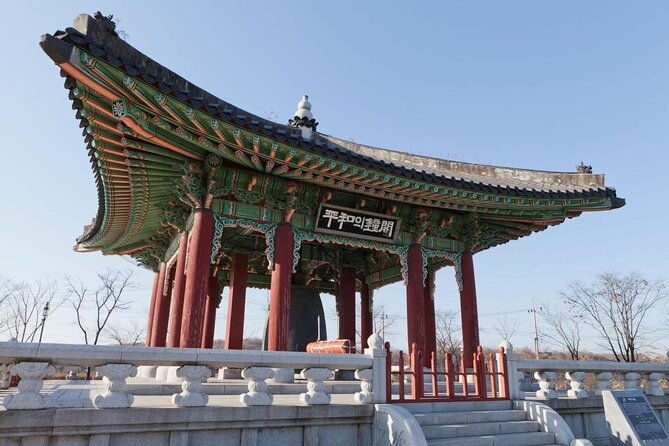
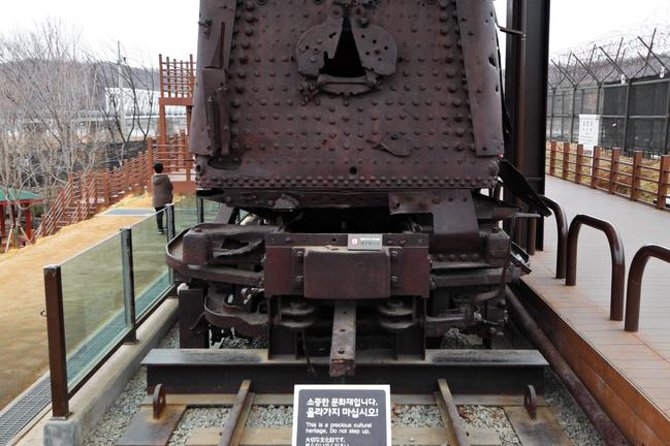
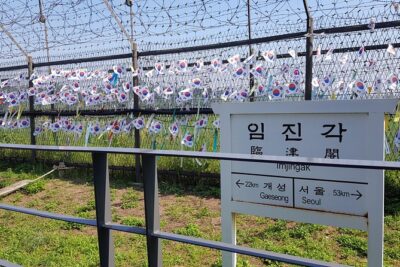
Your first stop is Imjingak Pyeonghoa-Nuri Park, in the Imjin River area. This is the start of the emotional ladder: you begin with physical leftovers from the Korean conflict, including artillery and war artifacts.
This stop is valuable because it grounds the DMZ in material reality. Without it, the rest of the tour can turn into a collection of “look but don’t touch” moments. With it, the fences and controlled access start to feel like consequences, not scenery.
Take your time here, even if you think you already know the basics. This is where your guide can point out what you’re seeing and why it was left behind, and that tends to make the later stops click faster.
Freedom Bridge: The POW Story in a Single Walk
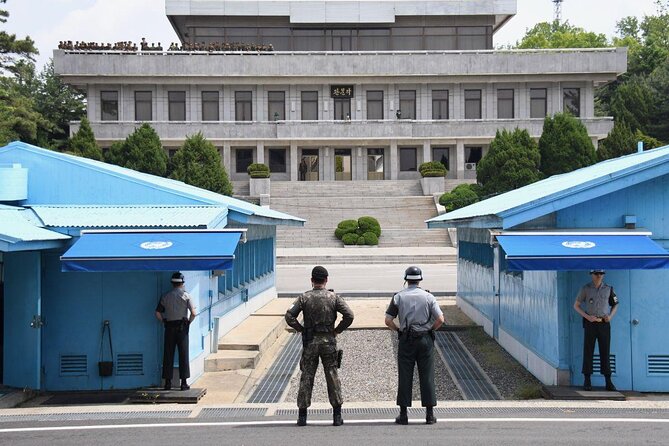
Right after Imjingak, you’ll head to the Freedom Bridge, crossed by nearly 13,000 POWs heading to freedom in South Korea. This is one of those places where the history is specific enough to feel real, not vague.
What I like about this stop is the contrast. It’s not just “the border,” it’s a crossing point tied to return and release. Your guide will also help connect it to why these border sites became such symbolic ground in the decades after the war.
If you want one simple way to get the most out of the Freedom Bridge, it’s this: slow down, read your guide’s framing, then take a few photos from angles that show the river and the bridge structure. It helps you remember the geography when you move later to the tunnel and the observatory.
- Best DMZ Tour Korea from Seoul (Red Suspension Bridge Optional)
★ 5.0 · 41,422 reviews - DMZ Tour: 3rd Tunnel, Option(Suspension Bridge, Boat) from Seoul
★ 5.0 · 21,373 reviews - DMZ tour south Korea from Seoul (NK experience hall, defector)
★ 5.0 · 20,599 reviews - Seoul: DMZ Tour with Optional Suspension Bridge
★ 4.8 · 5,277 reviews - Signature DMZ Tour: Exclusive Defector Talk & Suspension Bridge
★ 5.0 · 4,459 reviews
The Third Infiltration Tunnel Walk: Tight Space, Real Grade, and That Hard Hat Moment
The most physically challenging part is the Third Infiltration Tunnel. You’ll re-board the coach, then go to the tunnel site under the border area. Expect a walking segment that’s not just “a little uneven,” the tour details call out a steep and narrow tunnel experience.
Plan for the math. The tour notes mention about 400 meters of walking at an 11 degree gradient, and the tunnel portion is described as moderate walking that can be steep and narrow. If you’re tall, claustrophobic, or have balance issues, this is the stop to take seriously.
One very practical tip: move slowly and keep your head on the safe path. A review you provided notes a hard hat helped prevent an injury in the tunnel. Even if your exact gear experience varies, you should treat the tunnel as tight and low, and wear comfortable, closed-toe shoes.
The payoff is that you get access to a place you cannot visit independently. That matters. A tunnel is not the same as a picture. Even with controlled viewing and time limits, stepping through helps you understand why tunnels were such a strategic and frightening idea.
DMZ Museum Stops: Quick War Artifacts Before the Big View
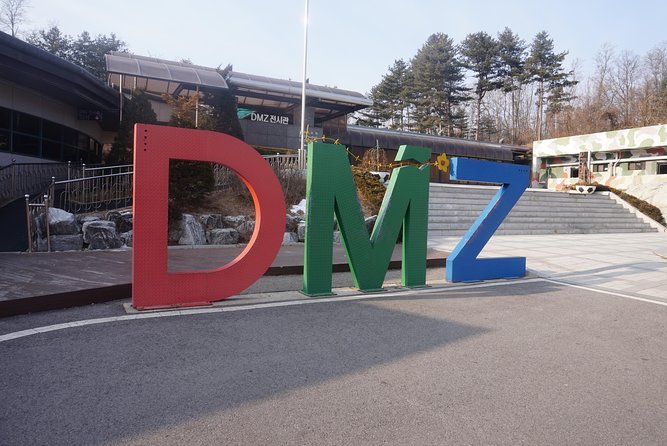
Between the tunnel area and the Dora Observatory segment, there’s time at the DMZ Museum. You’ll see photographs and war artifacts on display, and your guide will use the museum to connect the dots.
This stop is worth paying attention to because the Dora Observatory view can otherwise be just distant rooftops. The museum framing gives you a baseline for what you’re looking at later, including war-era context and the idea of how daily life and military presence collide in this region.
Don’t rush this. If you’re the type who usually speed-walk museums, resist that impulse here. Give yourself time to absorb a few items instead of trying to absorb everything. The goal is to come away with a handful of images and stories you can recall at Dora.
Dora Observatory: Binoculars Over North Korea and the Village of Kijong-dong
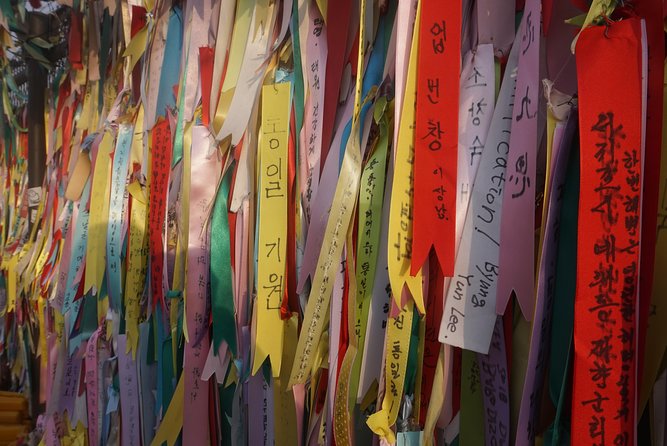
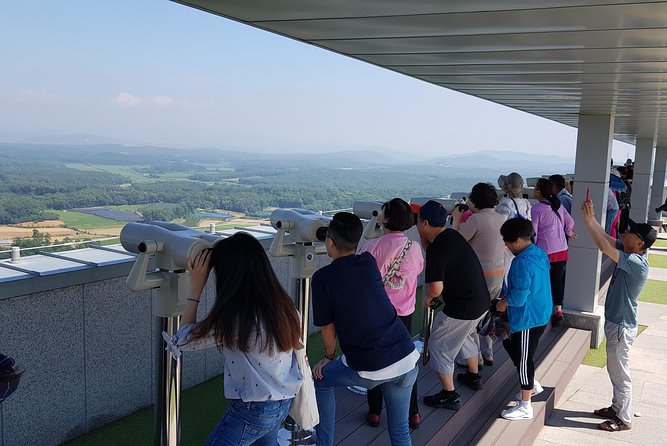
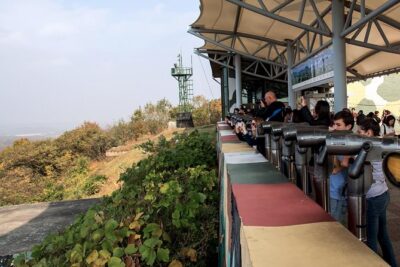
Then comes the part most people remember: Dora Observatory. This is where you can use binoculars to scope out North Korea.
Your guide will explain what you’re seeing and guide your observation as you look across the DMZ into the North. A specific example mentioned in your tour data is the village of Kijong-dong, which your guide will talk about while you’re using the binoculars.
This is also where I’d use a simple strategy. Don’t just point and shoot with your eyes. Ask your guide what features to track first, then spend your time comparing what you think you see with what they point out. Binoculars work best when your brain has a checklist.
Even if the view feels like a distant blur, the value is in the guided interpretation. You leave with a better sense of how the border functions visually and emotionally, because you’re not only seeing a line, you’re seeing a lived landscape across it.
The Role of Your Guide, and Why the Pace Matters on DMZ Day
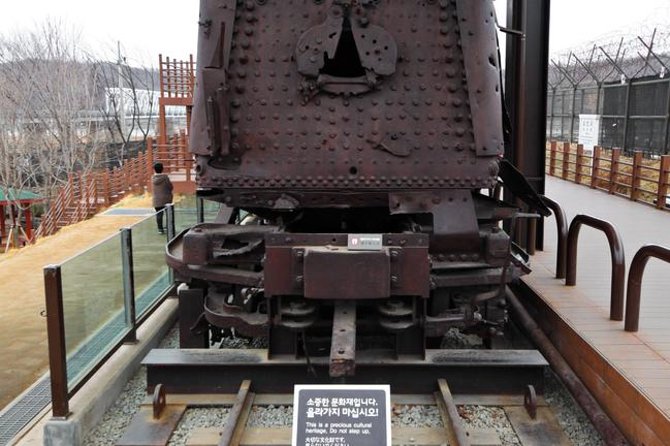
This kind of tour lives or dies by the guide. The tour data includes the promise of an expert guide, and the reviews you provided repeatedly highlight the impact of specific guides such as AJ, Katie, Grace, Felicity, and Sadie.
What good guides do here is not just recite dates. They explain why certain sights exist, why some narratives matter, and how to read what you’re seeing from each location. You’ll hear the history, but you’ll also get practical observation tips, like what to look for at Dora.
Pacing is another big deal. Several reviews you shared mention good amounts of time at locations, and the tour data describes short museum and observatory stops. In practice, that means you should go in ready to move, but you’ll still get enough time to ask questions and take in key points.
If you hate super-early mornings, look for the schedule notes. One review you provided mentioned flexible pickup times, which can make a half-day trip feel much less painful.
Value for Money: How a $37 DMZ Day Adds Up
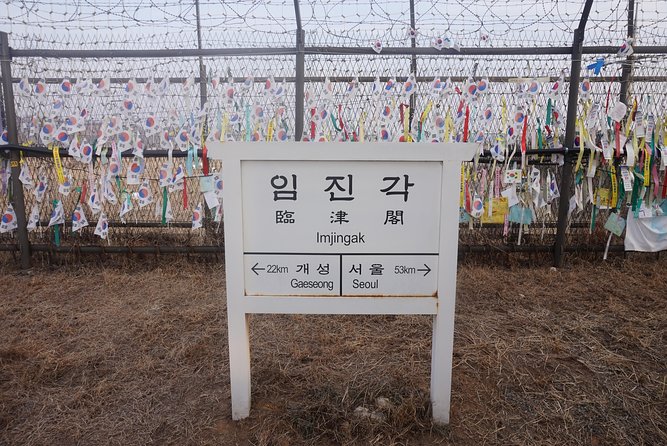
At about $37 per person, this is one of the more accessible ways to see the DMZ from Seoul. That price includes transport by air-conditioned coach, an expert guide, and admission fees. You also get mobile ticket support.
Is it cheap? In the context of border-zone access, it’s strong value. The biggest reason is that you are buying access, transportation, and interpretation in one package. You’re not just paying for seats on a bus, you’re paying for the fact that you can reach specific sites that you cannot visit independently.
The tradeoff is that lunch is not included, and you’ll want to plan your meals so you’re not hungry during the later stops. The tour details also list some items as not included, like tram, and that matters only if you’re trying to build extra transit time into your plan.
My advice for maximizing value: treat the day like an observation mission. Bring snacks if needed, and spend your time listening and looking, not trying to invent your own itinerary on the fly.
Who Should Book This DMZ Tour, and Who Should Skip It
This tour is a great fit if you want an organized, high-impact DMZ experience without wasting half your day on coordination. It works especially well if you like history that has a clear line between past and present, not just museum text.
Book it if you enjoy guided Q&A and want structured time at the observatory with binoculars. The tour data also notes that a current passport is required and that the group can be up to 40, which usually keeps things manageable.
Skip or choose carefully if you have mobility limitations. The tour data calls out moderate walking, a steep and narrow tunnel, and the ability to walk about 400 meters on an 11 degree gradient. If that’s not realistic for you, the day can feel more stressful than enlightening.
Also keep expectations realistic: this is a controlled look from the South side. You will not get unrestricted access or close interaction with areas across the border. What you get is the best kind of compromise, meaning meaningful sights, guided context, and access points that are hard to replicate on your own.
Should You Book This DMZ Past and Present Tour from Seoul?
Yes, if you want your DMZ visit to feel structured and worth the travel time. The mix of Imjingak and Freedom Bridge for context, the Third Infiltration Tunnel for a physical sense of the conflict, and Dora Observatory with binoculars for the “wow, that’s North Korea” moment is a very effective combo.
Book it particularly if you value a guide who helps you interpret what you’re seeing. Names that show up in the experience you shared, like AJ, Katie, Grace, Felicity, and Sadie, are repeatedly described as making the day flow well and the information click.
Think twice if you’re sensitive to confined spaces or you know you cannot handle the walking and tunnel grade. For the right fitness level, this is one of those days that stays with you because it’s not just information, it’s access.
FAQ
How long is the DMZ tour from Seoul?
The tour is about 6 hours 30 minutes (approx.), including transportation and time at the major stops.
What does the tour include at the DMZ?
You’ll visit Imjingak Park and Freedom Bridge, see the 3rd Infiltration Tunnel, visit the DMZ Museum, and go to Dora Observatory where you can use binoculars to look across the DMZ.
Do I need a passport for this DMZ tour?
Yes. A current valid passport is required the day of travel.
How much walking is involved?
The tour includes moderate walking through steep and narrow areas, including about 400 meters (1,300 feet) on an 11 degree gradient, plus walking involved in the tunnel.
Is lunch included?
No. Lunch is not included.
Is hotel pickup and drop-off included?
A pickup in downtown Seoul is described, and drop-off is in central Seoul. Your inclusions list also notes that hotel pickup and drop-off are not included, so confirm the exact pickup details when you book.
Can I cancel for a full refund?
You can cancel for a full refund if you cancel at least 24 hours in advance of the experience start time. If you cancel less than 24 hours before, the amount paid is not refunded.
Keep Browsing Seoul

More Seoul Write-Ups
The Border, Other Routes In
Fresh on the Seoul pile
- Unique Native Experience : Han River Picnic, Board game, BBQ★ 5.0 · 3 reviews
- 2-Hour Private Kayaking and Paddleboarding Experience in Hanriver★ 5.0 · 3 reviews
- Korean Folk Village & Suwon Hwaseong Fortress Private Tour★ 5.0 · 3 reviews
- Seoul Korean BBQ Dinner Experience with Secret Food Tours★ 5.0 · 3 reviews
- Seoul Highlights & Hidden Gems – Private Tour with Photo Service★ 5.0 · 3 reviews
- Night Food Tour in Seoul with Traditional and Modern Cuisine★ 5.0 · 3 reviews
DMZ & Border Tours you might have missed.
 ★ 5.0Best DMZ Tour Korea from Seoul (Red Suspension Bridge Optional)From $2941,422 reviews
 ★ 5.0DMZ Tour: 3rd Tunnel, Option(Suspension Bridge, Boat) from SeoulFrom $3521,373 reviews
 ★ 5.0DMZ tour south Korea from Seoul (NK experience hall, defector)From $2620,599 reviews
 ★ 4.9DMZ Insider Tour: 3rd Tunnel, NK Defector Meet & Red BridgeFrom $5015,214 reviews
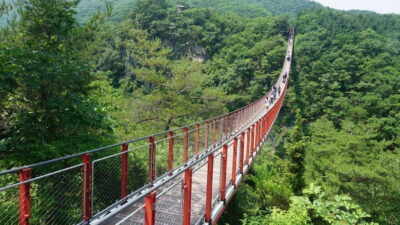 ★ 4.8Seoul: DMZ Tour with Optional Suspension BridgeFrom $455,277 reviews
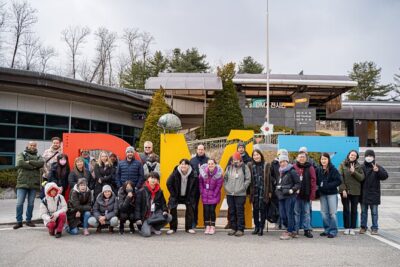 ★ 5.0Signature DMZ Tour: Exclusive Defector Talk & Suspension BridgeFrom $274,459 reviews
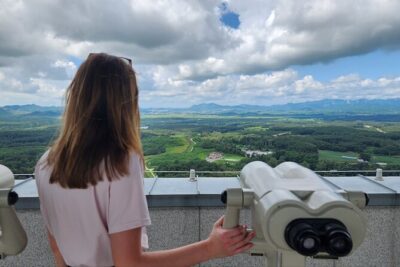 ★ 5.0Thrilling Korean DMZ 3rd Tunnel Tour from Seoul + Red Bridge RushFrom $353,097 reviews
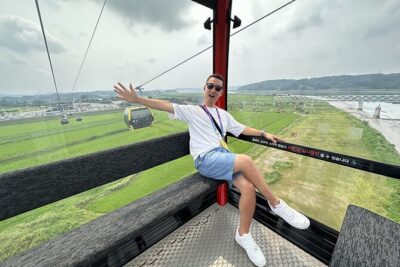 ★ 5.0Ultimate Korea DMZ Tour from Seoul (Gondola & Suspension Bridge)From $352,396 reviews
Where this tour also appears