
REVIEW · DMZ & BORDER TOURS
Ultimate Korea DMZ Tour from Seoul (Gondola & Suspension Bridge)
One line can explain the DMZ best. This 7.5-hour Seoul day focuses on the Korean War’s living border, from peace parks and memorials to the Third Tunnel and Dora Observatory, with a DMZ gondola option for big views.
Two things I especially like: you get a full set of reunification-themed stops (Imjingak Peace Bell, Mangbaedan memorial area, bridges tied to prisoner history), and the day is paced by guides who keep the group organized, like Nancy or Emily. The main thing to consider is walking, because you will tackle uphill stretches and limited space inside the tunnel.
In This Review
- Key Highlights You Will Actually Remember
- Korea’s Quietest Boundary: What This DMZ Day Really Feels Like
- Price and Value of a Seoul-to-DMZ Day for $35
- Where the Day Starts in Seoul (and Why It Matters)
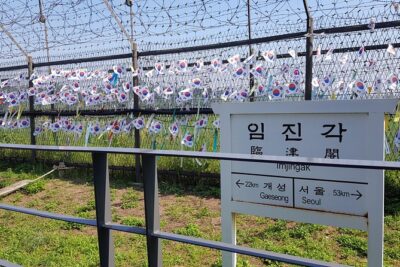
- Imjingak Pyeonghwa-Nuri Park: Where War Stories Become Peace Objects
- Freedom Bridge and the Iron Horse Stops That Make History Physical
- Gondola Views at Paju Imjingak Peace Gondola: The Optional Add-On That Packs a Punch
- Mangbaedan and Dokgae Bridge: Small Stops With Big Human Weight
- Unification Bridge Checkpoint and ID Checks: Be Ready, Not Surprised
- Imjin River Wildlife Moment: Why the Bus Ride Is Not Wasted Time
- Third Tunnel of Aggression: The Walk, the Tight Space, and the Reality of Viewing
- Dora Observatory on Dorasan: Your Closest Legal North Korea View
- Optional Bridges at Gamaksan and Majang Lake: When the Add-On Is Worth It
- The Guide Makes or Breaks It: What You Should Expect From Nancy, Emily, and Others
- Who This Tour Fits Best (and Who Should Think Twice)
- Should You Book This Ultimate Korea DMZ Tour from Seoul?
- FAQ
- What is the price for this tour?
- How long is the tour?
- Where can I meet for pickup in Seoul?
- Is the gondola ride included?
- Are lunch and drinks included?
- What is included in the ticket price?
- Do I need ID for the checkpoint stops?
- Can I take photos at every stop?
- How does the tour end, and where do I get dropped off?
- Is the tour refundable if I change my plans?
Key Highlights You Will Actually Remember
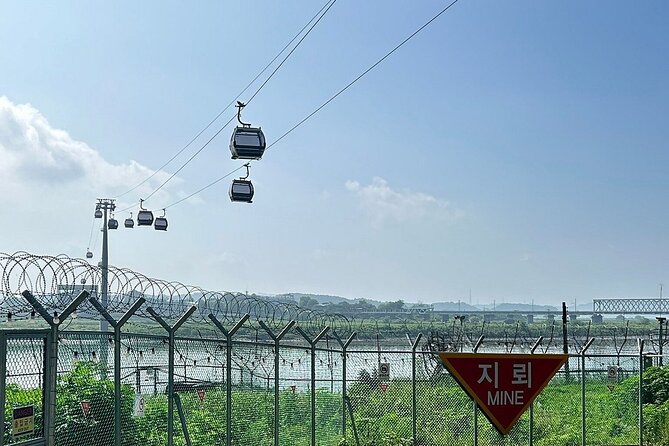
- Peace gondola (Paju Imjingak Peace Gondola) for high, river-crossing views of the DMZ area
- Third Tunnel for a rare, hands-on feel of underground history (with tight, busy walking)
- Dora Observatory on Dorasan for the closest legal viewing platform over the border zone
- Freedom Bridge and other Imjingak sites that turn war facts into place-based meaning
- Optional suspension bridge adds big scenery, but it also adds walking and time
Other routes to the border, side by side
Korea’s Quietest Boundary: What This DMZ Day Really Feels Like
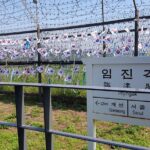
The DMZ does something to your senses. You hear how still it can get, see barbed wire details, and feel the Cold War tension that never fully evaporated.
Even the “hope for reunification” theme is grounded in physical places, not just slogans. Imjingak Park and its memorial objects make the story feel personal, especially when you stop at the Peace Bell area or the Mangbaedan memorial altar.
Price and Value of a Seoul-to-DMZ Day for $35
At $35 per person, this tour is good value for a long day that includes air-conditioned transport plus multiple paid sites. You are not just going to one viewpoint, you are bouncing across several DMZ-related landmarks built for interpretation.
Lunch is not included, so budget for a meal stop on your own. Still, for the amount of ground covered and the included admission fees, it can work out cheaper than buying several attractions separately.
Where the Day Starts in Seoul (and Why It Matters)
You will meet at one of three downtown subway spots: Myeongdong Subway Station Exit 9, Seoul City Hall Subway Station Exit 6, or Hongdae Subway Station Exit 3. If you are staying in Seoul central, this is a relief because you do not need a complex plan to get to the pickup.
The tour runs about 7 hours 30 minutes. One practical tip from how guides handle the schedule is to show up early and stay ready, because the day is structured with time limits at each checkpoint and site.
Imjingak Pyeonghwa-Nuri Park: Where War Stories Become Peace Objects
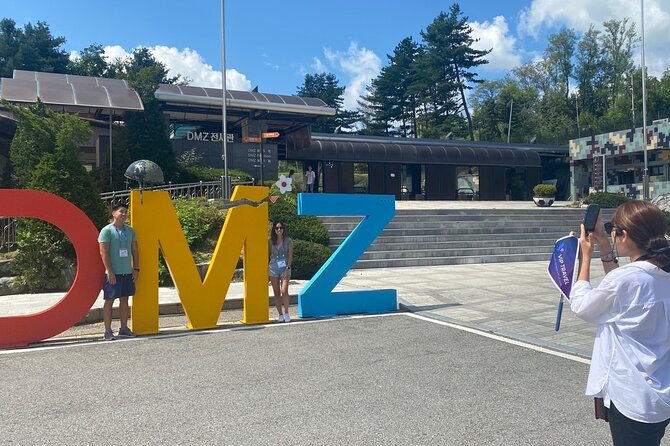
This is usually where the emotional tone starts to click. At Imjingak Pyeonghwa-Nuri Park, you will see exhibits tied to Korean reunification and related war memories, plus iconic points like the Peace Bell area and other relic-style stops around the park.
If you get a guide like Nancy or Hana, you will likely hear stories that connect the objects to real human outcomes. People often love these moments because the guide keeps the explanation clear and adds calm humor when the topic feels heavy.
More high crossings in Seoul
- Signature DMZ Tour: Exclusive Defector Talk & Suspension Bridge
★ 5.0 · 4,459 reviews - Ultimate Korea DMZ Tour from Seoul (Gondola & Suspension Bridge)
★ 5.0 · 2,396 reviews - DMZ; NK Defector, 3rd Tunnel, Suspension Bridge,Hotel pickup
★ 4.9 · 2,055 reviews - DMZ Tour w/ North Korea Experience Hall & Opt. Suspension Bridge
★ 5.0 · 1,724 reviews - Small Group Tour to DMZ & Suspension Bridge with Hotel Pickup
★ 5.0 · 1,568 reviews
Freedom Bridge and the Iron Horse Stops That Make History Physical
The Bridge of Freedom is a key stop because it is described as a wooden span built in 1953 after the armistice, replacing a destroyed railroad bridge. It mattered because it carried 12,773 prisoners to the South, and the point is not just that it happened, it is that a specific structure held that moment.
Then you shift gears at the steam locomotive stop at Jangdan Station of the Gyeongui Line, sometimes referred to as the Iron Horse. When you see an old locomotive in person, the war history becomes more than dates and names, it becomes a thing that used to move people through a divided landscape.
Gondola Views at Paju Imjingak Peace Gondola: The Optional Add-On That Packs a Punch
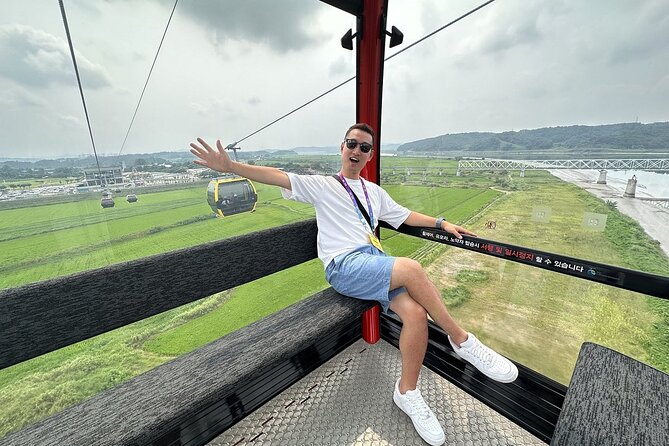
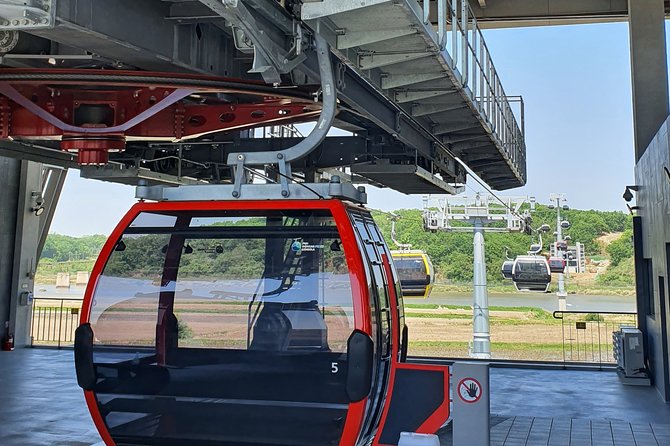
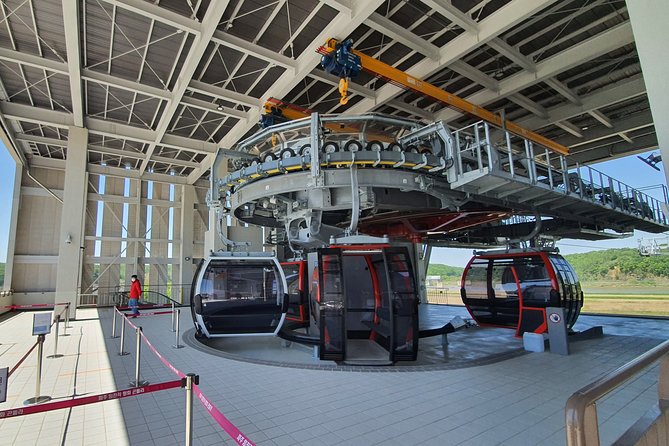
The Paju Imjingak Peace Gondola is marked as optional, and it is easy to understand why people choose it. The gondola crosses the Imjin River and gives a birds-eye look over the DMZ area.
One thing to expect is a change in how you take in the border zones. Instead of walking between viewpoints, you float and look, which can be a mental break after the bus rides. If you want the best mix of photo angles and scenery without adding too much complexity, this is usually the add-on to prioritize.
Mangbaedan and Dokgae Bridge: Small Stops With Big Human Weight
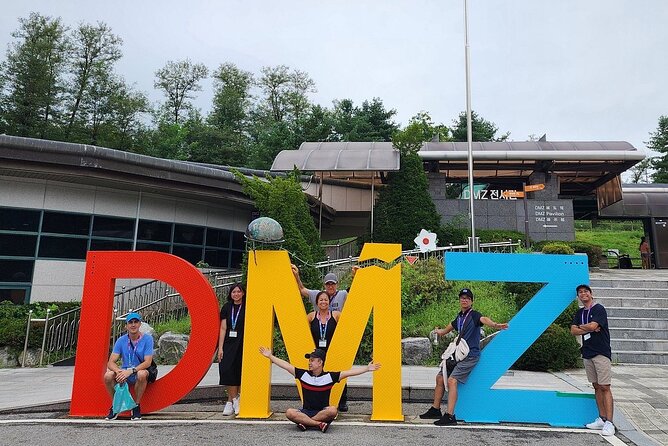
Some stops do not take long, but they land hard. Mangbaedan Memorial Altar, built in 1987 near the DMZ, is where families honor loved ones in North Korea, especially during holidays. Prayer ribbons and the feel of a memorial space make this moment more about reflection than sightseeing.
You will also spend time at Imjin River Dokgae Bridge, built in 1950 and scarred by the Korean War. Guides often help you read the scene by explaining what the bridge meant as a crossing point, so the bridge stops feeling like a random photo spot.
Unification Bridge Checkpoint and ID Checks: Be Ready, Not Surprised
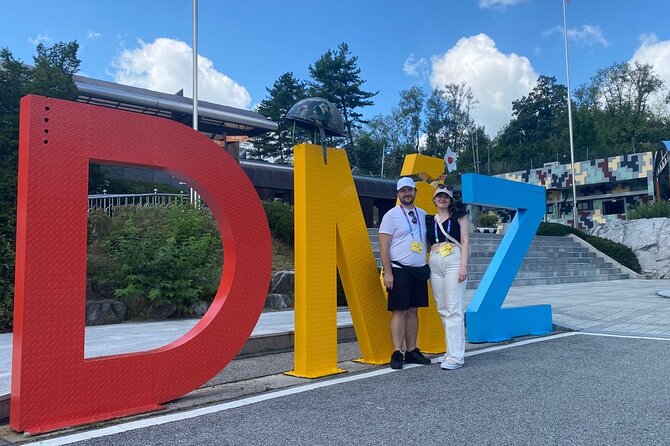
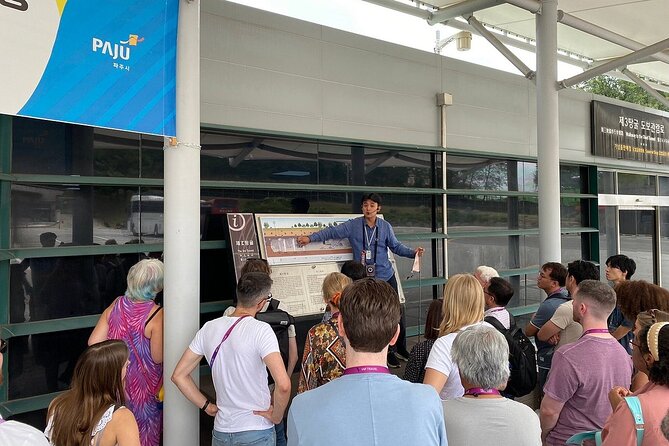
There is a real checkpoint moment at the Unification Bridge area. Soldiers will inspect the bus and carry out ID verification, so you need a passport, Military ID Card, or South Korea-issued ARC (Alien Registration Card).
This is where your day becomes more rules-based than sightseeing-based. Keep your ID accessible, and follow the guide’s cues on when you should be seated and when you should be ready.
Imjin River Wildlife Moment: Why the Bus Ride Is Not Wasted Time
Between major stops, your bus may glide over the Imjin River. The guide will often point out wildlife and birds that live undisturbed since the armistice.
It sounds like a small thing, but it changes the rhythm. After tunnels and checkpoints, it is a chance to breathe, look out the window, and notice nature doing what it has been doing along a restricted boundary.
Third Tunnel of Aggression: The Walk, the Tight Space, and the Reality of Viewing
The Third Tunnel, also called the 3rd Infiltration Tunnel, is one of the most talked-about stops for a reason. It is located about 12 kilometers from Munsan and 52 from Seoul, and the setting is built to communicate the underground effort linked to infiltration fears.
Here is the honest practical part. You should be prepared for more walking than you might expect and for limited viewing, because you often look through constrained points and then move forward. Some people find it fascinating, while others feel it is slower than expected for what you can actually see.
If you have mobility concerns, this is the part you should think about most. There can be uphill walks and tight circulation inside the tunnel space, and there are no real alternatives built into the experience if you cannot do the walking.
Dora Observatory on Dorasan: Your Closest Legal North Korea View
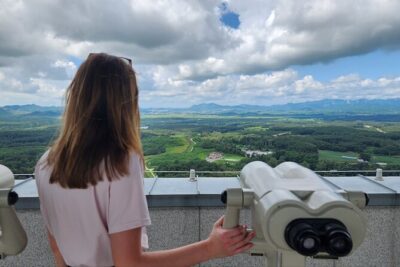
Dora Observatory, rebuilt in 2018, is described as South Korea’s closest official view of North Korea. It sits on Dorasan, and it is connected to a viewing setup that has been operating since 1986.
You will want to pace your time here. The observatory is a view-based stop, so you will get more out of it if you slow down and let the guide explain what you are seeing rather than rushing for a single photo.
Also, keep in mind that photo rules can be strict in parts of this zone. One common snag people report is that you cannot take photos of North Korea in certain areas, and that is not something your guide controls. Plan to enjoy what you see in real time, not just the camera roll.
Optional Bridges at Gamaksan and Majang Lake: When the Add-On Is Worth It
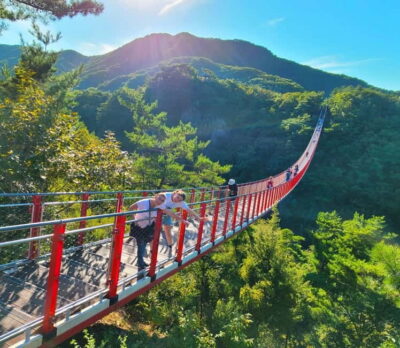
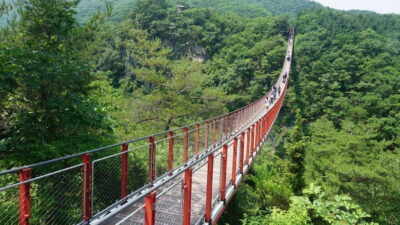
Two optional suspension bridge experiences may appear later in the day: Gamaksan Chulleong Bridge and Majang Lake suspension bridge.
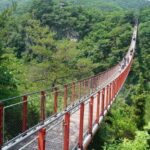
- Gamaksan Chulleong Bridge is described as a 150-meter-long red suspension bridge built in 2018, holding up to 900 adults.
- Majang Lake has a 220-meter suspension bridge built in 2017, spanning a reservoir turned into an urban oasis.
These can be great if you want a change of pace from historical stops and want panoramic views. The catch is time and energy. If your legs already feel cooked from tunnels and checkpoints, it may be smarter to skip the bridge options and keep your stamina for the main DMZ sites.
The Guide Makes or Breaks It: What You Should Expect From Nancy, Emily, and Others
The tour quality here often comes down to the guide’s ability to translate the story. Names like Nancy, Emily, Diane, Gogo, Crystal, Ray, Alice, and Alex (MJ) show up with the same theme: organized pacing, clear explanations, and helpful guidance for how to handle the day’s rules.
If your guide is like Nancy, you can expect a fast-moving day with humor and frequent history context, plus reminders about photo appropriateness. If your guide is like Emily or Diane, you may get encouragement for the tunnel and practical tips for souvenirs at specific shopping moments tied to the route.
Either way, the best strategy for you is to listen closely at each stop, especially when the guide explains what the place represents. It turns a list of objects into a connected story.
Who This Tour Fits Best (and Who Should Think Twice)
This is a strong fit for families and first-timers who want one organized day covering multiple DMZ-related sites without planning buses, checkpoints, and tickets. It is also a good option if you like structure, because the day has a steady rhythm and a guide who keeps the group moving.
Think twice if you have mobility limitations, because you may face uphill walks and confined areas inside the tunnel. Also, if you rely on lots of photos, understand that some areas restrict photography, especially related to viewing North Korea.
Should You Book This Ultimate Korea DMZ Tour from Seoul?
I would book it if you want the best value mix of iconic DMZ sights, organized transport, and a guide who can make the history understandable without turning it into a lecture. The standout experiences are the Third Tunnel and Dora Observatory, and the peace gondola add-on can be an easy win for views from a different angle.
I would pass or reconsider if tunnel walking and restricted photo rules would frustrate you. In that case, you might choose a lighter format with fewer moving parts.
If you do book, go in with one mindset: the DMZ is not just a scenic day trip. It is a place where the story lives in structures, checkpoints, and objects, and the guide helps you read that meaning as you go.
FAQ
What is the price for this tour?
The price is $35.00 per person.
How long is the tour?
The duration is about 7 hours 30 minutes.
Where can I meet for pickup in Seoul?
You can meet at Myeongdong Subway Station (Exit 9), Seoul City Hall Subway Station (Exit 6), or Hongdae Subway Station (Exit 3).
Is the gondola ride included?
The Paju Imjingak Peace Gondola is listed as optional, but admission is included for the gondola portion.
Are lunch and drinks included?
Lunch is not included.
What is included in the ticket price?
Included features are an air-conditioned vehicle, all fees and taxes, and the services of a best tour guide.
Do I need ID for the checkpoint stops?
Yes. At the Unification Bridge checkpoint, soldiers will inspect the bus and verify ID. You should have a passport, Military ID Card, or a South Korea-issued ARC.
Can I take photos at every stop?
Photo permissions can vary. One issue people mentioned is that you cannot take pictures of North Korea in certain areas, and your guide will follow the government rules.
How does the tour end, and where do I get dropped off?
Drop-off options include Hongdae, Seoul City Hall, or Myeongdong.
Is the tour refundable if I change my plans?
Yes, there is free cancellation. You can cancel up to 24 hours in advance for a full refund.
More Seoul Write-Ups
More Bridges Worth the Nerve
The Border, Other Routes In
Fresh on the Seoul pile
- Unique Native Experience : Han River Picnic, Board game, BBQ★ 5.0 · 3 reviews
- 2-Hour Private Kayaking and Paddleboarding Experience in Hanriver★ 5.0 · 3 reviews
- Korean Folk Village & Suwon Hwaseong Fortress Private Tour★ 5.0 · 3 reviews
- Seoul Korean BBQ Dinner Experience with Secret Food Tours★ 5.0 · 3 reviews
- Seoul Highlights & Hidden Gems – Private Tour with Photo Service★ 5.0 · 3 reviews
- Night Food Tour in Seoul with Traditional and Modern Cuisine★ 5.0 · 3 reviews
DMZ & Border Tours you might have missed.
 ★ 5.0Best DMZ Tour Korea from Seoul (Red Suspension Bridge Optional)From $2941,422 reviews
 ★ 5.0DMZ Tour: 3rd Tunnel, Option(Suspension Bridge, Boat) from SeoulFrom $3521,373 reviews
 ★ 5.0DMZ tour south Korea from Seoul (NK experience hall, defector)From $2620,599 reviews
 ★ 4.9DMZ Insider Tour: 3rd Tunnel, NK Defector Meet & Red BridgeFrom $5015,214 reviews
 ★ 4.8Seoul: DMZ Tour with Optional Suspension BridgeFrom $455,277 reviews
 ★ 5.0Signature DMZ Tour: Exclusive Defector Talk & Suspension BridgeFrom $274,459 reviews
 ★ 5.0Thrilling Korean DMZ 3rd Tunnel Tour from Seoul + Red Bridge RushFrom $353,097 reviews
 ★ 5.0DMZ Past and Present: Korean Demilitarized Zone Tour from SeoulFrom $372,481 reviews
Where this tour also appears