
REVIEW · KOREAN COOKING CLASSES
Seoul : Taste of Korea, Authentic Home-Style Cooking Class
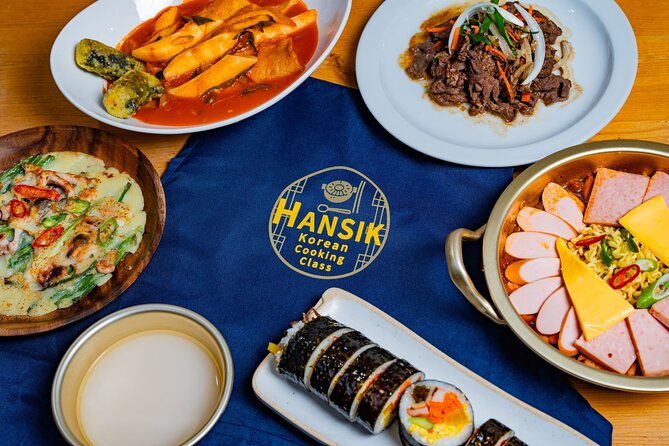
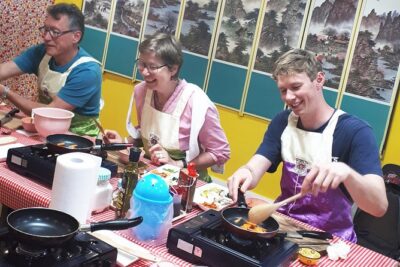
Korean cooking lessons are surprisingly good for your schedule. In this 3-hour Hansik class in Seoul, you cook at dedicated stations with hands-on step-by-step guidance from host Jennifer, learning four home-style favorites from scratch. I also like the built-in payoff: a full-course meal, Korean tea, Sikhye, and dessert, plus enough food that you can take leftovers home. The only real catch is the portion size, come hungry and plan your evening like you just got fed.
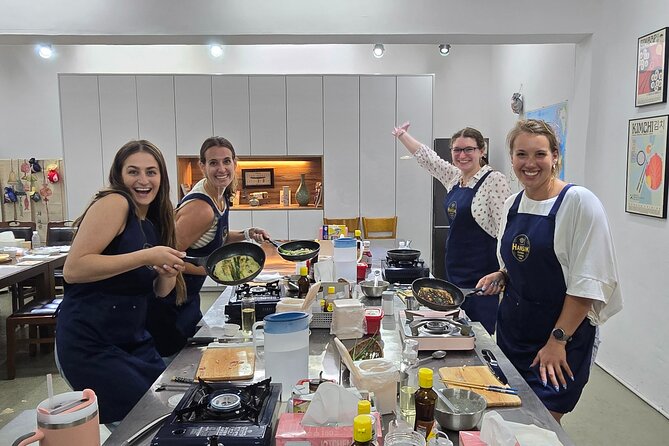
This is a small group class, max 10 people, which matters because you get real help when a technique gets tricky, like rolling gimbap or getting the pancake texture right. You’ll also get recipes digitally afterward, which is a big deal if you want to recreate the dishes later instead of guessing from memory.
The class runs morning or evening sessions, and it’s set up as a clean, fresh kitchen experience. If you’re expecting a quick snack tasting, this is not that. It’s a full cooking and eating block, built for people who want to learn how Korean home food actually works.
In This Review
- Key highlights worth your attention
- Entering a Small-Group Hansik Kitchen in Jongno
- How the 3-Hour Class Flows From Start to Finish
- Gimbap: The Roll-Your-Own Skill That Travels Well
- Tteokbokki and Haemulpajeon: Two Textures, Two Flavor Lessons
- Budaejjigae: Comfort-Stew Technique With Real Payoff
- The Full-Course Meal, Korean Tea, Sikhye, Makgeolli, and Dessert
- Recipes Digitally After Class, So You Can Cook Again
- Dietary Preferences and Clear Guidance When You Need It
- Where This Class Fits Best in Your Seoul Plan
- Price and Value: Why $89 Feels Fair Here
- Should You Book This Hansik Cooking Class?
- FAQ
- What is the duration of the Seoul Hansik cooking class?
- How much does the class cost?
- What dishes do you learn to cook?
- Is alcohol included?
- Are dietary restrictions accommodated?
- What is the group size?
- Where is the meeting point?
- Is there a cancellation option and what if the weather is poor?
Key highlights worth your attention
- Max 10 people so you’re not stuck watching from the sidelines
- Four classic dishes taught from scratch: Gimbap, Tteokbokki, Haemulpajeon, and Budaejjigae
- Jennifer’s teaching style is patient and step-by-step, with extra help when needed
- Digital recipes after class, plus plenty of food to eat now and bring home
- Dietary accommodations are handled with alternative recipes when possible
- Korean drinks for adults 21+ with Sikhye and optional Makgeolli
More kitchens to book in Seoul
Entering a Small-Group Hansik Kitchen in Jongno
The meeting point is at 31-5 Jahamun-ro, Jongno District, Seoul, and it’s near public transportation, so you’re not wrestling with Seoul transit just to start cooking. Once you find the teaching kitchen, the vibe is practical and friendly, not staged. This matters because you’ll be working with ingredients and heat for most of the session, so you want a setup that’s clean and organized.
The small group size, up to 10 people, is one of the biggest value wins. In a larger class, you often end up waiting for your turn. Here, you can actually learn the steps as they happen, and you’re more likely to get direct corrections on things like consistency, timing, and plating.
Also, the instructors are very hands-on. Reviews repeatedly point to Jennifer as the person who makes the class feel welcoming and keeps things moving at a comfortable pace. If you’re nervous about cooking, that support is not a small detail. It’s the difference between learning a technique and just surviving the chaos.
How the 3-Hour Class Flows From Start to Finish
The full session is about 3 hours, and it’s structured around cooking four dishes, then eating the full-course meal. That timing is long enough to do real work, but short enough that it doesn’t swallow your whole day.
Here’s what you should expect in terms of flow:
- You’ll be guided to prepare each dish step by step, rather than getting a loose overview.
- You cook yourself at the stations, so you’re building muscle memory, not just watching.
- The pace stays manageable, with help when you need it and a focus on technique you can repeat later.
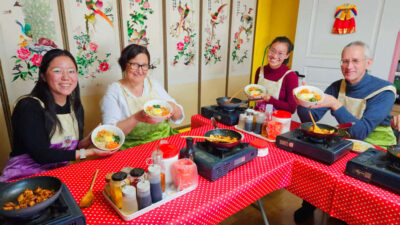
- At the end, you eat a full home-style spread, not just a few bites.
One extra thing I like: the teaching isn’t only about food mechanics. You also get context, like history and even some language lessons tied to what you’re making. That turns a “learn to cook” class into something more memorable, because you’re understanding what you taste.
Gimbap: The Roll-Your-Own Skill That Travels Well
Gimbap is usually the dish people think they understand, then realize they’ve never made properly at home. In this class, you’re taught from scratch and guided through the process, so you’re not stuck with a vague tutorial. You learn how the roll comes together and what to focus on to keep it neat.
What makes gimbap a smart dish to learn in Seoul is how repeatable it is. Even if you don’t get the exact Korean ingredients every time, the technique works. You can swap fillings, adjust flavors, and still get the same basic roll structure.
A big practical advantage here is that you’re doing it in a classroom environment with active coaching. Reviews mention that the teaching style includes patience and support, and that you cook everything yourself. That means your gimbap outcome improves with feedback rather than hope.
Tteokbokki and Haemulpajeon: Two Textures, Two Flavor Lessons
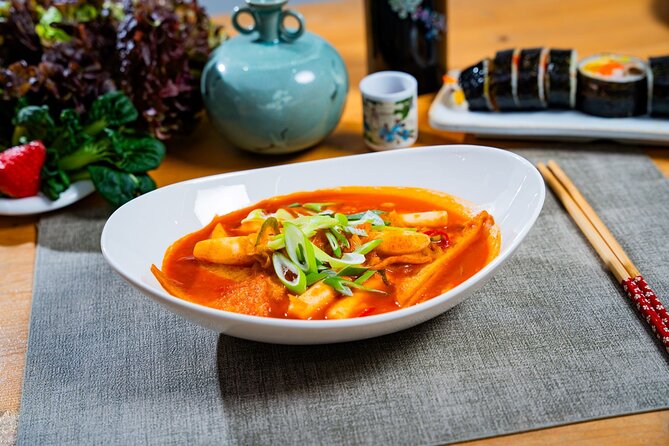
Tteokbokki is the spicy, sticky classic people crave in Korea, and it’s also a great teaching tool because it forces you to pay attention to sauce and heat control. You’ll make it with gochujang, the red chili paste that gives tteokbokki its signature punch. The class approach focuses on steps that help you avoid common problems, like sauce that’s too thick or not integrated.
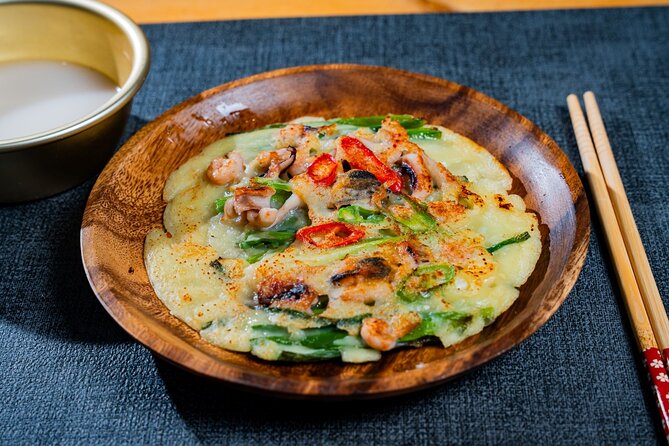
Then comes Haemulpajeon, a seafood and scallion pancake that’s all about texture. Pancakes can go wrong fast when batter consistency, heat, and flipping timing are off. Learning it as part of a guided class is a lot easier than trying to reproduce it from a recipe later. If you want to impress at home, this is one of the most useful skills because it looks impressive and tastes great, even with tweaks.
I also like that these dishes are taught as home-style food, not fancy restaurant versions. That’s why they land better for most home cooks. You end up learning patterns you can reuse, rather than chasing a one-time performance.
Other classes with a stove in Seoul
- Korean Cooking at Seoul Cooking Club
★ 5.0 · 220 reviews - Experience Korean Cooking in Modern Hanok Kitchen
★ 5.0 · 118 reviews - Korean Cooking Class with Grocery Shopping at Seoul Local Market
★ 5.0 · 107 reviews - Royal Seoul Cooking Class in a 100-Year-Old Hanok
★ 5.0 · 81 reviews - Seoul : Taste of Korea, Authentic Home-Style Cooking Class
★ 5.0 · 64 reviews
Budaejjigae: Comfort-Stew Technique With Real Payoff
Budaejjigae, often called army stew, is the comfort dish that makes you understand why Korean home cooking feels so satisfying. In class, you’ll learn how to make it with guidance from expert instructors, so you’re not just learning what goes in, you’re learning how the stew comes together.
What makes this part of the experience valuable is the way it connects cooking technique to taste. Stews reward patience and correct heat levels. If you’ve never cooked Korean comfort food before, this is where the flavors start making sense, because it’s one pot and the results show quickly.
And yes, this dish adds to the “come hungry” message. Between the stew and the rest of the meal you eat afterward, you’ll likely finish the class satisfied and not just curious.
The Full-Course Meal, Korean Tea, Sikhye, Makgeolli, and Dessert
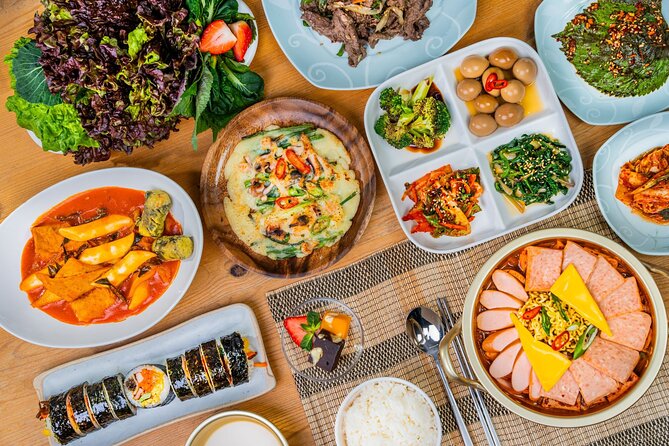
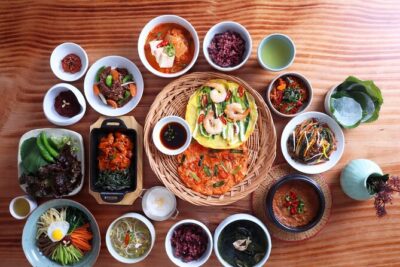
After you cook, you sit down for a full-course home meal. This is where the class stops being just a lesson and becomes an actual eating experience with variety, so you can taste what you made in the context of a complete Korean meal.
You can also expect Korean tea and snacks, including Sikhye, the sweet rice punch, and Makgeolli, a Korean rice wine. The important detail here: alcoholic drinks are only served to travelers 21 years old and above. If you’re under 21, you’ll still get non-alcoholic drinks, since the class adjusts based on age.
Dessert is included as well, which helps balance the meal. And based on multiple notes, you’ll leave very full, often with food left over to take home. That leftover part is one of the best value signals in any cooking class. You’re paying not only for instruction, but also for a lot of edible food.
Recipes Digitally After Class, So You Can Cook Again
One reason cooking classes sometimes fail as “value” is that you forget what you did five minutes after the session ends. Here, you get recipes digitally afterward. That’s exactly what you want if you plan to repeat the dishes at home.
You’ll also likely remember more because you cooked the dishes yourself during the class. Cooking from scratch with guidance makes the recipe feel like a map, not a mystery. And because you’re learning four dishes instead of one, you walk away with multiple building blocks for future Korean meals.
Dietary Preferences and Clear Guidance When You Need It
If you have dietary restrictions, the class is designed to handle them. Reviews mention that alternatives are offered, so you’re not forced to sit out portions of the lesson if something doesn’t work for you.
In a hands-on class, this is important. You don’t want a “we can accommodate” statement that turns into guesswork. The practical approach here is that you cook with guidance and can swap where needed so the experience stays complete.
Where This Class Fits Best in Your Seoul Plan
This is a great choice if you want something more grounded than a typical tasting walk. You’ll spend your time cooking and then eating, and you’ll take home leftovers and recipes. It’s ideal for people who like practical skills and want food culture that you can actually reproduce.
This also works well for families. There are reviews that mention kids joining in, including children around ages 10 and 12, and the host was accommodating of different skill levels. If you’re traveling with family members who enjoy food activities, this class is one of the more structured options you’ll find.
One caution: because the meal is big, schedule it earlier in the day if you can, or at least plan a light dinner afterward. If you like tasting Seoul at night, this might compete with your appetite for other food spots.
Price and Value: Why $89 Feels Fair Here
At $89 per person for about 3 hours, the price makes more sense when you look at what’s included. You’re not just paying for ingredients, and you’re not just buying a seat to watch. You’re getting:
- Instruction to cook four traditional dishes
- A full-course home meal afterward
- Korean tea, snacks, Sikhye, and dessert
- Optional alcoholic drinks for adults 21+
- Digital recipes afterward
- Food left over to take home, which adds real value
When a class gives you both learning and a lot of food, it tends to feel fair instead of overpriced. The small group size also helps justify it, since you’re more likely to get one-on-one support and not feel rushed.
If you compare it to doing Korean food yourself from scratch, you’re also paying for time, organization, and coaching. That’s the part most home cooks would struggle to DIY in a short trip.
Should You Book This Hansik Cooking Class?
I’d book it if you want hands-on Korean home cooking, not just a tasting. The class hits the sweet spot of structure, friendliness, and practical skill building, with Jennifer’s step-by-step teaching style coming up again and again. You also get a lot of included food, and the fact that leftovers are common means you’re getting more than one meal out of the experience.
You might skip it if you want something short and light, or if you’re sensitive to eating a large meal in one sitting. This is a 3-hour, four-dish cooking class plus a full-course spread, so it’s best for people who are ready to cook and then eat.
If your goal is to leave Seoul with recipes you can actually follow and techniques you can repeat, this is one of the more dependable ways to do it.
FAQ
What is the duration of the Seoul Hansik cooking class?
The class is approximately 3 hours.
How much does the class cost?
The price is $89.00 per person.
What dishes do you learn to cook?
You’ll learn to make Gimbap, Tteokbokki, Haemulpajeon, and Budaejjigae.
Is alcohol included?
Alcoholic drinks are only served to travelers 21 years old and above. Minor travelers will be served non-alcoholic drinks.
Are dietary restrictions accommodated?
Yes, alternative recipes are offered for dietary restrictions and preferences.
What is the group size?
The class has a maximum of 10 travelers.
Where is the meeting point?
The start point is 31-5 Jahamun-ro, Jongno District, Seoul, South Korea. The activity ends back at the meeting point.
Is there a cancellation option and what if the weather is poor?
Free cancellation is available if you cancel at least 24 hours in advance for a full refund. If the class is canceled due to poor weather, you’ll be offered a different date or a full refund.
Classes With a Stove
More Seoul Write-Ups



Back to the Kitchen in Seoul
Fresh on the Seoul pile
- Unique Native Experience : Han River Picnic, Board game, BBQ★ 5.0 · 3 reviews
- 2-Hour Private Kayaking and Paddleboarding Experience in Hanriver★ 5.0 · 3 reviews
- Korean Folk Village & Suwon Hwaseong Fortress Private Tour★ 5.0 · 3 reviews
- Seoul Korean BBQ Dinner Experience with Secret Food Tours★ 5.0 · 3 reviews
- Seoul Highlights & Hidden Gems – Private Tour with Photo Service★ 5.0 · 3 reviews
- Night Food Tour in Seoul with Traditional and Modern Cuisine★ 5.0 · 3 reviews
Korean Cooking Classes you might have missed.
 ★ 5.0Local Home Korean Cooking Class & Market Adventure in SeoulFrom $911,024 reviews
 ★ 5.0Master Korean traditional cooking with a Kimchi chefFrom $85385 reviews
 ★ 5.0Seoul: Korean Cooking Class at a Local Home and Market TourFrom $98348 reviews
 ★ 5.0Seoul: Korean Cooking at Seoul Cooking Club!From $109311 reviews
 ★ 5.0Korean Cooking at Seoul Cooking ClubFrom $109220 reviews
 ★ 5.0Experience Korean Cooking in Modern Hanok KitchenFrom $87118 reviews
 ★ 5.0Korean Cooking Class with Grocery Shopping at Seoul Local MarketFrom $91107 reviews
 ★ 5.0Korean Kimchi Making Day Experience with a Local Market TourFrom $8999 reviews
Where this tour also appears