
REVIEW · KOREAN COOKING CLASSES
You’re Invited to Our Home in Seoul: The Only Cooking Class!
A real Korean home cooking class is rare. In Seoul, this small-group session brings you into a family kitchen with a Han River view, guided by David and Hanna, and it centers on hands-on jeon you make from scratch. I love the practical, flavor-focused cooking lessons, and I also like that you leave with recipes you can actually use. One thing to consider: it takes place in a real home, so it is not wheelchair-friendly.
You get two hours of focused time, not a rushed demo, with room for questions since the group is limited to 4. The host works in English and Korean, and you’ll be cooking, tasting, and eating together like a neighbor invited you over.
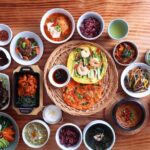
The menu is classic Korea comfort food: Sikhye (sweet rice punch), assorted Jeon, and doenjang-jjigae (soybean paste stew), plus Korean tea throughout and dessert like Hotteok. The jeon selection can shift depending on what ingredients are available that day, and you can request dietary or spice adjustments if you let them know ahead of time.
In This Review
- Key Things That Make This Cooking Class Worth Your Time
- Step Inside Seoul, Into Someone’s Actual Home
- What You Cook in the Two Hours (So You Can Plan Your Appetite)
- Jeon: Korean Pancakes With a Purpose
- Doenjang-jjigae: Soybean Paste Stew
- Sikhye and Hotteok: Sweet Finish, Korean Style
- Banchan: The Side Dishes That Make It Feel Complete
- Jeon Lessons That Actually Transfer to Your Cooking at Home
- The Meal Experience, Tea Included (Because Korea Eats Slowly)
- Dietary Needs, Spice Level, and Shellfish Concerns
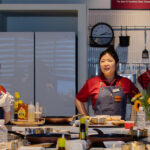
- The Hosts Matter: David and Hanna’s Family-Style Warmth
- Han River Time: Optional Walk and Local Tips After You Eat
- Price and Value: Is $110 Fair for a Seoul Home Cooking Class?
- Who Should Book This (And Who Might Skip It)
- Practical Tips Before You Go
- Should You Book This Seoul Home Cooking Class?
- FAQ
- How long is the cooking class?
- What dishes are included?
- Can the menu be adjusted for dietary needs or spice level?
- Is there an optional Han River activity after the meal?
- Is transportation included?
- How big is the group?
- Do you receive recipes to take home?
- Is this experience wheelchair accessible?
Key Things That Make This Cooking Class Worth Your Time
- A real home kitchen in Seoul, not a commercial studio, with a Han River and downtown view
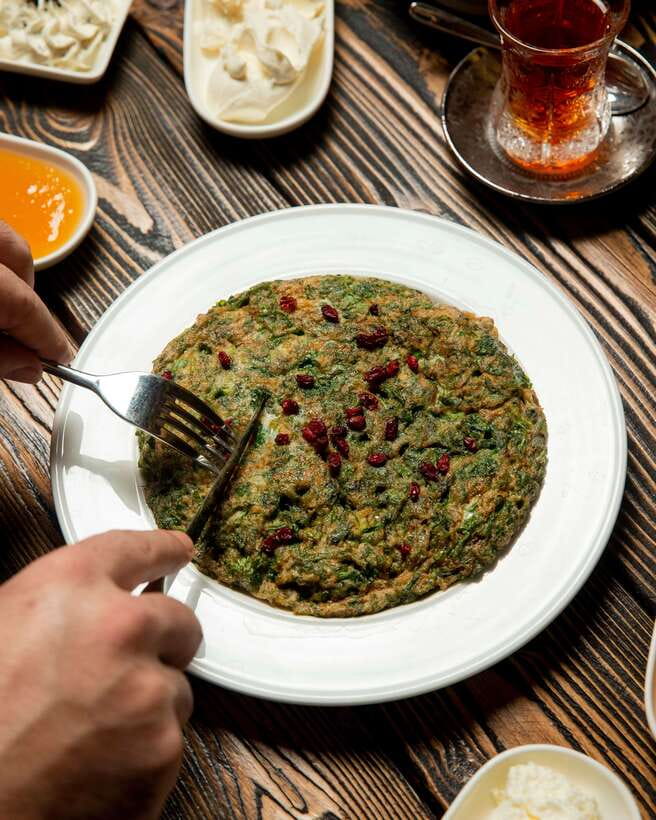
- Hands-on jeon cooking, including a variety like scallion, zucchini, tofu, beef, seafood, and more (day-dependent)
- Sikhye and Hotteok dessert, plus tea and snacks during the class
- David and Hanna’s family-style hosting, with time to ask questions and get practical travel food tips
- Optional Han River walk, plus local area sightseeing guidance after the meal
- DSLR photos included, taken during class and shared afterward
More kitchens to book in Seoul
Step Inside Seoul, Into Someone’s Actual Home
This experience works because it is not trying to perform Korea like a show. Instead, you join a real Seoul home setting where the food, the pace, and the conversation feel like everyday life. If you’re the kind of traveler who wants more than restaurant menus and landmark photos, you’ll like this setup.
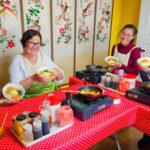
You’ll likely start by meeting your hosts in the cozy home environment, with Korean traditional tea right away. Then the class shifts into work mode, where you’re not just watching how pancakes get made, you’re helping make the different parts happen. It is also small-group by design, capped at four participants, which matters because cooking is interactive and questions come up fast.
And yes, the view is a big part of the appeal. You get to cook and eat with the Han River and downtown Seoul in sight, which makes the whole experience feel more grounded and less touristy.
What You Cook in the Two Hours (So You Can Plan Your Appetite)
The schedule is built around a full Korean meal and dessert, plus ongoing tea. Expect a mix of cooking and eating, with the focus on dishes you can realistically recreate later from the recipes provided.
Here’s what the class centers on:
Jeon: Korean Pancakes With a Purpose
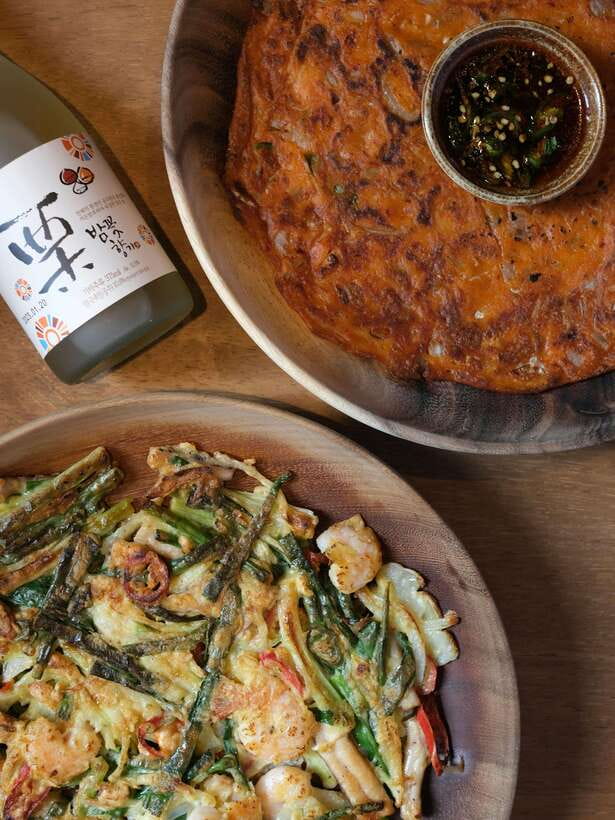
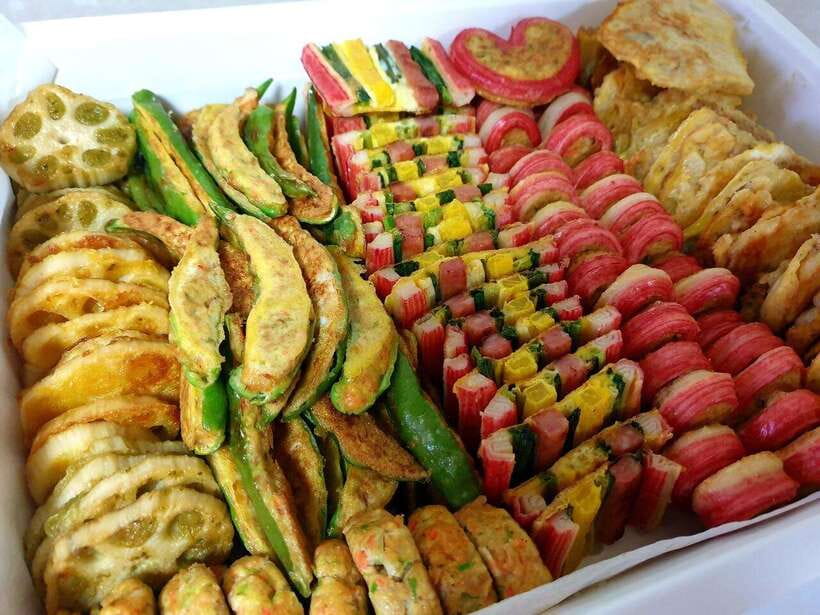
You’ll make Assorted Jeon from scratch. The selection includes multiple styles, such as:
- Donggeurangttaeng (meatball pancake)
- Pajeon (scallion pancake)
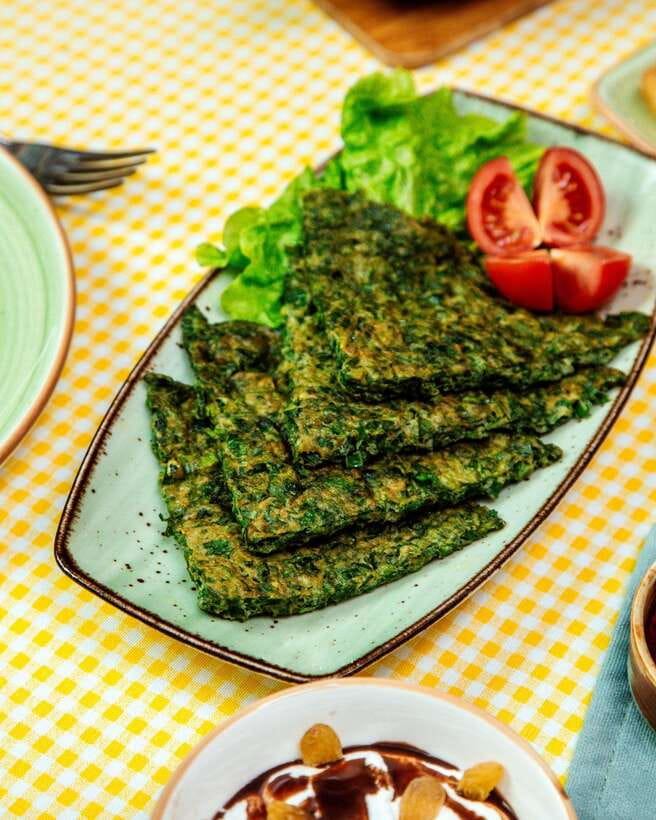
- Hobakjeon (zucchini pancake)
- Beoseotjeon (mushroom pancake)
- Dubujeon (tofu pancake)
- Yukjeon (beef pancake)
- Kkochi-jeon (skewered pancake)
- Haemuljeon (seafood pancake)
Important practical note: the exact pancake lineup may vary based on ingredient availability that day. That’s normal for a home-style class, but it also means you’ll want to show up with an open mind if you’re hoping for a specific variety.
Doenjang-jjigae: Soybean Paste Stew
You’ll also cook and eat doenjang-jjigae, a soybean paste stew that anchors the meal. This dish is all about that deep fermented flavor and comfort warmth, the kind of food that makes Korean homes feel lived-in.
Other classes with a stove in Seoul
- Korean Cooking at Seoul Cooking Club
★ 5.0 · 220 reviews - Experience Korean Cooking in Modern Hanok Kitchen
★ 5.0 · 118 reviews - Korean Cooking Class with Grocery Shopping at Seoul Local Market
★ 5.0 · 107 reviews - Royal Seoul Cooking Class in a 100-Year-Old Hanok
★ 5.0 · 81 reviews - Seoul : Taste of Korea, Authentic Home-Style Cooking Class
★ 5.0 · 64 reviews
Sikhye and Hotteok: Sweet Finish, Korean Style
Dessert here is not an afterthought. You get:
- Sikhye, a sweet rice punch that’s gentle and refreshing
- Hotteok, sweet Korean pancakes, served warm
Between the tea and the desserts, you get a good sense of how Korean meals often balance savory and sweet without making it complicated.
Banchan: The Side Dishes That Make It Feel Complete
You’ll enjoy banchan with the main dishes. These small plates are a big part of why Korean home dining feels satisfying. They also matter for value, because you’re not paying for one dish, you’re getting a whole table.
Jeon Lessons That Actually Transfer to Your Cooking at Home
Jeon sounds simple until you try it. Getting the texture right, knowing how to handle the batter and fillings, and learning when to flip are the real skills. This class is built around that hands-on learning, and that’s why it’s more than a food tasting.
In a home setting, you usually learn the hidden stuff that matters:
- How to think about thickness and consistency so the pancake cooks through without going soggy
- How to pan-fry for the right browning and crisp edges
- How to work with different fillings, since each variety behaves a little differently
And the best part is you’ll eat what you cook. That turns instruction into something you can remember. You also get recipes to take home, which is key if your goal is to reproduce the dishes later instead of just collecting photos.
The Meal Experience, Tea Included (Because Korea Eats Slowly)
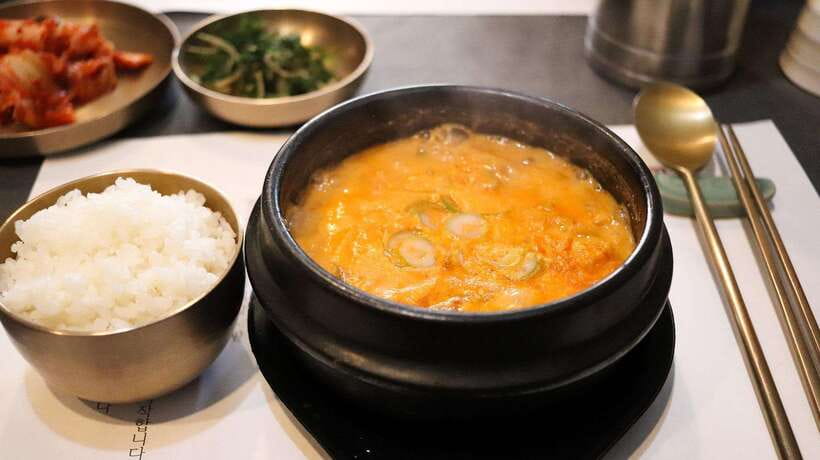
Korean home cooking is about timing and comfort, not speed. You’ll have traditional tea on arrival, and then tea and snacks are available during the class. That keeps the energy steady while you’re cooking.
One practical benefit of this pacing: you’re not constantly rushed between tasks. You can taste, ask questions, and adjust. If you have any questions about what you’re eating or what to order later in Seoul restaurants, this is the moment to ask.
If you’ve ever had Korean food and wondered what makes it taste like it does, this is where you’ll start getting the logic. The stew, the pancakes, the side dishes, and the sweet finish all work together, and you can feel how Korean flavors layer, not just punch.
Dietary Needs, Spice Level, and Shellfish Concerns

You can request menu adjustments for dietary restrictions, including vegan or vegetarian options. If spice level is a concern, you can ask for adjustments too. Just make sure you communicate it ahead of time.
There’s another practical angle here. One person in the feedback shared they had a shellfish allergy and felt reassured enough to try Korean cuisine without worry. That tells you the hosts take allergies seriously enough to plan around them, as long as you tell them your needs before you arrive.
If you’re traveling with allergies, treat this class like a friendly conversation and be very clear in advance. Then show up ready to cook and taste with less guesswork.
The Hosts Matter: David and Hanna’s Family-Style Warmth
This is the kind of experience where the host energy changes everything. The hosts David and Hanna are described as welcoming and easy to talk with, and that matters because cooking always throws little curveballs. Maybe it’s timing. Maybe it’s how something should smell when it’s ready. Maybe it’s how to recreate a sauce later.
You’ll also get travel and everyday-life insights that go beyond food. If you’ve ever felt overwhelmed in Seoul and wished someone could point you toward the right neighborhoods and the right food stops, this class is designed to give you that kind of guidance.
And there’s a small but useful touch included: photo support. A DSLR photography session is part of the experience, with photos provided afterward. That means you can focus on cooking while someone catches the moment.
Han River Time: Optional Walk and Local Tips After You Eat

Once the meal is done, there’s an optional free 1-hour walk by the Han River. This is a nice way to shift your brain from kitchen mode back to Seoul sightseeing.
It also helps you connect the experience to the city. Cooking in a home with a view of the river is memorable, but taking that short walk after dinner makes it even more real. You’ll also have local area tour guidance available as part of the overall experience.
If you like your sightseeing low-key, this optional walk fits perfectly. If you’re tired after cooking, you can skip it and still feel like you got your money’s worth.
Price and Value: Is $110 Fair for a Seoul Home Cooking Class?
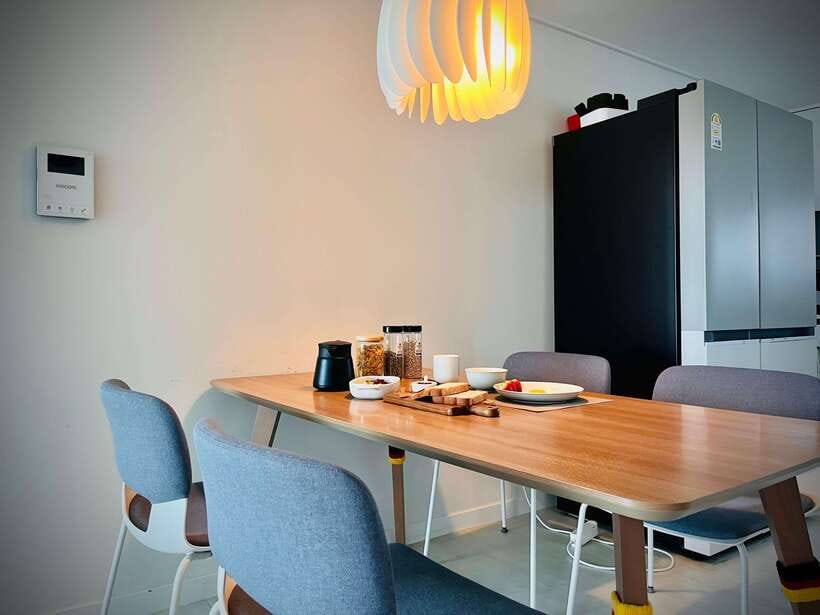
At $110 per person for a 2-hour experience, this isn’t a cheap snack. But it also is not just a meal. You’re paying for several value drivers that add up:
- A small group setting (up to 4 people), which means more attention
- All ingredients and equipment provided, so you are not bringing supplies
- A full-course meal experience, including multiple mains, banchan, and desserts
- Welcome drink, tea, and snacks during the class
- Recipes you can take home
- DSLR photography during the class
- Optional Han River walk included
What’s not included is transportation to and from the class location. That’s the one place you may need to add cost depending on where you’re staying.
If you compare this to paying for a meal plus cooking workshop fees plus separate photography, the pricing feels more reasonable. It is a value play for travelers who want both learning and a proper Korean table, not just a single dish.
Who Should Book This (And Who Might Skip It)
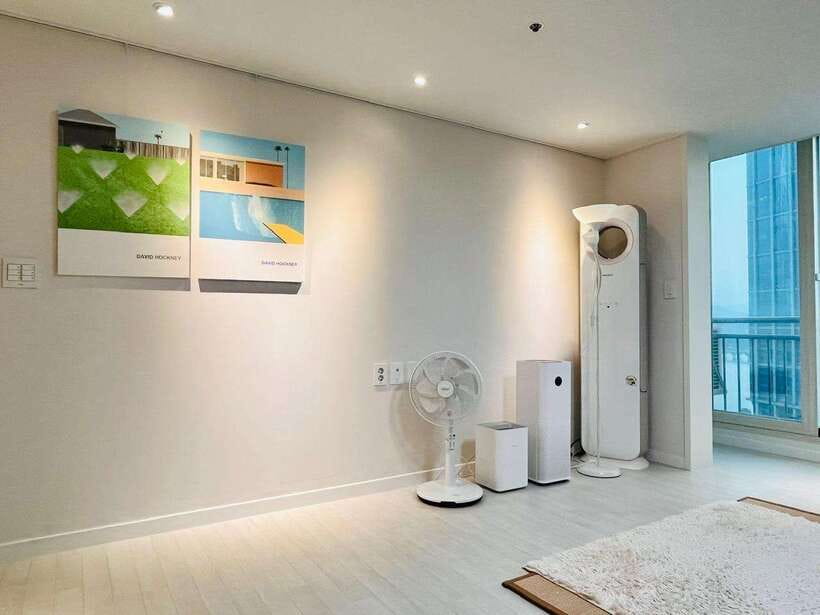
This class is a great fit if you want:
- A hands-on Seoul experience that feels like a real home
- Korean comfort food you can reproduce later, thanks to recipe take-home
- A smaller, quieter experience with time for questions
- A Han River view plus an optional post-meal walk
It might be less ideal if you:
- Need wheelchair accessibility, since it is not suitable
- Want a purely sightseeing day with lots of walking on your own, because the main focus is cooking and dining
Also bring a camera. The view and the plated food are worth documenting, and the included photo session helps too.
Practical Tips Before You Go
A few small things make the experience smoother:
- Wear comfortable shoes, since homes can have stairs or uneven surfaces
- Bring a camera if you want your own shots
- Pack water needs in mind, even though water is included, because cooking can make you thirsty
- Bring snacks if you’re sensitive to hunger timing, since you’re spending the whole block on meals and cooking
And if you have dietary restrictions or spice concerns, send the details ahead of time. That prevents awkward surprises and helps the menu match your needs.
Should You Book This Seoul Home Cooking Class?
Book it if you want a real Korean home-style meal experience, with hands-on cooking and a Han River view, and you like learning by doing. The $110 price makes sense when you factor in the full meal, recipes, tea, desserts, DSLR photos, and the small-group attention.
Skip it if you have mobility limitations, since it is not wheelchair-friendly. And if you only want street food and big walking sightseeing, this may feel more meal-centered than you expect.
If your goal is to understand Korean flavors in a way that sticks, this is exactly the kind of class that turns Seoul into something you can taste again later.
FAQ
How long is the cooking class?
The class runs for 2 hours.
What dishes are included?
You’ll cook and enjoy Sikhye (sweet rice punch), assorted Jeon (Korean pancakes), and doenjang-jjigae (soybean paste stew). You’ll also have traditional Korean tea, Korean desserts including Sikhye and Hotteok, and seasonal banchan side dishes as part of the meal.
Can the menu be adjusted for dietary needs or spice level?
Yes. The menu can be adjusted for vegan or vegetarian preferences, specific dietary needs, and spice level. Inform the host in advance so they can plan the menu.
Is there an optional Han River activity after the meal?
Yes. After your meal, there is an optional free 1-hour walk by the Han River.
Is transportation included?
No. Transportation to and from the class location is not included.
How big is the group?
The experience is a small group limited to 4 participants.
Do you receive recipes to take home?
Yes. You’ll receive recipes to recreate the dishes at home.
Is this experience wheelchair accessible?
No. The experience is not suitable for wheelchair users.
Classes With a Stove
More Seoul Write-Ups




Back to the Kitchen in Seoul
Fresh on the Seoul pile
- Unique Native Experience : Han River Picnic, Board game, BBQ★ 5.0 · 3 reviews
- 2-Hour Private Kayaking and Paddleboarding Experience in Hanriver★ 5.0 · 3 reviews
- Korean Folk Village & Suwon Hwaseong Fortress Private Tour★ 5.0 · 3 reviews
- Seoul Korean BBQ Dinner Experience with Secret Food Tours★ 5.0 · 3 reviews
- Seoul Highlights & Hidden Gems – Private Tour with Photo Service★ 5.0 · 3 reviews
- Night Food Tour in Seoul with Traditional and Modern Cuisine★ 5.0 · 3 reviews
Korean Cooking Classes you might have missed.
 ★ 5.0Local Home Korean Cooking Class & Market Adventure in SeoulFrom $911,024 reviews
 ★ 5.0Master Korean traditional cooking with a Kimchi chefFrom $85385 reviews
 ★ 5.0Seoul: Korean Cooking Class at a Local Home and Market TourFrom $98348 reviews
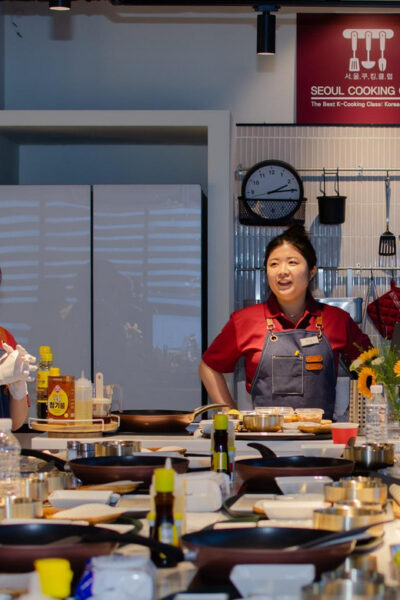 ★ 5.0Seoul: Korean Cooking at Seoul Cooking Club!From $109311 reviews
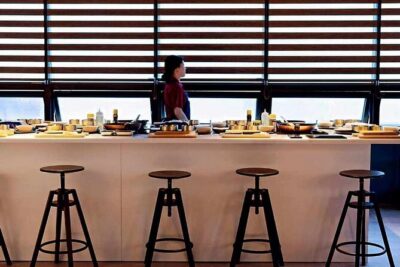 ★ 5.0Korean Cooking at Seoul Cooking ClubFrom $109220 reviews
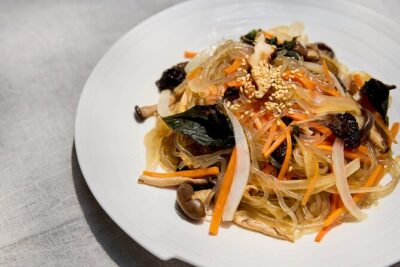 ★ 5.0Experience Korean Cooking in Modern Hanok KitchenFrom $87118 reviews
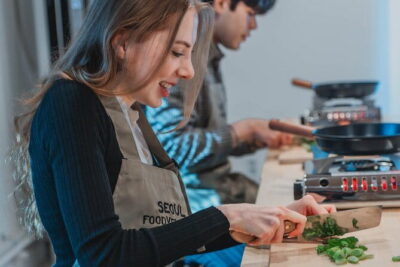 ★ 5.0Korean Cooking Class with Grocery Shopping at Seoul Local MarketFrom $91107 reviews
 ★ 5.0Korean Kimchi Making Day Experience with a Local Market TourFrom $8999 reviews
Where this tour also appears