
REVIEW · KOREAN COOKING CLASSES
Korean Cooking Class in Seoul with a Professional Chef
A Korean kitchen day beats another museum day. This private home-based cooking class in central Seoul teaches you to make real Korean favorites, then you sit down and eat together. I like that you start from fresh ingredients and cooking technique, not a lecture, and you get to share the meal in the same space where the food was made.
The other big plus is the optional Mangwon Market walk, where you can connect the ingredients you saw with what you cook. One thing to consider: you are walking to the market (if you choose it), and you’ll be cooking and tasting, so come ready for spicy flavors unless you’ve asked for adjustments in advance.
In This Review
- Key highlights I’d plan around
- A Seoul home kitchen, plus that optional Mangwon Market walk
- What you actually cook: two Korean dishes, tailored to the day
- The kitchen part: chopping, mixing, and learning Korean technique
- The meal and soju: eating with the people who taught you
- Mangwon Market in about 30 minutes: what to look for
- Price and value: why $122 makes sense for a private class
- Practical stuff that can make or break your day
- Who this class is best for (and who might prefer something else)
- Should you book this Korean cooking class in Seoul?
- FAQ
- Where is the meeting point for the cooking class?
- How long does the experience last?
- Is Mangwon Market included in every booking?
- What dishes will I cook?
- Is hotel pickup included?
- Can the class accommodate gluten-free or vegetarian/vegan diets?
- What is the cancellation policy?
Key highlights I’d plan around
- Private group with a professional host in a real Seoul home, not a showroom
- Cook two dishes from scratch (main plus side can vary by day and season)
- Hands-on technique followed by a shared sit-down meal with soup, kimchi, and soju
- Optional Mangwon Market visit for about 30 minutes of seasonal ingredient spotting and sampling
- Dietary flexibility including gluten-free, vegetarian, and vegan options if you request ahead
- Shoes off at the door, with indoor sandals provided
More kitchens to book in Seoul
A Seoul home kitchen, plus that optional Mangwon Market walk
This is the kind of cooking experience that feels like a normal day in Seoul, just with you as the main character. You begin at a host’s home in Seogyo-dong, Mapo-gu, in central Seoul. From there, you cook in a kitchen setting that’s designed for real meals, not camera-ready demo tables.
If you add the market portion, you also get a short walk to Mangwon Market. That timing matters. Thirty minutes is long enough to see patterns, like how produce is grouped, how prepared foods tempt you as you pass, and how snack stops are built into shopping. It’s short enough that you don’t feel like you missed half the day stuck in transit.
One practical note: there’s no hotel pickup or drop-off. You’re responsible for getting yourself to the meeting point near public transportation. If you like flexibility and hate waiting on group logistics, that can actually be a perk.
What you actually cook: two Korean dishes, tailored to the day
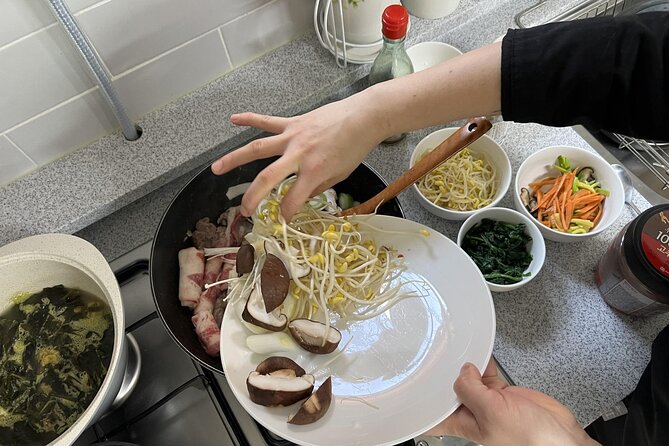
Your hands-on class starts with a guided intro to Korean ingredients, cooking styles, and culinary traditions. Then you move into the part that counts, making two traditional dishes from scratch.
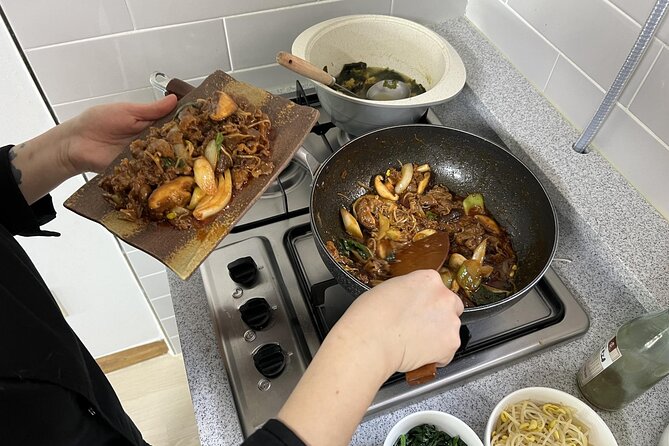
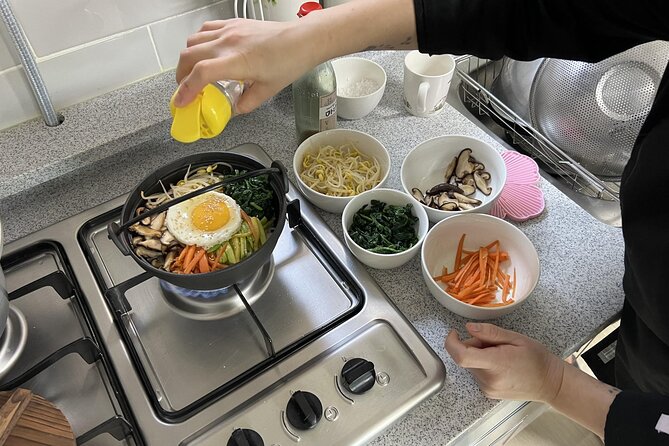
The exact menu can change based on the season, but the core ideas are consistent: you’ll work with fresh ingredients and learn how Korean flavor building happens in layers. The dishes can include things like bulgogi or bibimbap, and you may make a side dish alongside your main depending on the day.
Here’s why I like this setup for you as a visitor. Korean home cooking is not only about one signature dish. You get the chance to practice more than one pattern, like a marinated or stir-fried dish plus a comfort side or topping-style component for eating. Even if the specific dishes vary, the skill transfer is what you’re buying.
If you have dietary needs, this is also where your request matters. The class offers gluten free, vegetarian, and vegan diets if you advise at booking. That’s not just a label change. You’ll want the substitutions to match what you’re learning, so don’t wait until the last minute.
The kitchen part: chopping, mixing, and learning Korean technique
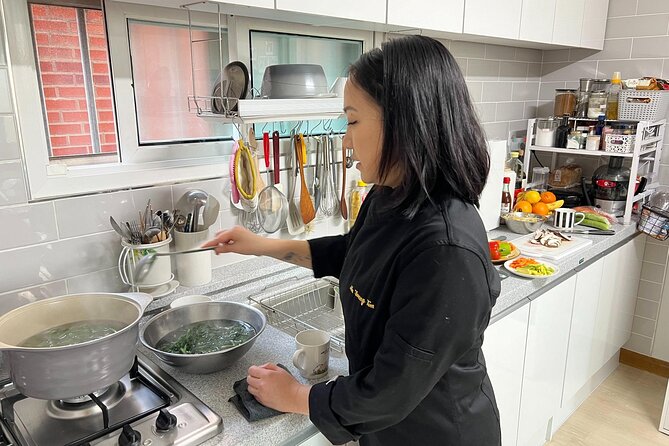
The class is structured as a real cook-along. You’ll be actively preparing ingredients, not watching from across the room. Think chopping, mixing, and stirring, with your host guiding the steps.
The experience is led by the host listed as Na Young. Some past sessions have also referenced other hosts by name, like Jessie and Steven, which suggests your group may meet a different guide depending on scheduling. Either way, the common thread in what people describe is clear teaching plus a friendly pace.
What you should expect in the kitchen:
- You’ll start with an introduction to ingredients, so you know what you’re looking at before you touch it.
- You’ll cook alongside your host and learn why certain steps come before others.
- After cooking, you’ll eat what you made, so your learning lands in your stomach.
Shoes off is a real thing here. You’ll need to remove your shoes before entering the home, and the host provides indoor sandals. If you arrive in socks that you don’t mind walking in for a short time, you’ll feel more comfortable.
Also, plan for a warm, lived-in home atmosphere. This is not a high-end studio. That’s part of the charm, and it’s why it’s such a good way to get comfortable with Korean food culture beyond the restaurant version.
The meal and soju: eating with the people who taught you
After cooking, you sit down to enjoy your meal together. The setup includes soup and kimchi with the dishes you prepared, plus a glass of soju.
This is one of those simple travel joys that’s hard to recreate on your own. When you eat right after cooking, you notice the flavors differently. You’re not guessing what went where. You remember the texture and the step. That makes the meal more meaningful, and it can turn into a menu you feel brave enough to recreate later.
About the soju: it’s included as part of the meal. You’ll be guided by your host in the flow of eating, and it tends to make the whole session feel more social, like a shared lunch rather than a class where everyone just eats silently.
If you don’t drink alcohol, the data doesn’t spell out an alternative. This is one area where you should message in advance when you book, so your host can advise what they can do.
Other classes with a stove in Seoul
- Korean Cooking at Seoul Cooking Club
★ 5.0 · 220 reviews - Experience Korean Cooking in Modern Hanok Kitchen
★ 5.0 · 118 reviews - Korean Cooking Class with Grocery Shopping at Seoul Local Market
★ 5.0 · 107 reviews - Royal Seoul Cooking Class in a 100-Year-Old Hanok
★ 5.0 · 81 reviews - Seoul : Taste of Korea, Authentic Home-Style Cooking Class
★ 5.0 · 64 reviews
Mangwon Market in about 30 minutes: what to look for
If you opt for the market tour, you’ll spend around 30 minutes at Mangwon Market with your host. The market is described as an indoor space with fresh produce, spicy snacks, and prepared foods.
In that time, you’re not trying to shop like a local with a cart and a plan. You’re looking to connect dots:
- Notice how seasonal produce looks and where it’s placed.
- Watch how vendors explain and package items.
- Sample a traditional Korean snack so you get a taste of what you’d otherwise walk past.
The market stop is also practical. It’s a short walk from the home, about 10 to 12 minutes, so you’re not burning time before cooking. That means you likely arrive at the kitchen portion without feeling drained.
One caution: markets can be lively and a little spicy, depending on what’s popular that day. If spice is an issue for you, tell your host when you book, since you’re also the one cooking and eating, not just browsing.
Price and value: why $122 makes sense for a private class
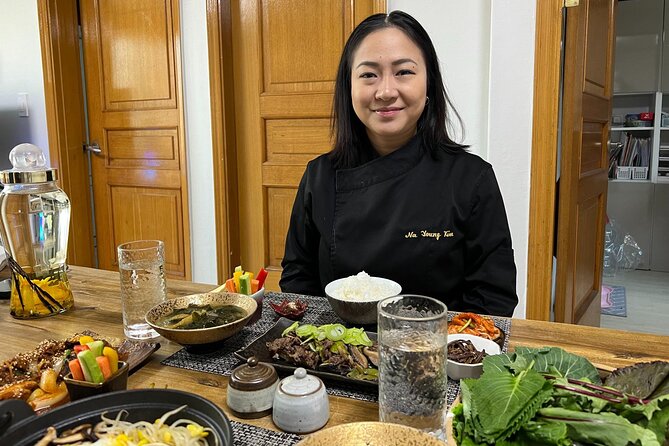
At $122 per person for roughly three hours, this isn’t the cheapest food experience in Seoul. But it also isn’t trying to be. You’re paying for a private cooking class in a home, guided by a professional host, plus a full meal with kimchi and soup, and a glass of soju.
Here’s the value math I’d use:
- You get instruction that’s personalized to your group because it’s private.
- You get ingredient prep and cooking time that you can’t get from a standard cooking demo.
- You leave with the meal, not just a few bites.
- If you choose Mangwon Market, you also get guided context for ingredients you’ll likely recognize later.
If you compare it to eating out at a good Korean restaurant, you might spend a similar amount in a short sitting. The difference is you’re not just consuming, you’re learning technique and building familiarity with ingredients. That’s what makes the class feel worth it, especially if you plan to cook at home afterward or you want to order Korean food with confidence on the rest of your trip.
Also, the experience is typically booked about 52 days in advance. That’s a good sign of steady demand, so I’d treat it like a “lock it in” activity rather than a last-minute idea.
Practical stuff that can make or break your day
A few details will help your experience run smoothly.
Meeting point and getting there
You meet at 247-111 Seogyo-dong, Mapo-gu, Seoul. The activity ends back at the meeting point. There’s no hotel pickup or drop-off, so plan your own route. The tour is listed as near public transportation, which helps a lot if you’re using subway and walking.
Mobile ticket
You’ll use a mobile ticket. Bring your phone fully charged, especially since you’ll likely walk and check where to go.
Communication if you’re running late
You can WhatsApp or call Na Young if you need help with directions or if you’re delayed. This is useful, because taking shoes off and finding the right entrance is easier when you can get quick guidance.
Dietary requirements
Gluten free, vegetarian, and vegan diets are available if you advise at booking. That’s important because substitutions can change the whole cooking approach. Message early so your host can plan the ingredients and steps.
Kids
Na Young can host only 1 child per experience. If you’re traveling as a family, this matters for planning. You’ll want to confirm that your group fits the host’s limit.
Who this class is best for (and who might prefer something else)
This is a strong fit if you want:
- Hands-on cooking instead of watching from the sidelines
- A home setting where Korean hospitality feels personal
- A chance to learn how the ingredients behave, not just how the dish looks on a menu
- An optional market stop that doesn’t take over your entire afternoon
It may be less ideal if:
- You want a polished “show” format with no walking and no home entry rules
- You need zero alcohol on the plan, since soju is included and the data does not mention a guaranteed non-alcohol swap
- You’re sensitive to spice and haven’t communicated dietary or flavor preferences in advance
If you’re the type who likes to go beyond what’s on a menu and understand what makes Korean food taste the way it does, you’ll likely love this.
Should you book this Korean cooking class in Seoul?
I’d book it if you’re excited by the idea of cooking two Korean dishes in a real Seoul home, then eating immediately with kimchi, soup, and soju. The value is strongest when you treat it as a skill-building meal, not just a tour.
Choose the Mangwon Market option if you want to connect ingredients to your shopping senses, and you don’t mind a short walk. Skip it if you want more kitchen time or your schedule is tight.
Do it sooner rather than later, since it’s booked about 52 days in advance on average. And if you have gluten-free, vegetarian, or vegan needs, message your dietary requirements at booking so the menu can match your class.
If your goal in Seoul is to feel Korean food in a practical, human way, this is a very solid call.
FAQ
Where is the meeting point for the cooking class?
The class meets at 247-111 Seogyo-dong, Mapo-gu, Seoul, South Korea. The activity ends back at the meeting point.
How long does the experience last?
The cooking class is about 3 hours.
Is Mangwon Market included in every booking?
The market visit is optional. If you select the market tour, you get a guided visit to Mangwon Market after cooking, with about 30 minutes for exploring.
What dishes will I cook?
You’ll prepare two traditional Korean dishes from scratch. The menu can vary by season, and the class may include a main dish and a side dish. Dishes mentioned as possible include bulgogi and bibimbap.
Is hotel pickup included?
No. Hotel pickup and drop-off are not included.
Can the class accommodate gluten-free or vegetarian/vegan diets?
Yes. Gluten free, vegetarian, and vegan diets are available if you advise at the time of booking.
What is the cancellation policy?
The experience is listed as non-refundable and cannot be changed for any reason. The provided info also says a 48-hour cancellation option is offered for this experience for added flexibility.
Classes With a Stove
More Seoul Write-Ups



Back to the Kitchen in Seoul
Fresh on the Seoul pile
- Unique Native Experience : Han River Picnic, Board game, BBQ★ 5.0 · 3 reviews
- 2-Hour Private Kayaking and Paddleboarding Experience in Hanriver★ 5.0 · 3 reviews
- Korean Folk Village & Suwon Hwaseong Fortress Private Tour★ 5.0 · 3 reviews
- Seoul Korean BBQ Dinner Experience with Secret Food Tours★ 5.0 · 3 reviews
- Seoul Highlights & Hidden Gems – Private Tour with Photo Service★ 5.0 · 3 reviews
- Night Food Tour in Seoul with Traditional and Modern Cuisine★ 5.0 · 3 reviews
Korean Cooking Classes you might have missed.
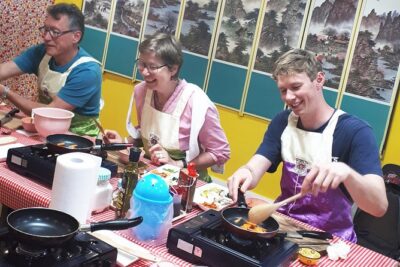 ★ 5.0Local Home Korean Cooking Class & Market Adventure in SeoulFrom $911,024 reviews
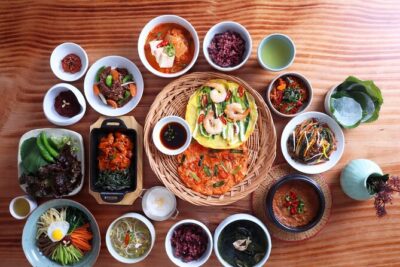 ★ 5.0Master Korean traditional cooking with a Kimchi chefFrom $85385 reviews
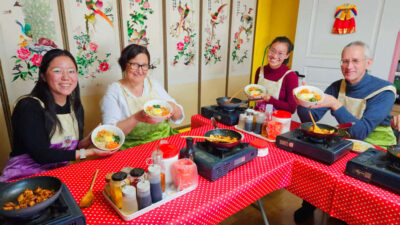 ★ 5.0Seoul: Korean Cooking Class at a Local Home and Market TourFrom $98348 reviews
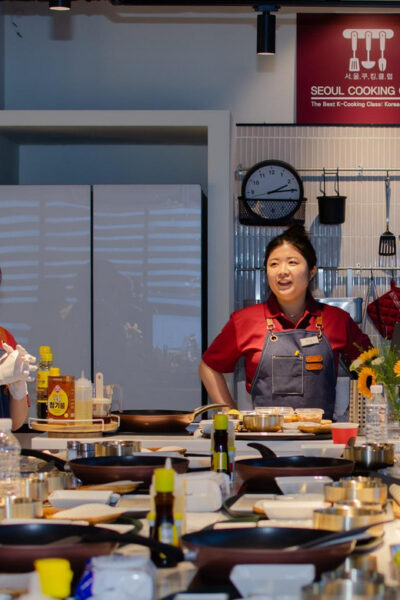 ★ 5.0Seoul: Korean Cooking at Seoul Cooking Club!From $109311 reviews
 ★ 5.0Korean Cooking at Seoul Cooking ClubFrom $109220 reviews
 ★ 5.0Experience Korean Cooking in Modern Hanok KitchenFrom $87118 reviews
 ★ 5.0Korean Cooking Class with Grocery Shopping at Seoul Local MarketFrom $91107 reviews
 ★ 5.0Korean Kimchi Making Day Experience with a Local Market TourFrom $8999 reviews
Where this tour also appears