
REVIEW · GYEONGJU HERITAGE TOURS
Gyeongju UNESCO World Heritage Sites and History Full-Day Tour with Lunch
UNESCO in one packed day, minus the stress. This tour makes it simple to see the big-name Silla World Heritage highlights, especially Bulguksa and Seokguram, without wrestling buses or timed tickets yourself. I also like the practical flow, A/C minivan pickup and drop-off, plus the fact that entrance fees and lunch are already handled.
My main caution is the day stays busy. You will walk, sometimes on uneven ground, and Seokguram can have strict photo rules, so plan for a longer, more structured visit than a relaxed self-guided stroll.
In This Review
- Key takeaways before you go
- A Silla Capital Day Plan That Actually Fits in 8 Hours
- Price and logistics: what you pay for (and what you save)
- Getting picked up, then getting moving fast
- Stop 1: Cheomseongdae, astronomy before the phones
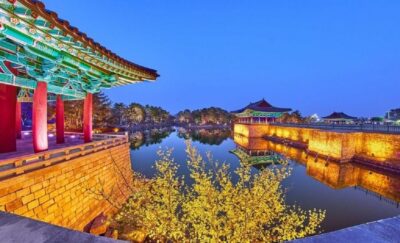
- Stop 2: Donggung Palace and Wolji Pond, palace visions in a pond
- Stop 3: Gyeongju Gyochon Traditional Village and the Choi clan houses
- Stop 4: Daereungwon Tomb Complex, royal burials and meaning
- Stop 5: Seokguram Grotto on Tohamsan Mountain
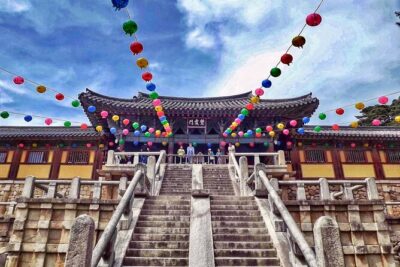
- Stop 6: Bulguksa Temple, UNESCO stone artistry
- Lunch included: where the real value shows up
- How much walking is too much?
- Guides and what makes the explanations work
- Crowds, timing, and why the order helps
- Should you book a private upgrade?
- Who this tour fits best
- Price and logistics, the real value check
- Should you book this Gyeongju UNESCO full-day tour?
- FAQ
- What is the duration of the tour?
- Is pickup and drop-off included?
- Are entrance fees included?
- Is lunch included, and can you request a vegetarian meal?
- What time does the tour start?
- How many people are on the tour?
- Can I get a refund if I cancel?
Key takeaways before you go
- Bulguksa (UNESCO) and Seokguram (National Treasure site) in one day
- A/C minivan with pickup and drop-off, so you lose less time to transit
- Lunch included, with vegetarian support and accommodations seen in real departures
- Cheomseongdae, Wolji Pond, Gyochon hanok village, and royal tombs in a tight route
- Guide-led history at each stop, with many guides praised for clear English
- Expect a real walking day, even with a driver dropping you close
More Silla history around Gyeongju
A Silla Capital Day Plan That Actually Fits in 8 Hours
Gyeongju is one of those places where everything feels old, even when you are just crossing a street. The problem is the scale. The royal tomb areas, temples in the hills, and UNESCO sites are spread out enough that seeing the highlights in a single day can be tough on your own.
This tour solves that. You get a full-day route that links the astronomy, palaces and ponds, a hanok neighborhood, royal burial sites, and then the two UNESCO monument anchors. It starts in the morning, around 8:00 am, and runs about 8 hours total, with short stays that keep you moving but not rushed to the point of confusion.
Price and logistics: what you pay for (and what you save)
At $189.99 per person, it is not a budget day. But you are paying for three things that add up fast in South Korea: door-to-door transport, entrance fees included, and one organized plan that bundles sites you would otherwise have to sequence with taxis or multiple rides.
You also get the “local driver” advantage. In a few real departures, guides and drivers were specifically praised for dropping people close to gates to reduce extra walking. That matters because you are already stacking several sites in one go.
Group size is capped at 40 travelers, but the vibe can be smaller. One couple reported only five people total. The practical result is that you tend to get more interaction than the big bus experience, without giving up the convenience of shared transport.
Getting picked up, then getting moving fast
Pickup and drop-off are part of the deal, and you ride in an air-conditioned minivan. The meeting point is described as near public transportation, which usually means you are not starting from the middle of nowhere.
The morning rhythm matters: you start early so you can hit popular sights before the worst crowd surge. On a holiday weekend, one departure had to skip Cheomseongdae because it was super crowded. That is a useful expectation check. If you travel during a big Korean holiday, be ready for your guide to adjust timing to keep the day enjoyable.
Stop 1: Cheomseongdae, astronomy before the phones
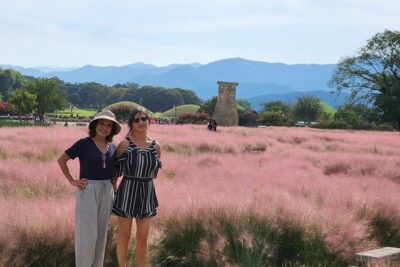
Cheomseongdae is the oldest existing astronomical observatory in Asia. It was constructed during the reign of Queen Seon-deok (632 to 647) and was used for observing stars to help forecast weather.
The key thing for your day is this stop is short. You are there about 30 minutes, and admission is free. If you are expecting a massive visitor center, set your expectations accordingly. Some people love the concept and the stillness of it, while others find that the structure is modest. Either way, it is a strong “Silla started with science” opener.
Other listed sites we have written up
- Gyeongju: UNESCO Heritage Tour Including Bulguksa Temple
★ 4.8 · 104 reviews - Full day Private Gyeongju UNESCO Heritage Tour : a glimpse into Silla
★ 5.0 · 60 reviews - Private World Heritage Gyeongju Taxi Tour
★ 5.0 · 12 reviews
Stop 2: Donggung Palace and Wolji Pond, palace visions in a pond
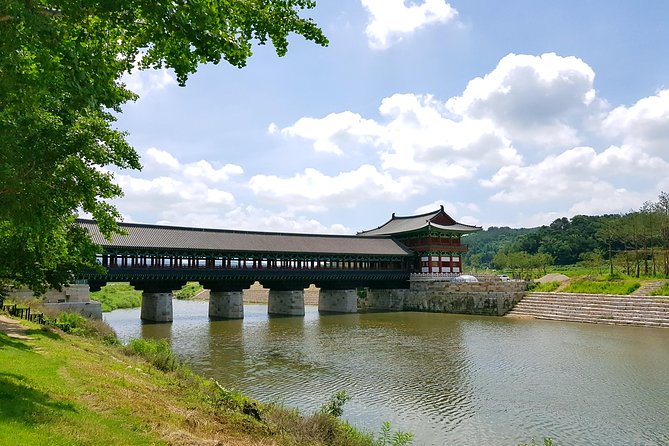
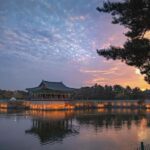
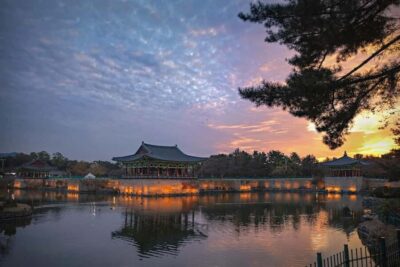
Next comes Donggung Palace and Wolji Pond. The historical record described here says Wolji Pond was built in the 14th year of King Munmu (661 to 681 AD). The site includes the idea of small mountains created inside the palace area.
In practice, you are looking for atmosphere: reflections, the idea of engineered scenery, and how the Silla court would have experienced this kind of designed landscape. The stop runs about 1 hour, with admission included.
One consideration: if you are hoping the ruins will feel like a full palace you can walk through, this part can feel more like viewing remnants and imagining the scale. That does not make it bad, it just helps to go in with the right mental picture.
Stop 3: Gyeongju Gyochon Traditional Village and the Choi clan houses
Gyeongju’s hanok village portion is a 45-minute stop. This is where the tour leans into daily life, not only kings and temples. You get to see a traditional village connected to the Choi Clan, including the House of the Gyeongju Choi Clan, listed as an important folklore property.
I like this stop because it slows the day down just a bit. It is not only about looking, you are also getting context for how families lived in an older Korea. Some parts may feel quiet or partial depending on the day, so focus on what is open and what you can learn from the layout rather than expecting a fully staged museum.
Admission is free here, so the value is high. You are getting cultural context without an extra gate fee.
Stop 4: Daereungwon Tomb Complex, royal burials and meaning
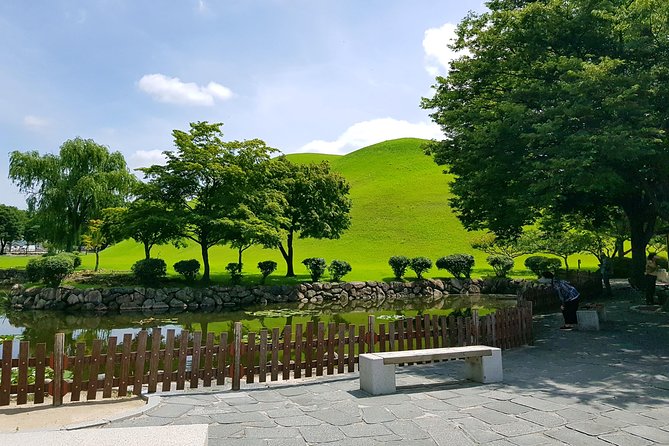
Then you move to Daereungwon Tomb Complex. This is one of the places where Gyeongju really earns the nickname museum without walls. The area includes large ancient tombs of Silla kings and nobles. The information provided for this tour highlights twenty-three large tombs in the complex, with Cheonmachong Tomb mentioned as part of the setting.
The stop is about 1 hour and admission is included. What makes this worth a guided approach is symbolism. From the ground, it is not always obvious what you should notice. A good guide helps you understand the burial landscape as a statement of power and status, not just a collection of grassy mounds.
If you have limited time in Korea and want to see how Silla ruled, this is a strong place to spend it.
Stop 5: Seokguram Grotto on Tohamsan Mountain
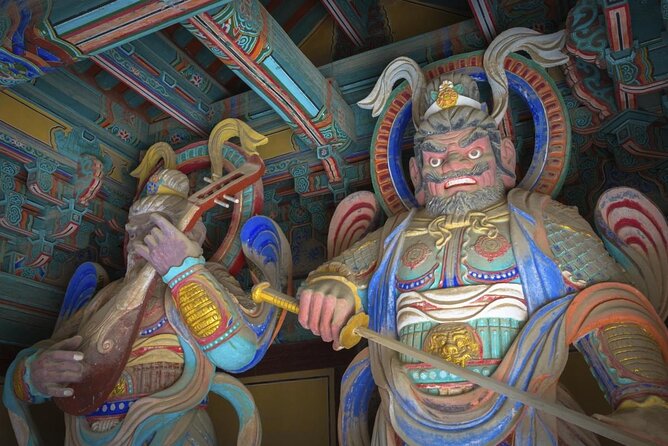
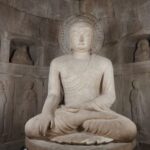
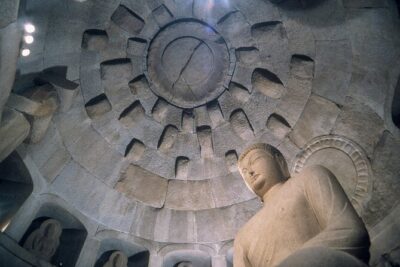
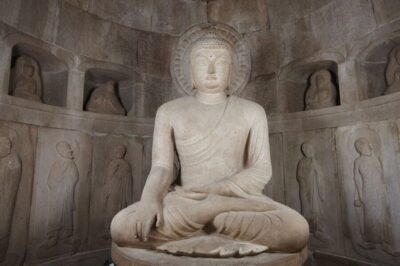
Seokguram is a key stop, and it is why many people book this exact style of tour. It sits on Tohamsan Mountain and is described as the representative stone temple of Korea. The official name is tied to its status as National Treasure No. 24, listed as Seokguram Seokgul. The UNESCO connection comes through in how it is positioned as a world heritage cultural site.
The stop is about 1 hour. Admission is included.
Practical note for your planning: photo rules can be strict at Seokguram. One caution I would take seriously is that you may not be able to take photos in some areas. Bring a camera, but also be ready to simply look and listen while you are there.
The other big consideration is walking on mountain terrain. Even if it is not extreme hiking, you will want comfortable shoes and a steady pace. This is one of those sites where shoes matter more than fashion.
Stop 6: Bulguksa Temple, UNESCO stone artistry
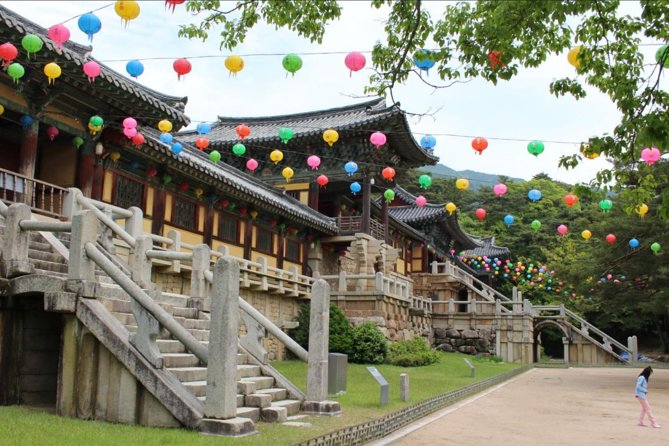
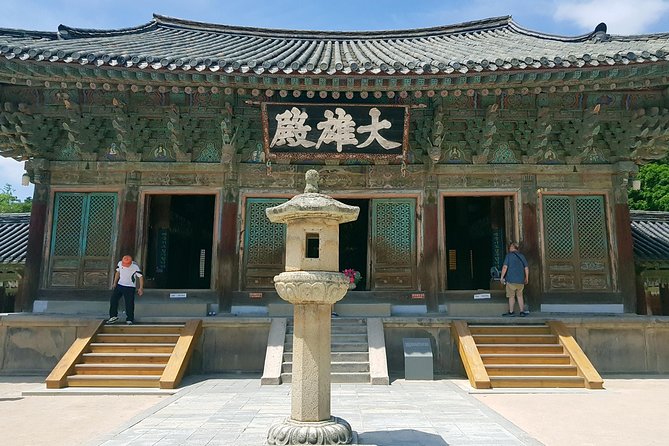
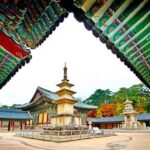
Finally, you hit Bulguksa Temple, one of the most important spiritual and artistic sites in Gyeongju. Bulguksa is described here as a representative relic of Gyeongju and was designated as a UNESCO World Cultural Asset in 1995. The tour focuses on how the temple itself looks and the artistic detail in the stone relics.
This stop runs about 1 hour, with admission included.
If you love temples, Bulguksa is the kind of place where your attention keeps moving: architecture, stone work, lines and symmetry, and the way the site holds meaning through materials. If you are less temple-minded, you still get value because a guided explanation helps you connect the beauty to the larger Silla story.
Lunch included: where the real value shows up
Lunch is included, and that sounds simple until you realize how often “included lunch” turns into a rushed, mediocre meal. Here, lunch has been repeatedly praised as surprising and solid. One review highlighted that the meal was local and popular with Koreans, which usually means better chances of comfort-food satisfaction.
Diet needs are also handled when you ask ahead. A vegetarian option is available if you advise at booking. In one praised departure, the guide and driver also accommodated a gluten-free lunch.
So if you have a dietary constraint, this is one of the clearer “yes, it can work” tours. Just make the request during booking rather than assuming it will be handled on arrival.
How much walking is too much?
The schedule is built around multiple sites, so expect a full day that includes walking at each stop. One couple reported around 11,000 steps. That is not necessarily punishing, but it is also not “sit on a bench all day.”
Wear comfortable shoes. High heels are specifically discouraged. Sunscreen is also recommended, because you will have outdoor segments. If it is hot, plan to move at a calm pace and drink water when you can.
Also, weather can be rough. One review mentioned a brutally hot day and that the guide and driver handled everything with grace. Another mentioned heavy rain and extreme heat not stopping the day. Translation: bring a light layer for rain and treat weather as part of the experience, not a reason to get cranky.
Guides and what makes the explanations work
This tour lives or dies by the guide. Many departures were praised for clear storytelling and for making the history feel connected instead of like a textbook read out loud.
You will see guide names in the feedback, including Sue, Steve, Chris, and Jina. Across those comments, the common threads were friendly guidance, good English, and a focus on explaining what matters at each stop. One person also mentioned that the guide helped adjust to preferences, which is exactly what you want when you only have one day.
If you are a first-time visitor, this guided context is what turns “a temple and a pond” into an actual sense of Silla power, belief, and daily life.
Crowds, timing, and why the order helps
The route order is designed to reduce friction. You go from astronomy to palace-pond, then village, then tombs, then the mountain site, then Bulguksa. That keeps the day moving in a logical arc and helps avoid constantly backtracking.
Still, crowds happen. One departure skipped Cheomseongdae due to extreme crowd levels on a long holiday weekend. So your best approach is flexible expectations. If a stop gets adjusted, trust the guide’s reasoning, not your first impression.
Should you book a private upgrade?
There is an option to upgrade to a private tour. You may see that show up in practice when fewer people are booked, and private days get praised for being even more comfortable, with the guide speaking directly to your pace and interests.
If you want extra conversation, better photo time, or you have mobility needs that require gentle pacing, a private upgrade is often worth considering. If you are happy with group history and you want the best value, the regular group tour can work perfectly.
Who this tour fits best
This is a strong pick if:
- you have only one day to see major UNESCO Gyeongju highlights
- you do not want to handle multiple transport legs and entrance fees
- you like temple and tomb settings but also want variety from hanok village life
- you have dietary needs and want a tour that can handle them when requested
- you prefer a guide to translate what you are seeing into meaning
It might not be the best fit if you want deep museum-level context only, or if you hate structured schedules. The monuments are the focus, so if you want to spend hours with artifacts, you may still want a separate museum plan.
Price and logistics, the real value check
Here is the honest way I think about value at $189.99:
You are buying time and coordination. Entrance fees are included, lunch is included, and the van handles the driving and timing. If you were to replicate this on your own with taxis and separate ticket purchases, the costs and stress can jump quickly.
The biggest “value risk” is expectation mismatch. If you expect every stop to feel like a large, interactive attraction, you may find some sections are short and you have to use imagination. But if you accept a one-day greatest-hits tour of UNESCO sites and core Silla landmarks, the price starts looking fair.
Should you book this Gyeongju UNESCO full-day tour?
I would book it if your goal is simple: see the key UNESCO names, learn what they meant, and do it without planning transport all day. The combination of Bulguksa plus Seokguram, added to tombs and hanok village life, is a strong one-day package.
I would pause and rethink if you want a slow, flexible day with minimal walking, or if photo restrictions at Seokguram would frustrate you. Also be aware that popular days can shift the schedule.
If you are traveling from Busan and want a clean solution, pickup and drop-off make this feel like buying convenience plus history in one bundle.
FAQ
What is the duration of the tour?
The tour runs about 8 hours.
Is pickup and drop-off included?
Yes, pickup is offered and drop-off is included.
Are entrance fees included?
Yes, entrance fees are included for the stops on this tour.
Is lunch included, and can you request a vegetarian meal?
Yes, lunch is included. A vegetarian option is available if you advise at the time of booking.
What time does the tour start?
It starts at 8:00 am.
How many people are on the tour?
The maximum group size is 40 travelers.
Can I get a refund if I cancel?
Free cancellation is available up to 24 hours in advance for a full refund.
More Gyeongju Write-Ups
More Listed Sites in Gyeongju
More Gyeongju, More Silla
Fresh on the Gyeongju pile
- From Busan: Busan & Gyeongju One Day Tour★ 5.0 · 5 reviews
- Busan: 7 Highlights Gyeongju City One Day Tour★ 4.9 · 10 reviews
- Private World Heritage Gyeongju Taxi Tour★ 5.0 · 12 reviews
- Gyeongju: Private Car Charter Taxi Tour★ 5.0 · 37 reviews
- Guided Car Tour in Geyongju with a Local Guide★ 5.0 · 38 reviews
- Full day Private Gyeongju UNESCO Heritage Tour : a glimpse into Silla★ 5.0 · 60 reviews
Gyeongju Heritage Tours you might have missed.
 ★ 4.8Busan: Gyeongju Guided Day Trip to Three Kingdoms CapitalFrom $521,925 reviews
 ★ 4.8From Busan: Gyeongju UNESCO World Heritage Guided Day TourFrom $521,250 reviews
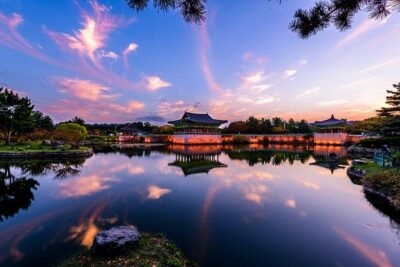
 ★ 5.0Gyeongju UNESCO World Heritage Guided Day Tour from BusanFrom $57660 reviews
 ★ 5.0Old Korea Thousand History Tour of Gyeongju from BusanFrom $64518 reviews
 ★ 5.0Gyeongju UNESCO sites Private tour with licensed tour guideFrom $186275 reviews
 ★ 5.0Private Gyeongju Tour – Explore Gyeongju UNESCO SitesFrom $186272 reviews
 ★ 5.0Busan: Gyeongju UNESCO Legacy Tour with National MuseumFrom $48172 reviews
 ★ 4.8Gyeongju: UNESCO Heritage Tour Including Bulguksa TempleFrom $189104 reviews
Where this tour also appears