
REVIEW · BUSAN TOURS
Busan: Gyeongju Guided Day Trip to Three Kingdoms Capital
Gyeongju feels ancient in the best way. This day trip ties together Three Kingdoms era stories with major UNESCO stops like Donggung Palace and Wolji Pond, so you’re not just sightseeing. I really like the human touch, guides like Kayla Kim and Bada turn facts into scenes you can picture, and there’s enough breathing room to enjoy each site without feeling chased.
Two other big wins for me are the mix of photo-friendly moments and guided interpretation, from the royal tomb complex to the palace reflections at night. The main drawback to plan for is the long day, plus plenty of walking on uneven ground and stairs, so comfortable shoes matter more than you’d think.
In This Review
- Key Highlights You Should Care About
- Gyeongju’s Three Kingdoms Stories, Told in Real Places
- Price and Value: What $52 Buys You in One Long Day
- Getting From Busan: Pickup Points, Timing, and Comfort
- Seokguram Grotto and Bulguksa: Starting With UNESCO that Feels Moving
- Lunch Stop: A Real Break in the Middle of a Packed Route
- Gyochon Traditional Village, Cheomseongdae, and Yangdong: Culture at Different Speeds
- Gyochon Traditional Village
- Cheomseongdae Observatory
- Yangdong Folk Village (APEC UNESCO version)
- Daereungwon Tomb Complex: Royal Burial Grounds and the Silla Power Story
- Hwangnidan-gil: Shopping and a Nostalgic Walk
- Donggung Palace and Wolji Pond: Unified Silla Reflections That Hit Different
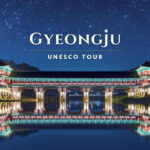
- Woljeonggyo Bridge: Historic Charm With a Night View
- What Guides Really Do Well Here: Energy, Humor, and Better Photos
- The Physical Reality: Expect Stairs, Hills, and Steady Walking
- My Take: Who This Day Trip Fits Best
- Should You Book This Gyeongju Day Trip From Busan?
- FAQ
- What is the meeting point for the tour in Busan?
- Can I choose a pickup point instead of using Haeundae?
- How long is the day trip?
- What admissions are included?
- What is the tour language?
- Does the tour run in the rain?
- Is the tour suitable for wheelchair users or limited mobility?
- Where will the guide be during pickup?
- Is food included?
- How should I prepare for arriving on time?
Key Highlights You Should Care About
- Donggung Palace and Wolji Pond reflection views, with guided context so you know what you’re looking at
- UNESCO power hits in one day, including Bulguksa Temple and the Daereungwon Tomb Complex
- Picture stops that make sense, like Gyochon Traditional Village and Hwangnidan-gil
- Science meets culture at Cheomseongdae Observatory, where ancient engineering still feels impressive
- Short coach time, bigger sightseeing time, and transport rated highly by past guests
Other Busan days worth comparing
Gyeongju’s Three Kingdoms Stories, Told in Real Places
If Busan is your modern coast, Gyeongju is the time machine. This tour is built around the Silla Kingdom legacy, one of the most influential chapters in Korean history, and you feel that legacy because the sites are still in place. Instead of generic history, you get a guided storyline that connects the palaces, temples, astronomy, and royal burials into one bigger picture.
What I like most is how the day moves between different kinds of culture. You start with spiritual architecture and temple atmosphere, shift to royal power at tombs and burial grounds, and then end with the calmer, more cinematic feel of palace ponds and night views. Even if you only know a little Korean history, the guide’s pacing helps you follow along.
One more point that matters for your experience: the itinerary is timed for seeing highlights in daylight, then letting the atmosphere change as you head toward late-evening views. That is a big deal at places like Wolji Pond and Woljeonggyo Bridge, where lighting and reflections can make the same structure feel totally different.
Price and Value: What $52 Buys You in One Long Day
For about $52 per person, you’re paying for three things that add real value: transportation, guided time at major sites, and admissions that would otherwise take effort to piece together. This is not just a bus ride. The guide adds meaning, and that usually saves you time, because you don’t have to figure out what matters most at every stop.
The tour includes admission to Donggung Palace and Wolji Pond in all versions, and Yadong Folk Village admission in the UNESCO listed APEC version. You also get a guide throughout, plus pickup and drop-off at central Busan subway stops. For many visitors, that combination is the difference between a stressful self-planned day and a calm one where you can focus on seeing.
Is it perfect value for everyone? If you love slow travel and want to wander off-script for hours, this structure might feel packed. But if your main goal is to hit the big UNESCO anchors efficiently from Busan, the price-to-sightseeing ratio is strong.
Getting From Busan: Pickup Points, Timing, and Comfort
You meet at Haeundae Subway Station Exit 7 between 09:50 and 10:00 AM. You can also choose pickup from three subway stations in Busan, so you’re not forced to trek across the city first. The tour guide will be holding a white flag with a green LECIRT logo, which makes it easier to find your group fast.
This is an 11 to 12 hour day trip, and the route includes coach rides between sites. There’s about 1.5 hours on the bus early, then shorter drives later. Transport gets strong marks, with 89% of reviewers giving it a perfect score, which you’ll appreciate on a day that already has a lot of steps.
Practical tip: arrive around 10 minutes early at your chosen pickup station. Latecomers or no-shows cannot be refunded, and the group leaves on time.
Seokguram Grotto and Bulguksa: Starting With UNESCO that Feels Moving
Your day kicks off with Seokguram Grotto first. Even if you’re not a religious history buff, this is the kind of site that gets your attention right away because it mixes serenity with skillful design. You’ll have a guided visit and time to look around and walk at your own pace.
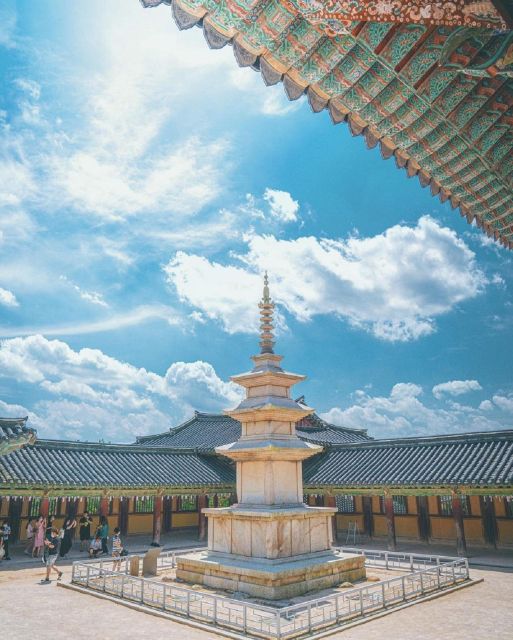
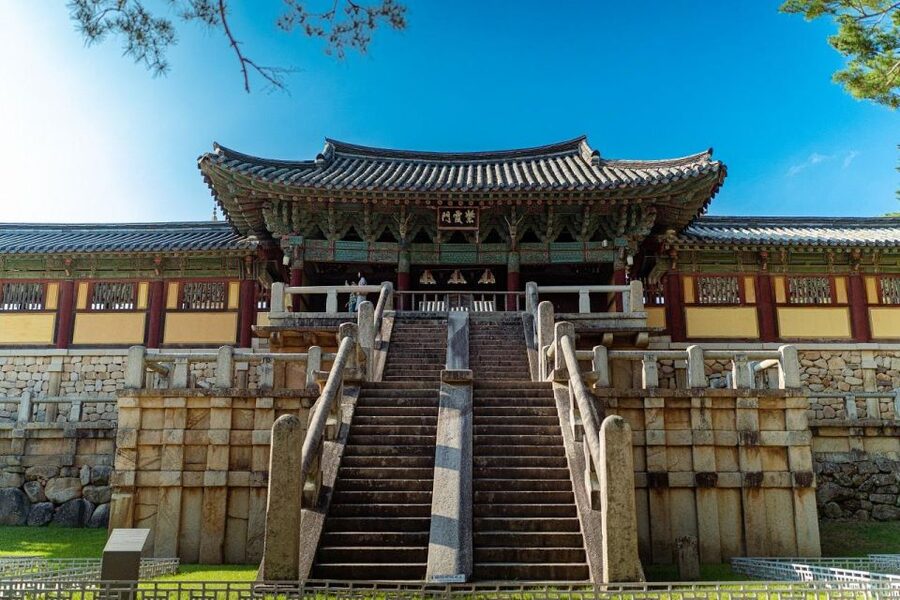
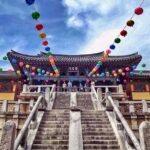
Then you head to Bulguksa Temple, another UNESCO hit. The best way to enjoy Bul guksa on a time-limited tour is to listen first, then look second. The guide’s explanation helps you notice details you might otherwise miss, especially how the temple setting works with the surrounding nature.
You also get a long enough block at Bulguksa for free time, which matters because temple areas can feel better when you’re not constantly moving with the group. You’ll likely walk a fair amount, so consider your shoes and socks an actual part of your travel plan.
Potential drawback here: if it’s raining, temple surfaces can be slippery. The tour runs rain or shine, so just treat this as a weather-friendly itinerary, not a fair-weather guarantee.
More Silla history around Busan
- Gyeongju UNESCO World Heritage Guided Day Tour from Busan
★ 5.0 · 660 reviews - Old Korea Thousand History Tour of Gyeongju from Busan
★ 5.0 · 518 reviews - From Busan to Gyeongju UNESCO Legacy Tour with National Museum
★ 5.0 · 87 reviews - From Busan: Echoes of Silla Gyeongju Historical Day Tour
★ 4.8 · 55 reviews - Gyeongju Small Group photo Tour (Max 6 Pax)
★ 5.0 · 38 reviews
Lunch Stop: A Real Break in the Middle of a Packed Route
After Bulguksa, you’ll get a lunch break at a local restaurant for about 1 hour. This is one of those moments where the schedule could feel stressful on paper, but in practice it’s a chance to reset before the more concentrated sightseeing sections.
Because food isn’t included, you can choose what suits you best. My advice is simple: eat enough to last through the next stretch, since the rest of the day continues with guided stops and shorter photo windows.
If you’re picky about timing, use this break to check the weather and decide what you want from your later free time. You’ll have little windows at multiple points, and smart planning makes those windows feel bigger.
Gyochon Traditional Village, Cheomseongdae, and Yangdong: Culture at Different Speeds
This tour includes several village and heritage stops, and each one feels different.
Gyochon Traditional Village
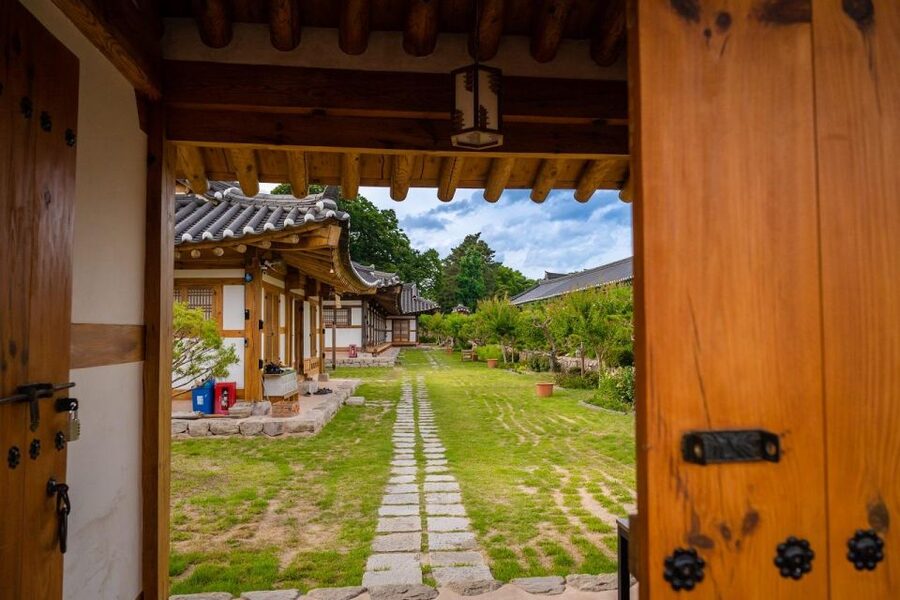
You’ll visit Gyochon Traditional Village with guided time plus room to wander. This is where hanok houses, the Gyeongju Hyanggyo atmosphere, and nearby historic viewpoints come together. Even if you’re not shopping, the village layout makes it easy to pause, look, and take photos without constantly repositioning.
Cheomseongdae Observatory
Next comes Cheomseongdae Observatory, described as Korea’s oldest astronomical observatory. What makes it special for this kind of day trip is the theme shift: you move from art and architecture to ancient science and engineering. The guide’s explanations help you see the structure as a whole idea, not just a photo subject.
Practical note: the stop includes time to wander, so if you enjoy reading the small details and taking your time, this fits your style.
Yangdong Folk Village (APEC UNESCO version)
Yangdong Folk Village shows up as part of the UNESCO listed APEC version. It’s described as Korea’s largest UNESCO listed traditional village, and you’ll also notice the Confucian heritage angle. On a group day, village visits can sometimes become quick snapshots, but the guide time helps you understand what you’re seeing and why it mattered historically.
Daereungwon Tomb Complex: Royal Burial Grounds and the Silla Power Story
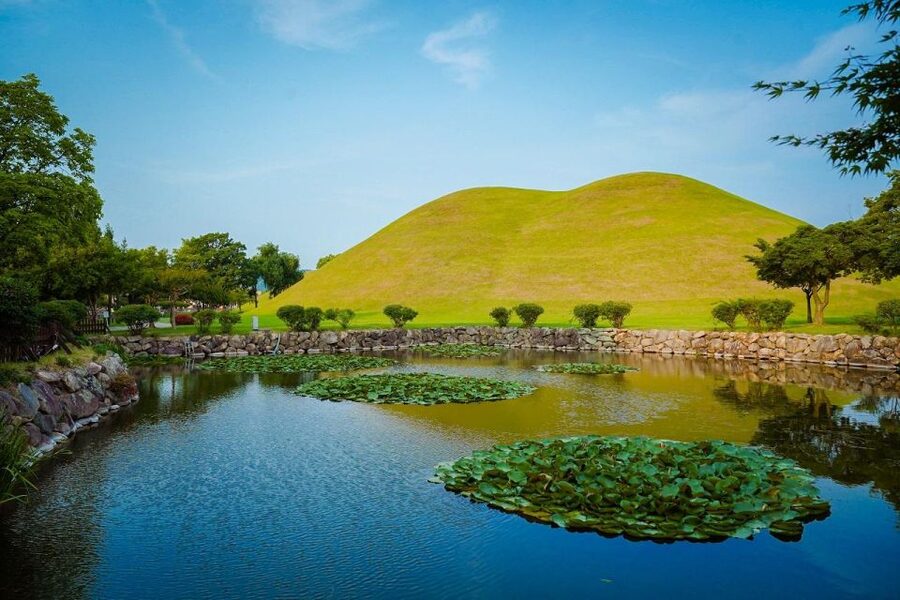
One of the most memorable stops on this route is the Daereungwon Tomb Complex. This is a cluster of royal and aristocratic tombs from the Silla Kingdom, and the guided visit helps you connect the physical structures to how Silla society expressed power and status.
This is also a good moment to slow down mentally. Tomb sites can feel similar at first glance, so the guide’s storytelling helps you sort what’s important. You’ll get guided time plus free time, so you can walk around and take in scale without feeling rushed.
Just remember the physical side: these kinds of sites often involve walking on uneven ground and stairs. Plan to move carefully, and keep an eye on your step if the weather turns wet.
Hwangnidan-gil: Shopping and a Nostalgic Walk
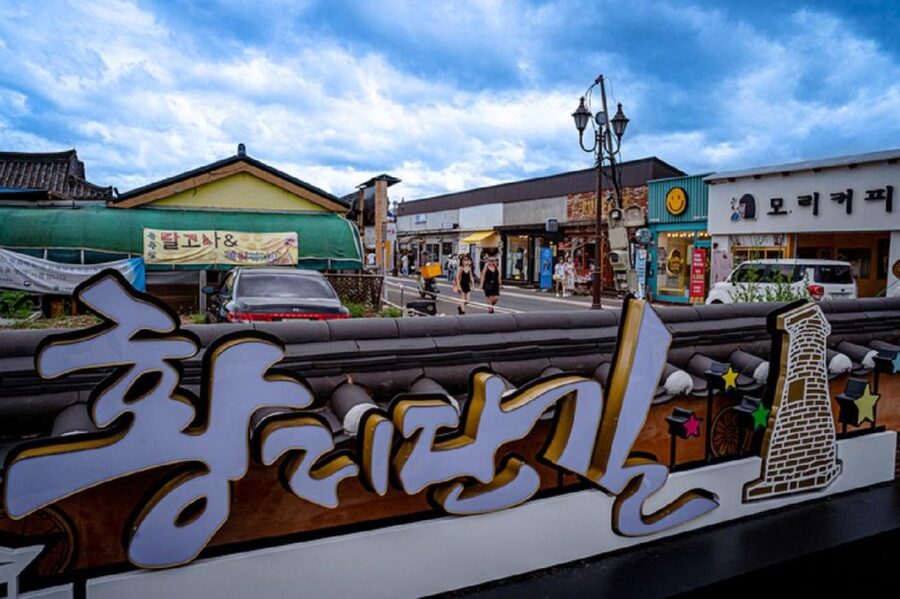
Between major UNESCO monuments, this itinerary includes a classic street break at Hwangnidan-gil. You’ll have free time to shop and stroll, and this is where the day stops feeling like only “history museum mode.”
Because the time block is shorter (about 30 minutes), you have to decide what you want: quick snacks, small souvenirs, or just a stretch break. I like this stop because it’s a reminder that you’re still in Korea today, not just in a timeline.
If you love taking photos of mid-century style storefronts and street scenes, this is the kind of stop that gives your day a more personal texture.
Donggung Palace and Wolji Pond: Unified Silla Reflections That Hit Different
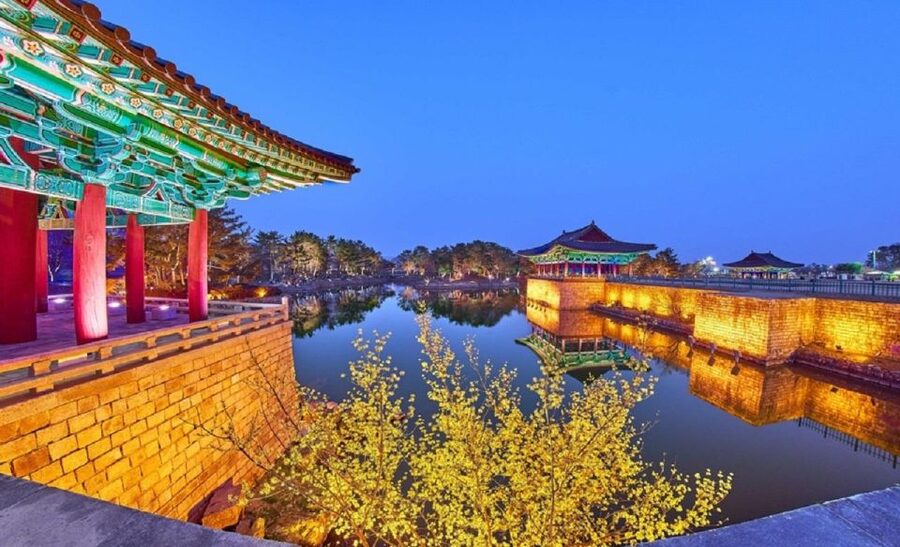
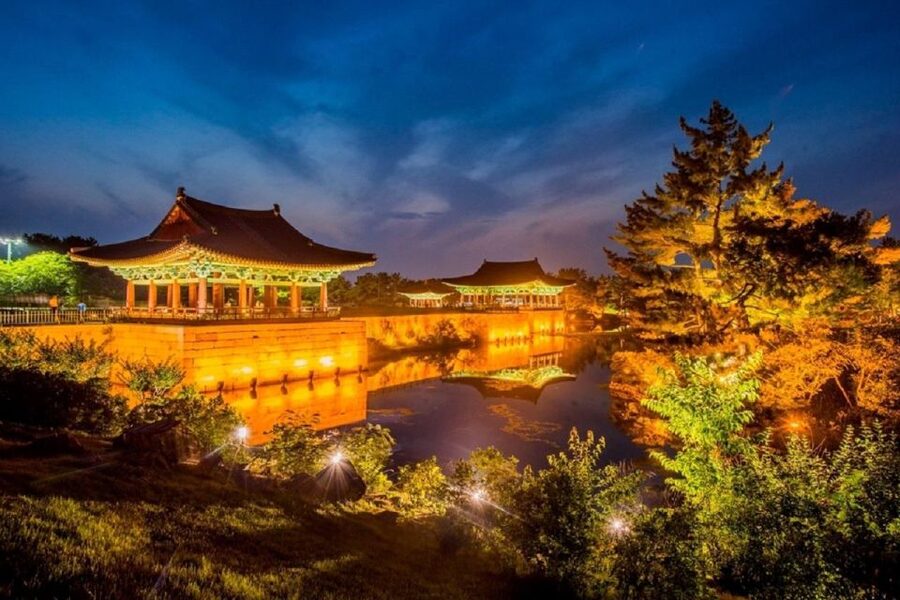
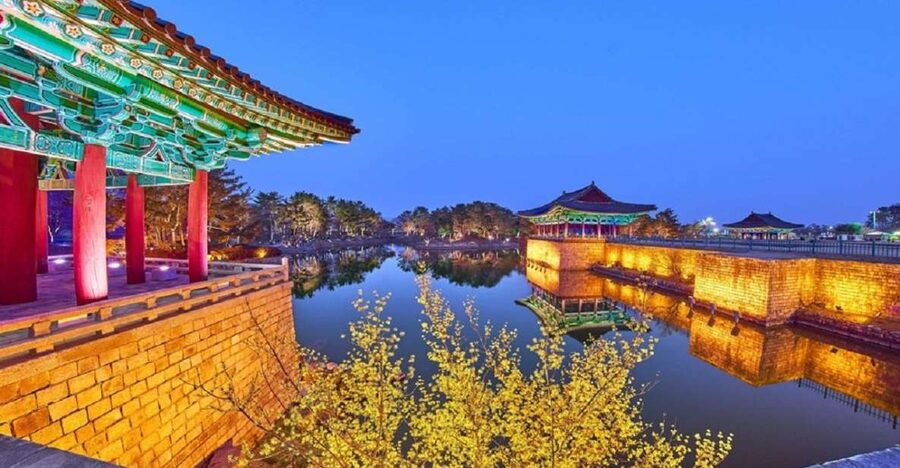
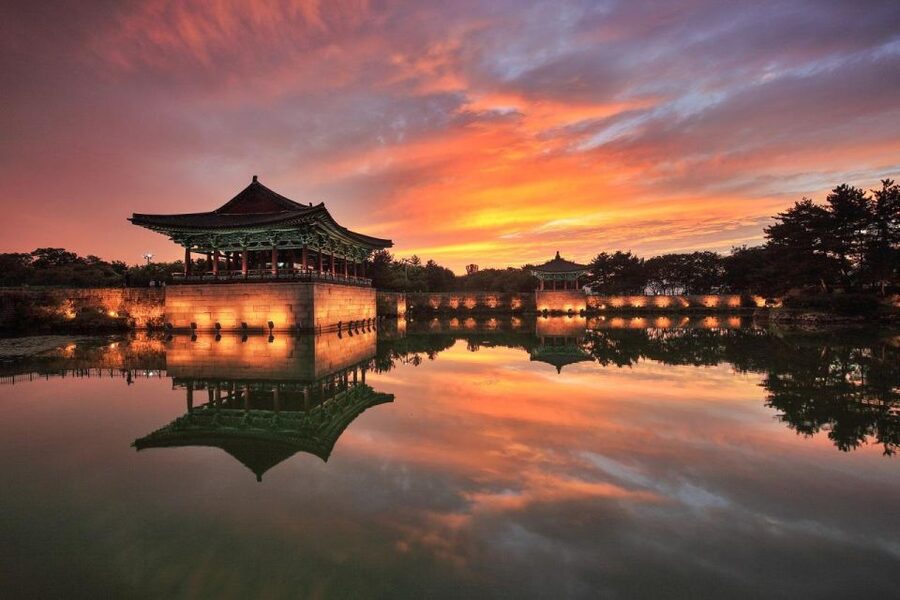
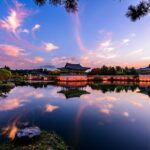
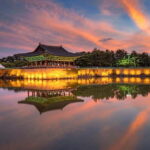
Now we get to the highlight that many people plan this tour around: Donggung Palace and Wolji Pond, also known as Anapji Pond. The admission to this area is included in all versions, so regardless of which package you choose, you’ll see it.
The big reason this stop works is the reflection factor. The palace setting and the pond create a natural photo zone, and the guided context makes it more than a picture. You’ll understand how the architecture and water relate, which gives the view extra meaning.
You’ll have guided time and then free time, so you can choose your moment. Want the guide’s explanation first? Great. Prefer to just look and soak up the atmosphere after? Also great.
Woljeonggyo Bridge: Historic Charm With a Night View
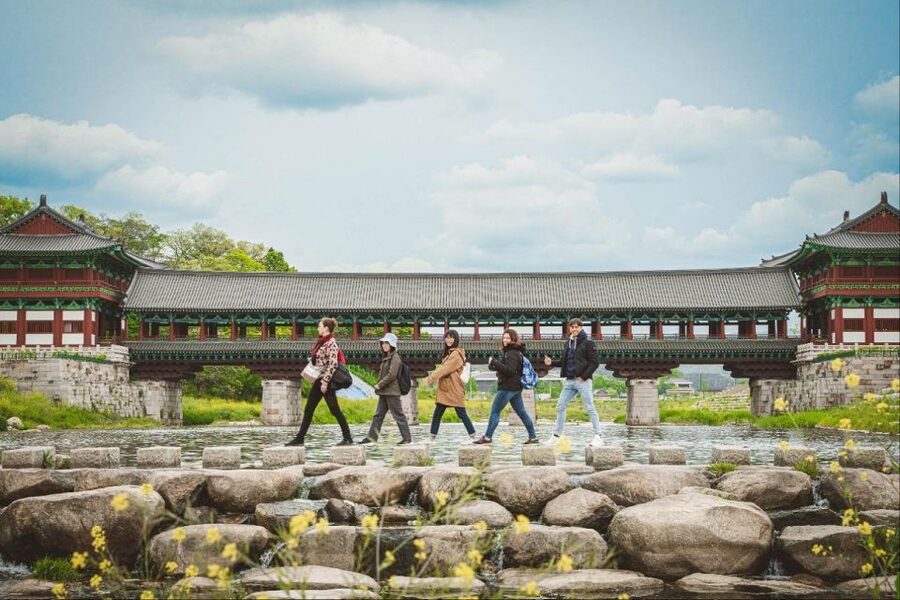
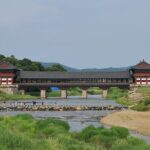
For versions that include it, you’ll visit Woljeonggyo Bridge with guided time and then free time. The description highlights the night view, and that matters because the bridge works like a frame for light and reflection.
This is a good stop for anyone who likes travel photos, but it’s also enjoyable even if you skip picture-taking. A night view can make the same historic site feel cinematic, and the tour’s timing supports that.
What Guides Really Do Well Here: Energy, Humor, and Better Photos
One reason this tour is so consistently liked is the guide style. Names that come up include Kayla Kim, Bada, Katrina, and Allan and Ethan. Across different guides, the pattern is similar: the explanations are engaging, and you’re not treated like a passive audience.
I also like how guides handle group movement. They keep everyone on track, answer questions patiently, and make sure you get enough time to wander. One day like this is hard to manage without a firm rhythm, and the guides appear to do it with energy and humor.
If you care about photos, this is another strong point. Guides have a habit of helping people find the best spots and even taking group shots. That small service can save you from the awkward self-timer scramble.
The Physical Reality: Expect Stairs, Hills, and Steady Walking
This tour is not a sit-and-smile cruise. You should expect walking, up and down stairs, and hills, especially around temple grounds, tomb areas, and historic complexes. The tour also lists it as not suitable for people with mobility impairments and wheelchair users.
My advice is to treat it like a moderate hike day, not a light museum day. Wear comfortable shoes with grip. Bring a small umbrella or rain layer if the weather looks questionable. And keep water in mind, since food and drinks are not included.
Also, the free time segments are short at several stops, so if you get tired, your best move is to rest briefly, not vanish from your group. The schedule is built for seeing a lot, and you’ll enjoy it more if you conserve energy.
My Take: Who This Day Trip Fits Best
You’ll likely enjoy this tour if:
- you want a high-impact UNESCO day from Busan
- you value a guide’s storytelling, not just checklists
- you’re okay with a long, structured schedule
- you want photo chances at major sites plus a short street-walk moment
You might skip it if you:
- prefer to travel slowly with long independent stretches at each site
- need step-free access
- get cranky when a day is packed with timed stops
This is a smart fit for first-time visitors to Gyeongju, and a helpful day for anyone who wants the highlights without renting a car or timing multiple buses.
Should You Book This Gyeongju Day Trip From Busan?
I’d book it if your goal is to see the big Gyeongju hits in one shot, with a guide who keeps history understandable and your day moving. The combination of major UNESCO sites, included admission to Donggung Palace and Wolji Pond, and pickup from central Busan subway stations makes it a low-stress way to get maximum value for limited time.
If you’re on the fence, choose the version that matches what you care about most. Some versions add extra stops like Seokguram Grotto and Cheomseongdae Observatory, others swap in Gyochon Traditional Village and Woljeonggyo Bridge night views, and the UNESCO APEC version includes Yangdong Folk Village. That lets you tailor the day to your interests without planning the whole route yourself.
Bottom line: this tour works when you want a guided, efficient day that still leaves you room to look, take photos, and appreciate the place at a human pace. If you can handle a long walking day, you’ll leave with a much clearer feel for Silla and the Three Kingdoms world.
FAQ
What is the meeting point for the tour in Busan?
You meet outside of Haeundae Subway Station Exit 7 between 09:50 and 10:00 AM. You may also choose pickup from other subway stations during booking.
Can I choose a pickup point instead of using Haeundae?
Yes. Pickup is offered at three Busan subway stations: Busan Subway Station Exit 2, Seomyeon Subway Station Exit 12, and Haeundae Subway Station Exit 7.
How long is the day trip?
The duration is about 11 to 12 hours.
What admissions are included?
Admission to Donggung Palace and Wolji Pond (Anapji Pond) is included in all three packages. Yangdong Folk Village admission is included in the Gyeongju: UNESCO Tour 2025 APEC packages.
What is the tour language?
The tour guide speaks English.
Does the tour run in the rain?
Yes. The tour operates rain or shine.
Is the tour suitable for wheelchair users or limited mobility?
No. It is listed as not suitable for people with mobility impairments and wheelchair users.
Where will the guide be during pickup?
The guide will be holding a white flag with a green LECIRT logo.
Is food included?
No. Food and drinks are not included. You’ll have a lunch break at a local restaurant, but you’ll need to pay for what you choose.
How should I prepare for arriving on time?
Arrive at the pickup location about 10 minutes early. Latecomers or no-shows can’t be refunded, so picking the correct subway exit and being on time matters.
More Busan Write-Ups
More Gyeongju, More Silla
Still in Busan? More Here
Fresh on the Busan pile
- Suncheon and Yeosu Daily Private Tour with Pickup Service★ 5.0 · 3 reviews
- Suncheon one day tour from Seoul, Busan or Suncheon★ 5.0 · 3 reviews
- Busan Seafood Tour : Oyster village Tour with Oyster cuisines★ 5.0 · 3 reviews
- 2-DAYS Busan Customized and Included Night tour★ 5.0 · 3 reviews
- Busan Dialect Class with local snack★ 5.0 · 3 reviews
- Korean UNESCO World Heritage Tour including Gyeongju, Andong and Daegu(2N3D)★ 5.0 · 3 reviews
Busan Tours you might have missed.
 ★ 5.0Small Group Full Day Busan Tour (Max 6 Pax)From $991,464 reviews
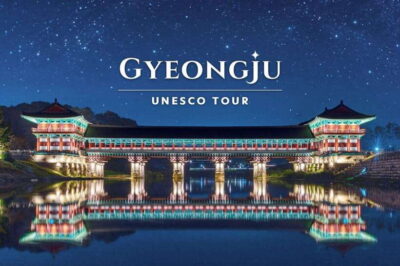 ★ 4.8From Busan: Gyeongju UNESCO World Heritage Guided Day TourFrom $521,250 reviews
 ★ 5.0Busan Private Tour with licensed tour guide + private vehicleFrom $1691,143 reviews
 ★ 4.7Busan: Coastal Treasures Beach Train, Culture Village & MoreFrom $51832 reviews
 ★ 4.5Busan’s Cultural Wonders with Beach Train & Gamcheon Village etcFrom $47663 reviews
 ★ 5.0Gyeongju UNESCO World Heritage Guided Day Tour from BusanFrom $57660 reviews
 ★ 5.0Private Busan Tour -Explore Cultural Landmarks with a Local GuideFrom $169552 reviews
 ★ 5.0Old Korea Thousand History Tour of Gyeongju from BusanFrom $64518 reviews
Where this tour also appears