
REVIEW · BUSAN TOURS
Gyeongju UNESCO World Heritage Guided Day Tour from Busan
Gyeongju feels like stepping back into Silla. This guided day trip is a smart way to see top UNESCO World Heritage sites in one long, well-organized day from central Busan, with entrance fees built into the UNESCO route. The main trade-off is time, the day runs long and many stops are outdoors, so comfortable shoes and patience matter.
I also like the logistics here. You ride in an air-conditioned coach/minivan with an English, Chinese, and Korean speaking guide, and you get a capped group size (up to 43), which helps the day feel manageable. Still, if you hate “big day” pacing, you may wish you had more time per stop.
In This Review
- Key points I’d plan around
- Choosing UNESCO or Museum: which Gyeongju route fits your day
- Busan to Gyeongju, the 10 to 12 hour coach ride and group size
- Bulguksa Temple stop, UNESCO stonework and a longish walk
- Yangdong Folk Village and Daereungwon Tomb Park (UNESCO tour)
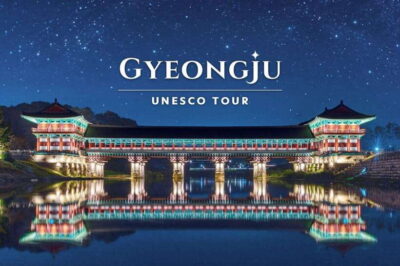
- Woljeonggyo Bridge, Donggung Palace, and Wolji Pond evening light
- Hwangnidan-gil Street breaks for snacks, coffee, and shopping
- Gyeongju National Museum option, when you want artifacts instead of extra walking
- Meals on your own: how to handle lunch in hanok areas and street food
- What to pack and how to pace yourself for mostly outdoors
- Price and value at about $57.14, with admissions included
- Who this Gyeongju UNESCO day tour is for, and who should skip
- Should you book this day trip from Busan?
- FAQ
- How long is the Gyeongju UNESCO guided day tour from Busan?
- What tour options are available?
- Are entrance fees included?
- What languages do the guides speak?
- Do I need a paper ticket?
- How many people are on the tour?
- Is free cancellation available?
Key points I’d plan around
- Two routes to pick: UNESCO stops versus a museum-focused option
- Admissions included on the UNESCO route: Yangdong Village, Donggung and Wolji, and more
- One-day coverage of major Silla-era sights: temple, royal tomb park, bridges, and palace-pond views
- Guides can make the sites click fast: popular guides like Irene, Bobby Kim, Lucy, Vincent, and Roy show up in different groups
- Mostly outdoors: plan for weather and lots of walking, even when stops are timed
Other Busan days worth comparing
Choosing UNESCO or Museum: which Gyeongju route fits your day
This is not a one-size-fits-all day. You choose between two different itineraries, and the choice changes what you’ll remember most.
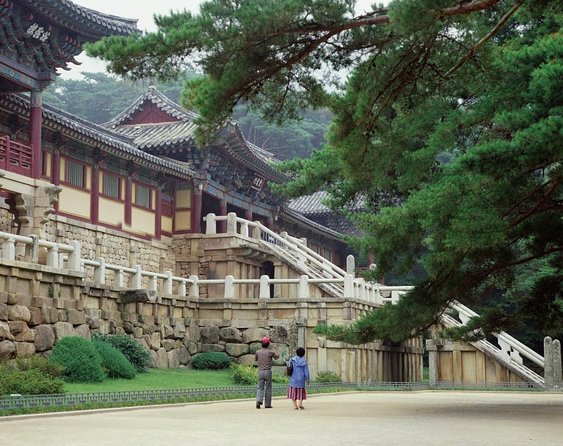
If you want the big UNESCO highlights with more hands-on atmosphere, pick the UNESCO tour. It focuses on classic pilgrimage sights and heritage spaces like Bulguksa Temple, Yangdong Folk Village, Daereungwon Tomb Complex, and the Donggung Palace and Wolji Pond area.
If you prefer fewer “village and walk” moments and more inside-the-dome learning, go with the Museum tour. It still includes Bulguksa, but swaps the UNESCO village and tomb stops for Hwangnidan-gil Street and the Gyeongju National Museum.
My practical advice: choose based on your mood that day. If you want atmosphere, choose UNESCO. If you want less walking and more artifacts, choose Museum.
Busan to Gyeongju, the 10 to 12 hour coach ride and group size
The trip is long enough that it feels like a mini expedition, not a quick jaunt. Expect about 10 to 12 hours total, and plan for returning after dinner hours.
You’ll leave from central Busan in an air-conditioned coach/minivan, and the day runs in a group of up to 43 people. That size is big enough to be lively, but small enough that guides can keep track of everyone without turning it into a herding exercise.
Also note the day does not run on a perfect clock. The itinerary can shift due to traffic and weather, and that matters because key stops are timed. If it’s raining, you’ll appreciate good shoes and a light layer you can pull on fast.
A simple “make it easier” mindset helps. Treat the coach ride as part of the experience, not dead time. The scenery on the way through Korea can be pleasant, and the guide narration helps you get context before you hit the first UNESCO site.
Bulguksa Temple stop, UNESCO stonework and a longish walk
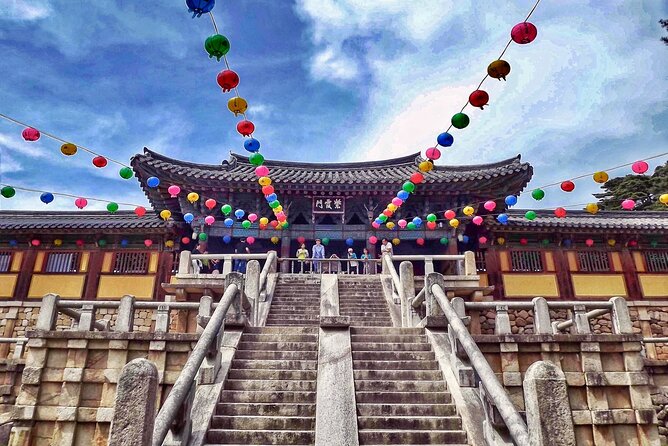
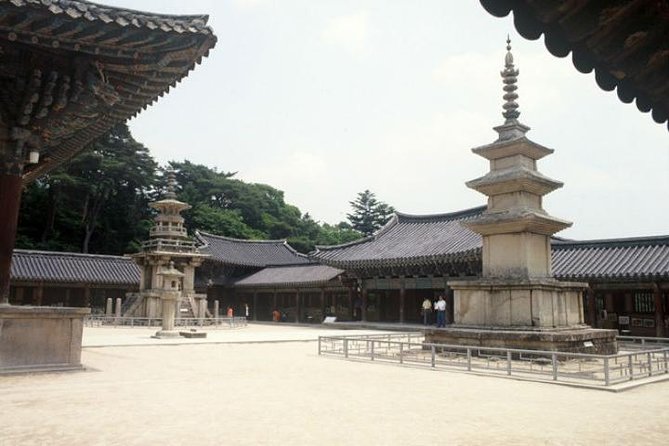
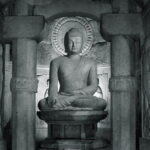
Bulguksa Temple is a strong opener because it signals the theme of the whole day: Silla-era Buddhism and stone craftsmanship.
On this tour, Bulguksa is scheduled for about 1 hour 10 minutes, and entry is included (on the UNESCO-style route the temple ticket is part of what’s covered). Even with limited time, Bulguksa is the type of place where you feel your brain switching gears from “photos first” to “slow down and notice details.”
What helps most is your guide’s pacing. In different groups, guides such as Tomy and Lan, Vincent, Irene, and Bobby Kim have been praised for keeping things efficient while still explaining what you’re looking at. That’s the difference between “I saw a temple” and “I understood what makes this temple special.”
Practical tip: arrive ready for a bit of walking. Even if a stop feels short on paper, temple complexes usually have uneven paths and stairs.
Yangdong Folk Village and Daereungwon Tomb Park (UNESCO tour)
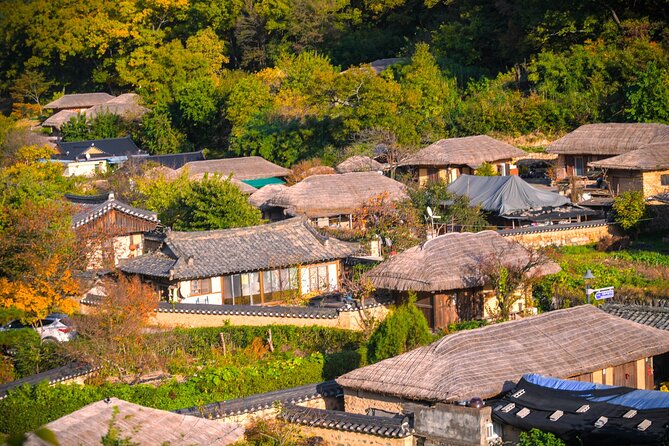
If you choose the UNESCO tour, Yangdong Folk Village is one of your biggest “slow down” moments. It runs about 2 hours 15 minutes, and the whole point is to see Korea’s traditional village layout in a preserved setting.
This is not just a photo stop. You’re given enough time to wander around the village area and feel how older daily life was organized. It’s also a great place to buy small souvenirs tied to the village theme and local crafts, if that’s your thing.
Next comes Daereungwon Tomb Complex, also UNESCO-connected and scheduled for about 45 minutes. This is often less about strolling and more about absorbing scale. Daereungwon is described as the Park of Royal Tombs, with 23 tombs from the Silla dynasty. That fact alone makes it feel more “historical map” than single-spot viewing.
You’ll also see a tighter connection to the wider heritage area. For example, the tour route places you near other historic features, including the area that leads into Woljeonggyo Bridge and Hwangnidan-gil Street afterward.
If you have knee or ankle issues, keep your pace steady. Tomb parks involve walking across grounds that can feel longer than you expect, especially after a temple.
More Silla history around Busan
- Gyeongju UNESCO World Heritage Guided Day Tour from Busan
★ 5.0 · 660 reviews - Old Korea Thousand History Tour of Gyeongju from Busan
★ 5.0 · 518 reviews - From Busan to Gyeongju UNESCO Legacy Tour with National Museum
★ 5.0 · 87 reviews - From Busan: Echoes of Silla Gyeongju Historical Day Tour
★ 4.8 · 55 reviews - Gyeongju Small Group photo Tour (Max 6 Pax)
★ 5.0 · 38 reviews
Woljeonggyo Bridge, Donggung Palace, and Wolji Pond evening light
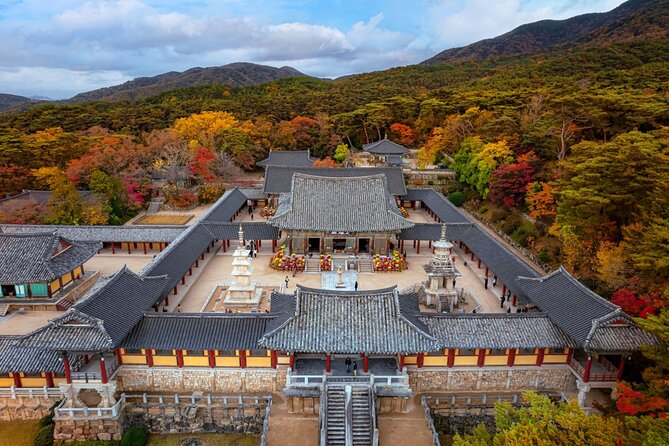
After temples and tombs, the tour shifts into a more scenic, visual side of Gyeongju. If you love night views, this is where the day can feel worth it.
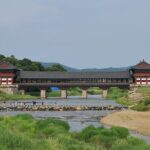
The Woljeonggyo Bridge stop is short, about 20 minutes, and is mostly about understanding the historic bridge setting and snapping a few photos before moving on.
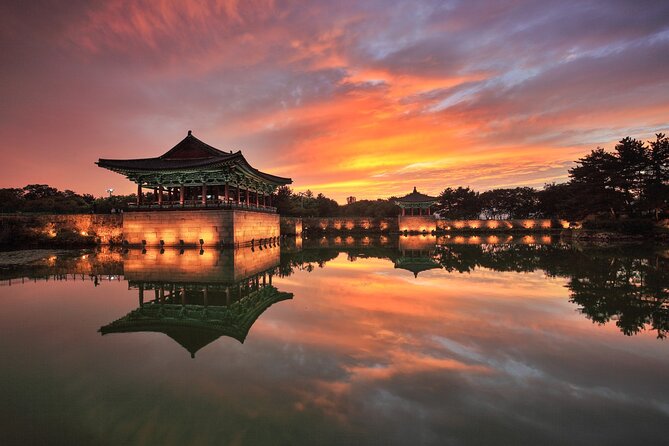
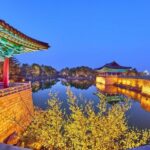
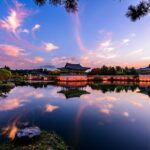
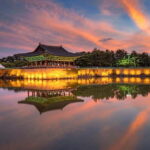
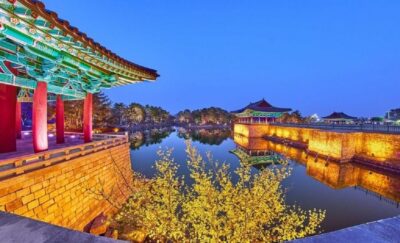
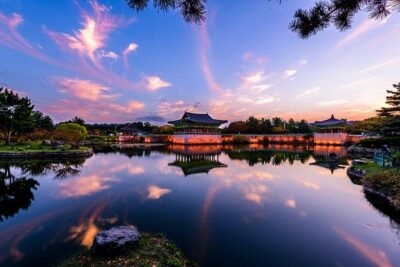
Then you get the payoff area: Donggung Palace and Wolji Pond. This stop lasts about 1 hour and includes admission on the UNESCO route. It’s tied to the older palace and pond landscape, and the timing is often good for atmospheric viewing, with the pond area commonly highlighted as a nighttime-style destination on this itinerary.
A practical note: because this is timed, you should avoid getting stuck too long at a single photo spot. Instead, do a quick circuit first, then decide where you want to linger.
This part of the day is one reason the UNESCO tour feels special, even if the schedule is full. It turns “history facts” into “I can see why people made this place memorable.”
Hwangnidan-gil Street breaks for snacks, coffee, and shopping
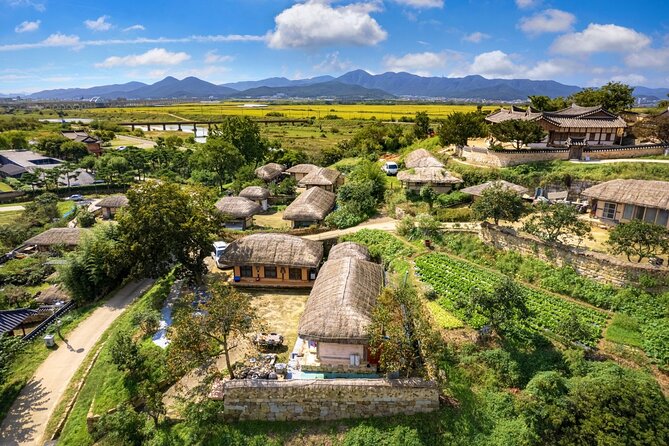
Right near the tomb area, you’ll have time on Hwangnidan-gil Street. It’s scheduled for about 45 minutes and it’s free time with no ticket cost.
This street is described as a mix of ancient charm and modern style, and it’s where you can grab snacks, stop for specialty coffee in hanok-style cafés, and do some light shopping. Even if you skip everything else, this is a good breather. After walking and moving from heritage site to heritage site, it’s a chance to reset.
Bring cash as a backup. One practical tip from the way lunch and café time can work is that cash might be needed in some village café settings. For snacks on the street, you’ll often find credit cards welcomed, but cash still keeps you from making a stressful detour when you just want something simple to eat.
If you want the best use of your time here, eat a small snack, then take photos, then browse quickly. Don’t try to do a full meal plus browsing in the same 45 minutes.
Gyeongju National Museum option, when you want artifacts instead of extra walking
If you choose the Museum tour, your day shifts toward inside learning and a calmer pace.
You’ll still visit Bulguksa, then spend time on Hwangnidan-gil Street for about 45 minutes, and move to the Gyeongju National Museum for about 1 hour. The museum stop is listed as ticket-free on the itinerary information, which makes it a strong value if you like understanding the Silla kingdom through objects.
This is also a great option if the weather is rough. Temple and outdoor stops can feel like a slog when it’s cold, wet, or windy. A museum hour gives your legs a rest, and it helps you connect what you saw outside with what the artifacts represent.
If you care about tangible items like crowns, Buddhist relics, and curated Silla-era pieces, this route is the more straightforward match.
Meals on your own: how to handle lunch in hanok areas and street food
Meals are not included. That’s common for day tours, but it matters for planning because you’ll be on the move all day.
What you do get is a built-in schedule that typically includes time for lunch at or near the key heritage areas. The tour description says meals are on you, and that aligns with how groups run the day: you’re given a stop, you eat what fits you, then you regroup.
Practical tips that save you money and stress:
- If you’re picky or have dietary needs, plan ahead. One note from the village lunch experience is that vegetarian options may be limited, and some meal choices are meat-heavy.
- Carry a bit of cash. Some village cafés can be cash-only.
- For dinner or late snacks near the tomb area, many street restaurants accept cards, but cash is still your friend.
If you’re traveling as a couple or family, agree ahead of time on a plan for meals. Otherwise, you may spend precious minutes negotiating while the group timeline keeps moving.
What to pack and how to pace yourself for mostly outdoors
Even when the stops are timed, the experience is still very “outside.” Dress accordingly.
A few packing ideas based on how the day is structured:
- Comfortable shoes for uneven ground and temple paths
- Layers for changing temperatures across a long day
- A small umbrella or rain shell if the forecast looks iffy
- Sunscreen, even in cooler months, because you can be standing in open areas
Timing is also key. If you start later than you want, the bigger stops can feel rushed. The itinerary can move quickly through major heritage areas, so aim for calm expectations: you are covering many highlights, not absorbing every minute of each site like a slow museum day.
One more pacing trick: at the big sites like Bulguksa and Yangdong, do one slow walk first, then do a second quicker pass for photos only. That way you don’t feel like you missed the important bits while chasing the perfect picture.
Price and value at about $57.14, with admissions included
At around $57.14 per person, this tour can feel like good value if you compare it to doing the same sites on your own from Busan.
Here’s the key reason: on the UNESCO tour, entrance fees are included for key stops. That includes Yangdong Village and Donggung and Wolji, and it also covers admissions like the Cheonmachong Tomb ticket. So you’re not just paying for a seat on a bus. You’re paying for guided access plus logistics.
On top of that, you get round-trip coach travel from central Busan, a guide who speaks English plus Chinese and Korean, and a day organized around geographic efficiency. For many people, that is the real value. Gyeongju is not hard, but doing it solo as a “day trip with multiple UNESCO stops” can get annoying fast.
Is it cheap? Not exactly. But it can be a smart way to buy time, reduce planning stress, and get context that you might not find by yourself.
Who this Gyeongju UNESCO day tour is for, and who should skip
This tour is a strong fit if you want:
- Major Silla-era UNESCO sights in one day
- A guide who helps you understand what you’re seeing without overcomplicating it
- The chance to see evening-style views at Wolji Pond and the surrounding palace pond area
It’s less ideal if:
- You hate long days, because 10 to 12 hours is a big commitment
- You want lots of free wandering time at each major site
- You need a very flexible schedule for health or mobility reasons
Also, if you love museums and artifacts more than outdoor heritage spaces, the Museum tour is the better match. You’ll get a focused museum hour and still have enough street time for snacks and café breaks.
The good news is the two itinerary choices let you “right-size” the day to your style.
Should you book this day trip from Busan?
Book it if you want a guided, one-day shortcut to classic Gyeongju. The UNESCO route is especially appealing if you care about the mix of temple, traditional village atmosphere, royal tomb grounds, and the palace-pond area.
Skip it or choose the Museum route if you’re time-sensitive or walking-sensitive. Museum days can feel calmer, and they still connect you to Bulguksa and the Gyeongju story without stacking as many outdoor heritage stops.
My final take: this is best as a “see the highlights properly” day. You’re buying structure, admissions coverage on the UNESCO route, and guidance that helps the sites make sense fast.
FAQ
How long is the Gyeongju UNESCO guided day tour from Busan?
It runs about 10 to 12 hours.
What tour options are available?
You can choose between a UNESCO tour route or a Museum tour route.
Are entrance fees included?
Yes, entrance fees are included on the UNESCO tour. The Museum tour lists some stops as free, and meals are not included for either option.
What languages do the guides speak?
The guide is listed as speaking English, Chinese, and Korean.
Do I need a paper ticket?
You’ll use a mobile ticket.
How many people are on the tour?
The tour has a maximum of 43 travelers.
Is free cancellation available?
Yes. You can cancel for a full refund up to 24 hours before the experience start time.
More Listed Sites in Busan
More Gyeongju, More Silla
Still in Busan? More Here
Fresh on the Busan pile
- Suncheon and Yeosu Daily Private Tour with Pickup Service★ 5.0 · 3 reviews
- Suncheon one day tour from Seoul, Busan or Suncheon★ 5.0 · 3 reviews
- Busan Seafood Tour : Oyster village Tour with Oyster cuisines★ 5.0 · 3 reviews
- 2-DAYS Busan Customized and Included Night tour★ 5.0 · 3 reviews
- Busan Dialect Class with local snack★ 5.0 · 3 reviews
- Korean UNESCO World Heritage Tour including Gyeongju, Andong and Daegu(2N3D)★ 5.0 · 3 reviews
Busan Tours you might have missed.
 ★ 4.8Busan: Gyeongju Guided Day Trip to Three Kingdoms CapitalFrom $521,925 reviews
 ★ 5.0Small Group Full Day Busan Tour (Max 6 Pax)From $991,464 reviews
 ★ 4.8From Busan: Gyeongju UNESCO World Heritage Guided Day TourFrom $521,250 reviews
 ★ 5.0Busan Private Tour with licensed tour guide + private vehicleFrom $1691,143 reviews
 ★ 4.7Busan: Coastal Treasures Beach Train, Culture Village & MoreFrom $51832 reviews
 ★ 4.5Busan’s Cultural Wonders with Beach Train & Gamcheon Village etcFrom $47663 reviews
 ★ 5.0Private Busan Tour -Explore Cultural Landmarks with a Local GuideFrom $169552 reviews
 ★ 5.0Old Korea Thousand History Tour of Gyeongju from BusanFrom $64518 reviews
Where this tour also appears