
REVIEW · BUSAN TOURS
From Busan to Gyeongju UNESCO Legacy Tour with National Museum
One day, Silla legends everywhere. This full-day tour strings together UNESCO Bulguksa Temple, bamboo and spring viewpoints, and a photo-friendly end at Woljeonggyo Bridge, with a simple mobile ticket.
I love how the guides, like DK, Yaho, and Kang, bring the stories to life with fluent English and quick humor. I also love the pacing mix of Ahopsan Bamboo Forest plus Bulguksa Temple, so your day feels like a real journey through ancient Gyeongju.
The day runs about 12 hours, and several stops are timed so you move on rather than linger. Also, Ahopsan Forest can involve a bit of uphill effort, so plan comfy shoes if you are walking slowly.
In This Review
- Key highlights before you go
- Busan to Gyeongju in one long day, and how to make it feel worth it
- Ahopsan Bamboo Forest, your calm reset with extra walking and extra tickets
- Dalmaji Hill and spring photo stops near Haeundae
- Gyeongju Gyochon Traditional Village and Choe Jun’s House, where the hanok feels real
- Gyeongju National Museum (or Daereungwon Tomb Complex), the stop that turns sights into meaning
- Woljeonggyo Bridge and Bulguksa Temple, the UNESCO centerpiece and the evening-photo energy
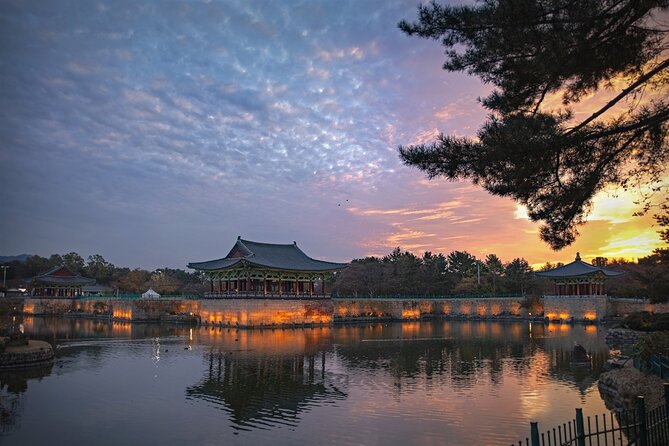
- Optional Donggung Palace and Wolji Pond, the alternative when you skip the museum
- Guide quality, group feel, and why the day can run smoothly
- Price and what you are actually paying for at $48.08
- What to pack and how to handle a 12-hour Gyeongju day
- Should you book this Busan to Gyeongju UNESCO tour?
- FAQ
- How long is the Busan to Gyeongju UNESCO Legacy Tour?
- What is included in the tour price?
- Which UNESCO site is included?
- What admissions are not included?
- Is lunch included?
- Are there cherry blossom seasonal options?
- Does the tour use a mobile ticket?
- What group size should I expect?
- What happens if the weather is bad or the minimum number of travelers is not met?
Key highlights before you go
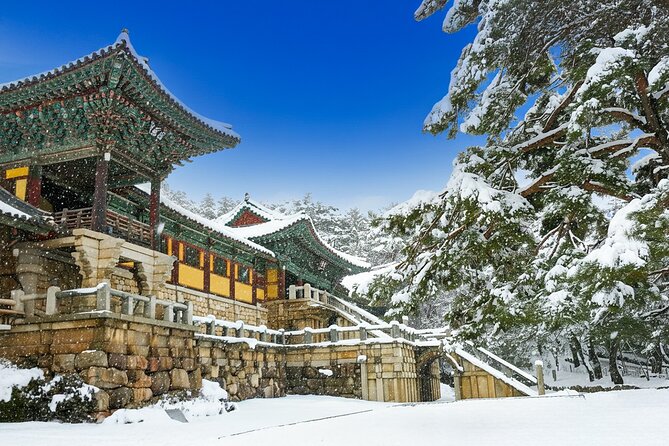
- Bulguksa Temple (UNESCO) is included, with about two hours at the site.
- Guides like DK, Yaho, and Kang get praised for clear English, humor, and tight time management.
- Spring flexibility in March to early April can swap stops depending on blossom conditions.
- Woljeonggyo Bridge gets real time, and it is often the part you remember for photos.
- National Museum is built into the plan, with an option to trade it for the tombs or other sights in spring.
- Some ticketed areas are not included, especially Ahopsan Forest and optional Donggung/Wolji.
Other Busan days worth comparing
Busan to Gyeongju in one long day, and how to make it feel worth it
This is a classic full-day run: you start in Busan and spend roughly 12 hours in Gyeongju, with round-trip transport in an air-conditioned vehicle. For many people, that is the whole point. Gyeongju is close enough for a day trip, but far enough that driving yourself would turn the day into logistics.
You also get real “guided day” support. A professional guide plus an English and Chinese speaking local guide means you are not trying to translate signs while your bus is rolling away. And the tour keeps a cap at a maximum group size of 99, so you will be in a van or coach group, not a private taxi ride.
One practical note: lunch is not included. You will likely have time for food during the day, but you should budget money for it and keep a light snack in your bag just in case. If you hate hunger, bring something small.
Ahopsan Bamboo Forest, your calm reset with extra walking and extra tickets
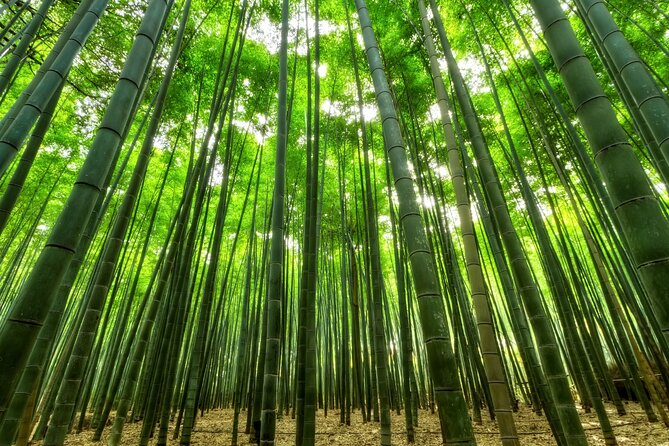
The morning (or early part of the day) starts at Ahopsan Bamboo Forest. It is a privately owned bamboo grove preserved for over 400 years, and the vibe is exactly what you want before you jump into temple courtyards and tomb paths.
Why I like it for this tour: it breaks the day into two moods. You get quiet green shade first, then you switch gears to UNESCO and royal-era sites. That contrast makes the rest of the day feel more meaningful, not rushed and repetitive.
The main catch is cost and comfort. Ahopsan Forest has an admission ticket you pay separately, and it can require uphill walking. One useful shoe tip from the field: avoid white sneakers. Mud happens, especially on days when the ground is damp or the path is busy.
If you want the bamboo photos, plan to take your time at the edges. The dense groves look best when you slow down and let the light find you, not when you only walk straight through.
Dalmaji Hill and spring photo stops near Haeundae
If you are traveling during cherry blossom season, this tour offers a key seasonal switch. Around Mar 24 to Apr 12, you may choose Dalmaji Hill instead of Ahopsan Forest, subject to conditions.
Dalmaji is a coastal road in Haeundae known for spring blossoms. The stop is short, about 30 minutes, and it is best treated as a photo and stroll break. You are not going there for a museum-level experience. You are going for framed ocean views and soft pink branches that make the whole day feel more “Korea in spring” even before you reach Gyeongju.
If your group is traveling in that window, I recommend you decide based on your walking comfort. Bamboo paths can be muddy and uphill. A hillside blossom stroll can still involve steps, but it is generally a more straightforward walking style.
Gyeongju Gyochon Traditional Village and Choe Jun’s House, where the hanok feels real
After the morning scenery, you shift into traditional Gyeongju. The plan includes Gyeongju Gyochon Traditional Village, where you can stroll through hanok areas and small historic corners near Bulguksa Temple and Woljeonggyo Bridge.
Then you add Choe Jun’s House, known as the Gyeongju Choi Family House. This was the residence of the Choi clan, a respected noble family, and it lived as a home for over 300 years. That matters because you are not just seeing buildings. You are seeing what daily life and status looked like in a Korean elite household, even if your visit is time-limited.
These stops are also where a good guide can make a big difference. The best tours at this level are not about cramming facts into your brain. They are about helping you notice details: roof shapes, spacing between rooms, how the village layout supports movement, and why certain places were positioned near major temple and bridge routes.
Here is a realistic expectation: 1 hour for a traditional village and another hour for a specific residence means you will see highlights, not every alley. If you want deep exploration, bring curiosity and let yourself wander 15 to 20 minutes without feeling guilty about it.
More Silla history around Busan
- Gyeongju UNESCO World Heritage Guided Day Tour from Busan
★ 5.0 · 660 reviews - Old Korea Thousand History Tour of Gyeongju from Busan
★ 5.0 · 518 reviews - From Busan to Gyeongju UNESCO Legacy Tour with National Museum
★ 5.0 · 87 reviews - From Busan: Echoes of Silla Gyeongju Historical Day Tour
★ 4.8 · 55 reviews - Gyeongju Small Group photo Tour (Max 6 Pax)
★ 5.0 · 38 reviews
Gyeongju National Museum (or Daereungwon Tomb Complex), the stop that turns sights into meaning
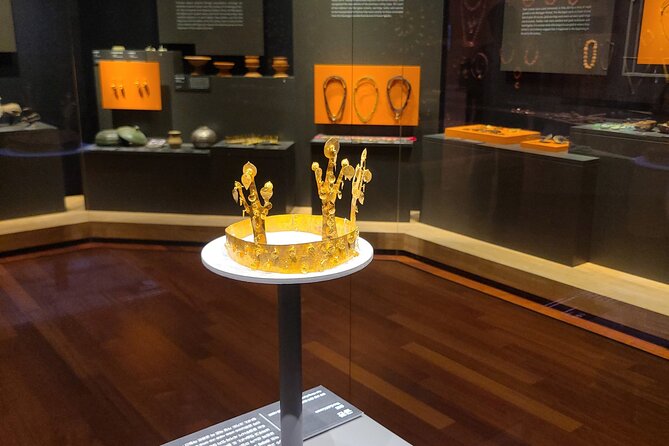
This is where the tour becomes more than a photo run. The itinerary normally includes the Gyeongju National Museum for about an hour. If you only did temples and tombs without context, you would still enjoy them, but you might miss why they matter.
The museum is described as one of the best places to explore the cultural heritage of the ancient Silla Kingdom. So think of this hour as your “decoder ring” for what you are about to see at tombs, bridges, and the bigger UNESCO site.
In cherry blossom season, there is also a seasonal option related to Daereungwon Tomb Complex. During Mar 24 to Apr 12, guests may choose Daereungwon Tomb Complex instead if the blossoms are in bloom, and availability is not guaranteed. That means some days you might trade museum time for a tomb-and-blossom atmosphere.
Daereungwon itself is a Silla royal tomb complex, with stone walls and grassy burial mounds. It is basically history plus spring contrast. If blossoms are really popping, it can be a strong memory stop.
My rule of thumb: if you love learning and want structure, keep the museum. If you came for seasonal beauty and the spring bloom experience is your priority, consider the Daereungwon swap, but only if your timing aligns with the bloom conditions.
Woljeonggyo Bridge and Bulguksa Temple, the UNESCO centerpiece and the evening-photo energy
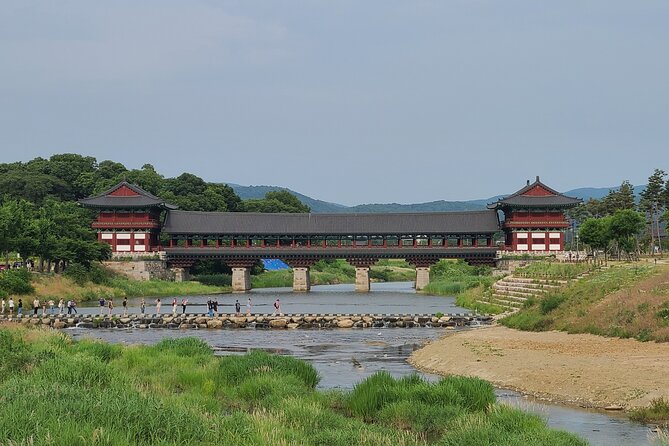
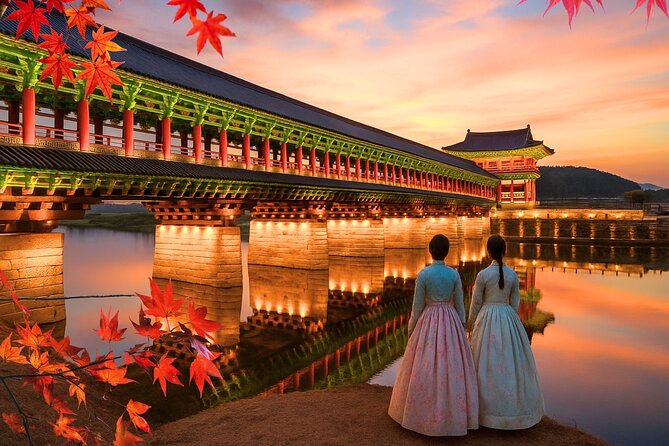
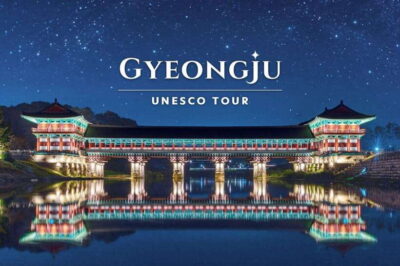
You finish the main sightseeing arc with Woljeonggyo Bridge and Bulguksa Temple. Woljeonggyo Bridge gets about two hours, which is a great sign. Many day tours rush bridges like they are just a pass-through point. Here, you are given time for a proper walk, photos, and a slower moment.
Woljeonggyo is a reconstruction of a royal bridge from the Unified Silla period. It was originally built in 760, connecting the royal palace with the southern part of Gyeongju. That kind of connection story is exactly why bridges work on a guided day, since you understand it as a piece of court geography, not just a scenic crossing.
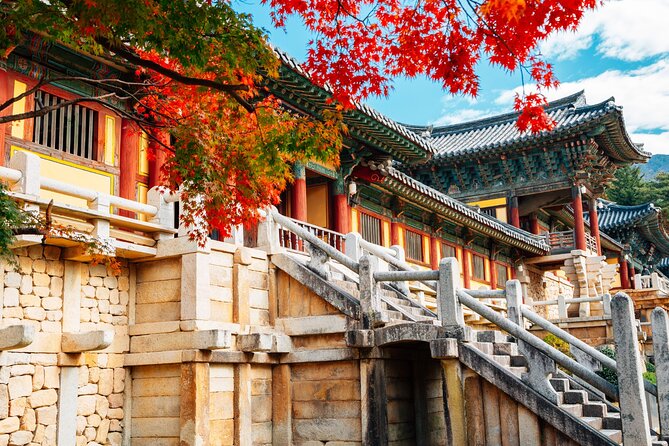
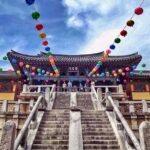
Then comes Bulguksa Temple, the included UNESCO-listed Buddhist site. It is described as originally built in 528 during the Silla Dynasty and rebuilt in 774. This is one of those places where timing matters, and your guide’s route planning matters too. You get about two hours on site, enough time to see key areas and to pause without feeling like you are being chased.
Also, Bulguksa is included in the price. That is a real value point. You are paying for a day trip that covers transport, guide time, and the entry cost for this major UNESCO stop.
If you are the type who likes photo stops, you are in luck. One repeated theme from guides is using the right timing and even pointing out good photo spots, and Woljeonggyo is often where the day’s pictures start to feel “complete.” Some people highlight evening light on the bridge as a favorite moment, so expect this part of the day to be photo-friendly.
Optional Donggung Palace and Wolji Pond, the alternative when you skip the museum

Not everyone wants the museum hour. If you prefer to spend your time differently, the tour offers an alternative: Donggung Palace and Wolji Pond, described as historically meaningful and about 1.5 hours.
The key detail is cost: entry fee is not included. So if you choose this option, you are adding a ticket cost on top of what you already paid.
If you like scenery built around water, this option can feel more relaxing than tombs and corridors of artifacts. But it is also less “lecture style” than the museum. You will get historical grounding, but your eyes will do more work than your brain.
For most visitors, the best decision comes down to your travel style:
- Museum first, then monuments: choose the standard museum plan.
- Water and atmosphere over artifacts: choose Donggung and Wolji instead.
Either way, keep your expectations realistic. This is still a full-day schedule, so you are not strolling for hours. You are making the most of a guided time window.
Guide quality, group feel, and why the day can run smoothly
The strongest praise across the day is about the guides themselves. People highlight energy, humor, patience, and how guides keep everyone moving without making anyone feel ignored. Names that come up include DK, Yaho, Kang, Chris, and Yaya, and the common thread is communication and pacing.
I also like the “sense of care” aspect. Some reviews describe adjustments for rainy weather, including flexibility to keep the day enjoyable even when conditions are not perfect. That kind of practical leadership matters more than fancy promises.
A word on group size and comfort: even with a max of 99 people, you may still experience the day as friendly if the guide is skilled at managing check-ins and keeping everyone together. You should still plan on group dynamics, since this is a bus-style day trip rather than a private driver.
Finally, pick your priorities before you board. If you want to move fast and tick off icons, this works perfectly. If you want to linger at each stop for long sessions, this tour may feel a bit structured. One outlier report described a pickup problem and an English communication failure, so your best protection is simple: double-check your pickup location and keep contact details handy so you can resolve issues quickly if they happen.
Price and what you are actually paying for at $48.08
At $48.08 per person, the headline sounds like a bargain, but the real question is what that includes for your day.
You get:
- Air-conditioned transport from Busan and back
- A professional guide and English and Chinese speaking support
- Toll, parking, and fuel costs handled for you
- Admission included for Bulguksa Temple
You do not get:
- Lunch meals
- Optional admissions like Ahopsan Forest (admission not included)
- Optional entry for Donggung Palace and Wolji Pond (entry not included)
So the value equation is straightforward. You are paying for the hard parts: getting out to Gyeongju, keeping the schedule moving, and covering the main UNESCO temple admission. If you also buy the bamboo forest ticket, you should treat that as your one additional “splurge” cost for the day.
If you come to Korea and want one strong “heritage day” without planning trains, maps, and ticket queues, this price makes sense. If you already plan to pay for multiple admissions anyway, it still stays fair because transport and guide time are the expensive parts.
What to pack and how to handle a 12-hour Gyeongju day
This is not a quick half-day. Plan for a long sit-and-walk mix.
Bring:
- Comfortable walking shoes, especially if you might visit Ahopsan and its uphill segments
- A light rain layer if weather is changeable
- A small snack, since lunch is not included
- Sun protection for open bridge and tomb areas
On footwear, remember the bamboo forest mud tip. If you wear white shoes, expect regret.
Also, think about pacing. The itinerary gives you enough time to enjoy each stop, but it will not feel like you own the place. If you want to maximize photos, start by taking wide shots, then save your close details for later when the group settles.
Should you book this Busan to Gyeongju UNESCO tour?
Book it if you want a well-run, guided day that covers major Gyeongju highlights without planning. You get a meaningful UNESCO temple stop at Bulguksa, plus a mix of traditional village scenes, tomb atmosphere (including a seasonal Daereungwon option), and the photographic payoff of Woljeonggyo Bridge.
Skip it or switch plans if you know you hate long days or you need lots of time at each location. This tour is built for movement and efficient sightseeing, not for slow wandering for hours.
If you are traveling in cherry blossom season, this tour can be extra appealing because it offers choices tied to bloom conditions. Just keep in mind those swaps depend on what is actually in bloom, and availability is not guaranteed.
FAQ
How long is the Busan to Gyeongju UNESCO Legacy Tour?
It lasts about 12 hours.
What is included in the tour price?
You get an English/Chinese-speaking guide and a professional guide, round-trip transport from Busan in an air-conditioned vehicle, and costs like tolls, parking, and fuel. Bulguksa Temple admission is also included.
Which UNESCO site is included?
Bulguksa Temple, a UNESCO-listed Buddhist site.
What admissions are not included?
Ahopsan Forest admission is not included. Donggung Palace and Wolji Pond entry fees are also not included if you choose the alternative.
Is lunch included?
No. Lunch and dinner meals are not included.
Are there cherry blossom seasonal options?
Yes. During cherry blossom season from Mar 24 to Apr 12, you may be able to choose Dalmaji Hill instead of Ahopsan Forest, and you may also be able to choose Daereungwon Tomb Complex instead of the usual museum time, if blossoms are in bloom. Availability is not guaranteed.
Does the tour use a mobile ticket?
Yes, the tour includes a mobile ticket.
What group size should I expect?
The tour has a maximum of 99 travelers.
What happens if the weather is bad or the minimum number of travelers is not met?
The experience requires good weather. If canceled due to poor weather, you will be offered a different date or a full refund. If it is canceled because the minimum number of travelers is not met, you will be offered a different date or experience or a full refund.
More Listed Sites in Busan
More Gyeongju, More Silla
Still in Busan? More Here
Fresh on the Busan pile
- Suncheon and Yeosu Daily Private Tour with Pickup Service★ 5.0 · 3 reviews
- Suncheon one day tour from Seoul, Busan or Suncheon★ 5.0 · 3 reviews
- Busan Seafood Tour : Oyster village Tour with Oyster cuisines★ 5.0 · 3 reviews
- 2-DAYS Busan Customized and Included Night tour★ 5.0 · 3 reviews
- Busan Dialect Class with local snack★ 5.0 · 3 reviews
- Korean UNESCO World Heritage Tour including Gyeongju, Andong and Daegu(2N3D)★ 5.0 · 3 reviews
Busan Tours you might have missed.
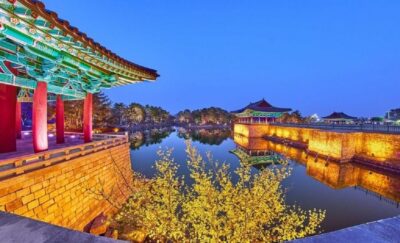 ★ 4.8Busan: Gyeongju Guided Day Trip to Three Kingdoms CapitalFrom $521,925 reviews
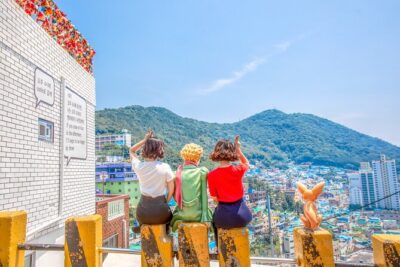 ★ 5.0Small Group Full Day Busan Tour (Max 6 Pax)From $991,464 reviews
 ★ 4.8From Busan: Gyeongju UNESCO World Heritage Guided Day TourFrom $521,250 reviews
 ★ 5.0Busan Private Tour with licensed tour guide + private vehicleFrom $1691,143 reviews
 ★ 4.7Busan: Coastal Treasures Beach Train, Culture Village & MoreFrom $51832 reviews
 ★ 4.5Busan’s Cultural Wonders with Beach Train & Gamcheon Village etcFrom $47663 reviews
 ★ 5.0Gyeongju UNESCO World Heritage Guided Day Tour from BusanFrom $57660 reviews
 ★ 5.0Private Busan Tour -Explore Cultural Landmarks with a Local GuideFrom $169552 reviews
Where this tour also appears