
REVIEW · GYEONGJU HERITAGE TOURS
Full day Private Gyeongju UNESCO Heritage Tour : a glimpse into Silla
Silla history in one well-paced day. What makes this tour fun is the mix of UNESCO sites and story-driven stops that connect the dots from temples to tombs to astronomy. I like the private-guide setup that keeps the day flexible, and I like how the schedule covers the big hitters without feeling like a sprint. The only real drawback to consider is the time commitment, since this is about 11 hours and includes walking plus steps.
You start with smooth logistics: hotel pickup and an air-conditioned vehicle, plus bottled water. If you’re coming from Seoul, there’s a KTX option, the Korean bullet train, built in for the Seoul route.
The day’s success really depends on your expectations. You’ll get a lot of famous sights, but it is still one long outing. If you want a slow, lingering, cafe-hopping day, you might feel a bit rushed.
In This Review
- Key things I’d circle on your map
- Why Gyeongju works best with a private guide
- Your pickup, ride, and the KTX option from Seoul
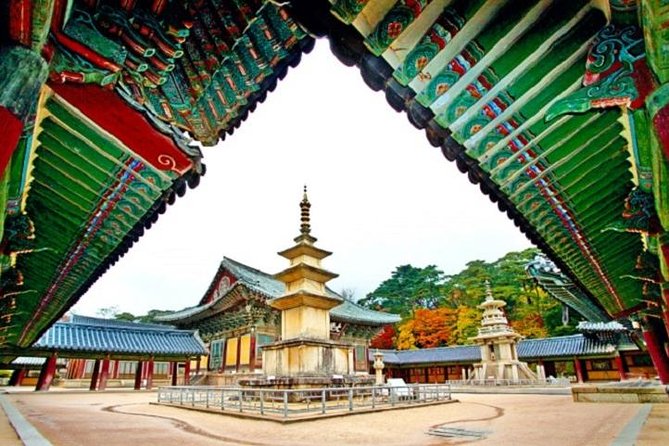
- Bulguksa Temple UNESCO: where Buddhism and scenery meet
- Seokguram Grotto: carved faces and a lunch rhythm that keeps you going
- Shilla Arts and Science Museum: the movie that helps the sites click
- Daereungwon Tomb Complex and Chemseongdae: royalty plus stargazing
- Gyochon Traditional Village and Gyeongju National Museum: hands-on Silla context
- Donggung Palace and Wolji Pond (Anapji): end with the famous night-feel
- Price and value: what $256.42 is buying you
- Practical tips to make this Silla day feel easy
- Should you book this private Gyeongju UNESCO Heritage Tour?
- FAQ
- How long is the Gyeongju UNESCO Heritage private tour?
- What does the private tour include?
- Is lunch included?
- Can I request a vegetarian meal?
- Are hotel pickup and drop-off included from Seoul?
- What UNESCO and major sites are visited?
- What if the weather is bad?
Key things I’d circle on your map
- Bulguksa Temple UNESCO plus seasonal scenery (cherry blossoms in spring, fall foliage in autumn).
- Seokguram Grotto with carved figures of devas, bodhisattvas, and disciples.
- A Shilla kingdom museum movie that helps the sites make sense.
- Daereungwon Tomb Complex + Chemseongdae Observatory for royal tombs and star-gazing history.
- Gyochon Hanok Village and Gyeongju National Museum for architecture and artifacts in one loop.
- Donggung Palace and Wolji Pond (Anapji) for that famed evening atmosphere.
More Silla history around Gyeongju
Why Gyeongju works best with a private guide
Gyeongju is the kind of city where the past is not behind glass. It is built into the temples, the tombs, the ponds, and the museum rooms. With a private guide, you get more than a checklist. You get explanations that make the place feel coherent, so you stop seeing random stones and start seeing a kingdom.
This matters because the Silla story is layered. You’re dealing with Buddhism at Bulguksa and Seokguram, royal power at the tomb complex, and science and astronomy around Chemseongdae. A good guide helps you notice what you would normally miss, like why certain layouts mattered or what the carvings are trying to communicate.
Also, the private format tends to keep the day humane. Several guides named in past outings, like Mimi, Wookie, Kevin, and John, were praised for being friendly, responsive, and willing to adapt. That shows up in real life as small changes, like adjusting pacing or shifting the focus if your group has a specific interest.
Your pickup, ride, and the KTX option from Seoul
This tour is set up for comfort. You travel in an air-conditioned vehicle with bottled water. Entrance fees tied to the itinerary are included, and you get a professional guide the whole day.
Where it gets especially useful is the pickup and drop-off. The tour includes hotel pickup and drop-off for Gyeongju and Busan. If you are starting from Seoul, there is an option that includes the KTX, the Korean bullet train from Seoul. In practice, this means you can treat the trip like a true day outing rather than a mini logistics project.
One more practical detail: you get a mobile ticket, so you are not juggling paper printouts all day.
If you are comparing options, think about value as time saved. Hiring a guide is nice, but avoiding transit stress is often the bigger win, especially when your day includes multiple early starts and site-to-site travel.
Bulguksa Temple UNESCO: where Buddhism and scenery meet
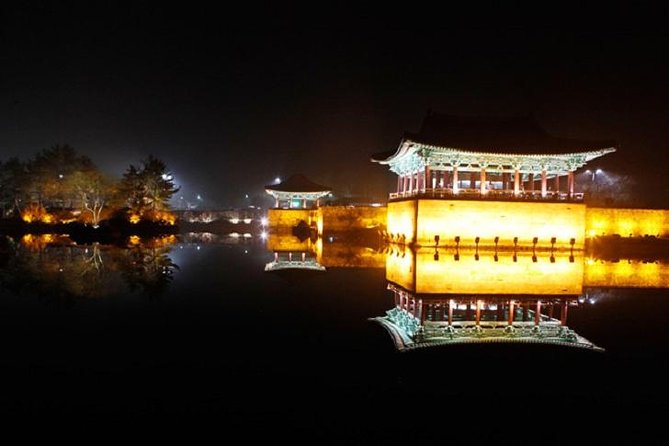
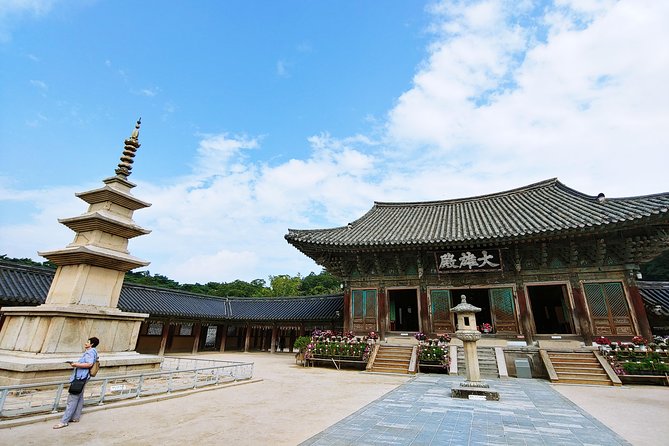
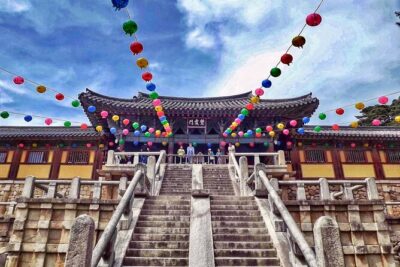
Bulguksa Temple is one of the big UNESCO draws in the region, described as a masterpiece of Buddhist art in the Far East. What I like about starting here is the way it sets the tone for the entire day. You walk into a space shaped by centuries of religious art and ritual, and the guide can frame what you are seeing right away.
You can also catch seasonal changes. In spring, cherry blossoms may be blooming. In autumn, you might see colorful foliage. Even if your trip is outside peak timing, Bulguksa has enough detail that it still feels like a proper first stop rather than just a photo moment.
A note on pace: one review mentioned a moderate amount of walking and steps during the day. Bulguksa tends to involve some uphill movement and stairs, so wear shoes that can handle steps without drama.
Seokguram Grotto: carved faces and a lunch rhythm that keeps you going
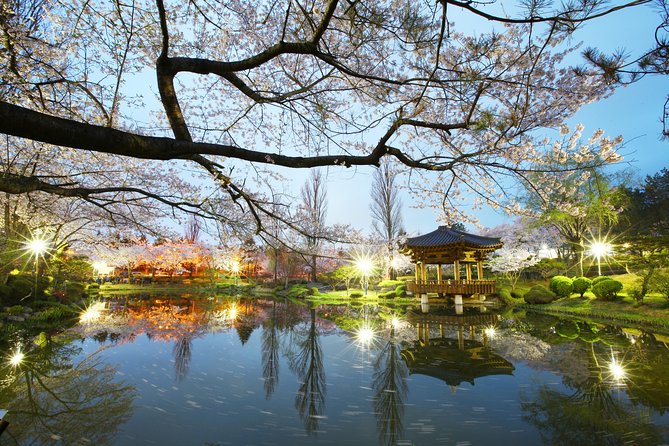
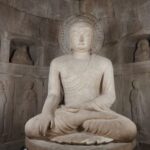
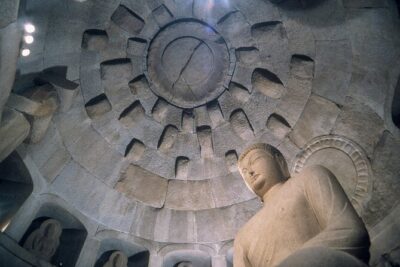
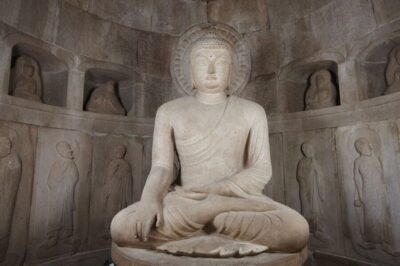
After Bulguksa, the tour moves to Seokguram Grotto. This is where the day leans more “art and symbolism” than “viewpoints.” Inside, you’ll see sculpted figures on the surrounding walls, including devas, bodhisattvas, and disciples.
I like Seokguram because it is specific. You can point at shapes and details, then ask why they look the way they do. A guide makes the difference here, because it is not just a cave with statues. It is part of a broader religious art tradition, and the details connect back to what you saw at Bulguksa.
Lunch is scheduled after Seokguram, with tteokgalbi, grilled short rib patties mentioned in the plan. One line in the tour info says lunch is not included, so you should confirm what is covered when you book. Either way, the tour sets you up so you do not lose time finding lunch yourself, and you get a classic Korean comfort-food stop that fits the day.
Other listed sites we have written up
- Gyeongju: UNESCO Heritage Tour Including Bulguksa Temple
★ 4.8 · 104 reviews - Full day Private Gyeongju UNESCO Heritage Tour : a glimpse into Silla
★ 5.0 · 60 reviews - Private World Heritage Gyeongju Taxi Tour
★ 5.0 · 12 reviews
Shilla Arts and Science Museum: the movie that helps the sites click
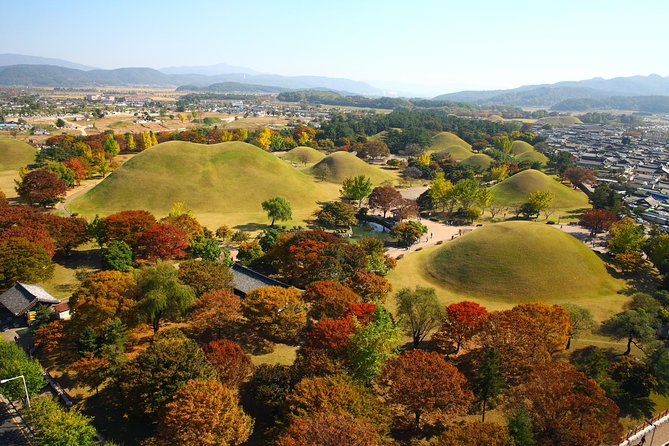
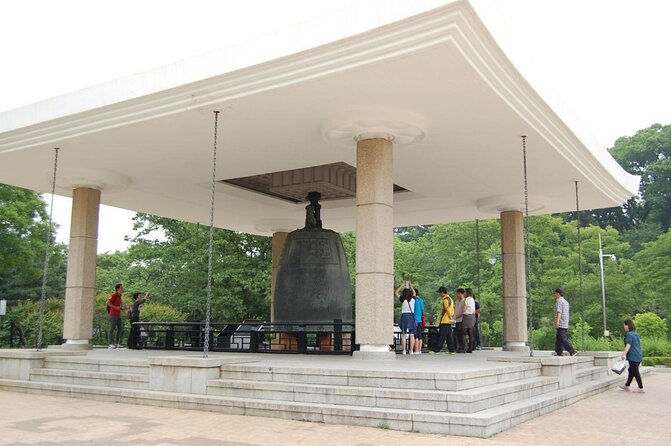
Then you shift gears to the Shilla Arts and Science Museum. The highlight is an animated movie about the thousand-year Silla kingdom. The tour plan also frames it as having value on par with a national treasure of Gyeongju, which tells you the museum is meant to be a key part of the story, not just a break from walking.
I like this kind of stop when you are doing a heritage day. It resets your brain. After temples and carvings, a short cinematic explanation can help you understand the bigger picture: where Silla fits in Korea’s timeline, and why certain kinds of art and science show up where they do.
If you have kids, this museum often plays well because it is a movie format. Even if your group is mostly adults, it can still make the rest of the day easier to interpret.
Daereungwon Tomb Complex and Chemseongdae: royalty plus stargazing
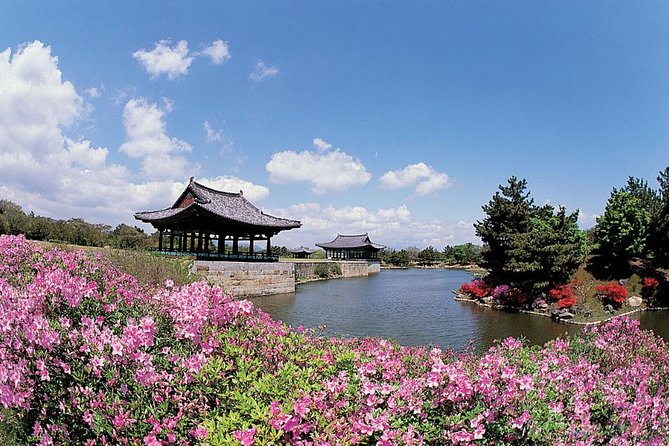
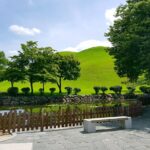
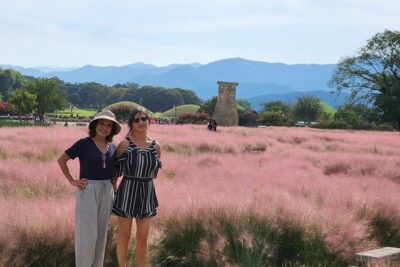
Daereungwon Tomb Complex is your royal stop. Here you see large ancient tombs of kings and nobles of the Silla kingdom. Even if you are not a formal history buff, the scale does something. It communicates power without needing a lecture.
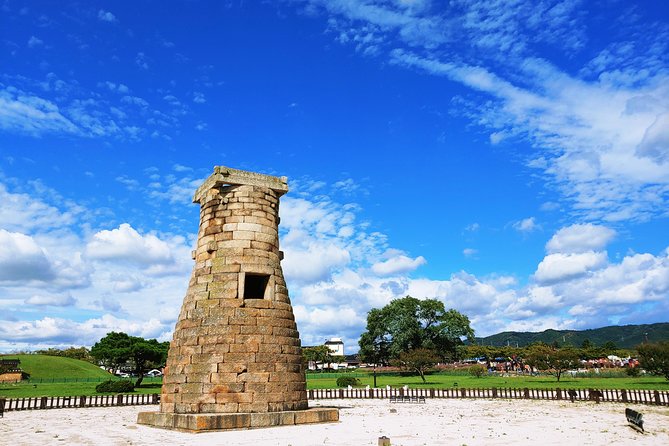
Next to this area is Chemseongdae Observatory, described as the oldest surviving astronomical observatory in Asia. The name is tied to star-gazing. This is a standout combination, tomb power on one side, astronomy on the other. It reminds you Silla was not only building temples. They were also tracking the sky.
This pairing is exactly why I like guided tours. When you do these sites back-to-back on your own, you might miss the logic of why the tour designers paired them. With a guide, you’re more likely to notice connections, like how royal life and astronomy might show up in architecture and planning.
Gyochon Traditional Village and Gyeongju National Museum: hands-on Silla context
After the tombs and observatory, you head toward Gyeongju Gyochon Traditional Village around Chemseongdae. The tour plan notes a mix of old historical buildings and newly built hanok at Gyeongju Gyochon Hanok Village. That mix matters because it gives you an easy way to compare “how it was” with “how it’s being kept.”
One hour is scheduled here. That is enough time to get the feel for the village layout without turning it into a long detour. It is also a good spot for quick photos and a mental break before the museum portion.
Then you go to Gyeongju National Museum, with Shilla relics from a thousand years or so. The tour info lists admission as free, and the stop is also one hour. Museums can be hit-or-miss on tours, but when your day is already full of carvings and tombs, a museum stop is often where everything starts to feel real. You can see artifacts that support what you saw outside.
If your group hates museums, you might feel this section is the least exciting. But even then, museum time can reduce confusion and make the rest of the city feel less like disconnected stops.
Donggung Palace and Wolji Pond (Anapji): end with the famous night-feel
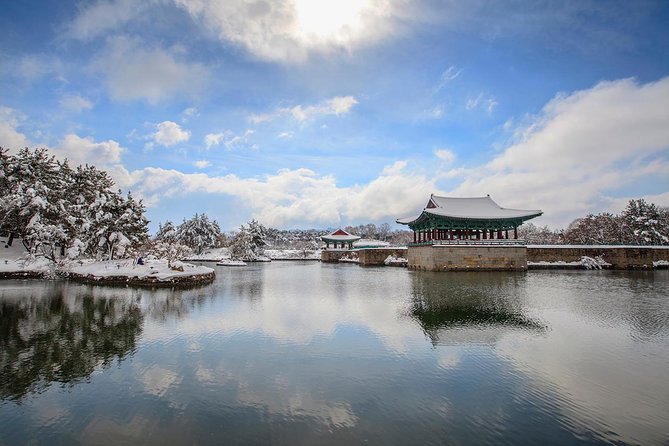
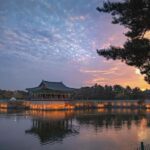
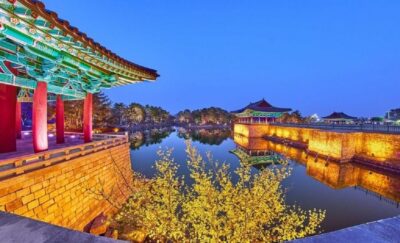
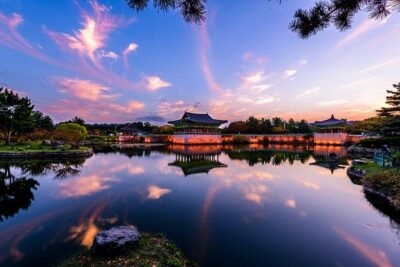
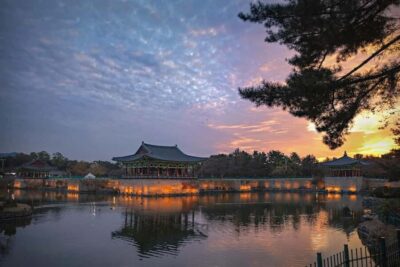
From the tomb complex area, the tour takes you to Donggung Palace and Wolji Pond, also known as Anapji. The tour info points out this place is known for its beautiful nightscape and mentions a sensational feeling.
Even if you are not there at peak night, the pond and palace grounds are designed for evening atmosphere. If your schedule allows, this is the moment to slow down a touch, because you will want time to look across the water and take in the scene rather than just walking through.
This is also where timing can affect your experience. The tour is about 11 hours, and multiple stops run on scheduled entry times. If you are sensitive to fatigue, save your energy for this final scenic stop. It is often the part you remember most clearly later.
Price and value: what $256.42 is buying you
At $256.42 per person for an 11-hour private tour, you are paying for convenience and interpretation, not just transportation. Here’s what you’re getting that usually justifies the price:
- Hotel pickup and drop-off in Gyeongju and Busan
- Air-conditioned vehicle plus bottled water
- Professional guide for the whole day
- Entrance fees included for the planned stops
- Private group format, meaning it is tailored to your pace
- A KTX option from Seoul (for the Seoul route)
Also, this tour includes a small built-in structure: museum movie, tomb complex, hanok village, national museum, and then Anapji. That reduces the cost of indecision. If you plan your own day, you’ll spend time routing, reading, and guessing. With a private guide, you pay to skip that mental overhead.
What to watch is the lunch detail. The schedule mentions tteokgalbi lunch after Seokguram, but the tour notes say lunch is not included. When you book, confirm what meal costs are actually covered. If you need a vegetarian option, tell the operator at booking, since a vegetarian option is available.
There is also one cost-to-expectation mismatch to consider. Some tours list premium perks but end up feeling expensive if the guide spends too little time talking. On this tour, the guides named in past outings were consistently described as friendly and professional, with good English. That is usually a strong sign that the time is being used well.
Practical tips to make this Silla day feel easy
A private heritage day is still a lot of hours. So plan like a realist.
- Wear comfortable shoes. Expect some steps and moderate walking across the day.
- Bring a light layer. Indoors at the museum movie and outdoors at temples can feel different.
- If you care about specific topics, ask the guide early. Past guides, including Mimi and Paul, were praised for being flexible and adapting the day to preferences.
- If you are doing the Seoul KTX option, keep your morning buffer realistic. Trains are fast, but you still need time to meet, move, and get settled.
- If you have kids, the museum movie can be a useful “breather,” and guides were noted as good with families.
One small strategy that works well: after each major site, take one minute to ask yourself what you want to remember. Then ask the guide a question that matches that goal. It turns a long day into a set of connected lessons.
Should you book this private Gyeongju UNESCO Heritage Tour?
I’d book it if you want a focused, guided day that covers the major Silla-related sites in a logical route: Bulguksa, Seokguram, tombs and astronomy, then village and museum, and finally Anapji.
I would think twice if you hate long days, dislike stepping around lots of historical sites, or prefer total freedom over structure. Also double-check the lunch situation at booking, since your schedule includes a tteokgalbi lunch stop but lunch is listed as not included in the pricing notes.
Given the strong rating (4.9) and the repeated praise for guides like Mimi, Wookie, Kevin, Larry, and John, this is the kind of tour where the guide can genuinely shape the quality of your day. If you show up ready to walk, ask questions, and enjoy the Silla story in order, you’ll probably feel like you got far more than a simple sightseeing loop.
FAQ
How long is the Gyeongju UNESCO Heritage private tour?
It runs about 11 hours.
What does the private tour include?
It includes an air-conditioned vehicle, a professional guide, entrance fees for the itinerary, bottled water, and hotel pickup and drop-off in Gyeongju and Busan. A KTX option is included if you choose the Seoul option.
Is lunch included?
Lunch is not listed as included, but the itinerary includes a lunch stop after Seokguram with tteokgalbi. You should confirm what is covered when you book.
Can I request a vegetarian meal?
Yes, a vegetarian option is available. You need to advise at booking.
Are hotel pickup and drop-off included from Seoul?
Hotel pickup and drop-off are included for Gyeongju and Busan. If you choose the Seoul option, the tour can include the KTX bullet train from Seoul.
What UNESCO and major sites are visited?
The tour includes Bulguksa Temple (UNESCO), Seokguram Grotto, the Daereungwon Tomb Complex, Chemseongdae Observatory nearby, Gyeongju Gyochon Traditional Village, Gyeongju National Museum, and Donggung Palace and Wolji Pond (Anapji).
What if the weather is bad?
The experience requires good weather. If it is canceled due to poor weather, you will be offered a different date or a full refund.
More Gyeongju Write-Ups
More Listed Sites in Gyeongju
More Gyeongju, More Silla
Fresh on the Gyeongju pile
- From Busan: Busan & Gyeongju One Day Tour★ 5.0 · 5 reviews
- Busan: 7 Highlights Gyeongju City One Day Tour★ 4.9 · 10 reviews
- Private World Heritage Gyeongju Taxi Tour★ 5.0 · 12 reviews
- Gyeongju: Private Car Charter Taxi Tour★ 5.0 · 37 reviews
- Guided Car Tour in Geyongju with a Local Guide★ 5.0 · 38 reviews
- Full day Private Gyeongju UNESCO Heritage Tour : a glimpse into Silla★ 5.0 · 60 reviews
Gyeongju Heritage Tours you might have missed.
 ★ 4.8Busan: Gyeongju Guided Day Trip to Three Kingdoms CapitalFrom $521,925 reviews
 ★ 4.8From Busan: Gyeongju UNESCO World Heritage Guided Day TourFrom $521,250 reviews
 ★ 5.0Gyeongju UNESCO World Heritage Guided Day Tour from BusanFrom $57660 reviews
 ★ 5.0Old Korea Thousand History Tour of Gyeongju from BusanFrom $64518 reviews
 ★ 5.0Gyeongju UNESCO sites Private tour with licensed tour guideFrom $186275 reviews
 ★ 5.0Private Gyeongju Tour – Explore Gyeongju UNESCO SitesFrom $186272 reviews
 ★ 5.0Busan: Gyeongju UNESCO Legacy Tour with National MuseumFrom $48172 reviews
 ★ 4.8Gyeongju: UNESCO Heritage Tour Including Bulguksa TempleFrom $189104 reviews
Where this tour also appears