
REVIEW · GYEONGJU HERITAGE TOURS
Gyeongju UNESCO sites Private tour with licensed tour guide
Gyeongju reads like a Silla story. I like the private air-conditioned vehicle, which makes temple days painless, and I like the licensed guide’s live narration that turns stones and tombs into real context. One consideration: you are on your feet for multiple stops, and not every site’s ticket is included, so plan for a bit of extra cost and time.
This private tour connects Gyeongju’s major UNESCO sites in one run, usually ranging from 4 to 9 hours depending on the option you choose. You can be picked up from Busan or Gyeongju, and you can typically do round-trip or one-way. The goal is simple: see a lot, without feeling rushed or lost in translation.
If you have limited time, this is an efficient way to get your bearings fast. You also get a small-group feel without sharing the day with strangers, since it’s genuinely private for your group only.
In This Review
- Quick hits before you go
- Why this private Gyeongju UNESCO day feels different
- The ride, the guide, and the schedule you actually want
- Stop 1: Bulguksa Temple, Silla-era stone and wood
- Stop 2: Seokguram Grotto, Buddhist art in the hills
- Stop 3: Daereungwon Tomb Complex and Cheonmachong
- Stop 4: Gyeongju National Museum, where artifacts do the talking
- Cheomseongdae Observatory: a short stop with a scientific twist
- Gyochon Traditional Village and Woljeonggyo Bridge, for the human scale
- Gyochon Traditional Village
- Woljeonggyo Bridge
- Timing, walking, and comfort tips that actually matter
- Price and value, what $186.50 per person gets you
- Who should book this UNESCO day and who might not
- Should you book this Gyeongju UNESCO private tour?
- FAQ
- What is the duration of the private tour in Gyeongju?
- Does the tour include pickup from Busan or Gyeongju?
- What UNESCO sites are included in the itinerary?
- Are entrance fees included?
- Is a meal included during the tour?
- What’s included with the private transportation?
- Is this tour truly private?
- Are service animals allowed?
- Can I cancel for a full refund?
Quick hits before you go
- Bulguksa + Seokguram are grouped on purpose, so you can handle the morning driving and the walking once.
- English or Chinese licensed guides provide live narration, and many families emphasize how well the guide paced the day.
- Museum time counts: the Gyeongju National Museum helps you understand what you are seeing outside.
- Cheomseongdae is short but meaningful, built during Queen Seondeok’s reign and famous for its astronomical legacy.
- Walking is real: you’ll move between sites, and guides can often adjust if your group has mobility needs.
- Not all admissions are included, with some stops listed as free and at least one as not included.
More Silla history around Gyeongju
Why this private Gyeongju UNESCO day feels different
Gyeongju is the kind of place where doing it on your own can work, but only if you already know the Silla timeline. With a private guide, you get what matters, in the order that matters. The vehicle also helps a lot. Even when sites are close on a map, the paths, parking, and slow moving traffic can eat hours. Here, you trade stress for direction.
You’ll also get a real day plan rather than a scattershot list. The itinerary is built around UNESCO sites you’d want to see anyway: Bulguksa Temple, Seokguram Grotto, the royal tomb area at Daereungwon, Gyeongju National Museum, Cheomseongdae Observatory, Gyochon Traditional Village, and Woljeonggyo Bridge. In practice, that means you can ask questions in the car, then see answers on the ground.
One of the best parts of this format is pacing. Several guide names came up in the feedback, including Jino and Joy, who are praised for clear explanations without turning the day into a lecture. Sang and CK are repeatedly noted for tailoring the schedule to the group’s interests, even when families included kids or travelers had mobility concerns.
The ride, the guide, and the schedule you actually want
This tour includes an air-conditioned vehicle, with parking fees and tolls handled. For many people, that’s the “silent upgrade.” You’re not budgeting energy for transit logistics, and you’re not timing everything around buses or taxis.
Your guide is licensed and speaks English or Chinese, and you’ll get live narration while you move. That narration is not just trivia. It usually helps you understand why each place looks the way it does. For example, Buddhist architecture at Bulguksa and Seokguram makes much more sense when you’re told what Silla-era builders were trying to express.
Most people also like that the day is private. That matters for the small moments: taking a photo at the right angle, stepping aside for a better viewpoint, or switching plans when someone needs a short break.
Typical duration is 4 to 9 hours, so you can choose how heavy you want the day to be. In the shorter option, groups have reported focusing on big temple stops such as Bulguksa and Seokguram. In a longer day, you fit in tombs, the museum, and the scenic, historic town stops.
Stop 1: Bulguksa Temple, Silla-era stone and wood
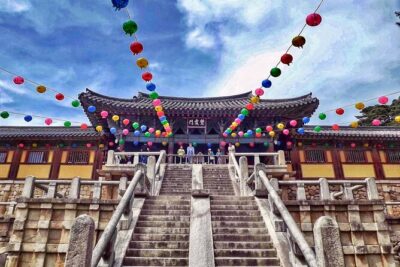
Bulguksa Temple is a UNESCO site tied to Silla-era Buddhist architecture, with origins in the 8th century. Expect a temple day that feels both grand and quiet. The standout is how the site balances stone pagodas with wooden halls, so the visuals are layered rather than just one big postcard view.
With a licensed guide, you’re more likely to notice the details that casual wandering misses. You’ll learn what you’re looking at and why it matters, without feeling like you need to memorize dates before you walk through.
Practical note: even when an individual stop is listed around an hour, the flow of walking, viewing, photos, and short explanations can expand. Wear comfortable shoes and plan for slow, respectful movement inside temple areas.
Admission at Bulguksa is listed as free in the tour details, and that’s a nice bonus for first-time visitors.
Stop 2: Seokguram Grotto, Buddhist art in the hills
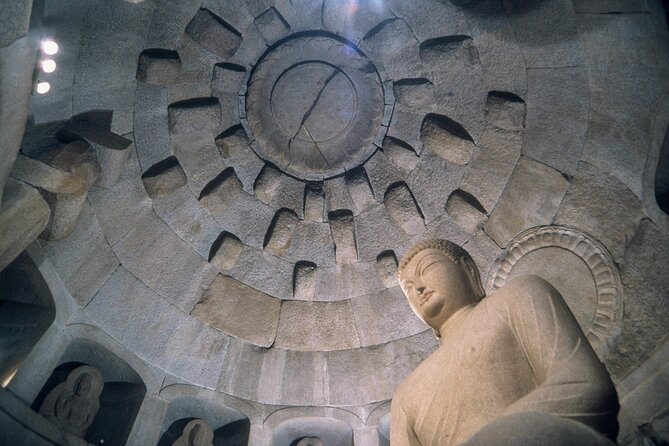
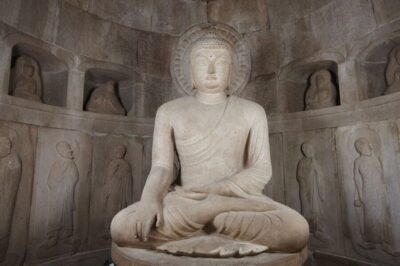
Seokguram Grotto is another UNESCO site near Bulguksa, and the tour positions it as a key companion stop. It’s known for 8th-century Buddhist art and for the fact that it sits up in the mountains. That setting changes the feel. You’re not just visiting a structure, you’re entering a space shaped by its landscape and history.
The time window here is usually around 40 minutes, which is enough to see what’s important without turning it into a rushed checklist. If you care about religious art and how Silla craftsmen worked, this is often one of the emotional highlights of the day.
Admission for Seokguram is listed as free in the tour details, so this is one of the lower-friction stops money-wise.
If you have limited time, getting Seokguram paired with Bulguksa is smart. The drives and logistics are already built into the route.
Other listed sites we have written up
- Gyeongju: UNESCO Heritage Tour Including Bulguksa Temple
★ 4.8 · 104 reviews - Full day Private Gyeongju UNESCO Heritage Tour : a glimpse into Silla
★ 5.0 · 60 reviews - Private World Heritage Gyeongju Taxi Tour
★ 5.0 · 12 reviews
Stop 3: Daereungwon Tomb Complex and Cheonmachong
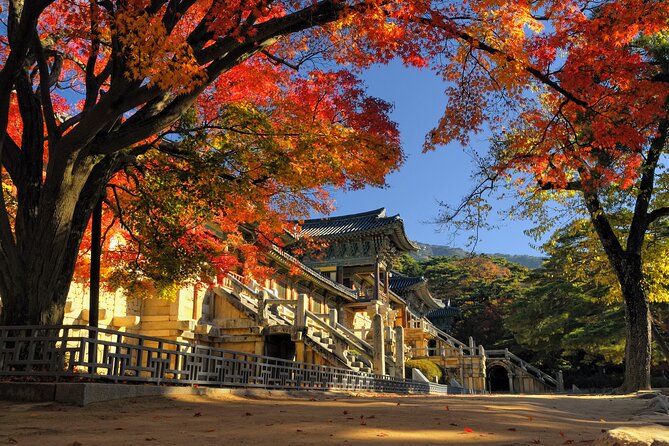
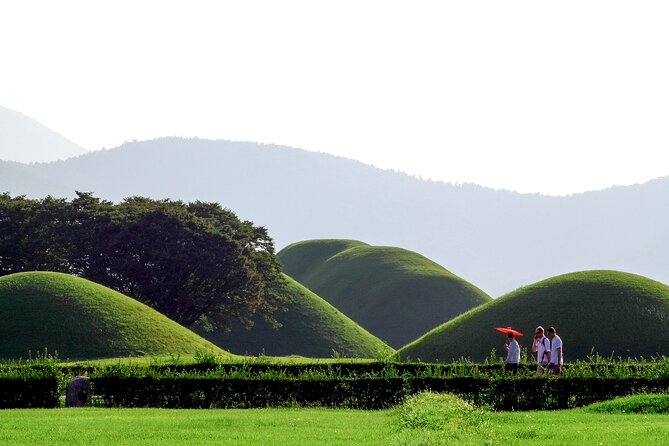
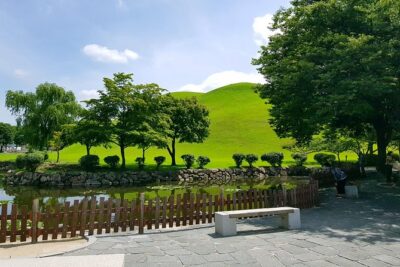
Daereungwon is a UNESCO-linked royal tomb complex with ancient burial mounds from the Silla dynasty. One site inside it is Cheonmachong, often described by its nickname, the Heavenly Horse Tomb. This area is less about ornate buildings and more about what the burial mounds represent and what has been uncovered over time.
Here’s the main consideration: the tour notes that admission here is not included. So even though many other stops are listed as free, this is the one place where you should budget for a ticket cost.
Timing is short, about 40 minutes, so go in with the right expectations. You’re not staying for hours, but you’re getting the meaning of the place, especially why the tombs matter to understanding Silla power and funerary culture.
Guides seem to do well here. People often highlight how guides like Jino, Jake, and Sang explain the significance of the tombs without overwhelming you.
Stop 4: Gyeongju National Museum, where artifacts do the talking
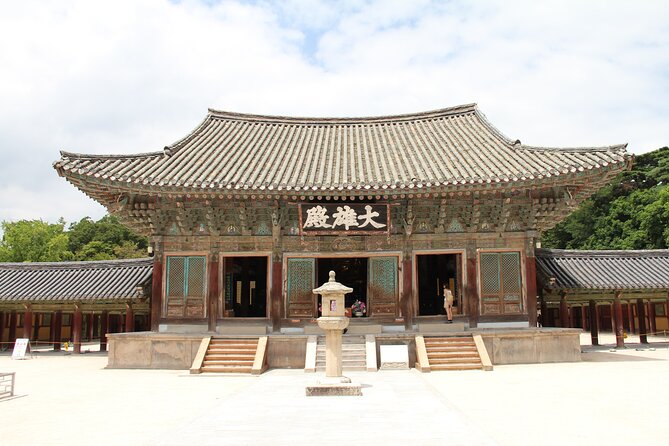
If you’re wondering why a guide tour is worth it, this is a major reason. The Gyeongju National Museum houses over 100,000 artifacts tied to the Silla Kingdom, from 57 BC to 935 AD. The highlights mentioned include the famed Breathtaking Bell and golden crown items from royal tombs.
The museum stop is listed around 40 minutes, and it works best if you focus on a few key objects rather than trying to see everything. With a guide, you can identify what to look for so the time feels “used” instead of wasted.
Admission is listed as free in the tour details, which is a nice value play. Even if you skip museums on smaller trips at home, this one often turns into the explanation point for what you later see outside.
Cheomseongdae Observatory: a short stop with a scientific twist
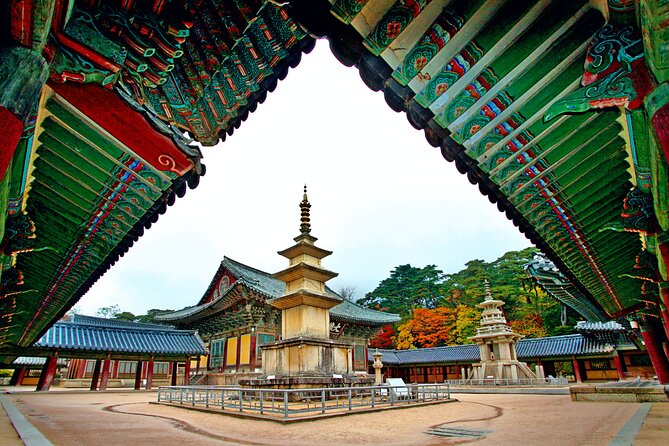
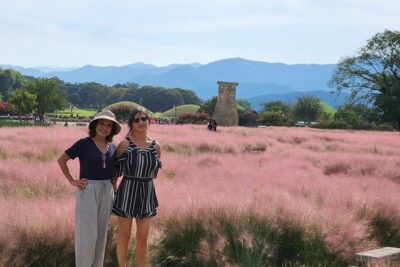
Cheomseongdae Observatory is brief but memorable. It was built during Queen Seondeok’s reign (632 to 647 CE) and is described as the oldest surviving astronomical observatory in Asia. It’s a cylindrical stone tower and is listed as about 9.17 meters tall.
This is the kind of stop that’s easy to walk past if you don’t know what it is. With a guide, you’ll likely learn what makes it unusual: it’s not only a monument, it’s a tool tied to how the Silla period thought about the sky.
In many schedules, this stop fits neatly into the middle or later portion of the day, when you want something shorter after longer temple and tomb walking.
Gyochon Traditional Village and Woljeonggyo Bridge, for the human scale
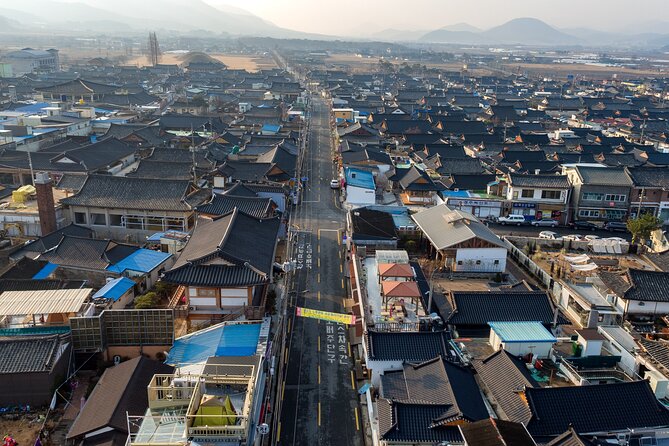
After the big monuments, the itinerary shifts to places that feel more like everyday history.
Gyochon Traditional Village
Gyochon Traditional Village is a look at cultural heritage connected to the Gyeongju Choi clan, including a 12-generation legacy. You’ll see the historic House of the Gyeongju Choi Clan, part of what makes this stop different from a generic street scene. It feels like a living reminder that these were real communities, not just archaeological sites.
Admission is listed as free, and the stop is about 40 minutes. This is a good moment to slow down and take photos.
Woljeonggyo Bridge
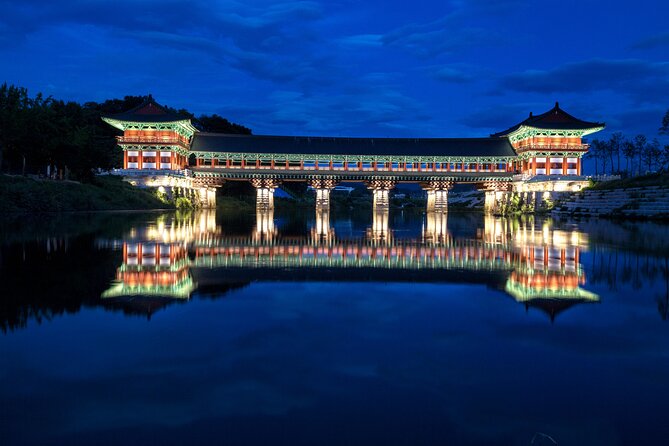
Woljeonggyo Bridge is a reconstructed wooden bridge. The tour notes it was originally built in 760 AD during the Unified Silla period, destroyed later, and rebuilt between 2008 and 2018. It’s short, around 20 minutes, and that helps keep the day from running long.
In practice, this combo works because you go from historic family homes to a simple, scenic viewpoint. It breaks the day up so the UNESCO sites don’t all blur together.
Timing, walking, and comfort tips that actually matter
This tour can be a full-day effort. Even though individual stops have listed durations, the reality is you’ll do repeated walking segments, plus time for explanations and photo breaks.
A key heads-up from the experience data: there can be a lot of walking at most stops. People with mobility needs have reported that guides can recommend ways to limit walking and adjust pacing. If you have elderly adults or someone using a stroller, it’s smart to mention it up front, so your guide can plan the least painful path.
Comfort tips:
- Wear shoes you can walk in for uneven outdoor surfaces.
- Bring a light layer. Temples and outdoor stops can feel cooler than you expect.
- Plan for lunch since meals are not included. A good guide often suggests places that match your schedule, and multiple groups mention getting strong restaurant recommendations.
- If you’re traveling with young kids, ask about car seats in advance. One family reported that an infant car seat and a light strap car seat were provided, but you should treat that as something to confirm rather than assume.
Price and value, what $186.50 per person gets you
At $186.50 per person, this is not a budget excursion. But it also isn’t just “a taxi to temples.” You’re paying for a licensed guide, private transport, and the structure to visit multiple UNESCO sites in one day without turning your vacation into a logistics project.
Here’s where the value shows:
- Licensed guide with live narration. This is the big difference between seeing places and understanding them.
- Private AC vehicle. Long drives between sites add up fast when it’s DIY.
- Parking fees and tolls included. That’s one less thing to manage.
- Several stops listed as free like Bulguksa Temple, Seokguram, and Gyeongju National Museum. Your money stays mostly focused on what’s not free, like potential paid admissions at Daereungwon.
What to budget beyond the tour price: entrance fees where not included, and lunch since meals aren’t included. If you’re traveling as a family, your best value comes from splitting the cost across adults, since the vehicle and guide are private.
Who should book this UNESCO day and who might not
This tour is a strong fit if:
- You want multiple UNESCO sites without switching transportation or hunting tickets.
- You care about context, not just photos.
- Your group benefits from pace control, like families, mixed ages, or travelers with mobility limits.
It may be less ideal if:
- You dislike structured sightseeing and want total freedom with no stops planned.
- You want to spend the day mostly at one or two sites. In that case, a shorter self-guided setup might feel less tiring.
If you’re deciding between a half-day and a full day, pick based on how much walking you can handle. The 4-hour option often concentrates on key temple stops, while longer options layer in tombs, museum time, and the town bridges and villages.
Should you book this Gyeongju UNESCO private tour?
I’d book it if you want a high-effort day that stays organized. The combination of private transport, a licensed guide, and UNESCO clustering is exactly what turns Gyeongju from a list into a story.
Book it confidently if:
- You’re coming from Busan or Gyeongju and want convenient pickup.
- You want explanation for Bulguksa, Seokguram, Daereungwon, and the museum, not just “be here at this time.”
- You’re traveling as a group that values flexibility, since guides like Joy and Sang are repeatedly praised for adjusting the day to match interests and needs.
Skip it, or consider a lighter plan, if you want minimal walking or you’re sensitive to a day that runs long.
FAQ
What is the duration of the private tour in Gyeongju?
The tour duration is listed as approximately 4 to 9 hours, depending on the option you choose.
Does the tour include pickup from Busan or Gyeongju?
Yes. The experience offers pickup, and it’s described as departing from Busan or Gyeongju.
What UNESCO sites are included in the itinerary?
The stops listed include Bulguksa Temple, Seokguram, Daereungwon Tomb Complex, Gyeongju National Museum, Cheomseongdae Observatory, Gyeongju Gyochon Traditional Village, and Woljeonggyo Bridge.
Are entrance fees included?
Entrance fees are listed as not included. However, the tour details also show some stops with free admission (such as Bulguksa Temple, Seokguram, and Gyeongju National Museum), while others like Daereungwon Tomb Complex are marked as not included.
Is a meal included during the tour?
No. Meal is listed as not included.
What’s included with the private transportation?
Included items are an air-conditioned vehicle, private transportation, parking fees and tolls, and an English or Chinese speaking licensed tour guide.
Is this tour truly private?
Yes. It is described as private, meaning only your group participates.
Are service animals allowed?
Yes. Service animals are allowed.
Can I cancel for a full refund?
Yes. You can cancel for a full refund if you cancel up to 24 hours in advance. If you cancel less than 24 hours before the experience starts, the amount paid is not refunded.
More Gyeongju Write-Ups
More Listed Sites in Gyeongju
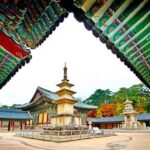
More Gyeongju, More Silla
Fresh on the Gyeongju pile
- From Busan: Busan & Gyeongju One Day Tour★ 5.0 · 5 reviews
- Busan: 7 Highlights Gyeongju City One Day Tour★ 4.9 · 10 reviews
- Private World Heritage Gyeongju Taxi Tour★ 5.0 · 12 reviews
- Gyeongju: Private Car Charter Taxi Tour★ 5.0 · 37 reviews
- Guided Car Tour in Geyongju with a Local Guide★ 5.0 · 38 reviews
- Full day Private Gyeongju UNESCO Heritage Tour : a glimpse into Silla★ 5.0 · 60 reviews
Gyeongju Heritage Tours you might have missed.
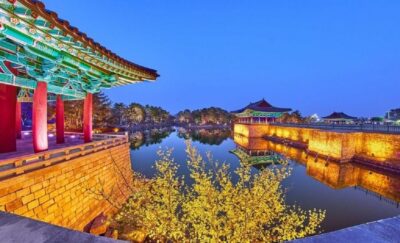 ★ 4.8Busan: Gyeongju Guided Day Trip to Three Kingdoms CapitalFrom $521,925 reviews
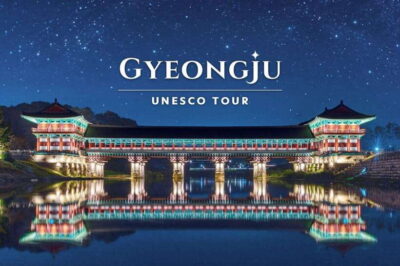 ★ 4.8From Busan: Gyeongju UNESCO World Heritage Guided Day TourFrom $521,250 reviews
 ★ 5.0Gyeongju UNESCO World Heritage Guided Day Tour from BusanFrom $57660 reviews
 ★ 5.0Old Korea Thousand History Tour of Gyeongju from BusanFrom $64518 reviews
 ★ 5.0Private Gyeongju Tour – Explore Gyeongju UNESCO SitesFrom $186272 reviews
 ★ 5.0Busan: Gyeongju UNESCO Legacy Tour with National MuseumFrom $48172 reviews
 ★ 4.8Gyeongju: UNESCO Heritage Tour Including Bulguksa TempleFrom $189104 reviews
 ★ 5.0Gyeongju UNESCO World Heritage Sites and History Full-Day Tour with LunchFrom $189104 reviews
Where this tour also appears