
REVIEW · GYEONGJU HERITAGE TOURS
Gyeongju: UNESCO Heritage Tour Including Bulguksa Temple
Gyeongju is Korea history, made walkable. This full-day UNESCO heritage tour packs major Silla-era sights into one smooth route, with guided stops at Bulguksa Temple and Seokguram Grotto. I especially like how the itinerary balances grand monuments with quieter moments, and how the guide connects what you see to what it meant. One thing to consider: it is a fast-paced day, and if you start feeling rushed, you may have less wiggle room for lingering at the final stops.
You’ll start with convenient pickup from Busan or Gyeongju in an air-conditioned van, then move through Gyeongju’s signature mix of royal tombs, early science, and Buddhist masterpieces. I like that lunch and entrance fees are included, so you are not hunting for tickets or trying to map your own route across spread-out sites. Still, since the tour is built for an 8-hour window, you should plan on shorter guided stays and steady travel time between locations.
In This Review
- Key Highlights Worth Centering Your Day
- Gyeongju Feels Like a Museum Without Walls
- Pickup by Busan or Gyeongju, Then a Comfort First Van
- Gyochon Village and the Hanok Life You Can Still Walk Through
- Daereungwon Tomb Complex: Royal Scale in Grassy Mounds
- Cheomseongdae Observatory, Stone Science From Queen Seondeok
- Bulguksa Temple: Stone Bridges, Quiet Courtyards, and Two Pagodas
- Seokguram Grotto: The Granite Buddha and Carved Guardians
- Wolji Pond and Donggung Palace Site at Dusk
- Lunch and Bottled Water, Small Things That Make a Long Day Easier
- Timing Reality Check, When the Day Feels Fast
- Price and Value: Is $189 Worth It?
- Who This Tour Suits Best
- Should You Book This UNESCO Gyeongju Day Trip?
- FAQ
- How long is the Gyeongju UNESCO tour?
- Where is pickup available?
- What are the main stops on the itinerary?
- Is lunch included?
- Are entrance fees included?
- Is the guide available in English?
- Is transportation included?
- Is this tour private or shared?
- Is free cancellation available?
- Is there a pay later option?
Key Highlights Worth Centering Your Day
- Bulguksa Temple UNESCO site, with the stone pagodas Dabotap and Seokgatap plus classic temple bridges
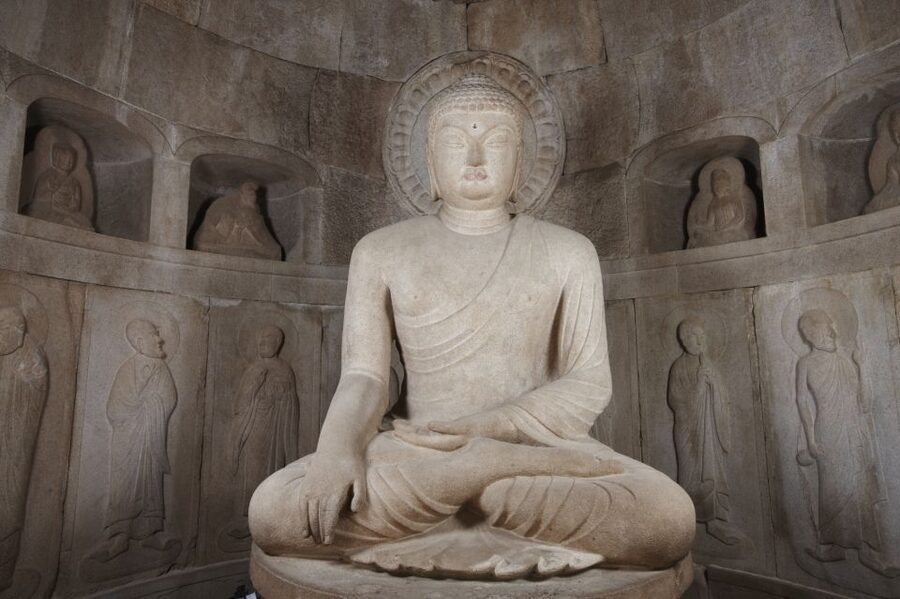
- Seokguram Grotto, featuring a granite Buddha statue and carved guardian figures
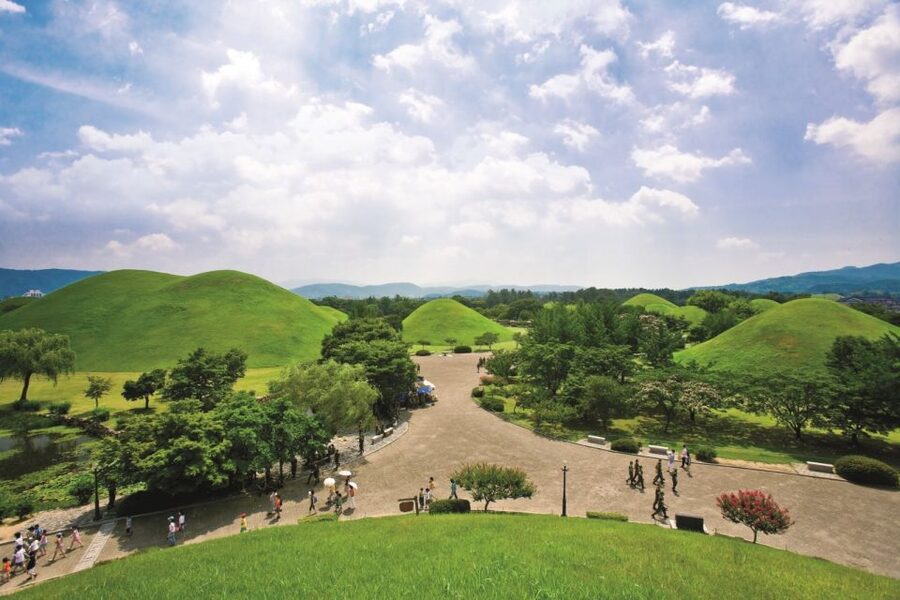
- Daereungwon Tomb Complex, including Cheonmachong (ancient horse painting find) and Hwangnamdaechong
- Cheomseongdae, the oldest existing astronomical observatory in Asia, linked to Queen Seondeok
- Wolji Pond at dusk, a palace-garden setting tied to King Munmu’s reign
- Gyochon Village hanok streets, with a stop at the House of the Gyeongju Choi Clan and local beopju when available
More Silla history around Gyeongju
Gyeongju Feels Like a Museum Without Walls
Gyeongju earns its nickname, museum without walls. You are not just looking at one landmark, you’re moving through layers of Silla culture where royal tombs, stone architecture, and temple art sit in the same day.
The tour’s real value is that it gives you a guided storyline across the city. Instead of bouncing between unrelated places, you get a sequence that makes the Silla era easier to hold in your head: where power was buried, where science was built, and where Buddhist faith shaped the built environment.
You’ll also see that nature is part of the design. Even the tomb grounds are grassy mounds across open space, so you get scale and breathing room rather than feeling trapped in a closed museum.
Pickup by Busan or Gyeongju, Then a Comfort First Van
This is the kind of day trip that starts working for you before you even leave. Pickup is included from your hotel or any chosen location in Busan or Gyeongju, and you travel in an air-conditioned van with a guide.
That matters because Gyeongju’s best-known sites are not all in one corner. You are going from village alleys to temple compounds to hilltop grotto terrain. In practice, comfortable transport means you arrive ready to look, not just ready to recover.
One more practical perk: the guide is English-speaking, and the tour is set up for private or small groups when that option is available. On days with crowds, a smaller group can feel like you move smarter rather than simply faster.
Gyochon Village and the Hanok Life You Can Still Walk Through
Gyochon Village is your first culture hit, a traditional hanok village that keeps the feel of historic Korean architecture. You start with the House of the Gyeongju Choi Clan, which helps you understand that these weren’t just “pretty houses,” they were family compounds built to carry status and daily life.
After that, you wander peaceful alleys at a walking pace. It’s a nice tempo change after the drive, and it helps you reset before larger monuments. If you like architecture, courtyard space, and old neighborhood rhythm, this stop is worth paying attention to.
There is also a food angle when available: Gyeongju Gyodong Beopju is a traditional liquor unique to the region. It’s not always on the menu during every run, so keep expectations flexible, but it’s a memorable way to experience place beyond scenery.
Daereungwon Tomb Complex: Royal Scale in Grassy Mounds
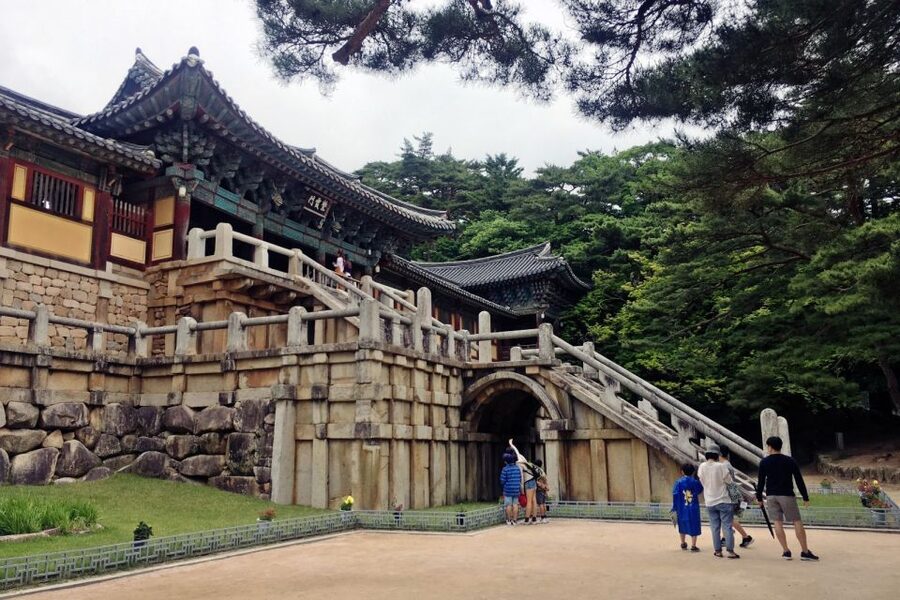
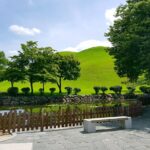
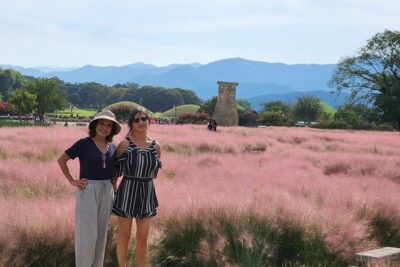
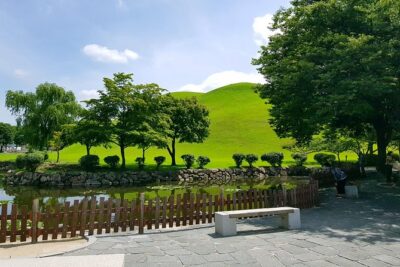
Then you get to the Silla power symbol that is not flashy, it is monumental. Daereungwon Tomb Complex is a field of burial mounds where grassy hills spread out across the landscape, and you follow guided highlights rather than trying to figure everything out on your own.
Two names you will hear and remember are Cheonmachong and Hwangnamdaechong. Cheonmachong is noted because the famous ancient horse painting was found there. Hwangnamdaechong is described as one of the largest and most elegant tombs from the era.
I like this stop because it teaches you how to look. You’re not just taking photos of mounds, you’re learning why certain tombs matter and how the site feels as a whole. And since the setting is outdoors, you also see the way the monuments “fit” into the area instead of dominating it like a theme park prop.
- Gyeongju: Private Car Tour with a Licensed Tour Guide
★ 5.0 · 85 reviews - Full day Private Gyeongju UNESCO Heritage Tour : a glimpse into Silla
★ 5.0 · 60 reviews - Guided Car Tour in Geyongju with a Local Guide
★ 5.0 · 38 reviews - Gyeongju: Private Car Charter Taxi Tour
★ 5.0 · 37 reviews - Private World Heritage Gyeongju Taxi Tour
★ 5.0 · 12 reviews
Cheomseongdae Observatory, Stone Science From Queen Seondeok
Next up is Cheomseongdae, the oldest existing astronomical observatory in Asia. Even if you do not geek out on ancient astronomy, the structure is hard to ignore: a stone tower with a distinct shape that still reads as an instrument, not just a monument.
The tour ties this site to Queen Seondeok, which helps you place it historically rather than treating it as an isolated object. You get that satisfying moment where history becomes practical. People in this era built complex structures, and they invested in observation enough to leave something still standing.
Your guided time here is shorter than the temples, so treat Cheomseongdae like a focused visit. Look closely at the tower, listen for how the guide explains its purpose, then use the remaining energy for the heavier spiritual sites next.
Bulguksa Temple: Stone Bridges, Quiet Courtyards, and Two Pagodas
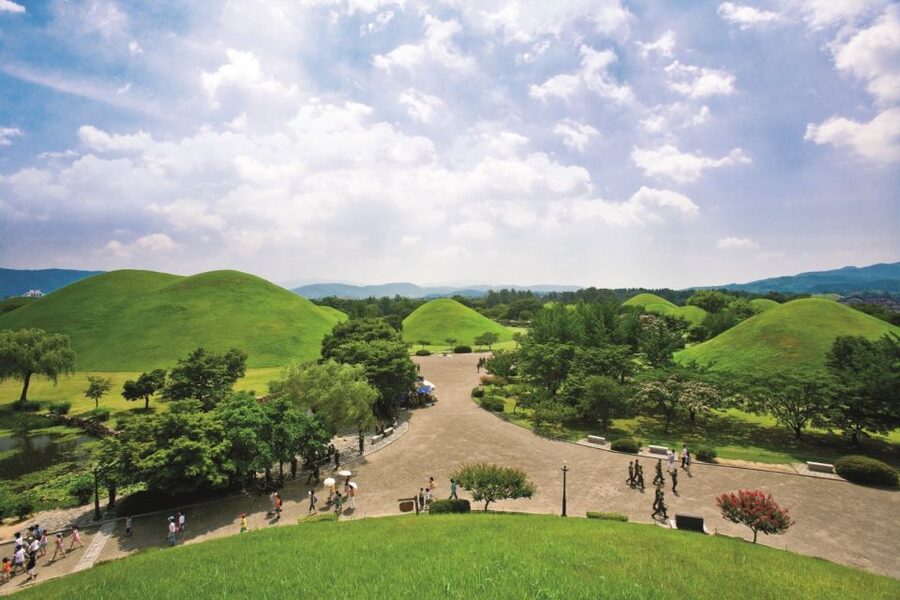
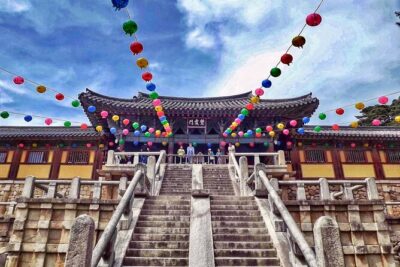
Bulguksa Temple is the centerpiece for a reason. It is celebrated as a UNESCO World Heritage Site for both architectural beauty and spiritual importance, and the tour gives you the right sequence to understand it.
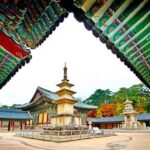
You’ll explore ancient stone bridges and quiet courtyards, then focus on the temple’s famous pagodas: Dabotap and Seokgatap. These are the kinds of structures that make you stop because they look like they have personality. Even at a walking pace, you get multiple angles that show different details.
What I appreciate about Bulguksa in a guided setting is that it slows you down without turning it into a lecture. The guide’s storytelling gives you context as you move through the compounds, so the site feels like a living tradition rather than a checklist item.
Also, this is a place where you can benefit from a calmer mind. If you’re the type who enjoys quiet spaces, you will likely find the surroundings make the architecture hit harder.
Seokguram Grotto: The Granite Buddha and Carved Guardians
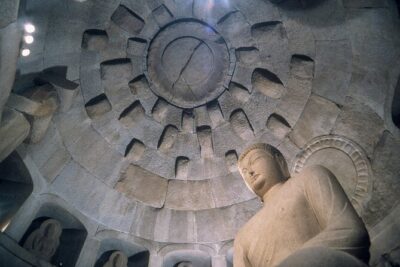
Seokguram Grotto is one of the most memorable stops on the day. You travel up Tohamsan Mountain to reach it, and then you get the defining image: a stunning granite Buddha statue surrounded by intricately carved guardians.
This stop works because the art is specific. You are not left with a generic “temple art” feeling. You see the main statue, and then your eyes get guided to the surrounding guardians, which helps you understand how the design is meant to frame the central figure.
I also like how this fits the UNESCO theme. It shows Buddhist art and engineering together, and you get a sense that “craft” mattered as much as devotion. If you are traveling with limited time, this is the kind of cultural site that justifies your day trip.
One practical tip: during cooler months, you may feel the temperature difference as you move up the mountain. Wear layers so you can settle into the grotto without feeling uncomfortable.
Wolji Pond and Donggung Palace Site at Dusk
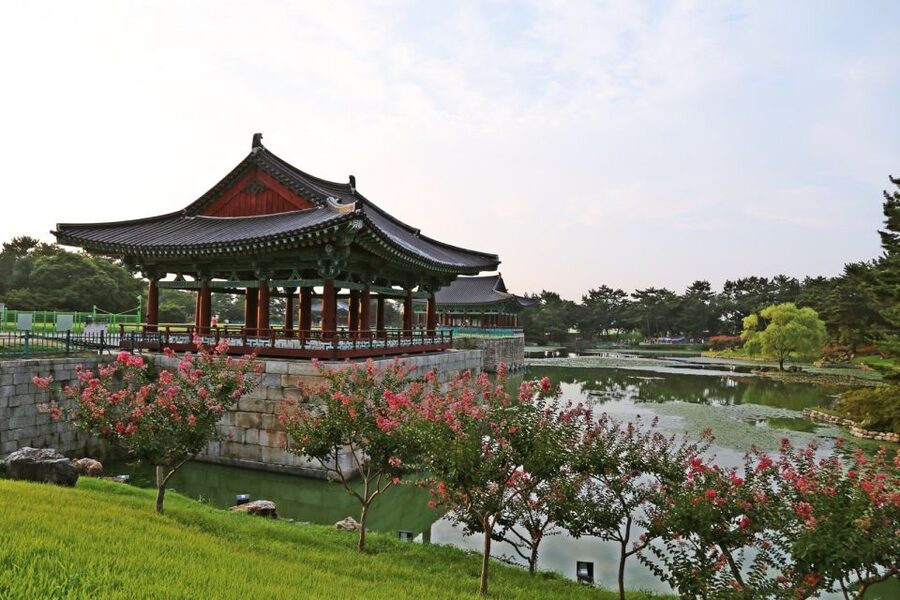
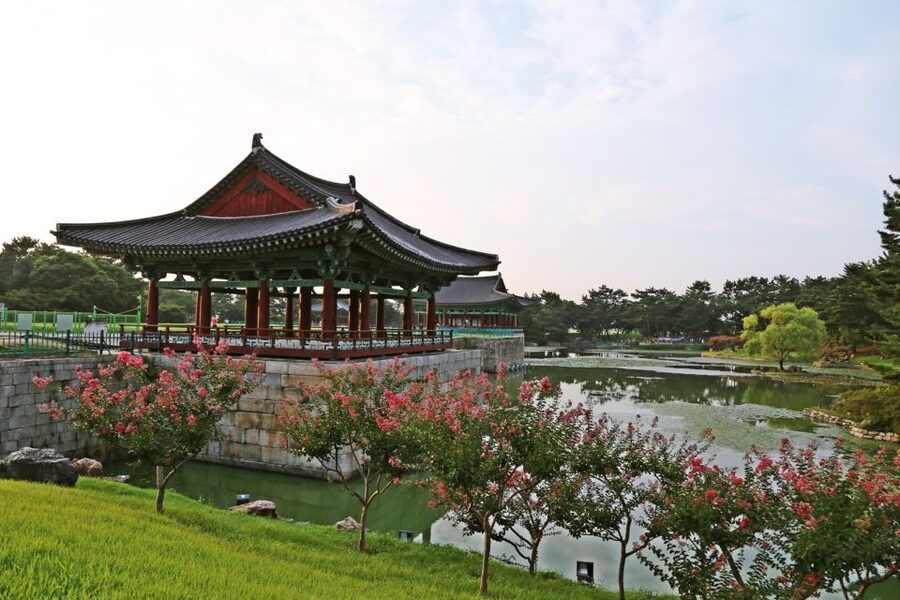
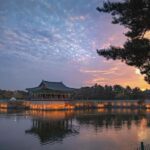
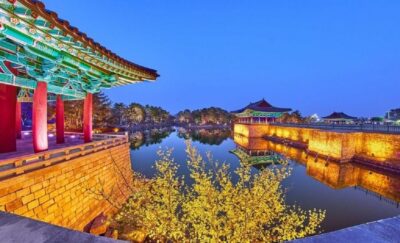
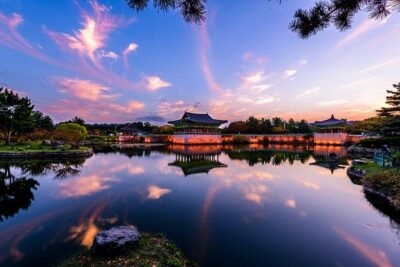
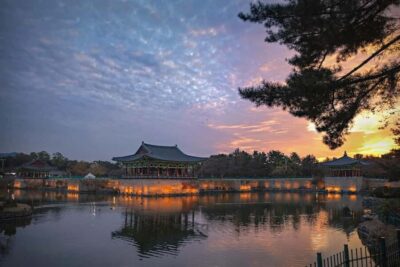
You end with the kind of scenery that makes the whole day click. Wolji Pond is the Donggung Palace Site, a palace garden built during King Munmu’s reign. The calm water reflects pavilions and trees, and the tour sets you up to see it at its best, especially around dusk.
This stop is not about UNESCO labels, it is about atmosphere. After temples, tombs, and stone monuments, the pond gives you a reset and a chance to breathe. It’s also a good time to take photos without the pressure of trying to race to the next location.
If your energy is running low, you’ll still feel rewarded here. You get a scenic landing pad that feels like a reward for surviving the packed schedule.
Lunch and Bottled Water, Small Things That Make a Long Day Easier
Lunch is included, and it’s not treated like an afterthought. In the experience notes I’m drawing on, people called it delicious and satisfying, including mentions of learning to eat bibimbap the right way in at least one tour day.
Bottled water is also part of the package, which matters in South Korea for long walking days and steady travel. This is the kind of “boring” inclusion that keeps you from spending your limited time searching for a shop or worrying about hydration.
Timing Reality Check, When the Day Feels Fast
This itinerary is designed for a full 8 hours, and that means it moves. The guided time at each stop is set, so you are usually not in complete control of pacing.
In some tour days, the schedule can feel tight if you start later or hit heavy crowd conditions. I suggest you do two things to keep the day enjoyable:
1) Come prepared for “guided first, explore second.” If you want extra time for photos or slow wandering, save that energy for Wolji Pond where you’ll naturally slow down.
2) Keep your expectations aligned with “major stops done well,” not “everything in Gyeongju done perfectly.”
If your goal is one strong UNESCO day trip rather than a deep multi-day immersion, this structure works. If you are the type who wants long independent time at every monument, you may feel the difference.
Price and Value: Is $189 Worth It?
At $189 per person for an 8-hour day, the value depends on what you would otherwise pay and how much stress you want to avoid.
This price includes hotel pickup and drop-off in Busan or Gyeongju, an English live tour guide, an air-conditioned van, lunch, bottled water, and all entrance fees. You are also getting a guided route that ties the sites together, which is hard to replicate without spending time on planning.
I think the strongest value is the friction you remove. Without this setup, you’d likely spend time figuring out tickets, timing, and transportation between sites that are not all close together. With this tour, you trade that planning work for a guided day that hits major UNESCO anchors.
The transport quality is also a big factor. The tour notes a very high satisfaction rate for transport, with 96% of reviewers giving it a perfect score. On a day with multiple transfers, that kind of reliability is not a small detail.
One caution on price value: there can be a difference depending on whether you depart from Busan or Gyeongju. If you are close to Gyeongju already, it may be worth comparing alternatives so you feel good about the total.
Who This Tour Suits Best
This is a great fit if you want a single day that covers the biggest UNESCO hitters in and around Gyeongju without turning your schedule into an unpaid job.
It’s especially good for:
- First-timers who need a clear storyline across the Silla era
- People who dislike navigating multi-site travel on tight time
- Travelers who care about both famous sights and the meaning behind them
- Anyone who appreciates a guide who keeps the day moving, even with crowds
If you are traveling with mobility constraints, this tour might require extra thought because you will be walking through villages and sites and traveling up to the grotto on a mountain route. The itinerary is doable for many visitors, but it is still a full day with multiple outdoor stops.
Should You Book This UNESCO Gyeongju Day Trip?
If your priority is UNESCO depth in one day, I think you should book this. The combination of Bulguksa, Seokguram, and Cheomseongdae gives you three major anchors of Silla culture, then you round it out with tomb history and a calm dusk finale at Wolji Pond.
Where it may not be ideal is if you want lots of free time at every stop or you hate fast pacing. In that case, consider a longer stay in Gyeongju so you can linger.
My practical takeaway: book it if you want less logistics and more guided looking. It is the kind of tour where the structure does real work for you.
FAQ
How long is the Gyeongju UNESCO tour?
The tour duration is 8 hours.
Where is pickup available?
Pickup is included from Busan or Gyeongju, with pickup from your hotel or any chosen location.
What are the main stops on the itinerary?
You visit Gyochon Village, Daereungwon Tomb Complex, Cheomseongdae, Bulguksa Temple, Seokguram Grotto, and Donggung Palace Site and Wolji Pond.
Is lunch included?
Yes, lunch is included.
Are entrance fees included?
Yes, all entrance fees are included.
Is the guide available in English?
Yes, the live tour guide is English.
Is transportation included?
Yes, you travel by air-conditioned van with hotel pickup and drop-off included. Transport quality is highly rated.
Is this tour private or shared?
Private or small groups are available.
Is free cancellation available?
Free cancellation is available up to 24 hours in advance for a full refund.
Is there a pay later option?
Yes, you can reserve now and pay later.
More Listed Sites in Gyeongju
More Gyeongju, More Silla
Fresh on the Gyeongju pile
- From Busan: Busan & Gyeongju One Day Tour★ 5.0 · 5 reviews
- Busan: 7 Highlights Gyeongju City One Day Tour★ 4.9 · 10 reviews
- Private World Heritage Gyeongju Taxi Tour★ 5.0 · 12 reviews
- Gyeongju: Private Car Charter Taxi Tour★ 5.0 · 37 reviews
- Guided Car Tour in Geyongju with a Local Guide★ 5.0 · 38 reviews
- Full day Private Gyeongju UNESCO Heritage Tour : a glimpse into Silla★ 5.0 · 60 reviews
Gyeongju Heritage Tours you might have missed.
 ★ 4.8Busan: Gyeongju Guided Day Trip to Three Kingdoms CapitalFrom $521,925 reviews
 ★ 4.8From Busan: Gyeongju UNESCO World Heritage Guided Day TourFrom $521,250 reviews
 ★ 5.0Gyeongju UNESCO World Heritage Guided Day Tour from BusanFrom $57660 reviews
 ★ 5.0Old Korea Thousand History Tour of Gyeongju from BusanFrom $64518 reviews
 ★ 5.0Gyeongju UNESCO sites Private tour with licensed tour guideFrom $186275 reviews
 ★ 5.0Private Gyeongju Tour – Explore Gyeongju UNESCO SitesFrom $186272 reviews
 ★ 5.0Busan: Gyeongju UNESCO Legacy Tour with National MuseumFrom $48172 reviews
 ★ 5.0Gyeongju UNESCO World Heritage Sites and History Full-Day Tour with LunchFrom $189104 reviews
Where this tour also appears