
REVIEW · BUSAN TOURS
Busan: Gyeongju UNESCO Legacy Tour with National Museum
A Silla-era day trip from Busan, well paced. This full-day tour strings together some of Korea’s most meaningful UNESCO stops, from a quiet 400-year-old bamboo grove to classic Silla architecture at Bulguksa Temple. You also get a guided look at relics and everyday-life history in Gyeongju, ending with a scenic bridge moment.
Two things I like a lot are the comfortable pick-up and drop-off in central Busan and the way the day stays calm even while it packs in major sites. Guides such as Kang and Yaho are repeatedly praised for clear English and story-focused explanations that make each location feel easier to understand.
The main thing to consider is that it is a long 12-hour day, and some choices are seasonal or optional, like whether you enter Ahopsan Forest or visit the museum versus tomb complex. Also, lunch and certain admissions are not included, so you will want a little extra cash or card.
In This Review
- Key Tour Highlights You Should Know
- Getting Out of Busan On Time: Pickup Points and a Calm 12-Hour Flow
- Ahopsan Bamboo Forest or Dalmaji Hill: Picking Your Spring Scenery
- Dalmaji-gil Road Stops: A Slow Stroll Between Big Icons
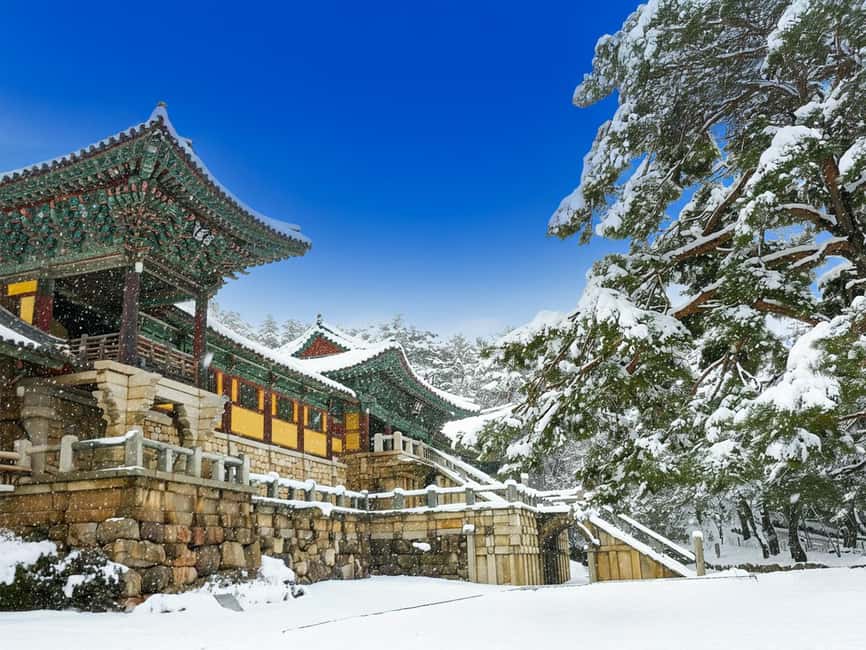
- Bulguksa Temple: UNESCO Silla Architecture You Can Actually Appreciate
- Hanok Village and Choe Jun’s House: Past Daily Life, Not Just Props
- Museum or Daereungwon Tomb Complex in Blossom Season: Choose What Fits Your Mood
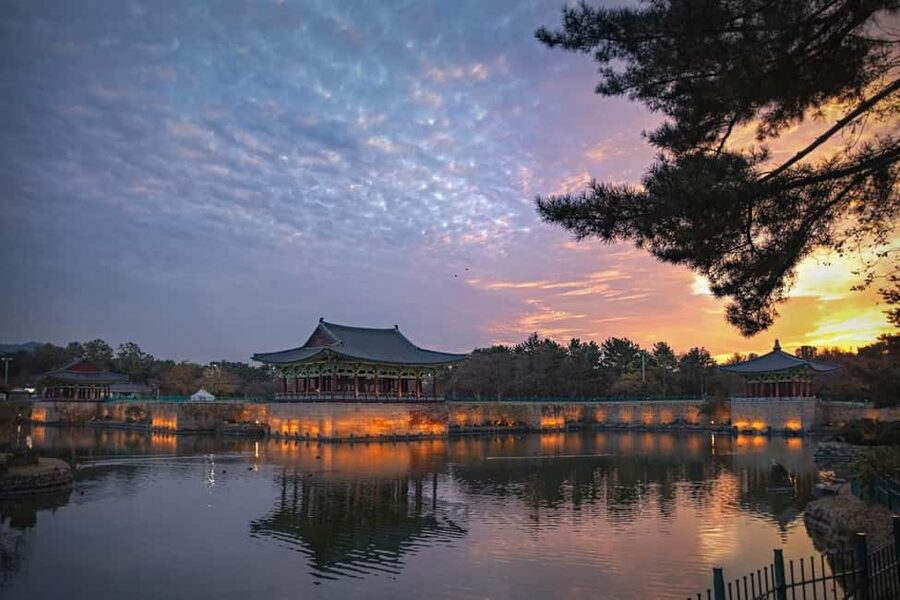
- Donggung Palace and Wolji Pond: Short Visit, Big Photo Potential
- Woljeong Bridge at the End: Sunset-Friendly Finale You Will Feel
- Price and Value at About $48: What You Pay For, What You Don’t
- Small Group Energy and Guide Quality: The Real Difference
- Who This Tour Is Best For (And Who Might Want Another Plan)
- Should You Book This UNESCO Legacy Day Trip?
- FAQ
- What is the duration of the Busan to Gyeongju UNESCO Legacy Tour?
- How much does the tour cost?
- Where are the pick-up locations in Busan?
- What drop-off locations are available after the tour?
- Is lunch included in the tour price?
- Is admission included for Ahopsan Forest and Donggung Palace and Wolji Pond?
- Does the tour include a guided component?
- What happens during cherry blossom season?
- Can I swap the museum visit for Donggung Palace and Wolji Pond?
- What is the cancellation policy and contact method?
Key Tour Highlights You Should Know
- UNESCO focus with real context, especially around Bulguksa Temple and Silla-era culture
- Central Busan pick-up options (Busan Station, Seomyeon, Haeundae) that reduce hassle
- Ahopsan Bamboo Forest timing gives you a peaceful start, not a rushed sprint
- Spring cherry blossom flexibility between Ahopsan Forest, Dalmaji Hill, and Daereungwon
- Guides get high marks for English and humor, with named favorites like Kang, Yaho, DK, and Chris
- A scenic end at Woljeong Bridge that works well for photos and relaxed closing time
Other Busan days worth comparing
Getting Out of Busan On Time: Pickup Points and a Calm 12-Hour Flow
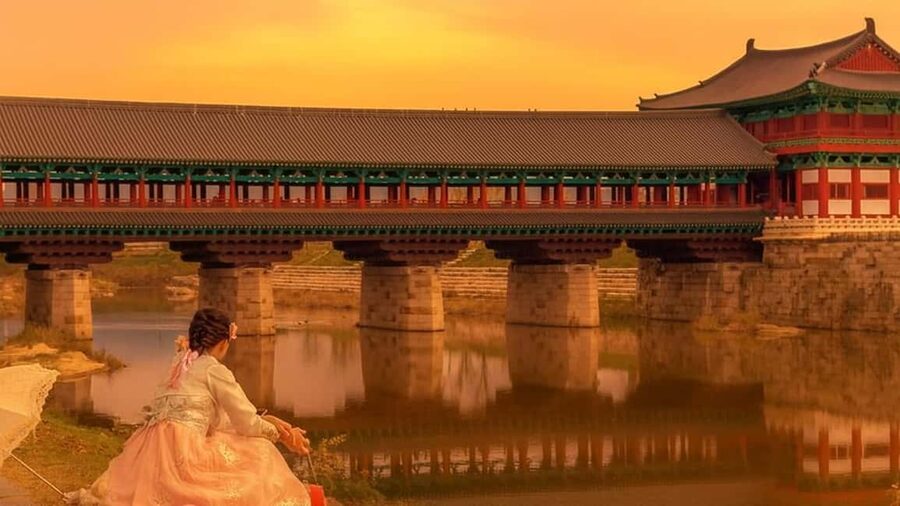
This tour is built for people who do not want to fight intercity timing. You get a round-trip ride with pick-ups at three central Subway stops: Busan Station Exit 4 (08:10), Seomyeon Exit 4 (08:30), and Haeundae Exit 5 (09:10). You finish back in Busan at Haeundae Station Exit 5, Seomyeon, or Busan Station.
The practical win is pacing. Most stops are about 30 to 60 minutes, so you get guided time plus breaks to reset your legs. Several reviews highlight that the schedule feels organized and not chaotic, which matters when you are crossing from Busan to Gyeongju and back in one day.
Still, plan for a long day. The total duration is 12 hours, and the order can shift based on traffic or weather. If you are sensitive to long road time, bring water, a snack you like, and a light layer, because mornings and temple areas can feel cooler.
Ahopsan Bamboo Forest or Dalmaji Hill: Picking Your Spring Scenery
You usually start with Ahopsan Bamboo Forest, a 400-year-old grove known for calm walking and cinematic photo angles. Sightseeing time is about 1 hour. Admission is not included, and you have an option: you can enter and walk, or skip entry and relax at a nearby café with scenic views.
This matters because bamboo forests can be crowded in peak seasons, and the tour gives you control over how much walking you want. If you prefer a gentler start, the café option is a smart way to still enjoy the setting without pushing your schedule too hard.
During cherry blossom season (Mar 24 to Apr 12), the tour may swap Ahopsan Forest for Haeundae Dalmaji Hill, depending on seasonal conditions. If spring is your trip window, that flexibility is a real value add, because you get the vibe of blossoms without needing to gamble on timing yourself.
Dalmaji-gil Road Stops: A Slow Stroll Between Big Icons
After the early forest time, the day includes Dalmaji-gil Road sightseeing. This is one of those “nice in between” stretches where you can breathe, take photos, and get your eyes used to Gyeongju’s pace.
Even if you care most about UNESCO sites, these quieter road strolls help your brain. It keeps the day from feeling like only checkmarks on a map. You also get time to regroup before heading into the temple area, where you will likely do more careful walking and photo framing.
Because the tour is weather dependent, the exact flow can shift. But the idea stays the same: one calm scenic segment after the morning start, so you do not feel sprint-to-sprint.
Bulguksa Temple: UNESCO Silla Architecture You Can Actually Appreciate
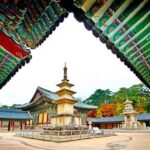
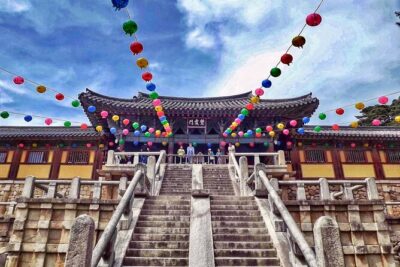
Then comes the centerpiece, Bulguksa Temple, a UNESCO World Heritage Site tied to Silla-era Buddhist architecture. You get about 1 hour on site, which is short enough that you need a plan, but long enough to see the major structures without feeling rushed.
What makes Bulguksa special is how it blends stonework, ceremony space, and natural setting. With a guide leading you through the key points, it becomes easier to spot what matters, like the temple’s stone pagodas and the layered approach through temple halls and courtyards.
This is also where guide skill shows up. In multiple reviews, named guides such as Kang and DK are praised for calm storytelling that makes the architecture feel like more than background. If you want the cultural logic behind the look, this stop is worth prioritizing even on a one-day schedule.
Practical tip: wear shoes you trust on stone and uneven ground. Even with 1 hour, temple paths can feel longer than you expect when you keep stopping for photos.
More Silla history around Gyeongju
- Gyeongju UNESCO sites Private tour with licensed tour guide
★ 5.0 · 275 reviews - Private Gyeongju Tour – Explore Gyeongju UNESCO Sites
★ 5.0 · 272 reviews - Gyeongju UNESCO World Heritage Sites and History Full-Day Tour with Lunch
★ 5.0 · 104 reviews - Gyeongju: UNESCO Heritage Tour Including Bulguksa Temple
★ 4.8 · 104 reviews - Gyeongju: Private Car Tour with a Licensed Tour Guide
★ 5.0 · 85 reviews
Hanok Village and Choe Jun’s House: Past Daily Life, Not Just Props
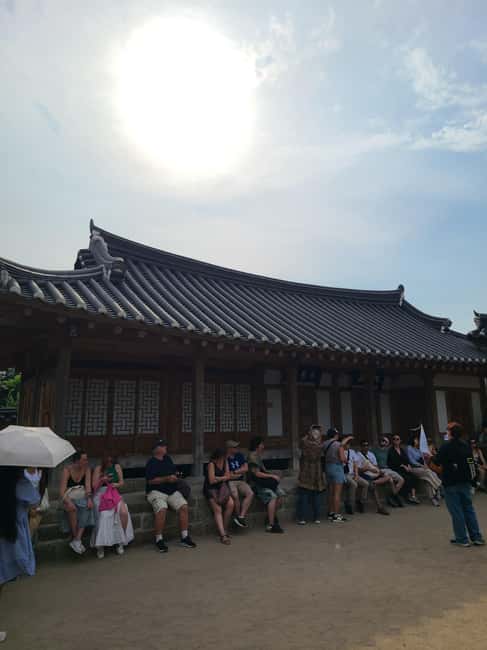
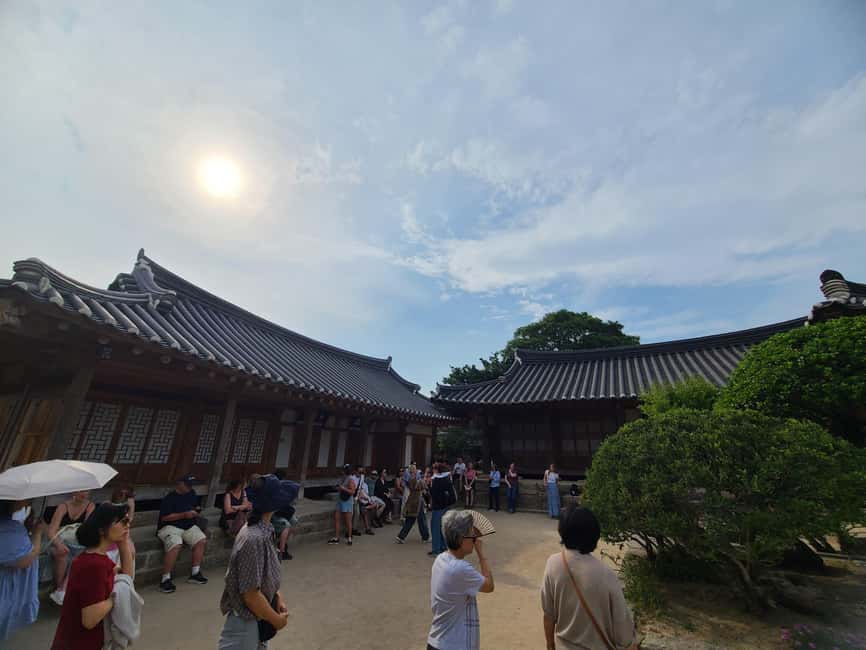
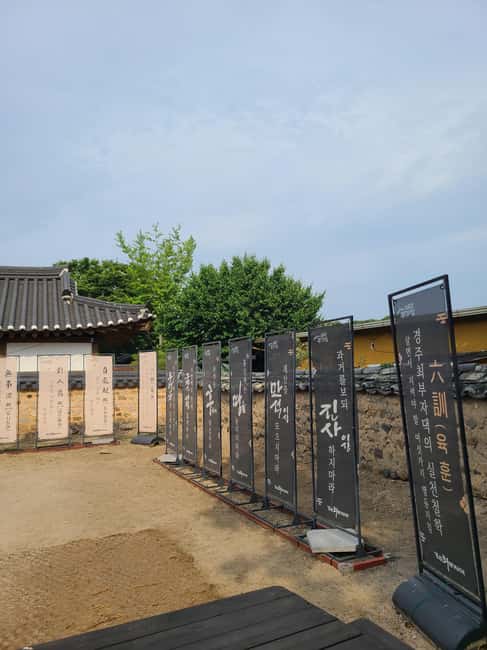
Next, you move into the human side of Gyeongju with Gyochon Hanok Village (about 30 minutes) plus Choe Jun’s House (another 30 minutes). This is where the tour shifts from grand UNESCO architecture to everyday-life history.
In Gyochon, you are looking at traditional houses and historic sites that help explain how people lived, not just how power displayed itself. Choe Jun’s House adds a more specific, family or residence story, which gives the day more balance. Even if you think you are only here for temples, these smaller stops help the whole picture connect.
If you like crafts or simply want an excuse to wander, the hanok time is also where you can slow down. Reviews mention small craft shops and food snacks, and you can treat this as a low-pressure break between heavier sites.
Time is tight here, so do not expect deep museum-level reading. Instead, focus on noticing the house layout and materials, then ask your guide what you are looking at.
Museum or Daereungwon Tomb Complex in Blossom Season: Choose What Fits Your Mood
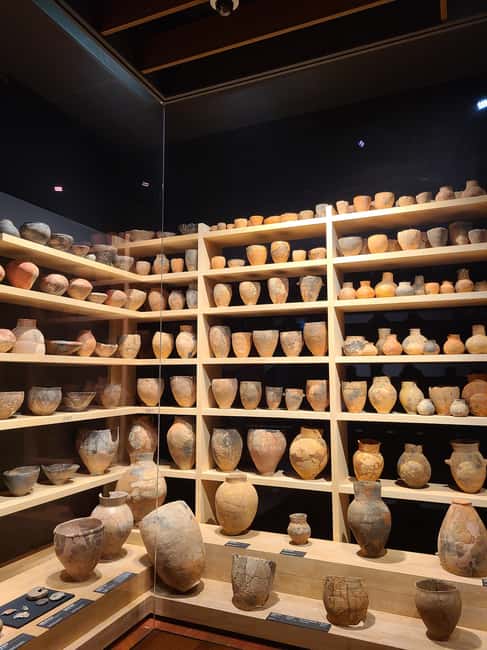
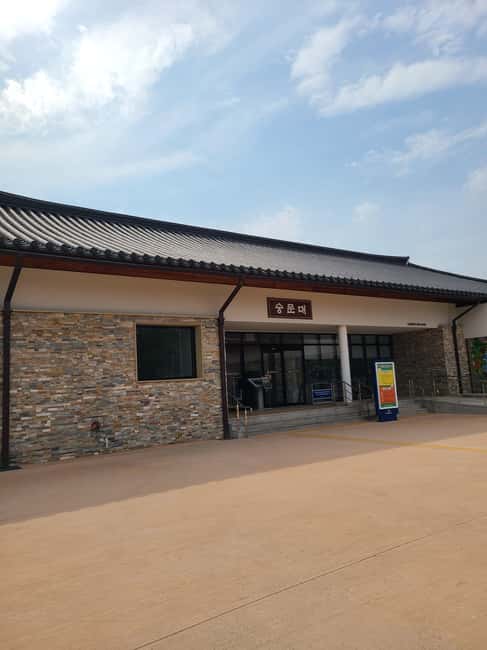
The tour normally includes Gyeongju National Museum, with about 1 hour there. This is your structured history anchor, where relics and artifacts help tie together what you saw at Bulguksa and what you will see later around royal tomb culture.
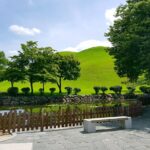
During cherry blossom season (Mar 24 to Apr 12), there is a seasonal swap. You may choose Daereungwon Tomb Complex instead, where royal tombs and stone walls become a cherry blossom framing scene. The option is subject to bloom conditions, so your guide will adjust based on what is actually happening that day.
How should you decide? If you want context and object-level storytelling, pick the museum. If you want the outdoor, photographic, seasonal atmosphere, Daereungwon is the more “day like a movie” choice.
Also note a second flexibility point: you can choose Donggung Palace and Wolji Pond instead of the museum (admission may be extra). This is useful if you prefer light, reflection pond views over relic display time.
Donggung Palace and Wolji Pond: Short Visit, Big Photo Potential
Later in the day, you get Donggung Palace and Wolji Pond sightseeing (about 30 minutes). Admission is not included, so whether you pay to enter depends on your interest and how much time you want to spend inside.
Even without deep time on this stop, the pond area is photogenic. The short visit format works well because it gives you a sense of the royal landscape without slowing down the rest of the day.
This part of the schedule is also easy to adjust mentally. Treat it as a mood stop, something to contrast the temple stone and hanok wood. If you are chasing late-day photos, you will likely enjoy the reflections and softer light here.
Woljeong Bridge at the End: Sunset-Friendly Finale You Will Feel
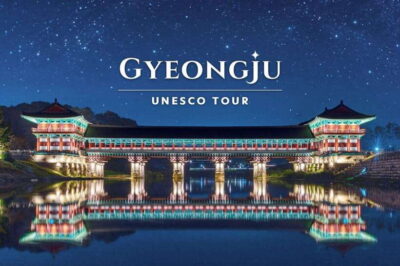
You finish with Woljeong Bridge, with about 30 minutes for sightseeing and scenic views on the way. This reconstructed Silla-era bridge is a great way to close the day because it is both cultural and relaxing.
In reviews, the ending is repeatedly described as magical, especially in sunset light when water reflections kick in. The bridge area gives you space to talk, take photos, and stop thinking about schedules for a moment.
A small bonus: ending at a scenic point makes the whole trip feel complete. You started with quiet bamboo, moved through major heritage sites, and end with an outdoor finale that feels like a proper full-day story, not a rushed dumping ground.
Price and Value at About $48: What You Pay For, What You Don’t
At $48 per person for a 12-hour day, the value is in what is included. You get an English and Chinese speaking guide, professional guidance, and round-trip transfers from central Busan, plus toll, parking, and fuel fees. That is a big deal because it saves you the hassle of arranging buses or coordinating transfers on your own.
What is not included is just as important for budgeting. Meals are not included, and admission is not included for Donggung Palace and Wolji and for Ahopsan Forest (optional). Lunch fees are also extra.
In one review, a Korean buffet lunch was listed at 9900 KRW, which gives you a rough sense of typical lunch pricing during the tour. Your lunch choice can vary, so treat that number as a helpful reference, not a promise.
My practical take: if you want transport plus interpretation plus the key Gyeongju highlights in one day, this price makes sense. If you plan to spend lots on admissions and you already have your own transport, then the value shifts a bit because you would be paying mainly for the guide.
Small Group Energy and Guide Quality: The Real Difference
Transport is repeatedly praised, with 99% of reviewers giving a perfect score. That is not just a comfort detail, it affects timing, because fewer delays mean more real time at sights.
The other big factor is the guide. Reviews call out guides who are funny and good at making stories stick, with examples including Ciro, Erica, Kang, DK, Yaho, Chris, Drake, and Andrew. Several reviews mention English strength, patience, and the way guides help with photos and keep checking on everyone.
If you are traveling solo, that attention matters. One review even mentions feeling like traveling with friends rather than a big impersonal group. If you are with kids, that storytelling approach can help a UNESCO day feel more alive rather than like a lecture.
Who This Tour Is Best For (And Who Might Want Another Plan)
This is a strong fit if you want a one-day Busan to Gyeongju UNESCO day trip with transportation handled and a guide to connect the dots. It works well for history lovers, first-time visitors, families, and solo travelers who want a comfortable structure.
It is less ideal if you hate long road time, want total freedom to wander without a schedule, or you prefer spending half your day in one museum like you are on a research mission. This tour is about breadth with guidance, not about deep independent exploration.
Also, because the tour can swap key stops during cherry blossom season, it is best if you are flexible. If you are chasing one specific photo location only, you might feel uneasy about seasonal substitution.
Should You Book This UNESCO Legacy Day Trip?
Book it if you want the easiest way to see Gyeongju’s UNESCO highlights from Busan, with guide-led context and an itinerary that balances temples, traditional villages, and a nature reset at Ahopsan Bamboo Forest. The combination of practical pick-ups, strong guide feedback, and a scenic end at Woljeong Bridge makes this feel like a well-run day rather than a rushed circuit.
Think twice if you have a tight energy budget for walking and long travel time, or if you want only included costs with zero surprises, because lunch and some admissions are extra. Still, even then, the guide plus transport value can be worth it if you are okay planning a little spending for entry fees.
If your travel dates fall near Mar 24 to Apr 12, consider it even more, because the tour’s cherry blossom options can turn the day into something special without you having to coordinate multiple bookings.
FAQ
What is the duration of the Busan to Gyeongju UNESCO Legacy Tour?
The tour duration is 12 hours.
How much does the tour cost?
The price is $48 per person.
Where are the pick-up locations in Busan?
Pick-ups include Busan Subway Station Exit 4 (08:10), Seomyeon Subway Station Exit 4 (08:30), and Haeundae Subway Station Exit 5 (09:10).
What drop-off locations are available after the tour?
Drop-offs are at Haeundae Station Exit 5, Seomyeon, and Busan Station.
Is lunch included in the tour price?
No. Meals are not included, and lunch has a lunch fee.
Is admission included for Ahopsan Forest and Donggung Palace and Wolji Pond?
No. Admission to Ahopsan Forest and Donggung Palace and Wolji Pond is not included.
Does the tour include a guided component?
Yes. The tour includes an English/Chinese-speaking guide and professional guidance.
What happens during cherry blossom season?
During cherry blossom season (Mar 24 to Apr 12), guests may choose Haeundae Dalmaji Hill instead of Ahopsan Forest, depending on seasonal conditions. Guests may also choose Daereungwon Tomb Complex instead of the museum, subject to bloom conditions.
Can I swap the museum visit for Donggung Palace and Wolji Pond?
Yes. You can choose Donggung Palace and Wolji Pond instead of the museum.
What is the cancellation policy and contact method?
You can cancel up to 24 hours in advance for a full refund. You should leave accurate contact information (WhatsApp) so the team can reach you via WhatsApp for a smooth tour.
More Listed Sites in Gyeongju
More Gyeongju, More Silla
Still in Busan? More Here
Fresh on the Gyeongju pile
- From Busan: Busan & Gyeongju One Day Tour★ 5.0 · 5 reviews
- Busan: 7 Highlights Gyeongju City One Day Tour★ 4.9 · 10 reviews
- Private World Heritage Gyeongju Taxi Tour★ 5.0 · 12 reviews
- Gyeongju: Private Car Charter Taxi Tour★ 5.0 · 37 reviews
- Guided Car Tour in Geyongju with a Local Guide★ 5.0 · 38 reviews
- Full day Private Gyeongju UNESCO Heritage Tour : a glimpse into Silla★ 5.0 · 60 reviews
Busan Tours you might have missed.
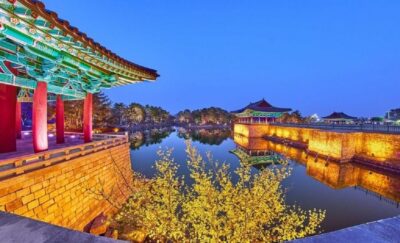 ★ 4.8Busan: Gyeongju Guided Day Trip to Three Kingdoms CapitalFrom $521,925 reviews
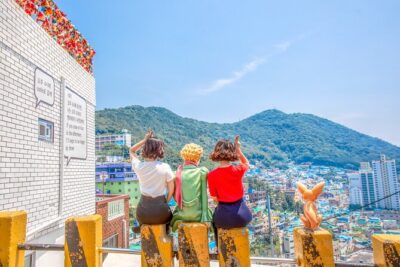 ★ 5.0Small Group Full Day Busan Tour (Max 6 Pax)From $991,464 reviews
 ★ 4.8From Busan: Gyeongju UNESCO World Heritage Guided Day TourFrom $521,250 reviews
 ★ 5.0Busan Private Tour with licensed tour guide + private vehicleFrom $1691,143 reviews
 ★ 4.7Busan: Coastal Treasures Beach Train, Culture Village & MoreFrom $51832 reviews
 ★ 4.5Busan’s Cultural Wonders with Beach Train & Gamcheon Village etcFrom $47663 reviews
 ★ 5.0Gyeongju UNESCO World Heritage Guided Day Tour from BusanFrom $57660 reviews
 ★ 5.0Private Busan Tour -Explore Cultural Landmarks with a Local GuideFrom $169552 reviews
Where this tour also appears