
REVIEW · GYEONGJU HERITAGE TOURS
Full Day Private car tour to UNESCO Gyeongju&Yangdong village
UNESCO day trips, but with room to breathe. This private, air-conditioned car tour turns Gyeongju and Yangdong into a choose-your-own-day experience, so you can spend your limited time exactly how you want with customizable UNESCO stops.
I also like that the driver is more than a chauffeur. In the real world, you can end up with people like Kei or Mr. Park Jinh Youck, plus fast support from Joy when plans need adjusting, and they tend to help with pacing for mixed groups. One catch to plan for: admission fees and lunch are not included, and Yangdong Folk Village is specifically marked as not included.
In This Review
- Key highlights worth caring about
- From Busan to Gyeongju: what makes this day work
- The private-car advantage: choosing your best mix of sites
- Bulguksa Temple: Silla Buddhism with a UNESCO stamp
- Daereungwon Tomb Complex and Cheonmachong Tomb: gold crown energy
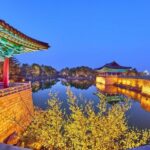
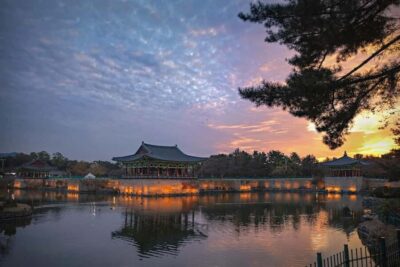
- Donggung Palace and Wolji Pond: Silla court drama, minus the drama
- Cheomseongdae Observatory: old-school science you can stand next to
- Museum time in Gyeongju: why you should consider it
- Gyochon Traditional Village and Woljeonggyo Bridge: culture you can walk through
- Hwangnidan-gil road: your lunch and snack strategy
- Yangdong Folk Village: scale, age, and why it takes a full hour
- Price and what you actually get for $430 per group
- Who should book this tour, and who might not love it
- Should you book this private Gyeongju and Yangdong day trip?
- FAQ
- How long is the private car tour to Gyeongju and Yangdong?
- What is the group size limit for this tour?
- What’s included in the price?
- What’s not included?
- Are any admissions included, or is everything paid separately?
- What is the cancellation policy?
Key highlights worth caring about
- A private 9-hour route you can shape around your interests, instead of a fixed bus schedule
- Driver-led guidance and meal suggestions that help families, seniors, and kids keep things smooth
- Major stops with included or free entry (on the schedule) which helps control day-of spending
- UNESCO sights in one focused sweep from temples and royal ponds to tombs and an ancient observatory
- Yangdong’s scale and age with many old houses and 500-year-old thatched cottages
- Hwangnidan-gil breaks where you can pause for coffee, snacks, and Korean food in traditional hanok-style spots
More Silla history around Busan
From Busan to Gyeongju: what makes this day work
This is a full-day private car tour built around one simple idea, you should be able to see big cultural sites without the stress of trains, buses, transfers, and guesswork. You’re picked up and dropped off at your preferred places, and you can even start from Busan or Gyeongju depending on what you choose. The ride is in an air-conditioned vehicle, which matters on hot or rainy days.
The pacing is the real value. You’re not required to sprint between stops. Many people get through around 6 site visits plus meal breaks, which is a good reality check for a 9-hour day when you factor in driving.
The private-car advantage: choosing your best mix of sites
What you’ll love is the flexibility. The day is designed around a menu of places in Gyeongju and Yangdong, and you pick what matters most. If you love royal-era sites, you can lean toward Donggung and Wolji, Gyeongju National Museum, and Cheomseongdae. If you prefer quieter heritage, you can shift time toward temple grounds and village walks.
A practical note on timing: the site times are approximate and they don’t include transportation time. That means you should treat the schedule as a guide, then decide how much walking you want at each stop. If anyone in your group tires easily, tell your driver early so they can help you choose the right balance of short stops versus longer ones.
Also, this is a true private format, only your group goes with the car. Price is set per group up to 8, so splitting costs between family members or friends can make it feel much more reasonable than solo tours.
Bulguksa Temple: Silla Buddhism with a UNESCO stamp
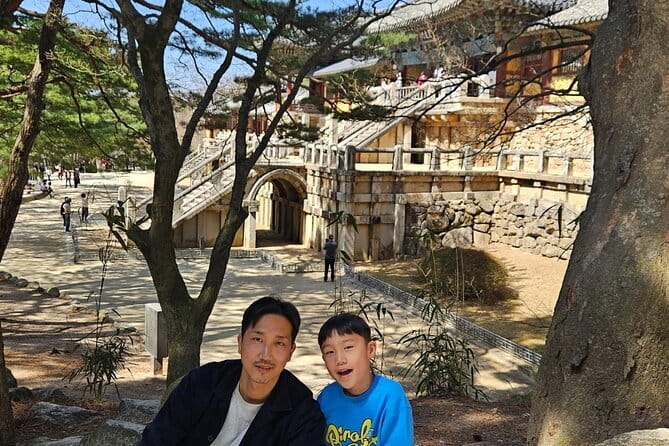
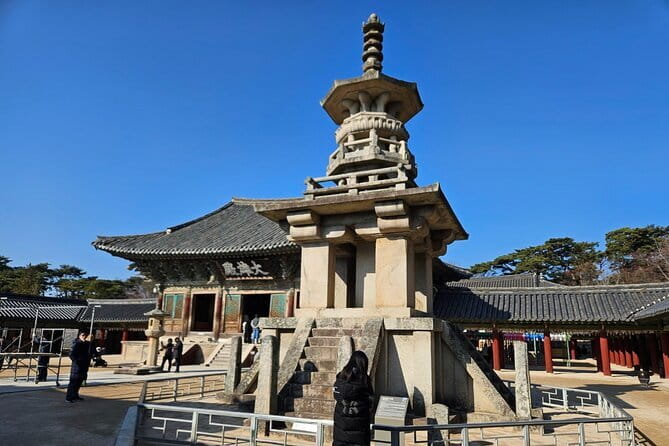
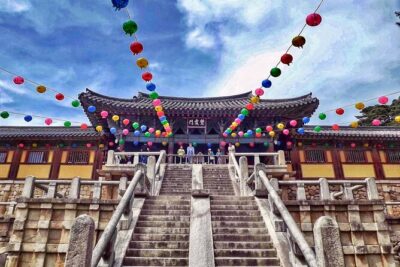
Bulguksa Temple is one of those stops that pulls its weight in a short visit. It’s tied to Buddhist culture from the Silla kingdom, and the temple is associated with construction efforts under King Beopheung’s reign. It’s also known for long-term restoration work that started in 1920, so what you see today is both historic and carefully maintained.
If you’re into architecture or seasonal photo light, this is a smart pick. The schedule notes it as good for maple leaves tours, which usually means the temple grounds become a fall centerpiece.
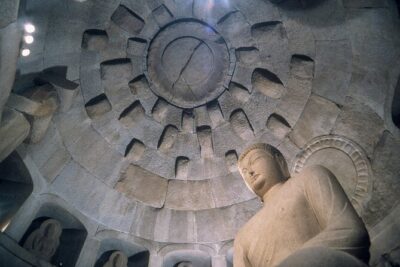
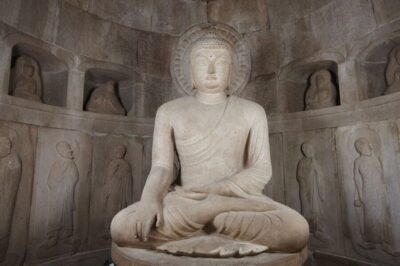
What to watch for during your time: look around for the national treasure status and the way the restored spaces are organized. Even on a one-hour stop, you can get oriented quickly and understand why Bulguksa is paired with UNESCO recognition along with the nearby Seokguram Grotto.
Daereungwon Tomb Complex and Cheonmachong Tomb: gold crown energy
Tombs can sound intimidating on a busy day, but Daereungwon is actually one of the most fascinating heritage stops here. The tomb complex is thought to date to the late 5th century to early 6th century. The standout detail is the treasure story, including gold items such as crowns and a famous gold crown described as the largest and most elaborate gold crown unearthed in Korea.
Cheonmachong Tomb is the one that’s opened to the public among the Daereungwon complex, and the tour time is shorter there. You’re told it was excavated in 1973, with a height of 12.7 meters and a diameter of 50 meters, which helps you picture the scale. The tomb’s name connects to Cheonmado, a mudguard saddle flap with a heavenly horse painting, which gives the site a more human story instead of just dates and dimensions.
Tip for getting value from this stop: don’t rush. Even if you have limited time, slow down for the key artifacts story so the tombs feel connected, not like random holes in the ground.
Other listed sites we have written up
- From Busan to Gyeongju UNESCO Legacy Tour with National Museum
★ 5.0 · 87 reviews - UNESCO Tongdosa Temple + Gourmet Eonyang Style Bulgogi Lunch
★ 5.0 · 7 reviews - UNESCO World Heritage Gyeongju & Busan Two-city Private Tour.
★ 5.0 · 7 reviews - Full Day Private car tour to UNESCO Gyeongju&Yangdong village
★ 5.0 · 5 reviews - Korean UNESCO World Heritage Tour including Gyeongju, Andong and Daegu(2N3D)
★ 5.0 · 3 reviews
Donggung Palace and Wolji Pond: Silla court drama, minus the drama
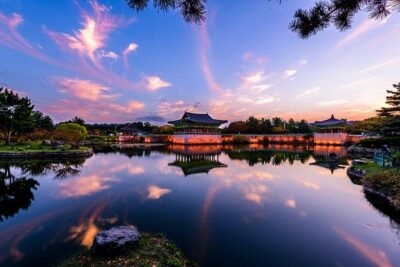
If tombs are all “serious,” Donggung and Wolji give you a different mood. Donggung Palace and Wolji Pond were secondary palace sites for the Silla kingdom. The palace area served as the eastern palace where the prince lived, and banquets were held during special events or when welcoming important guests.
So your goal here is simple: enjoy the court-life setting. In a one-hour slot, you can see enough of the pond area to get a feel for why it was tied to banquets and ceremonial life. The schedule also marks this stop’s admission as included, which helps you control the day’s spending.
Cheomseongdae Observatory: old-school science you can stand next to
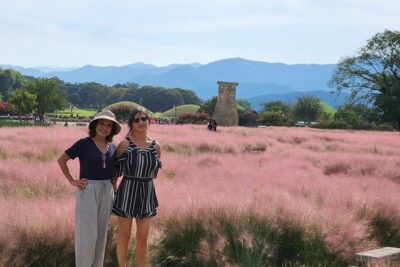
Cheomseongdae is short, but it’s a heavy hitter. It’s widely regarded as the oldest astronomical observatory in Asia, and it’s connected to the reign of Queen Seondeok (632 to 647). The basic idea is that it was built for observing the movements of heavenly bodies, so you’re seeing a Silla-era tool for understanding the sky.
Even if you’re not a science person, it’s a rewarding pause. The structure is visually distinctive, and it gives you a different lens on heritage, not just temples and houses but how people measured time, seasons, and the heavens.
The schedule calls for about 30 minutes here, which is exactly what you want. Long enough for photos and a calm read of the context, short enough to keep the day from slipping.
Museum time in Gyeongju: why you should consider it
Gyeongju National Museum is included in the day plan with about an hour allotted. This is a smart move because tomb and temple stops become more meaningful when you can connect them to artifacts and explanations.
The advantage is practical, if you’re only doing the outdoor sites, you might miss the “why” behind them. With a museum stop, you can anchor your understanding of the Silla kingdom and see how objects connect to the places you’re about to walk through.
If your group hates museums, you can still keep it lightweight by focusing on the main exhibits first. But if you have even one history-minded person in your party, this is usually the portion that makes the day feel cohesive.
Gyochon Traditional Village and Woljeonggyo Bridge: culture you can walk through
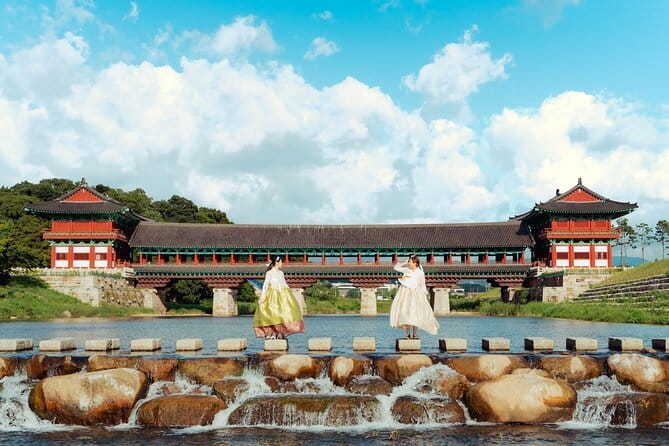
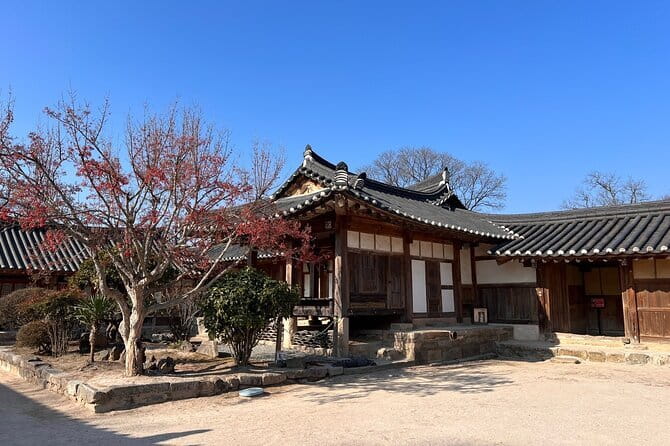
Gyochon Traditional Village is built on a similar idea to Yangdong, but it’s distinct in its own way. You’re looking at traditional hanok houses that reflect life in the Joseon period. One highlight mentioned here is Gyeongju Hyanggyo, a Confucian academy and shrine, where Korea’s first state-operated educational institute called Gukhak was established in 682.
This is one of those stops where your pace matters. If you treat it like a quick photo hunt, you might miss the feeling of the place. If you slow down for a few minutes at a time, the village layout helps you understand how communities worked.
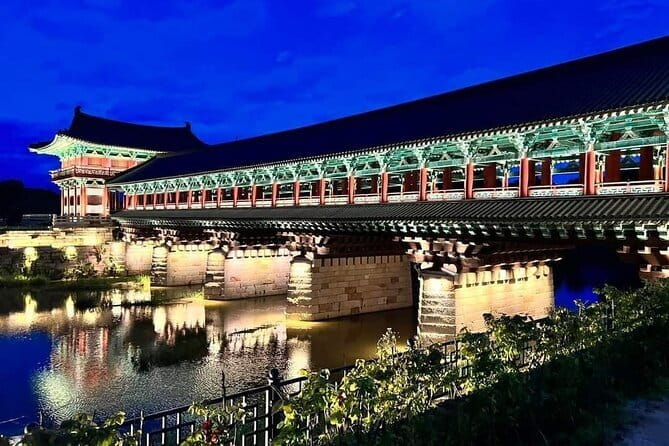
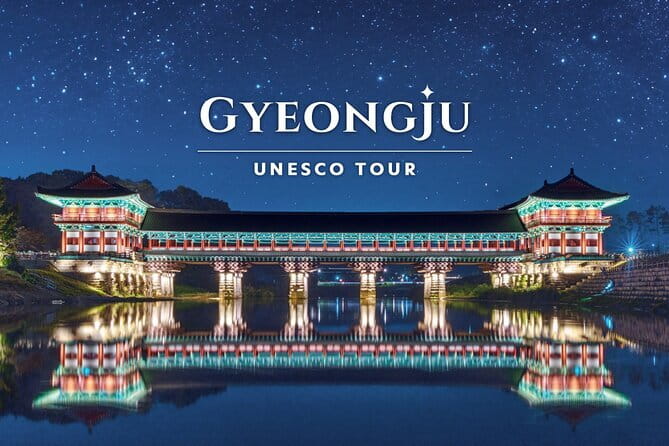
Woljeonggyo Bridge adds a different kind of history. The bridge is described as built during the Unified Silla period, later burned down during the Joseon dynasty, then rebuilt in April 2018 to become the largest wooden bridge in Korea. That mix of destruction, rebuilding, and modern restoration is interesting because it reminds you heritage is not frozen, it’s maintained and re-created.
Hwangnidan-gil road: your lunch and snack strategy
Hwangnidan-gil is where the day gets more modern and more fun. The street is known for restaurants, cafes, photo studios, and shops in traditional hanok-style buildings. It’s also described as having a newtro aesthetic, with older buildings from the 1960s and 70s contributing to the vibe.
This is the practical lunch area. The tour plan specifically gives you free time for meals here, and your driver can recommend Korean food that fits your group’s tastes. If you have kids or picky eaters, this matters. You’re not stuck with one restaurant, and you can adjust based on energy levels.
A small strategy I like for days like this: eat earlier than you think you need to, then keep some snack budget in your pocket. That way you’re not hunting for food while the day is already slipping away.
Yangdong Folk Village: scale, age, and why it takes a full hour
Yangdong Folk Village is the big village finale on this plan, and it’s not subtle about scale. It’s described as Korea’s largest traditional village, showcasing Joseon dynasty culture and the natural surroundings. The schedule notes the village is designated a cultural heritage site, with many treasures, national treasures, and folklore materials.
The specifics are what make it memorable. You’re given numbers to picture the place: about 160 old houses and 500-year-old thatched-roof cottages. It also mentions 54 homes over 200 years old that have been preserved in their original state. If you like places with real age layered into everyday buildings, this stop will click.
There’s also a strong “where are you standing” view. Seolchangsan Mountain and its four spines can be seen beyond the village. That’s helpful for orientation, because villages can feel maze-like if you’re not sure what the big shapes are.
One caution: Yangdong’s admission is marked as not included, so this is one of the places where you’ll pay extra. Also, the stop is about an hour, so if you want deeper walking and fewer photos, you’ll get a better experience by choosing the right route inside the village.
Price and what you actually get for $430 per group
$430 per group up to 8 can sound high until you break down what’s included. You’re paying for a private, air-conditioned vehicle, fuel, parking, tolls, and guide-related expenses. On top of that, you get pickup and drop-off flexibility.
Then the day cost splits in two. Most of the “ride and guidance” costs are covered, but meals and attraction entrance fees are not included. The schedule also shows a mix of admission types: some stops are marked free, some are marked included, and Yangdong is marked not included. So your real spending depends on how many paid-entry sites you hit and what you choose to eat.
For families and mixed-age groups, this price can feel even better. A group of 4 to 8 can treat the car as a shared convenience, especially if you have elders or kids who benefit from door-to-door pacing.
Who should book this tour, and who might not love it
This is a good fit if you want a private UNESCO day without the hassle of navigation and ticket planning on your own. It’s also a strong choice for families with kids, since the day plan is designed around short visits and a single base of transportation.
It’s less ideal if you hate “timeboxing.” The day is built for multiple sites in about 9 hours, so you’ll need to accept that you won’t linger equally everywhere. It also helps to have at least a moderate physical fitness level, because temple grounds, village paths, and bridge areas can involve walking and uneven terrain.
If your group prefers a slow, multi-day approach to UNESCO sites, you might feel rushed. But if you’re working with a tight schedule, this is one of the practical ways to pack in the highlights.
Should you book this private Gyeongju and Yangdong day trip?
Yes, if you want flexibility, a single clean plan, and a driver who can help your day flow. This works especially well for groups up to 8 who want to split the cost and keep everyone together. Yangdong gives you the authentic village experience, while Bulguksa, the tomb complex, and Cheomseongdae cover the big cultural “wow” stops.
I’d say reconsider if your budget cannot stretch for admissions and lunch, or if your group wants long museum-style stays. In that case, you may be happier with a smaller set of stops or a longer tour.
FAQ
How long is the private car tour to Gyeongju and Yangdong?
The duration is approximately 9 hours.
What is the group size limit for this tour?
It is a private tour for your group, with pricing listed per group up to 8 people.
What’s included in the price?
Fuel fee, parking and toll fee, license driving guide assistance, pickup and drop-off, an air-conditioned vehicle, and all fees and taxes are included.
What’s not included?
Meals, personal expenses, and attraction entrance fees are not included.
Are any admissions included, or is everything paid separately?
The provided schedule shows some admissions as included (such as Donggung and Wolji, and Cheonmachong Tomb). It also marks several stops as admission ticket free, while Yangdong Folk Village is marked as admission ticket not included.
What is the cancellation policy?
Free cancellation is available up to 24 hours in advance for a full refund. If you cancel less than 24 hours before the start time, the amount paid will not be refunded.
More Busan Write-Ups
More Listed Sites in Busan
More Gyeongju, More Silla
Fresh on the Busan pile
- Suncheon and Yeosu Daily Private Tour with Pickup Service★ 5.0 · 3 reviews
- Suncheon one day tour from Seoul, Busan or Suncheon★ 5.0 · 3 reviews
- Busan Seafood Tour : Oyster village Tour with Oyster cuisines★ 5.0 · 3 reviews
- 2-DAYS Busan Customized and Included Night tour★ 5.0 · 3 reviews
- Busan Dialect Class with local snack★ 5.0 · 3 reviews
- Korean UNESCO World Heritage Tour including Gyeongju, Andong and Daegu(2N3D)★ 5.0 · 3 reviews
Gyeongju Heritage Tours you might have missed.
 ★ 4.8Busan: Gyeongju Guided Day Trip to Three Kingdoms CapitalFrom $521,925 reviews
 ★ 4.8From Busan: Gyeongju UNESCO World Heritage Guided Day TourFrom $521,250 reviews
 ★ 5.0Gyeongju UNESCO World Heritage Guided Day Tour from BusanFrom $57660 reviews
 ★ 5.0Old Korea Thousand History Tour of Gyeongju from BusanFrom $64518 reviews
 ★ 5.0Gyeongju UNESCO sites Private tour with licensed tour guideFrom $186275 reviews
 ★ 5.0Private Gyeongju Tour – Explore Gyeongju UNESCO SitesFrom $186272 reviews
 ★ 5.0Busan: Gyeongju UNESCO Legacy Tour with National MuseumFrom $48172 reviews
 ★ 4.8Gyeongju: UNESCO Heritage Tour Including Bulguksa TempleFrom $189104 reviews
Where this tour also appears