
REVIEW · KOREAN COOKING CLASSES
Seoul Food: Banchan, Bibimbap, and Beyond
Seoul tastes like a remix. On this 5-hour walk, you pair famous landmarks like Dongdaemun Gate and Cheonggyecheon with Korean food stops that go well beyond banchan and bibimbap, so you learn why the flavors work. I like how Eunice explains how history shows up on your plate, not just what you’re eating, and I also like that the day is built around real food, dinner, and snacks, so you do not spend hours waiting to eat.
One thing to plan for: you are moving between several neighborhoods, mostly on foot. Wear comfortable shoes, because your best photos and tastings come from actually walking the route at a steady pace.
In This Review
- Key Highlights You Should Know Before You Go
- The Big Idea, Seoul Food as Culture
- Starting Point at JW Marriott Dongdaemun Square, Then Rolling into Jongno
- Dongdaemun Gate (Heunginjimun) Sets the Historical Mood
- Dongdaemun Design Plaza (DDP) Adds a Modern Contrast
- Cheonggyecheon Stream, Where the Walking Feels Like a Break
- Gyeongbokgung Palace, Big Royal Architecture Meets Everyday Eating
- Bukchon Hanok Village, Traditional Streets That Make Food Make Sense
- Banchan and Bibimbap, What You’re Actually Learning
- Dinner, Snacks, and Alcohol Included, So You Can Focus on Food
- How the Guide Turns Meals Into a Story
- Pacing and Atmosphere, A Day That Does Not Rush You
- Practical Tips So You Enjoy Every Bite
- Who This Seoul Food Walk Fits Best
- Should You Book Seoul Food: Banchan, Bibimbap, and Beyond?
- FAQ
- How long is the Seoul Food tour?
- What is the meeting point for the tour?
- Does the tour end at the meeting point?
- What time does the tour start?
- Is transportation included in the tour price?
- What is included in the tour price?
- Is admission required for the listed landmark stops?
- Is the tour private?
- Is a mobile ticket provided?
- Can I cancel for a full refund?
Key Highlights You Should Know Before You Go
- Eunice’s food storytelling: You get the history behind Korean food in plain language, tied to what you taste.
- Banchan and bibimbap, plus more: The focus is Korean staples, but the day includes extra dishes and variety.
- Seoul landmarks as context: Dongdaemun Gate, DDP, Cheonggyecheon, Gyeongbokgung Palace, and Bukchon Hanok Village set the cultural scene while you eat.
- Free admission at the major stops: The itinerary lists free entry for each landmark, which makes the day feel lighter on your wallet.
- Included dinner, snacks, bottled water, and alcoholic beverages: You are not left guessing where the next meal comes from.
- Small-group feel, private format: It’s a private experience for only your group, with a guide who can keep things relaxed and responsive.
More kitchens to book in Seoul
The Big Idea, Seoul Food as Culture
Korean food makes more sense once you see it as culture, not just cuisine. This tour works because it pairs the what with the why. You get the taste first, then the meaning, as you move through central Seoul’s layers of old and new.
Seoul is a city of reinvention, and Korean food shows that same skill. Traditional flavors coexist with modern interpretations, and you see that in the way dishes are served, layered, and built for sharing. By the end, you should feel like you understand how everyday Korean dining got to where it is today.
Starting Point at JW Marriott Dongdaemun Square, Then Rolling into Jongno
You start at JW Marriott Dongdaemun Square Seoul, 279 Cheonggyecheon-ro, Jongno District. The timing is 1:00 pm, and the tour runs about 5 hours, ending back at the meeting point.
That matters because the schedule lines up well with a late-afternoon pace. You can catch daylight for landmark photos, then transition toward dusk as you reach areas like Cheonggyecheon, where the lights can start reflecting on the water. It’s not a late-night party tour, but the timing can make the walking feel especially pretty.
Also, it’s near public transportation. That is a big deal in Seoul, where “getting there” can be half the battle. You are on a guided route that saves you from stitching together buses and subways on your own.
Dongdaemun Gate (Heunginjimun) Sets the Historical Mood
Your first major stop is Dongdaemun Gate, also known as Heunginjimun. This gate is one of Seoul’s Eight Gates, built in the late 14th century, and it historically served as a main entrance to the city.
Even if you are not a hardcore architecture person, that place changes how you read the day. You start in a spot tied to defense and city planning, and it frames the tour’s bigger theme: Korean culture takes influences, adapts them, and keeps going. It is a strong opener before you shift into modern Seoul.
The listed admission for this stop is free, so you are not paying to access the setting. You get the atmosphere without the extra cost.
Dongdaemun Design Plaza (DDP) Adds a Modern Contrast
Next up is Dongdaemun Design Plaza, designed by Zaha Hadid. This is a futuristic landmark with open spaces, and it’s known for exhibitions and cultural events. It also happens to be a great photography stop.
Why it works for a food-focused tour: your guide is not treating food as a separate world. Instead, you see how modern design and modern life sit beside older traditions. Korean dining is like that, too. Food can be deeply rooted and still creative.
This stop is listed at about 30 minutes with free admission. That is enough time to get a few good shots and move on without turning the day into a museum marathon.
More eating and drinking in Seoul
- Downtown Seoul Guided Food & Market Tour with 8+ Local Tastings
★ 5.0 · 580 reviews - Small-Group Night Food Tour in Seoul with Korean BBQ
★ 5.0 · 304 reviews - Seoul Night Palace & Market Food Tour with Vehicle
★ 5.0 · 275 reviews - Seoul Fun Food Tour: 12 different food tastings
★ 5.0 · 266 reviews - Soju Tasting at Distillery – story of 3 pigs
★ 5.0 · 166 reviews
Cheonggyecheon Stream, Where the Walking Feels Like a Break
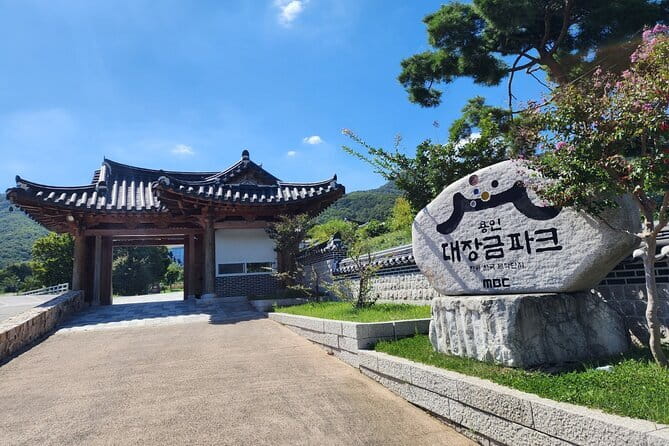
Then you head to Cheonggyecheon Stream. The stream extends through both Dongdaemun and Jongno, and the route here is a scenic walking section that can feel peaceful.
This is also where the pacing can start to feel gentler. After a pair of big, visually intense landmarks, the stream offers movement with a calmer mood. If your timing hits closer to night, the lights reflecting on the water can make the walk feel extra special.
The itinerary lists this stop at about 1 hour, with free access. In practice, it gives you space to reset between tastings and explanations.
Gyeongbokgung Palace, Big Royal Architecture Meets Everyday Eating
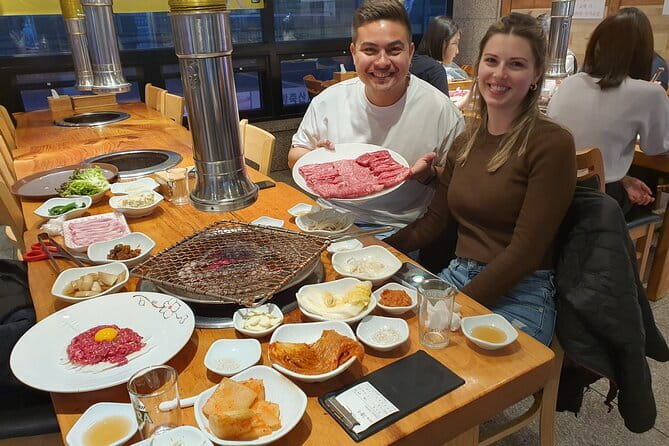
Gyeongbokgung Palace is one of Korea’s grandest palaces and an iconic landmark in Jongno. It was the main royal palace of the Joseon Dynasty and is surrounded by gardens and impressive architecture.
This is not just a scenic stop. It gives you context for why Korean food has such a strong identity. Royal courts shaped tastes and dining culture, and Joseon-era influence still echoes in how meals are organized, how flavors are balanced, and how meals are treated as part of social order.
The stop is listed at about 1 hour with free admission. That’s a good amount of time to see the scale without running out of energy for the rest of the tour.
Bukchon Hanok Village, Traditional Streets That Make Food Make Sense
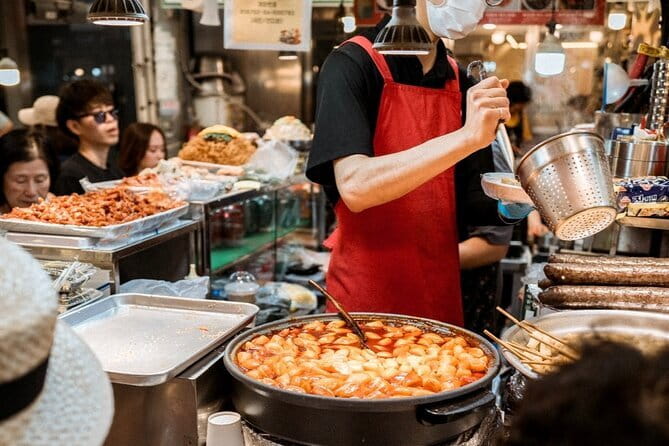
Your final landmark stop is Bukchon Hanok Village, a traditional neighborhood made up of well-preserved hanok, the traditional Korean houses. Expect narrow alleys and classic architecture, plus great views in spots depending on where you pause.
This is where the day’s theme becomes concrete. Food is not just ingredients and technique. It’s also the setting where people gather, the pace of conversation, and the everyday rhythm of a neighborhood. Bukchon helps you picture that lived-in history.
This stop is listed around 30 minutes with free admission. It’s enough to enjoy the vibe and walk some of the quieter lanes without rushing.
Banchan and Bibimbap, What You’re Actually Learning
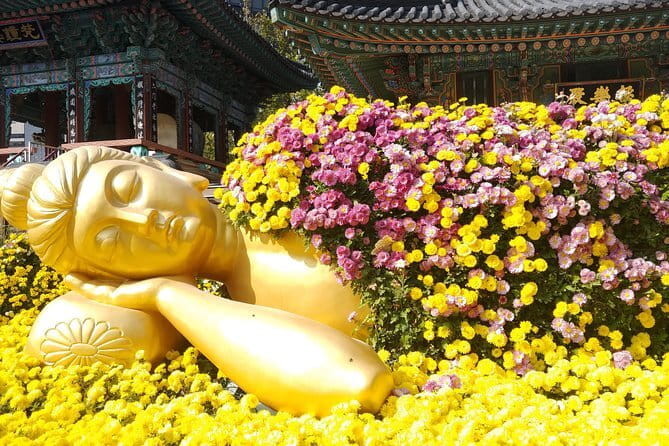
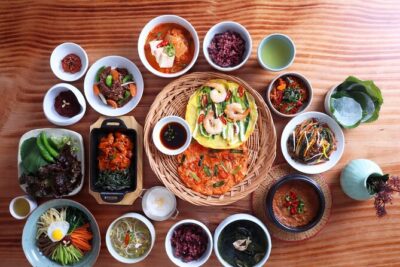
The title says banchan, bibimbap, and beyond, and that is the core value of this experience. Korean dining often revolves around banchan, the small side dishes that show up again and again at the table. They teach you how Korean meals think in layers, not single-dish isolation.
Bibimbap adds a different lesson. It is about assembly and balance. You combine rice, vegetables, and typically a protein, then mix everything so flavors distribute across bites. Once you understand that philosophy, you start noticing it everywhere, from sauces to toppings to how dishes are served.
What makes this tour more useful than a basic food tasting: you are not just eating. You are getting a guided explanation of how history shaped Korean culture and, by extension, the food culture. That can change how you choose Korean dishes after the tour. You start ordering with intention instead of luck.
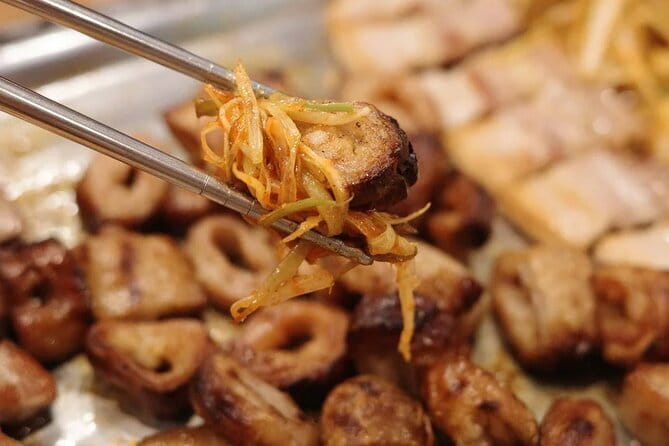
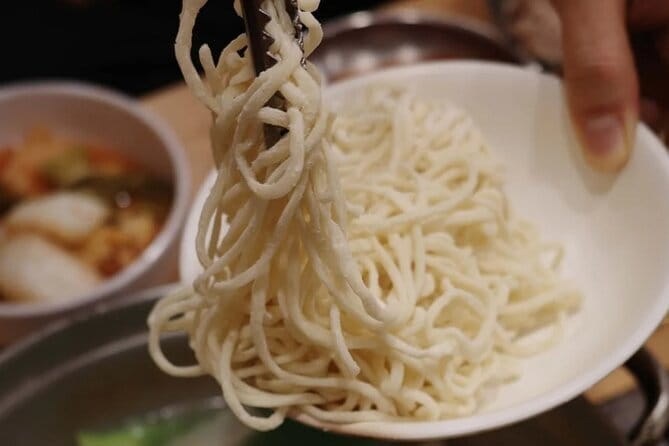
And because the day includes more than just the two headline dishes, you get a broader sense of what Korean comfort food and everyday meals can look like. In one of the experiences shared, people highlighted items like hearty chicken noodle soup and Korean beef, along with a dish described with a sauce nicknamed magic sauce. You should treat those as “possible highlights” rather than guaranteed items, but they show the range you can be working with.
Dinner, Snacks, and Alcohol Included, So You Can Focus on Food
Let’s talk practical value. The price is $195 per person, which sounds steep until you break down what you get.
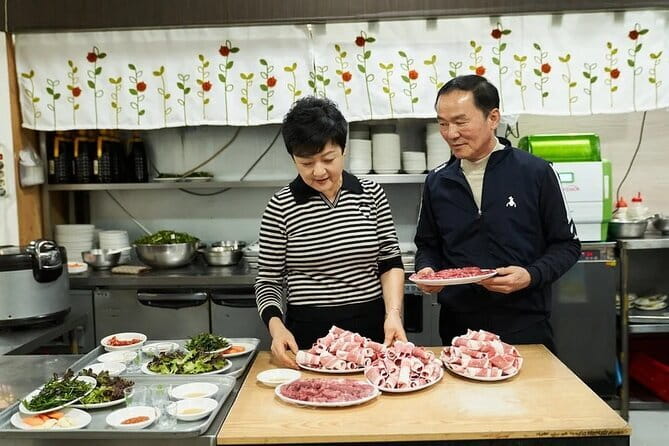
Included in the package are a licensed guide, bottled water, snacks, dinner, and alcoholic beverages. That means the day is feeding you, not just feeding you information. If you have ever spent a “food tour” day chasing tiny portions and paying for everything else later, you will likely appreciate how this one is structured around meals.
Alcohol being included can also shape your comfort level. If you want to pace yourself or skip drinks, you still have the core tastings and dinner built in. You are not dependent on alcohol to enjoy the food.
Also, the itinerary lists major landmark admissions as free. So you are paying mostly for the guide and the food stops, which is where the real cost should be.
How the Guide Turns Meals Into a Story
A lot of food tours stop at, Here is what it is. This one leans more into Here’s why it exists.
Eunice is highlighted in the experiences you shared as a guide who explains how history shapes Korean culture and cuisine, and she does it with a mix of warmth and humor. That matters because it keeps the day from becoming a checklist.
The result is a tour that feels less like a strict program and more like exploring Seoul with someone who knows how to connect the dots. People describe it as feeling friendly and natural, with well-paced stops that give you time to eat, digest, and get ready for the next tasting.
Pacing and Atmosphere, A Day That Does Not Rush You
Duration is about 5 hours, and the stop times add up to a full arc across central neighborhoods. That length is long enough to cover major sights and still enjoy multiple food moments, but short enough that you can do other things later the same day.
The route also includes both historic and modern sites, which helps keep your brain engaged. You are not just walking through a single “tour zone.” You get variety in the scenery, then variety at the table.
One more practical note: because it is a private tour for only your group, you should expect a more comfortable rhythm. It’s easier to ask questions, and your guide can adjust explanations if your group is more food-focused or more sightseeing-focused.
Practical Tips So You Enjoy Every Bite
Here are a few ways to make the day go smoother, based on how the tour is structured.
First, eat breakfast like a normal person. Do not try to “save room” by skipping meals. You will likely have multiple tastings plus dinner, and being too hungry can make flavors feel harsher.
Second, plan for walking. You are doing Dongdaemun Gate, DDP, Cheonggyecheon, Gyeongbokgung Palace, and Bukchon Hanok Village in one afternoon. Even if you take breaks, your legs will notice. Comfortable shoes are the smart move.
Third, come curious, not picky. If you like learning as you eat, you’ll get more out of the history explanations. If you are very limited by dietary needs, you might want to ask about menu details before booking, since the data here does not list specific dietary accommodations.
Who This Seoul Food Walk Fits Best
This tour is a strong fit if you want Seoul in one afternoon, with food as the thread. It is ideal for first-timers who feel like they need a guided “map” of how Korean dining works.
It also fits couples and solo travelers who want structure without feeling locked into a stiff pace. The private format helps solo travelers feel less like they are in the way.
If your goal is only one dish, like you strictly want bibimbap and nothing else, this might feel too broad. But if you like variety and you want to understand banchan and Korean flavor thinking, it’s a great way to start.
Should You Book Seoul Food: Banchan, Bibimbap, and Beyond?
I think you should book this tour if you want the sweet spot of Seoul sightseeing plus real eating, guided by someone like Eunice who connects food to culture. The price feels easier to justify when you see what’s included: dinner, snacks, water, alcoholic beverages, and a licensed guide, plus free landmark access at the stops listed.
You might skip it if you dislike walking between multiple major sites, or if you want a purely culinary experience with no landmark context. But if you like your food with stories, and you want to leave Seoul with a clearer sense of what Korean dining is about, this is a very workable afternoon.
FAQ
How long is the Seoul Food tour?
It runs for about 5 hours.
What is the meeting point for the tour?
The tour starts at JW Marriott Dongdaemun Square Seoul, 279 Cheonggyecheon-ro, Jongno District, Seoul, South Korea.
Does the tour end at the meeting point?
Yes, it ends back at the meeting point.
What time does the tour start?
The start time is 1:00 pm.
Is transportation included in the tour price?
No, private transportation is not included.
What is included in the tour price?
The tour includes a licensed guide, alcoholic beverages, bottled water, dinner, and snacks.
Is admission required for the listed landmark stops?
The listed stops in the itinerary show free admission tickets.
Is the tour private?
Yes, it is private, with only your group participating.
Is a mobile ticket provided?
Yes, the tour includes a mobile ticket.
Can I cancel for a full refund?
You can cancel for free up to 24 hours in advance for a full refund. If you cancel less than 24 hours before the start time, the amount paid is not refunded.
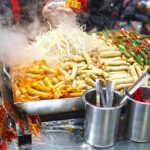
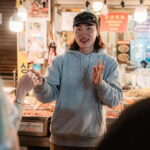
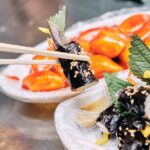
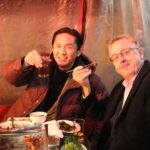
Chopsticks and Cups Across Seoul
More Seoul Write-Ups
Back to the Kitchen in Seoul
Fresh on the Seoul pile
- Unique Native Experience : Han River Picnic, Board game, BBQ★ 5.0 · 3 reviews
- 2-Hour Private Kayaking and Paddleboarding Experience in Hanriver★ 5.0 · 3 reviews
- Korean Folk Village & Suwon Hwaseong Fortress Private Tour★ 5.0 · 3 reviews
- Seoul Korean BBQ Dinner Experience with Secret Food Tours★ 5.0 · 3 reviews
- Seoul Highlights & Hidden Gems – Private Tour with Photo Service★ 5.0 · 3 reviews
- Night Food Tour in Seoul with Traditional and Modern Cuisine★ 5.0 · 3 reviews
Korean Cooking Classes you might have missed.
 ★ 5.0Local Home Korean Cooking Class & Market Adventure in SeoulFrom $911,024 reviews
 ★ 5.0Master Korean traditional cooking with a Kimchi chefFrom $85385 reviews
 ★ 5.0Seoul: Korean Cooking Class at a Local Home and Market TourFrom $98348 reviews
 ★ 5.0Seoul: Korean Cooking at Seoul Cooking Club!From $109311 reviews
 ★ 5.0Korean Cooking at Seoul Cooking ClubFrom $109220 reviews
 ★ 5.0Experience Korean Cooking in Modern Hanok KitchenFrom $87118 reviews
 ★ 5.0Korean Cooking Class with Grocery Shopping at Seoul Local MarketFrom $91107 reviews
 ★ 5.0Korean Kimchi Making Day Experience with a Local Market TourFrom $8999 reviews
Where this tour also appears