
REVIEW · BUSAN TOURS
Busan: Small-Group Traditional Korean Food Cooking Class
A small cooking class can be a big culture win. This one pairs hands-on Korean cooking with a cozy setup near Haeundae beach, plus tea and dessert at the end.
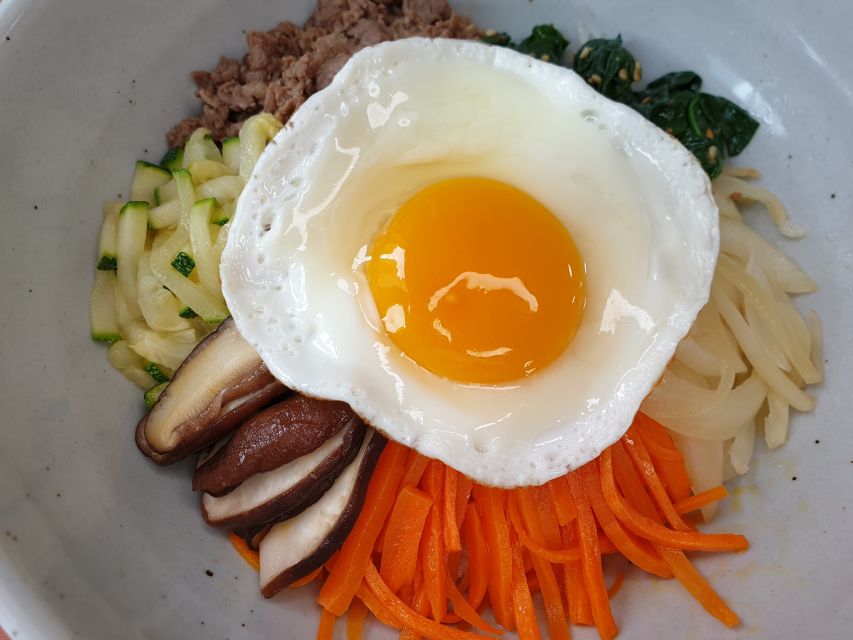
I especially like the focus on Bibimbap and the way the chef has you taste ingredients and sauces before you start cooking. I also like that you eat right where you cook, using a traditional personal dining table called bapsang.
One thing to consider: there is no pickup or drop-off, so you’ll want to plan a simple, reliable route to the meeting address in Haeundae.
In This Review
- Key highlights
- Location Near Haeundae Beach, With a Real Cooking-Home Feel
- Getting There: Flat-Meeting Point in Haeundae (No Pickup)
- Welcome Drink and Sauce Tasting Before You Cook
- Bibimbap on a Bapsang: Cooking the Components, Then Building the Bowl
- Timing and Step-by-Step Instruction That Works for Real Schedules
- Vegan Needs: Notify Early So the Ingredients Fit Your Diet
- Meal Finish: Tea and Dessert Tasting
- What You Take Home: Recipes, Certificate, and a Surprise Gift
- Price and Value: Is $98 for 3 Hours Fair?
- English-Korean Instruction and the Comfort of a Small Classroom
- Who This Cooking Class Is Perfect For
- Should You Book Korean Cooking Class BAPSANG in Busan?
- FAQ
- How long is the cooking class?
- What does the class cost?
- What will I cook during the class?
- Is there tea and dessert included?
- How big is the group?
- What languages are used during the class?
- Is pickup or drop-off included?
- What’s included in the price?
- Can the class accommodate vegan diets?
- Where is the meeting point?
Key highlights
- Small group size (max 9 participants) for more time with the instructor
- Bibimbap cooked step-by-step, with ingredient guidance you can repeat later
- Bapsang dining table makes the meal feel traditional and personal
- Korean tea and dessert tasting included with your final meal
- Recipe handouts, certificate, and a surprise gift to take the experience home
- English and Korean instruction, with names like Min and Kim showing up in recent classes
Other Busan days worth comparing
Location Near Haeundae Beach, With a Real Cooking-Home Feel
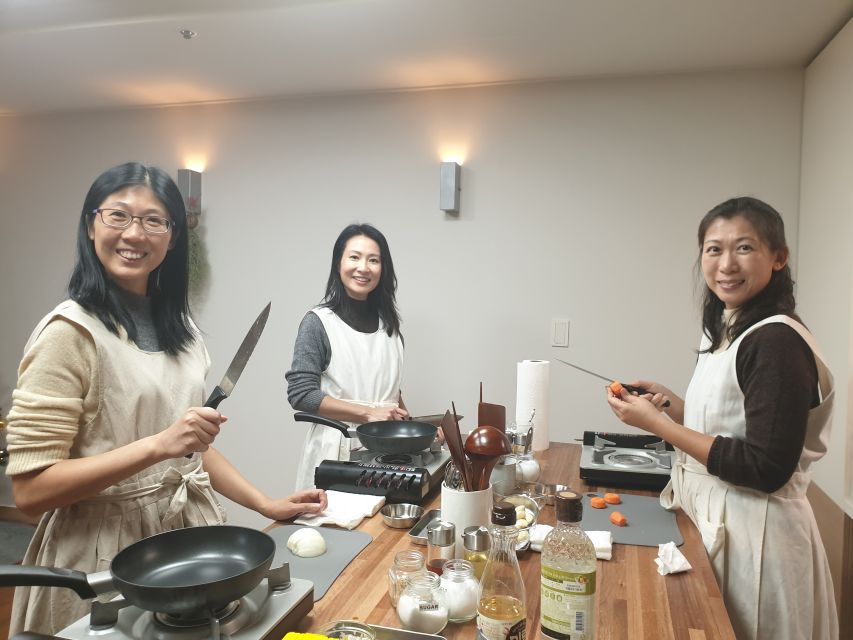
Busan’s Haeundae area is the easy win if you want beach views and great food without complicated logistics. This class is held in an apartment building, specifically Flat #2406 at Hoabin Busan Haeundae on Marine city 3-ro, in U 1(il)-dong, Haeundae.
What I like about this kind of location is that it’s not a tourist stage. You’re learning in a home-style space, with the pace of a small class and the practical rhythm of real cooking.
Getting There: Flat-Meeting Point in Haeundae (No Pickup)
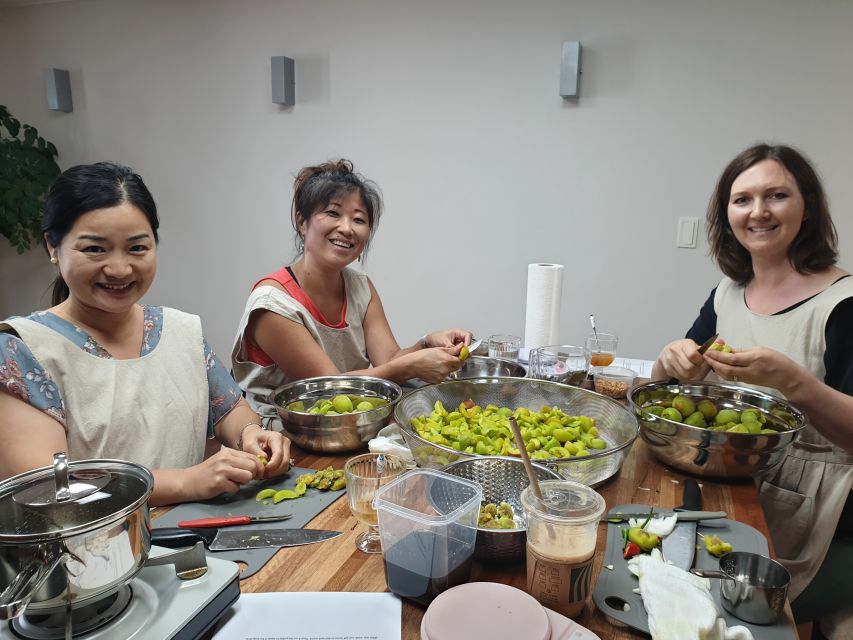
There’s no pickup or drop-off included, so you’ll arrive under your own power. The upside is that you can control your morning, rather than waiting on a van.
For transit, you’ve got a couple workable options:
- Subway: Dongbaek Station (Line 2, green), Exit 1, about 10 minutes on foot
- Bus stops: Daewoo Marina APT Stop (around 7 minutes on foot) and Dongbaek Stop (around 15 minutes on foot)
If you’re trying to keep your trip simple, plan to arrive a few minutes early and give yourself time to find the correct flat number.
Welcome Drink and Sauce Tasting Before You Cook
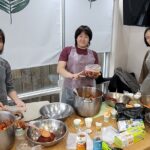
The class starts with a small-group meet-up and a welcome drink. Then the instructor walks you through ingredients and helps you taste Korean sauces, so you understand what you’re building before you start mixing.
This matters more than it sounds. When you taste sauces early, you learn how Korean flavors layer. You also get a feel for saltiness, sweetness, tang, and spice, which makes your final bibimbap much easier to get right.
In recent experiences, instructors are listed with English and Korean skills, and names like Min and Kim appear in class feedback. Either way, you should expect clear step guidance and cultural context, not just a recipe dump.
Bibimbap on a Bapsang: Cooking the Components, Then Building the Bowl
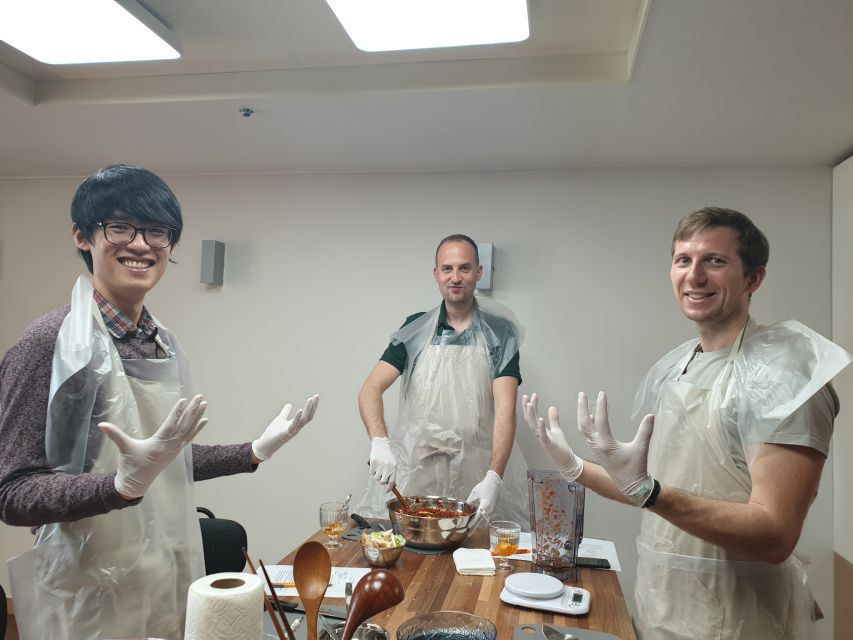
Bibimbap is the headliner here for a reason: it’s iconic, flexible, and very teachable. You’ll cook your own version using fresh, seasonal ingredients, and you’ll serve the meal on a bapsang, a traditional personal dining table.
Here’s what makes this part genuinely useful for you, even after the class ends:
- You learn how components come together (rice base, toppings, seasoning, and balance)
- You practice the sequence so things don’t run late or turn soggy
- You taste as you go, so you understand why one adjustment matters
You’ll also get a feel for the Korean approach to flavor through condiments and sauces. Instead of treating bibimbap like a single dish, you start seeing it like a system: textures, seasoning, and heat all working together in one bowl.
More kitchens to book in Busan
- Korean cooking class in Haeundae, Busan
★ 5.0 · 92 reviews - Busan Tailored Korean cooking class (Vegan OK)with market tour
★ 5.0 · 66 reviews - Busan: Small-Group Traditional Korean Food Cooking Class
★ 4.9 · 58 reviews - Busan Local Food Cooking Class with Market Tour
★ 5.0 · 53 reviews
Timing and Step-by-Step Instruction That Works for Real Schedules
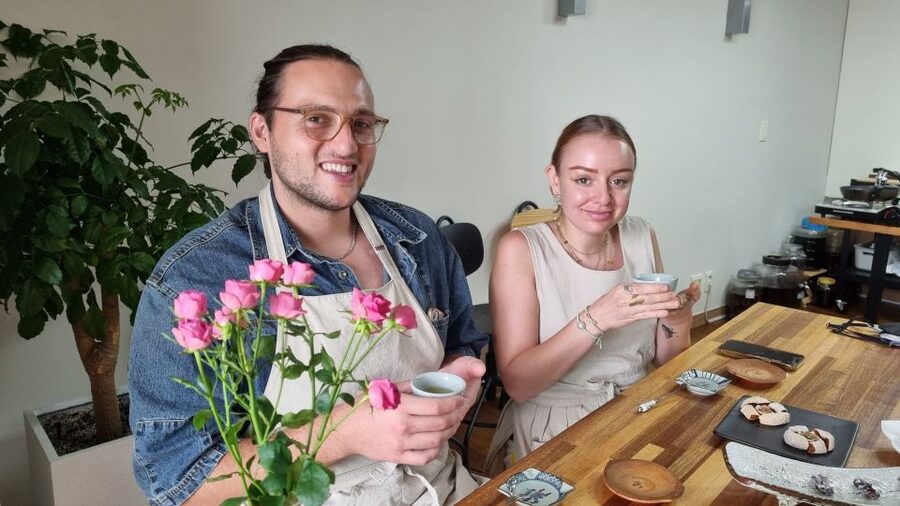
The class runs about 3 hours, which is long enough to do meaningful cooking but short enough that you don’t lose momentum. The instructor provides easy instructions and hands-on guidance while you work.
Small groups (limited to 9 participants) help a lot here. If you’re unsure about a step, you’re not stuck waiting your turn. And if you’re confident, you can move at your own pace within the flow of the class.
Depending on the exact session, some classes in this series include more than bibimbap, such as a soup or a Korean pancake. For example, people report making dishes like Miyeok Guk (seaweed-beef soup) and Buchu Jeon (vegetable fritter) alongside their bibimbap learning. If you care about that extra variety, check with the provider at booking to confirm what’s on your specific menu.
Vegan Needs: Notify Early So the Ingredients Fit Your Diet
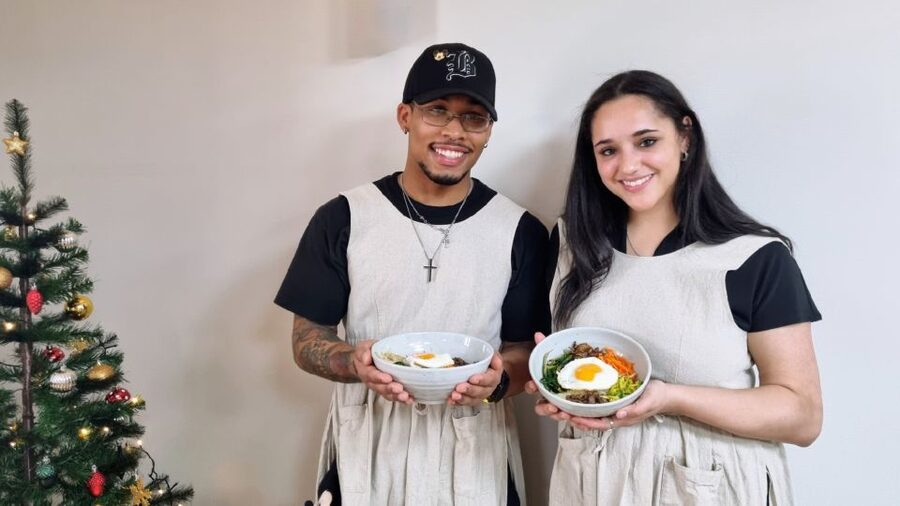
If you’re vegan, tell the provider when you book, or reach out at least 24 hours in advance. That instruction isn’t just polite. Korean cooking can depend on stock, fermented seasonings, and small ingredient sources, so planning matters.
The best approach for you is to be clear about your dietary needs early. Then you’re more likely to get a class that feels equally intentional, not like a last-minute substitution.
Meal Finish: Tea and Dessert Tasting
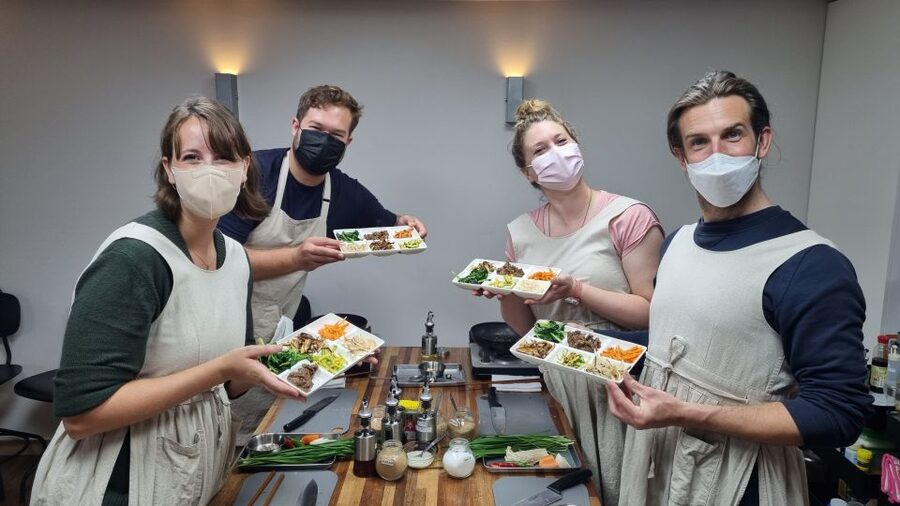
After you cook, you eat the meal you prepared. This is one of the smartest parts of the experience because it closes the loop. You taste what you made and connect flavors to technique while everything is still fresh in your mind.
Then comes the Korean tea and dessert tasting. This gives you a broader sense of Korean meal flow, where sweetness and warmth often show up after savory dishes.
If you’ve been eating Korean food in Busan already, you’ll likely recognize the style, but you’ll experience it in a more grounded way. You won’t just order, you’ll understand what to look for next time.
What You Take Home: Recipes, Certificate, and a Surprise Gift
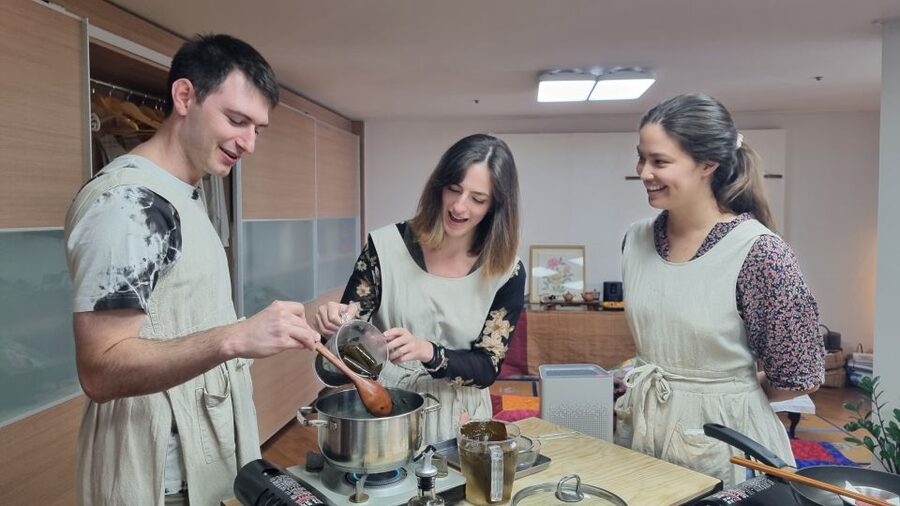
You don’t leave empty-handed. You’ll be given:
- Recipes to take home
- A certificate
- A surprise gift
The recipes are the real value. They help you recreate the flavors later without guessing measurements. A certificate and gift are nice extras, especially if you like collecting proof that you actually learned something.
Price and Value: Is $98 for 3 Hours Fair?
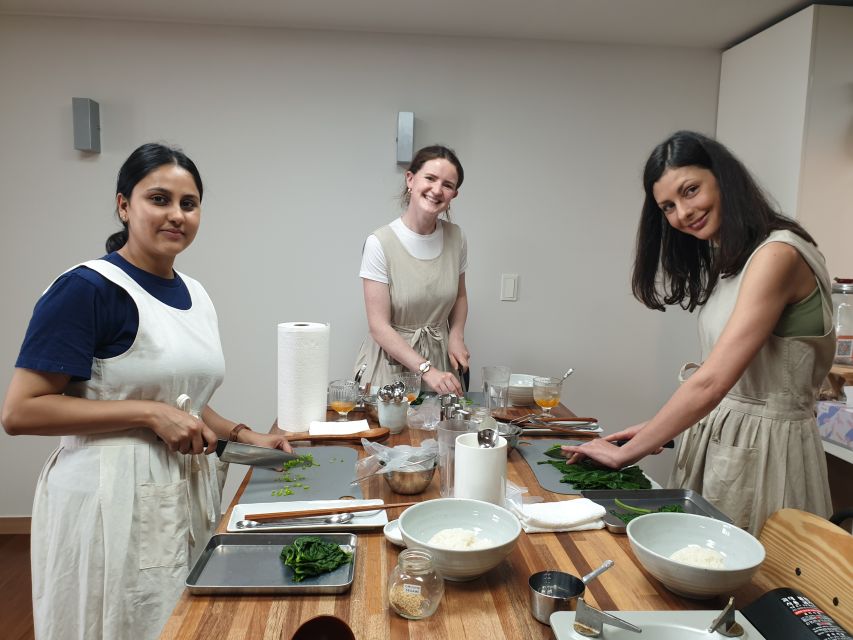
At $98 per person for about 3 hours, this is not the cheapest way to eat in Busan. But it can be good value because you’re paying for multiple things at once: instruction, ingredients, utensils and apron, and a complete meal with dessert.
Think of it as paying for:
- A guided cooking lesson you can repeat at home
- A small-group environment with more direct help
- A full cultural food experience, not just a one-bowl snack
If you’re the type of traveler who wants one hands-on activity that makes the rest of your trip easier, this price can feel reasonable. If you only want to taste Korean food, you might do better with street food. But if you want to come home knowing how to cook something, this class fits.
English-Korean Instruction and the Comfort of a Small Classroom
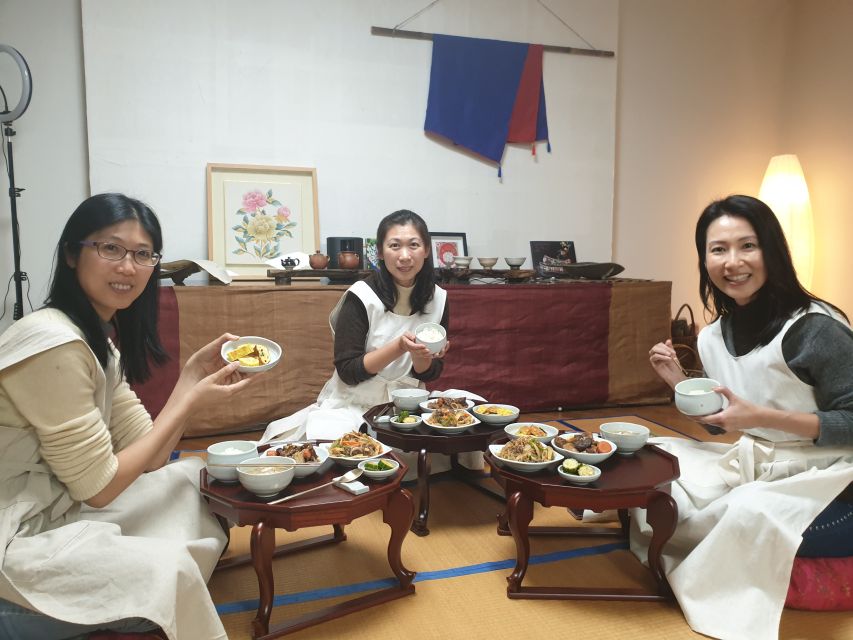
The instructor teaches in English and Korean, and the class is explicitly designed for small groups. That mix is a practical benefit. You get the exact recipe steps, plus you can ask questions when something doesn’t make sense.
In feedback, people repeatedly mention the warmth and clarity of teaching. Several classes also come with extra pointers for enjoying Busan food beyond the classroom, which can save you time when you’re deciding where to eat later.
Who This Cooking Class Is Perfect For
This is a strong choice if you:
- Want a hands-on Busan cooking experience rather than a quick demo
- Like learning by doing, especially with a dish as iconic as bibimbap
- Prefer small-group attention (max 9 participants)
- Want an easy 3-hour block that fits into a Haeundae day
It’s also a good option if you’re traveling with a kid or a friend who learns well through activities. One reason people rate classes highly is that the instruction is structured and step-by-step, not chaotic.
If you’re traveling solo, it’s still social in a comfortable way, since you work together at the same table format and share the meal at the end.
Should You Book Korean Cooking Class BAPSANG in Busan?
I’d book this if you want one memorable, practical food lesson in Haeundae. The combination of bibimbap, sauce tasting, cooking on bapsang, and finishing with tea and dessert gives you a full Korean meal experience, not just a recipe worksheet.
Skip it if you’re mainly trying to fill your stomach fast or you strongly dislike apartment-building meeting points. Also, if you’re vegan, plan ahead and message your needs early so the ingredients match your diet.
Bottom line: if learning a dish you can cook again at home sounds fun, this class is a solid pick for Busan.
FAQ
How long is the cooking class?
The class lasts about 3 hours.
What does the class cost?
The price is $98 per person.
What will I cook during the class?
You’ll cook Bibimbap, including building your meal with vegetables and meat.
Is there tea and dessert included?
Yes. Your meal includes dessert, and you’ll also have Korean tea and a dessert tasting at the end.
How big is the group?
It’s a small group with a maximum of 9 participants (up to 10 including arrangements noted by the provider).
What languages are used during the class?
The instructor provides instruction in English and Korean.
Is pickup or drop-off included?
No. Pickup and drop-off are not included.
What’s included in the price?
Included items are ingredients, utensils and an apron to use during the class, a meal including dessert, water, and recipes to take home.
Can the class accommodate vegan diets?
Yes, but you need to notify in advance when booking, or contact the provider at least 24 hours before the class.
Where is the meeting point?
The meeting point is Flat #2406, Hoabin Busan Haeundae, 37 Marine city 3-ro, U 1(il)-dong, Haeundae, Busan, South Korea.
More Busan Write-Ups


Back to the Kitchen in Busan
Still in Busan? More Here
Fresh on the Busan pile
- Suncheon and Yeosu Daily Private Tour with Pickup Service★ 5.0 · 3 reviews
- Suncheon one day tour from Seoul, Busan or Suncheon★ 5.0 · 3 reviews
- Busan Seafood Tour : Oyster village Tour with Oyster cuisines★ 5.0 · 3 reviews
- 2-DAYS Busan Customized and Included Night tour★ 5.0 · 3 reviews
- Busan Dialect Class with local snack★ 5.0 · 3 reviews
- Korean UNESCO World Heritage Tour including Gyeongju, Andong and Daegu(2N3D)★ 5.0 · 3 reviews
Busan Tours you might have missed.
 ★ 4.8Busan: Gyeongju Guided Day Trip to Three Kingdoms CapitalFrom $521,925 reviews
 ★ 5.0Small Group Full Day Busan Tour (Max 6 Pax)From $991,464 reviews
 ★ 4.8From Busan: Gyeongju UNESCO World Heritage Guided Day TourFrom $521,250 reviews
 ★ 5.0Busan Private Tour with licensed tour guide + private vehicleFrom $1691,143 reviews
 ★ 4.7Busan: Coastal Treasures Beach Train, Culture Village & MoreFrom $51832 reviews
 ★ 4.5Busan’s Cultural Wonders with Beach Train & Gamcheon Village etcFrom $47663 reviews
 ★ 5.0Gyeongju UNESCO World Heritage Guided Day Tour from BusanFrom $57660 reviews
 ★ 5.0Private Busan Tour -Explore Cultural Landmarks with a Local GuideFrom $169552 reviews
Where this tour also appears