
REVIEW · BUSAN TOURS
Busan Kkakdugi(Korean radish Kimchi) class with various options
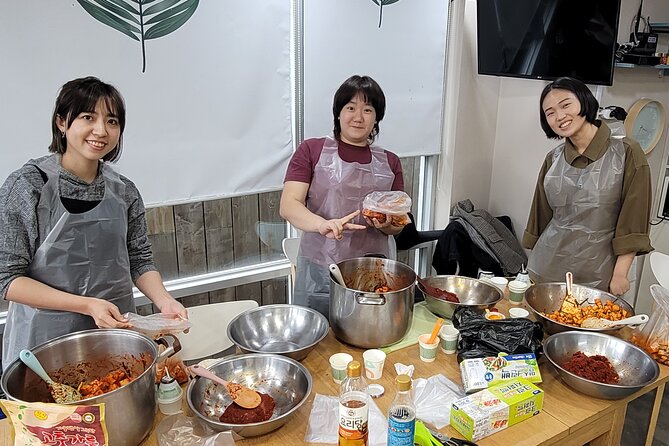
A salty radish and a big payoff. This Busan kkakdugi (radish kimchi) class turns you from curious eater into confident maker, with step-by-step guidance, a small group, and a real take-home container. The vibe is friendly and practical, and you also get a cultural chat about what you are eating and why it works.
I especially like the pacing, you prep radish that needs about 2 hours to marinate, then you move into the sauce and mixing hands-on. I also like that you eat lunch together during the marination break at a Korean Chinese restaurant, so you are not just standing around waiting. One consideration: the session does not include a market tour, so if you want ingredient shopping and browsing, you will need to plan that separately.
In This Review
- Key things I’d bank on
- Entering the Kitchen in Seomyeon, Busan
- The 3.5-hour rhythm: radish first, lunch in the middle
- Hands-on kkakdugi making: what you actually do
- Salting and marinating the radish
- Mixing the seasoning sauce
- The final mixing and packing
- Lunch at a Korean Chinese restaurant, and why that’s smart
- The beach photo stop: Busan in the background
- Who this class is best for
- Price and value: $100 for a hands-on lunch-plus-take-home meal
- Practical tips so your kkakdugi turns out right
- Should you book this Busan kkakdugi class?
Key things I’d bank on
- Small group feel (6-person max), so you can actually ask questions while you work.
- Marination timing built in, salt-rubbed radish first, then seasoning and mixing later.
- You get a take-home plastic container, plus the class aims to give you enough seasoning to try again.
- Lunch during the wait, Korean Chinese food while the radish marinates.
- Beach photo stop afterward, led by your instructor for an easy Busan moment.
- No market tour included, which keeps the class focused on making, not shopping.
Other Busan days worth comparing
Entering the Kitchen in Seomyeon, Busan
Most people hit Busan for beaches first, but the heart of this experience starts inland, in Seomyeon, a major subway hub. You meet at the subway location at Seomyeon Underground Level 730, Jungang-daero, Busanjin District. That matters because it keeps the start simple. You do not need a taxi quest or a complicated transfer to get to the cooking part.
From there, you move to the instructor’s kitchen. This is not a big studio with a show. It is set up for you to participate, and it helps that the group stays small, described as up to 6 people max. There is also mention of a maximum of 8 travelers, so the safest expectation is a tight group either way, not a crowd.
Your instructor for this kind of class has been described as very welcoming and fluent in English, with Paul called out directly for perfect English and enthusiasm for Korean culture. That is a big deal for kimchi making, because small technique details matter, and you do not want to guess.
The 3.5-hour rhythm: radish first, lunch in the middle
The session is about 3 hours 30 minutes. The schedule is built around a practical Korean kitchen reality, radish kimchi does not move fast. The key step is salting the radish and letting it marinate for around 2 hours.
Here is how it typically flows:
First, you briefly hear how the class will work. Then you start with the radish marination step. Since it takes time for salt to do its thing, the class does not rush you into mixing at the start.
After that comes the sauce stage. You will make the seasoning sauce for kkakdugi, and you also get enough to take home so you are not left with a tiny, one-time portion. In plain terms, the goal is that you can recreate it at home without hunting down measurements again.
While the radish marinates, you take a break and eat lunch. Lunch is included, and it is at a Korean Chinese restaurant. That is a nice touch because it gives you a non-kimchi meal while the main ingredient is doing its slow work. You get coffee and/or tea as well, so you can reset before the mixing and final packing.
Then you do the real hands-on part. You make the kkakdugi after the radish is properly marinated. The activity includes giving you plastic containers to take your homemade kimchi home.
One more detail that helps first-timers: the class keeps things accessible, with a simple recipe and step-by-step guidance. It is not the kind of cooking lesson that requires you to already know Korean ingredient names and technique jargon.
Hands-on kkakdugi making: what you actually do
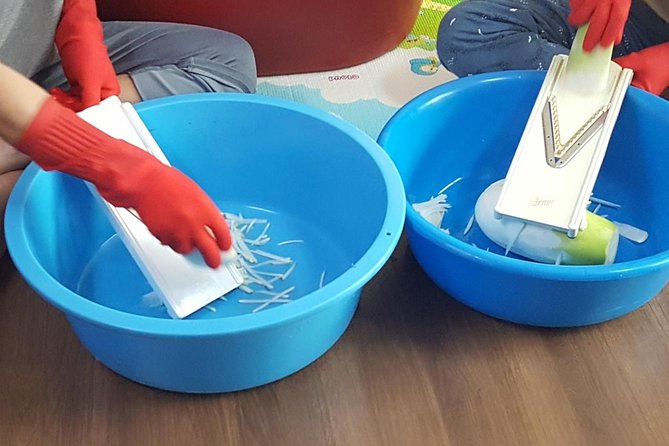
This is not a passive watch-and-nod class. You are expected to work, and that is where the value shows.
Salting and marinating the radish
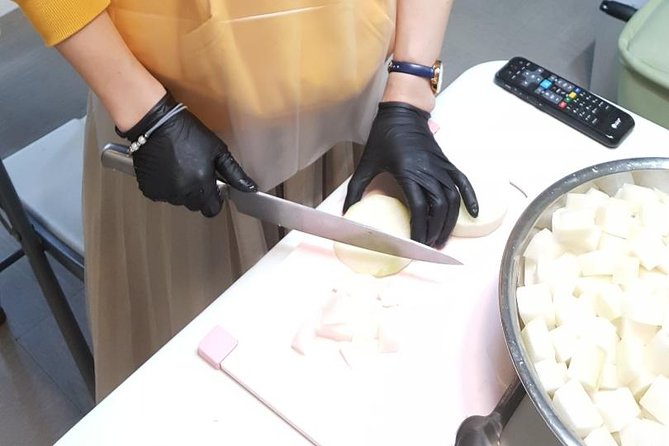
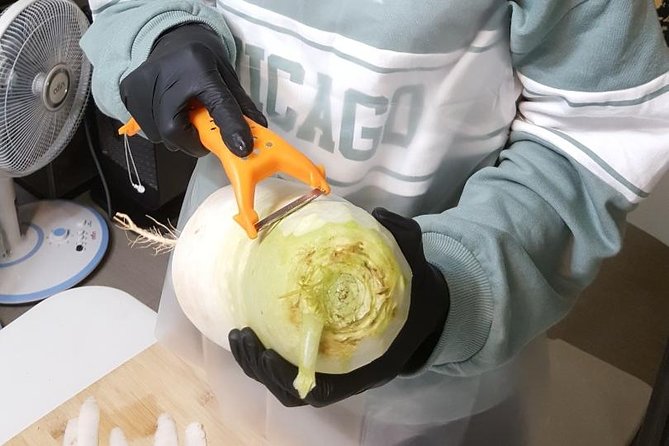
The radish is marinated first, and it takes about 2 hours. In kimchi terms, this waiting stage is not wasted time. It is part of the method. Salt helps the radish taste right and prepares it to absorb seasoning later.
If you have never made kimchi before, this is the step that often feels intimidating. The class approach helps because it is staged. You do the salting correctly, then you get lunch while time passes.
More kitchens to book in Busan
- Korean cooking class in Haeundae, Busan
★ 5.0 · 92 reviews - Busan Tailored Korean cooking class (Vegan OK)with market tour
★ 5.0 · 66 reviews - Busan: Small-Group Traditional Korean Food Cooking Class
★ 4.9 · 58 reviews - Busan Local Food Cooking Class with Market Tour
★ 5.0 · 53 reviews
Mixing the seasoning sauce
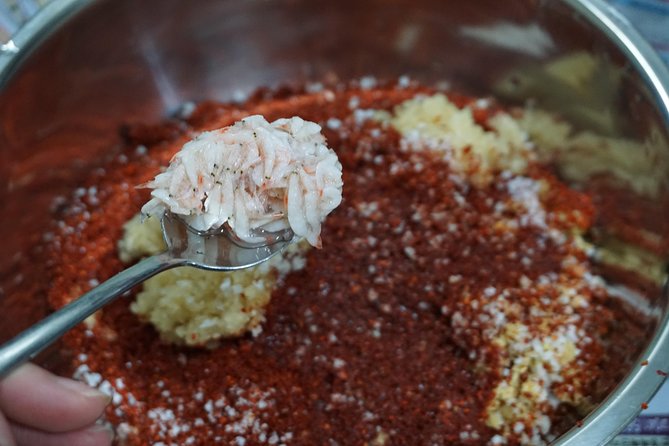
Then you build the seasoning sauce for radish kimchi. The class description emphasizes making enough seasoning for extra use next time. That is a smart design. When you cook at home after, you want to recreate the same flavor profile, and you do not want to discover you have run out of critical components right when you are about to finish.
Also, you might notice chili strength matters. In one past experience, the group even had to halve the chili paste because the full amount would have been too intense. That is a reminder to pay attention to your own tolerance and to follow the instructor’s guidance rather than assuming you need the maximum heat.
The final mixing and packing
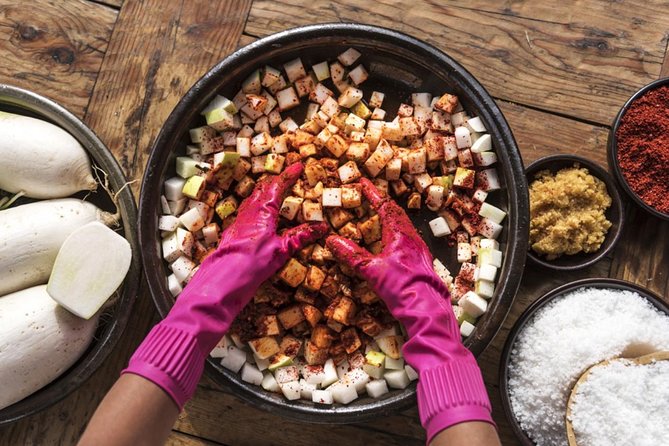
After marinating, you combine the radish with the seasoning. Then comes the take-home part, where you get your share and a container. The class description specifically notes a container is provided so you can take home a portion of the kimchi.
If you like food as a souvenir, this is a practical one. You get something you made yourself, and you can eat it later when you want the taste to feel like a travel memory, not just a meal that vanished.
Lunch at a Korean Chinese restaurant, and why that’s smart
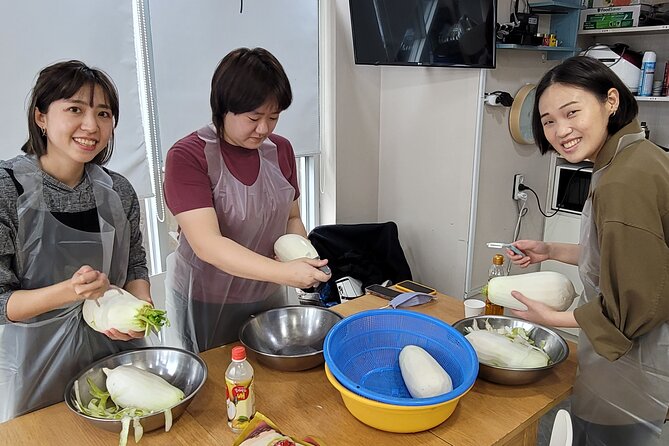
Lunch is included during the break while the radish marinates. That sounds simple, but it is actually a strong value element.
Without this, you would either:
- eat out nearby and lose time, or
- wait at the kitchen for too long and feel restless.
Instead, you get a sit-down break. The restaurant is described as Korean Chinese, which usually means comforting, familiar flavors that pair well with a kimchi-making day. You also get coffee and/or tea, so you can settle your nerves before the mixing stage.
One practical tip for your day: since you are making food that involves salt and chili, choose a lunch that keeps you comfortable. Drink water. Save your strongest spice curiosity for the cooking session, so you do not end up feeling overwhelmed before your hands are even in the sauce.
The beach photo stop: Busan in the background
After the class, your instructor takes you to a nearby beach for photographs. This is not a long sightseeing detour. It is a quick, easy add-on that helps you connect your food experience to the city around it.
Why it works: you finish the cooking feeling proud and hungry, then you immediately step into a Busan moment for photos. You get that sense of completion, like the day has a beginning (Seomyeon start), middle (hands-on kkakdugi), and end (Busan coastline).
If you like taking photos that feel lived-in rather than staged, this part is a nice fit. You are not walking for hours. You are getting a simple setting right after you cook.
Who this class is best for
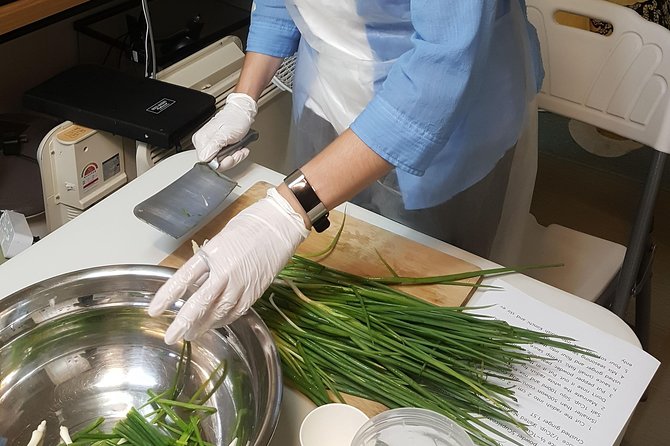
This experience is built for people who want real technique, not just a cultural snack.
You will likely love it if:
- you are new to kimchi and want a simple, step-by-step approach
- you want a class small enough to ask questions while you work
- you care about leaving with something tangible, the homemade kkakdugi in a container
- you want a Korean culture activity that mixes food craft with a bit of local context
It may be less ideal if you strongly prefer market experiences. The class does not include a local market tour, so you will not get that browsing and ingredient shopping piece. In that case, pair it with your own market visit on a different day in Busan, so you still get both the shopping story and the cooking story.
Price and value: $100 for a hands-on lunch-plus-take-home meal
The price is $100 per person. For Busan, cooking classes can vary a lot, and this one feels priced for a small-group, instructor-led setup.
Here is what you are paying for, in concrete terms:
- hands-on radish kimchi making with guidance
- the time-intensive process where radish needs about 2 hours to marinate
- lunch at a Korean Chinese restaurant during the break
- coffee and/or tea
- a plastic container so you take your homemade kkakdugi home
When you compare that to buying ingredients and trying at home without a method, the class gives you both technique and a flavor baseline. Also, the class aims to give you seasoning sauce enough for extra use, which can stretch your outcome beyond a single meal.
One thing to weigh: it is not the cheapest activity in the city. But it is also not a big, impersonal show. If you want an experience that gives you food you can eat later, and you enjoy cooking with your hands, the value tends to land well.
Practical tips so your kkakdugi turns out right
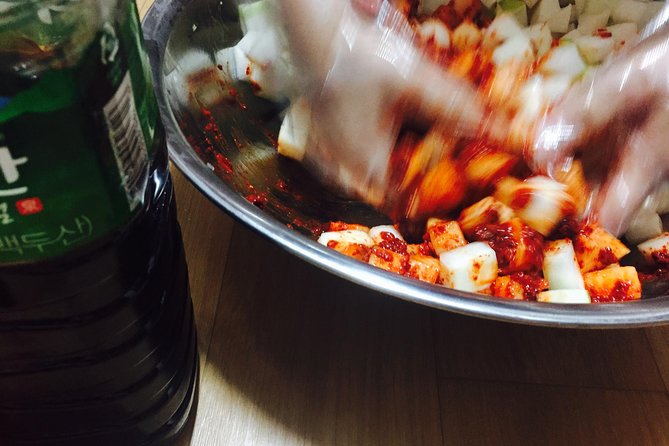
These are small but useful because kimchi success is often about process, not just ingredients.
- Plan for time. The radish needs about 2 hours to marinate, so your day should have some breathing room around the class.
- Expect to adjust heat. Past participants even handled chili paste by halving it when needed. If you have a low tolerance, tell your instructor early so you can match the sauce to your level.
- Taste with intention during sauce mixing. The recipe is guided, but you are involved. Pay attention to texture and coating, because that is what radish kimchi is after.
- Bring an appetite. You are eating lunch during the marination break, then you get your hands busy again. It is a full food-focused block, not a quick snack class.
- Bring a plan for transporting your container. The class provides the container, but you still want to keep it upright and sealed for the trip back to your hotel.
Should you book this Busan kkakdugi class?
If you want an authentic Busan food experience with real technique, I think this is a strong yes.
Book it if you:
- want a small-group class (6-person max style) with hands-on instruction
- like the idea of taking home homemade kkakdugi
- enjoy food days that include both cooking and a proper sit-down included lunch
- are happy to skip the market tour in exchange for a focused cooking workshop plus a short beach photo stop
Skip it if:
- you specifically want a market tour and ingredient shopping as part of the experience
- you are looking for a quick, no-wait activity, because the radish marination time is central to how the class works
If you do book, try to arrive with curiosity, not perfectionism. Kimchi is forgiving in the sense that you can learn the method, and you will taste your way through the result. When you open that container later, the best part is not just eating kimchi. It is knowing you made it, in Busan, with guided steps that actually fit real kitchen timing.
More Busan Write-Ups





Back to the Kitchen in Busan
Still in Busan? More Here
Fresh on the Busan pile
- Suncheon and Yeosu Daily Private Tour with Pickup Service★ 5.0 · 3 reviews
- Suncheon one day tour from Seoul, Busan or Suncheon★ 5.0 · 3 reviews
- Busan Seafood Tour : Oyster village Tour with Oyster cuisines★ 5.0 · 3 reviews
- 2-DAYS Busan Customized and Included Night tour★ 5.0 · 3 reviews
- Busan Dialect Class with local snack★ 5.0 · 3 reviews
- Korean UNESCO World Heritage Tour including Gyeongju, Andong and Daegu(2N3D)★ 5.0 · 3 reviews
Busan Tours you might have missed.
 ★ 4.8Busan: Gyeongju Guided Day Trip to Three Kingdoms CapitalFrom $521,925 reviews
 ★ 5.0Small Group Full Day Busan Tour (Max 6 Pax)From $991,464 reviews
 ★ 4.8From Busan: Gyeongju UNESCO World Heritage Guided Day TourFrom $521,250 reviews
 ★ 5.0Busan Private Tour with licensed tour guide + private vehicleFrom $1691,143 reviews
 ★ 4.7Busan: Coastal Treasures Beach Train, Culture Village & MoreFrom $51832 reviews
 ★ 4.5Busan’s Cultural Wonders with Beach Train & Gamcheon Village etcFrom $47663 reviews
 ★ 5.0Gyeongju UNESCO World Heritage Guided Day Tour from BusanFrom $57660 reviews
 ★ 5.0Private Busan Tour -Explore Cultural Landmarks with a Local GuideFrom $169552 reviews
Where this tour also appears