
REVIEW · HISTORICAL TOURS
10day Small Group Discover Korea Tour : History, Food and Culture
Volcano views, temples, and a real DMZ day. What makes this tour interesting is the way it mixes Jeju volcanic wonders with Korea’s DMZ reality, while still building in real time for food markets and city strolls. I like the built-in pacing, but do note the itinerary can shift if flights are affected by weather, and the DMZ day has timing rules.
Two big things I really like: first, the sights are varied but connected, from lava tubes and black-sand beaches to Silla-era heritage in Gyeongju. Second, you get a lot of meals handled for you, including a 1 night temple stay, so you are not always hunting for food after long days. The main drawback to consider is that you are moving between regions by flights and car, so this is best if you are comfortable with a full schedule.
In This Review
- Key Highlights You Should Know Before You Go
- A Smart 10-Day Mix: Flights, Meal Coverage, and Temple Night
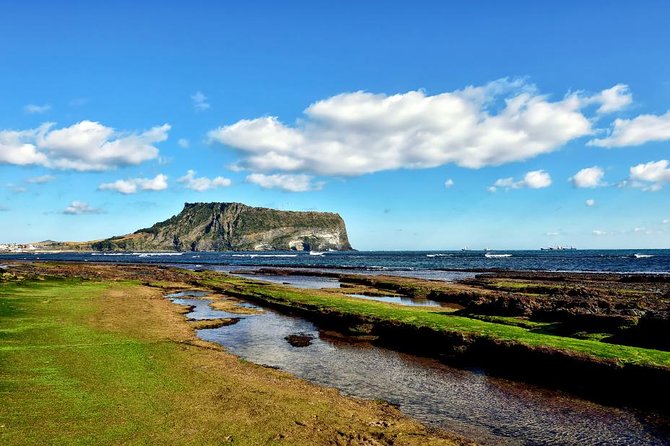
- Jeju on Day 1 and 2: Dokkaebi Road, Lava Tubes, Black Sand, and Crater Views
- Busan by the Sea: Culture Village Stairs, BIFF Food Stops, and Haedong Yonggungsa
- Gyeongju Days 4 and 5: Bulguksa, Seokguram, Silla Tombs, and a Night Pond
- Pohang and Tapsa to Jeonju: Mountain Stops, Stone Pagodas, and Real Food Power
- Seoul Days 7 and 8: Suwon Fried Chicken, Gyeongbokgung, Hanok Streets, and Kwangjang Market Eats
- DMZ Day 9: Rules, Tunnels, Dora Observatory, and the Bridge Walk
- Final Day in Seoul: NANTA Comedy, Cooking Class, Han River Views, and Myeongdong Snacks
- Price and Logistics: Does About $3,800 Make Sense?
- Who Should Book This Tour (and Who Should Rethink It)
- Should You Book This 10 Day Discover Korea Tour?
- FAQ
- What is the duration of this tour?
- Where does the tour start?
- How much does it cost, and is pickup included?
- What flights are included?
- What meals are included?
- Is the guide language English?
- Are entrance fees included?
- What is DMZ day like in terms of logistics?
- Does the tour include a temple stay?
- Can I cancel and get a refund?
Key Highlights You Should Know Before You Go
- Jeju’s volcanic hits, from lava tubes to columnar cliffs
- Busan’s seafood culture, from BIFF Square snacks to Jagalchi market stops
- Gyeongju history with a night at Golgulsa Temple, plus classic night views
- Jeonju Hanok Village food focus, including bibimbab and a traditional rice wine table
- DMZ day with strict timing, no reservations, and an early first-come approach
- Seoul finale with NANTA comedy and a hands-on Korean cooking class
More eating and drinking in Seoul
A Smart 10-Day Mix: Flights, Meal Coverage, and Temple Night
This tour is built like a highlight reel, but with enough structure to keep it practical. You start on Jeju Island, fly to Busan, then work your way through Gyeongju, Jeonju, and Seoul, finishing with a DMZ day and two food-heavy Seoul experiences. If you want Korea’s big “first-time” variety without planning every leg, the route does that job.
Value-wise, the meal plan is a quiet win. You get 7 breakfasts, 7 lunches, and 2 dinners, plus entrance fees on the plan and domestic flights (Gimpo to Jeju, Jeju to Busan). That matters because admissions and transport are usually where an “easy” trip quietly turns expensive and stressful.
One more detail you will appreciate: there is AC vehicle support and an English speaking tour guide, plus pickup is offered. It means you can spend your energy on the places, not figuring out transfers.
Jeju on Day 1 and 2: Dokkaebi Road, Lava Tubes, Black Sand, and Crater Views
Jeju is the kind of place where the geography is the story, and this tour does a good job turning geology into an itinerary you can actually enjoy.
Day 1 begins with the fun, weird stuff. Dokkaebi Road (Goblin’s Road) is famous for its optical trick, where it looks uphill, but it can behave oddly depending on how you move it, like turning off your engine. Then you jump into two different flavors of indoor entertainment: ARTE Museum Jeju, a video and light arts museum, and Spirited Garden, a bonsai-focused garden that is popular with Korean celebrities.
After that, you get classic Jeju nature. Hyeopjae Beach is all about a relaxed break, and you can bring a bathing suit if you want to swim or simply pair it with a cafe stop overlooking the sea. Jusangjeollidae delivers dramatic volcanic column formations, and Cheonjiyeon Falls gives you a shorter waterfall stop that still feels scenic without eating your whole day.
Day 2 shifts from coastal views to deeper volcanic interiors. Manjanggul Cave is a long lava tube, the kind of place where you will remember the ceiling, the darkness, and the slow walking. Sangumburi Crater gives you the giant bowl perspective, where looking down makes the scale feel unreal.
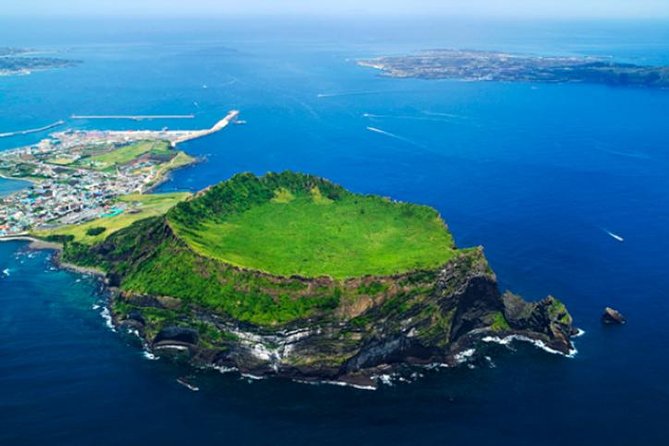
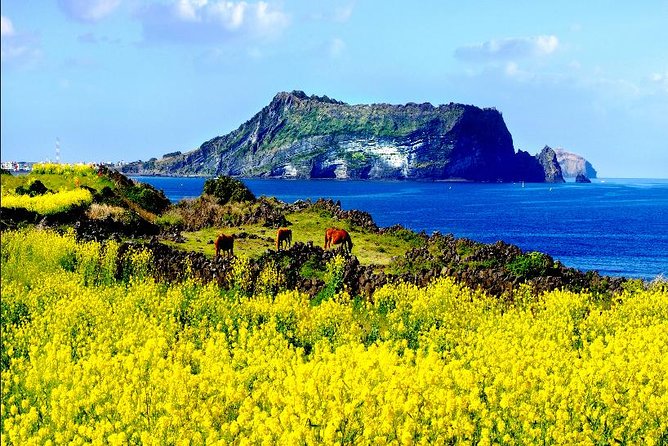
The beaches keep coming, and they are different on purpose. Gwangchigi Beach is known for soft black sand made from basalt, which is a detail you can actually look for with your eyes and feet. Seongsan Ilchulbong (Sunrise Peak) is the tuff-cone structure you climb for crater views, and even if you are not chasing sunrise, the hike-and-look format is the point.
For culture, you end with Seongeup Folk Village, where local Jeju traditions are preserved, and Dongmun Market, a practical place to snack and browse without needing a separate plan.
Practical tip: Jeju days include beaches and caves, so bring layers. Indoors can be cooler, and outdoors can change fast.
Busan by the Sea: Culture Village Stairs, BIFF Food Stops, and Haedong Yonggungsa
Busan can feel like three cities stacked on top of each other: artsy hillside streets, food street energy, and ocean temples. This day leans into all three.
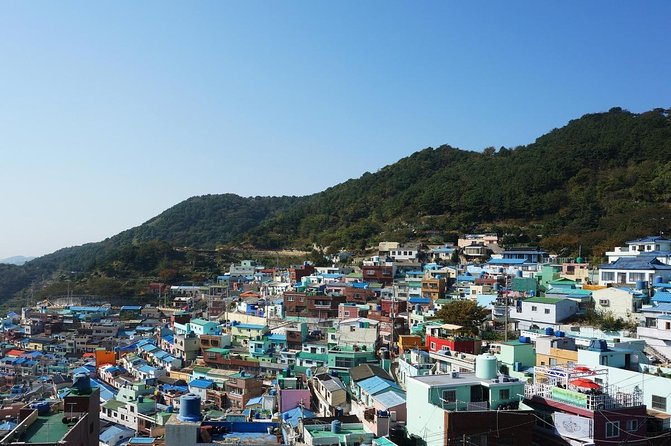
You start with Busan Gamcheon Culture Village, built in staircase fashion along the coast mountain. It is visually fun and great for photos, but it is also a lot of walking, so wear comfortable shoes.
Then you head to the seaside zone with Songdo Skywalk. It is paired with ocean views and a cluster of seafood options, plus an Ocean Cable Car that is optional. If you prefer staying on your feet rather than riding, you can skip the cable car and still enjoy the area.
For food and atmosphere, BIFF Square is the hit. It is associated with the film scene, but in real life it is a street-food hangout. The stop includes classic snack energy like sweet pancakes, plus browsing time.
You also make the Jagalchi Market stop, one of Busan’s most well known fish markets. It is lively and eye-catching, and you do not need to spend long to get the point, especially since it is close to the BIFF street area.
The temple finish is the emotional reset. Haedong Yonggungsa sits next to the sea and is often considered one of the most beautiful temples in Korea. This is the day’s calm moment, where you get nature and architecture working together.
Gyeongju Days 4 and 5: Bulguksa, Seokguram, Silla Tombs, and a Night Pond
Gyeongju is where Korea’s long timeline becomes tangible. The itinerary hits the major “name sites,” but it does it in a way that avoids feeling like a museum-only day.
Day 4 starts with Golgulsa Temple, tucked in natural surroundings near Gyeongju. The big draw here is that it runs a Templestay program 365 days a year, and your tour includes 1 night of stay as part of the package. Even if you do not do extra activities beyond what is offered, just having a temple night in your trip plan changes the tone from city mode to slower, quieter living.
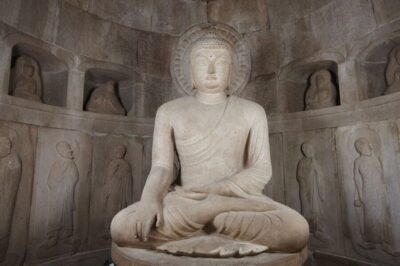
Then you go to two heavyweight heritage stops. Bulguksa Temple is tied to the Shilla Kingdom, and Seokguram is known for its famous Buddha statue and its artistic reputation. The effect is like moving from the doorway of a story into the core of it.
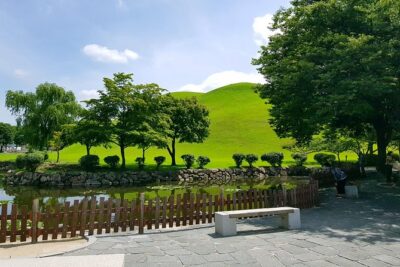
Day 5 continues with history and astronomy vibes. Daereungwon Tomb Complex is a set of tombs spread around Hwangnam-dong and nearby areas, and it is a strong reminder that Gyeongju’s culture is not only in buildings, it is in the ground itself. Cheomseongdae Observatory brings an astronomy angle, and it is one of the oldest surviving observatories in Asia.
The Gyeongju National Museum is a useful breather, especially after outdoor walking. It houses artifacts connected to the Silla dynasty, and it helps you connect what you saw on the street to objects you can actually read and examine.
For the night view payoff, you go to Donggung Palace and Wolji Pond, famous for nighttime scenery. This is where your camera roll gets the good stuff. You also pass Woljeonggyo Bridge, another light and water view stop built for the night-walk vibe.
Other food bookings in Seoul
- Seoul Night Palace & Market Food Tour with Vehicle
★ 5.0 · 275 reviews - Seoul Fun Food Tour: 12 different food tastings
★ 5.0 · 266 reviews - The Award-Winning PRIVATE Food Tour of Seoul: The 10 Tastings
★ 4.5 · 128 reviews - Afternoon E-bike tour and “Happy Hour” food and drinks
★ 5.0 · 46 reviews - Mangwon Market Food tour By Locals; Cheap Eats to Fancy Feast
★ 5.0 · 38 reviews
Pohang and Tapsa to Jeonju: Mountain Stops, Stone Pagodas, and Real Food Power
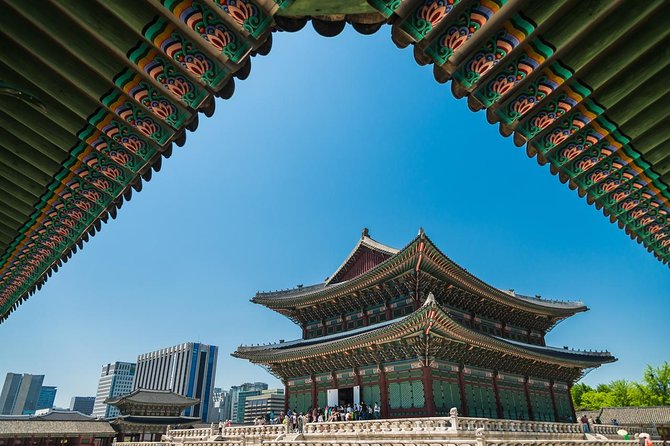
Day 6 is a turning point, moving from heritage to a food-forward cultural experience.
You begin with Maisan Mountain, described as horse ear shaped. There is also a Maisan observatory stop, then you head to Tapsa Temple, recommended by CNN as one of Korea’s beautiful temples. The standout detail is the over 80 stone pagodas built by Lee Gapyong, a retired scholar. That is a lot of pagodas, and the density matters. It turns the temple into a visual map you can actually trace with your eyes.
Then comes Jeonju, which the plan clearly frames as a food city. In Jeonju Hanok Village, you get bibimbab and a traditional rice wine table at night. The timing matters here. If you arrive at the right pace, the hanok setting feels like part of the meal experience, not just a backdrop.
You also see Gyeonggijeon Shrine, built in 1410 and tied to the Joseon dynasty’s founder King Tae-jo, plus Jeondong Catholic Church, connected to martyrs from the Joseon era. There are also viewpoint observatory stops, Omokdae and Imokdae, where you look down over the area with your naked eyes.
Your included supper is at 옛촌막걸리 삼천점, a Korean style pub recommended by CNN. This meal is built around rice wine and shared plates. The plan is explicit: the more rice wine you order, the more dishes appear at the table, up to a certain point, so the experience can feel communal rather than strict.
Practical note: Jeonju is a walking and eating combo. Pace yourself. You can always save room for market snacks later, but your stomach will thank you on that first round.
Seoul Days 7 and 8: Suwon Fried Chicken, Gyeongbokgung, Hanok Streets, and Kwangjang Market Eats
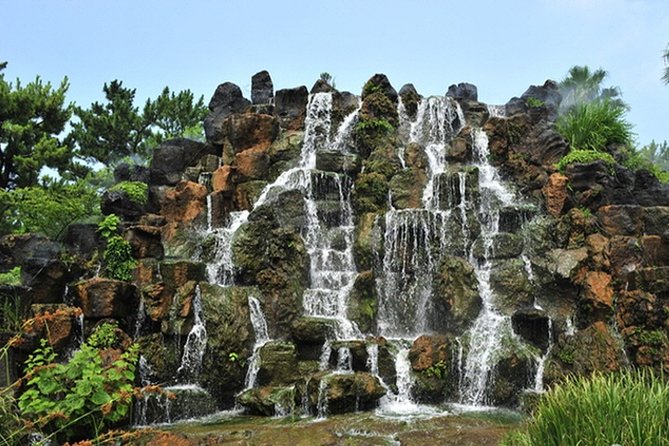
Seoul on this route is not only about palaces. It is about food stops and neighborhoods that help you understand how old and new live together.
Day 7 begins with travel into Seoul, with a stop at a UNESCO site, Suwon Hwaseong Fortress. The fortress is listed as having been designated UNESCO World Cultural Heritage in 1997. It is also practical because you get a clear reason for visiting beyond scenery, it was one of the Joseon dynasty’s major regional government centers.
Then you get the Suwon bonus: a fried chicken street packed with restaurants. The plan notes marinated flavors based on Korean BBQ style sauces. Even if you do not eat on every corner, the street stop adds a local flavor to the day that feels different from palace time.
Day 8 is classic Seoul highlights, but with food and wandering built in. Gyeongbokgung Palace is the big starting point, and the visit is time-boxed so you can see the main value without feeling rushed. Then you go to Insadong, a shopping street suited to souvenirs and art galleries.
You also walk through Bukchon Hanok Village, where hundreds of traditional hanok houses cluster together. It is easy to get lost, which is half the fun, just keep an eye on street signs and take breaks when you need them.
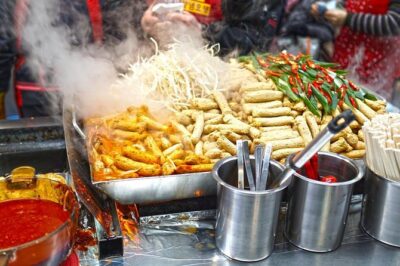
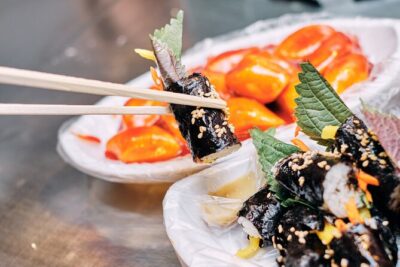
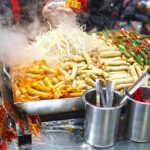
The food payoff is Kwangjang Market, which is listed as having over 100 types of food. The plan calls out munbean pancakes, Korean donuts, gimbab, ddeokbbokki, and fruit juice, which is a perfect checklist for “try a little of everything” energy. Then you climb up for views at N Seoul Tower, described as offering 360-degree city views.
You finish with a spiritual calm stop at Jogyesa Temple, described as meaningful for Seoul residents and the first temple built in the center of Seoul. This is a good “reset” after shopping and tower photos.
DMZ Day 9: Rules, Tunnels, Dora Observatory, and the Bridge Walk
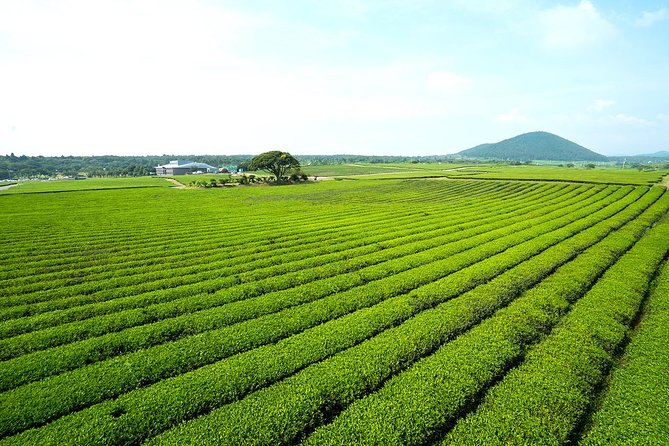
If you care about history and reality, DMZ day is the emotional center of the whole trip.
The plan is clear that it is not a typical sightseeing area, it is a military zone with procedures. The timing rules matter: there is no reservation for DMZ tickets, and it follows first come, first served, with an early meeting time. That means you should treat this day as your “get there early and be flexible” day.
You visit The Third Tunnel, one of the aggression or invasion tunnels, dug after the Korean War. You even get to go down into the tunnel area to check it, which is where the story becomes physical. Then you go to Dora Observatory, described as a highlight because you can see North Korea with binoculars, plus view areas like Gaeseong and the industrial complex area.
You also visit Tongil Park (Unification Park), described as the only village in the civilian control zone where people actually live, and it is the last DMZ stop where you can buy DMZ items and local products.
Finally, you get a light nature break with Gamaksan Chulleong Bridge. It includes only a short hike, about 10 minutes, and the plan frames it as a place with Korean War battlefield history now turned into a spot local visitors enjoy.
Practical advice: bring patience and plan to stand in lines. This day runs on logistics more than mood.
Final Day in Seoul: NANTA Comedy, Cooking Class, Han River Views, and Myeongdong Snacks
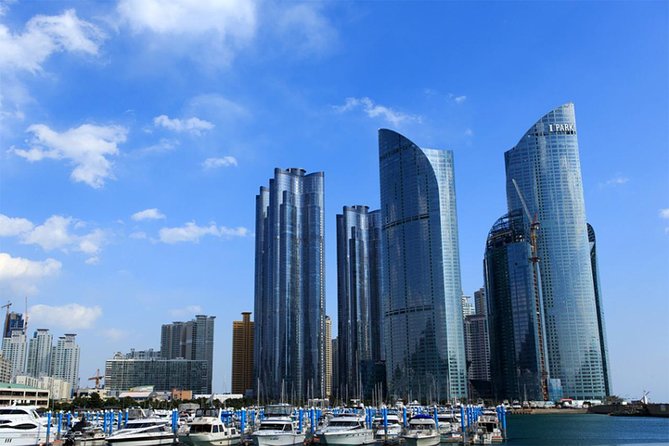
Your last day turns the focus fully toward culture you can taste and feel.
First up is Cookin’ NANTA (Myeongdong), a non-verbal comedy show with Korean rhythm and fusion style. It is clearly positioned as a top tourist favorite, and the non-verbal format is also friendly if you want to relax after a long schedule.
Then you take a small group k-cooking class in Seoul. The menu changes monthly, but it includes items like bulgogi, gimbab, kimchi, and pancakes. Even if you have eaten Korean food before, making dishes gives you a more grounded understanding of flavors and technique.
After cooking, you take in an outdoor walk at Seonyudo, Gunsan, described as a han river park spot for walking with panoramic views of Seoul and the Han river. Then the day wraps with Myeongdong Shopping Street, a classic Seoul energy zone where street food vendors and shopping create that constant city hum.
If you only want to buy souvenirs once, do it here. If you still have room for snacks, do it here too. Your legs might disagree, but your taste buds will understand.
Price and Logistics: Does About $3,800 Make Sense?
At $3,800 per person, this is not a budget-only tour. But it is closer to a “managed trip” price than a self-planning vacation price.
Here’s the value logic from what is included:
- 9 nights in 3.5 to 4 star accommodation
- Domestic flights between regions (Gimpo to Jeju, Jeju to Busan)
- An English speaking guide plus an AC vehicle
- Entrance fees on the plan
- 7 breakfasts, 7 lunches, and 2 dinners
- 1 night Golgulsa Temple stay
When you price that mix yourself, the flights, entrance tickets, and guide time are usually what push costs up. So the real question is not only the price tag, it is whether you want this exact route and level of structure.
The main “watch-outs” are also practical:
- Your plan can change if the Jeju or Busan flights are delayed or cancelled due to weather.
- Not planned meals are on you, so build some flexibility into your budget and appetite.
- DMZ day uses strict timing, including a first-come approach and early meeting expectations.
Who Should Book This Tour (and Who Should Rethink It)
This tour fits best if you are:
- A first-time Korea visitor who wants big regional variety without doing the heavy planning.
- A history and culture lover who appreciates seeing heritage sites in context, not only as standalone photos.
- A food-driven traveler who likes markets and included meals, from Jeonju bibimbab to Kwangjang market snacks.
It might not be ideal if you:
- Prefer unhurried days with minimal transfers, because you will fly and ride between regions.
- Hate early starts, since DMZ day has timing rules that require you to be prompt.
- Want a fully free-choice schedule, because the tour includes a set sequence with only discussion-based destination adjustments.
Should You Book This 10 Day Discover Korea Tour?
If your idea of a great trip is mixing Jeju nature, Busan food, Gyeongju heritage, and Seoul city highlights, with a DMZ day that adds weight to the whole story, then this is a strong match. The included meals and entrance fees help you control stress, and the temple stay night is the kind of experience you remember long after the photos.
My call: book it if you want structure, variety, and guided context. Pass if you want a slow, flexible vacation with minimal travel days.
FAQ
What is the duration of this tour?
It runs for about 10 days.
Where does the tour start?
The tour begins in Seoul, and the start time is listed as 9:00 am. You then fly to Jeju as part of the itinerary.
How much does it cost, and is pickup included?
The price is $3,800.00 per person, and pickup is offered.
What flights are included?
Domestic flights are included for Gimpo to Jeju and Jeju to Busan.
What meals are included?
The tour includes 7 breakfasts, 7 lunches, and 2 dinners. Not planned meals are not included.
Is the guide language English?
Yes. The tour includes an English speaking tour guide.
Are entrance fees included?
Entrance fees are included on the plan.
What is DMZ day like in terms of logistics?
The plan notes there are procedures for entering the military zone, including no reservation for DMZ tickets and first come, first served. Meeting time needs to be early.
Does the tour include a temple stay?
Yes. It includes 1 night Golgulsa Temple stay.
Can I cancel and get a refund?
The experience is non-refundable and cannot be changed for any reason.
Chopsticks and Cups Across Seoul
Keep Browsing Seoul
More Seoul Write-Ups
Fresh on the Seoul pile
- Unique Native Experience : Han River Picnic, Board game, BBQ★ 5.0 · 3 reviews
- 2-Hour Private Kayaking and Paddleboarding Experience in Hanriver★ 5.0 · 3 reviews
- Korean Folk Village & Suwon Hwaseong Fortress Private Tour★ 5.0 · 3 reviews
- Seoul Korean BBQ Dinner Experience with Secret Food Tours★ 5.0 · 3 reviews
- Seoul Highlights & Hidden Gems – Private Tour with Photo Service★ 5.0 · 3 reviews
- Night Food Tour in Seoul with Traditional and Modern Cuisine★ 5.0 · 3 reviews
Historical Tours you might have missed.
 ★ 4.8From Busan: Gyeongju UNESCO World Heritage Guided Day TourFrom $521,250 reviews
 ★ 5.0Gyeongju UNESCO World Heritage Guided Day Tour from BusanFrom $57660 reviews
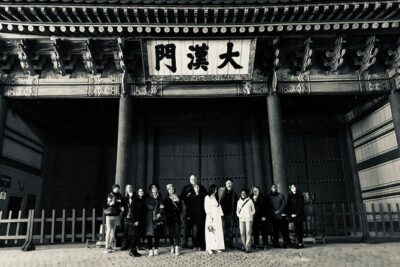 ★ 5.0Seoul: Evening Dark History, Folklore & Ghost Story Walking TourFrom $42593 reviews
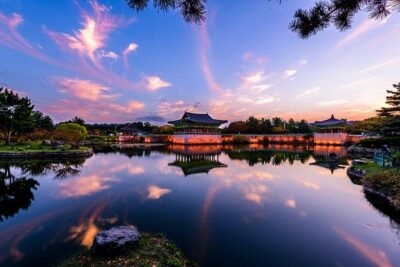 ★ 5.0Old Korea Thousand History Tour of Gyeongju from BusanFrom $64518 reviews
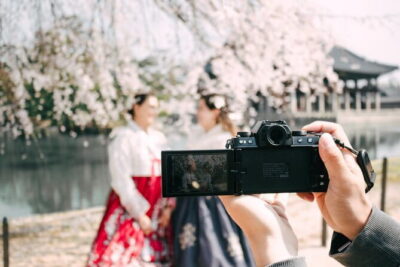 ★ 5.0Hanbok Photoshoot and History Tour at Gyeongbokgung PalaceFrom $60276 reviews
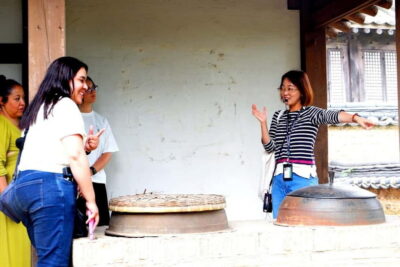 ★ 4.9From Seoul: Dae Jang Geum Park Historic K-Drama Set TourFrom $55143 reviews
 ★ 5.0Gyeongju UNESCO World Heritage Sites and History Full-Day Tour with LunchFrom $189104 reviews
 ★ 4.8Gyeongju: UNESCO Heritage Tour Including Bulguksa TempleFrom $189104 reviews
Where this tour also appears