
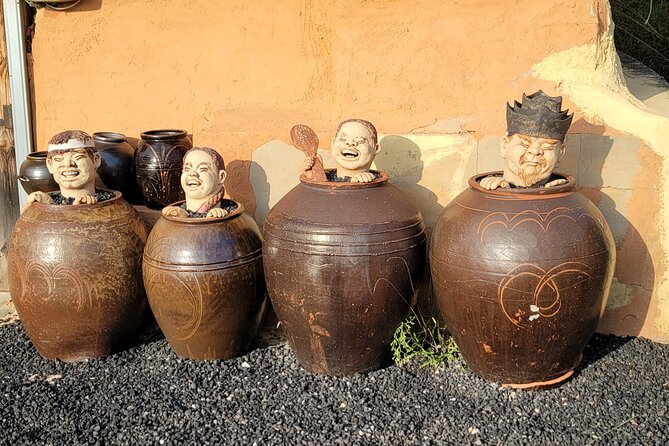
REVIEW · BUSAN TOURS
Korean Pottery Town Tour with the pottery class from Busan
Onggi pottery turns into real conversation. This 6-hour trip near Busan mixes traditional Korean snacks and an actual pottery-making session in a village most visitors skip. You get a small group of up to 15 people, plus time to wander markets and see how Onggi is made and used.
I especially like the pace and the mix: a guided walk through an Onggi village setting, then market time where you can snack and eat what locals order. I also like that lunch is included and described clearly, so you can plan your day without guessing. The one catch to factor in is the pottery class schedule, since pottery making is not available on Mondays and Wednesdays, depending on what day you book.
In This Review
- Key Things to Know Before You Go
- Onggi Village From Busan, Built for Hands-On Learning
- Meeting at Bujeon Station, Then Moving Toward the Pottery Town
- The Onggi Village Visit: Artisans, Village Life, and What Onggi Actually Does
- Wandering the Pottery Market for Real Buying Clues
- Namchang or Gijang Market: Snacks, Local Rhythm, and Lunch You Can Taste
- The included lunch (what to expect)
- Making Your Own Pottery Piece to Take Home
- Shipping note if you want to go lighter
- Price and Value: Why $170 Can Feel Fair Here
- What This Tour Feels Like Day-of: Pacing, Energy, and Who It Suits
- Should You Book the Korean Pottery Town Tour?
- FAQ
- Is the pottery class included every day?
- What’s included in the tour price?
- Where does the tour start and end?
- How long is the tour?
- How big is the group?
- Which market will I visit during the tour?
- Is international shipping included for the pottery?
- What if the weather is bad?
Key Things to Know Before You Go

- Up to 15 people means questions get answered and you spend less time stuck in a crowd.
- Pottery class days matter: pottery making is not available on Monday and Wednesday.
- Market timing is date-based: Namchang Market runs on specific days, otherwise you’ll see Gijang Market.
- You’ll use the subway from Busan, about 1 hour each way as part of the day flow.
- Lunch is included with stir-fried small octopus plus dumpling soup or noodles, and bottled water is provided.
Other Busan days worth comparing
Onggi Village From Busan, Built for Hands-On Learning
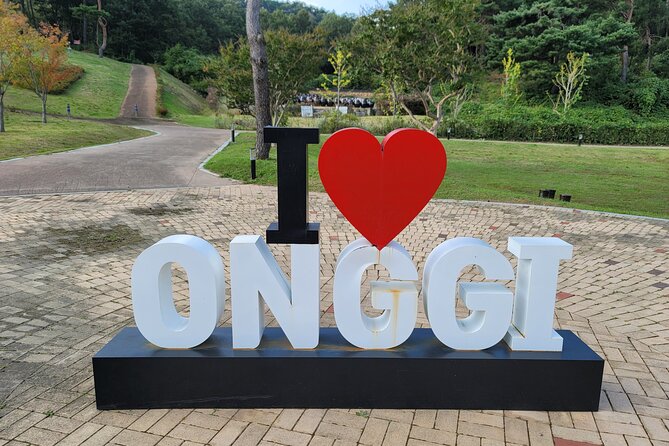
Korean Onggi is one of those crafts that feels like it belongs to daily life, not a museum. It’s pottery made in a village setting, with artisans, tools, and the kind of practical knowledge you only pick up when people show you what they do and what it’s for.
What makes this tour work is the variety. You don’t just look at finished pieces. You also see the village atmosphere and get time in a pottery market, where you can connect what you’re learning to what you can buy, use, and recognize in real homes and shops. That is the kind of experience that sticks after the trip.
Meeting at Bujeon Station, Then Moving Toward the Pottery Town
You start and end at Bujeon Station in Busan. That’s a plus if you’re staying somewhere central, since it keeps the day simple. You’ll head by subway toward the pottery town, and the ride is about 1 hour as part of the tour schedule.
Why I like this transport choice: it keeps you from needing to coordinate a complicated taxi plan. Also, taking public transit in Korea is usually straightforward, and having a group timebox helps you avoid the mental load of figuring everything out on your own.
When planning your day, keep in mind the whole tour runs about 6 hours. That makes it a good half-day add-on if you want something more meaningful than a quick city stroll.
The Onggi Village Visit: Artisans, Village Life, and What Onggi Actually Does
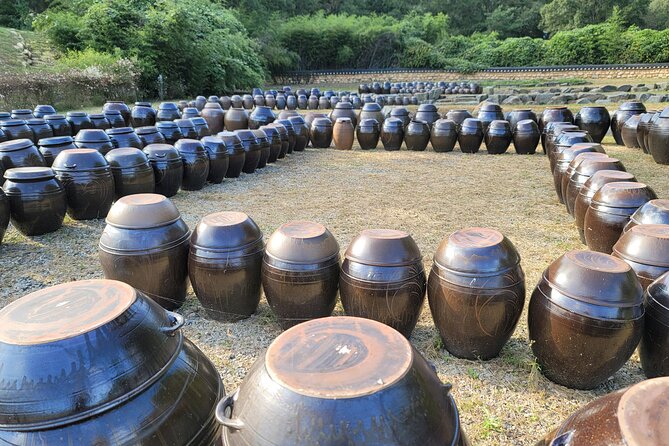
Near Busan, you’ll visit an Onggi Village where artisans gather to make Onggi. Expect the kind of traditional village atmosphere that is hard to replicate in the middle of a big city. You’ll see works made by artisans and get insight into how the pottery-making process works.
In plain terms, the tour is set up to help you understand Onggi as a craft and as a practical material. That matters because once you know what Onggi is used for, a lot of the pottery you might have seen in shops starts making more sense. You’ll be able to notice differences and ask better questions, not just stare at decorative items.
The village visit is also a chance to see artifacts rarely found in larger cities. If you’ve already done the typical Busan sightseeing boxes, this is the shift that makes the day feel fresh.
Wandering the Pottery Market for Real Buying Clues
After you arrive, you’ll spend about 1 hour and 30 minutes around the pottery market area. This time is not just free time. It’s where you connect your hands-on learning to real examples you can browse.
Use this segment to do three things:
- Look for the kinds of pieces you like to use at home. (Even if you don’t buy, it helps you decide what you’d want if you ship later.)
- Pay attention to what catches your eye, since you’ll probably see a wider range of styles than you expected.
- Ask questions if your guide offers them, especially if you want to understand what’s “everyday pottery” versus more decorative items.
One practical note: pottery markets can be a bit of a sensory experience, so wear comfortable shoes. You’ll likely spend more time standing and walking than you think.
More sit-down-and-try sessions in Busan
- Korean cooking class in Haeundae, Busan
★ 5.0 · 92 reviews - Busan Tailored Korean cooking class (Vegan OK)with market tour
★ 5.0 · 66 reviews - Busan: Small-Group Traditional Korean Food Cooking Class
★ 4.9 · 58 reviews - Busan Local Food Cooking Class with Market Tour
★ 5.0 · 53 reviews - [BUSAN,GamcheonVillage] Private Korean Art Painting Class
★ 5.0 · 20 reviews
Namchang or Gijang Market: Snacks, Local Rhythm, and Lunch You Can Taste
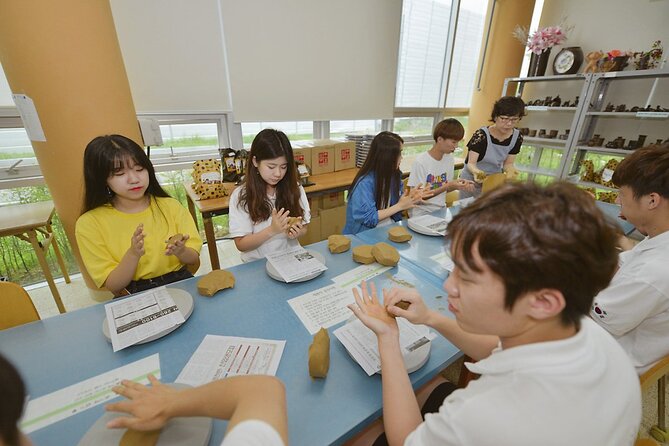
Market stops are where this tour earns its charm. Depending on the date, you’ll visit Namchang Market or Gijang Market.
Here’s the date pattern you should know:
- Namchang Market is held on days ending in 3 or 8 each month.
- The specific listed days are 3, 8, 13, 18, 23, 28.
- If your tour date is not one of those, you’ll see around Gijang Market instead.
This detail matters because it changes the vibe and what you’ll have access to. If you care about “seeing the exact market,” check your day of the month before you book, or at least be ready for a slight change in the market flavor.
You’ll also try traditional Korean snacks during this market time, which is one of the easiest ways to make your day feel local. Then lunch comes in as a proper meal, not a token plate.
The included lunch (what to expect)
Lunch is included and described as:
- Stir-fried small octopus
- Dumpling soup or noodle
Bottled water is provided. If you have dietary restrictions, it’s worth mentioning them when you confirm, since at least one past guest noted the guide arranged lunch to suit dietary needs.
Making Your Own Pottery Piece to Take Home

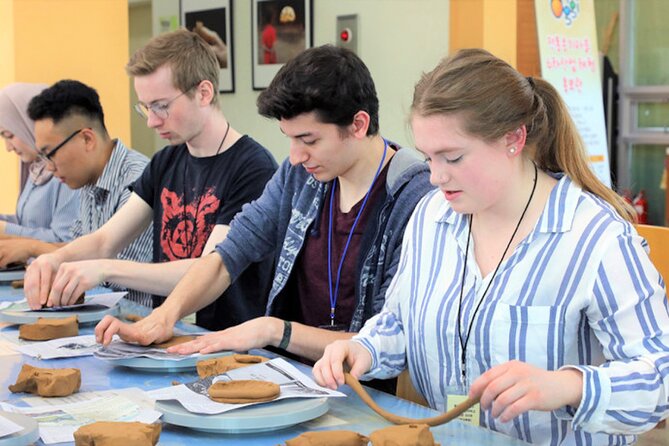
The best souvenir is usually the one you made, not the one you bought. This tour includes a pottery making class where you create a piece of pottery to take home with you.
However, pay attention to the schedule: pottery making is not available on Monday and Wednesday. If you book for one of those days, you may still get the village and market experience, but you should confirm what the experience includes on that date.
If you do get the class, treat this part like a mini workshop. Your goal is not perfection. It’s learning the process, watching the technique, and creating something personal. Even if your piece is not museum quality, it will be meaningful in a way a store-bought item won’t be.
Shipping note if you want to go lighter
International shipping of your pottery is not included. The listed rates are:
- KRW 40,000 per person (or KRW 50,000 for USA)
So if you’re traveling light or worried about breakage, plan ahead. Decide whether you’ll carry it safely or use the shipping option.
Price and Value: Why $170 Can Feel Fair Here

At $170 per person, this isn’t a budget snack tour. But it also isn’t just a sightseeing walk.
Here’s what you’re paying for, in practical terms:
- Small-group experience (maximum 15 people), which usually means more time with the guide and less waiting.
- Guided village and market time, including a visit to Onggi Village.
- Lunch included, with specific food listed.
- Subway-based transportation as part of the schedule.
- A pottery class, when available.
When the pottery class runs, the value gets stronger because you add a hands-on workshop plus a take-home item. When it doesn’t run (Monday and Wednesday), the tour still has merit for the village, markets, and lunch, but your “make something” payoff will be lower. That’s the main value swing to consider.
If you’re the type who likes meaningful souvenirs and doesn’t want to spend the whole day coordinating transit, this price can feel reasonable.
What This Tour Feels Like Day-of: Pacing, Energy, and Who It Suits
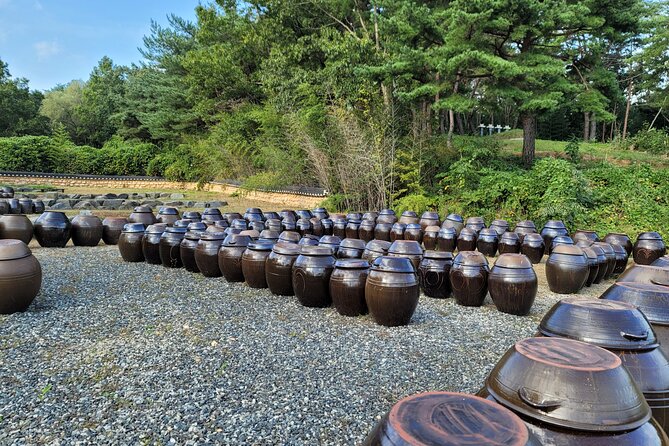
The schedule is structured but not rushed. You’ll move from Busan by subway, spend time browsing pottery areas, then shift into the local market atmosphere for snacks and lunch. You end back at Bujeon Station, which simplifies your evening plans.
This fits best if you:
- Want a break from big-city sightseeing and prefer craft-centered travel.
- Like hands-on learning and want an experience you can remember with a physical item.
- Enjoy markets, even if you don’t plan to shop heavily.
It might be less ideal if you:
- Only want the pottery class on a specific day, especially if your trip lands on Monday or Wednesday.
- Have a strong preference for one specific market (Namchang vs Gijang) and your date changes which one you’ll see.
Also, keep your expectations realistic. You’re spending a half-day learning and browsing, not a full multi-day pottery residency.
Should You Book the Korean Pottery Town Tour?
Book it if you want a focused, small-group day that connects Onggi pottery to real place and real craft. The combo of village visit + pottery market time + included lunch + snacks is exactly the sort of itinerary that turns a “things to do in Busan” list into a story you can tell.
I’d be careful before booking only if:
- Your travel dates are Monday or Wednesday and you really want the pottery making class.
- You’re very sensitive about meal choices and haven’t checked how lunch fits your needs.
- You’d rather not deal with the extra shipping conversation if carrying the pottery home is stressful.
If you’re flexible and you like authentic, craft-focused experiences, this is an easy yes for a half-day slot near Busan.
FAQ
Is the pottery class included every day?
Pottery making is not available on Monday and Wednesday.
What’s included in the tour price?
It includes bottled water, lunch (stir-fried small octopus plus dumpling soup or noodle), and the pottery making class when it runs.
Where does the tour start and end?
The tour starts and ends back at Bujeon Station in Busan.
How long is the tour?
It lasts about 6 hours.
How big is the group?
The group size is maximum 15 travelers.
Which market will I visit during the tour?
You’ll visit Namchang Market on dates 3, 8, 13, 18, 23, and 28 each month. If your date is not one of those, you’ll see around Gijang Market instead.
Is international shipping included for the pottery?
No. International shipping is not included. The listed rates are KRW 40,000 per person, or KRW 50,000 for USA.
What if the weather is bad?
The tour requires good weather. If it’s canceled due to poor weather, you’ll be offered a different date or a full refund.
Keep Browsing Busan




More Busan Write-Ups


Still in Busan? More Here
Fresh on the Busan pile
- Suncheon and Yeosu Daily Private Tour with Pickup Service★ 5.0 · 3 reviews
- Suncheon one day tour from Seoul, Busan or Suncheon★ 5.0 · 3 reviews
- Busan Seafood Tour : Oyster village Tour with Oyster cuisines★ 5.0 · 3 reviews
- 2-DAYS Busan Customized and Included Night tour★ 5.0 · 3 reviews
- Busan Dialect Class with local snack★ 5.0 · 3 reviews
- Korean UNESCO World Heritage Tour including Gyeongju, Andong and Daegu(2N3D)★ 5.0 · 3 reviews
Busan Tours you might have missed.
 ★ 4.8Busan: Gyeongju Guided Day Trip to Three Kingdoms CapitalFrom $521,925 reviews
 ★ 5.0Small Group Full Day Busan Tour (Max 6 Pax)From $991,464 reviews
 ★ 4.8From Busan: Gyeongju UNESCO World Heritage Guided Day TourFrom $521,250 reviews
 ★ 5.0Busan Private Tour with licensed tour guide + private vehicleFrom $1691,143 reviews
 ★ 4.7Busan: Coastal Treasures Beach Train, Culture Village & MoreFrom $51832 reviews
 ★ 4.5Busan’s Cultural Wonders with Beach Train & Gamcheon Village etcFrom $47663 reviews
 ★ 5.0Gyeongju UNESCO World Heritage Guided Day Tour from BusanFrom $57660 reviews
 ★ 5.0Private Busan Tour -Explore Cultural Landmarks with a Local GuideFrom $169552 reviews
Where this tour also appears