
REVIEW · BUSAN TOURS
Busan: Winter Healing Park and (Gyeongju/Daegu) One Day Tour
Snow day planning made easy.
This Busan day trip strings together Kookmin Healing Park winter fun plus either Gyeongju’s major sights or Daegu’s market-and-ice scenery, all in an 11 hour loop with a guide team that works in English and Chinese.
I especially love the hands-on winter activities at the park, from sled rides to calm snowy walks, plus an optional canoe add-on you can pay for on-site. I also love how the guides like Amy, Sophie, and Lee explain what you’re seeing in plain terms, then help with practical photo moments along the route.
A possible drawback is that winter conditions can change the plan, especially on the Daegu side where the final ice stop depends on ice quality, and meals are on you.
In This Review
- Key things to know before you go
- Kookmin Healing Park Winter, the right kind of chaotic
- Kookmin Healing Park: sled rides, icy walks, and an optional canoe fee
- Gyeongju Winter Combo: Bulguksa, Gyochon Village, Hwangridan Street, Woljeong Bridge
- Bulguksa Temple, a World Cultural Asset stop
- Gyochon Traditional Village and the Choi clan story
- Hwangridan Street: street food and cafe time
- Woljeong Bridge, stone arches and old engineering
- Daegu Winter Combo: Seomun Market first, then ice wall or Biseulsan
- Seomun Market: your lunch break is part of the deal
- Okyeon Reservoir Songhae Park ice wall or Biseulsan Recreational Forest
- Guides Amy, Sophie, and Lee: why the explanation part matters
- Price and value: is $65 a fair deal for this winter day?
- Timing, weather shifts, and what to watch during the long day
- Should you book this Busan winter day trip?
- FAQ
- How long is the tour?
- What does the tour price include?
- Are meals included?
- Is the canoe experience included at Kookmin Healing Park?
- How much is the canoe experience fee?
- What winter stops are available on the Daegu route?
- What tour languages are available?
- What if I’m traveling with a stroller or an infant?
Key things to know before you go
- Snow play first at Kookmin Healing Park, with sled rides and icy scenery
- Two course choices: Gyeongju Winter or Daegu Winter after the park
- A real history hit on the Gyeongju route, including Bulguksa Temple
- Lunch flexibility on the Daegu route at Seomun Market (your own expenses)
- Ice conditions can adjust your Daegu finale, choosing between two winter nature spots
- Canoe is optional and paid in cash on-site at Kookmin Healing Park
Other Busan days worth comparing
Kookmin Healing Park Winter, the right kind of chaotic
This is a winter day built around one big idea: go somewhere snowy, then stitch in history or city energy without you having to navigate every turn. You get round-trip transportation from Busan and admission fees included, so the day feels simple from the start.
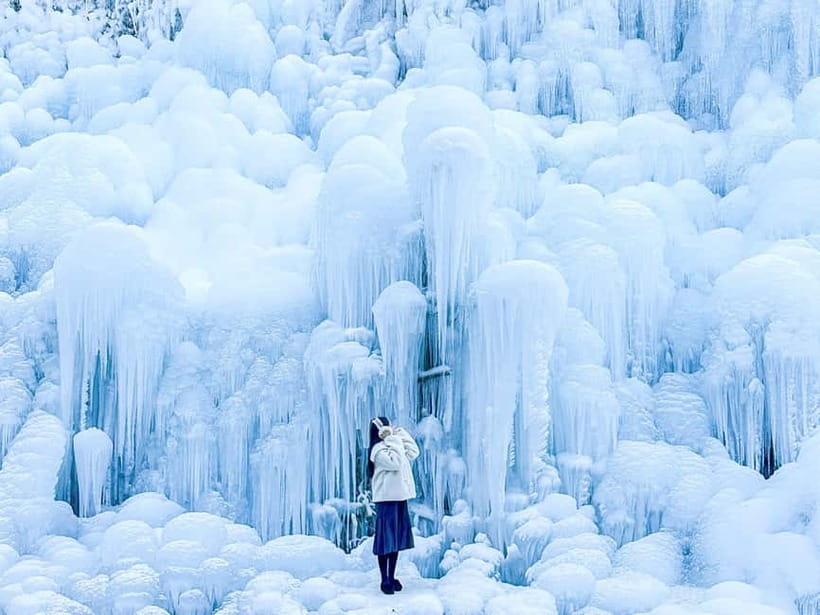
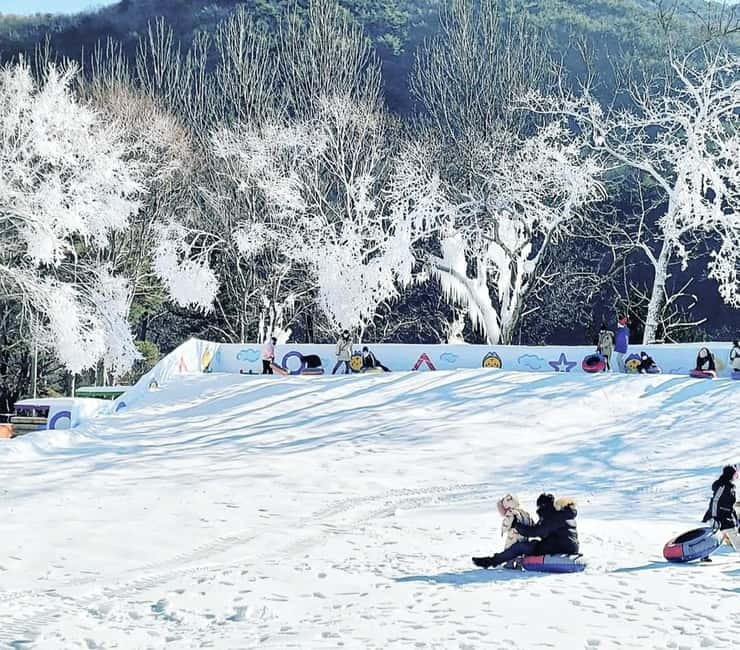
The park itself is the anchor. You’re not just standing outside taking photos. Expect winter activity time, with things like sled rides and winter walks through ice scenery. If you like weather that actually changes your mood, this is a good match.
Also, the group setup is geared for comfort. The staff work with English and Chinese, and the live guide language can include English, Chinese, and Korean. That matters when you want context for temples and street scenes, not just a bus stop and a handout.
Kookmin Healing Park: sled rides, icy walks, and an optional canoe fee
Kookmin Healing Park is the part of the day where you’ll feel winter in your bones, in a good way. Plan for time to enjoy the snowy wonderland atmosphere and the activities that come with it.
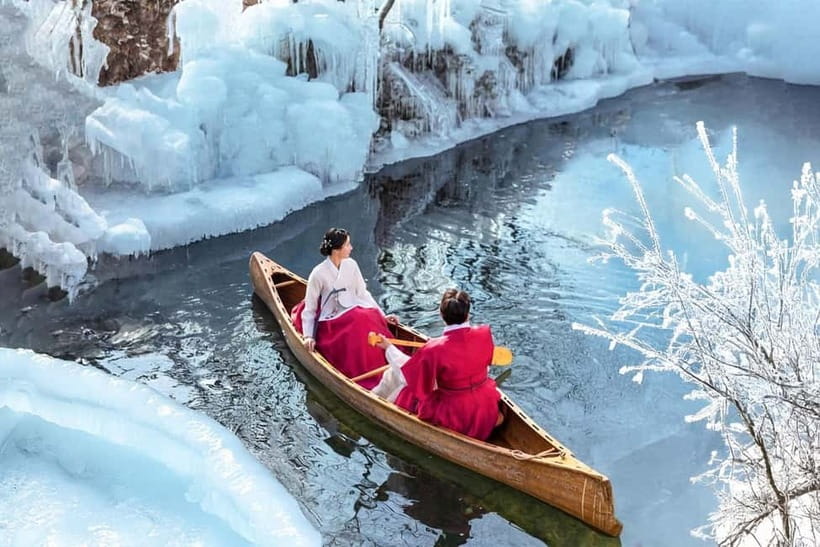
Here’s the practical part: canoeing is optional, and it’s paid on-site in cash. The canoe experience fee depends on the seat count. For 1 to 4 seaters it’s KRW 30,000, and for 5 to 8 seaters it’s KRW 50,000. If you want to do it, I’d budget for it before you arrive, because paying day-of means you’ll want your bills ready.
In the winter activities zone, I’d think of footwear like it’s the main “ticket.” Even if the park is fun and scenic, ice can be slick. Wear shoes with decent grip and consider warm socks. You’ll enjoy the sled rides more if you’re not fighting cold feet.
If you’re a photo person, you’ll have chances. One highlight from the guide feedback is how guides help take good photos during the day, and the park is an obvious backdrop for that.
Gyeongju Winter Combo: Bulguksa, Gyochon Village, Hwangridan Street, Woljeong Bridge
If you pick the Gyeongju Winter course, your day becomes a guided walk through layered Korean heritage. After the park time, you move to major sights that connect to Gyeongju’s status as a historic center.
Bulguksa Temple, a World Cultural Asset stop
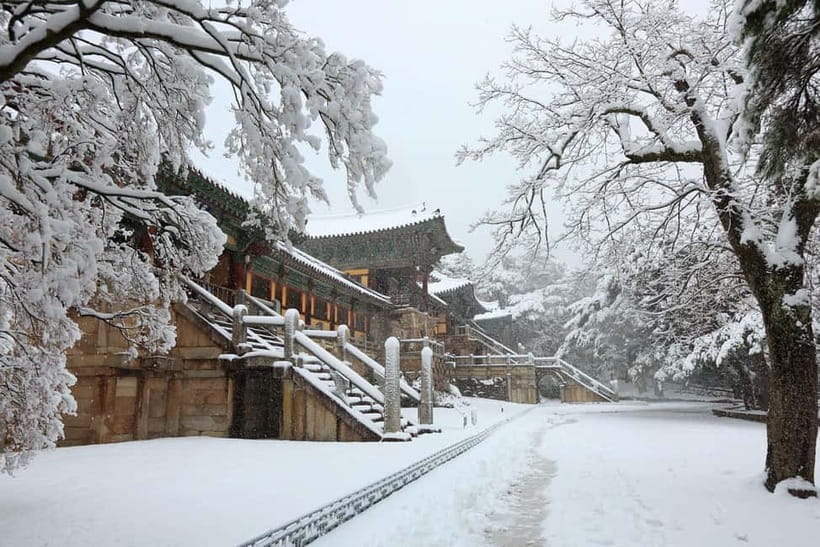
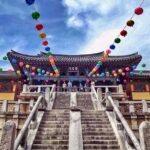
Bulguksa Temple is the big spiritual and artistic anchor on this side. The temple was designated as a UNESCO World Cultural Asset in 1995. What I like about including Bulguksa in a winter day trip is that it’s not an abstract lesson. You can stand there and see how stonework and design carry meaning.
One practical benefit of doing this with a guide is that the history gets explained in a way that helps you look better. You’re more likely to notice details in the stone relics when someone points out what to look for.
Winter can make temple visits feel extra calm too. You’ll likely appreciate the slower pace and fewer distractions, as long as you dress for cold and time your walking.
More Silla history around Busan
- Gyeongju UNESCO World Heritage Guided Day Tour from Busan
★ 5.0 · 660 reviews - Old Korea Thousand History Tour of Gyeongju from Busan
★ 5.0 · 518 reviews - From Busan to Gyeongju UNESCO Legacy Tour with National Museum
★ 5.0 · 87 reviews - From Busan: Echoes of Silla Gyeongju Historical Day Tour
★ 4.8 · 55 reviews - Gyeongju Small Group photo Tour (Max 6 Pax)
★ 5.0 · 38 reviews
Gyochon Traditional Village and the Choi clan story
Next comes Gyochon Traditional Village, centered around the Gyeongju Choi clan. The connection is specific: the family is known for preserving their wealth over 12 generations and producing many influential figures.
For you, that means this stop works as more than a pretty neighborhood. It’s a story place. The houses and the village feel become easier to understand when you hear why this clan became so tied to the region’s identity.
Also, this is a good spot for photos that look less like generic travel shots and more like “I’m standing in a real lived-in traditional community.”
Hwangridan Street: street food and cafe time
Then the itinerary shifts gears to Hwangridan Street, which is known for street food and trendy cafes. This is where you can treat the day like a normal vacation again. History stops on a schedule, then you get to snack and browse.
I like that the tour ends this stretch with food and casual wandering, because it balances the more formal temple timing earlier. Just remember meals are not included, so plan on spending at least some money here if you want to eat.
Woljeong Bridge, stone arches and old engineering
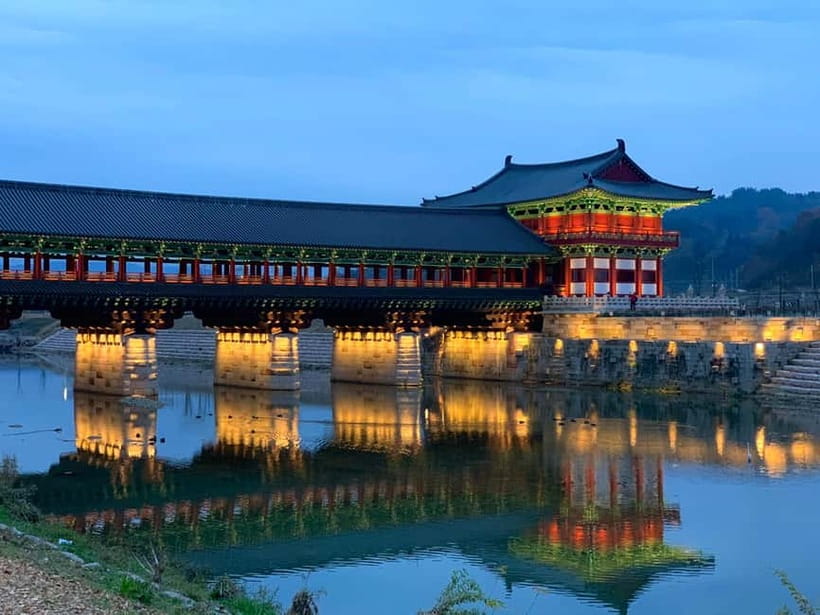
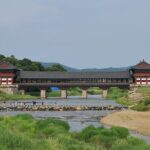
Your final major sight before the return to Busan is Woljeong Bridge. It has a history dating back centuries and is built with sturdy stone arches. Even if you don’t go deep on engineering details, the bridge gives you that “how did they do this so long ago” feeling.
If you’re traveling with someone who prefers less walking, this bridge stop can be a good “breather” compared to dense village streets. It also gives you a clean final landmark before heading back.
Daegu Winter Combo: Seomun Market first, then ice wall or Biseulsan
Choose the Daegu Winter course and the mood changes to city energy plus winter nature. After Kookmin Healing Park, you head to Seomun Market, then you finish with a winter outdoor experience shaped by ice conditions.
Seomun Market: your lunch break is part of the deal
Seomun Market is a known place for stalls with street food, unique crafts, and local delights. The important detail for you is that this is where you can have your own-expenses lunch.
That gives you control. Want noodles, dumplings, or something sweet? You can choose based on what looks good right then. I like tours that give you a real chance to eat locally rather than forcing one pre-selected meal.
The only caution: markets take time, and it’s still a long day overall. If you’re easily slowed down by crowds, go in with a simple goal, like one snack plus one main meal item, so you don’t lose track of time.
Okyeon Reservoir Songhae Park ice wall or Biseulsan Recreational Forest
The finale depends on ice conditions, so you get one of two winter nature experiences.
Option one is Okyeon Reservoir Songhae Park’s ice wall. Think frozen scenery that you can walk around and photograph, with winter visuals that feel dramatic without needing fancy planning.
Option two is Biseulsan Recreational Forest. This is for icy trails and frozen stream views, including areas where you can stroll along icy paths. You’ll get that cold-air recharge that makes the earlier market stop feel worth it.
Because the choice depends on ice, I’d treat the weather forecast as “useful, not perfect.” If it’s too icy for certain paths or if ice quality is different that day, the tour adjusts. It’s not a failure, it’s how they keep the experience safe and usable.
Guides Amy, Sophie, and Lee: why the explanation part matters
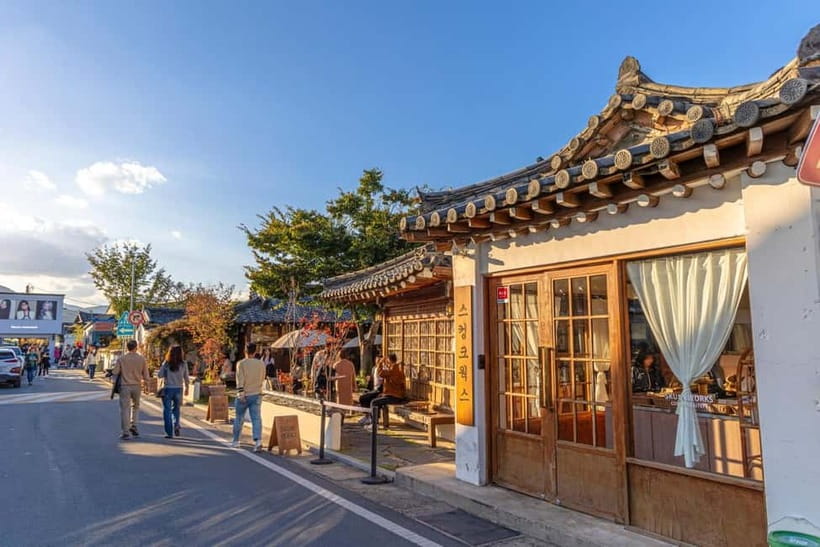
Winter tourism can turn into two extremes. Either you get a lot of motion with no meaning, or you get meaning with too little motion. This tour aims for the sweet spot, and the guide role is where it really shows.
From the guide feedback you can actually use, three names stand out. Amy is praised for being knowledgeable and for giving great recommendations, plus helping with photos. Sophie is described as caring and attentive. Lee is noted for being kind, explaining the places well, and taking good photos for the group.
That matters because your time is limited. You don’t want your day to be “transport, look, move on.” You want to understand why Bulguksa matters, why Gyochon Village is tied to the Choi clan story, and what Hwangridan Street is known for beyond casual browsing.
The photo part is not a small detail either. In winter, the light can be harsh and cold makes people rush. Having someone guide timing and angles helps you come home with images that look like you actually enjoyed the day, not like you escaped it.
Price and value: is $65 a fair deal for this winter day?
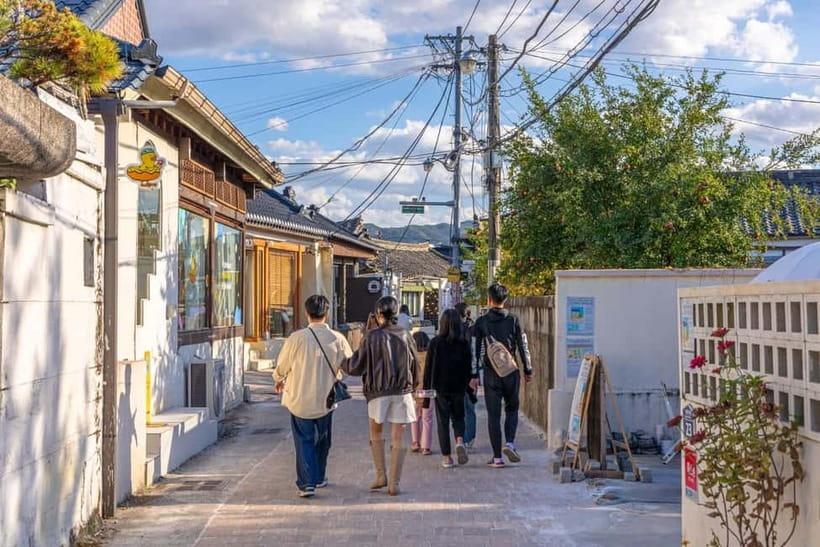
At $65 per person, this tour can feel like good value if you factor in what’s included. You get round-trip transportation from Busan, English and Chinese-speaking staff support, and admission fees.
What’s not included is also clear: meals, personal expenses, and the Kookmin Healing Park canoe experience fee (optional, paid on-site). On a long day, not including meals is normal for tours, but it does mean you’ll want to plan spending for lunch and snacks.
Here’s how I’d think about value before you book:
- You’re paying for the convenience of one bus day that covers a park plus multiple fixed stops.
- You’re not paying separately for admissions and transport, at least for the included items.
- Your main add-on cost is likely the canoe, if you want it, and whatever you eat at Seomun Market or Hwangridan Street.
If you were to do this independently, transportation alone from Busan plus admissions plus guided explanations would probably eat into that budget. The real question is whether you want the guided structure. If you do, the included package at this price makes sense.
If you’d rather wander freely without a schedule, you might feel the day is tightly managed. But for most people looking for an easy winter plan, the cost feels reasonable.
Timing, weather shifts, and what to watch during the long day
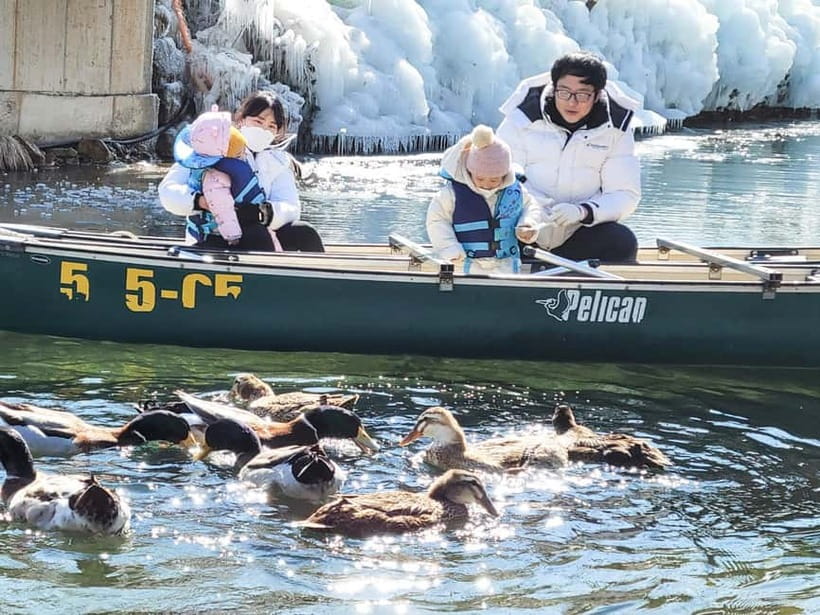
This is an 11-hour day trip (810 minutes). That length matters. Even if the stops are fun, you need to accept that it’s a lot of movement. Your best strategy is to pack for comfort and avoid over-planning your energy.
The tour also notes that the itinerary is subject to traffic and weather conditions. In winter, that’s not theoretical. Road and timing realities can change when you arrive at each stop, and guides will likely adjust the order or timing to keep you on track.
On the Daegu route, the final spot depends on ice conditions. So you might plan for one specific ice scene, then see the other if conditions call for it. That uncertainty is a normal trade for winter outdoor experiences.
One more practical note: if you bring a baby stroller, you should inform the provider ahead of time. Also, infants are free of charge, but there is no seat available.
Should you book this Busan winter day trip?
I’d book it if you want a low-stress winter day that mixes real snowy activities with guided Korean history and photo-friendly stops. The Kookmin Healing Park time is the heart of the experience, and the guides, including Amy, Sophie, and Lee, can turn the rest of the day into something you actually understand, not just something you pass by.
Choose the Gyeongju Winter course if temple and heritage stops are your thing, especially Bulguksa Temple and the village story at Gyochon. Choose the Daegu Winter course if you want market time you control (Seomun Market lunch on your own) plus a flexible ice-based outdoor finale.
Skip it if you hate long days, dislike winter weather variability, or want meals fully handled for you. With meals not included and an ice-dependent finale on the Daegu side, you need to go in with flexible expectations.
If your goal is winter fun plus structure, this is a strong pick.
FAQ
How long is the tour?
It runs for about 11 hours (810 minutes). Starting times depend on availability.
What does the tour price include?
The tour includes round-trip transportation from Busan, English and Chinese-speaking staff support, and admission fees.
Are meals included?
No. Meals are not included, so you’ll pay for food on your own during the day.
Is the canoe experience included at Kookmin Healing Park?
No, canoeing at Kookmin Healing Park is optional. You pay the canoe experience fee in cash on-site.
How much is the canoe experience fee?
The fee is KRW 30,000 for 1 to 4 seaters, or KRW 50,000 for 5 to 8 seaters.
What winter stops are available on the Daegu route?
After Seomun Market, the final spot depends on ice conditions. You’ll go to either Okyeon Reservoir Songhae Park’s ice wall or Biseulsan Recreational Forest.
What tour languages are available?
The tour guide language options include Chinese, English, and Korean. English and Chinese-speaking staff are included.
What if I’m traveling with a stroller or an infant?
If you bring a baby stroller, you should inform the provider ahead of time. Infants are free of charge, but there is no seat available.
More Busan Write-Ups
More Gyeongju, More Silla
Still in Busan? More Here
Fresh on the Busan pile
- Suncheon and Yeosu Daily Private Tour with Pickup Service★ 5.0 · 3 reviews
- Suncheon one day tour from Seoul, Busan or Suncheon★ 5.0 · 3 reviews
- Busan Seafood Tour : Oyster village Tour with Oyster cuisines★ 5.0 · 3 reviews
- 2-DAYS Busan Customized and Included Night tour★ 5.0 · 3 reviews
- Busan Dialect Class with local snack★ 5.0 · 3 reviews
- Korean UNESCO World Heritage Tour including Gyeongju, Andong and Daegu(2N3D)★ 5.0 · 3 reviews
Busan Tours you might have missed.
 ★ 4.8Busan: Gyeongju Guided Day Trip to Three Kingdoms CapitalFrom $521,925 reviews
 ★ 5.0Small Group Full Day Busan Tour (Max 6 Pax)From $991,464 reviews
 ★ 4.8From Busan: Gyeongju UNESCO World Heritage Guided Day TourFrom $521,250 reviews
 ★ 5.0Busan Private Tour with licensed tour guide + private vehicleFrom $1691,143 reviews
 ★ 4.7Busan: Coastal Treasures Beach Train, Culture Village & MoreFrom $51832 reviews
 ★ 4.5Busan’s Cultural Wonders with Beach Train & Gamcheon Village etcFrom $47663 reviews
 ★ 5.0Gyeongju UNESCO World Heritage Guided Day Tour from BusanFrom $57660 reviews
 ★ 5.0Private Busan Tour -Explore Cultural Landmarks with a Local GuideFrom $169552 reviews
Where this tour also appears