
REVIEW · BUSAN TOURS
7 days Flexible Tour for Major Cities(Seoul,Busan,Gyeongju etc)
Korea, planned your way. This private, English driving tour strings together Seoul classics, Gyeongju ancient sites, and DMZ history with a flexible schedule and airport transport. From the moment you land, the plan is to take the heavy lifting off your plate, so you can focus on what you came for.
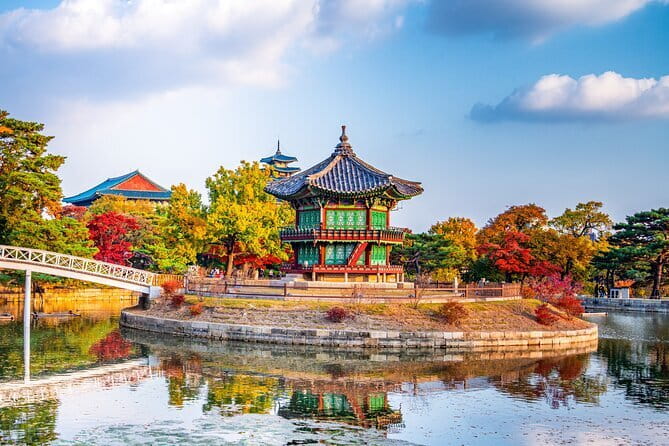
I especially like the pacing and the mix of big sights plus well-chosen breaks. You get guided time at major photo stops like Gyeongbokgung Palace, Starfield Library, and night views around Woljeonggyo Bridge.
One drawback to plan for up front: meals are not included. You’ll still enjoy plenty of food stops, but you’ll want to budget for lunch and dinner.
In This Review
- Key things I’d bet on before you book
- Price and logistics: what $2,000 really covers
- Seoul Day One: Gyeongbokgung, Bukchon hanok strolls, Insadong tea, War Memorial, Gwangjang Market
- Seoul Day Two: N Seoul Tower, Bongeunsa calm, Starfield Library photos, Gangnam Style, and the Han River cruise
- DMZ day: Imjingak, the Third Tunnel, Dora Observatory, and what makes it emotionally heavy
- Suwon fortress stops plus Korean Folk Village: history you can walk through
- Heading to Gyeongju: a travel day with a break plus a fun Space Walk stop
- Gyeongju Days 6: tomb complexes, coin bread streets, night bridges, and one of Korea’s oldest observatories
- Busan Day 7: Gukje Market, Songdo cable car over the ocean, Yonggungsa, Gamcheon, and Ahopsan bamboo calm
- How the flexible schedule actually helps you
- Who should book this Seoul to Busan private tour
- My decision guide: should you book?
- FAQ
- How much does the 7-day tour cost, and is it private?
- What is included in the tour price?
- Are hotels or meals included?
- Does this tour start at a specific time?
- Do I have to do the days in order with no breaks?
- Can I leave from Busan instead of returning to Seoul?
- What happens on the DMZ day if private cars cannot go in?
- What is the cancellation window for a full refund?
Key things I’d bet on before you book
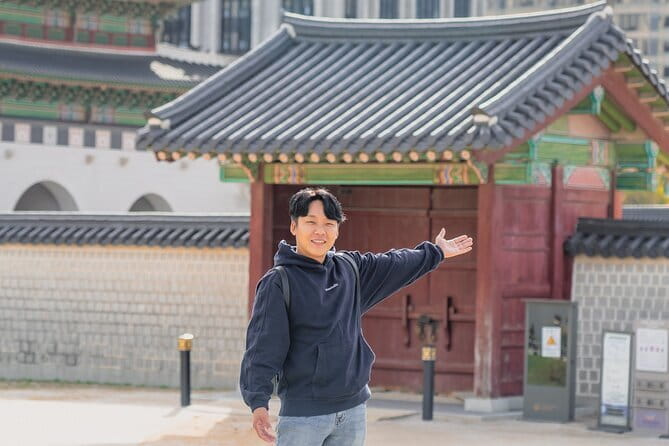
- Private van and English guides (often Hun and Sean): 1 to 2 guides, tailored guidance, and easy communication.
- Tickets and entry costs are handled for the sites on the itinerary.
- Airport transport plus pickup means you lose less time on logistics.
- DMZ day stays private where possible, with only the bus transfer in shared public transit.
- Night-focused stops like the Han River cruise and Woljeonggyo Bridge add variety.
- Start/end flexibility: you can return to Seoul or leave from Busan, based on your preference.
Other Busan days worth comparing
Price and logistics: what $2,000 really covers

At about $2,000 per person for a 7-day Seoul to Busan route, you are paying for two big things: a private driving setup and an organized itinerary with admission tickets included. This matters because Korea can be easy to navigate on your own, but it is slower and more stressful when you’re trying to line up palace timing, fortress sites, markets, and the DMZ all in one week.
You also get a fancy mini van, fuel, tolls, parking, and bottled water. Add in the “mobile ticket” setup and the fact the tour is private (just your group), and the price starts to feel less like “just transportation” and more like saved time.
Do keep in mind you are not paying for hotels or meals. The guide helps with hotel booking, but you will choose and pay for your own lodging. If you’re the kind of traveler who likes budgeting each meal, this is fine. If you want a fully prepaid, food-included week, you’ll need to adjust your expectations.
Seoul Day One: Gyeongbokgung, Bukchon hanok strolls, Insadong tea, War Memorial, Gwangjang Market
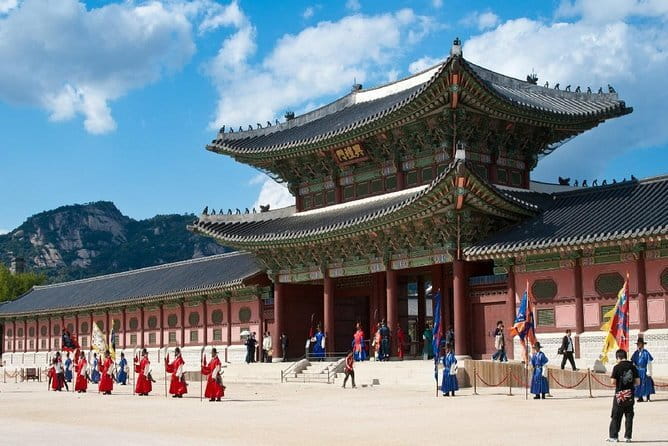
This is the “get your bearings fast” day. You start with a guided look at Gyeongbokgung Palace, the Joseon Dynasty’s main royal palace. Expect a focused tour with stories and photo recommendations. The palace is large, so having someone point out the best angles and routes makes the whole day feel smoother.
Next is Bukchon Hanok Village, where you see the traditional homes of the noble class. It’s a great contrast to the palace because it shows where people lived, not just what they built. The guided component is key here, because hanok neighborhoods can blur together if you do not know what you are seeing.
Then you head into Insadong, the classic traditional street area for Korean pottery, artwork, antiques, and cozy cafes. You’ll also have a traditional Korean tea break after lunch, which is a smart reset before you tackle something heavier.
That heavier moment comes at the War Memorial of Korea. The museum is built to help you understand why the Korean War began and how it unfolded, with weapons, tanks, and memorials that make the scale feel real. If you’ve only read a few headlines before coming, this is where your context starts to click.
The day ends with Gwangjang Market, one of Seoul’s most famous places to eat. With a guide, you avoid the common problem of wandering around hungry, unsure what to order. You’ll learn the background of the market and get introduced to local specialties, with time to sample.
Practical tip: wear walking shoes. Even with guidance, these stops add up, and you’ll feel it by evening.
Seoul Day Two: N Seoul Tower, Bongeunsa calm, Starfield Library photos, Gangnam Style, and the Han River cruise
Day Two leans into viewpoints and atmosphere. The N Seoul Tower stop includes a guided ride up the mountain and help with photos. Cable car tickets are not included, so if you want the cable car experience, you’ll plan and pay separately. If you’re trying to keep the day easy and low-cost, you can just treat the tower as a walking-and-viewpoint stop.
Bongeunsa Temple follows, and it’s a nice mood shift from the city noise. This temple sits in the middle of Seoul, so it gives you a pocket of calm. Along the grounds, you’ll see colorful lanterns and lotus flowers, which makes it especially photogenic without being contrived.
After that, you hit Starfield Library, famous on social media for its big, photo-ready interior and its collection of more than 50,000 books. If that is not your thing, the stop can be replaced with a traditional Korean village instead, which is great for travelers who prefer culture over Instagram-style architecture.
Then there’s a quick, fun photo moment at the Statue of Gangnam Style, a small landmark tied to how that song put Korea on a global map. It’s short and light.
The day finishes with an E-Land Cruise on the Han River. The vibe is romantic, especially at night, and it’s popular with K-drama fans for a reason: the river view changes how the city feels. Before you board, you’ll enjoy chicken or noodles together, then take in the bridges and moonlight from the water.
Practical tip: if it’s cold or rainy, the cruise can still be worth it, but you’ll want a warm layer.
DMZ day: Imjingak, the Third Tunnel, Dora Observatory, and what makes it emotionally heavy
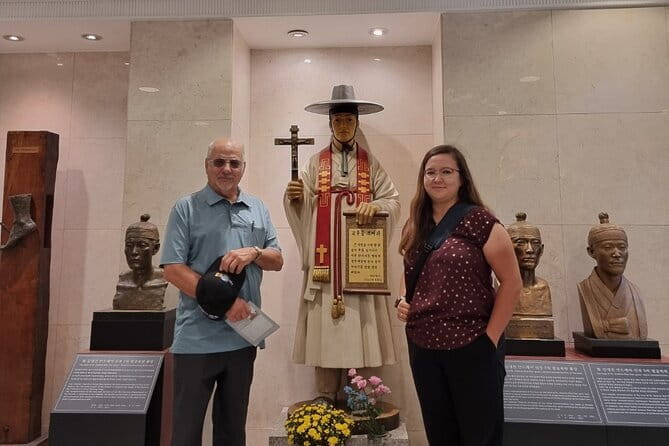
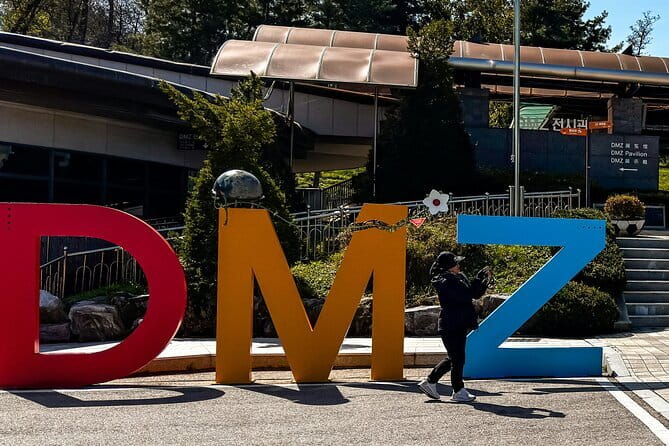
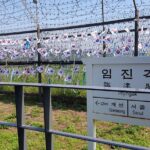
If Seoul is about modern life and palaces, the DMZ day is about perspective. You start at Imjingak Pyeonghoa-Nuri Park, a reflection area before you even enter the DMZ zone. You’ll walk around seeing the Bridge of Freedom and an abandoned steam train, plus other historical points. It is designed to slow your pace and help you understand why this place matters.
At the DMZ itself, private cars are not allowed inside the area. You’ll transfer to a public bus for the movement portion. The tour stays private except for that bus ride, so you still have your guide explaining everything, but you’ll be sharing the ride with other visitors.
Next is the Third Tunnel. You enter one of the tunnels that tourists can visit, going about 73 meters deep, with a round trip of roughly 20 minutes. It’s the kind of stop that makes geography feel physical. Your guide will share the estimate that North Korea could send 30,000 soldiers per hour through this type of tunnel, which is a vivid way to grasp the intent behind the structure.
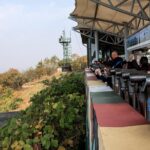
Then you go to Dora Observatory to view North Korea. You’ll also get context about daily life there and what living under that system means, including how freedom and economic conditions are different. It is not a light, “look and move on” experience.
Finally, you visit the Museum of Modern History of Korea, which focuses on the Korean War and includes recreated everyday life from the 1950s. That reconstruction helps connect the politics you learned earlier with what it might have felt like day to day for people living through the war years.
Practical tip: this day can feel heavy. Plan a quiet evening afterward and don’t overbook yourself.
More Silla history around Seoul
- Gyeongju UNESCO Sites Tour by KTX train; The Museum Without walls
★ 4.5 · 11 reviews
Suwon fortress stops plus Korean Folk Village: history you can walk through
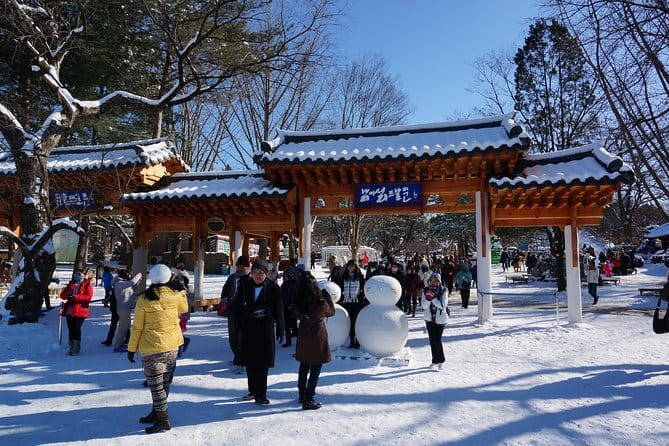
Day Four is a mix of fortress architecture and cultural storytelling. You begin with Banghwasuryujeong Pavilion (Dongbukgakru), a stunning pavilion connected to the Joseon Dynasty and associated with the 22nd king. Your guide will share stories about why the pavilion was built and what it meant in its setting.
Then you move to Janganmun Gate, tied to tragic history from that same era, with visible bullet holes from the Korean War. It’s not just a photo stop. You’ll feel the weight of why the gate is remembered.
Yeonmudae (Dongjangdae) comes next, where soldiers trained, and you can even try archery. Even if you’ve never shot before, it’s a fun way to make the past physical.
After that, Changryongmun Gate is a design-focused stop. At first glance it might look odd, but once you understand the fortress’s design logic, it clicks. This is a place where a guide matters more than you think, because architecture without context can feel like “a gate is a gate.”
The day ends at the Korean Folk Village, a big historical drama filming location. You don’t have to handle the walking alone. Your guide stays with your group while you see traditional agriculture, houses, and performances, and the stop is designed so you’re not just stuck in a long museum line.
Practical tip: this is a full day of sites, so keep your energy up for the fortress sections before you enter the bigger village area.
Heading to Gyeongju: a travel day with a break plus a fun Space Walk stop
On Day Five, you move toward Gyeongju. You’ll spend about six hours on the road, with 1 to 2 attractions along the way and an amazing lunch stop in Pohang. Even though meals are not included, having a guided lunch plan prevents the usual travel-day chaos where you end up eating whatever is closest to the bus.
Then you go to Space Walk. You’ll take part in a space walk experience with stunning views, and the description emphasizes that it’s safe and fun, with your guide joining you. This is a good “shake off the travel fatigue” moment, especially because you spend the next day moving through major Gyeongju monuments.
Practical tip: this kind of activity is weather-sensitive. If it’s raining hard, ask your guide how the experience will be handled on the day.
Gyeongju Days 6: tomb complexes, coin bread streets, night bridges, and one of Korea’s oldest observatories
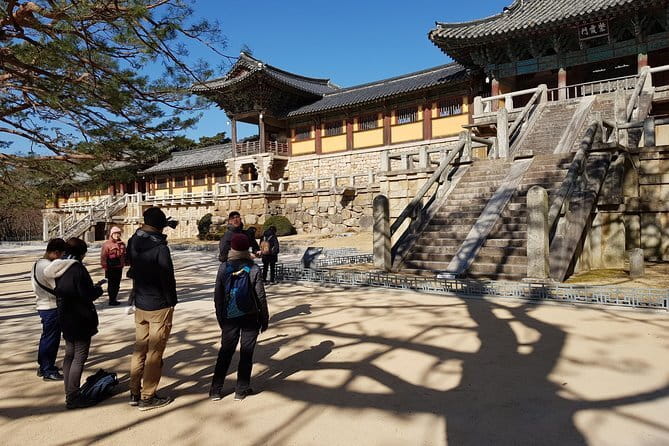
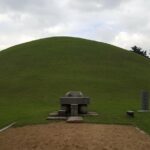
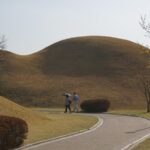
Gyeongju is where the itinerary slows in the best way. Day Six starts at Daereungwon Tomb Complex, with tombs mostly dating from the 4th to 6th centuries. The construction methods helped keep them intact, and you can enter one of the open tombs, which makes it feel less like distant archaeology.
Then you stroll down Hwanglidangil, a lively street where you can enjoy local specialties, including the famous coin bread. It’s an easy, low-pressure way to taste the region while keeping your pace comfortable.
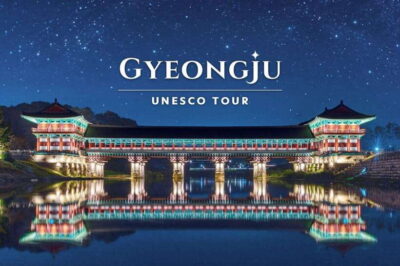
After that comes Woljeonggyo Bridge. You’ll see it at night, and the stop is tied to its history, including being originally built in 760 and later destroyed and rebuilt based on historical documents. Night visits can make a rebuilt bridge feel magical, and this is one of the itinerary’s strongest mood shifts.
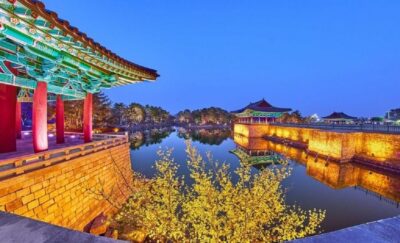
Next is Donggung Palace and Wolji Pond, also timed for nighttime. The palace was abandoned after the new dynasty was established, but reconstruction is based on historical records. The pond and lighting create a scene that feels like a movie set, but with real place names attached.
Then you go to Cheomseongdae Observatory. Built in 633, it’s described as possibly the oldest observatory in the world. You’ll get context on why constellations mattered to ancient agriculture and planning. It’s short, but it adds a scientific angle to an area often treated only as “ancient monuments.”
Finally, you visit the Gyeongju National Museum, which displays real original treasures, including crowns and other artifacts. It’s the kind of museum stop that makes the earlier monuments feel connected to people, status, and craftsmanship, not just stone.
Practical tip: even with guided timing, you’ll want to keep snacks and water handy, because days like this can stretch your appetite.
Busan Day 7: Gukje Market, Songdo cable car over the ocean, Yonggungsa, Gamcheon, and Ahopsan bamboo calm
Day Seven moves coastal and creative. You begin at Gukje Market, and you’ll learn why Busan developed commercial power early, including that North Korea never occupied Busan. The market is lively and known for affordable prices, with lots to browse like traditional blankets.
Next is the Songdo Cable Car over the ocean. If you are afraid of heights, you can switch to the Sky Capsule, which is lower and includes a transparent floor for views. The cable ride can be a real highlight because it gives you a wide perspective of Busan’s coastline without needing a long hike.
Then you go to Haedong Yonggungsa, often described as one of the most beautiful temples in South Korea. It’s relatively new compared to some older sites, but the ocean views from the temple grounds are the point. Even when you have seen temples before, the sea setting changes the feel.
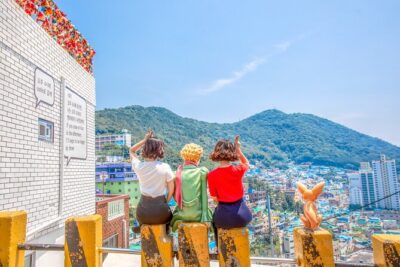
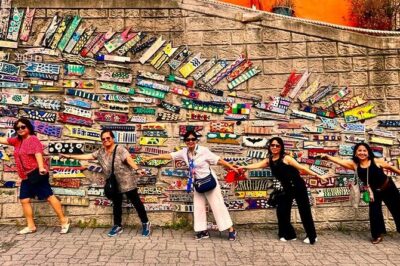
After that, you visit Busan Gamcheon Culture Village. The village is colorful, but the tour also explains the sad history behind it, including why refugees came there and how they built their homes and live today. It’s a thoughtful stop, not just a picture wall.
You end at Ahopsan Forest, a bamboo forest walk inside a city context. The quiet is the value here. It gives you a breath of calm right before you wrap up the week.
Practical tip: bamboo walks can be cooler under the trees. Bring a light layer for late-day comfort.
How the flexible schedule actually helps you
The flexibility is more than marketing language here. The tour does not have to be in a row, so you can build in a day off if you’re recovering from jet lag or you simply want slower pacing. You can also add more tours if you want extra time in one place, rather than feeling locked into a single fixed package.
You also have the “end where you want” option. You can return to Seoul with the group, or you can choose to leave from Busan. For many travelers, that is the difference between a stressful “one-way flight puzzle” and a smooth finish.
And because airport transport is included, you are not trying to arrange a transfer while carrying bags and switching phones to local service. That little stress reduction is worth something.
Who should book this Seoul to Busan private tour
This tour fits you best if you want:
- a private group with a guide who can adjust the flow to your needs
- a mix of palaces, temples, markets, and the DMZ in one structured week
- lots of guided context, especially on serious history days
It’s also a strong choice for families and multi-age groups. The tour’s team is described as friendly and professional, and there’s a warm, family-like vibe where kids call the guides uncle. If you’re traveling for a birthday or a special occasion, that personal attention is part of the appeal.
It may be less ideal if you:
- want fully meal-included convenience every day
- prefer to plan everything yourself, stop by stop, without a guide making calls on pacing
- are hoping for a budget-only trip. This is priced for private organization and ticket coverage.
My decision guide: should you book?
Yes, if you want a stress-reduced Seoul to Busan week where the big-ticket items are handled and the guide keeps the days moving with good humor and smart timing. The combination of guided palace and market days, night scenery, and a well-explained DMZ visit is exactly the kind of itinerary that works best with a private driver and a steady guide team like Hun and Sean.
If meals not being included would bother you, or if you don’t want to pay for private organization, then you might prefer a DIY plan. But if you’d rather spend your energy on the sights and the food, this tour is built for that.
FAQ
How much does the 7-day tour cost, and is it private?
The tour is priced at about $2,000 per person, and it is a private tour/activity, meaning only your group participates.
What is included in the tour price?
Included items are an English driving tour guide (1 to 2 guides for the entire tour), a mini van, all entrance tickets on the itinerary, airport transport, fuel, tolls, parking, and bottled water.
Are hotels or meals included?
Hotels are not included, but the guide can help you book. Meals are not included.
Does this tour start at a specific time?
Yes. The meeting time is 10:00 am.
Do I have to do the days in order with no breaks?
No. The days do not have to be in a row. You can take a day off and you can also add more tours.
Can I leave from Busan instead of returning to Seoul?
Yes. You can choose to go back to Seoul with the group or leave from Busan with the tour.
What happens on the DMZ day if private cars cannot go in?
Private cars are not allowed inside the DMZ area, so there is a transfer to a public bus. The tour is still private for you, except for the bus ride.
What is the cancellation window for a full refund?
You can cancel up to 6 days in advance for a full refund. To receive a full refund, you must cancel at least 6 full days before the experience’s start time.
If you want, tell me your travel month and whether you prefer more food time or more history time, and I’ll suggest how to shape the flexible days around this route.
More Seoul Write-Ups
More Gyeongju, More Silla
Still in Busan? More Here
Fresh on the Seoul pile
- Unique Native Experience : Han River Picnic, Board game, BBQ★ 5.0 · 3 reviews
- 2-Hour Private Kayaking and Paddleboarding Experience in Hanriver★ 5.0 · 3 reviews
- Korean Folk Village & Suwon Hwaseong Fortress Private Tour★ 5.0 · 3 reviews
- Seoul Korean BBQ Dinner Experience with Secret Food Tours★ 5.0 · 3 reviews
- Seoul Highlights & Hidden Gems – Private Tour with Photo Service★ 5.0 · 3 reviews
- Night Food Tour in Seoul with Traditional and Modern Cuisine★ 5.0 · 3 reviews
Busan Tours you might have missed.
 ★ 4.8Busan: Gyeongju Guided Day Trip to Three Kingdoms CapitalFrom $521,925 reviews
 ★ 5.0Small Group Full Day Busan Tour (Max 6 Pax)From $991,464 reviews
 ★ 4.8From Busan: Gyeongju UNESCO World Heritage Guided Day TourFrom $521,250 reviews
 ★ 5.0Busan Private Tour with licensed tour guide + private vehicleFrom $1691,143 reviews
 ★ 4.7Busan: Coastal Treasures Beach Train, Culture Village & MoreFrom $51832 reviews
 ★ 4.5Busan’s Cultural Wonders with Beach Train & Gamcheon Village etcFrom $47663 reviews
 ★ 5.0Gyeongju UNESCO World Heritage Guided Day Tour from BusanFrom $57660 reviews
 ★ 5.0Private Busan Tour -Explore Cultural Landmarks with a Local GuideFrom $169552 reviews
Where this tour also appears