
REVIEW · BUSAN TOURS
3-Day Korea Western course by K-shuttle Tour from Seoul to Busan
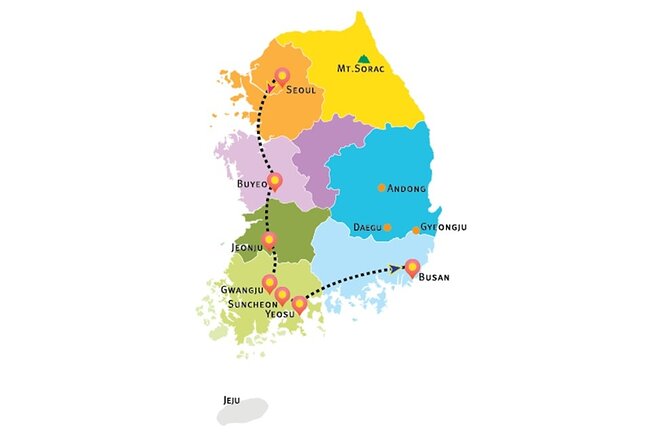
A west-coast route that’s hard to do solo in Korea. This 3-day tour links big historical stops with coastal-town feel, while a coach handles the long hops from Seoul down to Busan. You get 4-star accommodation, a professional guide, and a plan that reaches beyond the usual Seoul bubble. It’s also built for travelers who want fewer logistics headaches, especially when public transport gets tricky.
I especially like how the itinerary mixes major heritage sites with everyday Korean culture, like Jeonju Hanok Village and its traditional food setup. I also like the pace of the included touring blocks, where you usually get around 1 to 2 hours per stop to actually look, not just shuffle. One consideration: you are moving fast across multiple regions, so you’ll spend plenty of time on the coach and lunch and dinner are on your own.
In This Review
- Key Highlights Worth Paying Attention To
- How This Seoul to Busan Tour Solves the West-Coast Logistics
- Day 1: Baekje Tombs, Gongsanseong Views, and Jeonju Hanok Living
- Songsan-ri Tombs and the Royal Tomb of King Muryeong
- Gongju Gongsanseong Fortress, a Mountain Castle With River Views
- Jeonju Hanok Village, roof lines, bibimbap, and a Hanok Life Experience Hall
- Day 2: Democracy at May 18, Conservation Gardens in Suncheon, and Admiral Yi’s Headquarters
- May 18th National Cemetery, a memorial you should not rush
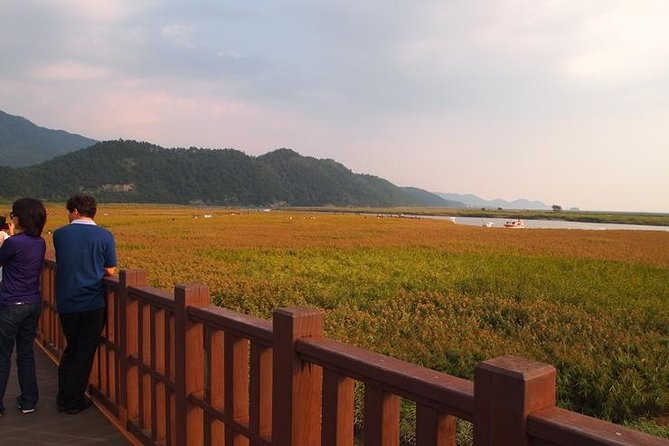
- Suncheon Bay Garden, a conservation area built for seasonal color
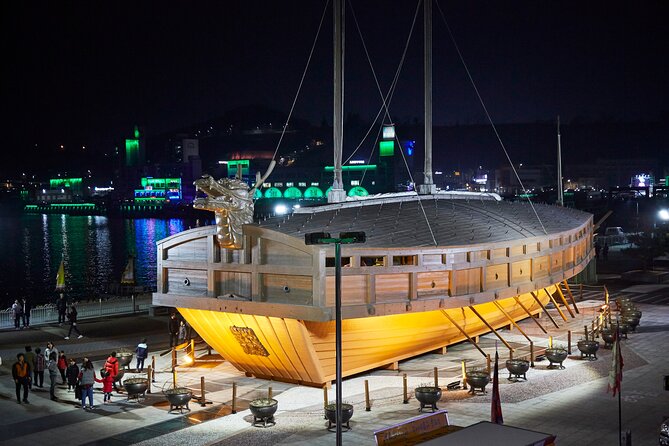
- Statue of Admiral Yi Sun-sin, where the war story becomes physical artifacts
- Day 3: Jinju Fortress History, Then a Straight Drop-Off in Busan
- Jinjuseong Fortress in Jinju, renamed across Korean dynasties
- Busan Station Plaza drop point, end the trip without hassle
- The 4-Star Stay and Breakfasts: What It Does for Your Time
- Guide Quality Makes or Breaks a History Tour, and This One Has Strong Signals
- Price and Value: Is $749 Fair for a 3-Day West Korea Circuit?
- Who This Tour Fits Best, and Who Should Think Twice
- Should You Book the 3-Day Korea Western Course From Seoul to Busan?
- FAQ
- What is the tour duration for the 3-Day Korea Western course?
- Where does the tour start in Seoul?
- Where does the tour end in Busan?
- How much does the tour cost per person?
- What is included in the price?
- Are lunch and dinner included?
- How are rooms handled for groups with an odd number of travelers?
- Can I request a specific bed type like a queen bed?
- What do I need to provide when booking?
- How many people are in the tour group?
Key Highlights Worth Paying Attention To
- Coach comfort between regions so you are not fighting transfers all day.
- Baekje-era history at Songsan-ri Tombs, including the Royal Tomb of King Muryeong.
- Jeonju Hanok Village time with a Hanok Life Experience Hall and traditional meal focus.
- May 18th National Cemetery for a powerful democracy memorial setting.
- Suncheon Bay Garden built as a conservation area, with seasonal flower moments.
- Jinjuseong Fortress in Jinju, tied to the 1592 Japanese invasion story timeline.
Other Busan days worth comparing
How This Seoul to Busan Tour Solves the West-Coast Logistics
The biggest value here is simple: you get a structured route from Seoul to Busan, with transfers by coach and a guide to keep things moving. If you have tried independent travel in South Korea, you know how fast energy drains when you are reading signs, mapping bus lines, and re-checking schedules every day. This course is designed to reduce that friction.
The tour also keeps the day layout viewer-friendly. Many stops list free admission or included entry, and the schedule gives you set blocks to visit. That means your day feels less like guessing and more like steady progress.
There’s also a practical travel detail worth knowing: you start at 8:00am at DongHwa Dutyfree (Sejong-daero, Jongno District, Seoul), near Gwanghwamun Subway Station exit 6. In other words, you are not starting in some random remote hotel zone. When things go smoothly, that is a big deal on Day 1.
Day 1: Baekje Tombs, Gongsanseong Views, and Jeonju Hanok Living
Day 1 is all about moving from ancient royal history to a classic Korean neighborhood experience. You start with Baekje roots, then climb up a mountain fortress, then end in a place designed for old-style daily life.
Songsan-ri Tombs and the Royal Tomb of King Muryeong
This is one of the strongest history stops on the route. Songsan-ri Tombs are connected to Baekje royalty, specifically during the period when Baekje’s capital was Gongju. The tomb complex is notable for how many graves it is believed to include, and for the fact that only seven are confirmed discoveries so far.
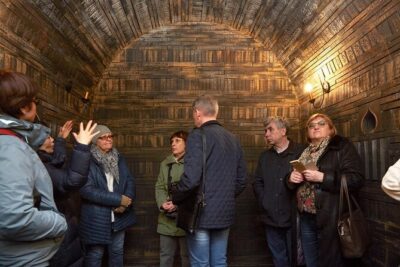
The star is the Tomb of King Muryeong, resting place of Baekje’s 25th king and his queen. What makes it more than a name on a ticket is the story of its discovery and construction: it was uncovered accidentally during pipe work meant to control flooding issues around other tombs. The tomb is also described as unusual in build style, and it contained many national treasures, giving scholars valuable research material about Baekje culture.
For you, that means this stop rewards slow attention. You want time to read, look closely, and connect the architecture to the timeline.
Gongju Gongsanseong Fortress, a Mountain Castle With River Views
Next comes Gongju Gongsanseong Fortress, a mountain fortress established during Baekje. The practical win here is the scenery plus the structure. You follow trails upward, and along the way you can reach the Imnyugak Pavilion, described as the largest of its kind within the fortress.
The tour notes that this stop gives breathtaking views toward the Geumgang riverside. That matters because after tombs and indoor artifacts, you get an outdoor reset. If you like photos and quiet walking, you’ll appreciate the change of pace.
- Best DMZ Tour Korea from Seoul (Red Suspension Bridge Optional)
★ 5.0 · 41,422 reviews - DMZ Tour: 3rd Tunnel, Option(Suspension Bridge, Boat) from Seoul
★ 5.0 · 21,373 reviews - DMZ tour south Korea from Seoul (NK experience hall, defector)
★ 5.0 · 20,599 reviews - Seoul: DMZ Tour with Optional Suspension Bridge
★ 4.8 · 5,277 reviews - Signature DMZ Tour: Exclusive Defector Talk & Suspension Bridge
★ 5.0 · 4,459 reviews
Jeonju Hanok Village, roof lines, bibimbap, and a Hanok Life Experience Hall
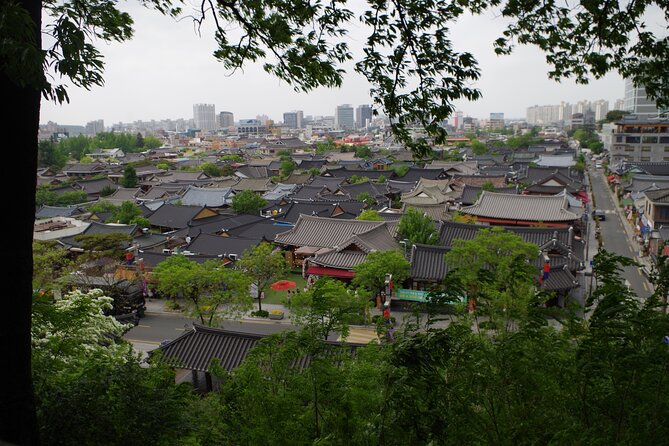
Day 1 ends at Jeonju Hanok Village. Jeonju is known for keeping hanok traditions visible in a way that feels real, not staged. Here, you get the feel of traditional Korean life and food culture without having to piece it together yourself.
What’s especially useful for your planning is that this stop includes a Hanok Life Experience Hall setup. The experience focus is traditional food like bibimbap, tied to the Jeonju region. You also get a quick sense of why people love the hanok look, including roof edges that rise slightly upward.
Potential downside: this is a popular cultural zone, so if you are sensitive to crowds, you’ll want to pace yourself and give yourself a little time before you start taking pictures.
Day 2: Democracy at May 18, Conservation Gardens in Suncheon, and Admiral Yi’s Headquarters
Day 2 is emotional, scenic, and historical, in that order. You go from remembrance to nature conservation to a national-hero storyline.
May 18th National Cemetery, a memorial you should not rush
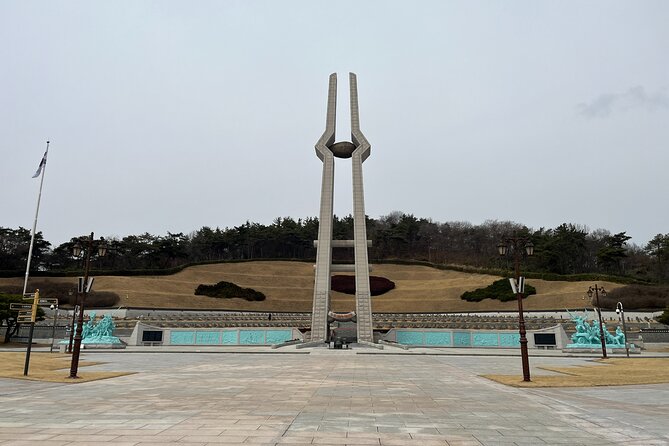
The May 18th National Cemetery is described as a symbol of freedom and democracy, tied to victims of the May 1980 democratic struggle. The tour explains that victims were carried and buried by handcarts and garbage trucks, and that later, in 1997, the remains were exhumed and reburied at the memorial site.
This is the kind of place where the value is the message, not the quick checklist. If you tend to skim when you travel, slow down here. Even with an allotted visit length, you’ll get more out of pausing to read and understand the context.
Suncheon Bay Garden, a conservation area built for seasonal color
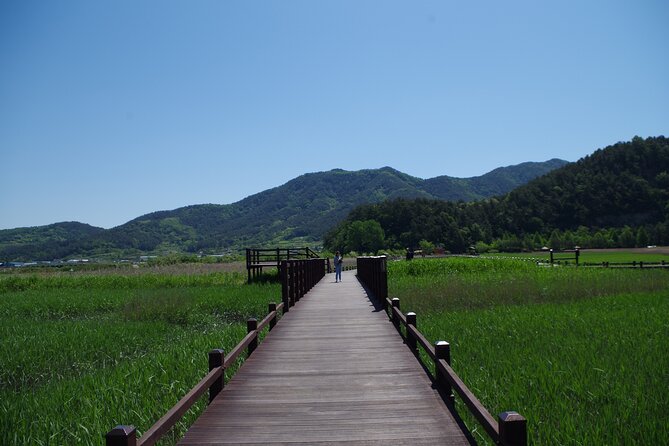
Then the tour pivots to Suncheon Bay Garden, established to turn 1.12 square kilometers of natural habitat into a conservation area. The garden houses over 505 species of trees and 113 species of flowers.
If you love plants and seasonal visuals, this is a great stop because the tour specifically calls out flower groups like tulips and royal azaleas. It also mentions canola flowers in bloom in May, described as creating a yellow wave of color. Even if your dates do not match those exact blooms, you can still enjoy the concept: it is not just a decorative park, it is structured around preserving and showcasing plant life.
Statue of Admiral Yi Sun-sin, where the war story becomes physical artifacts
Admiral Yi Sun-sin is one of Korea’s most famous historical military leaders, and the stop here is tied to his headquarters during the Imjin Waeran War period (1592 to 1598). The tour description notes that the site was used as his headquarters, and that the display includes artifacts honoring his efforts in protecting the country.
The hall itself is listed as National Treasure No. 304 (designated in 2011). That detail helps you calibrate what you are looking at: this is not a small sign-and-statue stop. Plan to spend your time reading and observing indoors, then take a slower look at the surrounding setting.
Day 3: Jinju Fortress History, Then a Straight Drop-Off in Busan
Day 3 is shorter and more focused, which is nice after two heavier days. You close with Jinju’s fortress and then end with a practical Busan train-station drop.
Jinjuseong Fortress in Jinju, renamed across Korean dynasties
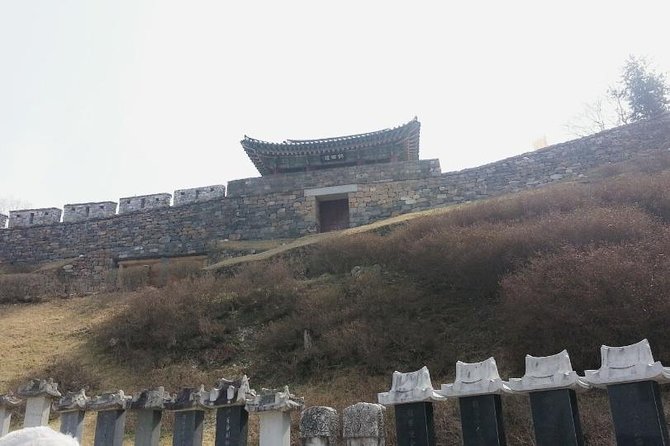
Jinjuseong Fortress has a long name-story. It was originally named Geoyeolseong Fortress during the Three Kingdom Period, later renamed Chokseokseong Fortress in the Goryeo Dynasty, and finally settled as Jinjuseong Fortress in the Joseon Dynasty.
The tour also connects it to the Japanese invasion period in 1592, giving you a sense of why fortresses mattered so much in that era. This stop works well at the end because the fortress setting helps you feel the geography and the defensive logic, even if you are not a history expert.
Busan Station Plaza drop point, end the trip without hassle
The tour ends around 13:00 at Busan Train Station at the Busan Station Plaza drop point. That is a traveler-friendly structure because it reduces the chaos of trying to get from a coach into the right station area right at the end of the day.
If your next step is a train ride, a flight, or another hotel check-in, ending at Busan Station usually makes your timeline easier to manage.
The 4-Star Stay and Breakfasts: What It Does for Your Time
The tour includes 2 nights of 4-star accommodations and breakfasts according to the itinerary. That matters because the stops are spread out and you are not just popping into museums. You’ll want predictable mornings and predictable hotel comfort.
Breakfast inclusion is also a quiet time-saver. You do not have to hunt for a meal schedule every morning, and you can start each day with enough energy to handle a full sightseeing block. For lunch and dinner, you are on your own, so you can choose what fits your tastes and your energy level.
Room setup is practical for group travel. For groups with an odd number, the default approach is that the third person shares a room, with a pullout bed available for free. If you do not want to share, you can book a single room, but a single traveler surcharge applies.
One more small detail that can affect your comfort: the tour is capped at a maximum of 40 travelers. That tends to keep things organized, especially during check-in.
Guide Quality Makes or Breaks a History Tour, and This One Has Strong Signals
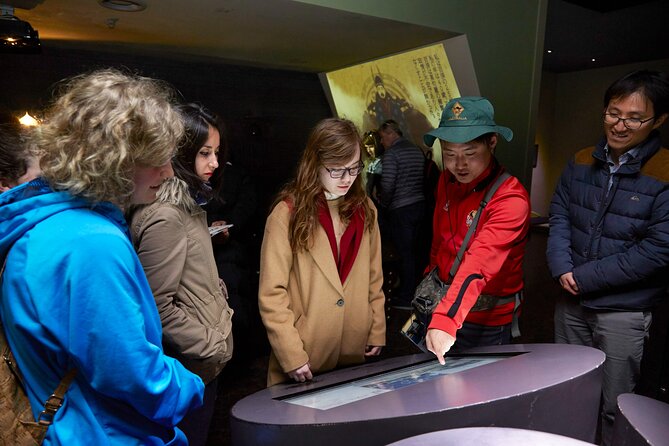
What stands out from the guide feedback is that the experience relies heavily on interpretation, not just entry tickets. One reviewer specifically praised Justin for being informative and for making the tour feel efficient, with lots of value in locations that are difficult to access on your own.
Another reviewer praised Mr Kim (MS) as an excellent guide who shared plenty of Korean history and culture, plus tips for evening activities and food. That kind of end-of-day advice matters because it helps you avoid the common trap of arriving back at the hotel too tired to plan something good.
There was also positive mention of the bus driver and that the bus ride and hotels were comfortable. The most mixed note was about meeting the right bus being confusing at first. That is a reminder for you: arrive early, double-check your group name or guide details, and keep an eye on the correct departure area. If the group is still new and the guide team is getting settled, clarity at the start prevents wasted time later.
Price and Value: Is $749 Fair for a 3-Day West Korea Circuit?
At $749 per person, this tour sits in the midrange for organized regional travel. The value question is whether the included pieces offset the cost and reduce your time stress.
Here’s what you are getting that directly supports the price:
- Two nights in 4-star hotels (that alone can be a big budget line if you book separately during peak travel).
- Transfers by coach from Seoul down to Busan across several regional stops.
- A professional guide, and in practice the tour may operate with a multi-lingual guide.
- Breakfasts included as per the itinerary.
- Some entrances included and many listed stops are free admission.
You should also consider what is not included: lunch and dinner. That means your total trip cost will vary based on where you eat, but you gain flexibility. If you want local snacks, street food, and casual meals, you can tailor it. If you prefer predictable boxed meals, you will need to plan a bit.
The other value driver is coverage. This route hits multiple historical and cultural anchor points across West Korea in just three days, including stops like Baekje tombs, a mountain fortress view, Jeonju hanok life, a major democracy memorial, and a fortress finale at Jinju.
If your travel style is enjoy-the-route and move without hassle, the $749 price starts to look more reasonable. If your travel style is slow travel and you hate coach schedules, you may feel you are paying for motion rather than free time.
Who This Tour Fits Best, and Who Should Think Twice
This is a smart fit if you:
- Want a guided first-timer friendly overview of West Korea beyond Seoul
- Prefer comfort and structure, especially for the long Seoul to Busan transfer
- Enjoy history and cultural sites, from Baekje tombs to Admiral Yi to fortress ruins
- Like the idea of Jeonju hanok culture and traditional food as a planned experience
- Value 4-star stays and breakfasts so mornings start clean
You might think twice if you:
- Want lots of unstructured free time in each city
- Have a strong preference for public transport independence and self-paced routing
- Are traveling with expectations that lunch and dinner are handled for you
- Get stressed by meeting up with the right bus or group at the start, since the first link matters a lot
Should You Book the 3-Day Korea Western Course From Seoul to Busan?
My take: book it if you want a well-paced west-coast sampler with the heavy lifting handled. The combination of coach transfers, 4-star hotels, and real history stops makes it a time-saver. And the Jeonju hanok portion plus the strong guide feedback suggests the cultural stops get explained in a way that feels worth your time.
Skip or reconsider if you are someone who needs quiet downtime every afternoon, or if you travel best when you are totally on your own schedule. Also, if you are a single traveler, check the single room surcharge impact on your total budget.
If you do book, do one thing that pays off fast: arrive early on Day 1 at the DongHwa Dutyfree meeting point and confirm you are on the correct bus and with your correct guide. It reduces stress immediately and makes the whole three days feel smoother.
FAQ
What is the tour duration for the 3-Day Korea Western course?
The tour runs for 3 days (approx.).
Where does the tour start in Seoul?
The start location is DongHwa Dutyfree149 Sejong-daero, Jongno District, with meeting at 8:00am.
Where does the tour end in Busan?
The drop point is Busan Train Station at around 13:00pm, near Jungang-daero, 초량제3동 Dong-gu, Busan.
How much does the tour cost per person?
The price is $749.00 per person.
What is included in the price?
Included items are 2 nights of 4-star accommodations, transfers, a professional guide, and breakfasts as per the itinerary. Some entrance fees are included.
Are lunch and dinner included?
No. Lunch and dinner are not included.
How are rooms handled for groups with an odd number of travelers?
If groups book with an odd number, the third person shares one room, with a pullout bed available for the third person at no extra charge. You need to inform the operator if you want a double room with a third pullout bed.
Can I request a specific bed type like a queen bed?
Yes. The default is two twin beds for double rooms. If you prefer 1 queen bed, note it in the Special Requirements field during checkout.
What do I need to provide when booking?
You must provide passport name, number, expiry, and country for all participants.
How many people are in the tour group?
The tour has a maximum of 40 travelers.
Keep Browsing Seoul
More Seoul Write-Ups
Still in Busan? More Here
Fresh on the Seoul pile
- Unique Native Experience : Han River Picnic, Board game, BBQ★ 5.0 · 3 reviews
- 2-Hour Private Kayaking and Paddleboarding Experience in Hanriver★ 5.0 · 3 reviews
- Korean Folk Village & Suwon Hwaseong Fortress Private Tour★ 5.0 · 3 reviews
- Seoul Korean BBQ Dinner Experience with Secret Food Tours★ 5.0 · 3 reviews
- Seoul Highlights & Hidden Gems – Private Tour with Photo Service★ 5.0 · 3 reviews
- Night Food Tour in Seoul with Traditional and Modern Cuisine★ 5.0 · 3 reviews
Busan Tours you might have missed.
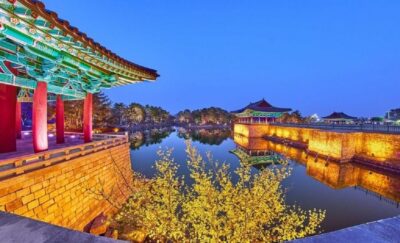 ★ 4.8Busan: Gyeongju Guided Day Trip to Three Kingdoms CapitalFrom $521,925 reviews
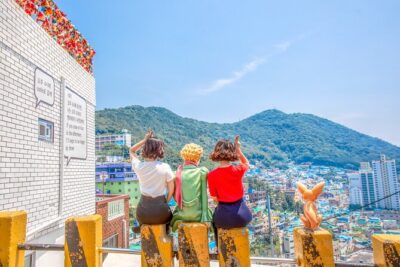 ★ 5.0Small Group Full Day Busan Tour (Max 6 Pax)From $991,464 reviews
 ★ 4.8From Busan: Gyeongju UNESCO World Heritage Guided Day TourFrom $521,250 reviews
 ★ 5.0Busan Private Tour with licensed tour guide + private vehicleFrom $1691,143 reviews
 ★ 4.7Busan: Coastal Treasures Beach Train, Culture Village & MoreFrom $51832 reviews
 ★ 4.5Busan’s Cultural Wonders with Beach Train & Gamcheon Village etcFrom $47663 reviews
 ★ 5.0Gyeongju UNESCO World Heritage Guided Day Tour from BusanFrom $57660 reviews
 ★ 5.0Private Busan Tour -Explore Cultural Landmarks with a Local GuideFrom $169552 reviews
Where this tour also appears