
REVIEW · BUSAN TOURS
5-Day Korea Golden route by K-shuttle Tour from Seoul Including Busan, Yeosu
Korea goes by fast, so plan smart. What makes this tour feel different is the guided storytelling that connects old monuments to modern Korea, plus the big ticket sights like UNESCO temples without you hunting for tickets or buses. I really like that you get traditional culture time at Jeonju Hanok Village and Andong Hahoe Folk Village, and you also get real nature breaks with Suncheon Bay Garden and Seoraksan National Park. One drawback to plan for is the pace, you will be in the car a lot, and some add-ons or entrances can cost extra.
This route is built for first timers who want maximum variety in just 5 days. You meet at Gwanghwamun, then the tour keeps you moving across the country with hotel stays (4 nights) and breakfast handled. It is not a gentle, slow sightseeing stroll. It is a well structured highlights run.
If you want Seoul as a destination city, this may feel like an in transit setup. You do start in Seoul and return to the same area at the end, but the itinerary focus is largely outside the capital.
In This Review
- Key highlights I’d circle on your map
- What this 5-day Golden Route means for your schedule
- Day 1: Muryeong Tombs and Gongsanseong Fort on the way to Jeonju
- Songsan-ri Tombs and the Royal Tomb of King Muryeong
- Gongju Gongsanseong Fortress
- Jeonju Hanok Village
- Day 2: May 18 Cemetery, Suncheon Bay Garden, and Yi Sun-sin’s legacy
- May 18th National Cemetery
- Suncheon Bay Garden
- Statue of Admiral Yi Sun-sin
- Day 3: Busan’s Jagalchi, Haeundae beach views, and Jinjuseong Fortress
- Jinjuseong Fortress
- Jagalchi Market
- Haeundae Beach and the APEC area
- Day 4: Seokguram and Bulguksa UNESCO day, then the calm of Hahoe
- Seokguram
- Bulguksa Temple
- Andong Hahoe Folk Village
- Day 5: Alpensia ski jump venue, then Seoraksan Mountain air
- Alpensia Ski Jump Lounge
- Seoraksan National Park, with Sinheungsa and Seorak Mountain
- The final stop near Dongwha Duty Free
- Price and value: what $999 buys you, and what it doesn’t
- Hotels and daily pace: the part you should plan for
- Best time to go and what to pack for comfort
- Should you book this tour?
- FAQ
- How long is the tour?
- What’s the meeting point in Seoul?
- Where does the tour end?
- Are hotels and breakfast included?
- Is transportation included?
- Is there an English-speaking guide?
- What is not included in the price?
- What optional add-ons might have extra costs?
- What is the maximum group size?
Key highlights I’d circle on your map
- A guide who explains the why, not just the what, with names like Justin Choi and Mina showing up in strong feedback.
- UNESCO temple pair in one day, Seokguram and Bulguksa, for classic stone art and historic pagodas.
- Hanok and folk village time, Jeonju for the hanok rooflines and Andong for river views and old village life.
- Busan market plus beach, Jagalchi seafood energy followed by Haeundae and the APEC area views.
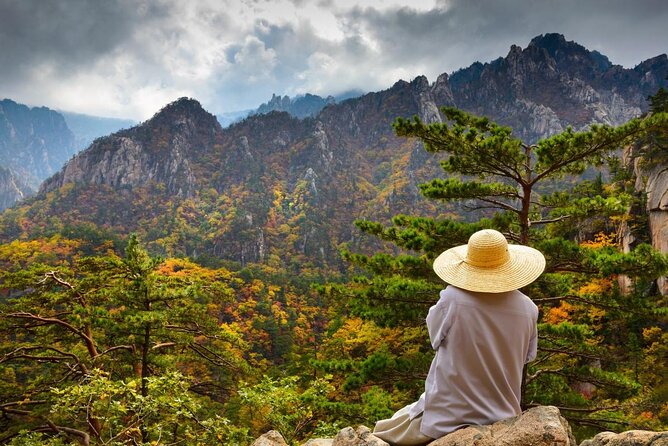
- Nature moments that reset your brain, Suncheon Bay Garden and Seoraksan National Park.
Other Busan days worth comparing
What this 5-day Golden Route means for your schedule
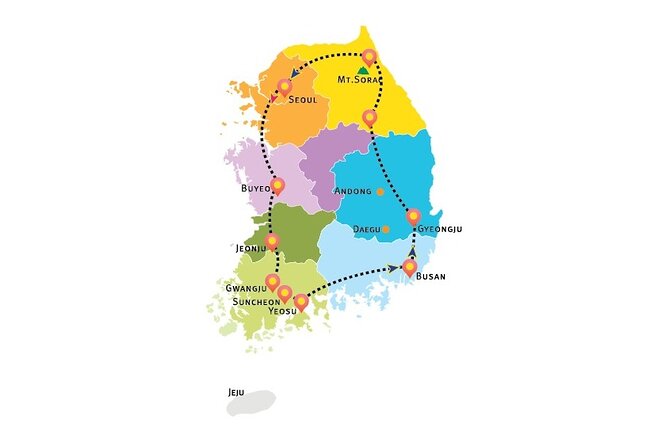
This is a highlights route that takes you from Seoul into central Korea, down toward the coast, and back up to mountain country. The biggest value is simple: you get transportation between stops, an English speaking guide, and 4 nights of breakfast included. If you hate organizing public transit, this tour does that heavy lifting for you.
At the same time, you should expect a “next stop, next stop” rhythm. The days are packed with multiple sites, so the win here is breadth, not hanging around one place for hours. If you love slow travel, you might wish for more time at certain locations. If you want a confident first pass at Korea, the structure works.
The group is kept at a maximum of 50. That means you should get a lively bus trip, not a private car experience. You will still have chances to look around on your own for short stretches, but timing is guided.
Day 1: Muryeong Tombs and Gongsanseong Fort on the way to Jeonju
You start early in Seoul, meeting near the Gwanghwamun area. Then the day leans hard into Korea’s older layers, before you get to modern style at one of the country’s most famous traditional neighborhoods.
Songsan-ri Tombs and the Royal Tomb of King Muryeong
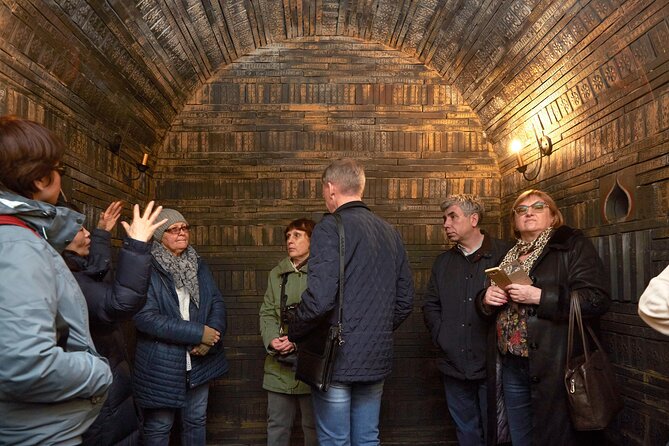
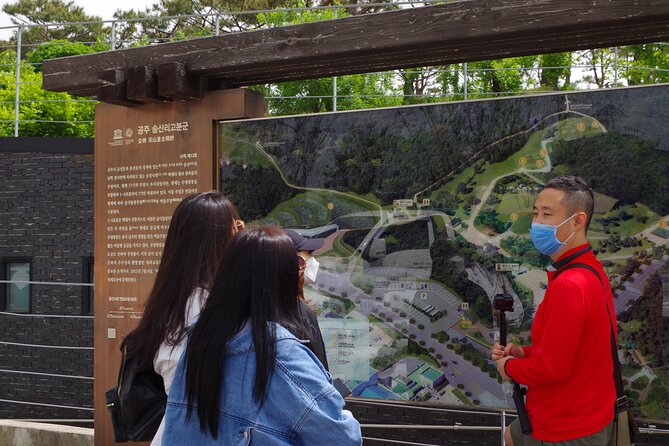
This stop is about the Baekje period, with tombs tied to King Muryeong’s era. It is one of those sites where the guide’s narration matters, because you are looking at stone and structure, not an interactive museum. I like this kind of stop because it helps you understand Korea’s timeline fast, especially if you are doing a short trip.
Practical tip: wear shoes with decent grip. Tomb areas can be uneven, and you will likely do more walking than the time estimate suggests.
Gongju Gongsanseong Fortress
Gongju Gongsanseong Fortress is a mountain fortress tied to Baekje history. What you get here is a combo of old walls and a river-side viewpoint. Even if you are not a “fortress person,” the angle on the geography helps you picture how people defended and lived in the region.
If weather is clear, this is a highlight day for photos. If it is rainy or windy, treat it as a short, move briskly kind of stop.
- Best DMZ Tour Korea from Seoul (Red Suspension Bridge Optional)
★ 5.0 · 41,422 reviews - DMZ Tour: 3rd Tunnel, Option(Suspension Bridge, Boat) from Seoul
★ 5.0 · 21,373 reviews - DMZ tour south Korea from Seoul (NK experience hall, defector)
★ 5.0 · 20,599 reviews - Seoul: DMZ Tour with Optional Suspension Bridge
★ 4.8 · 5,277 reviews - Signature DMZ Tour: Exclusive Defector Talk & Suspension Bridge
★ 5.0 · 4,459 reviews
Jeonju Hanok Village
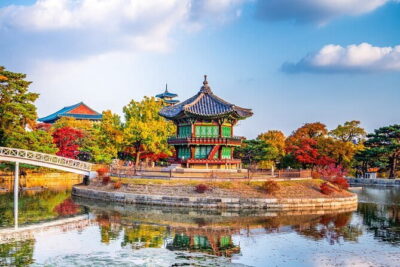
Jeonju Hanok Village is where the day turns from stone history to living tradition. The hanok roofs, especially the edges that curve slightly upward, are part of why people fall for Jeonju. You also get that feeling of a place that still has one foot in the past, even though the broader city has modernized.
This is one of the most enjoyable stops if you like wandering. You can take your time in smaller lanes and photo spots, and the guide can point out what you are seeing.
Day 2: May 18 Cemetery, Suncheon Bay Garden, and Yi Sun-sin’s legacy
Day 2 keeps the theme of meaning. It is not just temples and views. You also spend time on memory, then you shift into conservation nature and a famous admiral’s story.
May 18th National Cemetery
This cemetery is a symbol of freedom and democracy, connected to the May 1980 events. It is a heavy stop, in the best way. Your guide can give context so you understand why this place exists and what it commemorates.
If you want a “fun day,” this one might feel quiet. But it is exactly the kind of stop that makes a short first trip more real.
Suncheon Bay Garden
Suncheon Bay Garden is designed around conserving a natural habitat, with hundreds of tree and flower species listed for the area. This stop is perfect for slowing down after the emotional weight of the cemetery. It also gives you that Korea nature contrast, especially if you are used to only Seoul style travel.
Practical tip: bring a light layer. Garden areas can feel cooler than city streets.
Statue of Admiral Yi Sun-sin
This is linked to Admiral Yi Sun-sin’s command during the Imjin War period. Again, a guide helps here. Without context, you might just see a statue and move on. With context, it becomes a story anchor for the day’s historical arc.
Day 3: Busan’s Jagalchi, Haeundae beach views, and Jinjuseong Fortress
If Day 2 is reflective and scenic, Day 3 is your energy day. You get the sea, the market, and the city look at Busan, plus a historic fortress stop that adds variety.
Jinjuseong Fortress
Jinjuseong is a fortress with links to the Japanese invasion era and earlier name changes across time periods. I like starting with a fortress here because it frames the region, and it makes the rest of Busan feel more layered, not just like a beach stop.
Short version: expect stairs or uneven ground depending on where you walk. Go slow and protect your knees.
Jagalchi Market
Jagalchi Market is Busan’s major seafood market, and it is the kind of place where you can feel the city’s pulse in minutes. It is Korea at close range: busy stands, seafood displays, and that fast market rhythm.
Because lunch is on you, this is also a smart moment to plan. If you want to eat seafood, you’ll be surrounded by options. Just remember the tour does not include meals, so budget accordingly.
Haeundae Beach and the APEC area
Haeundae Beach is famous for a reason. The tour pairs beach time with the APEC area, tied to Nurimaru APEC, described as a modern conference hall with a natural feel. The view helps you appreciate how Busan balances city scale with coastline.
This is also a good time to rest your feet. The earlier market stop can be a lot of standing.
Day 4: Seokguram and Bulguksa UNESCO day, then the calm of Hahoe
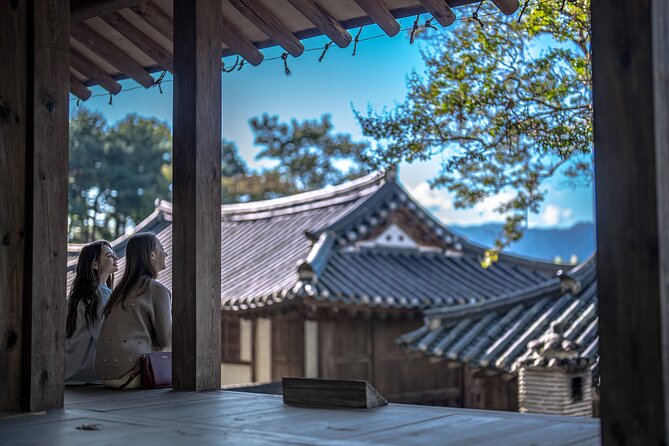
This is the day most people remember, for good reason. It combines two major UNESCO sites and then finishes with a folk village that feels like you turned a page back in time.
Seokguram
Seokguram is an artificial stone temple made of granite, and it is built with connection to Bulguksa. It is designated as UNESCO World Cultural Heritage. This kind of site rewards patience. You cannot rush stone artistry and expect it to land.
Timing note: the stop is listed as around 2 hours, so you get enough time to look, but you are still moving. If you like taking photos, plan to move efficiently.
Bulguksa Temple
Bulguksa is the representative relic of Gyeongju and also UNESCO designated. The beauty here is both in the temple spaces and the stone works, and it is exactly the sort of place where your guide’s explanations can make a huge difference.
This is a great day to treat your body well: drink water, use breaks when offered, and save energy for Hahoe at the end.
Andong Hahoe Folk Village
Hahoe Folk Village is built around a scenic setting, with the Nakdong River flowing around the village and a cliff area highlighted in the tour notes. You also get sandy beaches and ancient pine trees in the mix. It feels like a “Korea you’ve seen in dramas” stop, because the scenery supports that vibe.
This is the best paced feeling of the day. You will still have a schedule, but the village setting makes wandering feel natural. If you want that quiet exhale moment, this is where it happens.
Day 5: Alpensia ski jump venue, then Seoraksan Mountain air
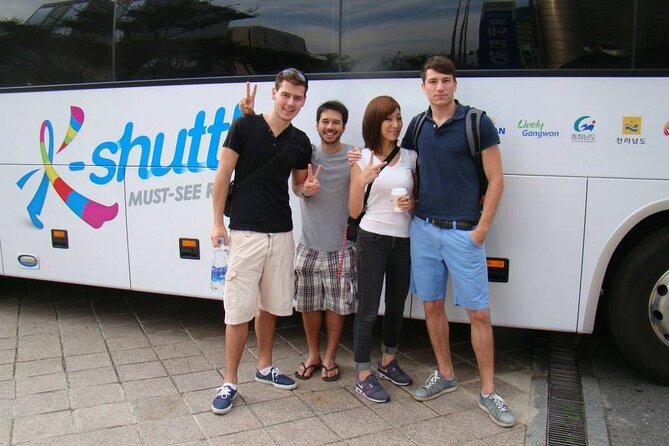
Day 5 combines Olympic-era structure with national park scenery. It’s a good final blend, part human-made landmark, part big outdoors.
Alpensia Ski Jump Lounge
The tour stops at Alpensia Resort’s ski jumping stadium area, tied to the 2018 Winter Olympics. It is listed as admission free in the itinerary notes, and the focus is on the venue rather than a theme park.
If you are a winter sports fan, you’ll enjoy the context. If not, it still works as a landmark moment to show Korea’s modern event infrastructure.
Seoraksan National Park, with Sinheungsa and Seorak Mountain
Seoraksan National Park is described with the Sinheungsa temple connection and Seorak Mountain views. This is where you get that Korea that feels different from city travel.
One practical warning: nature days can be weather dependent. If visibility is low, you might get less dramatic views. Pack layers, because mountain temperatures can shift quickly.
The final stop near Dongwha Duty Free
The tour ends around 18:00 in front of Dongwha Duty Free Shop. That is useful if you plan last minute shopping, and it also makes the end easy. You know where your day stops.
Price and value: what $999 buys you, and what it doesn’t
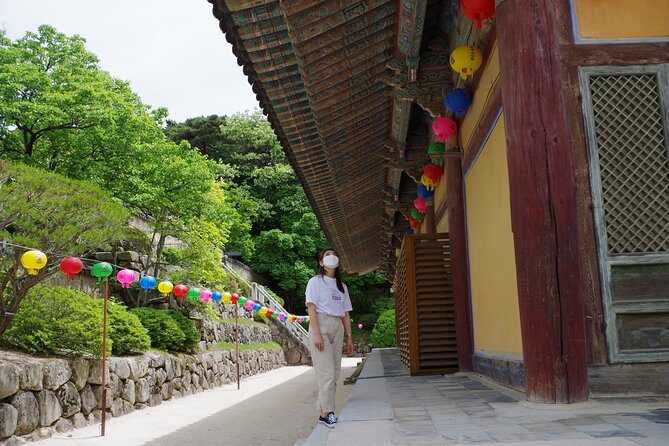
$999 per person is not a cheap bargain, but it can be strong value if you compare what you avoid. You are paying for:
- Transportation to all itinerary stops by vehicle
- An English speaking guide for context and timing
- 4 nights of accommodation with breakfast included
- A managed route across multiple regions
What is not included is also clear: lunches, dinners, snacks, and drinks are on you unless specified. Also, some optional entrances or add-ons can cost extra. The listed examples include items like Seokguram-related add-ons, temple entry fees, and transport add-ons tied to certain sites (for example monorail or cable car type options, plus certain ferry surcharges).
My advice: treat $999 as the base for comfort and logistics, then add a realistic food budget. If you eat lightly and stick to convenient meals, you will feel good about the total. If you plan to buy lots of snacks and sit down for full restaurant meals every day, your final cost can rise fast.
Hotels and daily pace: the part you should plan for
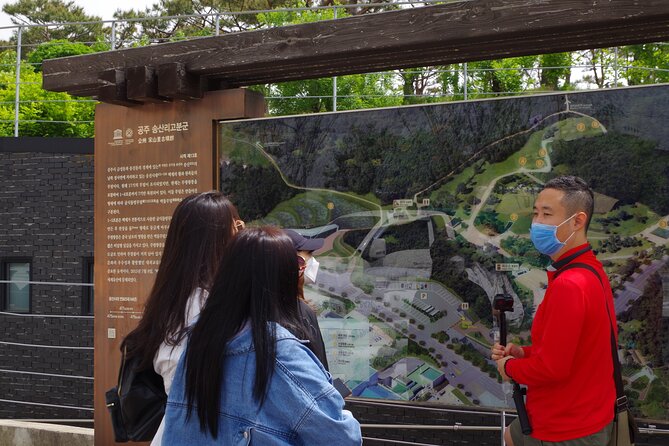
Accommodation is included for 4 nights, and breakfast is part of the deal. That is a big plus. I’ve seen mixed hotel experiences in this kind of long route, and this tour is no exception.
Some feedback points to certain properties being cleaner and more comfortable than others. There are also mentions of dated rooms, and in at least one case, concerns around A/C and cleanliness. The important practical takeaway: you should not assume every hotel will feel equal.
How you can protect yourself:
- If you have strong preferences, choose a single or double room option based on comfort needs, not just cost.
- At check-in, do a quick sweep for basics you care about (air conditioning, cleanliness, bathroom hot water if you use it).
- If something seems off, speak up right away through the tour team rather than waiting.
Pace-wise, this is a fast route. Even the positive feedback often includes the phrase it can feel packed. That means you will get a lot of highlights, but you will not feel like you moved at your own speed every hour. If you love planning and like seeing many places, that is a feature. If you prefer lingering, you’ll want to book a longer independent trip later.
Best time to go and what to pack for comfort
The tour recommends warm clothes during winter months. Even if you are traveling in shoulder season, bring layers because you might move between coastal areas and mountain zones.
You also want good walking shoes. The itinerary includes multiple historical sites and at least one national park day, so expect standing and some uneven ground. If you skimp on shoes, your feet will do the complaining for you.
Also keep in mind the luggage rule: one carry-on bag with dimensions around 24 by 16 by 11. If you bring a big suitcase, you may end up struggling with storage. Pack like you’ll use it daily.
Should you book this tour?
Book it if you want a first trip that covers a lot of Korea in 5 days, with transportation and an English guide handling the hard parts. It is also a great fit if you care about seeing UNESCO temples, traditional villages, and a mountain nature day, without building an itinerary from scratch.
Skip it if you want lots of free time in Seoul, or if you hate fast schedules and long car days. This route gives breadth. It does not give slow wandering.
If you do book, go in with the right mindset: plan for extra meal spending, wear comfortable shoes, and let the guide do the connecting work. When you do that, the tour feels like a smart shortcut to understanding Korea, not just a checklist.
FAQ
How long is the tour?
The tour is 5 days (approx.).
What’s the meeting point in Seoul?
You meet at the parking lot next to Dongwha duty free shop at exit 6 of Gwanghwamun subway station. The listed start time is 8:00 am.
Where does the tour end?
The tour ends around 18:00 at the front of Dongwha Duty Free Shop.
Are hotels and breakfast included?
Yes. The tour includes 4 nights of accommodation and breakfast is included for 4 days.
Is transportation included?
Yes. Transportation to all places on the itinerary is included, with vehicle size depending on the group.
Is there an English-speaking guide?
Yes. The tour includes a professional English-speaking guide.
What is not included in the price?
Lunch, dinner, snacks, and other food or drinks are not included unless specified. Optional admission fees listed may also be extra.
What optional add-ons might have extra costs?
The tour notes potential extra costs such as Goransa Temple ferry surcharge, entry to Seokguram Grotto, monorail to Pyeongchang ski jump, and Gwongeumseong Fortress cable car ride and temple entry.
What is the maximum group size?
The tour has a maximum of 50 travelers.
Keep Browsing Seoul
More Seoul Write-Ups
Still in Busan? More Here
Fresh on the Seoul pile
- Unique Native Experience : Han River Picnic, Board game, BBQ★ 5.0 · 3 reviews
- 2-Hour Private Kayaking and Paddleboarding Experience in Hanriver★ 5.0 · 3 reviews
- Korean Folk Village & Suwon Hwaseong Fortress Private Tour★ 5.0 · 3 reviews
- Seoul Korean BBQ Dinner Experience with Secret Food Tours★ 5.0 · 3 reviews
- Seoul Highlights & Hidden Gems – Private Tour with Photo Service★ 5.0 · 3 reviews
- Night Food Tour in Seoul with Traditional and Modern Cuisine★ 5.0 · 3 reviews
Busan Tours you might have missed.
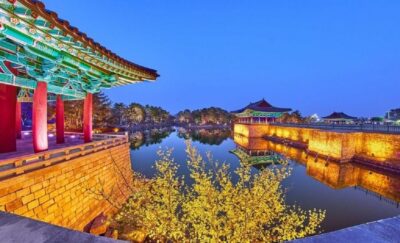 ★ 4.8Busan: Gyeongju Guided Day Trip to Three Kingdoms CapitalFrom $521,925 reviews
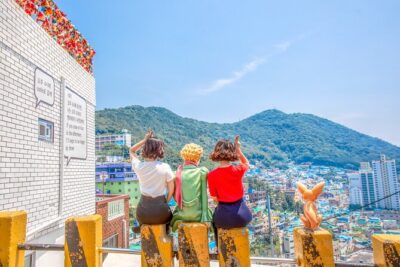 ★ 5.0Small Group Full Day Busan Tour (Max 6 Pax)From $991,464 reviews
 ★ 4.8From Busan: Gyeongju UNESCO World Heritage Guided Day TourFrom $521,250 reviews
 ★ 5.0Busan Private Tour with licensed tour guide + private vehicleFrom $1691,143 reviews
 ★ 4.7Busan: Coastal Treasures Beach Train, Culture Village & MoreFrom $51832 reviews
 ★ 4.5Busan’s Cultural Wonders with Beach Train & Gamcheon Village etcFrom $47663 reviews
 ★ 5.0Gyeongju UNESCO World Heritage Guided Day Tour from BusanFrom $57660 reviews
 ★ 5.0Private Busan Tour -Explore Cultural Landmarks with a Local GuideFrom $169552 reviews
Where this tour also appears