
REVIEW · UNESCO WORLD HERITAGE TOURS
From Seoul: 5-Day Tour of Korea with UNESCO Sites
One planning mistake can ruin a Korea trip. This one is well paced, with UNESCO stops tied together across Gongju, Jeonju, and Gyeongju. I especially like the mix of history you can see up close, plus breaks for views and food, not just temples on repeat.
The itinerary also uses English-speaking guidance and air-conditioned transport, so you spend less time figuring out logistics. One thing to watch: October timing can affect Seoraksan access, and some gardens may have monthly closures if you travel on the wrong week.
If you like a structured plan with real moments, this tour hits the sweet spot. It is not built for slow wandering, but it is built for hitting the big sites and still getting off the bus for photos, walks, and local flavor.
In This Review
- Key highlights to pay attention to
- The real value in a UNESCO-heavy 5 days
- Day 1 around Seoul, then UNESCO Gongju to Jeonju Hanok country
- Day 2: Gwangju’s modern movement, then Suncheon Bay Garden, ending in Yeosu
- Day 3: Jinjuseong Fortress to Busan seafood at Jagalchi, then Haeundae and Dongbaek
- Day 4 UNESCO Gyeongju plus Andong Hahoe, with a Joseon architecture focus
- Day 5: Mt. Seorak National Park and the Gwongeumseong optional cable car
- Hotels, breakfast, and the small issues that can matter
- What the guide experience feels like in real life
- Who should book this tour, and who should skip it
- Should you book this UNESCO Korea route from Seoul?
- FAQ
- Where is the meeting point in Seoul?
- Is hotel pickup and drop-off included?
- What is included in the price?
- Are lunch and dinner included?
- What languages are supported by the tour?
- What should I bring for the tour?
- Is this tour returning to Seoul at the end?
- Can Seoraksan be skipped in October?
- Is there an optional cable car on the final day?
- How should I handle currency during the trip?
Key highlights to pay attention to
- Gongju’s UNESCO pairing: Tomb of King Muryeong plus Gongsanseong Fortress, both with strong historical context
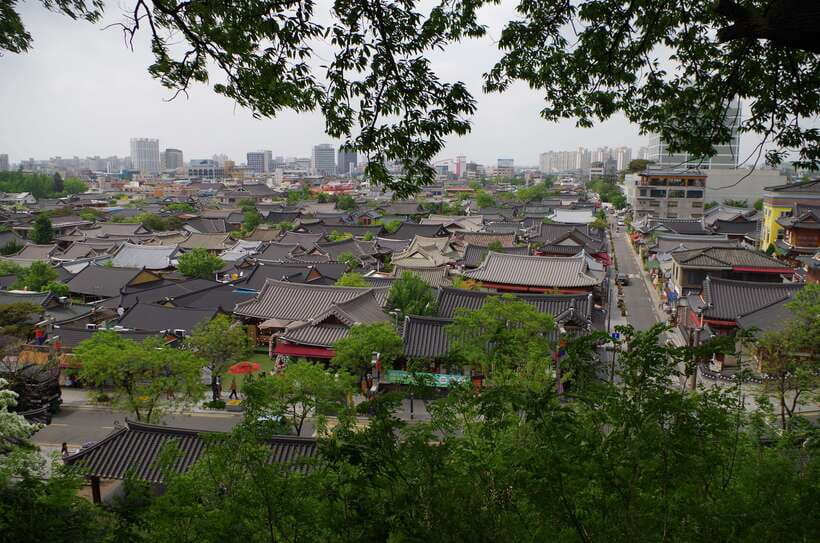
- Jeonju’s stay near Hanok Village: you get easy access to traditional streets after the tour days end
- Gwangju and May 18 National Cemetery: a serious stop tied to Korea’s modern democratic movement
- Busan’s Jagalchi Market then Haeundae views: seafood energy by morning, beach scenery by afternoon
- Gyeongju UNESCO day: Seokguram Grotto and Bulguksa, then Joseon-era architecture at Andong Hahoe Folk Village
- Mt. Seorak option with cable car: a big finish, with practical cautions in October
Other listed sites we have written up
The real value in a UNESCO-heavy 5 days
For $999 per person, you are paying for four hotel nights, breakfast daily, an English-speaking guide, air-conditioned group transport, and entry tickets for selected attractions. Lunch and dinner are on you, which means you can still control your food budget and eat what you want, when you want.
What makes the value feel solid is the structure. Instead of bouncing city to city on your own schedule, you follow a plan that strings major UNESCO sites across several regions. That matters in Korea, where travel time can eat a day fast, especially when you add transfers, ticket lines, and orientation in each new city.
The tour also includes practical time built into each day. You are not just “arriving, viewing, leaving.” You get enough walking space to actually absorb places like the historic path in Yeosu, the market bustle in Busan, and the viewpoints near Haeundae and Dongbaek Park.
Day 1 around Seoul, then UNESCO Gongju to Jeonju Hanok country
You start at the Donghwa Duty Free Shop Building at Gwanghwamun Intersection. The guide meets you holding a K-shuttle signboard, and the meeting point is tied to Metro Gwanghwamun Station Exit 6. It is an easy anchor if you are already near downtown Seoul.
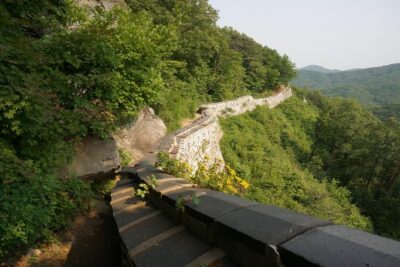
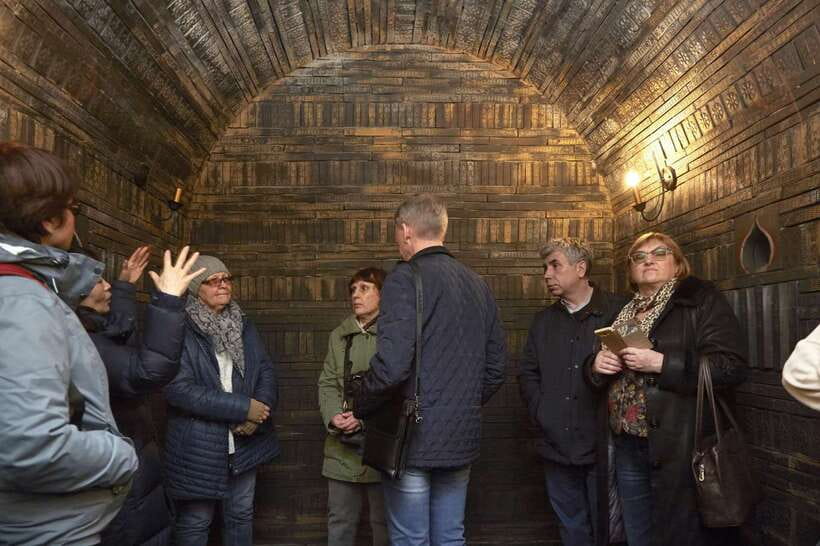
From there, the day pivots to Gongju, where you tackle two UNESCO sites in one run. The Tomb of King Muryeong gives you a concrete look at royal-era funerary culture, and the Gongsanseong Fortress adds the defensive-and-strategic side of history. Fortress sites in Korea tend to reward good shoes because you often move on uneven paths, stairs, and viewpoint edges.
After Gongju, you head to Jeonju and check in near the Hanok Village. Even if you do not spend hours inside the traditional streets, staying close is a smart move. It means your evening is flexible, whether you want a short stroll for first impressions or an early night before Day 2.
Hotel note: you are listed for Jeonju Ramada Hotel or similar, and one detail from a past booking is that hotels can sometimes end up in a less desirable room category. That does not mean it will happen to you, but it is worth keeping in mind if you care a lot about quiet rooms.
Day 2: Gwangju’s modern movement, then Suncheon Bay Garden, ending in Yeosu
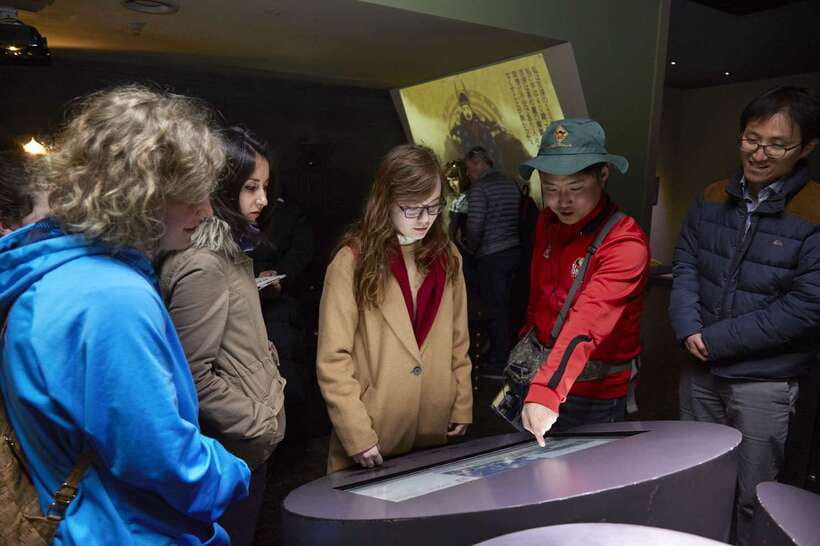
Day 2 starts with breakfast and then moves into Gwangju, known as the birthplace of Korea’s modern democratic movement. The stop that matters most here is the May 18 National Cemetery. This is not a quick photo-op. Go in ready to slow down for a respectful visit, and give yourself a minute to read what you can.
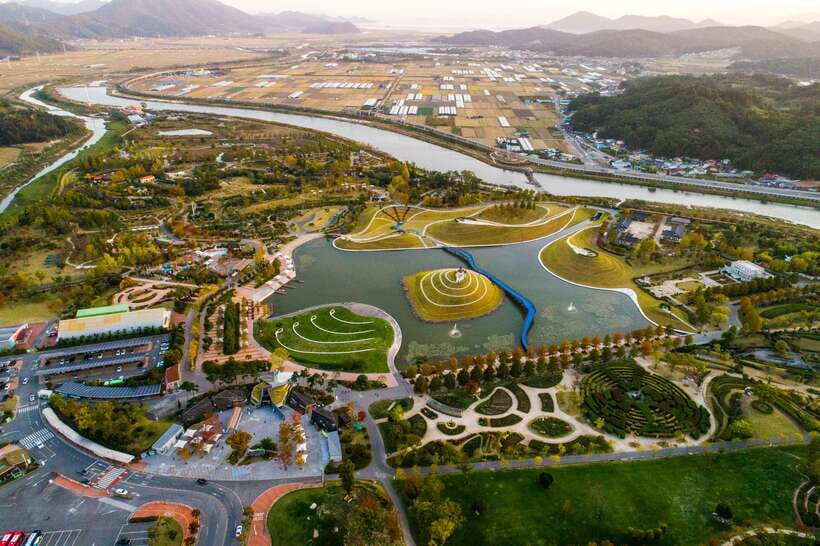
After the solemn part, the tour shifts to nature and calm with Suncheon Bay Garden. Garden visits can be hit-or-miss depending on the week and the season, and one past issue was that monthly closures were not flagged in advance. If you travel at a time when closures are common, you will be glad you have a backup mindset.
The day ends in Yeosu, walking the historic path connected to Admiral Yi Sun-sin. Yeosu’s port-city feel makes this kind of trail more than just a route. Sea towns often bring a different pace, and Yi Sun-sin landmarks naturally pull your attention to naval history and coastal geography.
Day 3: Jinjuseong Fortress to Busan seafood at Jagalchi, then Haeundae and Dongbaek
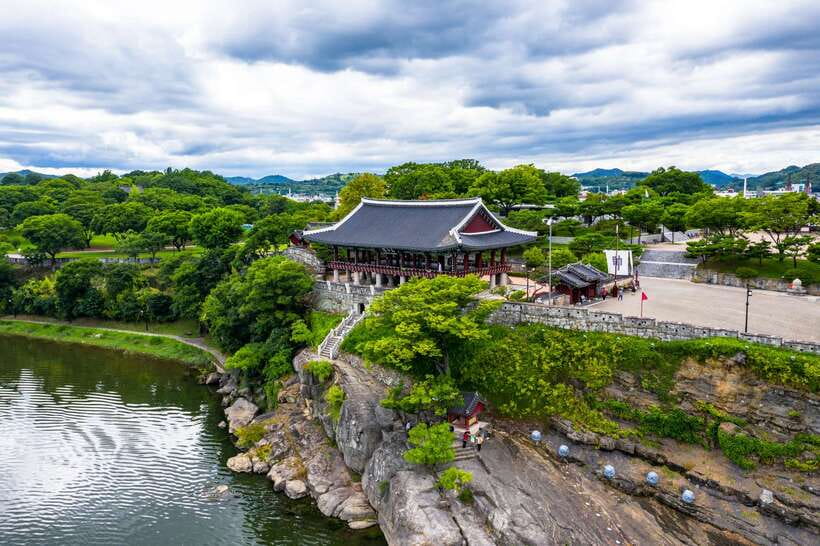
The mid-tour day starts with Jinjuseong Fortress, including the Chokseoknu edifice. This is tied to the era of conflict around 1592, so as you move around the fort space, it helps to think in terms of why walls and vantage points mattered.
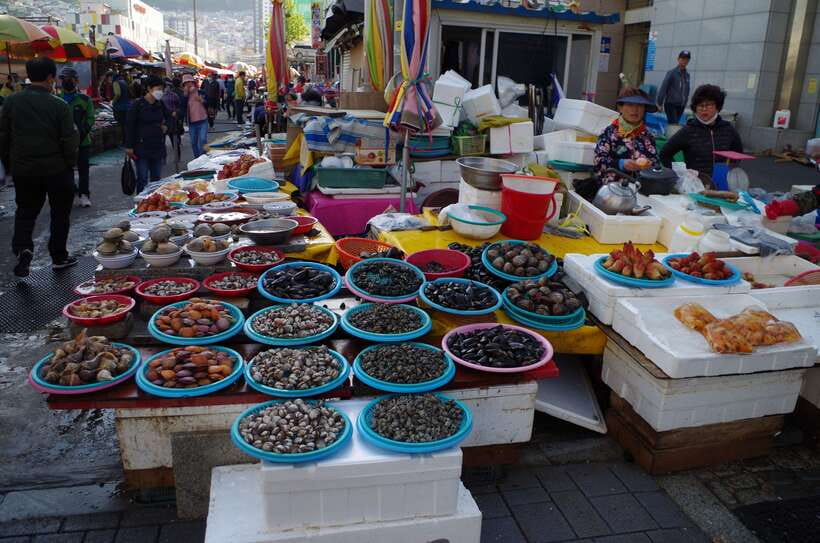
Then it is on to Busan, where the tour leans hard into food and waterfront views. First stop is Jagalchi Fish Market, described as Busan’s largest seafood market. This is the kind of place where you do not just “buy and go.” Smells, crowd movement, tanks of seafood, and the speed of vendors all create the experience. If you like tasting something small rather than committing to one big seafood meal, this is a good day to eat casually.
Next you get Haeundae Beach and Dongbaek Park. The sequence works well because market morning energy gives you momentum, and the park and beach make the afternoon a breather. Bring your camera, but also bring your curiosity. Even a short walk in the Dongbaek area can feel like you changed cities, because the ocean air is a different world than fortress stone.
Finally, you check into a Gyeongju hotel, listed as Gyeongju Commodore Hotel or similar. Gyeongju is where the UNESCO days start to feel like a full theme, not a list.
- Best DMZ Tour Korea from Seoul (Red Suspension Bridge Optional)
★ 5.0 · 41,422 reviews - DMZ Tour: 3rd Tunnel, Option(Suspension Bridge, Boat) from Seoul
★ 5.0 · 21,373 reviews - DMZ tour south Korea from Seoul (NK experience hall, defector)
★ 5.0 · 20,599 reviews - Seoul: DMZ Tour with Optional Suspension Bridge
★ 4.8 · 5,277 reviews - Signature DMZ Tour: Exclusive Defector Talk & Suspension Bridge
★ 5.0 · 4,459 reviews
Day 4 UNESCO Gyeongju plus Andong Hahoe, with a Joseon architecture focus
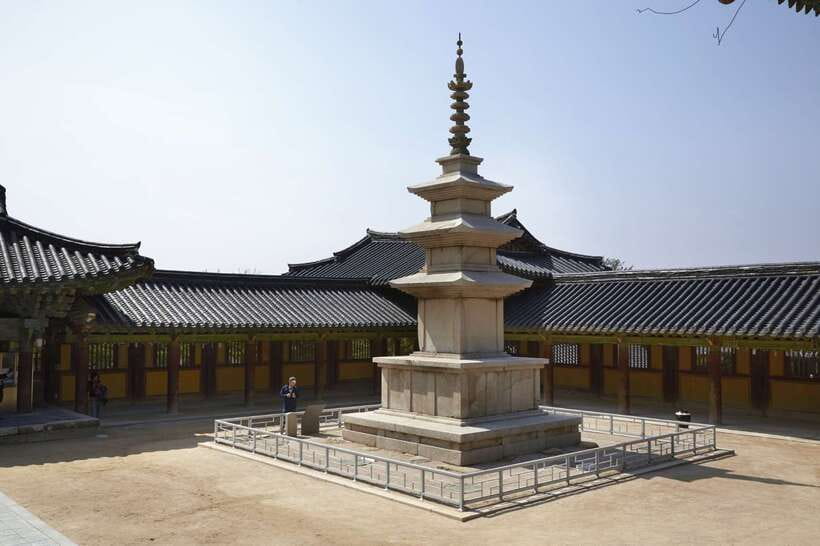
Day 4 is the big UNESCO cluster. You begin with Seokguram Grotto and then Bulguksa Temple. These sites are often paired for a reason. Seokguram is known for its grotto setting and stone artistry, and Bulguksa brings the temple layout and cultural context together in one broader visit.
Because these are high-demand sites, you will want to move at a steady pace. Use your guide to understand what is most important to notice first, then take your time where you can.
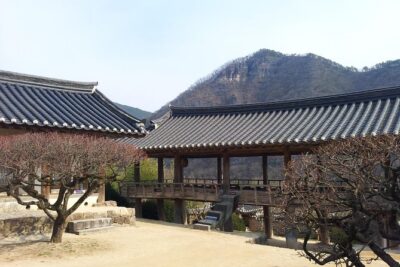
After Gyeongju, you head to Andong Hahoe Folk Village, another UNESCO site. This one focuses on living heritage, including preserved Joseon Dynasty ancient housing. Andong Hahoe is the place where architecture becomes the story. If you like details like courtyard layout, house structure, and how a community organizes everyday life, this is a highlight day.
One review detail that stuck with me: Queen Elizabeth II has visited Andong Hahoe Folk Village. Even if you do not chase that fact while walking, it helps you understand that this place has long been recognized as special.
The day ends in Pyeongchang for your hotel stop, listed as Ramada Hotel PyeongChang or similar. This is a practical landing spot. It sets you up for the next morning’s Mt. Seorak plans.
Day 5: Mt. Seorak National Park and the Gwongeumseong optional cable car
Your final day is built around Mt. Seorak National Park, which is listed as a UNESCO Biosphere Preservation District. This is Korea’s most famous national park, and even if you have seen mountain scenery before, Seorak’s scale and weather changes can surprise you.
The tour includes a note that Seoraksan could be restricted and may be skipped in October. The reason given is that buses may be restricted for entry, and then you may have to walk about 3.6 km from the parking lot. That matters for your comfort and time. If you are visiting in October, ask your guide or operator about your specific routing before you start.
There is also an optional cable car to Gwongeumseong Fortress. The tour mentions it as an optional add-on, and links it to the area near Shinheungsa Temple. If you like dramatic viewpoints but want to reduce some uphill walking, this option can be worth it.
You finish with a transfer back to Gwanghwamun in Seoul by 17:00. Ending in a familiar central location is a good way to avoid your last-day stress.
Hotels, breakfast, and the small issues that can matter
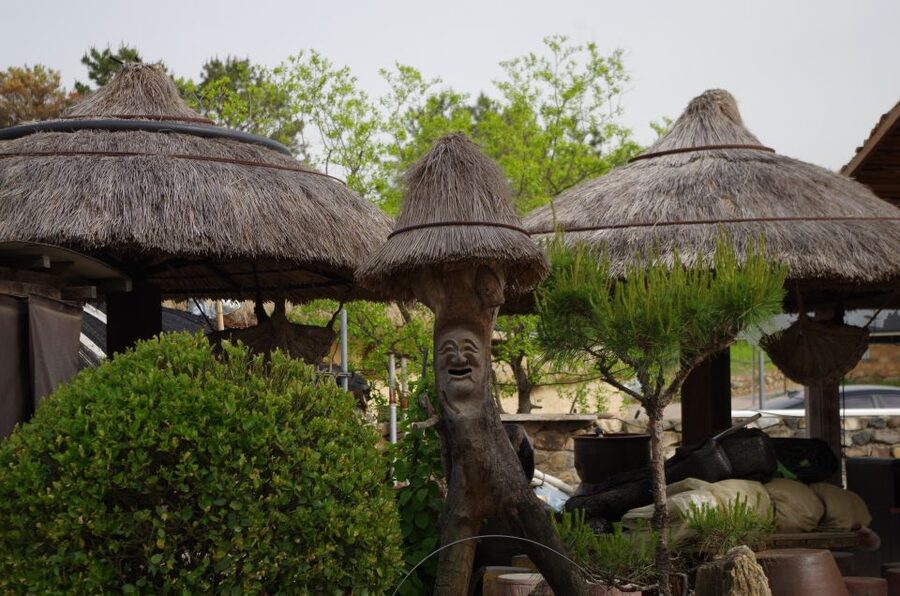
The tour includes 4 nights hotel accommodation with twin or triple sharing, plus hotel breakfast. In practice, breakfast is not just a perk. It lets you start early at UNESCO sites without hunting for food, and it helps on days when you are doing a lot of walking.
Past feedback emphasized that hotels and breakfast buffers were strong. Multiple bookings praised the breakfast spreads, and one person said the hotel situation was perfect. That is a good sign.
Still, I would not ignore the downside that showed up in one review: room category matters. In that case, the hotel rooms were described as the lowest category on the road or near the parking area, which can affect noise and comfort. If you care about quiet and views, consider asking the operator for a better room category when possible. It is usually a small upgrade compared to the rest of the trip cost.
What the guide experience feels like in real life
An organized guide makes this kind of tour work. And in feedback, Justin and Mr. Kim came up by name, with strong praise for how they managed to get to almost everything despite real-world constraints like APEC and crowds.
That tells you something important: the tour is not rigid. It adapts when the city gets crowded or traffic shifts. When you have multiple UNESCO stops across regions, adaptability is not a luxury, it is part of the value.
So when you travel, treat the guide as your tool. Ask for quick priorities: where to look first, where to rest, and what not to rush. That simple habit saves you time and helps you enjoy each site instead of power-walking through all of them.
Who should book this tour, and who should skip it
This fits you best if you want a first-time Korea route that covers UNESCO highlights without the planning headache. It is also great if you enjoy both moral and cultural stops, like Gwangju’s May 18 National Cemetery, and scenic breaks like Haeundae and Dongbaek.
You might want to skip or adjust if:
- You dislike fast pacing and want long unstructured time at each site
- You are traveling in October and you are sensitive to walking distances due to possible Seoraksan access changes
- You expect all hotels to be in the best room category by default
If you are comfortable with group travel and want an efficient, guided route, this is a strong match.
Should you book this UNESCO Korea route from Seoul?
I would book it if you want a guided, UNESCO-focused plan with enough variety to keep it interesting: royal-era history in Gongju, Joseon-era architecture in Jeonju and Andong Hahoe, and the big finish in Mt. Seorak.
I would think twice if October travel is your only window and you have limited mobility, because Seoraksan restrictions can force longer walks. Also, if quiet hotel rooms matter a lot to you, be ready to request a better room category when possible.
Bottom line: for $999, you are buying time saved, guidance, and a smart route that links places logically. If that matches your travel style, it is an easy yes.
FAQ
Where is the meeting point in Seoul?
You meet your guide at the Donghwa Duty Free Shop Building at Gwanghwamun Intersection. Your guide will be holding a K-shuttle sign board, and it is Exit 6 of Metro Gwanghwamun Station.
Is hotel pickup and drop-off included?
No. Hotel pickup and drop-off from Seoul is not included.
What is included in the price?
The tour includes 4 nights of hotel accommodation (twin or triple sharing), hotel breakfast, an English-speaking guide, entry tickets for selected attractions, and air-conditioned transportation.
Are lunch and dinner included?
No. Lunch and dinner are not included.
What languages are supported by the tour?
The tour provides English and Korean support, including the live tour guide.
What should I bring for the tour?
Bring comfortable shoes. You will be doing walking at several stops.
Is this tour returning to Seoul at the end?
Yes. The tour concludes with a transfer back to Seoul, with Gwanghwamun at 17:00.
Can Seoraksan be skipped in October?
Yes. Visiting Seoraksan could be restricted and may be skipped in October due to bus restrictions, and you may need to walk from the parking lot.
Is there an optional cable car on the final day?
Yes. There is an optional cable car to Gwongeumseong Fortress. The tour also mentions it in relation to Shinheungsa Temple.
How should I handle currency during the trip?
The tour advises you to prepare enough KRW before departure, because it may be hard to exchange currency during the trip.
Keep Browsing Seoul
More Seoul Write-Ups
More Listed Sites in Seoul
Fresh on the Seoul pile
- Unique Native Experience : Han River Picnic, Board game, BBQ★ 5.0 · 3 reviews
- 2-Hour Private Kayaking and Paddleboarding Experience in Hanriver★ 5.0 · 3 reviews
- Korean Folk Village & Suwon Hwaseong Fortress Private Tour★ 5.0 · 3 reviews
- Seoul Korean BBQ Dinner Experience with Secret Food Tours★ 5.0 · 3 reviews
- Seoul Highlights & Hidden Gems – Private Tour with Photo Service★ 5.0 · 3 reviews
- Night Food Tour in Seoul with Traditional and Modern Cuisine★ 5.0 · 3 reviews
UNESCO World Heritage Tours you might have missed.
 ★ 4.8From Busan: Gyeongju UNESCO World Heritage Guided Day TourFrom $521,250 reviews
 ★ 4.9Jeju: Eastern Jeju UNESCO Spots Day TourFrom $551,148 reviews
 ★ 5.0East Jeju Essentials – Seongsan Ilchulbong (UNESCO) & HaenyeoFrom $56939 reviews
 ★ 5.0Gyeongju UNESCO World Heritage Guided Day Tour from BusanFrom $57660 reviews
 ★ 4.9Jeju: Southern Top UNESCO Spots Bus TourFrom $55648 reviews
 ★ 5.0Jeju Southern UNESCO Full Day Tour with Mt.HallaFrom $56400 reviews
 ★ 5.0Gyeongju UNESCO sites Private tour with licensed tour guideFrom $186275 reviews
 ★ 5.0Private Gyeongju Tour – Explore Gyeongju UNESCO SitesFrom $186272 reviews
Where this tour also appears