
REVIEW · JEJU ISLAND TOURS
Jeju: Eastern Jeju UNESCO Spots Day Tour
Jeju’s east side is packed with meaning. This 10-hour day tour strings together UNESCO World Heritage stops, dramatic geology, and local culture, all with an English-speaking guide and admission fees handled for you. I especially like the practical pacing, beach to volcano to old village, so you see real Jeju variety without needing to plan. One thing to consider: it is a full day and the schedule can feel brisk, especially if weather is rough or you want longer rests.
What I like most is the “pay once, then go” structure. You get a vehicle with transport costs covered, and the tour includes all admission fees plus no shopping stops, so your time stays on sightseeing. I also like that pickup is built for Jeju City, with four convenient starting points including Jeju Airport (domestic Gate 3), which makes it workable even on arrival or departure days. The main drawback is the limited flexibility if you miss a pickup window, since the tour follows a tight timetable.
In This Review
- Key points worth knowing before you go
- Price and value for $55: what that budget actually buys you
- Pickup in Jeju City and the one-hour question: can I make it work?
- Hamdeok Seoubong Beach: the day starts with color and breathing room
- Gwangchigi Beach and Nogsanlo: where the coastline gets less touristy
- Sunrise Land and Micheongul Cave: geological drama without the long planning headache
- Seongsan Ilchulbong: the UNESCO tuff cone moment
- Haenyeo Museum: culture you can respect, not just watch
- Lunch at the local restaurant: pay attention to the options
- Seongeup Folk Village: old Jeju pace and real walking
- How the English guide changes everything (and some guide names you might meet)
- What a packed schedule feels like in real life
- Comfort, transport quality, and group size expectations
- Should you book this Eastern Jeju UNESCO day tour?
- FAQ
- What is included in the tour price?
- Is lunch included?
- Does this tour include shopping stops?
- Where are the pickup locations and times?
- How long is the tour, and where does it end?
- Which UNESCO sites and major attractions does it visit?
- Why do you visit Micheongul Cave instead of Manjanggul?
- Can you handle dietary restrictions?
- What should I bring?
- What is the cancellation policy?
Key points worth knowing before you go
- All admissions included, so you do not have to budget for tickets on the spot
- No shopping, no pressure stops, which keeps the day focused on Jeju itself
- Micheongul Cave at Sunrise Land is visited instead of Manjanggul when it is closed
- English-speaking guide time is built into every stop, not just one or two
- Four Jeju City area pickups, including airport access for early or late travel days
- Free time at key sights, so you can take photos or just soak in the views
More of Jeju, reviewed
Price and value for $55: what that budget actually buys you
At $55 per person for about 10 hours, this tour can be a good value if you want multiple major sites in one shot. The big reason is the “hidden costs” problem is mostly handled. You are paying for a full day that includes admission fees and the transport costs (tolls, parking, fuel), which can add up quickly on a DIY plan.
You still pay for lunch separately, but the tour covers the hard part: getting you to places that are not all near each other, and timing them in a way that keeps the day coherent. That matters on Jeju, where eastern routes can take longer than you expect once traffic and weather kick in.
I also like that the price includes an English-speaking professional guide. On Jeju, a guide can turn a good view into something you understand, like why the tuff cone at Seongsan Ilchulbong looks the way it does, or what the Haenyeo way of life means on a UNESCO cultural level.
Pickup in Jeju City and the one-hour question: can I make it work?
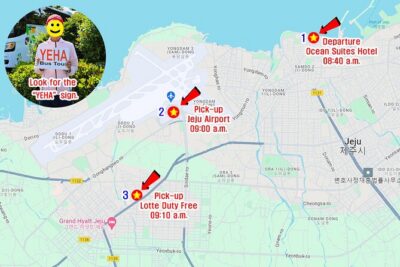
The setup is built for real schedules. You get four pickup options across the Jeju City area:
- Ocean Suites Jeju at 08:30
- Jeju International Airport, Domestic Departures Gate 3 (3rd floor) at 08:45
- LOTTE City Hotel Jeju at 08:55
- Shilla Duty-Free Jeju Store at 09:05
Aim to arrive around 10 minutes early. If you are late by more than about 10 minutes, it can be treated as a no-show with possible refund limits. That is the only part of the day that feels inflexible, so treat pickup like an appointment.
The tour also ends around 18:00 onward, with drop-off at points including Jeju Dongmun Traditional Market, Ocean Suites Jeju, Jeju Airport (CJU), and Shilla Duty-Free Jeju Store. In plain terms: you do not get stuck in the middle of nowhere when the day ends.
Hamdeok Seoubong Beach: the day starts with color and breathing room
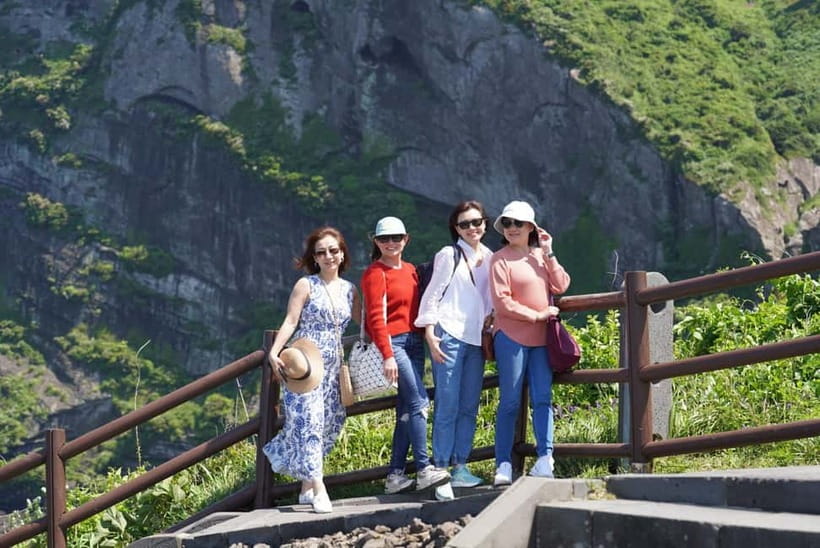
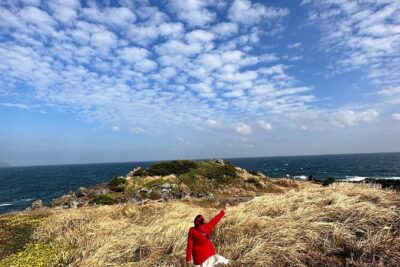
Most one-day Jeju tours cram in “one beach photo” and move on. This one starts with Hamdeok Seoubong Beach, one of Jeju’s top beaches, known for the ocean colors people travel for.
You get:
- a break and photo stop
- a guided tour plus free time
- time to walk and enjoy scenic views on the way
In spring, Seoubong hill can be covered with rapeseed flowers, which adds a second layer of color behind the coastline. Even outside that season, the point stays the same: you start with an iconic Jeju coastline before you get technical with caves and volcanic formations.
Practical tip: wear comfortable shoes. Even when the “walk” sounds light, you will likely be moving along paths for viewpoint angles.
Gwangchigi Beach and Nogsanlo: where the coastline gets less touristy
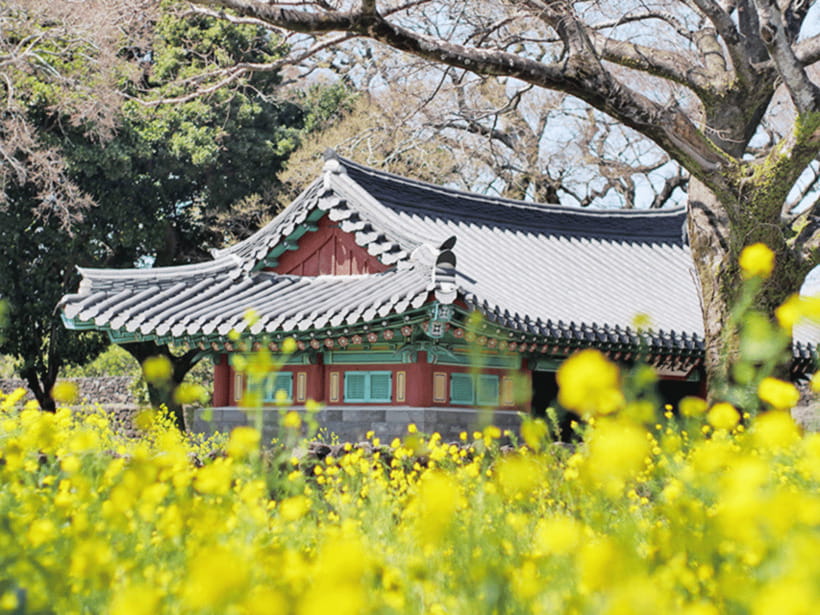
After Hamdeok, the schedule shifts to Gwangchigi Beach and then Nogsanlo. These are the kind of stops that work well on a guided day tour, because you do not just see a spot, you learn what to notice.
At Gwangchigi you have:
- guided tour time and sightseeing
At Nogsanlo you get:
- visit and sightseeing
These stops are shorter than the morning beach, but they help you understand the east coast as a system, not random postcards. If your day energy is high, you will enjoy the variety. If your day energy is low, the good news is there is still structure, so you do not feel lost.
Other listed sites we have written up
- Jeju: Eastern UNESCO Sites Tour with Haenyeo Show
★ 4.8 · 217 reviews - Jeju: Southern UNESCO Geopark Day Tour
★ 5.0 · 62 reviews - Jeju Premium Small Group UNESCO Day Tour – South
★ 4.9 · 50 reviews - Jeju: Eastern UNESCO Join in Tour (Seongsan, Haenyeo)
★ 4.9 · 36 reviews - Jeju Premium Small Group UNESCO Day Tour – East
★ 4.8 · 33 reviews
Sunrise Land and Micheongul Cave: geological drama without the long planning headache
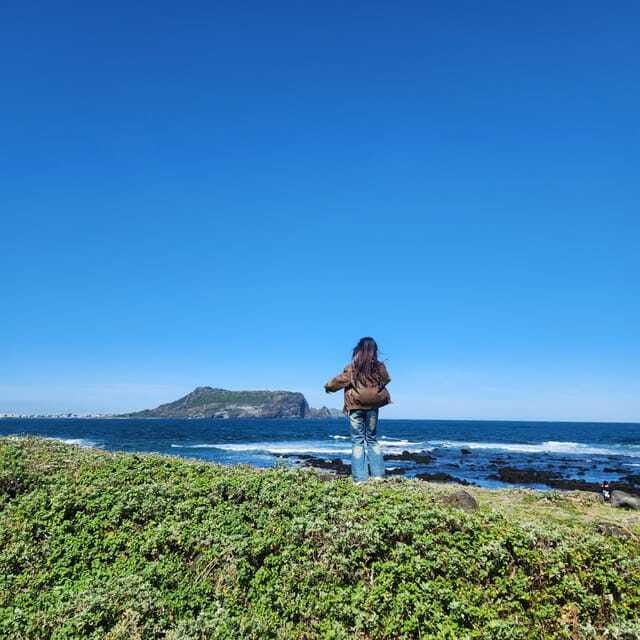
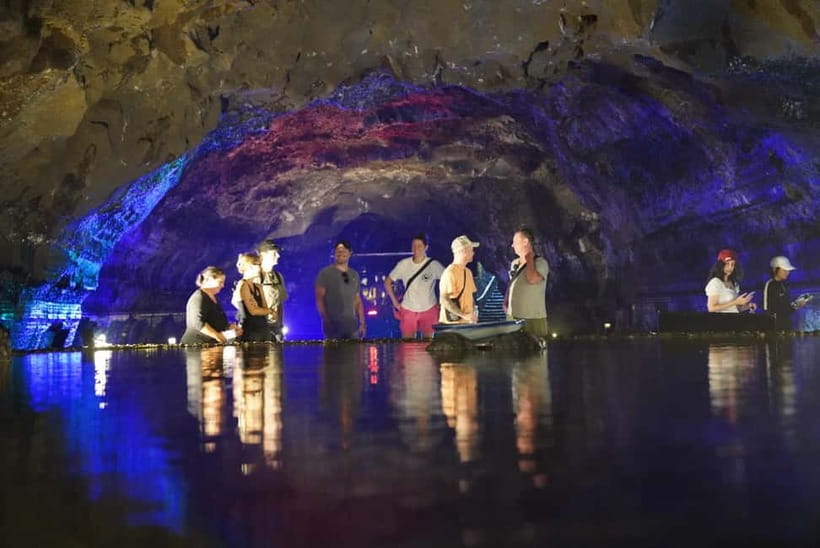
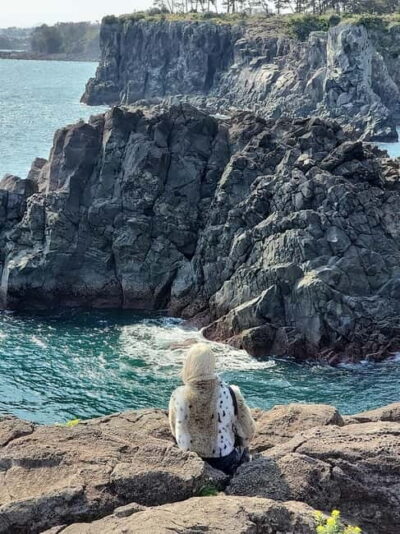
Here is the geology highlight that makes this tour worth considering: Micheongul Cave at Sunrise Land (Ilchul Land). This is a lava tube cave system, and the tour includes it specifically because Manjanggul Cave is currently closed, so they send you to Micheongul instead.
You get:
- a photo stop
- guided tour time
- free time for pacing yourself
- walking and scenic views on the way
Why this matters for you: lava tubes are not just “cool caves.” They are a physical record of how Jeju’s volcanic activity shaped the island. A guide can point out how to read the cave like a story, so it feels more than a dark hallway and a few photos.
Practical tip: caves are usually cooler than outside. Bring a layer, even in warmer months, and be ready for uneven ground inside and around cave areas.
Seongsan Ilchulbong: the UNESCO tuff cone moment
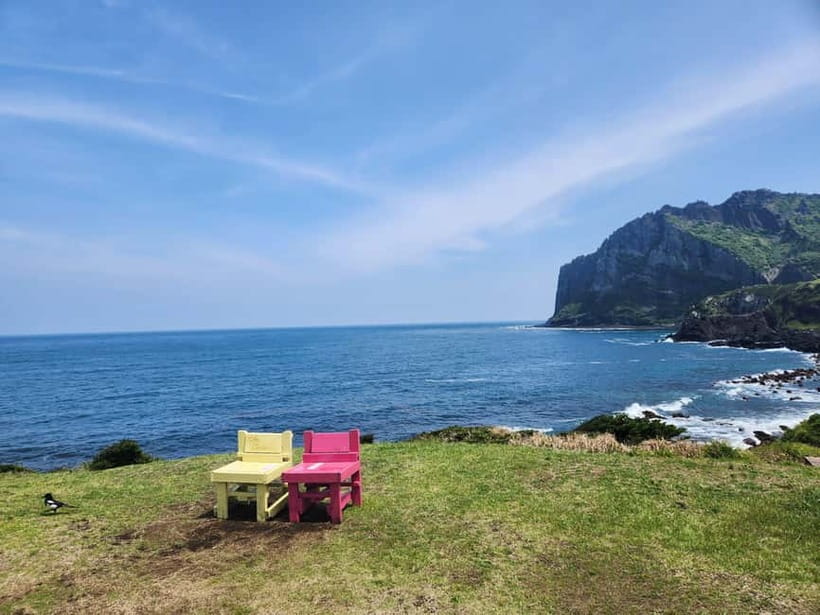
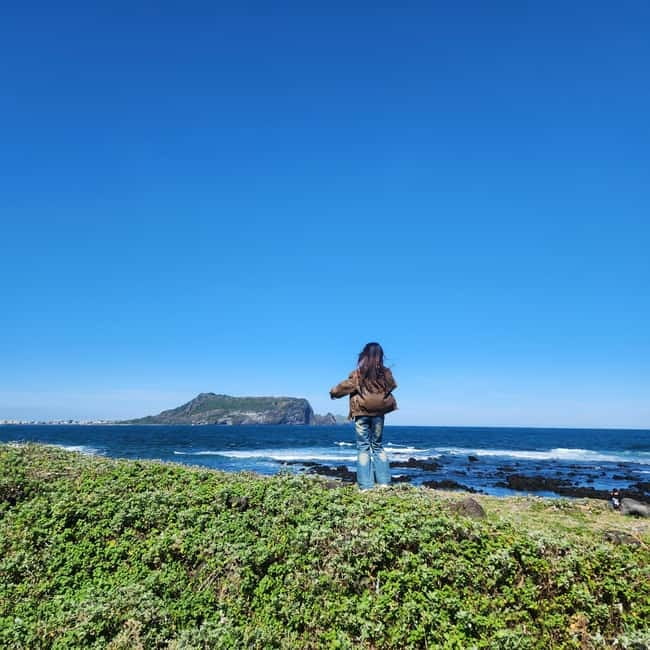
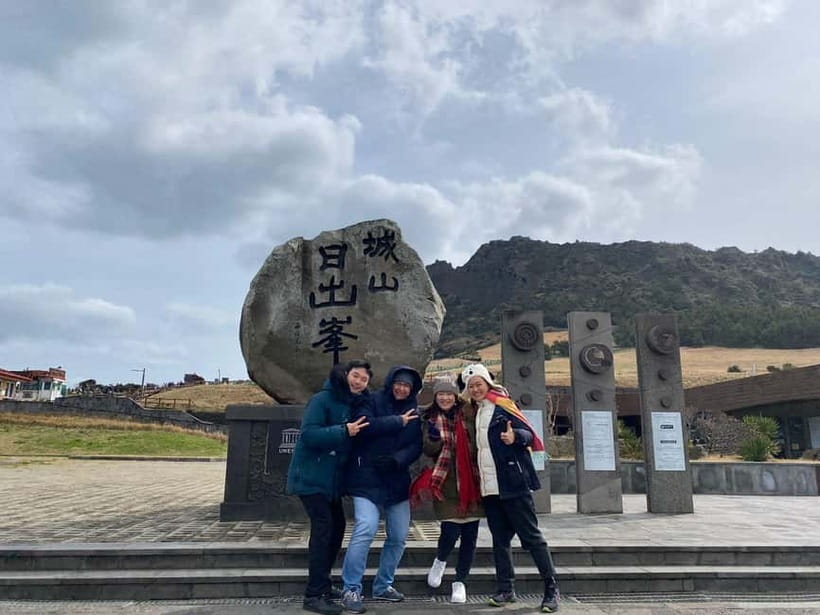
Then you hit Seongsan Ilchulbong, a UNESCO World Natural Heritage site and one of Jeju’s most beloved landmarks. The iconic volcanic tuff cone is the kind of place where everyone takes photos, but a guide helps you understand what you are looking at.
You will get:
- photo stop
- visit and guided tour
- free time
- time to walk and view the scenery
This is the stop that often makes the day feel “big.” Even if you are not a geology person, you can still enjoy the scale and the wind-whipped feeling of a volcanic shoreline viewpoint. If you travel in winter or during blustery weather, dress for it. Reviews mention snowy and windy conditions, and this is the kind of site where weather changes the mood fast.
Haenyeo Museum: culture you can respect, not just watch
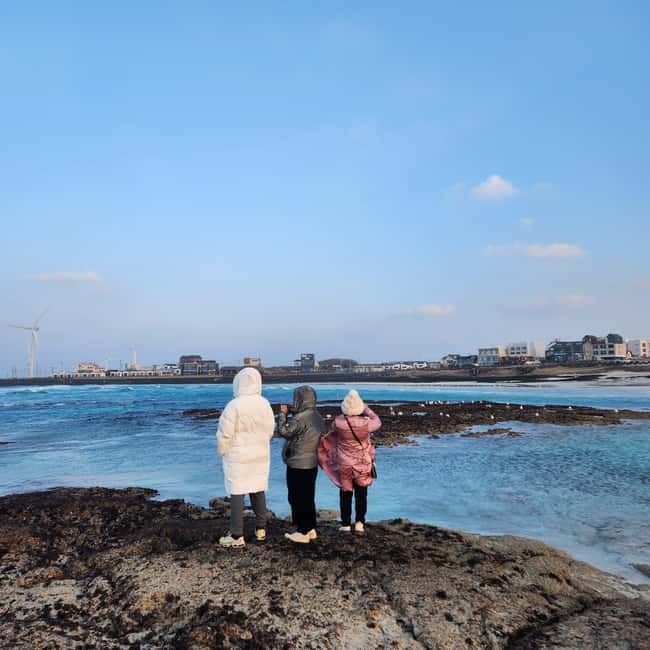
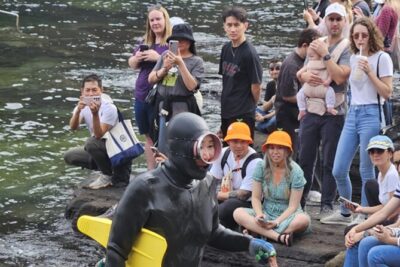
Next up is the Haenyeo Museum, a strong cultural pivot after the dramatic nature stops. The tour frames the Haenyeo story as more than a performance. Haenyeo are described as women who collect seafood from the ocean floor, and that way of life is recognized by UNESCO as an Intangible Cultural Heritage.
You get:
- a photo stop
- visit, guided tour, and sightseeing
- a walk and scenic views on the way
- and a arts-and-crafts market visit (about 50 minutes)
One reason this museum stop works: it gives context for what you will have seen later in the day. It also explains why Haenyeo culture is not just a tourist curiosity, but a lived tradition shaped by endurance and community knowledge.
Practical tip: if you have questions about Haenyeo tools, daily routines, or how people train for underwater work, this is where you ask. A good guide will translate the meaning without making it feel like a lecture.
Lunch at the local restaurant: pay attention to the options
Lunch is part of the day at a local restaurant. The tour includes the time and the stop, but lunch expenses are not included. The guide can assist with food ordering and recommendations, and the tour states they accommodate many dietary needs, including allergies and preferences such as vegan, halal, and vegetarian if you inform them in advance.
In practice, this means you should do one simple thing before the tour: send your dietary requirements clearly. That helps the restaurant side and reduces stress when you are hungry and ready to move on.
What you might choose is up to the day and the restaurant menu, but the tour indicates you can typically find options like Korean BBQ, seafood, or bibimbap.
Seongeup Folk Village: old Jeju pace and real walking
The final major cultural stop is Seongeup Folk Village, a well-preserved traditional village that helps you see how people lived on Jeju.
You get:
- photo stop
- visit and guided tour
- free time
- sightseeing and walking
- and a class component (included in the schedule)
- scenic views on the way
This is where the day slows in a good way. If earlier stops are about raw nature and geology, Seongeup helps you understand the human side: how traditions grew around the island’s environment.
One review detail I liked was the way guides sometimes add small bits of folklore during village time, including how locals talk about dolhareubang and making wishes. You might hear a version of that story while you are walking through village areas, and it is the kind of cultural detail that makes a stop stick.
How the English guide changes everything (and some guide names you might meet)
The guide is a major part of why this tour earns such high ratings. The format is not just “stand at the entrance and explain a bit.” You tend to get constant explanation during transit plus guided time at each site, with plenty of free time for photos.
From the guide names listed in the experiences, you might meet:
- Steven
- Sam
- Peter Kim (also shown as Peter.Kim)
- Chloe
- Jina
- Jason
- Gina
- Sunny
- Stella
What consistently shows up in the feedback is communication. Many guides are praised for being patient with bigger groups, for sharing clear background stories, and for helping with practical things like photo-taking and food ordering. It is worth it if you want more than a checklist.
What a packed schedule feels like in real life
This is a 10-hour day, and the itinerary moves. You will be in a vehicle for stretches, you will have guided blocks, and you will have free time blocks.
The upside is obvious: you get multiple UNESCO-level experiences without hopping between buses and taxis. The downside is you cannot treat it like a slow stroll. If you hate tight timing, plan to keep your expectations simple: arrive ready to move, take breaks when offered, and enjoy the moments you get.
Weather also matters. The tour notes timings and the order can adjust due to traffic and weather, and reviews mention snowy or windy days with continued enjoyment. Pack warm layers and bring a comfortable base outfit.
Comfort, transport quality, and group size expectations
The tour uses a van or bus with a professional driver, and it is described as air-conditioned with top-rated service. Reviews highlight transport quality and smoothness, including good organization even with groups.
If you are the kind of traveler who needs space, you might feel it. But the tradeoff is you get a guided route and admissions handled. If you are trying to see a lot in one day, this format is the sane choice.
Bring a bit of cash for incidentals and lunch. The tour suggests cash in the what-to-bring list, so it is smart to carry some.
Should you book this Eastern Jeju UNESCO day tour?
Book it if you want a one-day plan that hits the east coast’s biggest highlights with minimal stress. It is especially worth it when you:
- only have limited time on Jeju
- want all admissions included in one booking
- prefer sightseeing without shopping stops
- value context from an English-speaking guide at multiple sites
Skip or think twice if you:
- want a slow day with minimal walking and minimal transitions
- get anxious about sticking to pickup times
- need very long independent breaks at each location
My practical take: if you are doing Jeju for the first time and you want the east to feel meaningful, this is one of the easiest ways to make it happen. The combination of Hamdeok Beach, Seongsan Ilchulbong, lava cave geology, Haenyeo cultural context, and Seongeup Folk Village gives you a full picture of what makes Jeju different.
FAQ
What is included in the tour price?
The tour includes all admission fees, an English-speaking professional guide, transportation in a van or bus with a driver, and transport related fees like tolls, parking, and fuel. It also states there are no shopping stops.
Is lunch included?
Lunch is included as part of the day’s schedule, but lunch expenses are not included. You eat at a local restaurant and the guide can assist with ordering and recommendations. Dietary needs can be accommodated if you inform them in advance.
Does this tour include shopping stops?
No. The tour specifically states there are no shopping stops and no shopping pressure.
Where are the pickup locations and times?
Pickups are offered at Ocean Suites Jeju (08:30), Jeju Airport domestic Departures Gate 3, 3rd Floor (08:45), LOTTE City Hotel Jeju (08:55), and Shilla Duty-Free Jeju Store (09:05).
How long is the tour, and where does it end?
The tour duration is about 10 hours. The tour ends around 18:00 onward at the same pickup locations, plus a drop-off at Jeju Dongmun Traditional Market.
Which UNESCO sites and major attractions does it visit?
The tour highlights include Seongsan Ilchulbong, described as a UNESCO World Natural Heritage site, plus Jeju’s east side UNESCO-related experiences in one day, including Seongeup Folk Village and the Haenyeo cultural heritage theme.
Why do you visit Micheongul Cave instead of Manjanggul?
The itinerary states that Micheongul Cave at Sunrise Land is visited instead of Manjanggul, which is currently closed.
Can you handle dietary restrictions?
Yes. The tour states it accommodates dietary needs including allergies, vegan, halal, and vegetarian meals. You should inform the guide in advance.
What should I bring?
Bring comfortable shoes, warm clothing, comfortable clothes, cash, and weather-appropriate clothing.
What is the cancellation policy?
Free cancellation is available up to 24 hours in advance for a full refund.
More Jeju Province Write-Ups
More Listed Sites in Jeju Province
Jeju, Keep Going
Fresh on the Jeju Province pile
- Jeju: K-Drama Spot When Life Gives You Tangerines Hotel Pick★ 5.0 · 4 reviews
- Jeju Island: Sunrise Guided Tour with Hotel Pickup★ 4.7 · 4 reviews
- Jeju UNESCO Natural Heritage Private Tour by Certified Guide★ 5.0 · 5 reviews
- Jeju: Private VIP Day Tour with Tickets★ 4.9 · 6 reviews
- Jeju: Customized Shore Excursions For Up To 7 People★ 5.0 · 6 reviews
- Jeju: Cherry Blossom South & West Day Tour with Hotel Pickup★ 4.4 · 6 reviews
Jeju Island Tours you might have missed.
 ★ 4.8Jeju: Western and Southern Sightseeing Day TourFrom $55972 reviews
 ★ 5.0East Jeju Essentials – Seongsan Ilchulbong (UNESCO) & HaenyeoFrom $56939 reviews
 ★ 4.9Jeju: Southern Top UNESCO Spots Bus TourFrom $55648 reviews
 ★ 5.0South-West Jeju Essentials: Hallasan & Signature HighlightsFrom $56620 reviews
 ★ 5.0Jeju Island English Private & Flexible Tour any number anywhereFrom $230561 reviews
 ★ 4.9East Jeju: Day Tour with Seongsan Peak & Haenyeo PerformanceFrom $55478 reviews
★ 5.0South-West Jeju Essentials: Hallasan & Signature HighlightsFrom $55443 reviews
★ 4.9East Jeju: Day Tour with Seongsan Peak & Haenyeo PerformanceFrom $55478 reviews
★ 5.0South-West Jeju Essentials: Hallasan & Signature HighlightsFrom $55443 reviews
 ★ 5.0Jeju Southern UNESCO Full Day Tour with Mt.HallaFrom $56400 reviews
Where this tour also appears