
REVIEW · BUSAN TOURS
Busan Seafood Tour : Jagalchi market Seafood Tour & Dinner
Seafood shopping gets educational fast. This Busan tour combines a walk through Nampo-dong dried fish wholesale areas and Jagalchi Market with a small-group dinner cooked right afterward. You get to watch seafood move from market stalls to a real table, while learning how Korean food and drinking culture work.
I especially like the hands-on clam soup portion, where you learn the basics for a tasty, properly balanced Asian-style sauce. I also like that the meal is built around fresh seafood choices made during the market stop, so you are eating what is actually available.
One heads-up: dinner seafood is not included in the base price, so you’ll likely pay extra depending on what you select.
In This Review
- Key highlights worth your attention
- Why this Jagalchi seafood dinner feels practical, not touristy
- Nampo-dong dried fish wholesale market: the warm-up stop
- Jagalchi Market: where you pick dinner and get the harbor views
- The in-home dinner setup: cooking lessons with a real table
- What seafood you may eat, from raw sashimi to grilled bites
- Clam soup skill you can actually use at home
- Included snacks vs. dinner seafood you pay for
- Group size, timing, and how to make the most of 4.5 hours
- Drinking culture and Korean food context
- Is this tour for you? The best fit and the fair warning
- FAQ
- What is included in the $15 per-person price?
- Do I need to pay for the seafood for dinner?
- What seafood will I get to see and possibly handle?
- Will I eat raw fish sashimi?
- How long is the tour, and what group size should I expect?
- What happens if weather is bad or I cancel?
- Should you book this Busan seafood market and clam soup tour?
Key highlights worth your attention
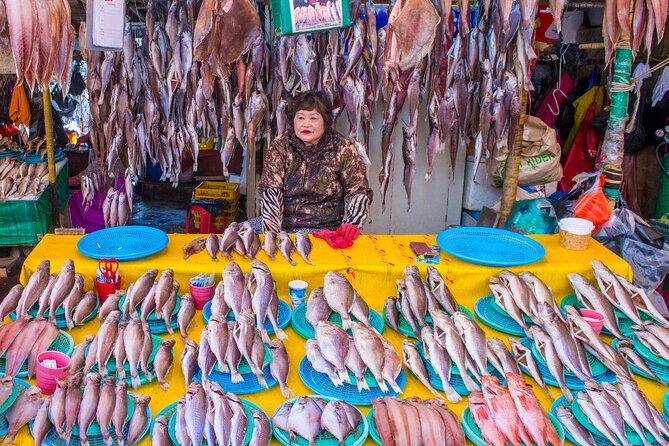
- Hands-on seafood handling so you can touch items like small octopus, sea squirt, and sea cucumber
- Jagalchi Market picking where your dinner starts, plus photo opportunities as you walk
- Clam soup lesson focused on how to season it with an Asian sauce
- A small group vibe (often up to 10 people, with an overall cap higher than that) so you get questions answered
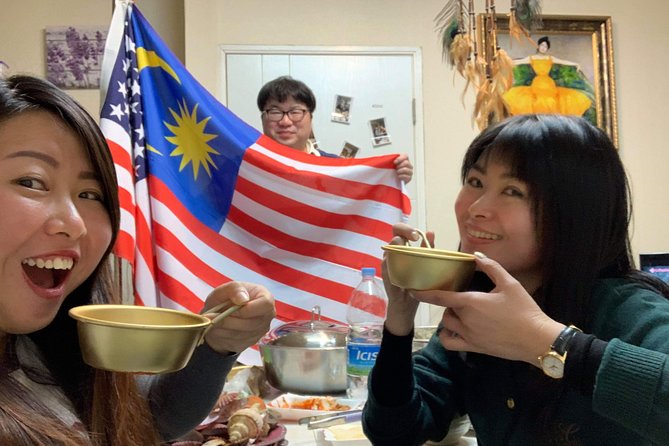
- Chef-guided cooking at a home dining space using the seafood you chose
Other Busan days worth comparing
Why this Jagalchi seafood dinner feels practical, not touristy
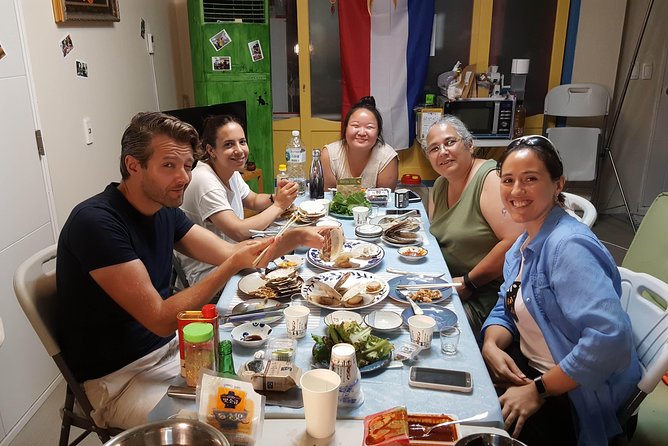
Busan’s seafood markets can be intimidating if you just show up hungry and clueless. This tour turns the chaos into a plan. You get a guided path through major seafood areas, plus a straightforward reason for why you’re looking at what you’re looking at: you will select items for dinner and see how they turn into food.
I also like the emphasis on freshness and preparation. The guide’s role is not just walking and talking. It is explaining what to look for, how Korean seafood dishes are built, and then applying that knowledge immediately in the cooking process.
Finally, the small-group size matters. With fewer people, it is easier to ask questions while you are comparing options at the stalls, and it is easier for the host to adjust the meal if you have preferences.
Nampo-dong dried fish wholesale market: the warm-up stop
The tour begins at the Nampo-dong dried fish wholesale market. This is a different flavor of seafood culture than you may expect. Instead of only live, wet seafood, you get a look at the dried side of Korean seafood. It is a useful contrast because it explains how Korea can stock, preserve, and cook seafood in lots of ways, not just raw sashimi and grilled platters.
What you’ll do here is mostly observation and learning. You’ll see a wide range of seafood products and start building the map in your head for how market seafood gets categorized. If you are the type who likes food facts, this is a fun way to get oriented before you hit Jagalchi.
A practical note: dried fish areas can be strong smelling. If you’re sensitive to odors, this is still doable, just don’t expect it to be perfume-free.
Jagalchi Market: where you pick dinner and get the harbor views
Next comes Jagalchi Market, the part most people picture when they think Busan seafood. This stop is where the tour shifts from learning to decision-making. You get a chance to see, touch, and handle seafood, not just look through glass.
The most praised experience element here is the hands-on part. You might encounter items like long legs octopus (often described as small octopus), sea squirt, and sea cucumber. Handling seafood is a fast way to understand textures and sizes, which helps when you later see how different seafood is cooked.
You also get photo opportunities. Jagalchi is not only stalls and seafood cases, it is also a layered market environment with views over the harbor from higher levels. That means you can get your “I’m really here” photos without needing a separate sightseeing detour.
The in-home dinner setup: cooking lessons with a real table
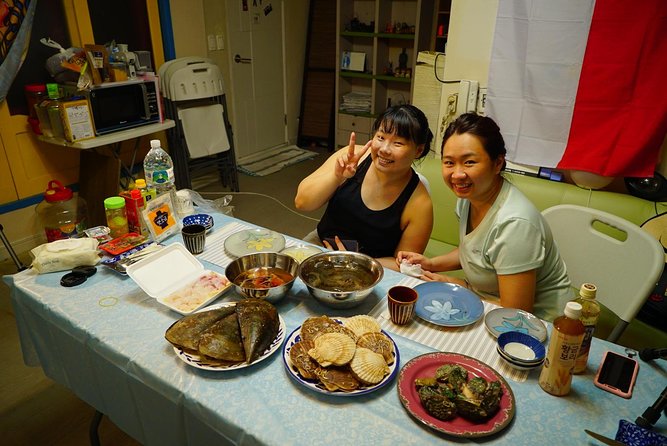
After the market stop, you head to the host’s home for the cooking and dinner portion. This is a big part of why the experience is worth the money. Instead of eating a pre-set restaurant menu, you watch the meal take shape based on what was chosen at the market.
Many participants highlight hosts like Suyang Chang for clear English and chef-level organization. Others mention guides such as Paul and Peter for local context and helpful pacing. Even if your host is different, the structure stays the same: market first, then cooking second.
You’ll learn how to make authentic Korean clam soup, including guidance on how to season it with an Asian sauce. You’re not just getting a recipe book. You’re learning a cooking approach tied to the ingredients you saw earlier.
More shopping runs in Busan
- Busan Seafood Tour : Jagalchi market Seafood Tour & Dinner
★ 5.0 · 74 reviews - Busan Tailored Korean cooking class (Vegan OK)with market tour
★ 5.0 · 66 reviews - Gamcheon Culture Village, Jagalchi fish market story telling Tour
★ 4.5 · 63 reviews - Busan history and market food tour with local chef
★ 5.0 · 58 reviews - Busan Local Food Cooking Class with Market Tour
★ 5.0 · 53 reviews
What seafood you may eat, from raw sashimi to grilled bites
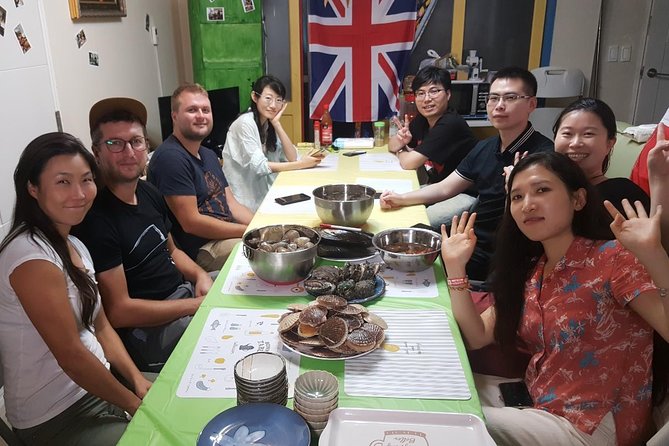
This tour is built around the idea that seafood is not one flavor. It is a whole spectrum of textures and cooking methods. Based on what’s included and what people commonly experience on this tour, you may encounter dishes that range from steamed to stir-fried to raw.
Here are the seafood styles you should be ready for:
- Steamed scallops with a brief cooking approach meant to preserve fresh flavor
- Stir-fried comb pen shell (a shellfish dish served hot)
- Raw small octopus
- Clam soup as a core learn-and-eat course
- Raw fish sashimi, which in Korea often leans toward choices like rockfish or flounder, not only the salmon and tuna you might be used to
Season matters too. A useful tip for planning your expectations is that yellowtail sashimi is often more associated with winter. If you’re visiting in cooler months, it’s smart to ask what looks best today, because the “best” sashimi changes with the supply.
Also, if you are squeamish about raw seafood, you still get a lot of cooked options. But you should go in with flexibility. The whole point is to experience Busan’s seafood scene like a local, including the willingness to try unusual items.
Clam soup skill you can actually use at home
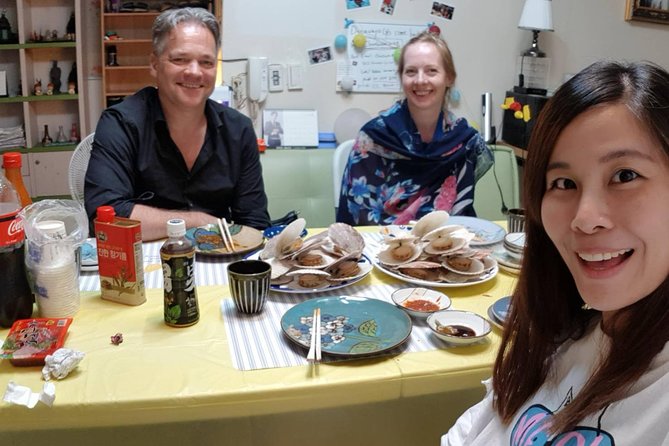
The clam soup lesson is not a random cooking demo. It is one of the most practical takeaways from this kind of tour.
What you learn is how to build flavor with an Asian sauce mindset. That matters because Korean clam soup is usually about balance. You want depth from the ingredients, plus seasoning that does not overpower the seafood. When you watch the steps closely, it becomes easier to repeat at home, even if you swap in ingredients that are easier for you to find.
And yes, the soup is also just delicious on the night. If you tend to compare every meal you eat in Korea to something back home, cling to this dish as your anchor. It is a classic, and it also shows you how Korean seafood cooking stays focused on the ingredient.
Included snacks vs. dinner seafood you pay for
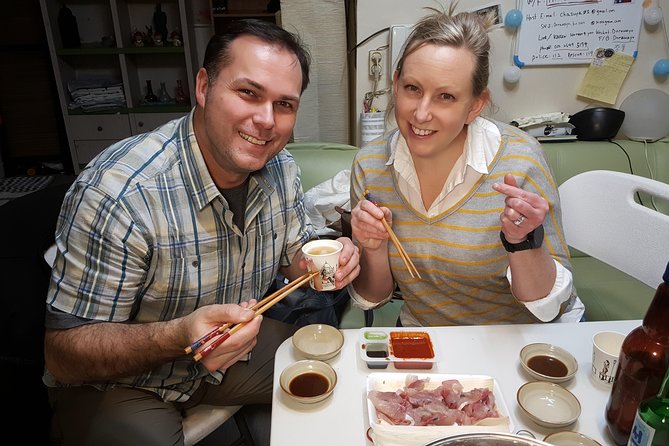
Let’s talk value clearly, because the price is low, but not everything is covered.
The base price includes:
- Bottled water
- Cooking service and space rental
- Snacks such as stir-fried shrimp, clam soup, and grilled fish
Dinner seafood itself is not included. You purchase the seafood based on your preferences, and the host can help you buy it. That is not a trap, it is how market-based meals work. You get control, and you also get a chance to match your meal to what looks best that day.
So here’s how to budget without guessing:
- If you just want a simple meal, you can choose fewer items.
- If you want a variety of seafood, expect your cost to rise with each additional selection.
- Alcoholic beverages are not included, so drinking is extra.
At about $15 per person, the tour price feels like it is covering the guide time, the cooking space, and key snacks. The paid portion is the seafood you choose, which is fair. You’re paying for freshness and choice, not just the act of eating.
Group size, timing, and how to make the most of 4.5 hours
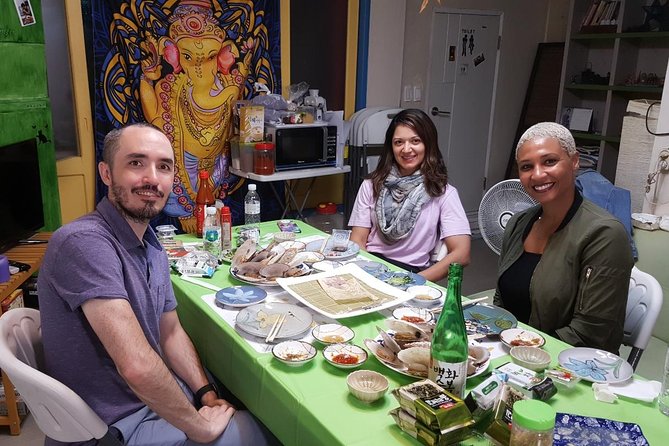
The tour runs for about 4 hours 30 minutes. That is long enough to walk markets, stop and ask questions, and then eat a proper seated meal, without feeling like an all-day commitment.
Group size is kept small. The tour concept describes a maximum of 10 people, while the broader cap is higher. In practice, you should expect a manageable group where the host can check in with you, especially during cooking and while walking the market.
What will make or break your experience is showing up ready:
- Eat at least somewhat lightly before you start, because the evening shifts quickly into food.
- Wear comfortable shoes. Markets mean lots of walking and standing.
- Bring a calm mindset about seafood textures. Handling items like sea squirt can feel surprising if you have never touched them before.
If you’re the type who likes planning, this is also a good choice because it is not a vague “wander and snack” tour. You have a clear progression: market selection, then cooking and dinner.
Drinking culture and Korean food context
One extra benefit is that the host explains Korean food and drinking culture alongside the cooking. Even if your goal is mostly seafood, these small cultural notes make the meal more meaningful.
You might also notice that some guides are ready with recommendations for what to do after your tour, including places to eat nearby. That is valuable if you want to keep exploring without getting stuck in the tourist price cycle.
And a practical reminder: if you plan to drink, alcohol is not included in the included items list. So treat any soju or other Korean drinks as an added cost, not part of the $15.
Is this tour for you? The best fit and the fair warning
I’d recommend this tour if:
- You love seafood and want a market-to-table experience.
- You like learning while walking, not just sitting at a restaurant.
- You’re curious about Korean staples beyond the “Western famous” sashimi styles.
- You want a small-group vibe where your questions actually get answered.
I’d hesitate if:
- You dislike the idea of touching seafood at markets. This experience leans into handling, not just tasting.
- You want a fully fixed-price dinner with zero extra shopping. Dinner seafood is purchased by customers.
For most people, the middle ground is ideal. You can participate in the selection process and still choose what feels comfortable, then let the host guide cooking.
FAQ
What is included in the $15 per-person price?
Bottled water, cooking service and space rental, plus snacks such as stir-fried shrimp, clam soup, and grilled fish.
Do I need to pay for the seafood for dinner?
Yes. Dinner seafood should be purchased by customers based on their requests, and the host helps with purchasing after the market selection.
What seafood will I get to see and possibly handle?
You’ll have chances to see, touch, and deal with local seafood. The experience description specifically mentions items like long legs octopus (small octopus), sea squirt, and sea cucumber, plus you may enjoy dishes made from items such as steamed scallops and raw small octopus.
Will I eat raw fish sashimi?
The experience includes the possibility of raw fish sashimi as part of the seafood tasting.
How long is the tour, and what group size should I expect?
It lasts about 4 hours 30 minutes and is designed for small groups, with a maximum of up to 10 described in the tour overview and an overall maximum cap of 15 travelers.
What happens if weather is bad or I cancel?
The experience is non-refundable and cannot be changed. It requires good weather, and if it is canceled due to poor weather, you’ll be offered a different date or a full refund. It also requires a minimum number of travelers, and if that minimum is not met, you’ll be offered a different date or experience or a full refund.
Should you book this Busan seafood market and clam soup tour?
If you want Busan seafood with real context, this is a strong pick. The market walking is more than sightseeing, and the cooking at a home table makes the whole experience feel personal. Just go in with the expectation that you’ll pay for the dinner seafood you choose, and come ready to try more than just the familiar salmon-and-tuna sashimi.
Keep Browsing Busan


More Busan Write-Ups

Still in Busan? More Here
Fresh on the Busan pile
- Suncheon and Yeosu Daily Private Tour with Pickup Service★ 5.0 · 3 reviews
- Suncheon one day tour from Seoul, Busan or Suncheon★ 5.0 · 3 reviews
- Busan Seafood Tour : Oyster village Tour with Oyster cuisines★ 5.0 · 3 reviews
- 2-DAYS Busan Customized and Included Night tour★ 5.0 · 3 reviews
- Busan Dialect Class with local snack★ 5.0 · 3 reviews
- Korean UNESCO World Heritage Tour including Gyeongju, Andong and Daegu(2N3D)★ 5.0 · 3 reviews
Busan Tours you might have missed.
 ★ 4.8Busan: Gyeongju Guided Day Trip to Three Kingdoms CapitalFrom $521,925 reviews
 ★ 5.0Small Group Full Day Busan Tour (Max 6 Pax)From $991,464 reviews
 ★ 4.8From Busan: Gyeongju UNESCO World Heritage Guided Day TourFrom $521,250 reviews
 ★ 5.0Busan Private Tour with licensed tour guide + private vehicleFrom $1691,143 reviews
 ★ 4.7Busan: Coastal Treasures Beach Train, Culture Village & MoreFrom $51832 reviews
 ★ 4.5Busan’s Cultural Wonders with Beach Train & Gamcheon Village etcFrom $47663 reviews
 ★ 5.0Gyeongju UNESCO World Heritage Guided Day Tour from BusanFrom $57660 reviews
 ★ 5.0Private Busan Tour -Explore Cultural Landmarks with a Local GuideFrom $169552 reviews
Where this tour also appears