
REVIEW · DMZ & BORDER TOURS
Seoul: Half-Day DMZ Tour Led by a Retired Military Officer
The DMZ hits different when a soldier guides you. This half-day DMZ tour is paced like a real briefing, with retired military officers who answer the questions you actually have, including what the border looks like on clear days and what you can still learn from the most visible scars of the Korean War.
I love the real-time observatory check that picks the best viewing spot for your day, Odusan or Dora, so your chances of seeing North Korea are as strong as possible. I also love stepping into the Third Infiltration Tunnel, with Eddie, who has firsthand expertise tied directly to tunnel security and the DMZ context around it.
One heads-up: this is a military area tour with real walking, and the tunnel portion can be tough, especially if you struggle with steep steps, tight space, or crouching. If you want an easy sightseeing day, you may find this one more work than you expected.
In This Review
- Key Highlights You Can Actually Plan Around
- What Makes This DMZ Tour Feel Different From the Usual Bus Circuit
- Meet the Retired Officers, and Why Their Stories Land
- Odusan or Dorasan Observatories: How They Hunt for the Best Clear View
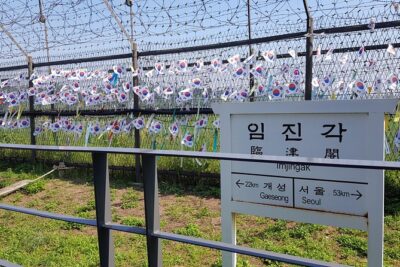
- The DMZ Stops: Living Symbols at Imjingak and the Unification Area
- Walking the Third Infiltration Tunnel: Where the History Becomes Physical
- Timing, Transfers, and the Real Rhythm of a 6-Hour Half Day
- What’s Included for $57, and Where You Pay Extra
- Private Option Bonus: War Memorial of Korea for Afternoon Time
- Who This Tour Suits Best, and Who Might Struggle
- Should You Book This DMZ Half-Day With a Retired Officer?
- FAQ
- How long is the DMZ tour?
- What is the meeting point?
- Do I need a passport?
- What should I wear or bring?
- Is lunch included?
- Is hotel pick-up included?
- Is the tour suitable for mobility impairments?
- What if the DMZ is closed suddenly?
- Is the tour guide language English?
Key Highlights You Can Actually Plan Around

- Retired military officer guides with lived experience, including Agent SJ, Agent Tiger, Agent Eddie, and Agent Jason
- Odusan or Dora observatory time chosen based on clear-day viewing research by staff and security camera checks
- Third Infiltration Tunnel access as a guided walk, not just a photo stop
- DMZ landmarks built around division and hope, including Imjingak Park, Mangbaedan altar, and Freedom Bridge
- Short, focused half-day flow that returns you to central Seoul in the mid-afternoon
Other routes to the border, side by side
What Makes This DMZ Tour Feel Different From the Usual Bus Circuit

This is the kind of trip where the facts sound less like trivia and more like operating reality. You’re not just hearing “what happened,” you’re hearing “what it was like to be stationed there,” and that changes how you read every sign, every checkpoint, and every view across the border.
The biggest reason I’d recommend it is that you can ask the questions you’re thinking, and you’ll get answers that don’t feel softened. People often assume DMZ tours will be one-way storytelling, but here the guides keep the day interactive, and it shows.
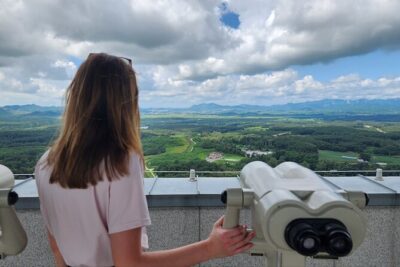
You also get a strong “daylight payoff.” The tour works specifically to help you see North Korea from the observatory, including choosing between Odusan and Dora based on what the conditions look like that day. On a clear day, that viewing time becomes the moment you remember long after the bus ride.
Meet the Retired Officers, and Why Their Stories Land
Instead of rotating through generic “tour guide script” talking points, this trip runs with retired officers who served in the real systems behind the DMZ.
Depending on your departure, you might ride with:
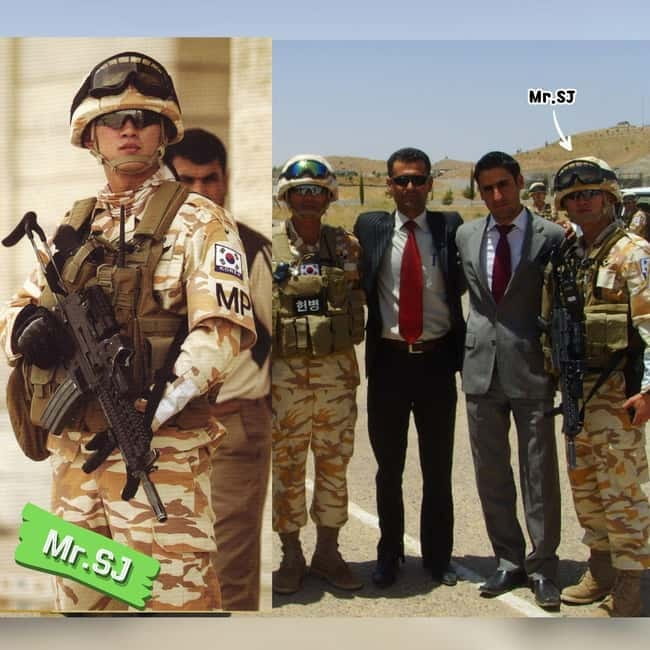
- Agent SJ, a Special Forces major and Iraq veteran from the 707 Special Mission Battalion
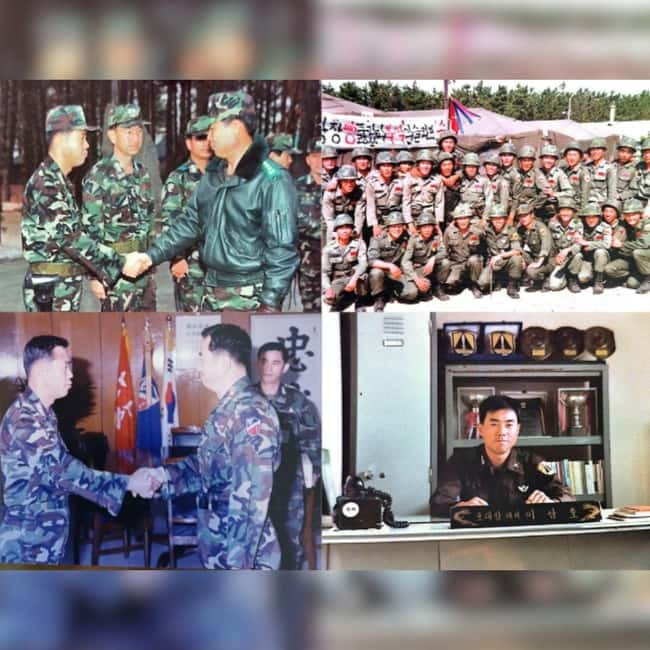
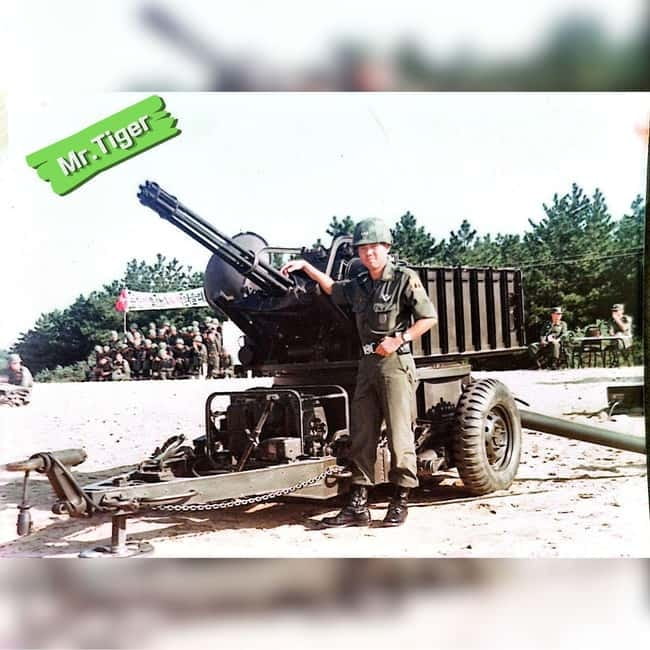
- Agent Tiger, a former artillery battalion commander with 20 years at the front line
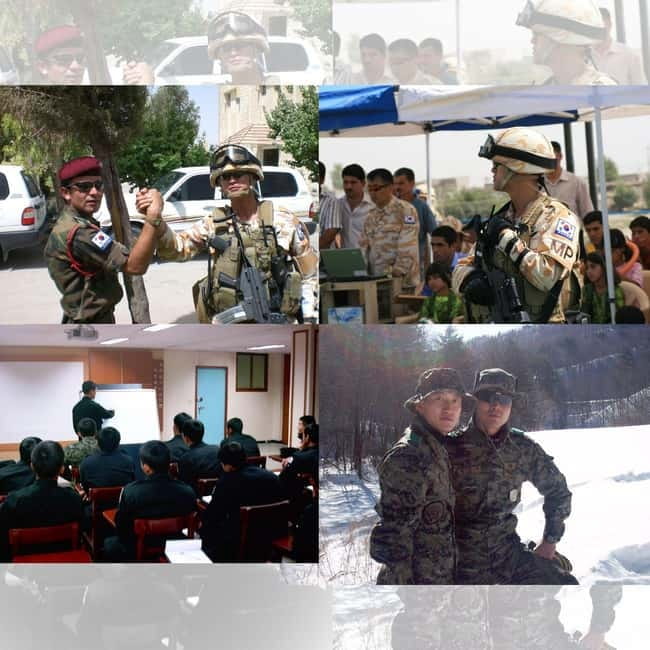
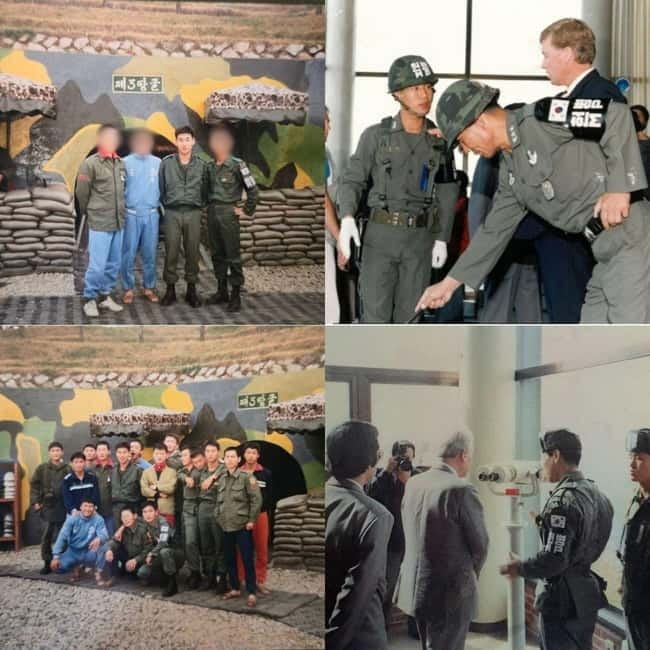
- Agent Eddie, an infiltration tunnel expert and DMZ briefer to top U.S. and Korean officials
- Agent Jason, a 31-year ROK intelligence veteran who retired as a lieutenant colonel
From the way the day is described, you should expect the guides to connect the physical places to their purpose. That means when you see an observatory angle, a tunnel entrance, or a memorial-style landmark, the explanation isn’t only historical. It’s also about military logic, human decision-making, and why these spots still matter.
A practical bonus: in the coach you can ask questions without feeling awkward. Many tours move you along like clockwork, but this one seems built for Q and A. If you like learning fast, and you don’t mind a day with more talking than wandering, you’ll appreciate that.
Odusan or Dorasan Observatories: How They Hunt for the Best Clear View
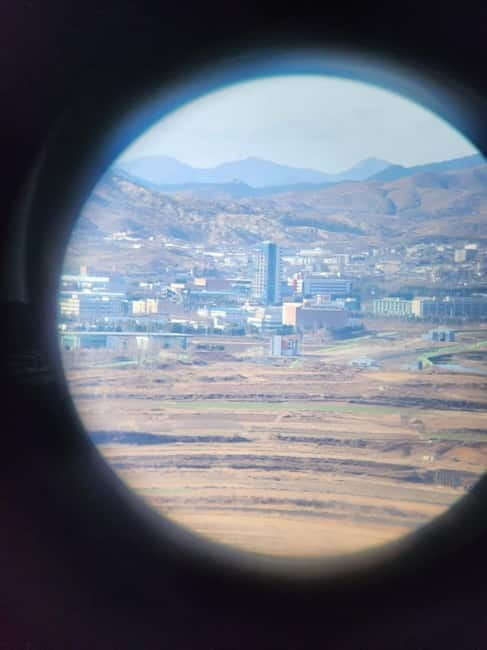
North Korea spotting is one of those travel goals that can go either way. Cloud cover, haze, and weather can turn a “once-in-a-lifetime view” into a shrug.
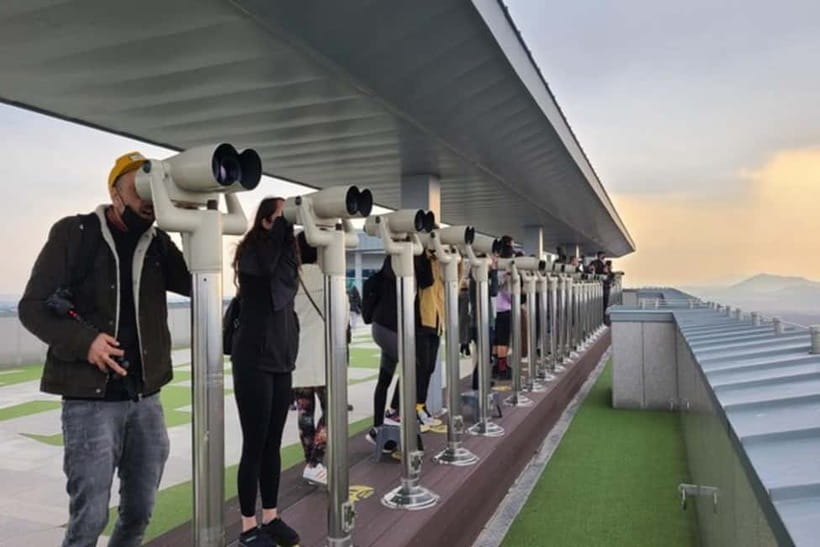
This tour tackles that problem directly. On the tour day, they determine whether Odusan or Dora offers the clearest view through real-time research using security camera checks and local observatory staff input. In other words, the schedule is not only “drive to a viewpoint.” It’s “optimize the viewing window.”
You also get the “what am I looking at?” part. This is where a military guide helps, because you’re not just aiming at distant shapes. You’re learning how the line works and what the observatory position is designed to do. Some groups also report binocular-style viewing during the observatory portion, which adds focus when the skyline is far away.
If you’re planning your winter trip, this part matters even more. Cold air can be good for visibility, but it can also be harsh, so dress for wind and numb fingers. The observatory stop is only about an hour, so you’ll want to be ready to stand, look, and listen without fiddling with clothes the whole time.
The DMZ Stops: Living Symbols at Imjingak and the Unification Area
Once you move from the observatory viewing into the DMZ area, the tone shifts from “watching a border” to “understanding a border.” That shift is what makes this half-day more than a photo tour.
You’ll spend guided time at DMZ landmarks, tied to living symbolism of division and hope. The itinerary highlights include:
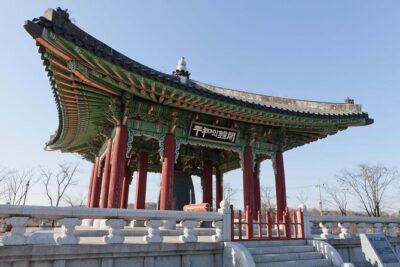
- Imjingak Park, a major stop tied to national memory and separation
- The Mangbaedan altar, part of the area’s remembrance and reflective atmosphere
- The Freedom Bridge area, connected to the idea of future reunification
The tour also includes Unification Village and other Imjingak area points such as the steam locomotive, and you’ll hear personal stories from the men who served there. That last part is crucial for context. A DMZ landmark can feel like a stage set if you treat it like sightseeing. The guide’s firsthand framing makes it land as something built out of fear, duty, and longing.
What I like about this section is that it gives you emotional structure. You’re not only absorbing geopolitics. You’re seeing how countries build public memory out of physical locations, and why people keep coming back to these places.
A small practical tip: this portion still happens outdoors and involves walking on uneven paths. Comfortable shoes matter, even if you think you’re doing only “light sightseeing.”
Other half-days in Seoul
- Half-Day DMZ Tour Led by a Retired Military Officer from Seoul
★ 5.0 · 1,774 reviews - Seoul: Half-Day DMZ Tour Led by a Retired Military Officer
★ 4.9 · 1,399 reviews - Korean Folk Village Half-day Guided Tour from Seoul
★ 5.0 · 13 reviews
Walking the Third Infiltration Tunnel: Where the History Becomes Physical
If there’s one part of this tour you should plan your body for, it’s the tunnel.
You’ll enter the Third Infiltration Tunnel with a guided walking tour. Eddie, the infiltration tunnel expert on the day, has experience tied to tunnel security operations, which gives this stop a grounded tone. You’re not only seeing the entrance and exit. You’re moving through the space and learning why tunnels changed how this war could play out.
This is also the part where the experience stops being “educational” and starts being “physical.” People describe it as a workout. You’ll be walking up and down at points, and inside much of the tunnel requires crouching for safety. If you’re claustrophobic or you hate constrained spaces, you should think carefully before booking.
That said, this is also the most memorable part for many visitors because it’s not abstract. You feel scale. You feel how movement would work under pressure. And when the guide explains what the tunnel represents, it becomes real in a way that museum panels usually can’t match.
If you go, prep like you’re doing a mild hike plus a cramped interior walk:
- Wear shoes with grip
- Dress in layers you can move in
- Keep your hands free and avoid anything bulky in your bag
Timing, Transfers, and the Real Rhythm of a 6-Hour Half Day
This trip is designed to be efficient. It’s about 6 hours, with roundtrip transfer from Seoul included, and an expected drop-off around 14:00 to 15:00, depending on the option and conditions.
The day typically flows like this:
- You meet at a designated spot linked to Odusan or Dorasan observatory, or at Imjingak Park depending on your option.
- Then you ride by coach for roughly an hour.
- You get observatory viewing time, DMZ guided exploration, then the tunnel experience.
- After the Imjingak and landmark section, you return and get dropped back at your pick-up area in central Seoul.
Two real-world travel notes you’ll be glad you considered:
1) Weather affects North Korea visibility. A clear day is the best friend here, since the goal is to see across the line.
2) You need to be punctual. This kind of day depends on military permission timing and site access, so late arrivals can ripple across the schedule.
You’ll also want to plan for cold. The observatory portion and outdoor landmarks are time-limited, so you don’t get the luxury of “warming up between stops.” Bring a hat, gloves, and something that blocks wind.
What’s Included for $57, and Where You Pay Extra
At $57 per person for a half-day, the value is mostly about one thing: you’re paying for access plus real human experience. This is not just transport and entrance fees. You’re buying a day structured around retired officers and a tunnel walk.
Included items cover:
- A live English-speaking guide
- Roundtrip transfer from Seoul
- Admission fees to the DMZ
- Walking tour in the Third Tunnel
- For groups of 10 or more, free hotel pick-up is included
Not included:
- Lunch
- Traveler’s insurance
So, bring snacks or plan where you’ll eat afterward. The tour ends in mid-afternoon, so you can usually grab an early lunch before the morning start or a later meal after the return.
If you’re comparing options in Seoul, I’d look at this tour as a “pay for expertise” choice. A cheaper DMZ excursion can still be interesting, but it often turns the day into a slideshow. Here, the structure is built around what the guides lived and learned from serving in the area.
Private Option Bonus: War Memorial of Korea for Afternoon Time
If you choose the private option, the tour adds a later stop: the War Memorial of Korea in Yongsan in the afternoon.
That can be a great add-on if you want the day to connect even more clearly to the broader Korean War story. It also makes your overall day longer in practice, since this portion is only for private bookings.
Who This Tour Suits Best, and Who Might Struggle
This is a strong match if you:
- Like history explained through real-world experience
- Want more Q and A during the day, not just passive listening
- Care about seeing North Korea clearly and plan around weather
- Don’t mind a physical component to the itinerary
It also fits families in some situations. One family experience described kids around early teens enjoying the history and guide storytelling, and the pacing seems designed to keep the day moving without feeling rushed in every location.
It may be a poor fit if you have mobility impairments. The information provided states it is not suitable for people with mobility impairments, and that makes sense once you factor in tunnel walking and constrained interior space.
If you’re on the fence due to fitness, treat the tunnel walk as the deciding factor. Reviews also highlight that it can be challenging, with crouching required. If that sounds like your worst nightmare, choose an alternative DMZ option.
Should You Book This DMZ Half-Day With a Retired Officer?
I think you should book if you want the DMZ to feel like a real place run by real people. The biggest reason to choose this tour is the guide lineup, the interactive storytelling approach, and the inclusion of the Third Infiltration Tunnel plus observatory viewing optimized for the clearest day.
You might skip it if you’re looking for a gentle, mostly outdoors sightseeing loop, or if the idea of crouching and cramped walking inside a tunnel would put stress on your day.
One final way to make this trip work for you: plan your clothes for cold, wear real traction shoes, and bring a passport without fail. If the day offers clear skies, you’ll get a better viewing payoff, and the whole experience will click even more.
FAQ
How long is the DMZ tour?
It lasts about 6 hours.
What is the meeting point?
It depends on the option you book. Common meeting points include Odusan Observatory, Dorasan Observatory, or Imjingak Park.
Do I need a passport?
Yes. A valid passport is required to access the DMZ.
What should I wear or bring?
Bring comfortable shoes for walking and a passport. You should be prepared for conditions at the sites.
Is lunch included?
No, lunch is not included.
Is hotel pick-up included?
Hotel pick-up is included for groups of 10 or more. Pickup is optional for Seoul-area locations as noted for the tour.
Is the tour suitable for mobility impairments?
No. It is not suitable for people with mobility impairments.
What if the DMZ is closed suddenly?
The DMZ can close suddenly without notice. If that happens, an alternative tour will be provided, but no refunds are offered.
Is the tour guide language English?
Yes, the tour is led in English.
Keep Browsing Seoul


More Seoul Write-Ups
The Border, Other Routes In
Fresh on the Seoul pile
- Unique Native Experience : Han River Picnic, Board game, BBQ★ 5.0 · 3 reviews
- 2-Hour Private Kayaking and Paddleboarding Experience in Hanriver★ 5.0 · 3 reviews
- Korean Folk Village & Suwon Hwaseong Fortress Private Tour★ 5.0 · 3 reviews
- Seoul Korean BBQ Dinner Experience with Secret Food Tours★ 5.0 · 3 reviews
- Seoul Highlights & Hidden Gems – Private Tour with Photo Service★ 5.0 · 3 reviews
- Night Food Tour in Seoul with Traditional and Modern Cuisine★ 5.0 · 3 reviews
DMZ & Border Tours you might have missed.
 ★ 5.0Best DMZ Tour Korea from Seoul (Red Suspension Bridge Optional)From $2941,422 reviews
 ★ 5.0DMZ Tour: 3rd Tunnel, Option(Suspension Bridge, Boat) from SeoulFrom $3521,373 reviews
 ★ 5.0DMZ tour south Korea from Seoul (NK experience hall, defector)From $2620,599 reviews
 ★ 4.9DMZ Insider Tour: 3rd Tunnel, NK Defector Meet & Red BridgeFrom $5015,214 reviews
 ★ 4.8Seoul: DMZ Tour with Optional Suspension BridgeFrom $455,277 reviews
 ★ 5.0Signature DMZ Tour: Exclusive Defector Talk & Suspension BridgeFrom $274,459 reviews
 ★ 5.0Thrilling Korean DMZ 3rd Tunnel Tour from Seoul + Red Bridge RushFrom $353,097 reviews
 ★ 5.0DMZ Past and Present: Korean Demilitarized Zone Tour from SeoulFrom $372,481 reviews
Where this tour also appears