
REVIEW · DMZ & BORDER TOURS
Seoul: DMZ Guided Tour with Suspension Bridge and Gondola
A border day with real tension and real views. This guided DMZ trip blends Dora Observatory for a rare, clear-day look toward North Korea with a scenic Gamaksan Suspension Bridge stop, so the day feels both intense and human. I especially like how the route builds from memorial-like context into big, physical reminders of the conflict, then closes with hope-focused sights.
The only real drawback is effort and restrictions: the 3rd Tunnel includes steep, intermediate hiking and tight sections, so claustrophobia and low fitness can be dealbreakers. Also, you must bring passports with at least 6 months validity, or you can be turned away before the tour even starts.
In This Review
- Key things to know before you go
- A DMZ day that starts with context and ends with perspective
- Getting from Seoul: plan for a full day and be early
- Gamaksan Suspension Bridge: the calm break before the heavy stops
- Imjingak and the Gondola choice over the Imjingang River
- Visitor center time: why it helps before the tunnel
- The 3rd Tunnel of Aggression: scale you can feel, plus real physical limits
- Dora Observatory: binocular time, guided context, and a clear-day bonus
- Unification Village shopping: souvenirs with context, not just stuff
- Price and value: what you really get for around $48
- Who should book, and who should skip this DMZ day
- Should you book this DMZ tour with gondola and suspension bridge?
- FAQ
- How long is the DMZ guided tour?
- Do I need a passport, and how long does it need to be valid?
- Is the Peace Gondola ride included?
- Can I also meet a North Korean defector?
- Is the 3rd Tunnel suitable for claustrophobia?
- What should I wear for the tunnel?
- Are meals included?
- How strict is the pickup time in Seoul?
- What happens if a stop is closed due to weather or politics?
Key things to know before you go
- Dora Observatory timing matters, and clear weather can make your binocular time much more satisfying
- 3rd Tunnel of Aggression is physical, with intermediate hiking and a 1,635 m walk underground
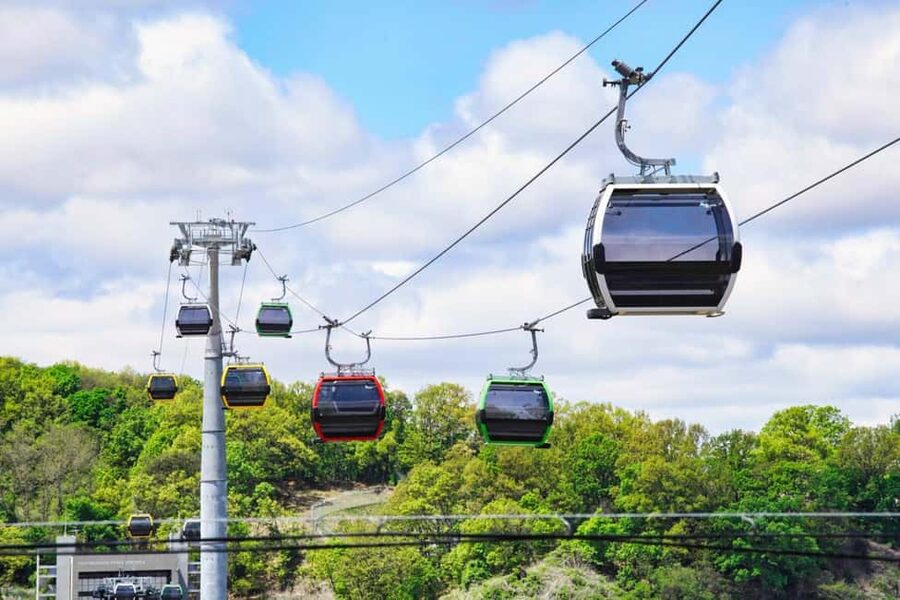
- Peace Gondola over the Imjingang River is a smart add-on if you want a closer look, except on Mondays
- Choose one add-on between the gondola ride and the North Korean defector session
- Gamaksan Suspension Bridge offers a 150 m swinging crossing and photo time with mountain views
- Guides make the difference, with strong praise for staff like Roy, Patrick, Sean Kim, Ki, Andrew, and April
Other routes to the border, side by side
A DMZ day that starts with context and ends with perspective
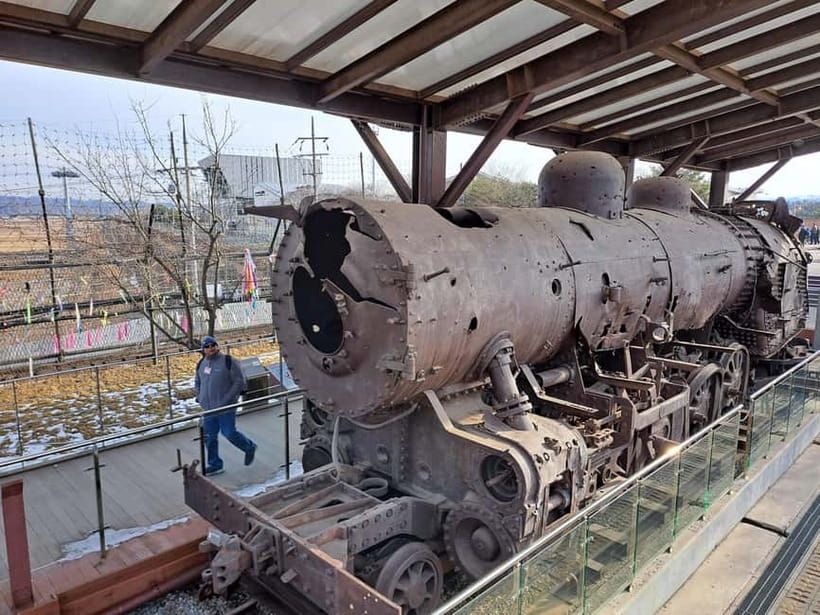
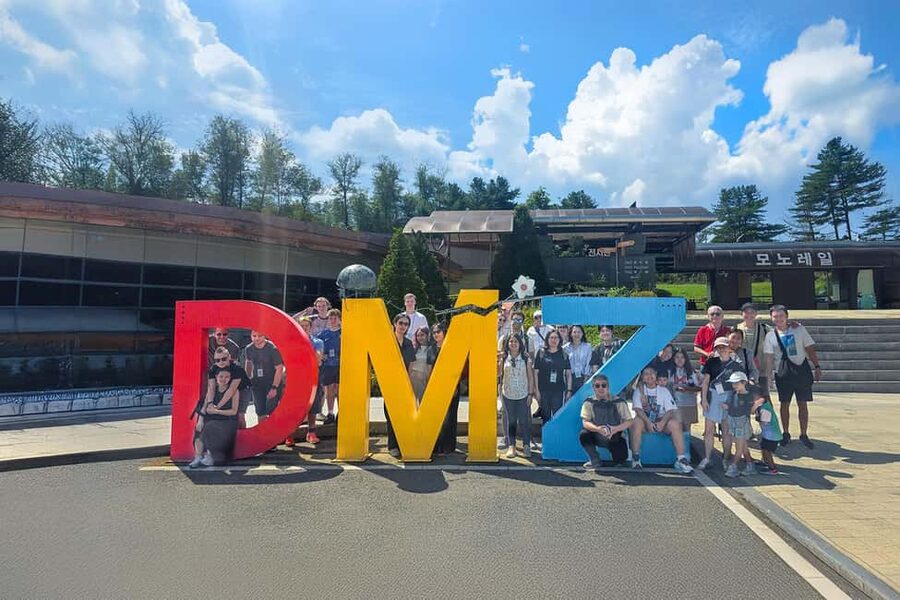
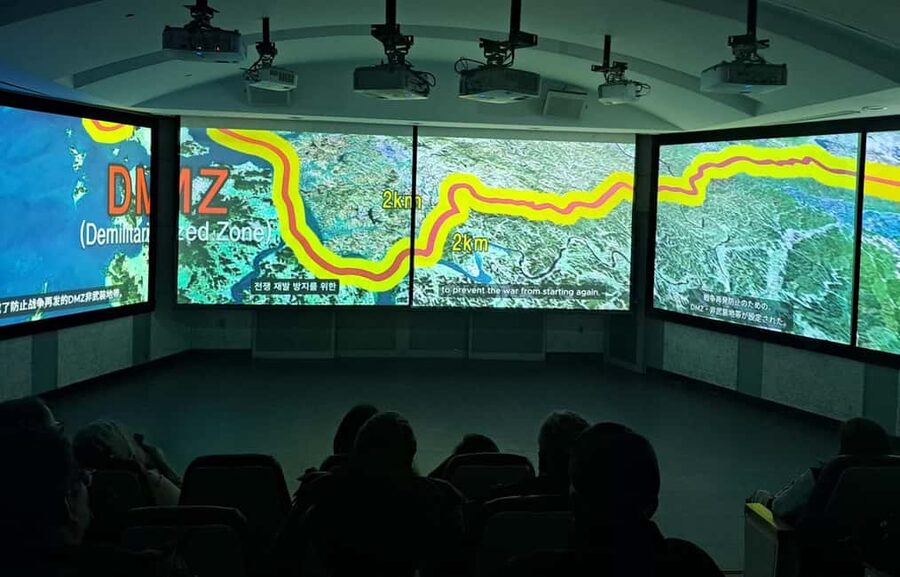
The DMZ is not a theme park. It is the world’s most militarized border, a long, tense buffer zone that stretches 248 km, where South and North Korea face each other in very real ways. What I like about this tour format is how it treats the day like a sequence, not a checklist.
You start with sights that help you understand the stakes, then you go to the places where the conflict becomes physical: the tunnel, the observation points, and the symbolic end stops tied to reunification hopes. The best moments are usually the ones your guide frames clearly, especially at Dora Observatory, where you are looking across with history in your head and the view in front of you.
There is also a practical side to why this works. Because the route is designed around timed entries, you get guided access to key areas without spending your whole day figuring out what is open and where to stand.
Getting from Seoul: plan for a full day and be early
This is a 7 to 9 hour outing, not a quick half-day. You will spend time riding between stops, including a van transfer that takes about an hour early in the schedule, and then more driving as you move across the Paju area.
You also need to respect pickup time. Drivers wait no longer than 5 minutes after the scheduled pickup, and latecomers or no-shows are not refunded. In plain terms, if you like arriving fashionably late, this tour is not for that mood.
On group size, the tour offers private or small groups, and the smaller group feel comes up in feedback. That matters because DMZ days can get crowded at certain photo spots, and a guide who can manage timing makes the difference between rushing and actually seeing.
Gamaksan Suspension Bridge: the calm break before the heavy stops
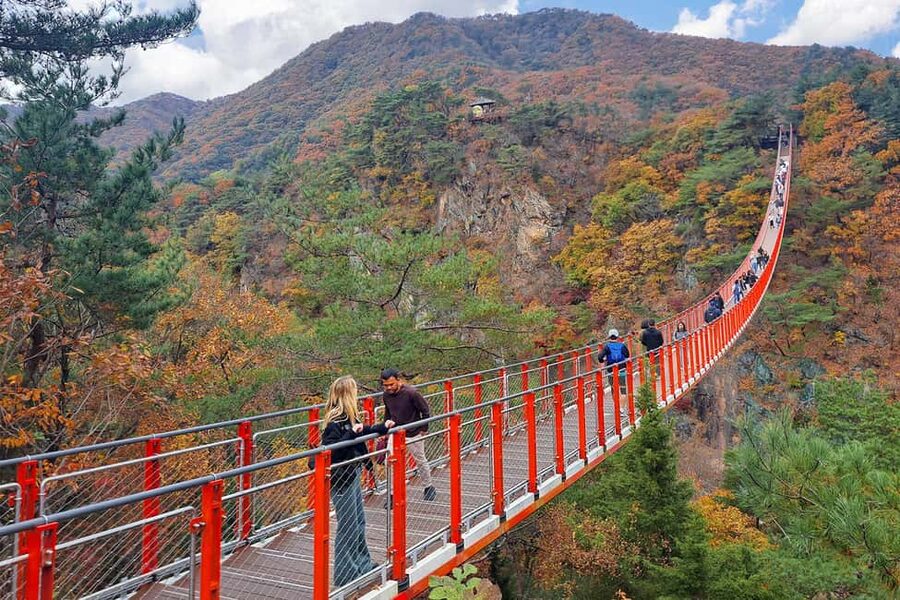
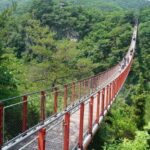
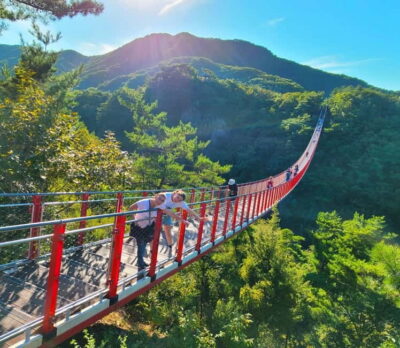
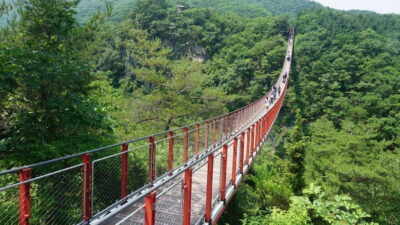
One of the easiest places to love on this route is Gamaksan Suspension Bridge. It is a 150 m swinging suspension bridge, and the stop is about 30 minutes, which gives you just enough time to cross, take photos, and breathe before the day gets more intense.
This crossing is not only about the view. It is also a mental reset. The DMZ content can feel heavy fast, and a scenic stop with mountain scenery gives your brain a place to land for a moment.
Practical note: wear comfortable, grippy shoes. Even if the weather is fine, bridges can feel bouncy, and you will likely want stable footing for pictures.
Imjingak and the Gondola choice over the Imjingang River
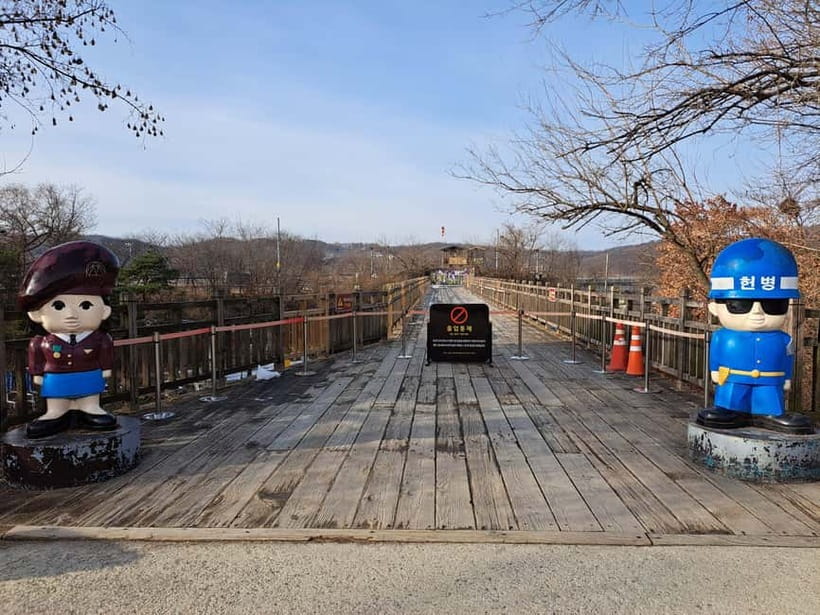
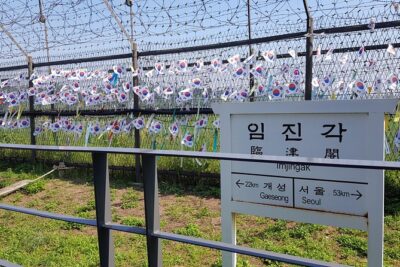
After the bridge, you head toward Imjingak for about an hour. This stop works as a grounding moment. You learn enough background to make later sights make sense, so Dora Observatory does not feel like a random viewpoint.
Then comes a key decision point: do you add the Peace Gondola over the Imjingang River? The gondola option is available on most days, but it is unavailable on Mondays. If you choose it, expect about an hour for a self-guided gondola experience.
Why pick the gondola? Because it gives you a different kind of sightline. Instead of only looking from fixed observation points, you get a moving perspective over water toward the North, which can make the whole experience feel more immediate.
Important tradeoff: you cannot do both Peace Gondola and the North Korean defector session. The tour explicitly limits you to one of those options, and both are unavailable on Mondays. If you want the human story, pick the defector session. If you want closer views from a ride, pick the gondola.
If Dora Observatory happens to be closed on the day, the tour may swap in another location. That is not something you can control, so the best move is to keep your expectations flexible.
More high crossings in Seoul
- Signature DMZ Tour: Exclusive Defector Talk & Suspension Bridge
★ 5.0 · 4,459 reviews - Ultimate Korea DMZ Tour from Seoul (Gondola & Suspension Bridge)
★ 5.0 · 2,396 reviews - DMZ; NK Defector, 3rd Tunnel, Suspension Bridge,Hotel pickup
★ 4.9 · 2,055 reviews - DMZ Tour w/ North Korea Experience Hall & Opt. Suspension Bridge
★ 5.0 · 1,724 reviews - Small Group Tour to DMZ & Suspension Bridge with Hotel Pickup
★ 5.0 · 1,568 reviews
Visitor center time: why it helps before the tunnel
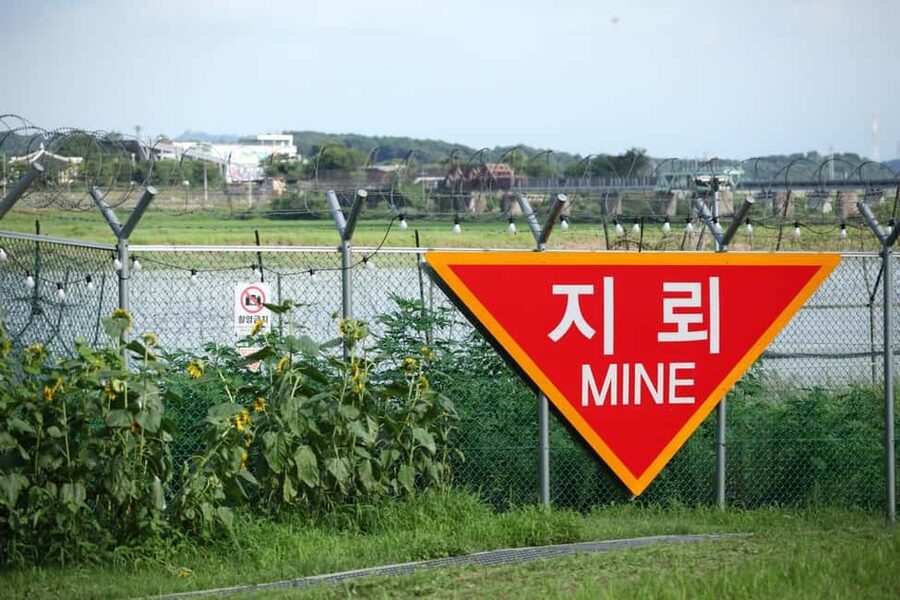
Before you go underground, the day includes a stop at a visitor center for about 30 minutes. This is not just waiting around. It’s the kind of framing that makes the tunnel tour feel less like a stunt and more like an explained, historical system.
At this stage, listen closely to the guide’s instructions. Tunnel days can go two ways: either you walk in prepared and understand what you are seeing, or you feel overwhelmed by scale and timing. Getting a bit of context first tilts it toward the better version.
The 3rd Tunnel of Aggression: scale you can feel, plus real physical limits
The heart of this tour for many people is the 3rd Tunnel of Aggression. It is about 1 hour for the guided portion, and it is here that you will get the most “wow, this is real” feeling in a very literal way.
A few numbers help you understand the scale:
- 1,635 m long
- about 2 m wide
- about 2 m high
- described capacity of 30,000 soldiers per hour
Even if those figures do not hit emotionally at first, the walk does. You experience how built-for-purpose the space was, and you start to understand why this site is not just about history lessons, it is about the threat mindset.
Now the drawback, and it is big enough to say clearly: this portion requires intermediate-level hiking and includes steep sections. If you are claustrophobic, you should take that seriously. The tour notes that you can stay outside the tunnel if you do not think you can go in, including for personal reasons like claustrophobia or heart conditions.
So how do you decide? If you can handle inclines and a tight environment for a set time, this can be the most memorable part. If you cannot, it is better to opt out of the tunnel and still enjoy the rest of the day.
From feedback, guides like Ki and Roy showed extra patience for people who were hesitant at first, including encouraging them to try the tunnel when it felt manageable. That said, encouragement is not a substitute for your comfort level.
Dora Observatory: binocular time, guided context, and a clear-day bonus
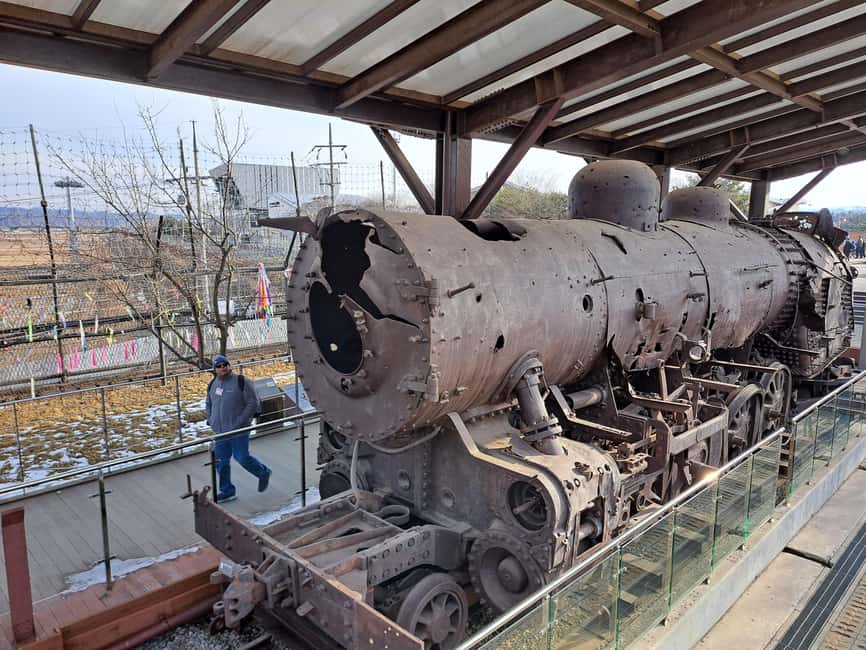
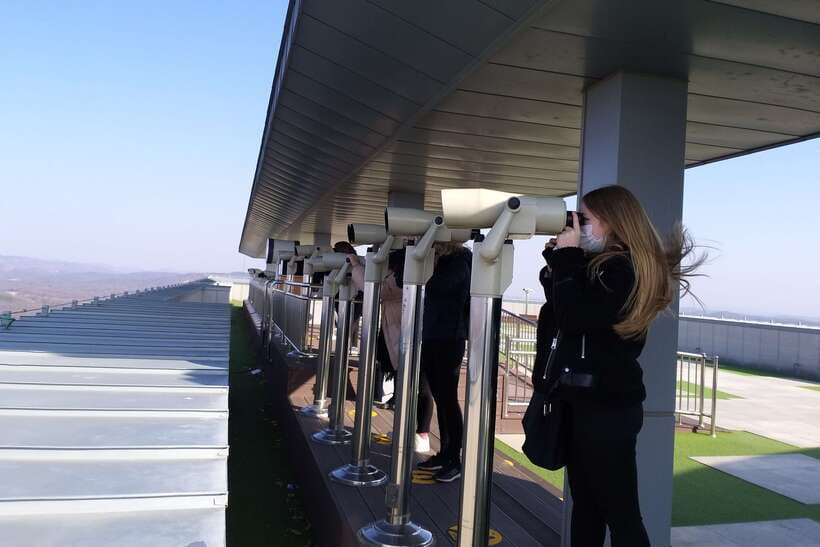
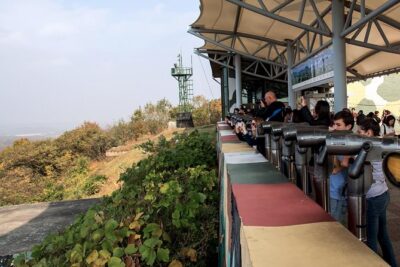
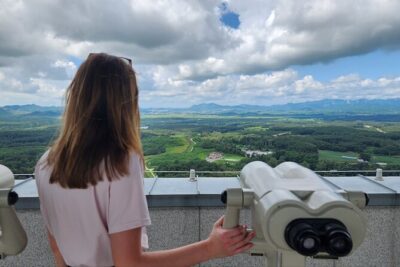
Next up is Dora Observatory for about 50 minutes. This is where the tour’s core emotional payoff often lands. On a clear day, you can gaze into North Korea, and the guide’s narration helps connect what you see to the larger story of division.
This is also where your photos make sense. If you take pictures without listening, you will end up with images that look like distant infrastructure. If you pay attention, the same view becomes a timeline.
There is also a symbolic layer tied to the endpoint of this region. The tour mentions Dorasan Station as the last stop in South Korea, with Pyeongyang Station about 205 km away. The station is currently closed, but the idea of that line reaching toward reunification is part of why Dora and Dorasan show up together.
One practical tip: ask your guide about binoculars. In the feedback, some guides have been described as helping people see across from the observatory. Even if you bring your own binoculars, you will still appreciate guidance on where to look and what details matter.
And yes, weather matters. If visibility is poor, the tour may shift priorities to keep the day valuable. That is one reason you should treat this as a guided experience, not a guaranteed North Korea photo session.
Unification Village shopping: souvenirs with context, not just stuff
After the observation and tunnel segments, you get about 40 minutes at Unification Village for shopping. This is the most straightforward part of the day, and it is also the one where your practical mindset can help.
If you want souvenirs, this is your main time to buy. If you do not care about shopping, it is still worth walking through at least once because the items there make the reunification theme tangible, not abstract.
Because the schedule is tight, decide early what you want. The people who enjoy this stop most tend to treat it like a focused errand: a quick browse, a targeted buy, then back to the group so you do not miss the return timing.
In terms of energy, this stop is also useful as a transition. By the time you reach it, you have done heavy walking and mental processing, so shopping gives you a simple way to end the day on your own terms.
Price and value: what you really get for around $48
At $48 per person, the value is in what is bundled, not in the sticker price. You are paying for:
- transfers from Seoul
- an English-speaking professional guide
- entry tickets for the DMZ sites
- the guided structure that helps you actually get to key landmarks
Food and drinks are not included, so you should plan to buy snacks or meals separately if you need them. Still, multiple stops along the way give chances to grab something, especially if your guide recommends practical options based on where you are that day.
If you book a private option, the tour can include hotel pickup and drop-off. That can be a strong value if you are traveling as a couple or small group and want fewer wait times and more direct timing.
The best “value” signal is consistency. This trip has a 4.9 overall rating based on 553 ratings, and the transport scores are very high, with about 90% of people giving perfect transport. That matters because DMZ days depend on timing, and safe, organized driving is not a small detail.
Who should book, and who should skip this DMZ day
This tour is a great fit if you:
- want a guided, high-context DMZ day rather than DIY scrambling
- enjoy history that includes physical sites, not only viewpoints
- are comfortable walking and managing a full 7 to 9 hour schedule
You should think twice if you:
- are claustrophobic (the tunnel is the main risk area)
- have heart problems or low fitness, since the tunnel portion includes steep hiking
- need a slow, relaxed day with lots of downtime
If you travel on Mondays, note the changes. Gondola and defector session are unavailable on Mondays, and the tour visits a different set of sites, including the 2nd Tunnel, Peace Observatory, and the northernmost train station in the DMZ. So if you specifically want the gondola, pick a non-Monday date.
Also bring the basics seriously. A passport is required for everyone, including infants, and it must be valid for at least 6 months. Comfortable shoes matter more than you think, especially for the tunnel area.
Should you book this DMZ tour with gondola and suspension bridge?
If you want one well-run day that combines Dora Observatory views, the 3rd Tunnel experience, and optional Peace Gondola plus the Gamaksan Suspension Bridge, this tour is a strong bet. The price feels reasonable for the amount of guided access and the timed route, and the guide quality shows up again and again in feedback.
My call is simple:
- Book if you can handle walking and you want both meaning and access.
- Skip or plan carefully if claustrophobia or heart concerns could flare up during the tunnel.
- Choose your add-on intentionally. The gondola is for closer viewing over the Imjingang River, the defector session is for human perspective, and you can only do one.
If you go in flexible, prepared, and ready to listen, you will leave with a much clearer sense of what the DMZ represents, not just what it looks like.
FAQ
How long is the DMZ guided tour?
The tour runs about 7 to 9 hours. Exact timing depends on the starting time and how the day progresses at each site.
Do I need a passport, and how long does it need to be valid?
Yes. You need passports for everyone in your group, including infants, and they must be valid for 6 months or longer.
Is the Peace Gondola ride included?
The gondola is an optional add-on, not part of the basic itinerary. If you select it, it is available except on Mondays.
Can I also meet a North Korean defector?
You can select an option that includes a defector session, but you can only do one add-on between the gondola ride and the defector session. The defector session option is also unavailable on Mondays.
Is the 3rd Tunnel suitable for claustrophobia?
Not for everyone. The tour is not suitable for people with claustrophobia, and the tunnel involves steep hiking. If you do not think you can go in, you can stay outside.
What should I wear for the tunnel?
Wear proper, comfortable footwear. The tunnel visit includes intermediate-level hiking and can be steep.
Are meals included?
No. Food and drinks are not included.
How strict is the pickup time in Seoul?
Pickup timing is strict. Drivers wait no longer than 5 minutes after the scheduled pickup time, and latecomers or no-shows cannot be refunded.
What happens if a stop is closed due to weather or politics?
The itinerary can change due to weather or political reasons. If major changes happen, you will be contacted in advance with a free rescheduling or a refund option.
More Seoul Write-Ups
More Bridges Worth the Nerve
The Border, Other Routes In
Fresh on the Seoul pile
- Unique Native Experience : Han River Picnic, Board game, BBQ★ 5.0 · 3 reviews
- 2-Hour Private Kayaking and Paddleboarding Experience in Hanriver★ 5.0 · 3 reviews
- Korean Folk Village & Suwon Hwaseong Fortress Private Tour★ 5.0 · 3 reviews
- Seoul Korean BBQ Dinner Experience with Secret Food Tours★ 5.0 · 3 reviews
- Seoul Highlights & Hidden Gems – Private Tour with Photo Service★ 5.0 · 3 reviews
- Night Food Tour in Seoul with Traditional and Modern Cuisine★ 5.0 · 3 reviews
DMZ & Border Tours you might have missed.
 ★ 5.0Best DMZ Tour Korea from Seoul (Red Suspension Bridge Optional)From $2941,422 reviews
 ★ 5.0DMZ Tour: 3rd Tunnel, Option(Suspension Bridge, Boat) from SeoulFrom $3521,373 reviews
 ★ 5.0DMZ tour south Korea from Seoul (NK experience hall, defector)From $2620,599 reviews
 ★ 4.9DMZ Insider Tour: 3rd Tunnel, NK Defector Meet & Red BridgeFrom $5015,214 reviews
 ★ 4.8Seoul: DMZ Tour with Optional Suspension BridgeFrom $455,277 reviews
 ★ 5.0Signature DMZ Tour: Exclusive Defector Talk & Suspension BridgeFrom $274,459 reviews
 ★ 5.0Thrilling Korean DMZ 3rd Tunnel Tour from Seoul + Red Bridge RushFrom $353,097 reviews
 ★ 5.0DMZ Past and Present: Korean Demilitarized Zone Tour from SeoulFrom $372,481 reviews
Where this tour also appears