
REVIEW · DMZ & BORDER TOURS
Missionary Memorial Hall and Goseong DMZ Observatory from sokcho
Cold War walls start in Sokcho. This private half-day links missionary-era education and healthcare with the Korean War at the DMZ Museum and Goseong Unification Observatory.
I love two parts most. First, I like how Tony’s calm English commentary turns big, confusing events into a clear timeline you can actually follow. Second, I like the early reset at Yeongnangho Lake, so the morning starts with light walking and photo-worthy views, not straight into heavy history.
One drawback to plan around is the setting: it’s history-forward and the tour includes short walking stretches on lake and pine-forest paths. Also, it’s not available on Mondays since the museum is closed.
In This Review
- Key Points to Know Before You Go
- Why This Sokcho DMZ Tour Connects Missionaries to the Korean War
- Price and Logistics: Pickup, Mobile Tickets, and Admission Fees
- Yeongnangho Lake Wellness Walk, 30 Minutes of Calm
- Hwajinpo Pine Forest Road and the Sherwood Hall Memorial
- Inside the DMZ Museum, Learn the Korean War’s Course in Plain Language
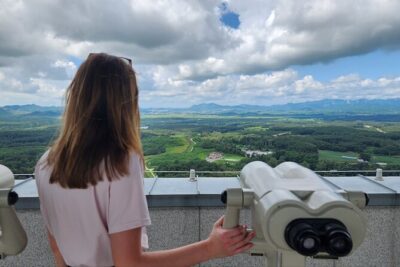
- Goseong Unification Observatory: Connecting Cold War Context to What You See
- What Tony’s Guiding Style Adds on Rainy or Tight Days
- Who This Tour Fits Best, and When to Skip It
- Should You Book This Sokcho Missionary and DMZ Day Tour?
- FAQ
- Is the tour available on Mondays?
- What time does the tour start, and how long is it?
- What is included in the $90 price?
- Does the tour include pickup from Sokcho?
- Is this a private tour?
- Do I get a mobile ticket?
- What fitness level do I need?
- If I’m a cruise tourist, can the schedule change?
Key Points to Know Before You Go
- A single story line, two major forces: the tour connects late 19th-century missionary arrivals with how the Korean War reshaped modern Korea.
- Sherwood Hall family memorial stop: learn about two generations who battled tuberculosis and educated ordinary people during the Joseon era.
- DMZ Museum time built in: you get a full, paced visit aimed at understanding the war’s course.
- Goseong Unification Observatory visit: a focused stop that keeps the Korean War context in view.
- Private tour with English-led guidance: Tony leads the day and adjusts pacing to your interests, even on rainy days.
- Nature stop first: Yeongnangho Lake adds a calm, easy walk before the museums and observatory.
Other routes to the border, side by side
Why This Sokcho DMZ Tour Connects Missionaries to the Korean War
This is not just a stop-and-snap day. The heart of the tour is how it frames modern Korea through two turning points: Christian missionaries in the late 1800s and the Korean War in the mid 1900s.
You’ll hear how missionaries, often described as blue-eyed, built hospitals and schools when Korea had very limited access to modern medicine. You’ll also connect that early care and education to institutions that later became major universities and hospital systems, like Yonsei University and Catholic University hospitals.
Then the focus pivots to war. The Korean War is explained as the biggest event shaping modern Korea, and it’s placed in the larger Cold War structure of the 20th century. That pairing matters, because it helps you understand why education and healthcare show up again and again in Korea’s modern story, even after enormous destruction.
Price and Logistics: Pickup, Mobile Tickets, and Admission Fees
The price is $90 per person for a 4 to 5 hour private experience. For the cost, you’re not only paying for guiding, you’re also getting admissions covered for the main history stops, plus pickup service is offered.
Here’s what I’d call the practical value: you don’t have to figure out bus routes, separate ticket lines, or how to fit a DMZ-area day around your morning. Instead, you get one smooth plan that moves from nature to memorials to museum learning to an observatory viewpoint.
You’ll also use a mobile ticket, and the tour confirmation happens when you book. If you’re a cruise tourist, the schedule can be adjusted to match your ship timing, which is a big deal on days when time is tight.
Yeongnangho Lake Wellness Walk, 30 Minutes of Calm
You start with Yeongnangho Lake, a natural lagoon that’s known for a short wellness walking loop. The stop is about 20 to 30 minutes of walking time, with a total stop around 30 minutes.
I like this choice because it changes your mindset fast. Before you face the DMZ museum and war context, you get a lighter moment, plus photo spots that make the morning feel fresh instead of heavy.
Admission is free for this stop, so it’s a no-stress add-on. Still, wear shoes you’re comfortable walking in. The tour assumes at least moderate physical fitness, and this early stretch is the easiest place to warm up.
Hwajinpo Pine Forest Road and the Sherwood Hall Memorial
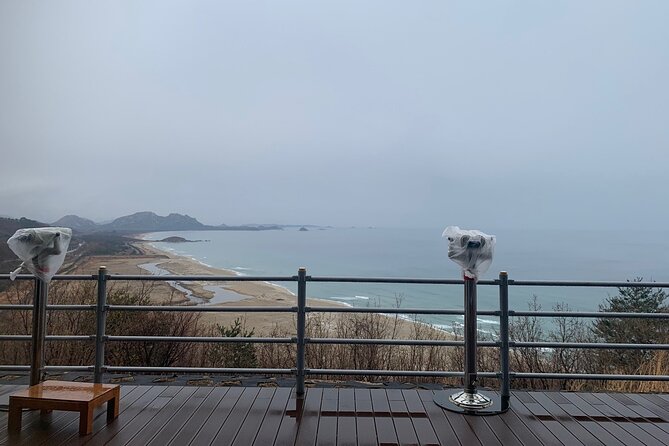
After the lake, the tour heads to Hwajinpo Pine Forest Road, a memorial linked to the Sherwood Hall family. This is one of those places where the history feels human, not abstract.
You’re given about one hour here, and the emphasis is on the Sherwood Hall family’s two generations of work. The story centers on battling tuberculosis and educating ordinary people during the impoverished Joseon era.
I like that the stop sits in a real landscape of pine forest rather than a purely indoor display. Even without being overly dramatic, it gives you a sense of why missionary-led hospitals and schools could matter so much in a society with almost no modern medical access at the time.
It also helps the day’s overall theme click. When you later learn about the Korean War, you can better grasp what “modern medicine” and “education” meant at the start, and why those missions would have lasting effects.
Inside the DMZ Museum, Learn the Korean War’s Course in Plain Language
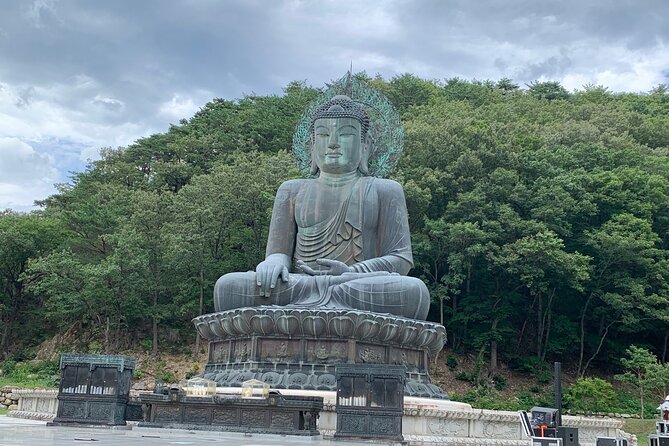
The DMZ Museum visit is the center of the tour’s learning. You’ll spend about two hours here, and admission is included.
The museum’s focus is the Korean War, presented as the event that shaped modern Korea the most. The key value is that you learn not only what happened, but the broader course of the war, which helps you avoid the common problem of remembering dates without understanding cause and shift.
Here’s how I’d use your time effectively. Don’t rush every exhibit. Ask your guide to point out the big turning points first, then let the smaller details support the timeline you’ve already formed.
If you’re going in with questions, this is the moment to ask. A good explanation can turn walls of text into a story you can retell. And with Tony’s English commentary, the day is set up so you can follow the context without feeling lost.
Also, plan on emotional weight. This is war history. Even when it’s presented carefully, it can feel serious. Pace yourself, take breaks when you need them, and treat it like learning, not speedrunning.
Goseong Unification Observatory: Connecting Cold War Context to What You See
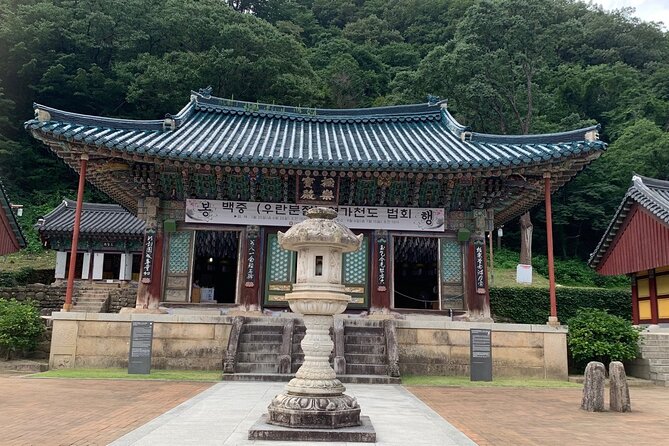
The final major stop is the Goseong Unification Observatory. It lasts about one hour, and admission is included.
The tour frames this observatory through the Korean War lens, calling the war one of the largest conflicts that reflected Cold War structure in the 20th century. That wording matters because it signals that the Korean War wasn’t only a local fight, it was tied to larger global tensions.
After the war, Korea rose from being among the poorest in the world. Even with limited details given in the program description, you can feel how the tour wants you to connect past to aftermath: the war changed borders, lives, and the direction of development.
At an observatory, your brain naturally wants to tie history to space. You’re not just memorizing events. You’re standing in a place that encourages the question, what does separation and conflict look like in real geography?
What Tony’s Guiding Style Adds on Rainy or Tight Days
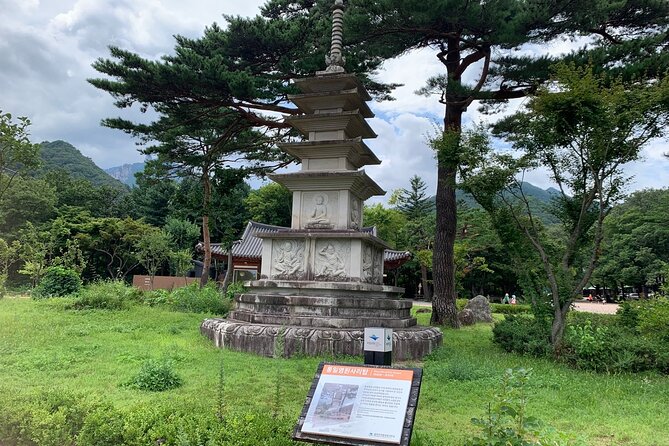
The guide experience is a standout. Tony is known for leading an outstanding day, with commentary in good English and a friendly, flexible approach.
I especially like the idea of catering to your interests. Some history tours flatten everything into the same story for everyone. This one is designed to adjust so the day feels tailored rather than scripted.
There’s also a real-world usefulness to how Tony handles weather. On rainy days, he offered cancellation or refund options in case you wanted to stop the plan. That doesn’t mean you must cancel. It means you’re given a clear choice so you can decide what makes sense for your schedule and energy.
You’ll also move around in a comfortable vehicle, which sounds minor until you’re spending a half-day in and out of viewpoints and museums. With a 4 to 5 hour window, comfort helps you stay focused.
Who This Tour Fits Best, and When to Skip It
This is a strong match for you if you want modern Korean history with a sense of “why it matters.” If you like learning how education and healthcare expanded through missionary work, and you also want context for the Korean War, this pairing makes sense.
It’s also a good fit if you appreciate guided interpretation. The DMZ Museum time works best when someone helps you understand the war’s course in a logical way, not only through isolated facts.
The main consideration is the topic weight, plus moderate walking. Yeongnangho Lake is a wellness walking loop, and the pine-forest memorial road adds another easy chunk of walking. If you prefer fully seated tours, you might feel the pace a bit.
And a timing note you should not ignore: the tour is not available on Mondays because the museum is closed. If you’re visiting on a Monday, plan a different day or swap to another activity in Sokcho.
Should You Book This Sokcho Missionary and DMZ Day Tour?
Book it if you want one organized day that connects two big forces in modern Korea, and you want the context explained clearly in English. You get a balanced format too, with Yeongnangho Lake as a calmer start and then a focused shift into memorials, the DMZ Museum, and the Goseong Unification Observatory.
Skip it if you only want a light sightseeing day or you dislike history that feels emotionally heavy. Also skip for Monday travel, since the museum closure prevents the tour from running.
If your schedule allows, I think this is a solid value play. For $90, you’re not just buying entry to a museum, you’re buying context, admissions coverage for the main stops, and a private plan that keeps the day moving without stress.
FAQ
Is the tour available on Mondays?
No. Tours are not available on Mondays because the museum is closed.
What time does the tour start, and how long is it?
The start time is 8:30 am, and the tour runs about 4 to 5 hours.
What is included in the $90 price?
The price includes the admission fee for the tour stops. Meals are not included, but there is designated free time for you to eat.
Does the tour include pickup from Sokcho?
Yes, pickup is offered. The tour also notes that it is near public transportation.
Is this a private tour?
Yes. It’s a private tour/activity, and only your group will participate.
Do I get a mobile ticket?
Yes. The tour includes mobile ticket access.
What fitness level do I need?
The tour notes a moderate physical fitness level. You’ll include walking time, including the wellness walking course at Yeongnangho Lake.
If I’m a cruise tourist, can the schedule change?
Yes. The tour is available for cruise tourists, and the schedule can be adjusted to fit your timing.
More Sokcho Write-Ups
Seorak and the East Coast, Continued
The Border, Other Routes In
Fresh on the Sokcho pile
- Missionary Memorial Hall and Goseong DMZ Observatory from sokcho★ 5.0 · 8 reviews
DMZ & Border Tours you might have missed.
 ★ 5.0Best DMZ Tour Korea from Seoul (Red Suspension Bridge Optional)From $2941,422 reviews
 ★ 5.0DMZ Tour: 3rd Tunnel, Option(Suspension Bridge, Boat) from SeoulFrom $3521,373 reviews
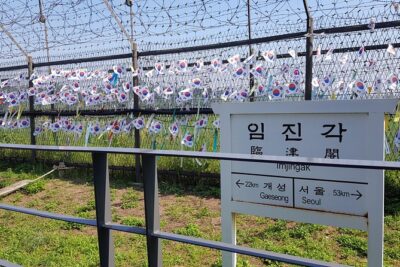 ★ 5.0DMZ tour south Korea from Seoul (NK experience hall, defector)From $2620,599 reviews
 ★ 4.9DMZ Insider Tour: 3rd Tunnel, NK Defector Meet & Red BridgeFrom $5015,214 reviews
 ★ 4.8Seoul: DMZ Tour with Optional Suspension BridgeFrom $455,277 reviews
 ★ 5.0Signature DMZ Tour: Exclusive Defector Talk & Suspension BridgeFrom $274,459 reviews
 ★ 5.0Thrilling Korean DMZ 3rd Tunnel Tour from Seoul + Red Bridge RushFrom $353,097 reviews
 ★ 5.0DMZ Past and Present: Korean Demilitarized Zone Tour from SeoulFrom $372,481 reviews
Where this tour also appears