
REVIEW · DMZ & BORDER TOURS
Insightful DMZ Tour by Expert opt. Suspension Bridge with Pickup
DMZ history hits different from Seoul. This guided day trip gives you controlled access to the sights around the DMZ, with hotel pickup and drop-offs and a clear, on-the-ground explanation of what life on both sides looks like. I love the smooth logistics, and I love having binoculars (or a monocular) to actually see North Korea from the observation points. The main catch is physical effort, especially the Third Tunnel, where you climb ramps and squeeze through tight space.
For many people, the emotional weight is the point, but the tour still feels practical: you hit the key sites in a smart order, then unwind in Seoul with drop-offs in places like Hongdae, Myeongdong, and Gwangjang Market. Guides such as Joo-Ee, Vincent, Jung, Jake, and Jones are often singled out for excellent English and clear pacing, which matters a lot in a place with strict time limits.
In This Review
- Key Things You’ll Notice on This DMZ Tour
- Price and Logistics: What You’re Really Paying For
- Starting at Imjingak Peace Park: Tickets, War Relics, and the Bridge of No Return
- Entering the DMZ Route: Third Tunnel, Dora Observatory, and Unification Village Area Views
- The Third Tunnel Experience: The Workout and the Reality Check Underground
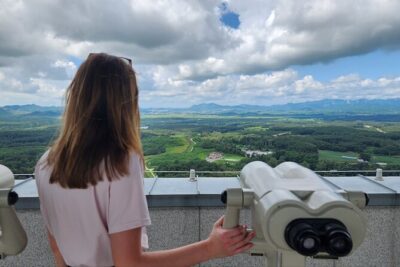
- Dora Observatory Viewing: Seeing North Korea Through Binoculars
- Mangbaedan and the Bridge of Freedom: Divided Families, Not Just Politics
- Optional Gamaksan Chulleong Bridge: When You Want Scenery After the Heavy Stuff
- Tongilchon-gil: A Real Village Pause in the Civilian Control Zone Area
- Seoul Drop-Offs: Turning the End of the Day into Real-Life Korea
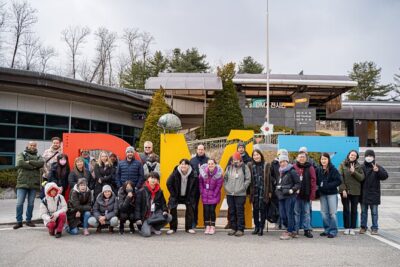
- Group Size, Guides, and Why the Tour Feels Well Run
- What to Bring: Shoes, Patience, and a Tunnel Mindset
- Should You Book This DMZ Tour?
- FAQ
- How long is the DMZ tour from Seoul?
- What’s included in the price?
- Is hotel pickup included?
- What passport documents do I need?
- Which major DMZ sites are included?
- Is the Third Tunnel part of the experience?
- Is the suspension bridge stop included for everyone?
Key Things You’ll Notice on This DMZ Tour
- Small-group feel under a 40-person cap means easier viewing and less chaos at key stops
- Binoculars or monoculars are included, so you’re not squinting at the wrong angles
- Third Tunnel access is the workout moment, with ramps and a low ceiling inside
- Dora Observatory viewing time is built into the route, not squeezed between bus transfers
- Optional Gamaksan suspension bridge adds scenery and a calmer pace if weather cooperates
Other routes to the border, side by side
Price and Logistics: What You’re Really Paying For
This DMZ tour costs $53 per person, and it’s one of those prices that starts to make sense once you see what’s included. You get an experienced guide, DMZ entrance, an air-conditioned vehicle, and free binocular or monocular rental. On top of that, you get multiple Seoul drop-offs in areas like Hongdae, Myeongdong, Gwangjang Market, and Dongdaemun. If you’ve ever tried to DIY anything near the DMZ, you know how fast “simple” turns into complicated.
Also important: this is not the kind of outing where you can wander off and improvise. You’ll be following the guide for security rules, timing, and limited access areas. That’s exactly why a guided format matters here.
The tour runs about 6 to 10 hours. That wide range usually comes down to how the day moves based on timing and conditions. Weather can also play a role. Since the experience requires good weather, plan to bring flexibility into your Seoul schedule, because the optional suspension bridge may depend on conditions.
Starting at Imjingak Peace Park: Tickets, War Relics, and the Bridge of No Return
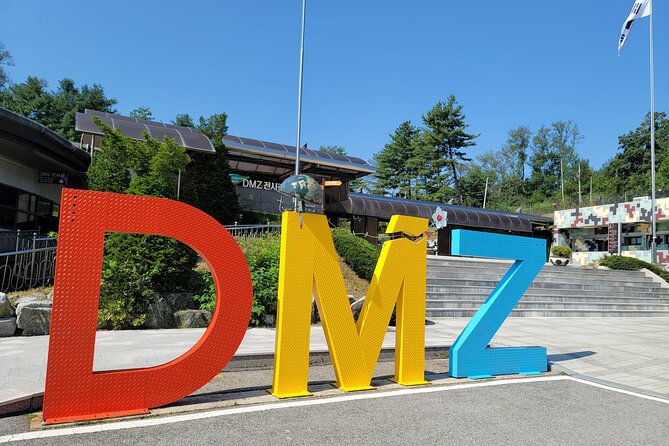
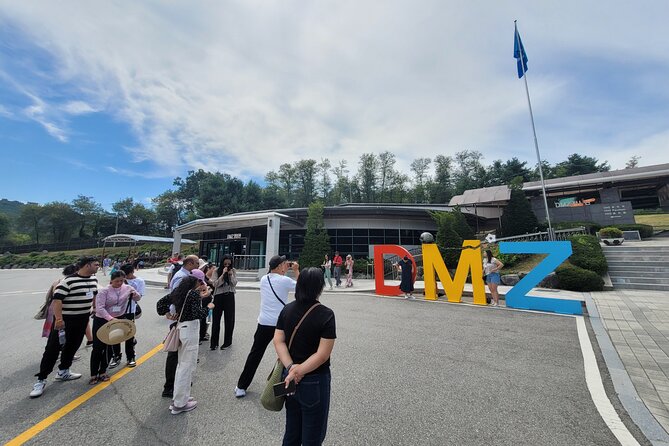
You begin at the Imjingak Tourist Information Center, the key check-in point where you pick up DMZ tour tickets for the day. Think of this as your “start gate,” where you get oriented before the route locks into DMZ timing.
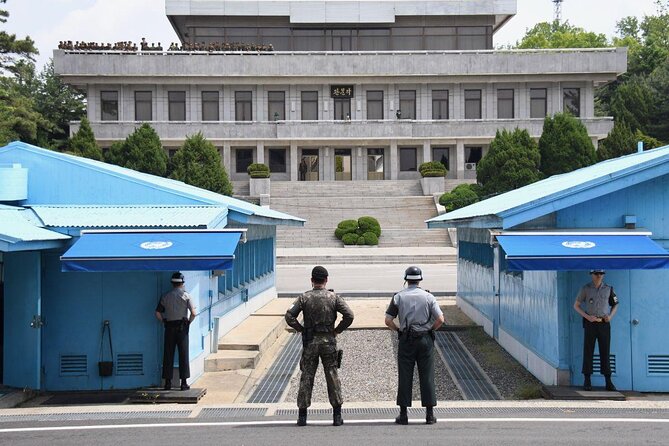
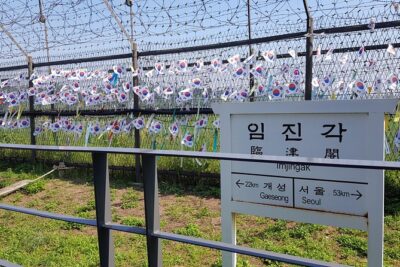
From there, Imjingak Peace Park gives you a powerful historical setup. You can see a derailed locomotive from the Korean War, and the guide can explain landmarks like the Bridge of No Return, tied to prisoner exchange. There’s also time to look around the park before you move deeper into the controlled route.
This stop matters because it changes how the rest of the day lands. Without context, the DMZ can feel like a checklist of viewpoints. With context, you start noticing themes: separation, attempts at contact, and how the same geography can create both tragedy and negotiations.
Practical note: you will wait, walk, and move through security-related routines. Comfortable shoes help, especially if you arrive early and need time before the group heads onward.
Entering the DMZ Route: Third Tunnel, Dora Observatory, and Unification Village Area Views
Once you’re on the DMZ route, the day becomes a mix of “see it” moments and “hear it” moments. You’ll spend about 2 hours in the DMZ area, and your guide’s job is to connect what you can see with what you can’t. That’s not just storytelling. It helps you understand why certain views exist, why access is limited, and what the sites are trying to communicate.
Key stops in this phase include the Dora Observatory, where you look toward North Korea and use binoculars for viewing. The route also includes nearby points connected to North Korea’s side of the peninsula, including views toward places such as Gaeseong. Even when the view feels small through binoculars, the guide helps you interpret distance, positioning, and why certain points are emphasized.
The emotional tone can vary by person. Some people get quiet. Others ask sharp questions. Either way, you’ll be guided through the political and historical context in a way that stays grounded, not abstract. This is where guides like Joo-Ee and Vincent tend to get praise for explaining things clearly in strong English.
The Third Tunnel Experience: The Workout and the Reality Check Underground
The highlight that people talk about most is the Third Tunnel, built by North Korea after the Korean War. You don’t just look at the entrance. You go inside, which is a big difference from most “tunnel” stops you see elsewhere.
Inside the tunnel, plan for a physical challenge. The walk involves ramps down and up, and the tunnel itself has limited headroom. In practice, it can feel like you’re doing a careful bend-and-squat kind of crawl through a space with a ceiling around 5 feet tall. If you’re carrying a bag, keep it small. If you’re visiting with knee or back issues, take the tunnel seriously and move slowly.
Here’s the reality check: this is not a dramatic movie set. It’s a narrow, engineered space built for a specific military purpose. The value comes from experiencing the scale and constraints, then hearing the guide connect that to the broader DMZ story.
If you’re the kind of person who likes hard details, you’ll probably enjoy the way the guide explains this site’s purpose and how it relates to the period right after the war. If you’re the kind of person who gets uncomfortable with enclosed spaces, you’ll still likely find it worth it, but you should manage expectations and pace yourself.
More high crossings in Seoul
- Signature DMZ Tour: Exclusive Defector Talk & Suspension Bridge
★ 5.0 · 4,459 reviews - Ultimate Korea DMZ Tour from Seoul (Gondola & Suspension Bridge)
★ 5.0 · 2,396 reviews - DMZ; NK Defector, 3rd Tunnel, Suspension Bridge,Hotel pickup
★ 4.9 · 2,055 reviews - DMZ Tour w/ North Korea Experience Hall & Opt. Suspension Bridge
★ 5.0 · 1,724 reviews - Small Group Tour to DMZ & Suspension Bridge with Hotel Pickup
★ 5.0 · 1,568 reviews
Dora Observatory Viewing: Seeing North Korea Through Binoculars
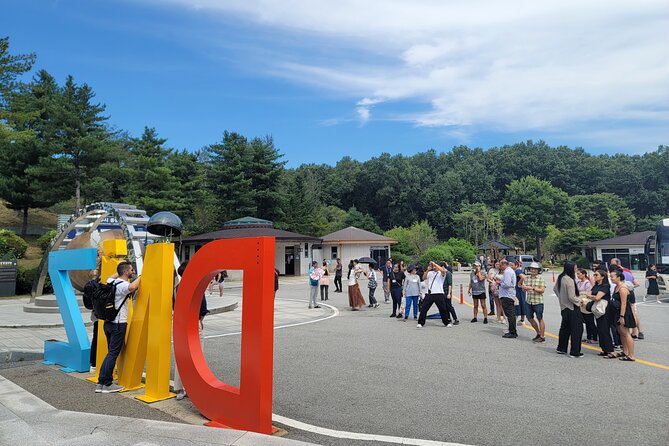
At Dora Observatory, you get dedicated time to look toward North Korea, with the help of binoculars. This is a “look and learn” stop. You see specific areas toward the north, and the guide helps you interpret what you’re looking at, including references to places such as Gaeseong.
The best part here is the combination: the binoculars are included, and the viewing time is structured. You’re not racing from platform to platform. You’re given enough time to adjust, find the right angles, and focus on what matters.
A small tip: spend your first minute getting your bearings before you start hunting for details. Many people try to zoom in immediately and miss the bigger context the guide is describing.
Also keep in mind that what you can see depends on conditions like daylight and clarity. That’s just how this works, so bring a mindset of “interpret what I can see,” not “I must spot everything.”
Mangbaedan and the Bridge of Freedom: Divided Families, Not Just Politics
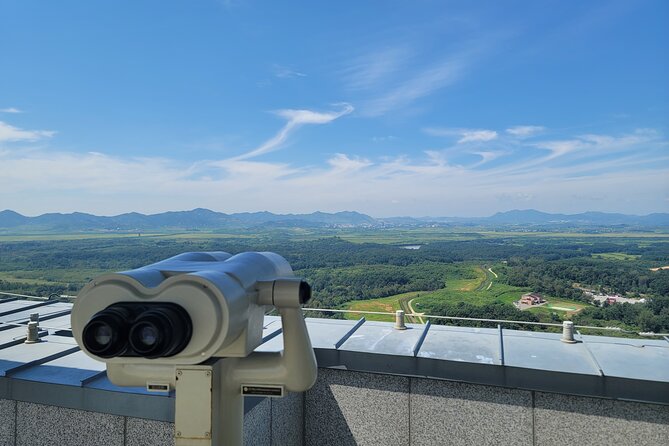
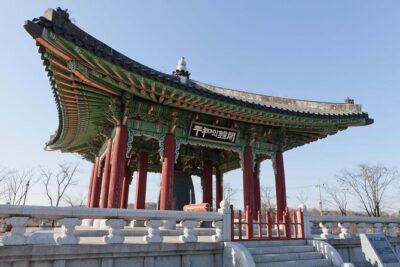
Next, the tour shifts from tunnels and observatories to the human reason the DMZ exists. You’ll stop at Mangbaedan, the area built for separated families to visit and try to connect with missing relatives in North Korea. It’s only a short stop, but it lands because it’s not about strategy. It’s about longing and loss, shaped by one peninsula that could have stayed connected.
Right after that, you’ll be at Bridge of Freedom within Imjingak Peace Park. The guide uses this moment to explain history and key points in the park before entering DMZ zones.
This portion is short, about minutes rather than hours, so you want to pay attention instead of treating it like a photo break. If you’re traveling with someone who likes empathy-based history, this stop is one of the reasons this tour can feel more meaningful than a techy “look at structures” day.
Optional Gamaksan Chulleong Bridge: When You Want Scenery After the Heavy Stuff
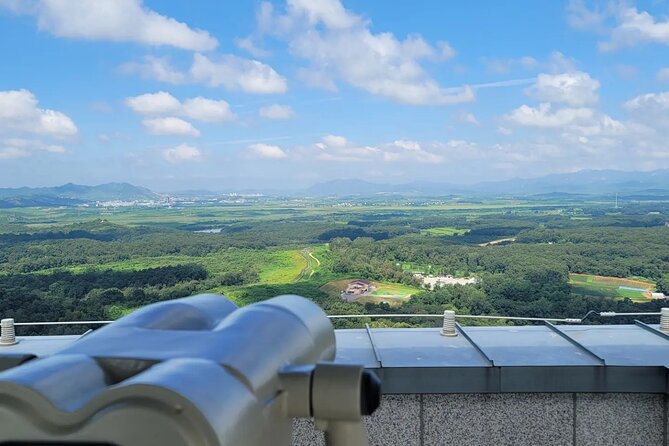
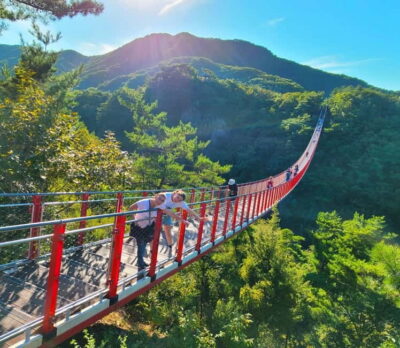
If you choose the option for the Gamaksan Suspension Bridge (often paired with the DMZ portion), you get a different tone. This stop is at Mt. Gamaksan, and it has two advantages:
1) It’s connected to Korean War history, since the mountain area was a battlefield.
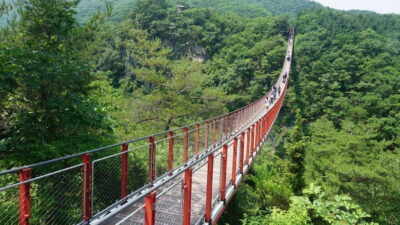
2) It’s visually rewarding, with a walk through forested scenery.
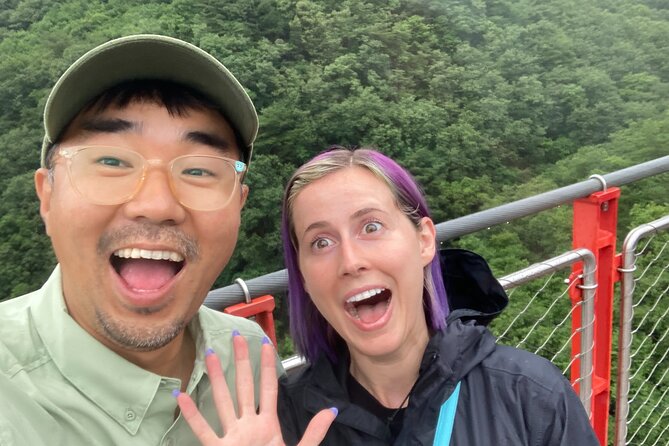
The suspension bridge stop is around 50 minutes. That gives you time to enjoy the views without turning it into a whole separate hike.
But here’s the tradeoff: the suspension bridge is optional and is tied to weather and day flow. If conditions are poor, the detour may not happen. Because of that, I treat the bridge like a bonus, not the core reason to book.
If you’re the kind of traveler who enjoys mixing intense history with a scenic reset, this is a great add-on.
Tongilchon-gil: A Real Village Pause in the Civilian Control Zone Area
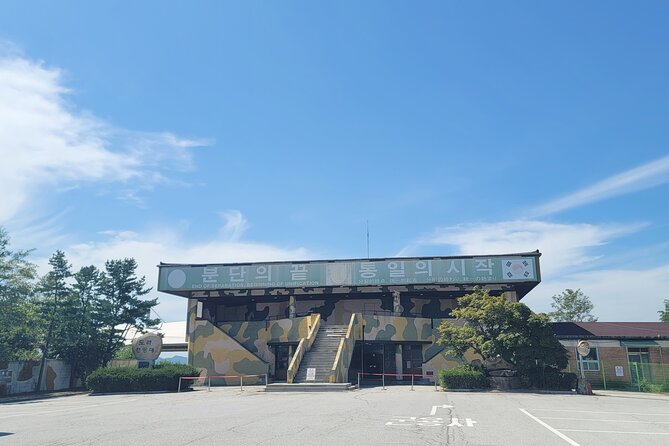
On the way back, the route includes a stop at Tongilchon-gil, described as an actual village in the civilian control zone area, with locals living there. You get a brief pause, about 15 minutes, which is enough time to stand back, notice how people live, and grab a quick mental reset.
Even though it’s a short stop, it matters because the DMZ is often framed as “military space.” This adds a reminder that civilians exist in the orbit of that system.
It also gives you a breather before you head back to Seoul by coach, where the day’s final phase becomes more about food and city wandering.
Seoul Drop-Offs: Turning the End of the Day into Real-Life Korea
One of the practical wins of this tour is that it doesn’t dump you back at a single generic meeting point. Your drop-offs include places like Hongdae, Myeongdong, Gwangjang Market, and Dongdaemun.
The route also includes a stop at a local market with street food options, noted as having over 120 street food choices. That’s a fun way to feed yourself after a long day of walking and standing in outdoor viewing spots.
If you want something easy and iconic, this is a great moment to plan dinner around the area you’re dropped off. You can keep it simple: try a few small bites rather than committing to one big meal right away.
And if you end up near Dongdaemun, the itinerary mentions nearby historic walls and the DDP area as places you can look around. It’s a convenient way to tack on a little evening energy without adding more transport planning.
Group Size, Guides, and Why the Tour Feels Well Run
This tour is capped at 40 travelers, which already helps. A larger group means more bottlenecks, especially at tunnels and observation platforms where everyone is waiting for their own turn to view.
In practice, it can run smaller. I’ve seen it described as groups around a dozen or about a couple dozen, which usually makes the experience calmer. You spend more time at key spots and less time playing waiting games.
The guide quality is a major reason for the consistent high marks. Names that come up often include Joo-Ee, Vincent, Jung, Jake, and Jones. Guides get praised for strong English and for keeping everyone organized on tight DMZ timing. Some guides also help with pacing and clarify what to do at each stop, which is exactly what you want in an environment where rules and routes matter.
One thing I especially like about good DMZ guides: they don’t only recite facts. They explain why the site exists and what it represents, then point out viewing angles or key details you would otherwise miss.
What to Bring: Shoes, Patience, and a Tunnel Mindset
This tour asks for moderate physical fitness. The key physical moments are the ramps and walking involved in the Third Tunnel visit. If you’re older or you have mobility limits, consider that the tunnel can be challenging due to both steps and low headroom.
Here’s what I recommend packing based on how the day works:
- Comfortable walking shoes with solid grip
- A small day bag, so you don’t struggle while moving in narrow spaces
- Water and a light snack, especially if you get hungry before or between stops
- Your current valid passport, required on the day of travel
Binoculars are handled for you through free rental of a monocular or binoculars. Still, you might want a small camera strap or phone lanyard because you’ll be standing and adjusting for viewing time.
Finally, manage expectations about photos. In places like this, rules can shift by on-site instructions. The safest mindset is to assume you may not get every photo you want, and plan to remember the moment in your head as much as your camera.
Should You Book This DMZ Tour?
Book it if you want a guided, structured DMZ day that covers the major stops without you hunting for logistics on your own. At $53, the value is strong because you’re not just paying for transport. You’re paying for a guide who can explain the politics, connect the landmarks, and help you actually use the included viewing tools.
Don’t book it if you know you cannot handle a strenuous tunnel visit. The Third Tunnel is the part that most directly tests your body, not just your curiosity. If you’re very mobility-limited, you may find the ramps and the low-ceiling interior too difficult.
If you’re curious about Korean history, want to see the DMZ sights you read about, and you’re okay with walking and standing outdoors for much of the day, this is an excellent choice from Seoul.
FAQ
How long is the DMZ tour from Seoul?
The tour duration is about 6 to 10 hours.
What’s included in the price?
You get an experienced tour guide, DMZ entrance fee, air-conditioned vehicle, free rental of monocular or binoculars, and drop-offs in Hongdae, Myeongdong, Gwangjang Market, and Dongdaemun. Hotel pickup is optional, and you can use a mobile ticket.
Is hotel pickup included?
Hotel pickup is optional. You’ll need to check the pickup time information via the provider message.
What passport documents do I need?
A current valid passport is required on the day of travel.
Which major DMZ sites are included?
The route includes Imjingak Peace Park, the DMZ area, the Third Tunnel, and Dora Observatory. It also includes Mangbaedan and Bridge of Freedom.
Is the Third Tunnel part of the experience?
Yes. You enter the Third Tunnel, and the tunnel visit is included.
Is the suspension bridge stop included for everyone?
No. The Gamaksan suspension bridge stop is optional and is included when you choose the DMZ plus suspension bridge option.
More Seoul Write-Ups
More Bridges Worth the Nerve
The Border, Other Routes In
Fresh on the Seoul pile
- Unique Native Experience : Han River Picnic, Board game, BBQ★ 5.0 · 3 reviews
- 2-Hour Private Kayaking and Paddleboarding Experience in Hanriver★ 5.0 · 3 reviews
- Korean Folk Village & Suwon Hwaseong Fortress Private Tour★ 5.0 · 3 reviews
- Seoul Korean BBQ Dinner Experience with Secret Food Tours★ 5.0 · 3 reviews
- Seoul Highlights & Hidden Gems – Private Tour with Photo Service★ 5.0 · 3 reviews
- Night Food Tour in Seoul with Traditional and Modern Cuisine★ 5.0 · 3 reviews
DMZ & Border Tours you might have missed.
 ★ 5.0Best DMZ Tour Korea from Seoul (Red Suspension Bridge Optional)From $2941,422 reviews
 ★ 5.0DMZ Tour: 3rd Tunnel, Option(Suspension Bridge, Boat) from SeoulFrom $3521,373 reviews
 ★ 5.0DMZ tour south Korea from Seoul (NK experience hall, defector)From $2620,599 reviews
 ★ 4.9DMZ Insider Tour: 3rd Tunnel, NK Defector Meet & Red BridgeFrom $5015,214 reviews
 ★ 4.8Seoul: DMZ Tour with Optional Suspension BridgeFrom $455,277 reviews
 ★ 5.0Signature DMZ Tour: Exclusive Defector Talk & Suspension BridgeFrom $274,459 reviews
 ★ 5.0Thrilling Korean DMZ 3rd Tunnel Tour from Seoul + Red Bridge RushFrom $353,097 reviews
 ★ 5.0DMZ Past and Present: Korean Demilitarized Zone Tour from SeoulFrom $372,481 reviews
Where this tour also appears