
REVIEW · CITY TOURS
Gwangju City Tour : Where old meets new (private)
Gwangju has a story most tours miss. This private day route connects the meaning of the May 18 Democracy Square with nearby art and culture spaces, then moves into cafes, an old amusement park, tea history, and real local shopping. You also get food guidance so the day feels like how people in Gwangju actually live.
I like the way the tour packs context into short stops you can actually process, starting at the plaza and then walking to the Asia Culture Center. I also like the personal feel, especially with guide Veronica, who adjusts the plan based on weather and your preferences and even helps you pick restaurant dishes that you will want to eat again.
One thing to consider is the schedule: it is a full day at about 8 to 9 hours, plus a shopping-focused finish (either a supermarket or a traditional market). If you want zero shopping time or you prefer slow pacing, you may feel rushed.
In This Review
- Key points at a glance
- Gwangju feels different when you have a private guide
- May 18 Democracy Square: the heart of Gwangju’s daily life
- Asia Culture Center (ACC): built right where the uprising happened
- Dongmyeong-dong Cafe Street: prestige to quiet to coffee
- Jisan Recreation Area: an older amusement park plus classic rides
- Gwangju lunch time: pay on the spot, eat what locals actually choose
- Hankook Tea House and matcha history you can taste
- Yangnim-dong History and Culture Village: old streets shaped by missionaries
- NH Nonghyup Hanaro Mart finish: shopping with a local guide
- Yangdong Market alternative: if you prefer a traditional stop
- Price and value: where $135 fits best
- Logistics that can make or break the day
- Who this tour suits best
- Should you book this Gwangju City Tour?
- FAQ
- How long is the Gwangju City Tour private tour?
- What is included in the tour price?
- Is lunch included?
- Is pickup offered?
- Do I have to shop at a supermarket at the end?
- Are admission tickets required for the stops?
- What happens if the weather is bad?
- Is this tour private?
Key points at a glance
- May 18 sites plus art spaces: the route starts with meaning, then keeps going into cultural institutions close by
- Guide Veronica is flexible: timing and food choices can be adjusted for weather and your interests
- Jisan Recreation Area with rides: an old lift and monorail rides are built into the day
- Tea stop with Korea firsts: Hankook Tea Co. ties into matcha and yellow tea history
- End with real shopping help: you can choose NH Hanaro Mart or Yangdong Market, depending on your style
More city routes in South Korea
Gwangju feels different when you have a private guide
If you are used to planning around Seoul, Gwangju can feel like a breather. It is Korea’s fifth-largest city, but the day still has that hometown rhythm, thanks to neighborhoods that are not designed for constant tourism.
This tour is set up as a private experience with your group only, and that matters more here than in big-city sightseeing. You are not just moving from point A to point B. You are getting the story behind why people built certain places, why neighborhoods changed, and what locals actually buy and eat.
You also start at 9:30 am, so you can get the important sites done in the morning light and leave the shopping and café time for later. Expect a tour day of 8 to 9 hours, and yes, you will be walking and riding in between stops.
May 18 Democracy Square: the heart of Gwangju’s daily life
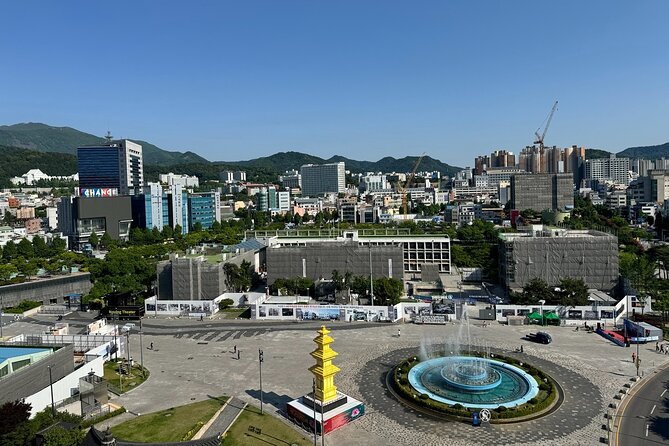
You begin at May 18 Democracy Square, the central place where the meaning of May 1980 is tied directly to the way the city lives now. Even if you do not know the full timeline, you will quickly feel how this plaza works as both a public space and a memorial.
The stop is short, about 20 minutes, and that is a good design choice. You get the core location and a guided explanation, then you move on without turning it into a lecture marathon. Admission is listed as free, and the visit is built for a quick but respectful start.
From a practical standpoint, this is also a solid anchoring point. When a tour day starts with a place that everyone recognizes, it helps the rest of the route feel less random and more connected.
Asia Culture Center (ACC): built right where the uprising happened
Right next door is the Asia Culture Center (ACC). This is one of the larger cultural complexes in Asia, and it is built on the site associated with the May 18 Democratic Uprising. That connection is not just trivia, it changes how you look at the buildings.
Your visit is about 30 minutes, and admission is free. In other words, you get a big cultural stop without the cost and time of paid entry. For me, the best value here is the pairing: democracy square first, ACC second. You can see how remembrance and culture can coexist in the same urban block.
Even if your interest is more art than history, this stop helps you understand why people in Gwangju treat culture as part of identity, not just entertainment.
Dongmyeong-dong Cafe Street: prestige to quiet to coffee
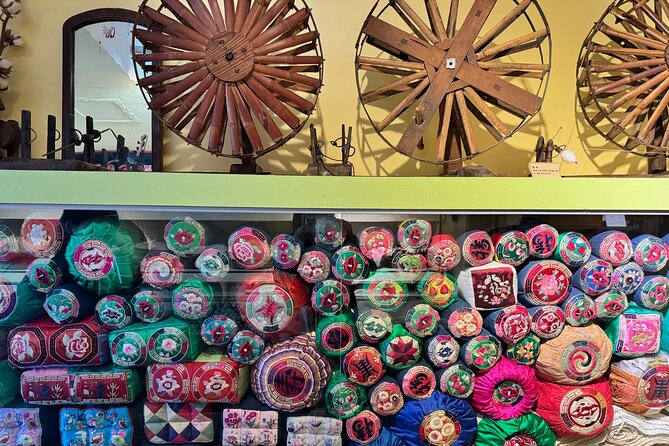
After the heavier morning, Dongmyeong-dong Cafe Street gives your brain a chance to switch gears. The area used to be known as one of Gwangju’s most prestigious neighborhoods. Over time, as residents moved into modern apartment areas, the streets became quieter.
Then cafes arrived, and the street gained a different kind of energy. Your stop is about 20 minutes, and admission is free, so this is not about checking boxes. It is more like a short walk-through to see how a neighborhood reinvents itself.
Practical tip: if weather is good, use this moment to slow down. Look around, grab photos, and notice how the street changes from older facades to new café frontage. It is the kind of detail that helps the rest of your day feel real.
More private bookings in South Korea
- Jeju: Customized Private Vehicle Day Tour
★ 4.9 · 22 reviews - Boseong Tour : Green Tea Field, Mountain & Lake Trail (Private)
★ 5.0 · 12 reviews - Korean Green Tea Tour – from Boseong to Gangjin (Private)
★ 5.0 · 12 reviews - History and Culture Tour(Premium Private Tour)
★ 5.0 · 8 reviews - Gwangju City Tour : Where old meets new (private)
★ 5.0 · 8 reviews
Jisan Recreation Area: an older amusement park plus classic rides
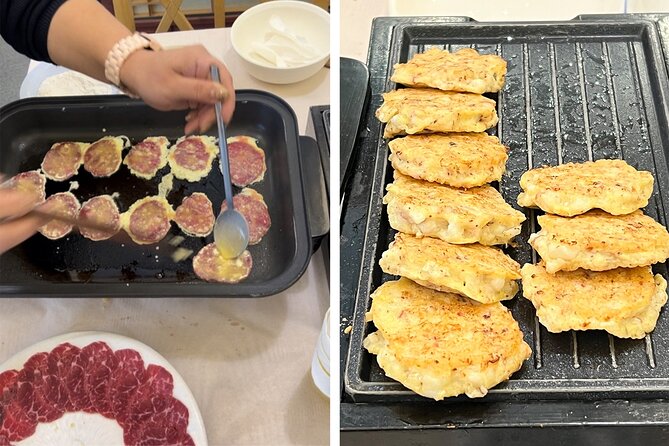
Next comes Jisan Recreation Area. This place opened in 1978 as a major leisure spot for families, and you can feel that “older fun” vibe once you arrive.
Your time here is about 2 hours 30 minutes, with lift and monorail rides included. That is a smart inclusion because transport and ride tickets can quietly add up on a full day. You also get the chance to spend time outdoors, and the history of the park gives it extra flavor beyond the rides themselves.
A highlight is the old lift that takes you through the forested area. If you like views, it is a great in-between moment: you get a break from walking, you get motion, and you get perspective on the shape of the hills.
Drawback to note: this stop is longer than the earlier ones. If you are not into theme-park style sightseeing or you prefer shorter breaks, you may want your guide to pace it for you.
Gwangju lunch time: pay on the spot, eat what locals actually choose
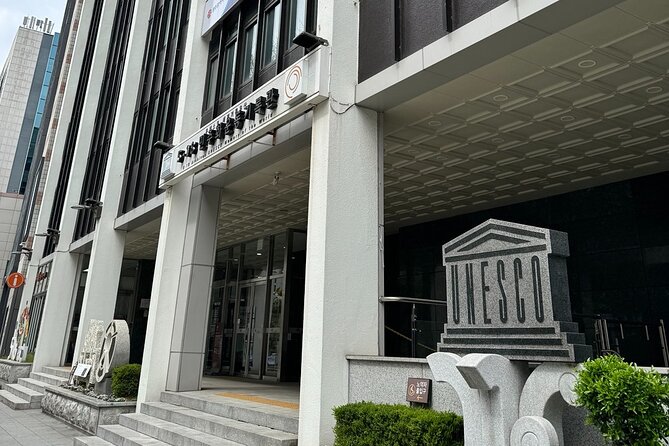
Lunch is built into the day as “choose your favorite and pay on the spot.” That means lunch is not included in the tour price, even though the schedule makes time for it. You get about 1 hour 10 minutes here, so you should not plan anything else right after.
What I like about this approach is that it keeps you flexible. Your guide can match dishes to what you enjoy and to what is currently easiest to order. In the past, guide Veronica has been praised for recommending restaurant dishes that worked out well, so this part is not just a generic lunch break.
Practical advice: go with a “try one local specialty” mindset rather than expecting a full buffet of options. Ask your guide for what is most popular or easiest to share if you are a small group. If you are vegetarian or have dietary limits, tell your guide early so the lunch plan can be adjusted.
Also, because lunch is on your own, budget extra beyond the tour price. The tour covers the ride and site fees, but you own the meal.
Hankook Tea House and matcha history you can taste
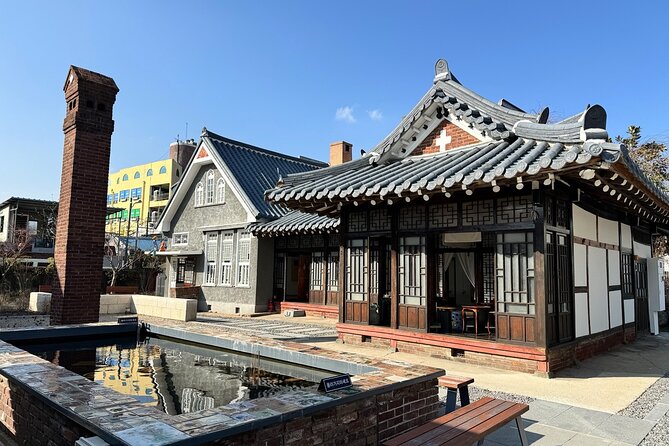
At Stop 6, you visit a tea house connected to Hankook Tea Co. Hankook Tea Co. was established in 1951 and is described as Korea’s first commercial tea company. The stop also connects to the company’s role in producing matcha (powdered tea) and yellow tea.
Your visit is about 1 hour 10 minutes, and admission is listed as free. Coffee or tea is included elsewhere in the tour as well, and the tea setting makes sense as the place where that included drink feels natural.
What you get here is not just a place to sit. You get a quick lesson in why tea culture matters in everyday Korea, not only as a tourist experience. You also end up with a better sense of what you might want to bring home, since later the tour helps you shop for snacks and tea.
If you are a tea person, this is one of the most satisfying stops because the story is specific, not generic. If you are not, it still works as a calm break in the middle of a busy day.
Yangnim-dong History and Culture Village: old streets shaped by missionaries
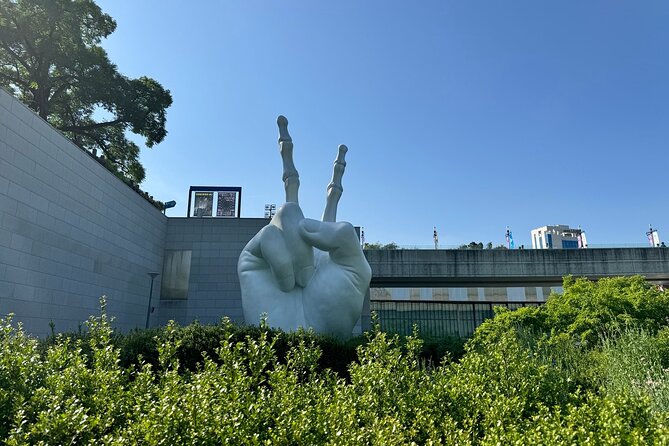
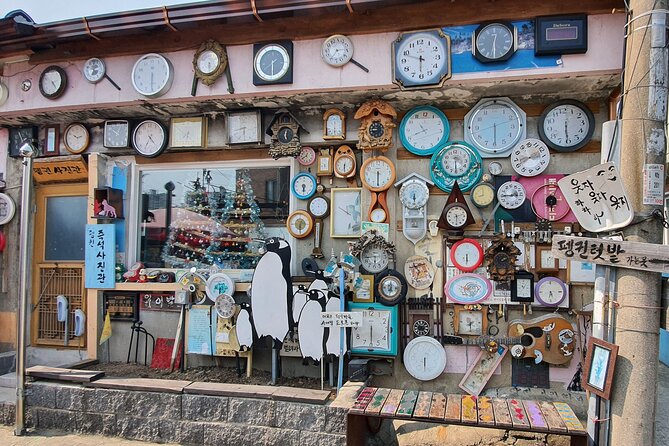
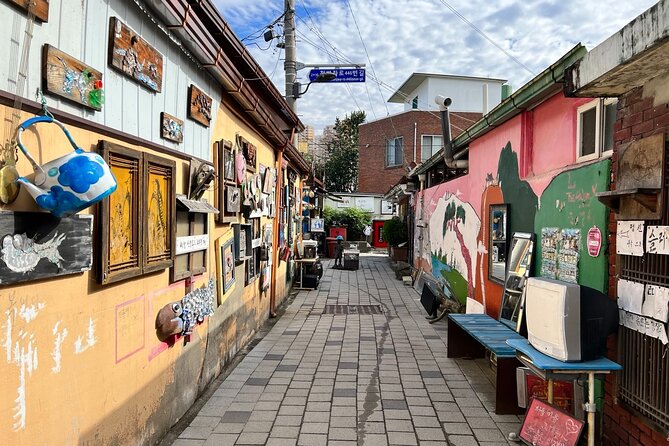
Next is Yangnim-dong History and Culture Village. This neighborhood brings together history, art, and architecture, and it connects to early 20th century missionary activity from the Southern Presbyterian Church in the USA.
Your time here is about 1 hour, with admission listed as free. Like the cafe street stop, it is not just about one landmark. It is about walking through a neighborhood where multiple influences show up in the physical space.
If you enjoy architecture, this is a good moment to slow down and look at how buildings and street patterns guide your walking route. If you are less interested in architectural details, it still gives variety after the tea house and helps the day feel like “a real place,” not only curated sights.
NH Nonghyup Hanaro Mart finish: shopping with a local guide
The day ends at a local supermarket: NH Nonghyup Hanaro Mart. This is where your guide helps you choose authentic ingredients for Korean cooking, plus snacks, tea, and cosmetics. It is not a random “gift shop” stop, it is a grocery-style finish that can actually help with your next meal at home.
Stop 8 is about 1 hour, and admission is listed as free. Since the guide is with you, you can ask what is worth buying and what is easy to use if you do not cook Korean food daily.
This is also where the tour’s “old meets new” idea becomes practical. You start with a major memorial, pass through modern culture spaces, and then end in everyday shopping aisles where locals grab what they need.
Yangdong Market alternative: if you prefer a traditional stop
If supermarket shopping is not your thing, you have an option: Yangdong Market at the end of the day. Yangdong Market is described as the largest traditional market in Gwangju and Jeollanam-do, and the tour frames it as a lively place where locals do their everyday shopping.
This option is listed as about 1 hour, with admission shown as free. The main difference is atmosphere. A supermarket tends to feel cleaner and more familiar to international visitors, while a traditional market often feels more chaotic and more local.
My advice: choose based on your personality and time. If you want souvenirs that are easy to transport and easy to find, go supermarket. If you want to walk and snack and see everyday commerce up close, pick Yangdong Market.
Price and value: where $135 fits best
The tour price is $135 per person, and it is a private experience. It includes private transportation, all fees and taxes, coffee or tea in a cafe, and the lift and monorail rides. Lunch is not included.
That bundle matters. On a day tour, costs that seem small on paper, like ride tickets, entry fees, and transport, can add up quickly. Here, the big line items are covered, so your “extra spending” is mostly lunch plus any shopping at the end.
Is $135 a bargain? It depends on how you travel. If you are solo, a private day tour is often pricier than shared tours because you are paying for dedicated time and transport. If you are a couple or a small group sharing the cost, it usually starts to feel more reasonable, because you are buying convenience plus a guide who can adjust the plan.
Also, the fact that many stops are free-entry helps you get value without ticket stress.
Logistics that can make or break the day
This tour starts at 9:30 am, and it runs about 8 to 9 hours. That means comfortable shoes are not optional. You will be walking through neighborhoods and moving between several distinct areas, including a longer outdoor park stop.
Weather matters too. The experience is described as requiring good weather. If it gets canceled due to poor conditions, you are offered a different date or a full refund. So if you are locking in your Gwangju plans, build in a bit of flexibility on your calendar.
You will also want to keep your phone charged. It uses a mobile ticket, and a private tour day goes smoother when you can pull up anything needed at each stop.
Who this tour suits best
I think this is a strong fit if you want to understand Gwangju as a place, not just as a stop between bigger cities. The mix of May 18 memorial sites, culture institutions, a tea stop with specific company history, and a rides-and-views park makes the day feel balanced.
It also fits travelers who want a guide who can adjust to your pace. Guide Veronica is specifically praised for customizing the tour based on weather conditions and travelers’ preferences, and for steering food choices that feel local.
If you prefer deep, slow museum time only, you might find some stops short. But for most people, the tour structure keeps the day moving while still offering meaningful context.
Should you book this Gwangju City Tour?
If you are going to spend a day in Gwangju, I would book this tour when you want a guided route that connects history, art, and real daily life. It is especially worth it if you like the idea of ending with shopping help at NH Hanaro Mart, or switching to Yangdong Market for a more traditional feel.
Skip it only if you dislike shopping entirely or you want a lighter day with fewer stops. Otherwise, it is one of the better ways to see Gwangju’s character without getting lost in planning.
FAQ
How long is the Gwangju City Tour private tour?
It runs about 8 to 9 hours.
What is included in the tour price?
It includes private transportation, all fees and taxes, coffee or tea in a cafe, and lift and monorail rides.
Is lunch included?
No, lunch is not included. You choose and pay on the spot during the lunch time in the itinerary.
Is pickup offered?
Yes, pickup is offered.
Do I have to shop at a supermarket at the end?
No. The tour lists NH Nonghyup Hanaro Mart as the default final stop, and it also offers the option to visit Yangdong Market instead if you prefer not to shop at the supermarket.
Are admission tickets required for the stops?
The itinerary shows free admission for multiple stops, and the tour includes all fees and taxes.
What happens if the weather is bad?
The tour requires good weather. If it is canceled due to poor weather, you are offered a different date or a full refund.
Is this tour private?
Yes. It is a private tour/activity, and only your group participates.
City Routes in South Korea
Keep Browsing South Korea

More South Korea Write-Ups
Fresh on the South Korea pile
- Andong Highlight & Private tour with a Licensed guide★ 5.0 · 3 reviews
- Jeju: BTS Are You Sure?! Filming Locations Private Taxi Tour★ 5.0 · 3 reviews
- Pohang Highlights & Private Tour with a Licensed guide★ 5.0 · 4 reviews
- Seoul: DMZ, 3rd Tunnel, Odusan or Suspension Private Tour★ 5.0 · 4 reviews
- Jeju: Western Jeju K-Drama Spots Tour with Hotel Pickup★ 5.0 · 4 reviews
- Hantan Canyon & Goseokjeong Flower Garden & Pink Muhly Park★ 5.0 · 4 reviews
City Tours you might have missed.
 ★ 5.0Best Seoul City Tour (Gyeongbokgung Palace,Insadong,Namsan Tower)From $581,647 reviews
 ★ 5.0Small-Group Royal Palace and Seoul City Tour (hotel pick-up)From $561,474 reviews
 ★ 4.8Seoul: Dark Side of the City and Ghost Stories Walking TourFrom $42484 reviews
 ★ 5.0Seoul City Private Full-Day Tour Including LunchFrom $220469 reviews
 ★ 4.5Seoul City Half Day Tour-Gyeongbok Palace Guard Changing CeremonyFrom $38357 reviews
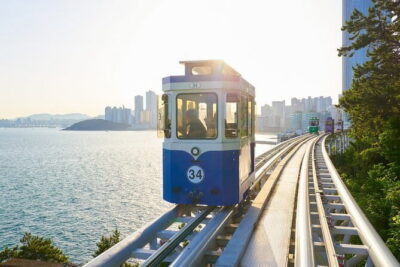 ★ 5.0Authentic Busan Full-Day City Highlights TourFrom $40272 reviews
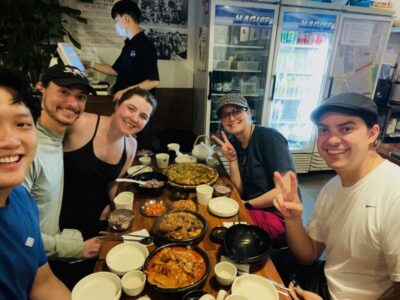 ★ 4.9Seoul: Guided City Wall Sunset Hike with Korean DinnerFrom $65227 reviews
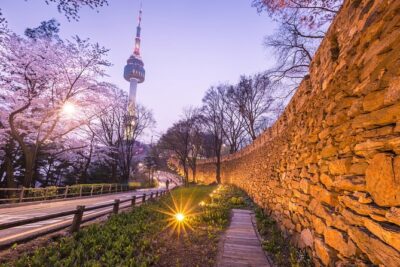 ★ 5.0Special City Night TourFrom $150162 reviews
Where this tour also appears