
REVIEW · HIKING & TREKKING
Korean Cemetery and Folklore Trek
Cemetery folklore sounds strange, until you hear it. This 4-hour trek through an active Korean cemetery in the mountains turns a quiet place into a living lesson on burial customs and the afterlife. The tour runs only September through November, so the timing already makes it feel special and seasonal, not like another standard city stop.
What I like most is the small group size and the way the guide slows things down. You get a more personal experience with a maximum of 6 people, plus you’re not stuck figuring out transport on your own. One consideration: this is a hike, and the operator asks for good weather, so come prepared to walk at a moderate level and adjust if conditions are rough.
In This Review
- Key things that make this tour worth your attention
- A quiet cemetery walk that reframes Korean afterlife beliefs
- From Samsong Station to the cemetery, without the transport headache
- Yongmi-ri Cemetery 1, where the stories feel grounded
- What you learn about burial customs and the afterlife
- Why the guide and group size make it feel personal
- Timing matters, and weather runs the show
- Who this tour fits best (and who might want a different plan)
- Should you book this Korean Cemetery and Folklore Trek?
- FAQ
- What is the duration of the Korean Cemetery and Folklore Trek?
- When does the tour operate?
- Where do I meet the guide?
- Does the price include transportation?
- How many people are in the group?
- Is admission included?
- Is the tour suitable for everyone physically?
- What happens if the weather is bad?
Key things that make this tour worth your attention
- Respectful access to an active cemetery, not a staged monument
- Yongmi-ri Cemetery 1 as the main focus, with stories tied to local customs
- Maximum group size of 6, which keeps questions and pacing realistic
- Public bus included between the meeting point in Seoul area and the cemetery area
- Seasonal schedule (September to November), so plan around dates and weather
- A guide who connects folklore with real burial traditions, including personal perspective
Torn between options? The South Korea trips below held up best on our read.


A quiet cemetery walk that reframes Korean afterlife beliefs
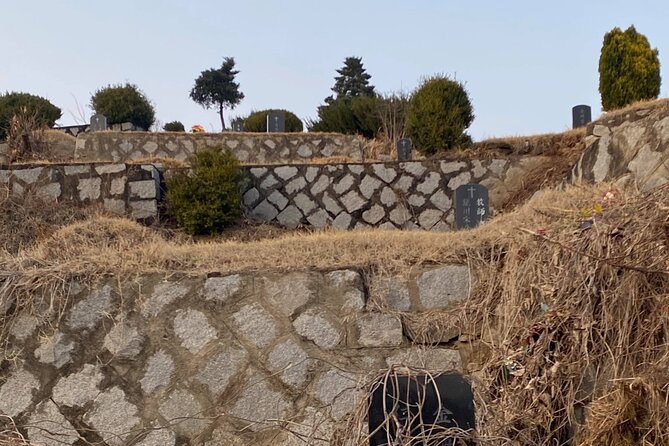
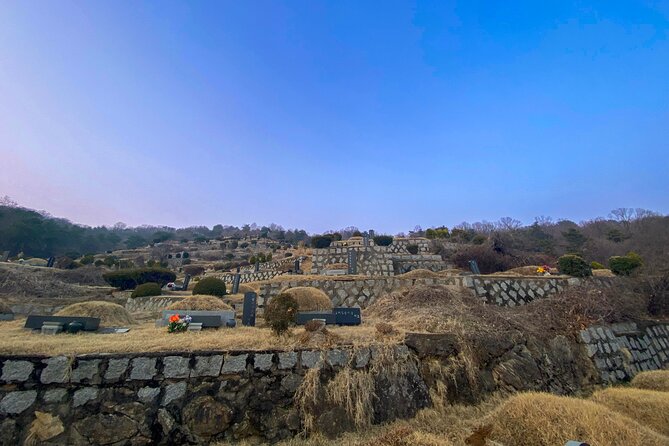
This tour is built around a place most visitors never get to see up close. An active cemetery means you’re not looking at something frozen behind glass. You’re stepping into a real part of community life, where rituals and respect matter.
I love how the setting changes the tone. Seoul can be loud and fast, but this hike is meant to be calmer. You’re given time to reflect, and the stories land differently when you’re walking among the graves rather than reading about them later.
You’ll also notice the guide’s role right away. This isn’t just a facts-only stroll. The tour centers on legends and folktales about burial customs, then connects them to what people practice and believe around death and the afterlife. If you care about culture beyond food and shopping, this will feel like an honest, human side of Korea.
From Samsong Station to the cemetery, without the transport headache
You start at Samsong Station, Exit 8G, in the Goyang-si area. The experience begins at 2:30 pm and returns to the same meeting point at the end. That simple start-stop rhythm matters because it reduces stress. You don’t need to coordinate multiple rides or worry about getting lost on local buses.
The big logistics win is that the public bus to and from the meeting point is included. The tour also specifically includes the bus fare between the cemetery and the meeting point in Seoul. For a half-day activity, that added convenience often makes the difference between a smooth afternoon and a scramble.
Also, the tour uses a mobile ticket, and the meeting point is near public transportation. If you prefer transit over taxis, you’re set up well here. Private transportation is not included, so if you plan to come from farther away, you’ll need to arrange that on your own.
Yongmi-ri Cemetery 1, where the stories feel grounded
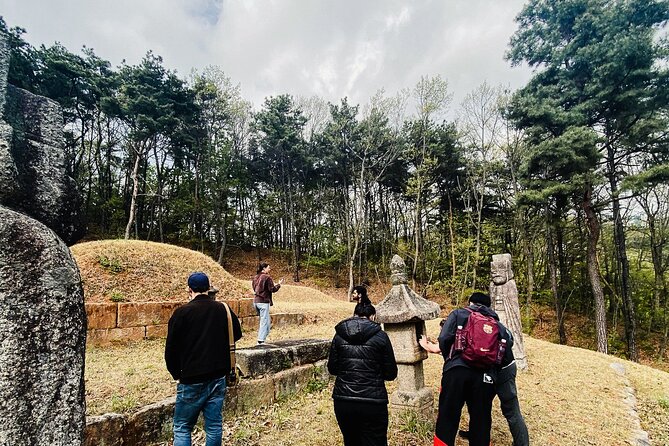
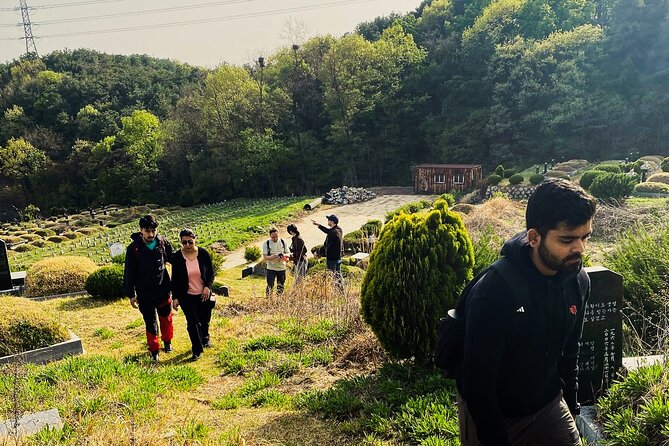
The main stop is Yongmi-ri Cemetery 1. The guide leads you through the cemetery in a respectful way, sharing Korean folklore and traditions surrounding the dead. This is the core experience, and the itinerary is simple on purpose.
Here’s what makes this stop special for you. Cemeteries can be uncomfortable if you treat them like scenery. This tour sets a different expectation. You’re guided on how to observe thoughtfully, and you’re given the cultural framework behind what you’re seeing. Instead of wondering why certain customs exist, you start to understand how people interpret death, memory, and the afterlife.
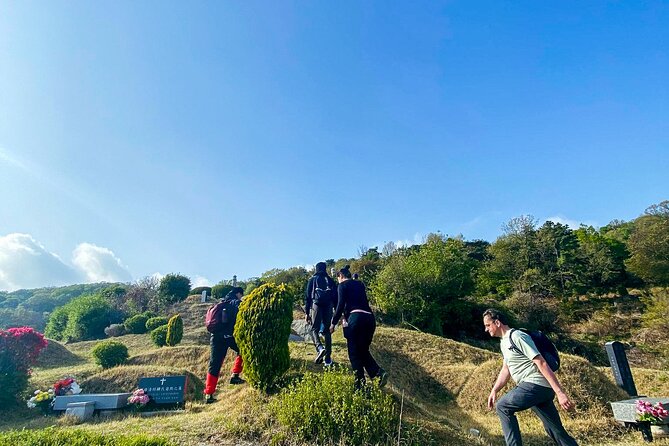
There’s also a practical side to the cemetery setting. Expect a moderate walking experience as you move through the grounds in a mountain area. The tour is not described as strenuous, but it is a hike, so wear shoes you trust. Think stable soles more than fashion. Your pace will matter more than your speed.
One more practical note: admission at the cemetery is free for this activity. That means your money goes toward the guide and the included transport, not entrance fees.
What you learn about burial customs and the afterlife
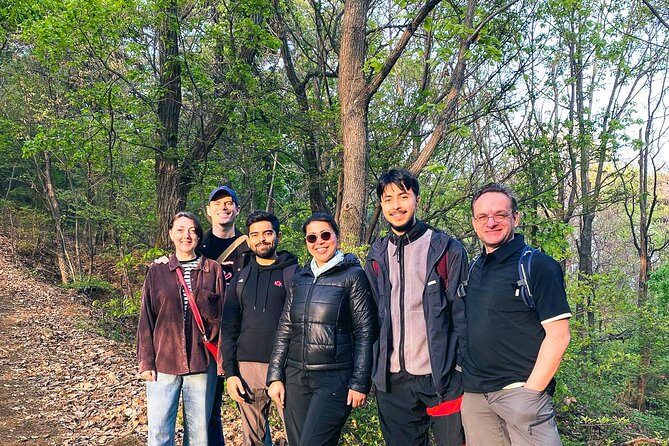
The tour’s biggest value is the storytelling that connects the spiritual and the practical. You’ll hear legends and folktales about burial customs, and then your guide ties them to local traditions about what comes next.
I like that the focus isn’t just on religion as a label. It’s on customs, meaning, and how communities handle something unavoidable. When you hear these stories while standing where the customs are carried out, the lessons stick better. You can connect the dots between belief, behavior, and the physical place itself.
The guide’s tone also helps. A standout mentioned in the experience is Shawn, who blends extensive research with personal insight. That mix matters because folklore can sound abstract. When someone can translate it into how it functions in everyday tradition, it becomes more than a tale.
If you’re the kind of person who gets curious about what everyday rituals mean, you’ll leave with a more nuanced view. You’ll also have questions for Koreans in your real conversations at home, not just trivia to repeat on the flight.
- DMZ Insider Tour: 3rd Tunnel, NK Defector Meet & Red Bridge
★ 4.9 · 15,214 reviews - Korean Cemetery and Folklore Trek
★ 5.0 · 41 reviews - Korean Green Tea Tour – from Boseong to Gangjin (Private)
★ 5.0 · 12 reviews - Pohang One day city Tour : Home town Cha cha cha Drama Locations
★ 5.0 · 9 reviews - Private Van with English Speaking Guide in South Korea
★ 4.9 · 9 reviews
Why the guide and group size make it feel personal
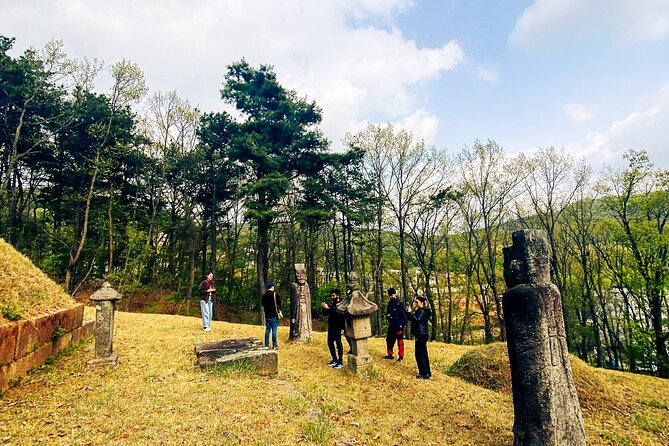
This is a small-group tour, with a maximum of 6 people. That’s not a random marketing detail. In a cemetery setting, silence, pacing, and questions all need space. Smaller groups make it easier for the guide to respond, slow down when something needs explanation, and keep the tone respectful.
You also get a guide-guided rhythm rather than a crowded march. That matters because cemetery etiquette is not just about what you do, it’s also about what you don’t do. You’ll appreciate having someone steer the experience so you can focus on understanding instead of guessing.
On value, the price is $66 per person and includes fees and taxes. For a 4-hour experience that also includes public bus fare, that can be a fair deal, especially if you’d otherwise spend time and money piecing together transit yourself. You’re paying for guided context in a place that is hard to access in a meaningful way on your own.
One practical detail that signals good planning: confirmation is received at booking time. That reduces the waiting around feeling.
Timing matters, and weather runs the show
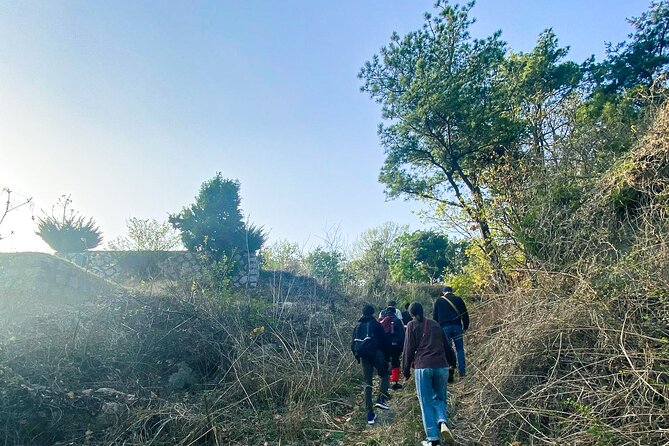
This is a seasonal tour running from September through November. If you’re traveling outside that window, you can’t count on it. If you are traveling inside it, you should still plan smart, because the operator notes the experience requires good weather.
So what should you do? Check forecasts close to the date. If the day turns poor, you may be offered a different date or a full refund. That policy flexibility helps you avoid feeling trapped by one weather window.
What to wear is simple. The experience is described as a hike through a mountain area cemetery. Bring clothing suited to walking outdoors, and pack layers if the evening cools down. Sturdy shoes are a must.
Also think about timing. A 2:30 pm start means you’re hiking later in the day. That can be pleasant in mild seasons, but it also means you should plan for daylight and temperature. If you tend to get cold, bring a light jacket.
Who this tour fits best (and who might want a different plan)
This tour is ideal if you want culture that goes beyond surface-level sights. It’s also a good match if you like guided explanations, especially when the setting is serious and unfamiliar.
You’ll probably enjoy it most if:
- You’re curious about Korean burial customs and how folklore connects to real life
- You prefer a smaller group and a respectful tone
- You’re comfortable walking moderately for about 4 hours total, including time spent on transport
You may want to skip or choose another option if you can’t handle outdoor walking or you’re not comfortable in quiet, solemn places. The tour isn’t advertised as extreme, but it does require moderate physical fitness.
If your ideal Seoul day is nonstop sightseeing and big photo stops, this one is different. It’s calmer. It’s more reflective. That’s exactly why it works.
Should you book this Korean Cemetery and Folklore Trek?
Yes, if you want a thoughtful, culturally specific experience that most people miss. The combination of respectful access, a small group capped at 6, and included public bus transport makes it a strong value for a half-day activity at $66.
I’d book it sooner rather than later because it’s commonly booked about 73 days in advance. That’s a sign it fits a narrow season and limited schedules.
Book this tour when you can give it the right mindset. Come ready to listen, walk steadily, and treat the cemetery with care. If you do, you’ll leave with stories you can’t get from a museum plaque, plus a clearer picture of how Korean tradition makes room for memory and the afterlife.
FAQ
What is the duration of the Korean Cemetery and Folklore Trek?
It runs for about 4 hours.
When does the tour operate?
This seasonal tour only runs from September through November.
Where do I meet the guide?
You meet at Samsong Station, Exit 8G.
Does the price include transportation?
Yes. Public bus fare to and from the meeting point is included.
How many people are in the group?
The group is limited to a maximum of 6 travelers.
Is admission included?
Admission is free for Yongmi-ri Cemetery 1 on this activity.
Is the tour suitable for everyone physically?
It requires a moderate physical fitness level, since it is a hiking experience.
What happens if the weather is bad?
The experience requires good weather, and if it’s canceled due to poor weather, you’ll be offered a different date or a full refund.
More South Korea Write-Ups


Fresh on the South Korea pile
- Andong Highlight & Private tour with a Licensed guide★ 5.0 · 3 reviews
- Jeju: BTS Are You Sure?! Filming Locations Private Taxi Tour★ 5.0 · 3 reviews
- Pohang Highlights & Private Tour with a Licensed guide★ 5.0 · 4 reviews
- Seoul: DMZ, 3rd Tunnel, Odusan or Suspension Private Tour★ 5.0 · 4 reviews
- Jeju: Western Jeju K-Drama Spots Tour with Hotel Pickup★ 5.0 · 4 reviews
- Hantan Canyon & Goseokjeong Flower Garden & Pink Muhly Park★ 5.0 · 4 reviews
Hiking & Trekking you might have missed.
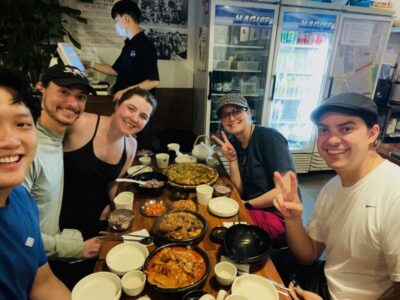 ★ 4.9Seoul: Guided City Wall Sunset Hike with Korean DinnerFrom $65227 reviews
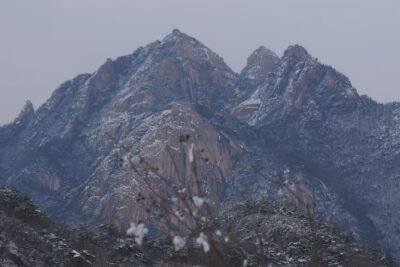 ★ 5.0Private Hiking tour to Bukhansan Peak(Baegundae: 836.5m) with Mountain ExpertFrom $168113 reviews
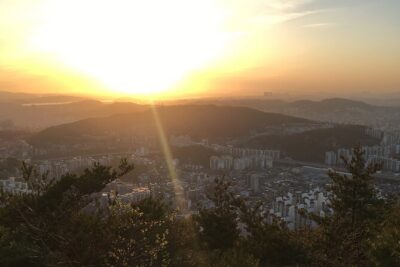 ★ 5.0Fortress Night Hike & Snack at a Local MarketFrom $47112 reviews
 ★ 5.04-Hours Hiking and Tasting Rice Wine in the Mountain of BusanFrom $5579 reviews
 ★ 4.9Busan: Hiking and Tasting Rice Wine in the Hidden VillageFrom $5074 reviews
 ★ 5.0Seoul Mountain Hike: Temples, Folklore & Traditional MealFrom $14142 reviews
 ★ 5.0Private Hiking to Bukhansan & Korean Style Spa(Include Lunch)From $18232 reviews
 ★ 5.0Bukhansan Mountain Private Hike with LunchFrom $17026 reviews
Where this tour also appears