
REVIEW · TEMPLESTAY & KOREAN TEMPLES
Seoul Mountain Hike: Temples, Folklore & Traditional Meal
Few things feel like Seoul’s off switch.
This half-day hike into Bukhan Mountain trades city noise for folktales and temple stops, with a maximum group size of six so you can actually hear the stories. I also like that the guide can adjust the trail to your fitness level, because the route includes one long steep climb early on. A fair consideration: this is a medium-grade hike, and that first steep ascent can feel sharp if you do not hike often.
The day is designed like a smart mix of effort and payoff. You start with a short bus ride to the trail head, stretch with the guide, and then spend hours walking through forested valleys, viewpoints, and rugged temple areas, ending with lunch and drinks at a mountain restaurant. If you are set on a slow, flat stroll, this will feel like actual hiking, not a casual sightseeing walk.
In This Review
- Key Things to Know Before You Go
- Seoul Mountain Hike: What You’re Really Buying for $141.75
- From Gupabal Station to the Trail Head in One Simple Flow
- The Timing Rhythm: 4 to 5 Hours of Hiking, Plus the Story Stops
- Bukhan Mountain on Medium Grade: Expect a Steep Start, No Climbing Gear
- The Folklore Layer: Mountain Ghosts, Shamans, and Legends That Change How You Walk
- The Temple Moments: Hidden Buddhist Stop on a Rugged Mountain Route
- Lunch and Drinks at a Mountain Restaurant: Fuel With a Local Shape
- Who This Seoul Hiking Tour Fits Best
- Price and Value: Where the Money Goes
- Weather, Attire, and Practical Comfort Tips That Matter
- Should You Book This Bukhan Mountain Temples and Folklore Hike?
- FAQ
- How long is the hiking portion of the tour?
- When does the tour start?
- Where do I meet the guide?
- Is hotel pickup and drop-off included?
- What is the group size?
- Is there any special hiking equipment required?
- Are meals included?
- Are drinks included?
- Does the tour run in bad weather?
- What dietary changes can I request?
- What is the cancellation window?
Key Things to Know Before You Go
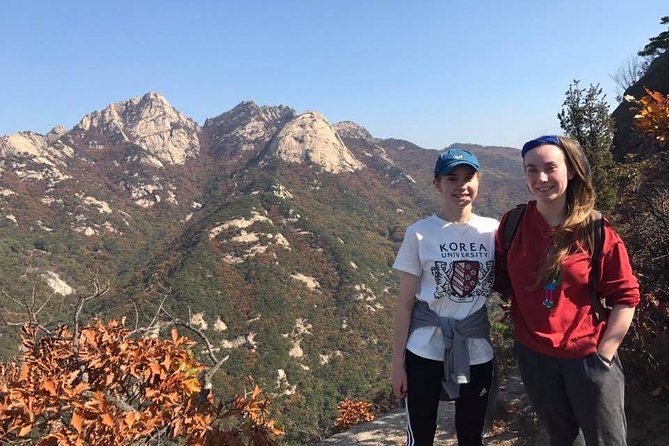
- Max six people keeps the pace human and the folklore easy to follow
- Meet at Gupabal Station, gate 1, then take a short bus ride (bus fare included)
- 4 to 5 hours of hiking inside a total 6-hour experience
- One long steep ascent early, but no special climbing gear is needed
- Hidden Buddhist temple stop with stories tied to Korea’s mountain spirituality
- Lunch and drinks included, so you finish fed, not just tired
Other quiet mornings in Seoul
Seoul Mountain Hike: What You’re Really Buying for $141.75
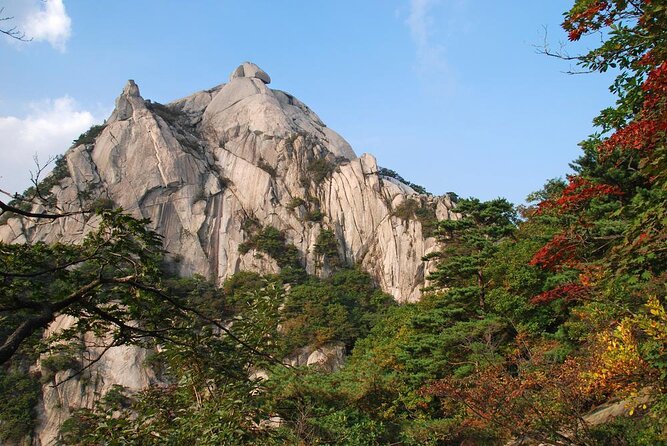
For $141.75 per person, you are not just paying for walking shoes and a view. You are paying for three things that are hard to DIY in a single afternoon: a guide who can connect the route to Korean mountain lore, access to a lesser-known temple moment during the hike, and a real meal stop designed for hikers.
The best value part is that the tour wraps the practical stuff into the price. Lunch is included, alcoholic beverages are included, and the bus fare to the trail head is also included. Even if you already know Seoul well, this format saves the typical hassle of piecing together train times, trail navigation, and then finding a restaurant that works for a group after a hike.
Duration also matters here. The tour is listed at about 6 hours total, but the hike itself is usually 4 to 5 hours. That means you get meaningful time on the mountain without sacrificing your whole day to trail logistics.
From Gupabal Station to the Trail Head in One Simple Flow
The meeting point is at Gupabal Subway Station, gate 1 in Seoul, and the experience starts at 1:30 pm. You meet your guide, then take a brief bus ride to the trail head, with bus fare included. This is a good setup if you want to start hiking without spending your morning mapping routes or hunting for the exact trail entry.
You also stretch with the guide before you walk. That small detail matters more than it sounds, because the hike begins with a long steep climb near the start. A little warm-up can help you avoid that first 20 minutes of feeling “too tight” to enjoy the views.
You will be back at the meeting point when the tour ends, which keeps the day tidy. No extra transfers, no awkward late-day scramble to get home.
The Timing Rhythm: 4 to 5 Hours of Hiking, Plus the Story Stops
Think of this as a half-day adventure with three phases: uphill effort, temple and folklore time, then food and reset.
First, you head up. The early ascent is the key physical part, and it is followed by hiking through a forested valley. Expect a steady push rather than an easy warmup. The guide can adjust the route to different skill levels, so do not assume the steepness is fixed. But you should still be ready for uphill hiking.
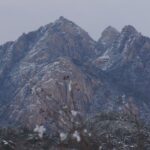
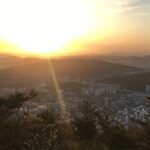
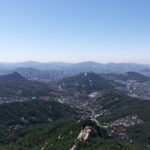
Next comes the “why this hike is different” phase: viewpoints and the temple route. The trail includes sections with spectacular views, then descent toward Buddhist temples tucked into rugged mountain areas. This is also when the guide tells legends tied to mountain ghosts, goblins, shamans, and Korea’s mountain folklore.
Finally, you finish at a local restaurant for lunch and drinks. Food and beverages are included, which turns the hike into a complete experience, not just a workout followed by searching for dinner.
Bukhan Mountain on Medium Grade: Expect a Steep Start, No Climbing Gear
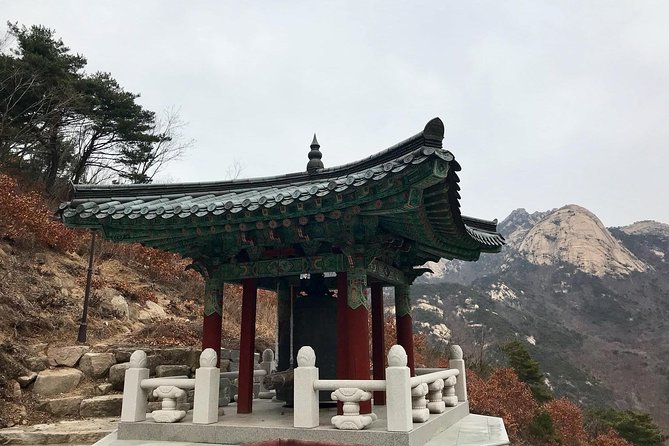
This is described as a medium-grade hike. The most important practical truth is simple: there is one long steep ascent near the beginning, but you do not need special equipment like ropes or harnesses.
That combination is ideal for people who want real movement and exertion, without feeling like they are signing up for technical climbing. You can plan your day like a proper hike: wear footwear with good grip, dress for the weather, and take the steep start seriously.
Because it runs in all weather conditions, you should also plan for the mountain to be slippery if it rains. Even if the route is not technical, mountain trails can get slick. Dress appropriately, and bring clothing that you can handle if conditions change.
Other trails in Seoul
- Seoul: Guided City Wall Sunset Hike with Korean Dinner
★ 4.9 · 227 reviews - Private Hiking tour to Bukhansan Peak(Baegundae: 836.5m) with Mountain Expert
★ 5.0 · 113 reviews - Fortress Night Hike & Snack at a Local Market
★ 5.0 · 112 reviews - Private Hiking to Bukhansan & Korean Style Spa(Include Lunch)
★ 5.0 · 32 reviews - Bukhansan Mountain Private Hike with Lunch
★ 5.0 · 26 reviews
The Folklore Layer: Mountain Ghosts, Shamans, and Legends That Change How You Walk
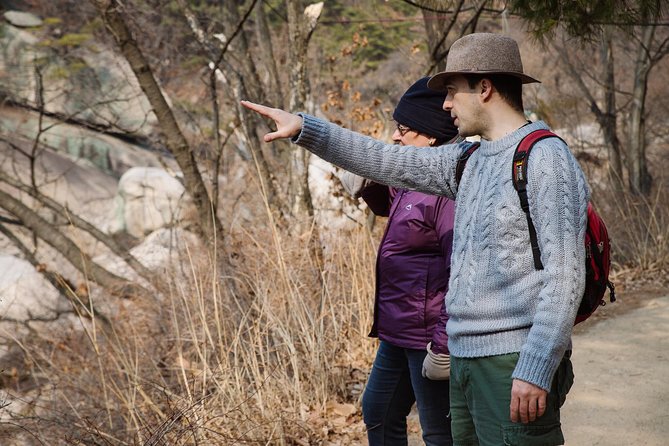
What makes this tour feel special is that it treats the mountain as more than scenery. The guide connects the route to stories of Korea’s mountain heritage, including supernatural themes like mountain ghosts and goblins, along with shaman-related folklore and religious context.
In standout feedback, the storytelling is a major reason people rate this experience so highly. One of the named guides in the praise was Shawn, and the praise pointed to how his stories made the walk feel like you were traveling through culture, not just between trail points. The big idea for you: when a good guide tells the legend at the right moment, the trail starts to make sense in a new way.
So while you are hiking, you will not just be counting steps. You will be listening for the meaning behind the places you pass, and that shifts your attention from “Where do I step next?” to “Why is this place remembered this way?”
If you like folklore, spiritual history, and cultural context, this tour gives you a structured path to those interests without requiring you to study first.
The Temple Moments: Hidden Buddhist Stop on a Rugged Mountain Route
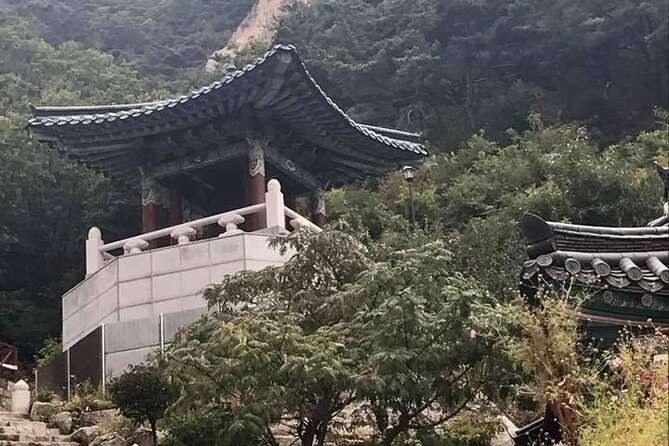
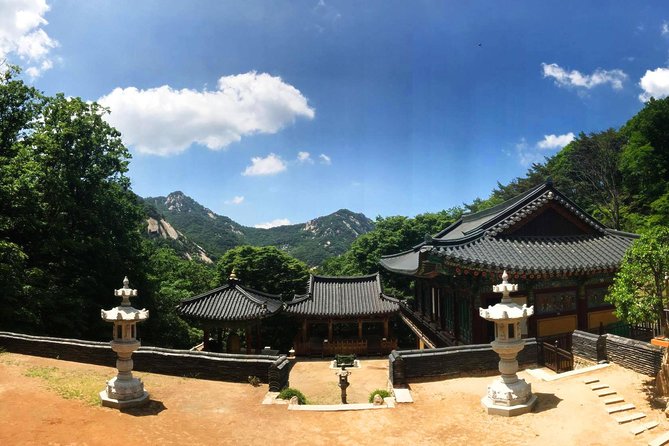
One highlight is a stop at a hidden Buddhist temple during the hike. The route includes sections where you descend toward Buddhist temples tucked into rugged mountain nooks. In other words, this is not a quick photo stop from a roadside. The temple moments happen as part of the walking experience, which helps you feel the connection between terrain and tradition.
From feedback, people also mention seeing or hearing about major Buddhist imagery and shamanic cave themes as part of the spiritual landscape that the guide explains. You might not get the same “museum” feel as a city temple visit, because this is tied to mountain settings and folklore. That is exactly why it works.
The tradeoff is practical: temple time is part of the trail day. You should be comfortable with the idea that you are going from walking to quiet attention to more walking, not switching into a long, cushy break. If you want a single long sit-down cultural visit, you may find this format tighter than expected. But if you want the story to live alongside the hike, this is the point.
Lunch and Drinks at a Mountain Restaurant: Fuel With a Local Shape
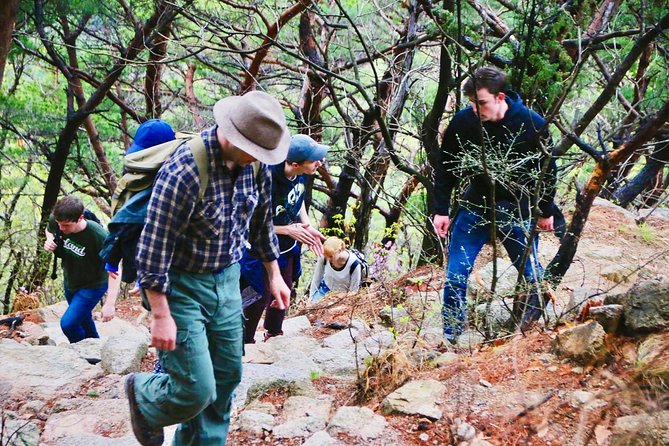
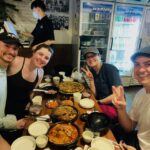
The finish line is lunch at a local restaurant that caters to hikers, with drinks included. That is a big quality-of-life decision, because you avoid the common post-hike problem: you are hungry, sweaty, and not in the mood to guess what is nearby.
I like that the included meal is part of the tour design. Hike days can flatten your appetite and your patience. When the meal is already planned, you can just focus on recharging and reflecting on the route.
One of the reasons this tour gets strong feedback is that the food stop feels tailored to the day’s theme. You are not just getting a generic lunch. You are getting a mountain-restaurant style meal and drinks meant for people who finished the trail.
If you prefer non-alcoholic options, you should mention dietary or drink preferences at booking. The tour asks you to advise any specific dietary requirements at time of booking, which gives you a chance to plan ahead.
Who This Seoul Hiking Tour Fits Best
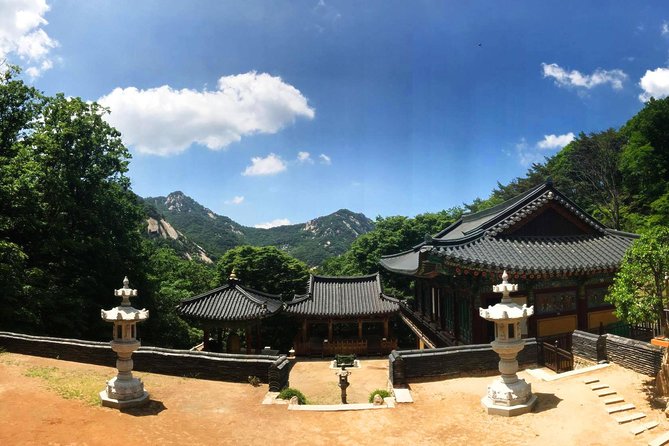
This tour is built for people who want nature close to the city and cultural meaning on top of the hike.
You will probably enjoy it if:
- You like hikes with a clear storyline, not just a route
- You are curious about Korean folklore and spiritual traditions tied to mountains
- You want a small group experience of no more than six people
- You want a guide to handle the practical trail flow and temple timing
You might hesitate if:
- You only want an easy, flat walk
- You are sensitive to steep uphill sections, even if the guide can adjust the route
- You want a long sit-down cultural program rather than a hike day with shorter temple moments
This is also a good match for supernatural fans, because the stories cover everything from mountain ghosts and goblins to shamans.
Price and Value: Where the Money Goes
Let’s talk value honestly. At $141.75 per person, the price is not a budget bus ride to a random viewpoint. You are paying for guide-led hiking, included meal and drinks, and the bus ride to the trail head.
To judge value, look at what you would otherwise need to pay for separately:
- A guide is doing more than pointing directions, because the folklore and cultural context are part of the product
- You get lunch included, and the day finishes at a restaurant built for hikers
- Alcoholic beverages are included, which adds value if that fits your preferences
- You get bus fare included, and the pickup is handled through the meeting point at Gupabal Station
If you enjoy learning while walking and you want a smooth, city-to-trail-to-meal day, the package price starts to make sense. If your main goal is photo views and you do not care about the folklore framing, you might decide a DIY hike is cheaper. But if you care about the “why” behind the mountain stories, this is where the spending turns into experience.
Weather, Attire, and Practical Comfort Tips That Matter
The tour operates in all weather conditions. That is a simple promise with one big implication: your comfort depends on how you dress.
Since the trail can include forested valleys, steep sections, and rugged temple routes, choose clothing that handles rain and changing temperature. If it is wet, traction becomes your best friend. Also, because it is one long steep ascent early, you will want breathable layers that do not turn your hike into a sweat fight.
Bring what you personally need for a half-day hike, and plan to stay flexible. The guide can adjust the trail for different skill levels, but the mountain setting still means you should expect some effort.
Should You Book This Bukhan Mountain Temples and Folklore Hike?
Book it if you want a Seoul-area mountain hike that feels grounded in culture, not just movement. The highest praised parts are the guide’s storytelling, the spectacular views, and the temple and folklore pairing, plus a finish that includes lunch and drinks instead of leaving you to figure it out.
Skip it if you want a slow, easy walk with minimal physical challenge, or if you dislike steep starts. Also consider whether you prefer long standalone museum-style temple time. This experience is structured around walking, then short but meaningful stops.
If your idea of a great afternoon is steps on a trail plus legends that make the mountain feel alive, this one is a strong fit.
FAQ
How long is the hiking portion of the tour?
The hike itself is generally 4 to 5 hours, with the full experience lasting about 6 hours.
When does the tour start?
The start time is 1:30 pm.
Where do I meet the guide?
You meet the guide at Gupabal Subway Station, gate 1. The tour starts at 19 Jingwan-dong, Eunpyeong District, Seoul, South Korea, based on the listed meeting details.
Is hotel pickup and drop-off included?
No. Hotel pickup and drop-off are not included.
What is the group size?
The tour has a maximum group size of 6 travelers.
Is there any special hiking equipment required?
No special equipment like ropes or harnesses is necessary.
Are meals included?
Yes. Lunch is included.
Are drinks included?
Yes. Food and drinks are included in the price, and alcoholic beverages are included.
Does the tour run in bad weather?
The tour operates in all weather conditions. You should dress appropriately, and it requires good weather. If canceled due to poor weather, you will be offered a different date or a full refund.
What dietary changes can I request?
You should advise any specific dietary requirements at time of booking.
What is the cancellation window?
You can cancel for a full refund up to 24 hours before the experience starts.
If you want, tell me your fitness level and what day you are considering, and I can help you decide whether the steep start is likely to feel comfortable for you.
Ridge Lines Around Seoul
More Seoul Write-Ups



Other Temples, Other Mornings
Fresh on the Seoul pile
- Unique Native Experience : Han River Picnic, Board game, BBQ★ 5.0 · 3 reviews
- 2-Hour Private Kayaking and Paddleboarding Experience in Hanriver★ 5.0 · 3 reviews
- Korean Folk Village & Suwon Hwaseong Fortress Private Tour★ 5.0 · 3 reviews
- Seoul Korean BBQ Dinner Experience with Secret Food Tours★ 5.0 · 3 reviews
- Seoul Highlights & Hidden Gems – Private Tour with Photo Service★ 5.0 · 3 reviews
- Night Food Tour in Seoul with Traditional and Modern Cuisine★ 5.0 · 3 reviews
Templestay & Korean Temples you might have missed.
 ★ 4.7Seoul: Mt Seorak + Naksansa Temple or Nami Island Group TourFrom $68422 reviews
 ★ 5.0Best Things to Do – Half Day Seoul Trip (Seoul Palace & Temple)From $38190 reviews
 ★ 4.5Mount Seorak and Naksansa Temple One Day Tour from SeoulFrom $71167 reviews
 ★ 5.0Busan Tour: Gamcheon Village & Haedong Yonggungsa Temple + LunchFrom $159119 reviews
 ★ 4.8Gyeongju: UNESCO Heritage Tour Including Bulguksa TempleFrom $189104 reviews
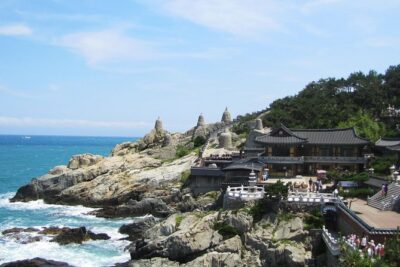 ★ 4.5Full Day Busan Tour Including Haedong Yonggungsa TempleFrom $15971 reviews
 ★ 5.0Private Busan tour with gamcheon culture village and the temple (Customizable)From $27462 reviews
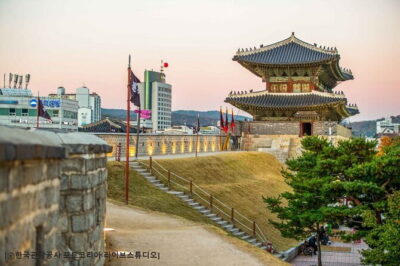 ★ 5.0Day Tour of Suwon Hwaseong Fortress Starfield Waujeongsa TempleFrom $5461 reviews
Where this tour also appears