
REVIEW · DMZ & BORDER TOURS
DMZ Guided Tour with Suspension Bridge / Gondola from Seoul
Crossing into the DMZ changes your perspective, and this tour makes it readable with air-conditioned round-trip transfers plus tight access to the Third Tunnel and Dora Observatory. I like that you do not have to fight Seoul transport logistics. I also like the way the day is built around timed entries, so the history does not turn into a long waiting game. One consideration: if you get foggy or rainy weather, your chances of seeing North Korea views drop, and the 3rd tunnel involves real walking.
The small details matter here, too. If you go on a guided day with Roy or Patrick, you get clear explanations that keep the topic human, not just political. If you want the best photos, the suspension bridge or gondola option helps, but you still have a strict schedule and you will walk.
In This Review
- Key Highlights You’ll Feel Immediately
- Why This DMZ Day Trip Feels Like a Bargain
- The Day’s Rhythm: Pickup, Strict Entry Times, and a Long Coach Day
- DMZ First Stop: Seeing the Buffer Zone’s Scale Up Close
- Third Tunnel Stop: The Highlight, and the Health Rules You Must Know
- Dora Observatory: The View Depends on Weather, Not Wishful Thinking
- Monday Route: Second Tunnel, Peace Observatory, and Woljeongri Station
- Unification Village + Gondola or Suspension Bridge Options
- The Tour Guide Factor: How Different Names Make the Same Day Feel Different
- What to Pack and What to Expect When Fog Shows Up
- Price vs. Effort: Is It Worth Your Time?
- Should You Book This DMZ Tour?
- FAQ
- How long is the DMZ guided tour?
- What’s included in the $35 per person price?
- Which tunnel is visited on Mondays?
- Can I see North Korea from Dora Observatory?
- What are the gondola and suspension bridge options?
- Are meals included?
Key Highlights You’ll Feel Immediately
- Timed DMZ access with clear stop flow and admission included
- Third Tunnel focus with rules that affect which travelers can go in
- Dora Observatory clarity gamble when visibility is good
- Monday swap to Second Tunnel plus Peace Observatory and Woljeongri Station
- Optional gondola or suspension bridge for views near the DMZ area
- Guide energy makes the day easier (Patrick, Roy, Ki, April, Andrew, Mac)
Other routes to the border, side by side
Why This DMZ Day Trip Feels Like a Bargain
At $35 per person, this DMZ tour is one of those rare Seoul add-ons that feels like value, not just a checkbox. You are paying for a full day that includes the air-conditioned vehicle, round-trip transfers, English-speaking guide/driver, and admission to multiple DMZ-related sites. You are also avoiding the hardest part of independent DMZ planning: the timed access and the fact that some areas depend on weather and operations.
The real value is the structure. You do not spend your day figuring out where to stand, what matters, and how the pieces connect. Instead, the day moves stop-to-stop, with guided context that helps you understand what you are seeing. Guides like Roy and Patrick in particular are repeatedly praised for keeping the tone serious but not dull, which matters because the topic is heavy.
One thing to accept up front: this is not a slow museum day. It is a guided route with strict timing. If you hate schedules, you might feel rushed. If you can handle walking and following entry windows, you will come away with a much clearer picture of what the DMZ is and why it exists.
The Day’s Rhythm: Pickup, Strict Entry Times, and a Long Coach Day
The tour runs about 7 to 11 hours, and the itinerary timing is built around transportation between destinations plus fixed admission windows. The tour notes the itinerary excludes travel time between stops, so the day can feel tighter than the hour range suggests.
I’d plan to be ready early and be on time for meetings. Several guides are praised for keeping the group on track, and the DMZ sites can have strict time slots. Even one late pickup can ripple through the day, so being prompt helps you get the smooth experience most people report.
You will ride in an air-conditioned vehicle with an English-speaking guide/driver, which is a big deal in summer or on muggy shoulder seasons. The vehicle also removes decision fatigue. You do not need to find parking, worry about rail or transfers, or ask where to buy entry tickets.
Size-wise, it has a maximum of 999 travelers, which sounds huge on paper. In practice, your comfort will depend on the day and the group mix. Still, the repeated review theme is that the experience feels organized, with guides managing the flow.
DMZ First Stop: Seeing the Buffer Zone’s Scale Up Close
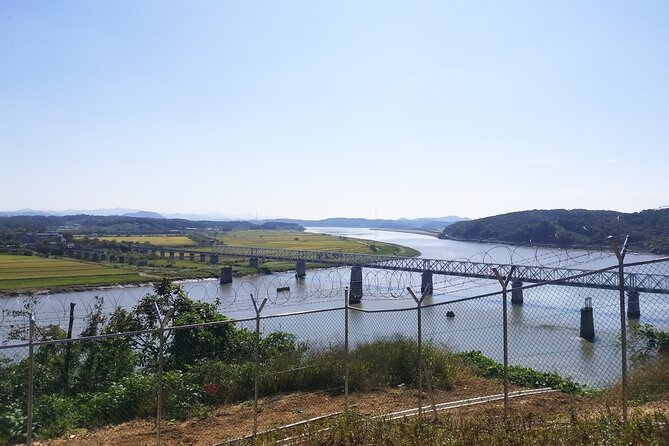
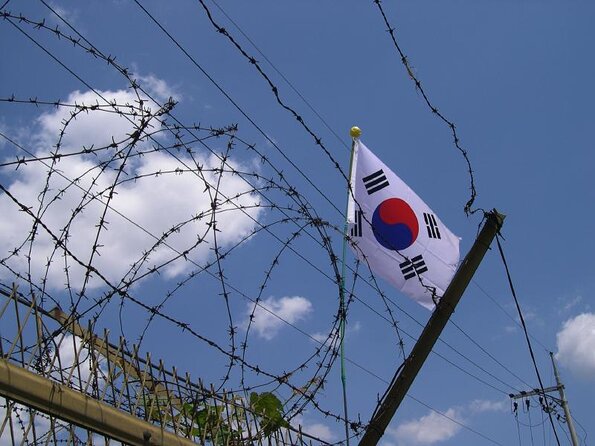
Your day starts at the DMZ itself. This is not just a concept you read about online. The DMZ is a buffer zone between North and South Korea, and it stretches 248 km from Jeongdong-ri (Paju-si) to Myeongho-ri (Goseong-gun). Standing in the region where that line exists makes the geography feel real.
The guide’s job here is to translate the politics into physical landmarks you can recognize. Even if you already know the basics, I find the DMZ stop is where the trip stops being abstract. It’s also where you learn what to expect from later stops, like what it means that tunneling and observation points are part of the same security mindset.
Practical note: this is the kind of area where weather affects your day. Fog can erase views, and rain can make surfaces slick. The DMZ is open air, and you will be walking outdoors more than you might expect from a “bus tour.”
Third Tunnel Stop: The Highlight, and the Health Rules You Must Know
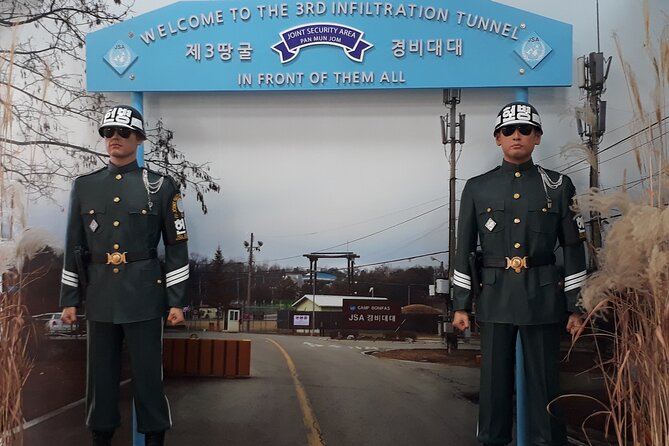
If you go on a day that includes the Third Tunnel, this is typically the emotional peak of the tour. The Third Tunnel was discovered by South Korea in 1978 and is about 1,635 m long, with reported narrow dimensions (around 2 m wide and 2 m high). It’s located about 52 km from Seoul.
The tour also flags an important reality: the tunnel visit is not equally safe or comfortable for everyone. You cannot enter the Third Tunnel if you have heart disease, leg, back, or respiratory problems. It also requires intermediate-level hiking, and even if you can handle the hike, you may find the incline and surface conditions tough.
People who did the tunnel often describe it as worth the effort, but go in with the right expectations. The walk involves descending and ascending, and some routes can be slightly wet and slippery. If you are older, have balance issues, or you just do not like steep inclines, consider whether skipping that part would cost you too much of the experience.
Also pay attention to scheduling. Tunnel tickets have time slots, so the day can feel strict. If you like your travel flexible and unhurried, the tunnel day might feel like a test. If you can follow instructions quickly, it becomes an unforgettable hands-on history stop.
More high crossings in Seoul
- Signature DMZ Tour: Exclusive Defector Talk & Suspension Bridge
★ 5.0 · 4,459 reviews - Ultimate Korea DMZ Tour from Seoul (Gondola & Suspension Bridge)
★ 5.0 · 2,396 reviews - DMZ; NK Defector, 3rd Tunnel, Suspension Bridge,Hotel pickup
★ 4.9 · 2,055 reviews - DMZ Tour w/ North Korea Experience Hall & Opt. Suspension Bridge
★ 5.0 · 1,724 reviews - Small Group Tour to DMZ & Suspension Bridge with Hotel Pickup
★ 5.0 · 1,568 reviews
Dora Observatory: The View Depends on Weather, Not Wishful Thinking
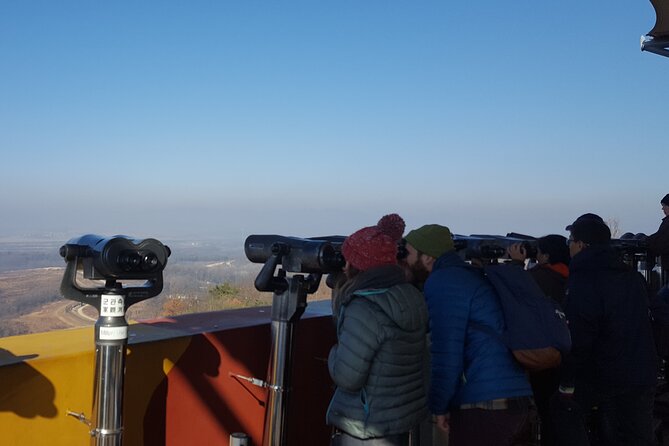
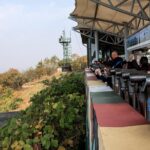
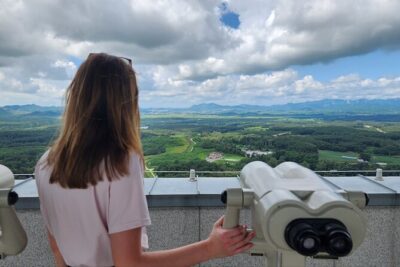
Next comes the Dora Observatory. This stop is built for one specific goal: letting you look toward North Korea when conditions allow. The tour notes that you can see North Korea on clear days, which is exactly how it plays out in real life. When it’s foggy, views can disappear. When visibility is good, you get a much more meaningful sense of distance and what an observation post is meant to do.
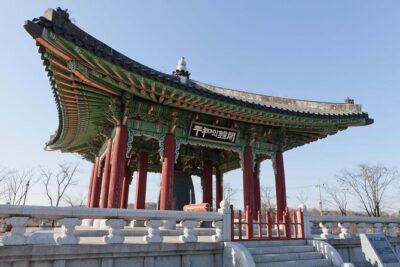
Dora Observatory is also where the day connects to the rail side of the story. The tour includes mention of Dorasan Station, described as the last station in South Korea, and you may be able to see toward Pyongyang on a clear day. That kind of viewpoint makes the political geography feel sharp, not just theoretical.
This is also a stop where your guide can make the difference between, I saw a place, and I understood what that place is for. Strong guides like Roy and Patrick are praised for turning serious subject matter into clear explanations, sometimes with light humor that helps you stay focused.
Practical tip: bring layers. Even if Seoul feels warm, observatories and open-air areas can feel cooler when you stop moving. If the sky looks questionable in the morning, keep your expectations flexible.
Monday Route: Second Tunnel, Peace Observatory, and Woljeongri Station
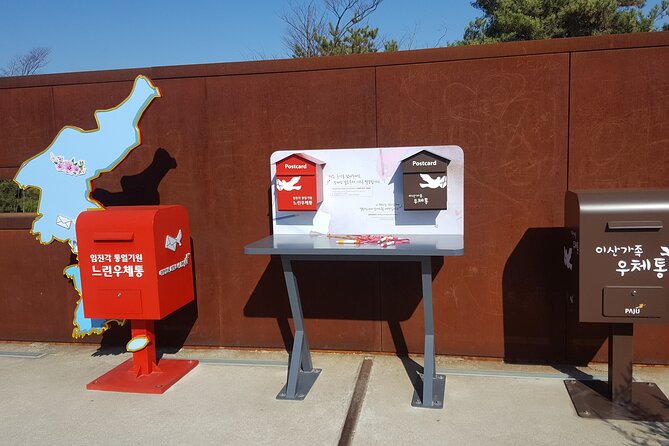
If you tour on a Monday, the tunnel focus switches. Instead of the Third Tunnel day pattern, you will visit the Second Tunnel, plus the Peace Observatory, Woljeongri train station, and the suspension bridge option. So your experience still hits tunneling and observation themes, but with a different set of stops.
This Monday swap matters because it changes the hike and pacing. Since the Third Tunnel has specific health restrictions, the day you choose can affect which travelers can fully participate. If the Third Tunnel restrictions sound worrying, a Monday route might fit your needs better, depending on your comfort and mobility.
The key idea is that the tour isn’t just repeating the same photos in a different order. Monday’s sequence also shifts the story you hear. Woljeongri Station adds a rail connection element, which helps explain why the DMZ is not only about walls and lines, but about routes, access, and what the peninsula could look like if tensions eased.
Unification Village + Gondola or Suspension Bridge Options
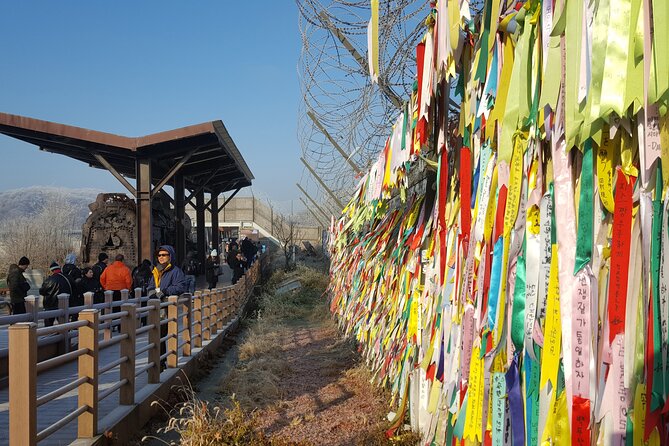
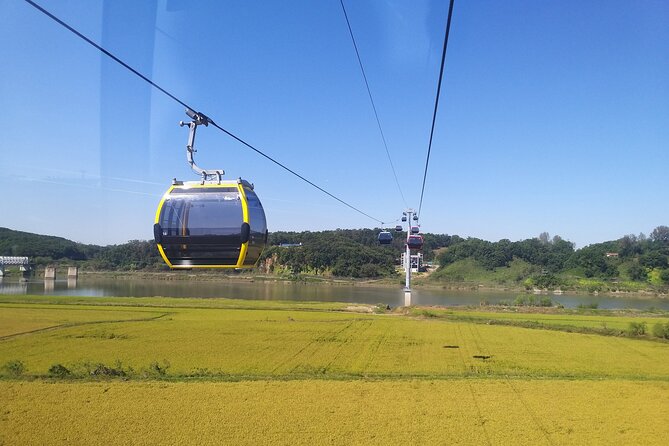
This tour gives you an optional choice: cable car (gondola) and/or suspension bridge. You choose when you book, and both are optional, meaning you can tailor your day to what you care about most.
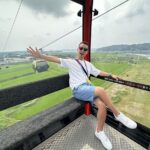
Why does it matter? Because it affects your time on foot near the DMZ area, and it can add a fun visual element to a heavy subject day. Several reviews specifically recommend taking the gondola for photos and views. Others like doing the suspension bridge early when crowds are lower. If you care about pictures, this is one of the easier ways to get a clear, scenic moment without turning your day into a photography marathon.
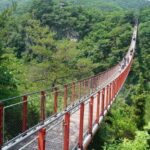
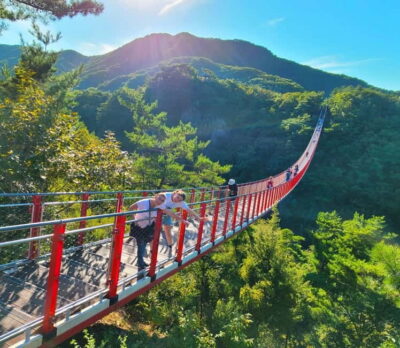
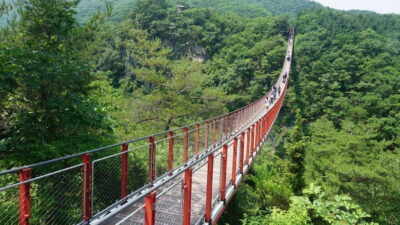
The suspension bridge visit is tied to Chulleong Bridge near the DMZ area, and the tour description notes distinctive black and blue lighting effects on the structure. Even if you are there in daylight, it helps you know what to look for.
Unification Village is included as well on the Tue-Sun pattern, which adds a “what daily life could be like” lens. Even if it feels quiet, it reinforces the trip theme: this is a region shaped by decades of separation, not just a military landmark.
The Tour Guide Factor: How Different Names Make the Same Day Feel Different
One of the strongest repeated themes is how much the guide changes your day. Guides named Patrick, Roy, Ki, April, Andrew, and Mac show up in strong reviews for clear English, good pacing, and making a serious topic easier to follow.
What to look for while you’re on the tour:
- Do they explain why a stop exists, not just what it is?
- Do they connect the DMZ geography to the tunnel and observation points?
- Do they keep timing firm without turning the group into frantic passengers?
From the reviews, the best guides manage the balance. They treat the topic seriously, but they also use light humor to keep everyone engaged. That is not just personality, it’s practical. If you understand what you are seeing, you remember it better.
If you happen to get Patrick or Roy, you are likely to feel well supported throughout the day. Still, even if your guide is different, the tour format stays the same, and you can still ask questions during breaks.
What to Pack and What to Expect When Fog Shows Up
Weather can make or break a viewing day. The tour is described as requiring good weather, especially for the chance to see North Korea at Dora Observatory. Reviews mention fog on the day they went, so plan for disappointment as a possibility, not a surprise.
Pack for walking and cool-downs:
- Comfortable shoes with grip (surfaces near tunnel areas can be slippery)
- Layers for shifting temperatures
- A small snack or light food stash, since meals are not included
- A phone battery plan, because you’ll likely take photos at multiple stops
Meals and beverages are not included, and while you might have a lunch purchase stop on the day, don’t count on it for full satisfaction. If you get hungry, it’s easier to snack early than to wait.
Also note: pets cannot be accommodated. If you travel with luggage, discuss its size and number in advance, since the tour asks you to plan for how luggage fits into the system.
Price vs. Effort: Is It Worth Your Time?
Let’s be honest about the tradeoffs. You pay $35, but you give up a lot of flexibility. You will follow a strict timetable, and you will walk more than a normal city day. Tunnel days add extra effort, and the Third Tunnel has clear health restrictions.
Now the plus side. You get:
- multiple DMZ-related sites in one route
- air-conditioned round-trip transfers
- admission tickets included
- English guidance without you needing to negotiate anything
- optional gondola or suspension bridge for extra views
If you only have a short window in Seoul and you want one high-impact day that teaches you how the DMZ works, this is a strong value. If you hate walking, or you’re sensitive about steep inclines, you might still enjoy the tour, but you should be selective about which tunnel experience you attempt.
My take: at this price, the only real “cost” is your effort level and your weather luck. The rest is handled for you.
Should You Book This DMZ Tour?
Book it if you want a guided, structured DMZ day from Seoul that includes key sites and does not require you to plan transport or tickets. It’s a great fit for first-time visitors who want context, and it works especially well when you can handle a walking-heavy day.
Skip or rethink parts of it if any of the following apply to you:
- you cannot manage intermediate hiking and steep walking for the Third Tunnel
- you need maximum flexibility and hate tight time slots
- you are traveling on a day with thick fog or rain, since views toward North Korea may not happen
If you go with the right expectations, you’ll get a meaningful experience that is part history lesson, part geography lesson, and part reality check about how close the peninsula really is.
FAQ
How long is the DMZ guided tour?
The duration is listed as about 7 to 11 hours.
What’s included in the $35 per person price?
The tour includes an air-conditioned vehicle, admission to attractions, an English-speaking tour guide/driver, and round trip transfers. Depending on what you select, it also includes the cable car (gondola) ticket and/or a suspension bridge visit, plus an optional meeting with a North Korean defector.
Which tunnel is visited on Mondays?
On Mondays, the tour visits the 2nd Tunnel (along with Peace Observatory, Woljeongri train station, and the suspension bridge).
Can I see North Korea from Dora Observatory?
You may be able to see North Korea at Dora Observatory if weather is good. If visibility is poor, views may be limited.
What are the gondola and suspension bridge options?
Both are optional. You can select the gondola or suspension bridge option when you book. The tour also notes that monorail is not available.
Are meals included?
No. Meals and beverages are not included, so you’ll want to plan for food during the day.
More Seoul Write-Ups
More Bridges Worth the Nerve
The Border, Other Routes In
Fresh on the Seoul pile
- Unique Native Experience : Han River Picnic, Board game, BBQ★ 5.0 · 3 reviews
- 2-Hour Private Kayaking and Paddleboarding Experience in Hanriver★ 5.0 · 3 reviews
- Korean Folk Village & Suwon Hwaseong Fortress Private Tour★ 5.0 · 3 reviews
- Seoul Korean BBQ Dinner Experience with Secret Food Tours★ 5.0 · 3 reviews
- Seoul Highlights & Hidden Gems – Private Tour with Photo Service★ 5.0 · 3 reviews
- Night Food Tour in Seoul with Traditional and Modern Cuisine★ 5.0 · 3 reviews
DMZ & Border Tours you might have missed.
 ★ 5.0Best DMZ Tour Korea from Seoul (Red Suspension Bridge Optional)From $2941,422 reviews
 ★ 5.0DMZ Tour: 3rd Tunnel, Option(Suspension Bridge, Boat) from SeoulFrom $3521,373 reviews
 ★ 5.0DMZ tour south Korea from Seoul (NK experience hall, defector)From $2620,599 reviews
 ★ 4.9DMZ Insider Tour: 3rd Tunnel, NK Defector Meet & Red BridgeFrom $5015,214 reviews
 ★ 4.8Seoul: DMZ Tour with Optional Suspension BridgeFrom $455,277 reviews
 ★ 5.0Signature DMZ Tour: Exclusive Defector Talk & Suspension BridgeFrom $274,459 reviews
 ★ 5.0Thrilling Korean DMZ 3rd Tunnel Tour from Seoul + Red Bridge RushFrom $353,097 reviews
 ★ 5.0DMZ Past and Present: Korean Demilitarized Zone Tour from SeoulFrom $372,481 reviews
Where this tour also appears