
REVIEW · DMZ & BORDER TOURS
DMZ Guided tour from Seoul with Suspension Bridge or Gondola
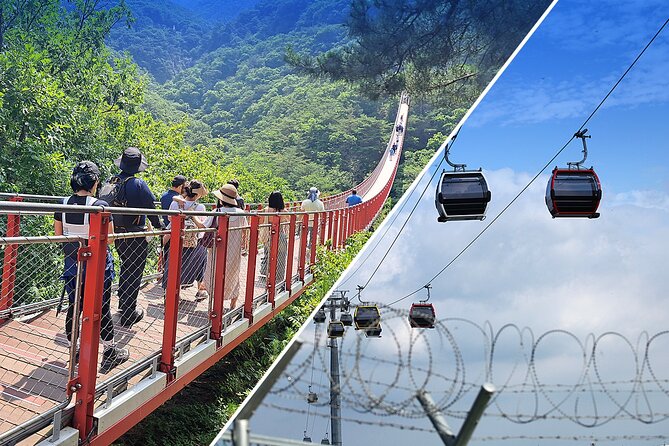
This trip turns the DMZ from a map line into a lived reality. You spend one long day near the border with packed history stops, plus optional sightseeing like a gondola over the Imjin River or a suspension bridge with big photo angles. Weather can even shape what you’re able to see toward North Korea.
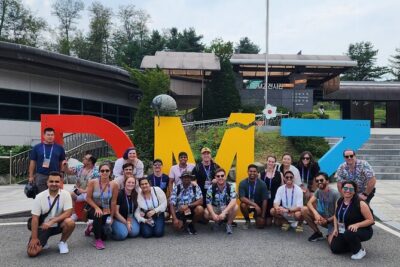
What I really like is how structured the day feels once you’re out of Seoul. Guides such as Patrick and April are praised for keeping the group moving with clear explanations, so you’re not just standing around. Another plus is the variety built into the route, because the tour swaps major tunnel stops depending on the day.
One consideration: it’s not a stroll. You’re dealing with stair climbs, slopes, and tunnel walking, and the 3rd tunnel has health limits for heart, back, leg, and respiratory issues. If you’re sensitive to tight spaces or steep ground, this is the part to plan for.
In This Review
- Key things that make this DMZ tour worth your time
- A tense border day that actually has structure
- Day-by-day route: Monday 2nd tunnel vs Tue-Sun 3rd tunnel
- Mondays: 2nd tunnel plus Peace Observatory and a train stop
- Tue-Sun: 3rd tunnel, Dora Observatory, and Unification Village
- Why this matters for your expectations
- Imjingak Park and the tunnel sections: what you need to know before you go
- The tunnel experience is the main physical test
- If the 3rd tunnel is unavailable
- Crossing into the viewpoint story: DMZ exhibition hall and Dora Observatory
- What I’d do with your time at viewpoints
- Optional gondola over the Imjin River and the Gamaksan suspension bridge
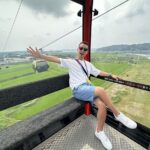
- Gondola ride: panoramas of the Imjin River
- Suspension bridge: Gamaksan swinging views
- Choosing between them (or doing one)
- Timing pressure is real, so plan your energy
- Walking shoes, clothing, and the low-friction packing checklist
- Lunch breaks and what to do with your meal expectations
- When weather and politics change the plan
- Who this DMZ tour is best for
- Price and value: why about $46 can still feel worth it
- Should you book this DMZ guided tour?
- FAQ
- How long is the DMZ guided tour from Seoul?
- What does the tour include for entry and guiding?
- Is a gondola or suspension bridge included in the price?
- Which tunnel is visited on Mondays?
- Which tunnel is visited from Tuesday to Sunday?
- Can I meet a North Korean defector on this tour?
- Do I need good weather for this experience?
- What happens if the 3rd tunnel is unavailable?
- Are there health restrictions for the 3rd tunnel?
- Can I cancel and get a refund?
Key things that make this DMZ tour worth your time
- Mon vs Tue-Sun routing: Monday focuses on the 2nd tunnel and Peace Observatory, Tue-Sun centers on the 3rd tunnel and Dora Observatory.
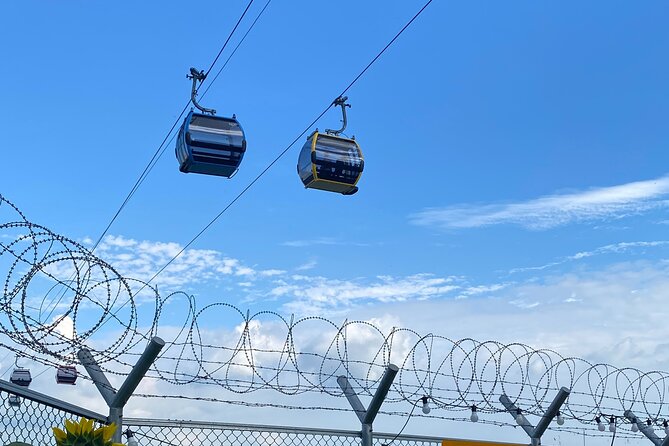
- Optional views: Add the gondola ride for Imjin River panoramas and/or the swingy Gamaksan suspension bridge for standout photos.
- Real tunnel time: You tour an infiltration tunnel, including a low-ceiling section where you’ll want to stoop.
- North Korea context: Dora Observatory viewpoints plus DMZ exhibition moments help you connect what you see to why it matters.
- Guide pace that helps: Named guides like Patrick, April, and Roy are repeatedly noted for organization and helpful prep.
Other routes to the border, side by side
A tense border day that actually has structure
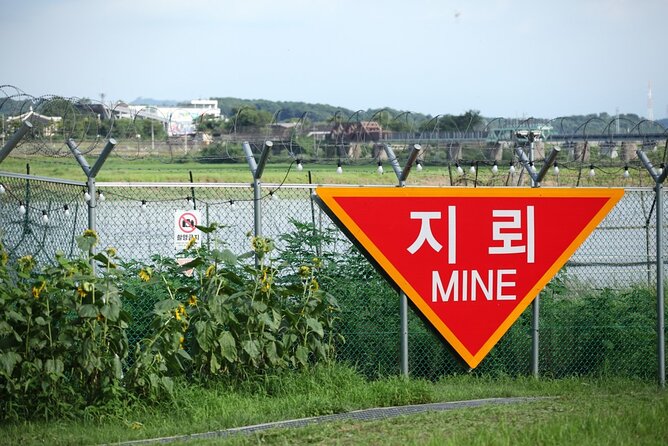
A DMZ day trip can feel either overwhelming or vague. Here, the rhythm is clear: you start in the Seoul area, then you work your way through key sites that connect the “why” to the “what.” That matters because the DMZ is not just scenery. It’s a zone designed around conflict, tension, and separation, so context changes how you experience every stop.
I like that you get multiple layers in one go. You’re not only walking at observation points. You also go through tunneling history, exhibition stops, and bridge crossings that put the geography into a story. Then you layer optional visual rewards, like the Imjin River perspective from the gondola or the suspension bridge viewpoints.
Also, this is a guided day, with round trip transfers and an English-speaking guide/driver. When you’re dealing with checkpoints, crowds, and timed entry areas, guidance is not a luxury. It’s what keeps the day from turning into guesswork.
Day-by-day route: Monday 2nd tunnel vs Tue-Sun 3rd tunnel
The tour changes by the day of the week, and that’s the biggest planning tip I can give you.
Mondays: 2nd tunnel plus Peace Observatory and a train stop
On Mondays, the focus shifts away from the 3rd tunnel. You visit the 2nd tunnel, Peace Observatory, Woljeongri train station, and a suspension bridge option. If you’re choosing based on what you most want to see, Monday is the day to pick for that specific set of sites.
Tue-Sun: 3rd tunnel, Dora Observatory, and Unification Village
From Tuesday through Sunday, the tour visits the 3rd infiltration tunnel and continues to Dora Observatory, plus Unification Village (you pass through). You also visit DMZ exhibition elements as part of this route. Optional add-ons like the gondola and suspension bridge depend on what you selected when booking.
More high crossings in Seoul
- Signature DMZ Tour: Exclusive Defector Talk & Suspension Bridge
★ 5.0 · 4,459 reviews - Ultimate Korea DMZ Tour from Seoul (Gondola & Suspension Bridge)
★ 5.0 · 2,396 reviews - DMZ; NK Defector, 3rd Tunnel, Suspension Bridge,Hotel pickup
★ 4.9 · 2,055 reviews - DMZ Tour w/ North Korea Experience Hall & Opt. Suspension Bridge
★ 5.0 · 1,724 reviews - Small Group Tour to DMZ & Suspension Bridge with Hotel Pickup
★ 5.0 · 1,568 reviews
Why this matters for your expectations
If you’ve built your decision around the 3rd tunnel, don’t casually schedule it for a Monday without checking. The experience can feel different because the “core walking challenge” and the viewpoint sequence are not the same.
Imjingak Park and the tunnel sections: what you need to know before you go
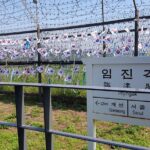
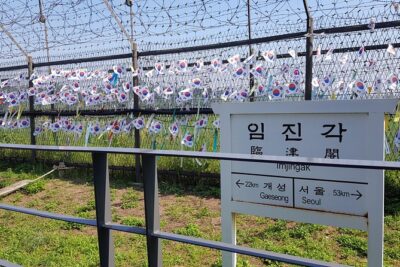
Your day starts with stops around Imjingak. You’ll visit Imjingak Park related areas and see the Freedom Bridge as part of the flow. This is one of those places where the DMZ topic suddenly becomes human, not abstract. The setting is designed to be a holding point for memory and longing tied to the border.
The tunnel experience is the main physical test
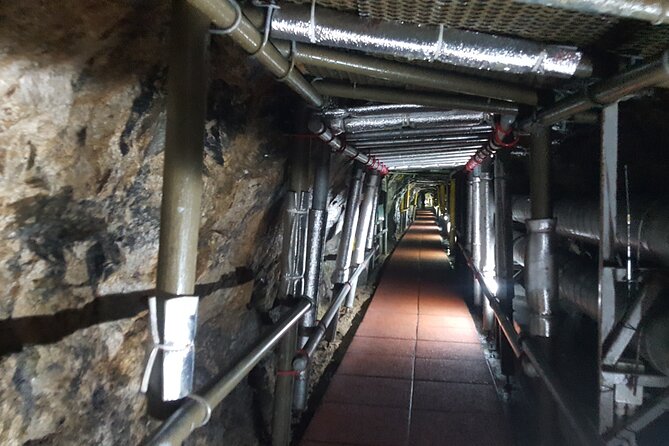
The tour includes a tunnel visit, either the 2nd or 3rd depending on day. This is not an effortless attraction. Some parts involve steep climbs, and the tunnel itself can be physically demanding.
For the 3rd tunnel, the tour notes intermediate-level hiking is required, and there are restrictions. If you have heart disease, significant back issues, leg problems, or respiratory problems, you cannot enter the 3rd tunnel. Even if you’re generally fit, plan for the climb and the time on uneven ground.
Also, I want you to mentally prep for the low-ceiling feel some tunnel sections create. One guide-led comment in the feedback points out the tunnel can be very low, so you should be ready to stoop during portions of the walk.
If the 3rd tunnel is unavailable
The tour includes a practical contingency: if the 3rd tunnel is unavailable, it can be swapped to another destination. That’s important because DMZ access can be affected by weather and political conditions. You won’t necessarily lose the entire day, but you might see a different set of specific stops than you planned.
Crossing into the viewpoint story: DMZ exhibition hall and Dora Observatory
After the Imjingak portion, the day moves into the core DMZ experience area. On Tue-Sun, you visit Dora Observatory, and on all routes you get high-impact viewpoints that make the border feel close.
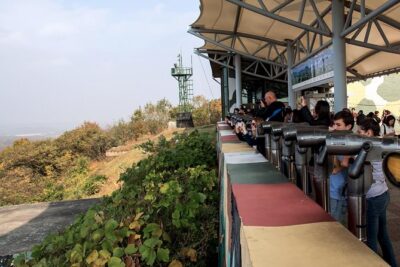
Dora Observatory is the moment where your brain starts connecting multiple dots: the tunnel history, the separation geography, and the idea of what it means to look in the direction of another country that you are not able to freely enter. If weather is clear, you may be able to see toward North Korea, and that potential adds motivation to get through the walking parts earlier rather than later.
The tour also includes DMZ exhibition elements on the Tue-Sun routing. This matters because exhibition stops help you interpret what you’re seeing outside the walls. Without that context, a viewpoint can feel like just a photo stop. With it, you start noticing how the terrain and the border story reinforce each other.
What I’d do with your time at viewpoints
Don’t treat Dora as a selfie sprint. Take a breath, get your bearings, then take photos after you understand what you’re looking at. If your guide is strict about timing, that’s not personal. It’s how the day stays on schedule.
Optional gondola over the Imjin River and the Gamaksan suspension bridge
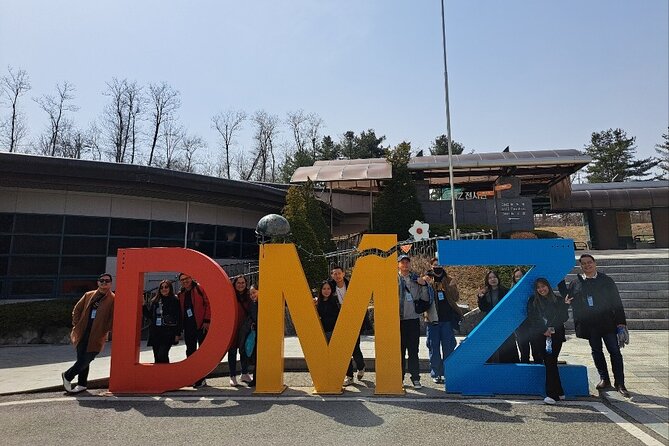
This is where you can customize the day to your interests, and it can also be where you get the most satisfying “reward photos.”
Gondola ride: panoramas of the Imjin River
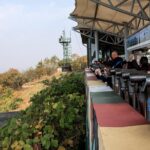
If you select the gondola, you’ll ride to a gallery area (described as Gallery Greaves) for panoramic views. One of the key selling points is the Imjin River view from the cable ride. Even if you’re not a “scenery person,” a river panorama is a great way to reset your brain after tunnel walking.
The gondola is optional. If you choose it, you should be ready for limited time at nearby spots since the day is already tightly packed.
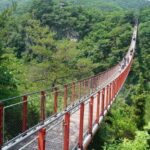
Suspension bridge: Gamaksan swinging views
On Tue-Sun, you may also go to the Gamaksan Suspension Bridge entrance after a short drive. On Monday, you also have a suspension bridge component, just with the Monday route set.
The bridge is a photo magnet, but you should know it comes with walking. Feedback highlights that reaching the bridge involves a hike and climbs, with stairs and slopes that take effort. If leg problems are part of your health picture, be careful with this choice, because the bridge is not a flat, wheelchair-friendly stroll.
Choosing between them (or doing one)
Pick based on your body and your mood:
- If you want views with less climbing, lean toward the gondola.
- If you want the classic “suspension bridge” angle and don’t mind a workout, choose the bridge.
Timing pressure is real, so plan your energy
This is a long day, roughly 7 to 11 hours. Even with round trip transfers and an organized guide, you should treat it like an all-day program, not an easy sightseeing day.
One theme in the feedback is how the guide manages time at stops. At some points, photo and exploring time can be short, and the day can feel “crunchy” if you want to linger everywhere. You also don’t want to be the person running late, because the bus has to keep moving.
My practical suggestion: decide in advance what you care about most. If your priority is the tunnel story and viewpoints, let the quick stops be quick. If you care about stretching out and wandering, you’ll feel more pressure here than on a normal temple tour.
Walking shoes, clothing, and the low-friction packing checklist
Since you’ll deal with climbing and uneven ground, wear comfy shoes. This is one of the most repeated pieces of advice. You’ll also be spending time on slopes and stair sections, so comfortable traction matters more than style.
Also consider:
- Dress in layers. The DMZ area can feel different from central Seoul.
- Wear something you can move in. Tunnel sections and steep climbs do not reward stiff outfits.
- Bring small cash or a card if you want souvenirs. There’s a chance to shop for North Korea-themed currency and stamps in the broader flow, and starting early can help you get that done.
And if you’re carrying luggage, you’ll want to discuss the size and number of bags ahead of time with the operator.
Lunch breaks and what to do with your meal expectations
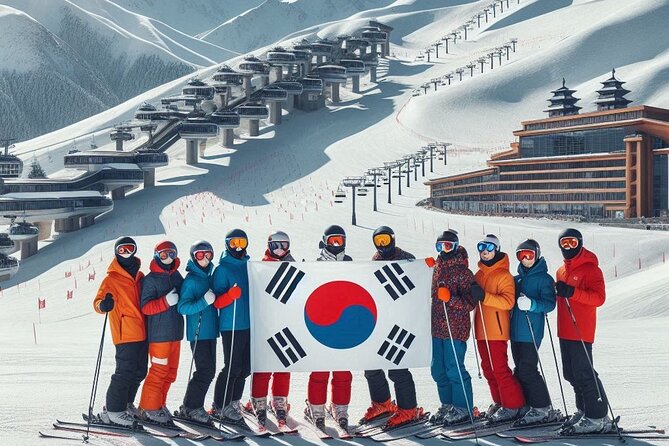
Meals and beverages are not included. That means you should budget for snacks and plan for a short lunch stop. Feedback includes mixed experiences with lunch, including notes that lunch time and the lunch area may not always feel ideal.
One practical workaround: eat a real breakfast before pickup, then plan to snack between stops. If you love Korean food, the lunch stop can still be a pleasant moment, but it’s best treated as a necessary pause, not a culinary highlight.
When weather and politics change the plan
This tour depends on conditions. The operator states it can be canceled due to weather or political situations, and if that happens you’ll be offered a different date or a full refund. In other cases, the 3rd tunnel can be swapped if it’s unavailable.
This is not the tour for people who hate uncertainty. If your schedule is fixed and you truly cannot shift dates, you’ll want to build in flexibility.
On the bright side, the value here is the overall DMZ context. Even if the exact tunnel or bridge component varies, you still get the core story beats that connect the border sites to the country’s modern history.
Who this DMZ tour is best for
This tour is best for you if:
- You want a guided, structured DMZ overview without piecing together transport on your own.
- You like history you can see and walk through, not just read.
- You’re comfortable with a workout level day, including stairs and slopes.
It’s less ideal if:
- You need to avoid steep inclines or have health restrictions related to the 3rd tunnel.
- You want a relaxed, slow-paced day where you can linger for long stretches at every viewpoint.
- Tight spaces bother you. Tunnel areas can be very low-ceiling in parts, so you’ll stoop.
Price and value: why about $46 can still feel worth it
At about $45.86 per person, this is not priced like a luxury excursion, and it doesn’t pretend to be. What makes it good value is what you get bundled: air-conditioned transport, round trip transfers, English-speaking guide/driver, admissions, and access to the major DMZ attractions for the day.
You’re also not paying separately for everything. Attractions are included, and if you pick the gondola and/or suspension bridge option, that ticketed component is included too. So your main extra cost is basically meals and whatever souvenirs you choose.
The big “value check” is this: you’re paying to convert a complicated, time-sensitive border area into one organized day. For many visitors, that convenience alone is worth more than the ticket price.
Should you book this DMZ guided tour?
Yes, if you want an organized, high-impact DMZ day and you’re prepared for walking and time pressure. The combination of major sites, plus optional gondola or suspension bridge viewpoints, makes it easy to tailor the day to what you want most.
I’d book it especially if you value great guiding and structure. Feedback names guides like Patrick, April, and Roy for organization and strong historical explanations, and that kind of guidance matters here. This is a place where you’ll understand more when someone keeps the story straight.
I would not book it if you’re unsure about the physical side, especially for the 3rd tunnel. If you have health limits related to the tunnel or you hate stairs and slopes, choose more carefully and consider skipping the tunnel-focused days or selecting the safer route if offered.
FAQ
How long is the DMZ guided tour from Seoul?
It runs about 7 to 11 hours, depending on the day and conditions.
What does the tour include for entry and guiding?
You get an air-conditioned vehicle, an English-speaking tour guide/driver, round trip transfers, and admission to the included attractions.
Is a gondola or suspension bridge included in the price?
Both are optional. If you select the gondola option, your gondola ride ticket is included. If you select the suspension bridge option, the suspension bridge visit is included. You can choose when you book.
Which tunnel is visited on Mondays?
On Mondays, the tour visits the 2nd tunnel, plus Peace Observatory and Woljeongri train station, along with the suspension bridge.
Which tunnel is visited from Tuesday to Sunday?
From Tuesday to Sunday, the tour focuses on the 3rd infiltration tunnel, along with Dora Observatory and Unification Village, plus other DMZ experience stops.
Can I meet a North Korean defector on this tour?
Meeting a North Korean defector is optional, depending on what you select.
Do I need good weather for this experience?
Yes. The tour requires good weather, and it may be canceled if conditions are not suitable.
What happens if the 3rd tunnel is unavailable?
If the 3rd tunnel is unavailable, the tour can be changed to another destination.
Are there health restrictions for the 3rd tunnel?
Yes. If you have heart disease or significant back, leg, or respiratory problems, you cannot enter the 3rd tunnel.
Can I cancel and get a refund?
Yes. You can cancel up to 24 hours in advance for a full refund, and cancellations due to weather or political situations can result in a reschedule or a full refund.
More Seoul Write-Ups
More Bridges Worth the Nerve
The Border, Other Routes In
Fresh on the Seoul pile
- Unique Native Experience : Han River Picnic, Board game, BBQ★ 5.0 · 3 reviews
- 2-Hour Private Kayaking and Paddleboarding Experience in Hanriver★ 5.0 · 3 reviews
- Korean Folk Village & Suwon Hwaseong Fortress Private Tour★ 5.0 · 3 reviews
- Seoul Korean BBQ Dinner Experience with Secret Food Tours★ 5.0 · 3 reviews
- Seoul Highlights & Hidden Gems – Private Tour with Photo Service★ 5.0 · 3 reviews
- Night Food Tour in Seoul with Traditional and Modern Cuisine★ 5.0 · 3 reviews
DMZ & Border Tours you might have missed.
 ★ 5.0Best DMZ Tour Korea from Seoul (Red Suspension Bridge Optional)From $2941,422 reviews
 ★ 5.0DMZ Tour: 3rd Tunnel, Option(Suspension Bridge, Boat) from SeoulFrom $3521,373 reviews
 ★ 5.0DMZ tour south Korea from Seoul (NK experience hall, defector)From $2620,599 reviews
 ★ 4.9DMZ Insider Tour: 3rd Tunnel, NK Defector Meet & Red BridgeFrom $5015,214 reviews
 ★ 4.8Seoul: DMZ Tour with Optional Suspension BridgeFrom $455,277 reviews
 ★ 5.0Signature DMZ Tour: Exclusive Defector Talk & Suspension BridgeFrom $274,459 reviews
 ★ 5.0Thrilling Korean DMZ 3rd Tunnel Tour from Seoul + Red Bridge RushFrom $353,097 reviews
 ★ 5.0DMZ Past and Present: Korean Demilitarized Zone Tour from SeoulFrom $372,481 reviews
Where this tour also appears