
REVIEW · WALKING TOURS
Buam dong Walking Tour Art, History and Parasite in Seoul
Buam-dong is a quiet Seoul twist. This 2.5-hour walking tour threads together art, Cold War era stories, and mountain views in a hillside neighborhood most people skip. I especially love the way the guide brings the area to life, not just with facts but with place-based context, and I also like the finish at Mugyewon, a traditional cultural space that gives you a calm payoff after the walking.
The main drawback to plan for is the pace and terrain. You should have moderate physical fitness, and you will be on foot through a neighborhood with slopes and steps.
In This Review
- Key things you will enjoy most
- Why this Buam-dong tour feels different from standard Seoul walks
- Getting oriented fast, then settling into the neighborhood
- Buam-dong as your setting: history meets art and views
- The Cheongun (Chungwoon) Literature Library stop you will remember
- Seoul City Wall and Changuimun Gate (Jahamun Gate)
- Poet Yoon Dong-ju’s Hill: where literature meets the outdoors
- A Parasite filming location, without turning the whole tour into a movie recap
- Finishing at Mugyewon: the calm Hanok cultural space payoff
- The value question: is $38.50 worth it?
- Who this tour suits best (and who might want a different plan)
- Practical tips before you go
- Should you book the Buam-dong Walking Tour?
- FAQ
- How long is the Buam-dong Walking Tour?
- How much does the tour cost?
- What is the meeting point and start time?
- Is the tour admission-free at the stops?
- How many people are in the group?
- Is cancellation allowed and how far in advance?
Key things you will enjoy most
- Buam-dong’s hillside feel: a peaceful walk with big Seoul skyline and mountain views
- Hanok library visit: Cheongun (Chungwoon) Literature Library, Seoul’s first Hanok library
- Seoul City Wall focus: time at Changuimun Gate (Jahamun Gate) with defense and heritage context
- Poet Yoon Dong-ju’s Hill: literary history tied to views over multiple mountain ranges
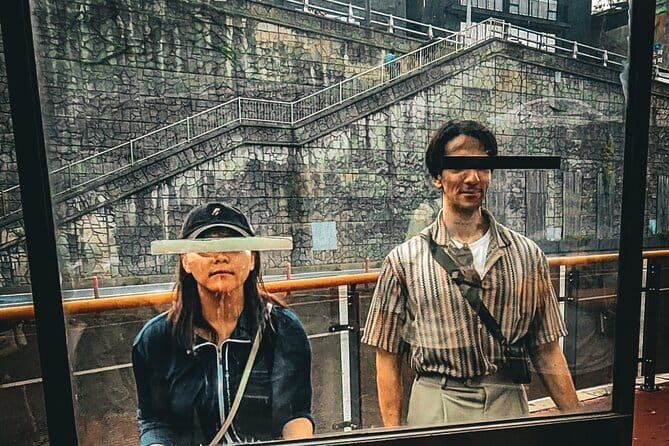
- Parasite filming location: a film spot that connects popular culture to real streets
- Small group size: capped at 15 travelers, so you get more conversation with the guide
Other walks we have covered in Seoul
Why this Buam-dong tour feels different from standard Seoul walks
If your Seoul plans are mostly palaces, markets, and high-rise views, this tour is a nice counterweight. Buam-dong sits in a hillside pocket where the street scale feels human, and you get that slow, winding rhythm that walking tours do best. The time on the ground matters here, because the neighborhood’s layout shapes how the stories land.
What I like is that you are not only moving from landmark to landmark. You are learning why the neighborhood looks and feels the way it does. The guide explains the area’s background as you ride to Buam-dong, then you continue the thread on foot, mixing art stops, literary stops, and viewpoints.
You also get variety without it feeling chaotic. You have quiet interior moments (like the Hanok library and Mugyewon), plus outdoor segments where the city’s geography becomes part of the lesson. For anyone who wants Seoul to feel less like a checklist, this kind of route is a smart fit.
Getting oriented fast, then settling into the neighborhood
The tour starts at 2:00 pm at 시민약국106-3 Jeokseon-dong, Jongno District, Seoul, South Korea. From there, you take a short bus ride to Buam-dong (about 10 minutes). That matters more than it sounds. You avoid the “first stop is a long slog” problem, and you can start learning right away while you’re in transit.
Once you arrive, you transition into a walk that feels like the neighborhood is steering you. Expect a mix of paved paths and sloped sections. If you are the type who likes to stop, look, and read a little, you will match the tour style well.
With a maximum of 15 travelers, the group stays manageable. That makes a difference on viewpoints and at gates, where you want everyone to be able to hear the guide and still take photos without a traffic jam.
Buam-dong as your setting: history meets art and views
Buam-dong is the core of the whole experience. The tour treats it like more than a backdrop. You begin with a primer during the short ride, then you explore the neighborhood in a way that connects street corners to bigger historical themes.
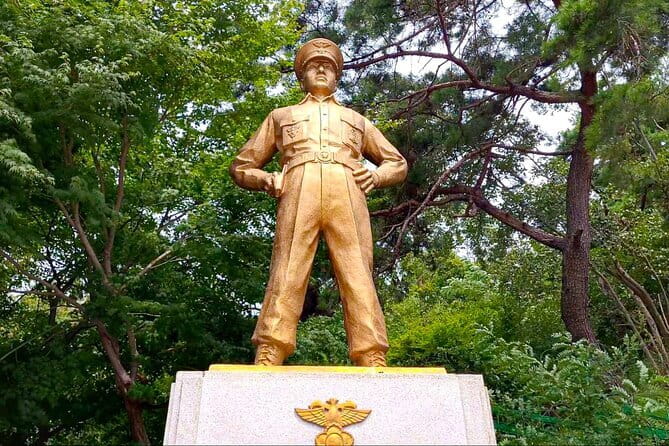
One highlight is the Choi Gyu-sik Memorial Statue. The tour uses it as a starting point for stories about the area and the kind of Korean identity that shaped modern Seoul. The emphasis is on understanding context, not just taking a photo and moving on.
You will also hear about Cold War history. That is a big topic, but the tour keeps it grounded by tying events and attitudes to real spaces you can stand in today. It is the kind of framing that helps you see why Seoul neighborhoods carry layered meanings.
And then there are the views. The tour route is planned so you get scenery over Bugaksan, Inwangsan, and Bukhansan. Even if you are not a “lookout person,” the way the guide points out sightlines makes these moments feel earned, not random.
The Cheongun (Chungwoon) Literature Library stop you will remember
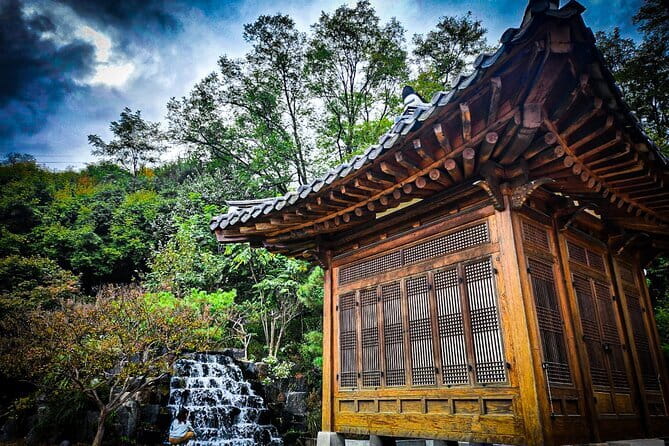
Next you visit Cheongun Literature Library, also listed as Chungwoon Literature Library. This is Seoul’s first Hanok library, which already sets expectations: it is quieter, slower, and more architectural than a typical library experience.
The tour gives you about 20 minutes here, and the instruction is simple. Take it in. The atmosphere is the point. You get traditional architecture in a space designed for words and reflection, so it feels like a pause in your day rather than another sprint to the next site.
If you like “small stops” that make a bigger impact, this is that kind of stop. Libraries in Korea can be both modern and traditional, but this one is specifically tied to Hanok culture. It is a chance to notice how people built environments for learning and reading, not only for showing off heritage.
The potential drawback is that this stop is peaceful, so if you prefer fast pacing and constant movement, you might wish you had more time at the city viewpoints. Still, for most people, it balances the walk perfectly.
Other history-led days in Seoul
- Seoul: Evening Dark History, Folklore & Ghost Story Walking Tour
★ 5.0 · 593 reviews - Hanbok Photoshoot and History Tour at Gyeongbokgung Palace
★ 5.0 · 276 reviews - Seoul: City Highlights and Historical Experience No Shopping
★ 5.0 · 74 reviews - Street photoshoot and Seoul Hidden gem History Walking Tour
★ 5.0 · 68 reviews - Discover Seoul: Local Life and History
★ 4.5 · 53 reviews
Seoul City Wall and Changuimun Gate (Jahamun Gate)
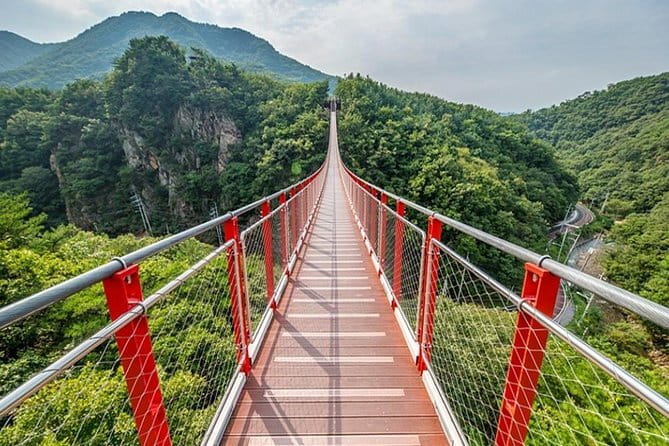
One of the tour’s strongest stretches is the focus on the Seoul City Wall and Changuimun Gate, also called Jahamun Gate. You get about 15 minutes at this historic area, which is not a long time, but the guide makes it count.
The emphasis here is practical and interpretive: how these structures mattered for defense and how they shaped the heritage people still carry forward. You are not just looking at old stone. You are learning how a city planned movement, control, and safety through gates and walls.
If you have been to other city wall sections in Seoul, you can still appreciate this one because it is tied to Buam-dong’s hillside relationship to the wider city. The wall is a reminder that Seoul has always had geography as a major character.
One consideration: because you are moving and viewing while learning, it helps to have your phone battery charged. You will likely want photos with the wall, plus skyline shots from nearby higher ground.
Poet Yoon Dong-ju’s Hill: where literature meets the outdoors
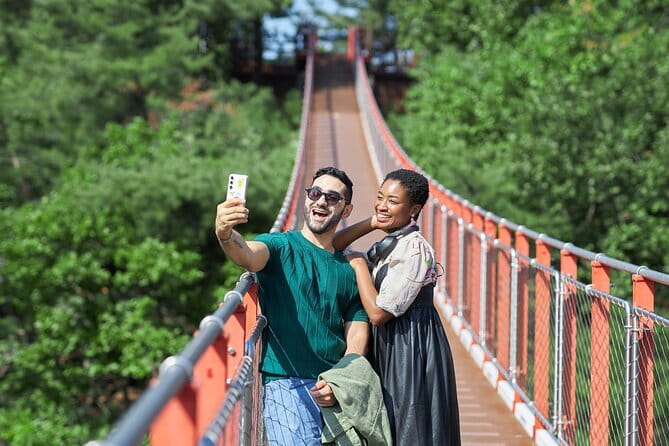
The tour includes the Hill of Poet Yoon Dong-ju, a stop that blends meaning with landscape. I like this part because it is not just “a person’s legacy in a plaque.” You are in an outdoor setting where you can connect literature to place.
This hill also connects to the broader mountain-view theme. When you can see how the terrain frames a place, it helps you understand why certain poets, artists, and thinkers are linked to Seoul’s hills. The tour’s pacing gives you time to stand, look, and let the guide’s explanation land before you head onward.
This is also a good moment for a quick snack break if you brought one. The tour provides no food stop details, so come ready with water, especially in warmer months.
A Parasite filming location, without turning the whole tour into a movie recap
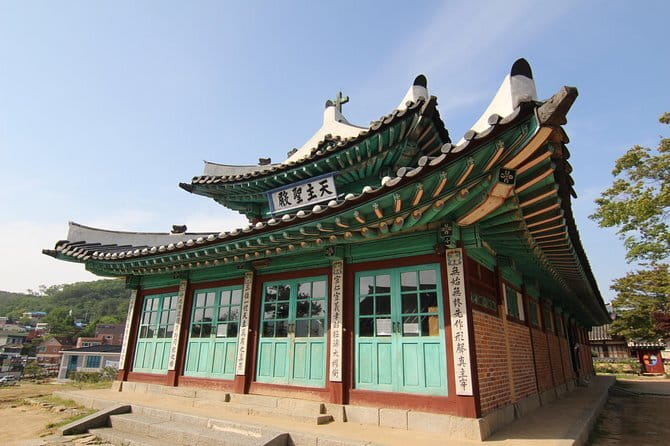
One stop is a Parasite filming location. That gives the tour a contemporary pop-culture hook, but it does not have to turn into trivia-only sightseeing. What makes this work on this tour is that it is tied into the real neighborhood fabric. You get to see how a well-known screen moment relates to the street and hillside scale around it.
This is ideal if you enjoy film and want the connection to feel more authentic than a photo at a sign. You are not just chasing an image. You are using the location as a doorway into understanding how the neighborhood looks and functions in real life.
If you are not a film person, you can still enjoy it. The tour’s bigger strength is the blend of history, art, and viewpoint storytelling.
Finishing at Mugyewon: the calm Hanok cultural space payoff
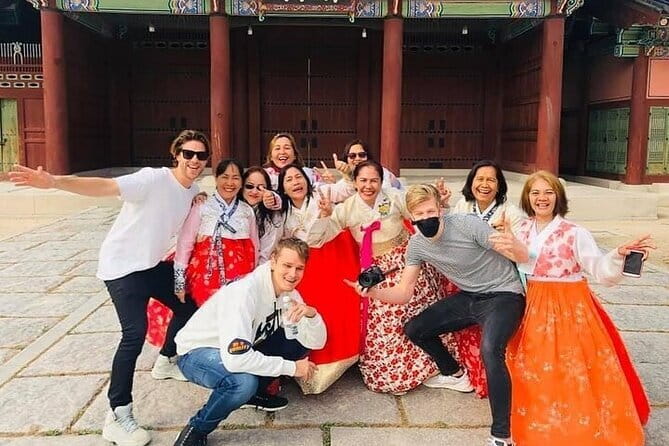
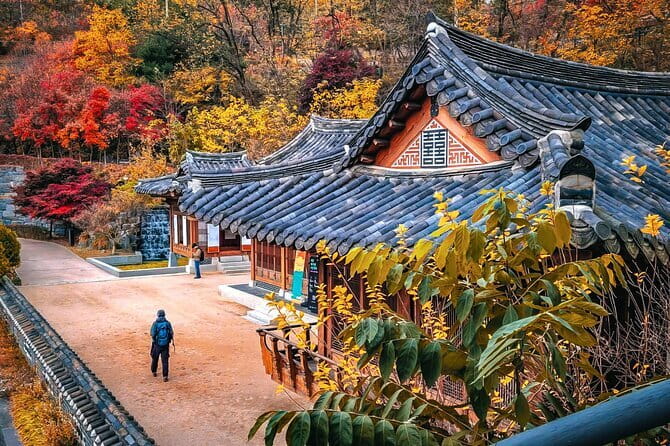
The tour finishes at Mugyewon, a traditional Korean house that once served as the villa of Grand Prince Anpyeong. You get about 20 minutes here, and the finish is purposeful. After the outdoor walking and hillside views, Mugyewon offers a more settled, reflective ending.
This stop is a strong choice for pacing. It lets you shift from “moving and learning on the street” to “slowing down in a space built for lingering.” You get that old-world elegance in a part of Seoul that feels removed from the rush.
Even if you are not focused on noble history, Mugyewon is valuable because it is a cultural space, not just a backdrop. The setting gives you a last round of context for how traditional residences functioned and how people designed for comfort and status.
When a tour ends somewhere like this, you leave with a more complete emotional picture of the neighborhood, not just a set of photos.
The value question: is $38.50 worth it?
At $38.50 per person for about 2 hours 30 minutes, the value depends on what you want from Seoul sightseeing.
This price works well because:
- You cover multiple categories in one outing: neighborhood history, art sites, literary space, city wall heritage, viewpoints, and a Parasite location.
- Most stops are admission-free in the way the tour is structured, so you are not paying your way through entry fees.
- The group is small, capped at 15, which usually means better guide interaction.
- You get a real neighborhood feel instead of only big-ticket sights.
If you only want “major Seoul icons,” you might feel this is too focused. But if you want authentic atmosphere and stories that make the geography make sense, this is a fair price for a well-shaped walking experience.
I also like that you get a mobile ticket. It keeps friction low once you are in the city.
Who this tour suits best (and who might want a different plan)
This tour is especially good for you if you:
- Want a Seoul walk that feels less crowded and more neighborhood-based
- Enjoy history told through places you can stand in
- Like art and literature stops, not just architecture photo ops
- Want mountain views as part of your sightseeing
You might choose differently if you:
- Prefer car-based tours or want minimal walking on slopes
- Need a very long time at each site, since some stops are intentionally short
- Are strictly shopping-oriented and mostly interested in shopping districts
Practical tips before you go
A few small things will improve the day:
- Wear shoes with grip. Buam-dong is a hillside neighborhood.
- Bring water. The tour is compact, but it is still walking time plus outdoor viewpoints.
- Have your camera ready for Bugaksan, Inwangsan, and Bukhansan views.
- If you like asking questions, you will benefit from the small group size.
Also, if you are the sort of traveler who enjoys humor and personality in a guide, this experience has that covered. One thing I took from the guide feedback is that Jon is described as super nice and funny, which usually means the stories land in a relaxed way, not a lecture way.
Should you book the Buam-dong Walking Tour?
I’d book it if you want Seoul to feel personal and place-based. This tour is built to help you understand a quieter corner of the city through art, literature, city wall heritage, and viewpoints, with the added bonus of a Parasite location for modern context. The small group size and the guide’s storytelling style (including Jon’s humor) are big reasons this feels memorable rather than generic.
Skip it if you are only interested in the biggest, most famous Seoul monuments and you do not enjoy walking hills. Otherwise, it is a smart use of an afternoon and a solid way to see a side of Seoul that most itineraries do not cover.
FAQ
How long is the Buam-dong Walking Tour?
The tour lasts about 2 hours 30 minutes.
How much does the tour cost?
It costs $38.50 per person.
What is the meeting point and start time?
The meeting point is 시민약국106-3 Jeokseon-dong, Jongno District, Seoul, South Korea, and the tour starts at 2:00 pm.
Is the tour admission-free at the stops?
The tour information lists admission ticket free for the included stops.
How many people are in the group?
The tour has a maximum of 15 travelers.
Is cancellation allowed and how far in advance?
Free cancellation is available. You can cancel up to 24 hours in advance of the experience for a full refund.
Shoe Leather Around Seoul





Keep Browsing Seoul



More Seoul Write-Ups
Fresh on the Seoul pile
- Unique Native Experience : Han River Picnic, Board game, BBQ★ 5.0 · 3 reviews
- 2-Hour Private Kayaking and Paddleboarding Experience in Hanriver★ 5.0 · 3 reviews
- Korean Folk Village & Suwon Hwaseong Fortress Private Tour★ 5.0 · 3 reviews
- Seoul Korean BBQ Dinner Experience with Secret Food Tours★ 5.0 · 3 reviews
- Seoul Highlights & Hidden Gems – Private Tour with Photo Service★ 5.0 · 3 reviews
- Night Food Tour in Seoul with Traditional and Modern Cuisine★ 5.0 · 3 reviews
Walking Tours you might have missed.
 ★ 5.0Seoul moonlight walking tour with local historianFrom $31940 reviews
 ★ 5.0Seoul: Nighttime Hidden Gems Walking TourFrom $33775 reviews
 ★ 5.0Seoul: Evening Dark History, Folklore & Ghost Story Walking TourFrom $42593 reviews
 ★ 4.8Seoul: Dark Side of the City and Ghost Stories Walking TourFrom $42484 reviews
 ★ 5.0Gangnam Walking Tour on Youth and Society in Seoul KoreaFrom $31401 reviews
 ★ 4.8Seoul: Gyeongbok Palace and Bukchon Hanok Walking TourFrom $88157 reviews
 ★ 5.0Best Walking Tour to Gyeongbok Palace Bukchon Hanok VillageFrom $88138 reviews
 ★ 4.5Highlights & Hidden Gems With Locals: Best of Seoul Private Walking TourFrom $12383 reviews
Where this tour also appears