
REVIEW · MYEONGDONG, HONGDAE & GANGNAM
Gangnam Walking Tour on Youth and Society in Seoul Korea
Gangnam tells a different Seoul story. This walking tour uses the slick, modern streets of Gangnam to talk about pressures on young South Koreans, from education to beauty culture, without hiding the harder parts of daily life. You’ll hear the story through local perspectives and real neighborhood backdrops, not just picture-perfect sights.
I love the small group size, capped at 15, because it makes the walk feel like a conversation. I also love that the guide builds in time to ask questions, so you can steer the focus toward what you actually want to understand.
One thing to consider is the tone: you are walking through serious themes, and the pacing can feel like a lot of walking (people have noted it can be challenging for less mobile travelers).
In This Review
- Key Things That Make This Tour Worth Your Time
- Entering Gangnam Through Youth and Society
- Gangnam Station Square: Development, Money, and Housing Pressure
- 호텔시애틀: Love Hotel Culture Up Close
- Gangnam Daeseong Cram School: The Education Pressure Behind Everything
- Sinsa-dong Plastic Surgery Streets: Lookism, Beauty, and Reality
- Hangang Park Playground: Development, Suicide, and the Hard Conversations
- Pace, Subway Use, and Where the Tour Starts
- Price and Value: What $31.98 Really Buys
- Guides June and Jessica: Storytelling That Stays Grounded
- What You’ll Learn, Not Just Where You’ll Walk
- Who Should Book This Tour, and Who Should Skip It
- Quick Tips to Get the Most Out of Your Walk
- Should You Book This Gangnam Walking Tour on Youth and Society?
- FAQ
- How long is the Gangnam Walking Tour on Youth and Society?
- What is the group size limit?
- What does the tour cost?
- Where do I meet, and where do I end?
- Is the ticket digital or paper?
- Is transportation included?
- Are there admission fees at the stops?
- Who operates this experience?
- What happens if the weather is bad?
- Is free cancellation available?
Key Things That Make This Tour Worth Your Time
- Gangnam as a social lens: You look at youth pressures through places most tourists skip.
- Small-group feel: Max 15 people means more back-and-forth, not a lecture in the wind.
- Major topics, plain talk: Beauty industry, cram schools, dating and love motel culture, plus the education and birthrate angle.
- Hands-on neighborhood storytelling: Each stop is tied to a specific idea, so it stays grounded.
- Weather-ready flexibility: Guides can adjust when it rains, while keeping the main themes on track.
Other neighbourhood nights out in Seoul
Entering Gangnam Through Youth and Society
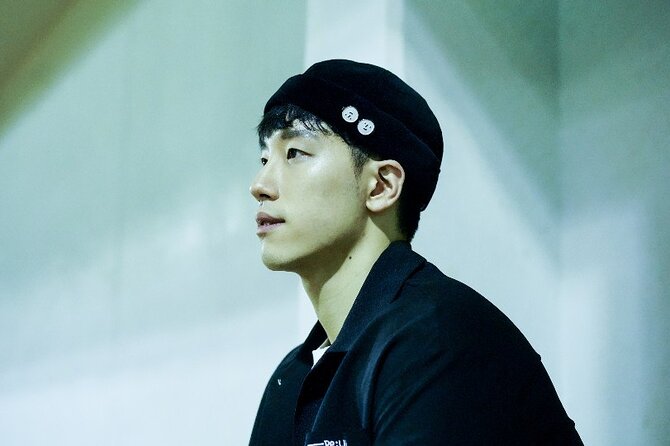
Gangnam is famous for style, money, and K-pop vibes. This tour uses that same setting to ask a tougher question: what does success cost, especially for the young?
The big value here is perspective. Instead of treating Gangnam like a theme park, the guide frames it as a place where social rules get very visible, especially around appearance, education, and relationships. And since the group is small, the tone stays human. You are not just collecting facts, you are learning how people think and why certain pressures show up so strongly.
You’ll also notice the tour is practical about what it covers. It is not trying to hit every landmark in the city center. It focuses on a compact route with clear stops, each connected to a real aspect of modern youth life in South Korea.
Gangnam Station Square: Development, Money, and Housing Pressure
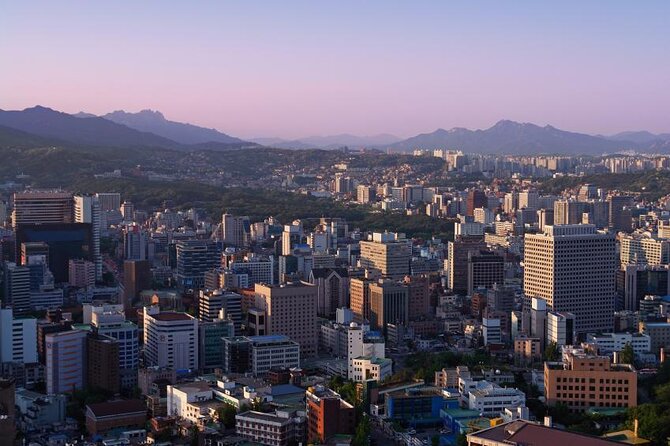
The walk begins around 강남역사거리 (Gangnam Station Historical Square), an area tied to Gangnam’s rise as the country’s most developed, wealth-dense district. From here, the guide sets the historical and social context, including how rapid development connects to present-day housing problems.
This first stop matters because it gives you the why before the what. You get a sense of why Gangnam looks the way it does, and why young people end up negotiating huge expectations in a city built around speed, status, and growth. It also helps you understand how “achievement” can become a daily stress source, not a distant national story.
Tip for your brain: pay attention to the contrast. Gangnam can look glossy on the surface, but the conversation starts linking that polish to real-world pressure points.
호텔시애틀: Love Hotel Culture Up Close
Next you visit the area around 호텔시애틀, a love hotel district. The guide uses this setting to talk about love culture and how relationships show up in everyday spaces.
This is one of those stops that feels a bit unexpected if you were hoping for classical tour vibes. But it is also exactly the point. In a culture where dating and romance can be influenced by family expectations, social norms, and practicality, love hotels are part of the visible ecosystem.
What I like about this stop is that it gives you a concrete reference point. You are not only hearing theories. You are seeing how the neighborhood is shaped for the way young people date and manage privacy, convenience, and social boundaries.
If you prefer tours that stay strictly “light,” this stop is where you’ll feel the shift. Still, it is handled as culture and context, not shock value.
Gangnam Daeseong Cram School: The Education Pressure Behind Everything
Then the tour shifts into education life at Gangnam Daeseong Cram School, one of the area’s most famous private institutes. The guide connects it to education culture and touches on how this system relates to birthrate pressures as well.
This stop is powerful because cram schools are not a small side topic in South Korea. They are part of the social structure that shapes schedules, spending priorities, and long-term family decisions. Even if you only remember one theme from this tour, it’s likely to be how education becomes a gatekeeper.
You’ll also get a sense of what “pressure” means in practice. It is not just grades. It’s time, money, and the feeling that youth needs to sprint constantly toward the next milestone.
A practical note: this part of the walk tends to reward listeners who like questions. If something feels unclear, ask. The guide’s whole approach is built around answering you, not just delivering a script.
Other walks we have covered in Seoul
- Seoul moonlight walking tour with local historian
★ 5.0 · 940 reviews - Seoul: Nighttime Hidden Gems Walking Tour
★ 5.0 · 775 reviews - Seoul: Evening Dark History, Folklore & Ghost Story Walking Tour
★ 5.0 · 593 reviews - Seoul: Dark Side of the City and Ghost Stories Walking Tour
★ 4.8 · 484 reviews - Seoul: Gyeongbok Palace and Bukchon Hanok Walking Tour
★ 4.8 · 157 reviews
Sinsa-dong Plastic Surgery Streets: Lookism, Beauty, and Reality

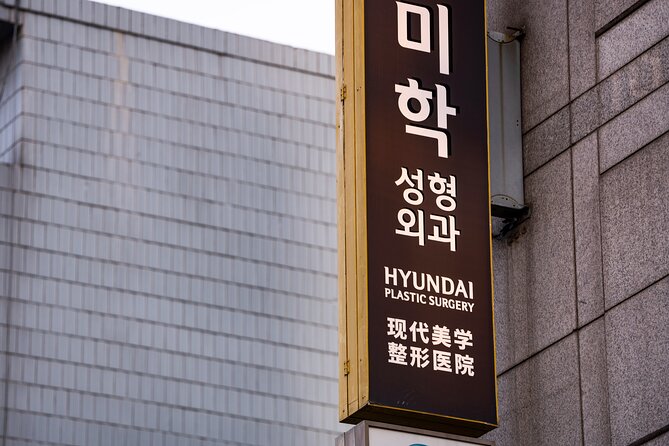
At Sinsa-dong (Gangnam-gu), the tour focuses on an area known for plastic surgery services. Here the guide talks about plastic culture and how appearance-focused standards can affect young people.
This is where the tour’s “modern society” theme becomes very visual. You do not need to be a beauty-industry expert to notice how services, clinics, and marketing shape the street environment. The guide connects that visibility to broader ideas people live with, including lookism, the pressure to match ideals.
I especially like that the tour does not treat beauty as a shallow obsession. It frames beauty culture as something young people are negotiating under economic achievement pressure. In other words, appearance isn’t just vanity. It becomes a form of currency in a high-stakes society.
If you are sensitive to topics like body image, go in knowing the tour covers them directly. It is better to be prepared than surprised.
Hangang Park Playground: Development, Suicide, and the Hard Conversations
The final stop is Hangang Park Playground along the Han River. The tour uses this place to represent development and suicide, bringing up one of the darker sides of how modern stress can spill into real life.
This last segment is important because it ties themes together. Earlier stops talk about systems: education, appearance, relationships, and the social pressures that come with success. Here, you are faced with what happens when people carry too much weight for too long.
I’ll be honest: this part of the tour can hit harder than you expect. The value is that it is discussed in a grounded, place-based way. You are not just hearing an abstract statement. You are watching the city around a river that has become a landmark in South Korea’s modern life, including moments tied to mental health realities.
If you like your travel to stay light, this is the segment that tests that. If you want to understand South Korea as lived experience, it’s also the segment that delivers the most insight.
Pace, Subway Use, and Where the Tour Starts
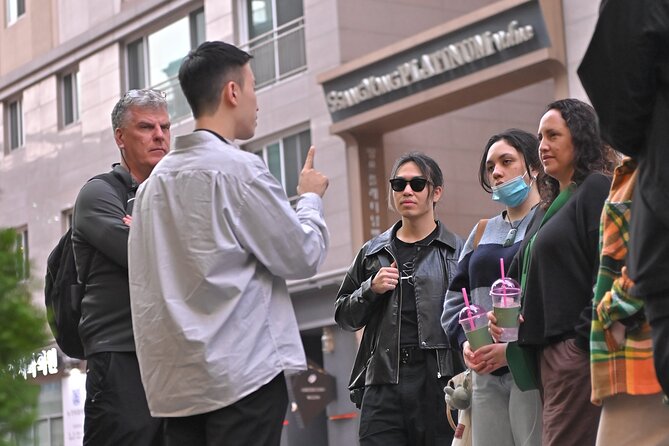
The tour lasts about 2 hours 30 minutes. It is a walking experience with one subway ride included in the route. The transportation fee for the subway is not included, listed at 1800 won.
Meeting point details are specific: you start at 820-10 Yeoksam-dong, Gangnam District, Seoul. You end at Apgujeong Station Exit 4, finishing near Hangang Park.
This matters for value. If you plan your day around a longer museum-style schedule, you might not realize how much time you will spend moving between stops. The upside is the route stays compact and the themes stay tightly tied to what you’re seeing.
Group size is capped at a maximum of 15. That small cap is not a marketing line here. It changes the feel, because it makes questions possible and keeps the discussion from going off into the void.
Also: it runs on a mobile ticket. If you travel with a phone battery that lasts like a teenager on a school night, make sure you bring a charger.
Price and Value: What $31.98 Really Buys
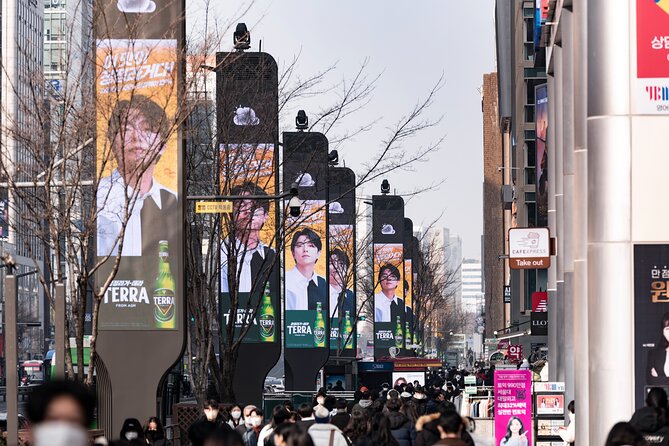
At $31.98 per person, this tour sits in the “small-group city insight” range. The value isn’t just that you get Gangnam streets and photos. You get a guided framework that connects modern youth culture to physical places in the neighborhood.
Here’s what you’re paying for:
- A guided explanation tied to each stop, including serious topics
- A maximum group size of 15
- A format built for questions and personalization
- Admission tickets marked as free for the stops you visit
The one cost caveat is the subway fare (1800 won). Still, one transit payment is manageable compared to tours that add multiple museum tickets or attraction fees.
There’s also an included gratuity note. That can help you avoid that awkward end-of-tour math, at least for tipping expectations.
If you want photos plus a “fun facts” soundtrack, you might feel this is heavier than you expected. If you want understanding, it’s a strong use of time for the price.
Guides June and Jessica: Storytelling That Stays Grounded
The tour is run by SeoulDude’s Walking tours. From experiences shared by past guests, guides June and Jessica are both highlighted for real storytelling and strong handling of tough subjects.
June is noted for history-focused context and transparency about topics like education, birthrates, plastic surgery pressure, and love and dating dynamics. Jessica is praised for being friendly, relatable, and patient, and for keeping the tour impactful even when the weather is rainy.
There’s also a practical comfort element. People mention that the guide modifies plans in bad weather while keeping the key ideas covered. That reduces the risk of a rainy day turning into a half-empty experience.
If you care about how well the guide connects today’s social pressures to the shape of Seoul, look for a guide like June or Jessica if that option appears when booking.
What You’ll Learn, Not Just Where You’ll Walk
This is a tour about under-the-surface Seoul. The main learning themes include:
- How Gangnam’s development connects to modern housing and social pressure
- Love hotel culture and what that suggests about relationship norms
- Cram school culture and how education expectations shape young lives
- Plastic surgery and lookism pressure, and how it shows up in neighborhoods
- Hard conversations around suicide and mental health realities linked to stress
The tour also invites dialogue. Since it is built for questions, you can ask what terms mean in everyday life, or what the bigger social context might be.
I like that the tour does not pretend the “shiny side” is the whole story. That’s how you end up with a more realistic view of Seoul, not a postcard-only version.
Who Should Book This Tour, and Who Should Skip It
This works best for you if you:
- Want modern South Korea explained through real neighborhood scenes
- Like serious cultural context, not just sightseeing
- Enjoy small group conversations with a local guide
- Are curious about how youth deal with education pressure, beauty standards, and relationship norms
It’s less ideal if you:
- Want classic tourist sights and iconic landmarks as the main course
- Prefer a totally upbeat tone with no heavy topics
- Know you’ll struggle with walking for about 2.5 hours, even at a steady pace
A quick rule of thumb: if your ideal tour is “stories with a purpose,” this is for you. If your ideal tour is “only happy and photogenic,” save your energy for another day.
Quick Tips to Get the Most Out of Your Walk
Bring comfortable shoes. The route is short between stops but long enough that you will feel it by the end, based on feedback about walking effort.
Dress for the weather. The experience requires good weather, and there is mention that rain can happen, with the guide modifying the tour to keep things on track.
Come with one or two questions. The guide’s approach is built around Q and A, and that’s where you get the most personal value. If you ask about something you saw on social media or in dramas, you’ll get a grounded explanation tied to what you’re standing near.
And if a topic feels heavy, it’s okay to pause and take in the street around you. The places themselves often make the ideas easier to process.
Should You Book This Gangnam Walking Tour on Youth and Society?
Book it if you want a small-group Seoul experience that explains modern youth pressures through specific places in Gangnam. For $31.98, you get a tightly themed walk with free admission stops, a mobile ticket, and a guide-led conversation that many people rate highly for storytelling and honesty.
Skip it if you want light sightseeing, the kind where you only chase pretty views and famous monuments. This tour intentionally covers the darker side of social life, including topics like education pressure, beauty culture, and suicide, and it does so with directness.
If you’re the type who likes understanding before you Instagram, this tour is a solid choice.
FAQ
How long is the Gangnam Walking Tour on Youth and Society?
It lasts about 2 hours 30 minutes.
What is the group size limit?
The tour has a maximum of 15 travelers.
What does the tour cost?
The price is $31.98 per person.
Where do I meet, and where do I end?
You meet at 820-10 Yeoksam-dong, Gangnam District, Seoul, South Korea. You end at Apgujeong Station Exit 4.
Is the ticket digital or paper?
The tour uses a mobile ticket.
Is transportation included?
The tour includes a subway ride, but the subway fee of 1800 won is not included.
Are there admission fees at the stops?
The listed stops show admission ticket as free.
Who operates this experience?
The experience provider is SeoulDude’s Walking tours.
What happens if the weather is bad?
This experience requires good weather. If it is canceled due to poor weather, you will be offered a different date or a full refund.
Is free cancellation available?
Yes. You can cancel up to 24 hours in advance for a full refund.
Keep Browsing Seoul



More Seoul Write-Ups
More Nights in Hongdae and Gangnam


Fresh on the Seoul pile
- Unique Native Experience : Han River Picnic, Board game, BBQ★ 5.0 · 3 reviews
- 2-Hour Private Kayaking and Paddleboarding Experience in Hanriver★ 5.0 · 3 reviews
- Korean Folk Village & Suwon Hwaseong Fortress Private Tour★ 5.0 · 3 reviews
- Seoul Korean BBQ Dinner Experience with Secret Food Tours★ 5.0 · 3 reviews
- Seoul Highlights & Hidden Gems – Private Tour with Photo Service★ 5.0 · 3 reviews
- Night Food Tour in Seoul with Traditional and Modern Cuisine★ 5.0 · 3 reviews
Myeongdong, Hongdae & Gangnam you might have missed.
 ★ 4.9Seoul: Gangnam Tour on Youth and Society in South KoreaFrom $33466 reviews
 ★ 5.0Seoul: Itaewon Premium Pub Crawl with VIP Bottle ServiceFrom $84101 reviews
 ★ 5.0Korean Home Style Cooking Class in Gangnam SeoulFrom $8540 reviews
 ★ 5.0Seoul Food n Night view with Local Korean BBQ dinner Hongdae st.From $19530 reviews
 ★ 5.0Korea Temple & Starfield Library Gangnam K-BBQFrom $4620 reviews
 ★ 4.5Seoul: 4-Hour Gangnam Walking Tour With Customized ItineraryFrom $15516 reviews
 ★ 5.0Traditional Korean Bookbinding Experience in Seoul, HongdaeFrom $4916 reviews
 ★ 5.0(Private tour) Seoul highlights; Gangnam and beyond TourFrom $30015 reviews
Where this tour also appears