
REVIEW · KOREAN MOUNTAIN HIKES
Spiritual Adventure : Into Inwangsan and Korean Shamanism
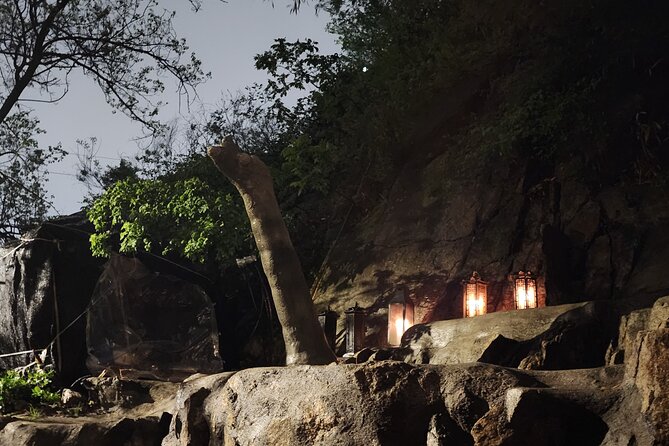
If you want Seoul with a spiritual twist, this is it. This tour on Inwangsan turns Korean shamanism into something you can understand in real-world terms, with shrines, ritual objects, and a real fortune reading experience that is not a stage show. I especially liked the way guide Ethan connects folklore to daily life, and how the route builds to quiet, story-filled moments on the mountain.
One thing to plan for: you will walk uphill and you should have moderate physical fitness, plus the experience depends on good weather.
In This Review
- Key things I’d circle before you go
- Why Inwangsan Works for Korean Shamanism
- Meeting at Dongnimmun and the 2.5-Hour Pace
- Your First Stops: Inwangsan Routes and Sacred Spaces
- Meeting a Real Korean Shaman: What It Is Like
- The Fortune Reading Opportunity, and How to Approach It
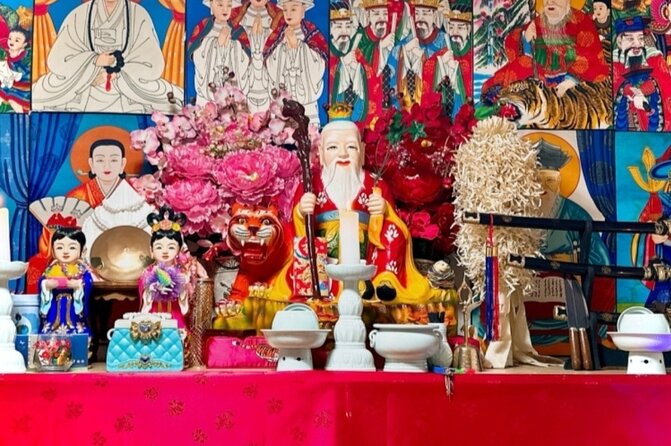
- Ritual Objects and Talismans: Turning Symbol Into Meaning
- How Korean Shamanism Fits With Confucianism, Buddhism, and Modern Life
- Views From the Mountain: Photos Without Losing the Message
- Who Guides This Tour, and Why Ethan’s Style Helps
- Price and Value: What $28.20 Buys You
- What to Bring and How to Prepare
- Good Weather Only: A Real-World Planning Consideration
- Should You Book This Shamanism Experience?
- FAQ
- How long is the Inwangsan Korean shamanism experience?
- Where do you meet for the tour?
- Where does the tour end?
- What is included in the tour price?
- Is public transportation included?
- Is bottled water provided?
- Is this a private tour?
- What should my fitness level be?
- Is the fortune reading part a show?
- What is the cancellation policy if plans change?
- Do I need good weather for this tour?
Key things I’d circle before you go
- Inwangsan shrines plus Guksadang, so you see more than generic sightseeing
- A real shaman and a fortune reading, handled as cultural insight, not entertainment
- Ritual objects explained (candles, chants, offerings, talismans, and what they mean)
- You can ask personal questions, including topics like love, health, and career
- Photo time and Q&A, so you can clarify anything you are unsure about
- Small-group private tour, led by Ethan, with a calm pace that does not feel rushed
More climbs we have reviewed in Seoul
Why Inwangsan Works for Korean Shamanism
Inwangsan is one of those places where Seoul’s modern energy feels a bit far away. The mountain sits inside the city, yet it has that older, spiritual mood you would expect from shrine-hopping. That combination is the main reason this tour clicks: you get the setting right away, and then your guide helps you read the meaning behind what you see.
The core focus is Korean shamanism, also called mudang traditions in many contexts. This tour treats it as living culture. You are not watching a costume drama. Instead, you are walking through sacred spaces and hearing what rituals are for, who they’re connected to, and why people still turn to these beliefs even while Confucian values, Buddhism, and modern life shape the same streets and households.
I liked that the tour does not ask you to accept everything at face value. It offers interpretation and context, then lets you decide what resonates. If you enjoy folklore, symbolism, or religious history presented in plain language, this fits.
Meeting at Dongnimmun and the 2.5-Hour Pace
The tour starts at Dongnimmun Station Exit 3. That is useful because it is a straightforward subway jump point, and you do not need to guess where to meet in a maze of side streets. You end at Muakjae Station near 411 Moraenae-ro. So you get a walk up the mountain and then a clean way to continue on with the rest of your day.
Duration is about 2 hours 30 minutes, which is an ideal length for this kind of spiritual storytelling. Too short and you would feel like you’re catching crumbs. Too long and the walking plus the ceremonial context would start to blur. This length tends to keep the experience focused, with time for photos and a Q&A without turning it into a lecture marathon.
One practical note: the tour calls for moderate physical fitness. You are on a mountain slope. That means steady shoes help, and you should not plan to arrive with heavy fatigue or questionable knees. If you can handle a respectable uphill walk, you are fine.
Your First Stops: Inwangsan Routes and Sacred Spaces
The experience begins with an introduction to Korean shamanism’s roots and its role in modern life. Your guide frames it as a system of meaning. That matters, because shamanism can look confusing from the outside. Candles, chants, offerings, talismans, and specific shrines can seem random if you do not know what each piece is doing.
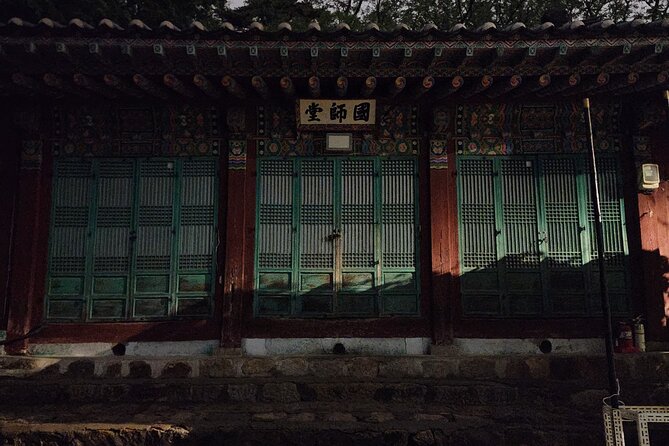
From there, you head to key sites on Inwangsan. One named stop is Guksadang, a sacred place central to the shamanic landscape you are exploring. Even if the names are new to you, your guide gives you the who, what, and why so the sights connect into a story instead of a checklist.
Here’s what you can expect at these stops: the guide explains deities, ritual roles, and the purpose behind the ceremonial items. You also get an on-the-ground sense of how the practice fits into the broader culture around it.
Meeting a Real Korean Shaman: What It Is Like
One of the most praised parts of this tour is the chance to meet a real Korean shaman. That is the moment with the biggest emotional pull for many people, because it feels immediate and human rather than theoretical.
This is also where the tour’s tone matters. The experience is positioned as cultural insight, not entertainment. You are there to understand what the ceremonies mean and how people use them. If you go in expecting a typical tourist show, you will likely miss the point. If you go with curiosity and respect, it can be genuinely memorable.
You may also be able to witness authentic ceremonies that involve candles, chants, and offerings. Your guide walks you through what you are seeing so you can interpret rather than just watch. That’s important because religious rituals often contain symbols that do not translate well if you are only guessing.
- Best DMZ Tour Korea from Seoul (Red Suspension Bridge Optional)
★ 5.0 · 41,422 reviews - DMZ Tour: 3rd Tunnel, Option(Suspension Bridge, Boat) from Seoul
★ 5.0 · 21,373 reviews - DMZ tour south Korea from Seoul (NK experience hall, defector)
★ 5.0 · 20,599 reviews - Seoul: DMZ Tour with Optional Suspension Bridge
★ 4.8 · 5,277 reviews - Signature DMZ Tour: Exclusive Defector Talk & Suspension Bridge
★ 5.0 · 4,459 reviews
The Fortune Reading Opportunity, and How to Approach It
The tour includes a rare opportunity to witness or take part in a fortune reading session. This is described as not a show, which is a big deal. It means the focus is on the practice and the person receiving insight, not on performing for a group.
You can ask personal questions about love, health, or career. If you like having your questions ready, this is a good time to write down a few short ones before the walking begins. Keep them simple. You will get more out of the exchange if you can communicate clearly.
You also have the option to purchase or request a custom talisman. That could be meaningful if you want something tangible to connect to what you learned. If you’re not sure about talismans, that is okay. Think of it as a cultural practice that has a role in how some people cope, reflect, or make sense of uncertainty.
One more practical suggestion: if you are uncomfortable with the idea of personal spiritual advice, you can still treat the reading as cultural observation. Your guide’s job is to explain the meanings so you understand what is happening.
Ritual Objects and Talismans: Turning Symbol Into Meaning
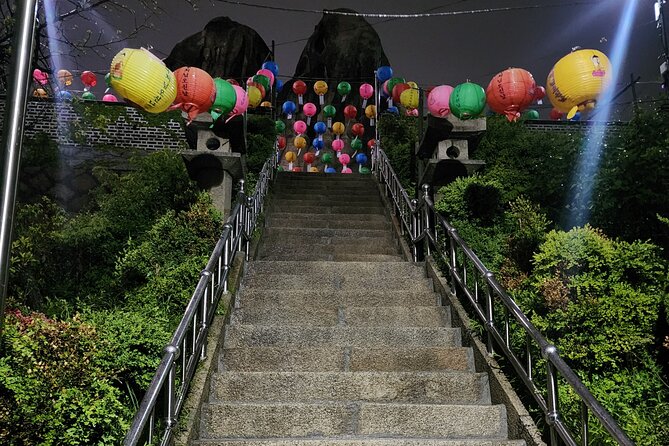
This tour gets credit for something many tours skip: explaining the meaning behind ritual tools. Instead of treating candles, talismans, and offerings as mysterious props, your guide spells out what they represent and how they relate to beliefs and outcomes people seek.
That explanation is where the experience becomes useful even if you are not religious. You learn how symbols work in a spiritual system. You see how people translate uncertainty into ritual actions. You also notice how the symbols interact with values that run through Korean culture.
If you tend to enjoy museum labels, this part will feel like a field trip that finally makes sense. It is the difference between taking photos of shrines and actually understanding why people come back to them.
How Korean Shamanism Fits With Confucianism, Buddhism, and Modern Life
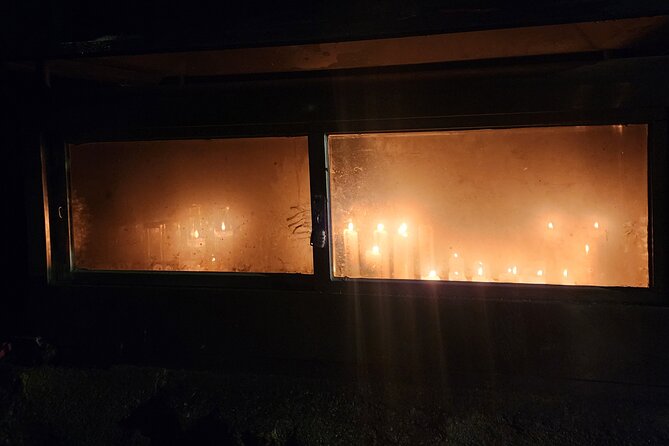
A big theme is how shamanism lives alongside other belief systems. The tour explicitly frames shamanism’s coexistence with Confucianism and Buddhism, and it ties that to modern life in Seoul.
This matters because if you only treat shamanism as an old relic, you miss why it stays relevant. You do not have to agree with every belief to appreciate how communities use multiple spiritual languages to handle real life: family obligations, health worries, career uncertainty, and relationship stress.
The guide also shows how legends and customs still influence what people do now. That is one reason the tour is considered a change from the usual city route of palaces and shopping streets. It gives you a different kind of Seoul context, the kind you feel in everyday attitudes toward luck, rituals, and respectful approaches to unseen forces.
Views From the Mountain: Photos Without Losing the Message
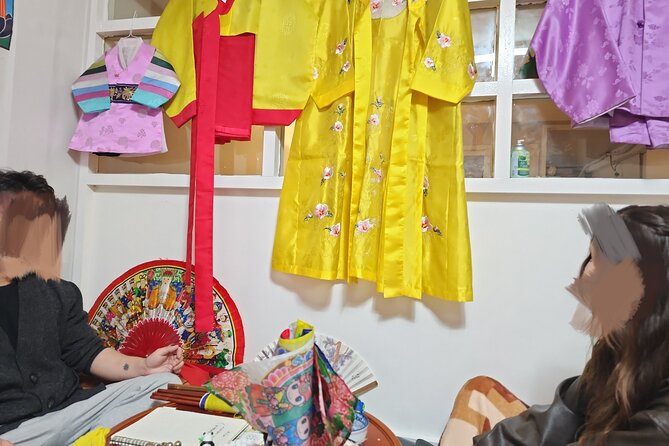
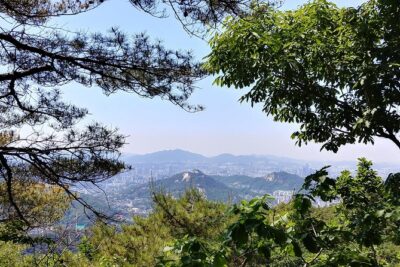
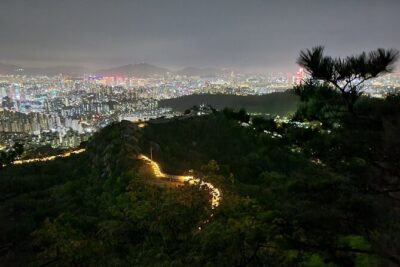
Inwangsan offers city views, and the tour includes time for photos. That is not just for bragging rights. Scenic stops also help you reset your brain. You catch your breath, take a picture, and then your guide returns you to the spiritual story you’re hearing.
The route also gives you mild exercise. People often like that part because it balances the heady content. You spend time learning symbolism, then you walk. Then you stop again at sacred points and connect the story to the place.
If you are camera-happy, you will likely enjoy the photo pauses. Just keep in mind you are in a sacred setting. Follow your guide’s cues about where you can stand and when to lower the phone and just watch.
Who Guides This Tour, and Why Ethan’s Style Helps
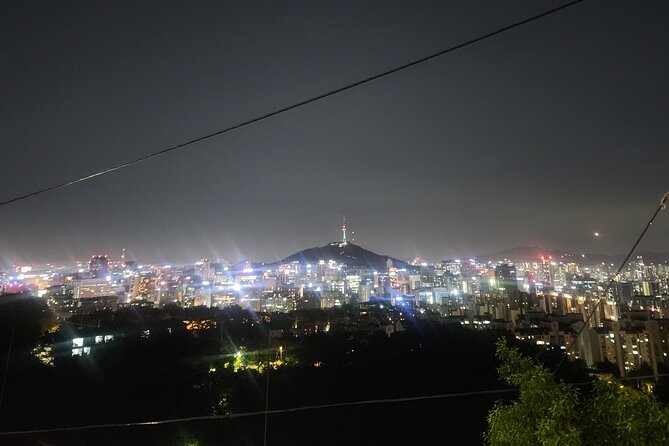
The experience is led by Ethan, and his approach is one of the most repeated reasons for the strong ratings. What stands out is how he keeps the tour structured and comfortable while still letting the spiritual parts feel respectful.
In practical terms, Ethan seems to hit three balances:
- He explains concepts clearly without turning them into a dry lecture.
- He keeps the group moving at a pace that does not feel rushed.
- He makes room for Q&A so you can ask what you actually want to know.
That matters because shamanism is not always an easy subject for visitors. Without good guidance, you might leave with confusing impressions. With a good guide, the same sights become legible.
Price and Value: What $28.20 Buys You
At $28.20 per person, this is not expensive for what you get. You’re paying for more than the mountain walk. You’re paying for interpretive guidance, time on sacred sites like Guksadang, and access to the shamanic portion of the experience, including the chance for a fortune reading and the ritual explanations tied to it.
Here’s what you should budget around:
- You might use an air-conditioned vehicle, but that is marked as optional.
- Public transportation is not included, and bottled water is not included.
- You will want comfortable footwear because you are walking uphill.
When the experience includes guided interpretation plus participation opportunities, the price can feel fair. If you already know you love folklore and ritual symbolism, it can also feel like a bargain compared to paying for more standard sightseeing that does not change how you see a culture.
What to Bring and How to Prepare
This tour’s success depends on simple preparation. Bring what helps you walk comfortably and stay present.
What helps most:
- Comfortable walking shoes for the uphill slope
- A small bag for any personal items
- A few short questions you would like to ask, especially around love, health, or career
- An open mind about ritual as a cultural practice
You do not need to dress like a monk. Just avoid anything that makes walking miserable. If your legs get tired quickly, this is where you might want to pause, slow down, and let the guide set your rhythm.
Good Weather Only: A Real-World Planning Consideration
The experience requires good weather. If it gets canceled due to poor conditions, you will be offered a different date or a full refund.
So, when you book, think about scheduling. If you want flexibility, choose a day where you have backup options. If your schedule is rigid and you only have one day in Seoul free, keep in mind that weather may change plans.
If you are visiting in a season with heavy rain or extreme cold, you might want to plan other indoor activities on either side of your tour date.
Should You Book This Shamanism Experience?
Book it if you want Seoul that goes beyond glossy landmarks and into living beliefs. You’ll probably enjoy it most if you like folklore, symbolism, and the real-life human side of religion, not just the architecture.
Skip it or reconsider if you:
- Struggle with uphill walking, since moderate physical fitness is required
- Hate the idea of participating in or witnessing personal fortune reading, even as cultural insight
- Prefer strictly secular explanations and would feel uncomfortable around ritual ceremonies
If you fall in the middle, you’re still a good match. You can treat the reading and ceremonies as learning moments. The guide’s role is to explain meanings so you understand what is happening.
FAQ
How long is the Inwangsan Korean shamanism experience?
It lasts about 2 hours 30 minutes.
Where do you meet for the tour?
The start point is Dongnimmun Station Exit 3 in Seoul.
Where does the tour end?
It ends at Muakjae Station, 411 Moraenae-ro, Seodaemun-gu, Seoul.
What is included in the tour price?
The tour includes an air-conditioned vehicle (optional).
Is public transportation included?
No. Public transportation is not included.
Is bottled water provided?
No. Bottled water is not included.
Is this a private tour?
Yes. It is private, and only your group will participate.
What should my fitness level be?
You should have a moderate physical fitness level, since there is walking on the mountain.
Is the fortune reading part a show?
The experience is described as cultural insight, not a show. You can witness or take part in a fortune reading session during the tour.
What is the cancellation policy if plans change?
You can cancel for a full refund up to 24 hours in advance. If you cancel less than 24 hours before the start time, the amount paid is not refunded.
Do I need good weather for this tour?
Yes. The experience requires good weather. If it is canceled due to poor weather, you will be offered a different date or a full refund.
More Seoul Write-Ups


More Korean Peaks We Have Walked
Fresh on the Seoul pile
- Unique Native Experience : Han River Picnic, Board game, BBQ★ 5.0 · 3 reviews
- 2-Hour Private Kayaking and Paddleboarding Experience in Hanriver★ 5.0 · 3 reviews
- Korean Folk Village & Suwon Hwaseong Fortress Private Tour★ 5.0 · 3 reviews
- Seoul Korean BBQ Dinner Experience with Secret Food Tours★ 5.0 · 3 reviews
- Seoul Highlights & Hidden Gems – Private Tour with Photo Service★ 5.0 · 3 reviews
- Night Food Tour in Seoul with Traditional and Modern Cuisine★ 5.0 · 3 reviews
Korean Mountain Hikes you might have missed.
 ★ 5.0Private Hiking tour to Bukhansan Peak(Baegundae: 836.5m) with Mountain ExpertFrom $168113 reviews
 ★ 5.0Bukhansan National Park: The Summit CourseFrom $6453 reviews
 ★ 5.0Private Hiking to Bukhansan & Korean Style Spa(Include Lunch)From $18232 reviews
 ★ 5.0Namhansanseong UNESCO Historical Sites and Korean Folk Village-Private TourFrom $19829 reviews
 ★ 5.0Bukhansan Mountain Private Hike with LunchFrom $17026 reviews
★ 4.9Bukhansan National Park- The Summit CourseFrom $6720 reviews
★ 5.0Bukhansan Mountain Private Hike with LunchFrom $17026 reviews
★ 4.9Bukhansan National Park- The Summit CourseFrom $6720 reviews
 ★ 4.5Private Bukhansan Hiking Tour (More Members Less Cost per Person)From $16813 reviews
 ★ 5.0Inwangsan hike & historical sitesFrom $6910 reviews
Where this tour also appears