
REVIEW · KOREAN MOUNTAIN HIKES
Bukhansan National Park- The Summit Course
A Seoul summit hike with rope help. In Bukhansan National Park, this Summit Course targets Baek-un-dae, Seoul’s highest peak, and it keeps the day tight and well organized. I love how it pushes you toward the summit in about 4.5 hours without turning the hike into a chaotic scramble. I also love having guide Koa handle the moving parts, including route timing and safety focus. One consideration: the rocky, rope-aided steep section can be scary if you have a fear of heights, and it may feel tough if your knees are touchy.
The climb is a serious cardio workout right up front, with a 600-meter elevation change over 2.1 km. You can still take it at a steady pace because the plan includes guidance on when to pause. If you want to keep the day feeling like a full experience, the optional tofu lunch after the hike is a tasty payoff.
In This Review
- Key Highlights You Should Know Before Going
- Why Baek-un-dae Feels Like a Real Seoul Adventure
- The 4.5 Hour Plan, and What “Moderate” Means Here
- The Steep Rope Section: Where Fear of Heights Comes Into Play
- Meeting Koa, Not the Wrong Station, and Starting on Time
- What Koa’s Guiding Style Does for Your Safety and Confidence
- Included Safety Gear You Should Actually Use
- Lunch After the Summit: Tofu Done Like a Real Meal
- Timing, Duration, and How to Pace Yourself
- Cost and Value: Is $67 Worth It?
- Who This Summit Course Suits Best
- Should You Book the Bukhansan National Park Summit Course?
- FAQ
- Where is the meeting point for The Summit Course?
- What time does the hike start?
- How long is the hike?
- Which peak does this hike target?
- Is lunch included?
- What safety or gear is included?
- Can I buy water during the tour?
- What should I expect from the steep section near the summit?
- What are the cancellation and payment options?
Key Highlights You Should Know Before Going
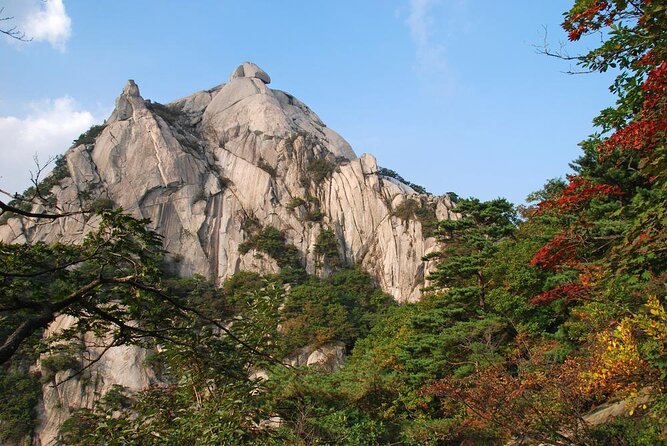
- Baek-un-dae, highest peak in Seoul at 836 m, right on Seoul’s doorstep
- Fast summit plan: about 4.5 hours total, with the ascent designed to be shorter than usual
- Rope-aided steep section on the final push, with the option to avoid some height stress with a break
- Safety gear included (bug spray, first aid kit, rain coat if needed) plus crampons and poles borrowed partway up
- Guide Koa’s logistics and English help you feel safe and keep the group moving
- Optional tofu lunch after the hike, vegan or vegetarian friendly with meat options too
More climbs we have reviewed in Seoul
Why Baek-un-dae Feels Like a Real Seoul Adventure
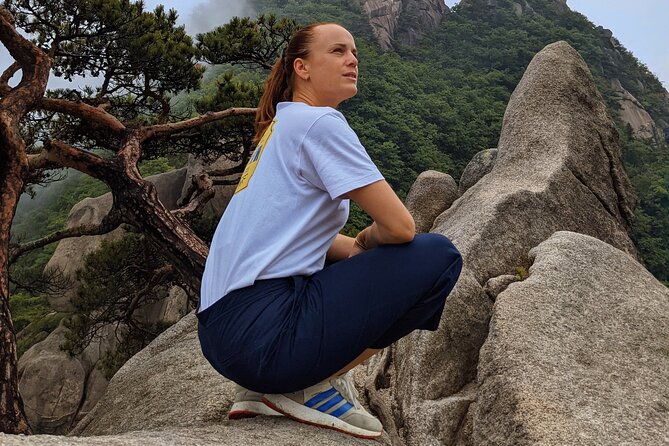
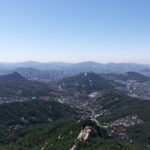
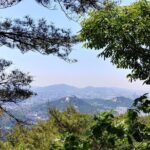
Bukhansan National Park sits right along the boundary of Seoul, so you get that rare mix of city access and mountain air. The prize is Baek-un-dae, standing at 836 m, which means you are literally chasing the highest point in Seoul. That alone turns an ordinary half-day into something you can brag about later with real geographic bragging rights.
What I like most is that the experience is built around a clear goal. Instead of wandering, you’re moving toward a summit with a plan for the toughest part of the trail. That focus matters because Bukhansan is also the kind of mountain where people end up needing rescues, and this course is designed to reduce that risk by keeping things structured.
The 4.5 Hour Plan, and What “Moderate” Means Here
This hike is listed as moderate, but the math tells the truth. You face a 600 m elevation gain within 2.1 km during the ascent, and the typical time for that effort is often around 100 to 120 minutes. With this course’s tighter pacing, you’re going to earn your summit moment.
In practical terms, plan on feeling challenged early. The slope is steep enough that it can feel like going up-and-down about 200 floors of stairs, at least in effort. If you’re moderately fit, you can absolutely do it, but you should not treat it like an easy scenic walk.
The good news is that you are coming back down the same way. That means if you need a breather, your guide can work with you during the return. In other words, the plan isn’t built to punish you for slowing down.
The Steep Rope Section: Where Fear of Heights Comes Into Play
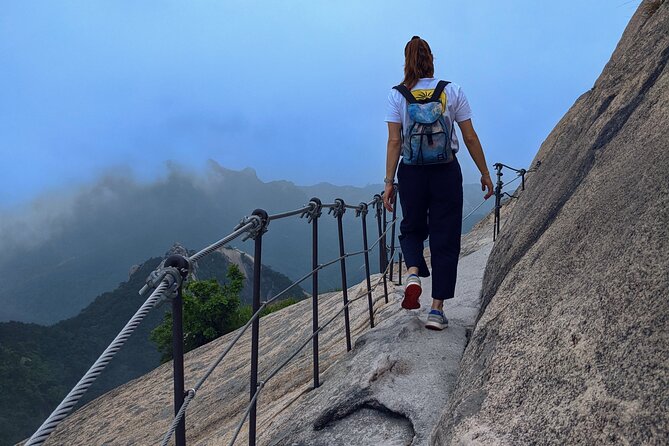
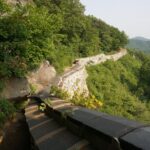
The highlight segment is Baek-un-dae peak, and it includes steep climbing aided by ropes. Expect a 25 to 45 degree-angle section that typically lasts about 20 to 30 minutes. It’s not just steep, it’s steep in a way that asks for confidence under your feet and in your hands.
If you have a fear of heights, this is the moment to think carefully. The course notes that you can avoid some of the most height-triggering stress by taking a break and adjusting your approach during this part. That’s a big deal because it turns the route from all-or-nothing into something more manageable.
Also, the course is designed to keep you moving safely through rockier terrain. You’ll get guidance for how to handle the incline and how to pace yourself so you don’t rush and wobble.
Meeting Koa, Not the Wrong Station, and Starting on Time
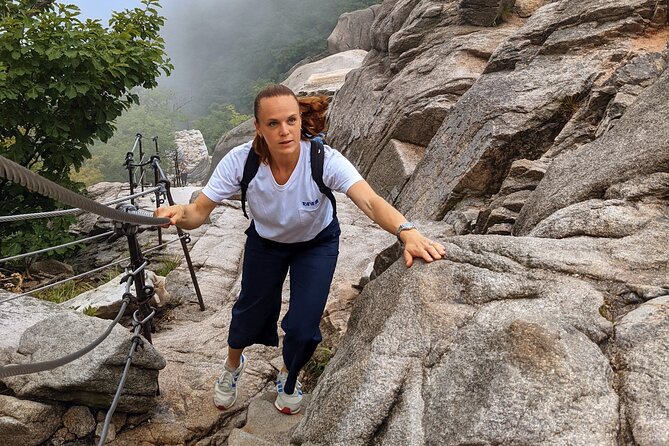
Timing is everything on this one because the group leaves early. You meet guide Koa outside Exit 2 of Bukhansan Ui station. Do not mix this up with Bukhansan Bogungmun station, which is close enough to confuse you if you glance wrong at a map.
Plan to arrive with buffer time because the group only waits for late comers for 15 minutes. The tour leaves at 8:15 am sharp, so you’ll want your route set the night before using Naver map and start moving early.
This matters more than it sounds. When you miss a departure, you miss the entire rhythm of the hike, and this course is all about getting to the summit with the right pace. Show up ready, and the day feels smooth.
- Best DMZ Tour Korea from Seoul (Red Suspension Bridge Optional)
★ 5.0 · 41,422 reviews - DMZ Tour: 3rd Tunnel, Option(Suspension Bridge, Boat) from Seoul
★ 5.0 · 21,373 reviews - DMZ tour south Korea from Seoul (NK experience hall, defector)
★ 5.0 · 20,599 reviews - Seoul: DMZ Tour with Optional Suspension Bridge
★ 4.8 · 5,277 reviews - Signature DMZ Tour: Exclusive Defector Talk & Suspension Bridge
★ 5.0 · 4,459 reviews
What Koa’s Guiding Style Does for Your Safety and Confidence
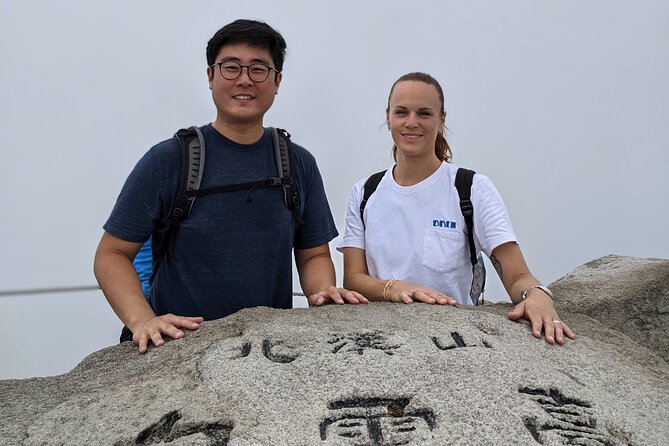
The thing that comes through strongly is that Koa runs this hike like he’s balancing energy and control. People describe him as humorous and engaging, but the key point is that he also stays safety-minded from start to finish. You don’t feel like you’re left to interpret the mountain on your own.
Koa also helps with the group dynamic in a way that actually affects the climb. A mountain day can feel long or lonely, but a guide who remembers names and checks in makes the experience feel personal. That matters on a steep, rope-aided section where you want steady reassurance.
Another advantage is that the route can be adjusted for variety. You might see a different trail on the way down, which keeps the hike from feeling like a one-track repetition. If you like your day to feel purposeful and not overly scripted, that kind of tweak is a plus.
Included Safety Gear You Should Actually Use
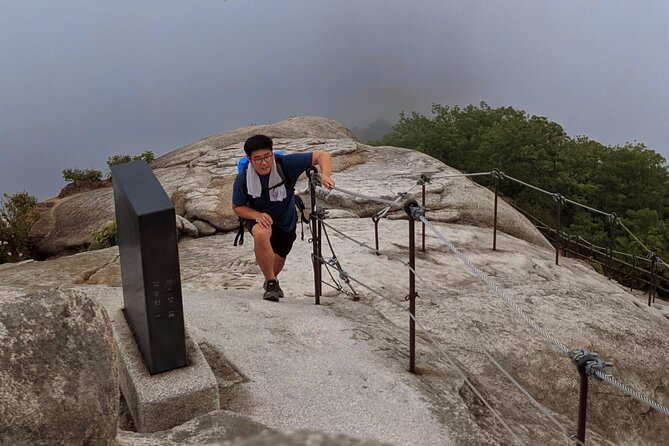
This course includes practical gear because weather and footing can change fast on a mountain. You get bug spray, a first aid kit, and a rain coat if needed. That’s not glamour, but it is the kind of planning that prevents small problems from becoming big ones.
You can also borrow crampons and hiking poles at the 1/3 point. This is a smart setup because it saves you from carrying extra weight the whole way if you don’t need it early. It also helps your traction when the terrain becomes more serious later in the hike.
You should still plan to take care of your own basics. Water is available to purchase at the beginning at a convenience store, so you’ll want to stop early enough to fuel up before the climb ramps up.
Lunch After the Summit: Tofu Done Like a Real Meal
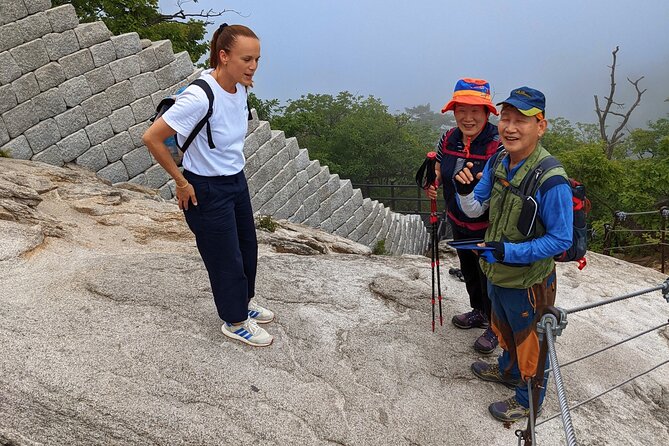
The hike ends in time for optional lunch, and the food plan is part of the appeal. The course includes a plan to eat at a place specializing in tofu dishes where they make items from scratch. If you think tofu is just bland protein, this is the kind of meal that can reset that assumption.
They also have meat options, so this is not a tofu-only, food-fear experience. The restaurant is described as vegan/vegetarian friendly, which helps if your group has different eating styles.
Lunch is optional and paid separately, generally 9,000 to 15,000 KRW. If you want to keep the day efficient, you can skip it. If you want the outing to feel like a full half-day with a satisfying finish, it’s a good place to spend your appetite.
Timing, Duration, and How to Pace Yourself
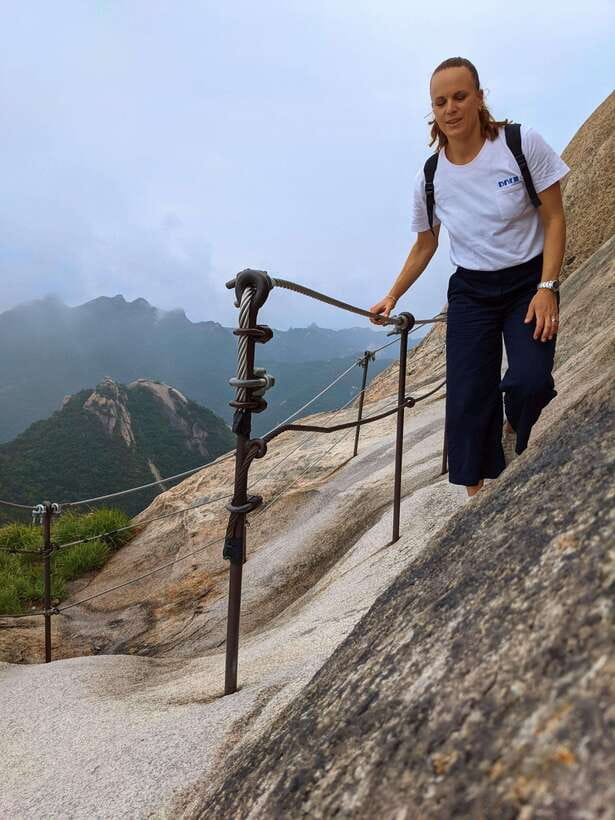
The total duration is about 4.5 hours, and that includes the guided hike. The course is built to help you conquer the summit in less time than the normal pace, so expect effort and a steady flow rather than long stops.
The ascent described in the course is the hard work phase: 600 m gain over a short distance, which normally takes 100 to 120 minutes. Even with a faster plan, you’ll still feel the steepness, and you’ll want to pace your breathing early to avoid burning energy on the first part.
If you slow down, the course accounts for it by noting that the guide can pick you up on the way back. That’s not a free pass to stop completely, but it is reassurance that the hike is not designed to leave slower hikers behind.
Cost and Value: Is $67 Worth It?
At $67 per person, you are paying for more than a route on paper. You’re paying for a live English-speaking guide, safety-minded pacing, and included gear. You’re also paying for someone to manage timing so you reach the summit within the planned 4.5 hour window.
If you’ve ever tried to do Seoul hiking solo, you know how much time gets eaten by figuring out the best route, checking conditions, and guessing about gear. This course reduces that mental load by providing a structure and by supplying key items like rain support and traction help via crampons and poles partway up.
The only additional cost you may choose is lunch at 9,000 to 15,000 KRW. So your total spend is basically predictable: base price for the hike, then optional food.
Who This Summit Course Suits Best
This is ideal if you want a guided mountain day without guesswork. I’d especially recommend it if you value clear logistics, because the meeting point detail and early 8:15 departure can make solo hiking feel stressful.
You’ll also enjoy it more if you are moderately fit and comfortable with steep climbs. The rope section is manageable for many people, but it is still steep and rocky enough that it can be challenging even for people who work out regularly.
If you have a fear of heights, you can still choose this course, but go in with eyes open. The height-sensitive portion can be avoided in part through a break, yet you should expect the steep rope segment to be the emotional test.
If your knees are not happy with rocky trails and steep descents, this course may be harder than you expect. The day involves going up and down the same way, so think about how you handle downhill impact in general.
Should You Book the Bukhansan National Park Summit Course?
Book it if you want a guided route to Baek-un-dae that is organized for a real half-day summit push, with safety gear and an English-speaking guide who keeps the group on track. The early start and Koa’s hands-on style are exactly the kind of combination that makes a steep hike feel controlled instead of risky.
Skip or rethink it if the rope-aided steep section sounds like it will push you past your comfort level, or if you know your knees struggle on rocky descents. In that case, you might prefer a gentler route or a plan with less exposure.
If you’re a moderately fit hiker looking for a Seoul-area summit that feels like a challenge you can actually finish, this is a strong bet.
FAQ
Where is the meeting point for The Summit Course?
Meet your guide Koa outside Exit 2 of Bukhansan Ui station. Do not confuse it with Bukhansan Bogungmun station.
What time does the hike start?
The group leaves at 8:15 am sharp.
How long is the hike?
The duration is about 4.5 hours.
Which peak does this hike target?
The course targets Baek-un-dae peak, the highest peak in Seoul at 836 m.
Is lunch included?
Lunch is optional. You pay separately if you choose it, usually 9,000 to 15,000 KRW, and it’s described as tofu-focused with vegan or vegetarian friendly options.
What safety or gear is included?
Included items are bug spray, a first aid kit, and a rain coat if needed. Crampons and hiking poles can be borrowed at the 1/3 point.
Can I buy water during the tour?
Yes. Water can be purchased at the beginning at a convenience store.
What should I expect from the steep section near the summit?
The Baek-un-dae peak section involves climbing aided by ropes, with a 25 to 45 degree-angle climb that lasts about 20 to 30 minutes. If you have a fear of heights, you can avoid some of that by taking a break.
What are the cancellation and payment options?
You can cancel up to 24 hours in advance for a full refund. You can also reserve now and pay later to keep your plans flexible.
More Seoul Write-Ups
More Korean Peaks We Have Walked
Fresh on the Seoul pile
- Unique Native Experience : Han River Picnic, Board game, BBQ★ 5.0 · 3 reviews
- 2-Hour Private Kayaking and Paddleboarding Experience in Hanriver★ 5.0 · 3 reviews
- Korean Folk Village & Suwon Hwaseong Fortress Private Tour★ 5.0 · 3 reviews
- Seoul Korean BBQ Dinner Experience with Secret Food Tours★ 5.0 · 3 reviews
- Seoul Highlights & Hidden Gems – Private Tour with Photo Service★ 5.0 · 3 reviews
- Night Food Tour in Seoul with Traditional and Modern Cuisine★ 5.0 · 3 reviews
Korean Mountain Hikes you might have missed.
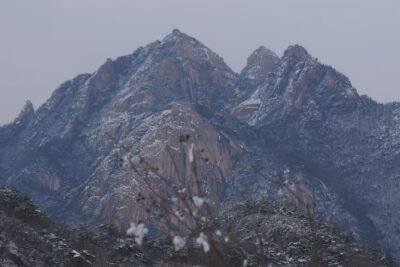 ★ 5.0Private Hiking tour to Bukhansan Peak(Baegundae: 836.5m) with Mountain ExpertFrom $168113 reviews
 ★ 5.0Bukhansan National Park: The Summit CourseFrom $6453 reviews
 ★ 5.0Private Hiking to Bukhansan & Korean Style Spa(Include Lunch)From $18232 reviews
 ★ 5.0Namhansanseong UNESCO Historical Sites and Korean Folk Village-Private TourFrom $19829 reviews
 ★ 5.0Bukhansan Mountain Private Hike with LunchFrom $17026 reviews
 ★ 5.0Spiritual Adventure : Into Inwangsan and Korean ShamanismFrom $2825 reviews
 ★ 4.5Private Bukhansan Hiking Tour (More Members Less Cost per Person)From $16813 reviews
 ★ 5.0Inwangsan hike & historical sitesFrom $6910 reviews
Where this tour also appears