
REVIEW · DMZ & BORDER TOURS
Small-Group DMZ Tour w/ North Korea Experience Hall & Susp.Bridge
The Korean DMZ is one place where history feels current. This small-group day mixes Dora Observatory telescopes, a real walk inside 3rd Infiltration Tunnel, and memorable stops around Imjingak and the suspension bridge. I love how the day is paced for maximum time at each site, and how the guide work turns scary facts into something you can actually understand. The big consideration is that it’s a long, hands-on day, with steep climbs and a narrow tunnel walk that require decent mobility.
What really makes this tour worth your attention is the human scale of it all, especially when the guide brings the background of the Korean War and the division into focus. Guides named in standout feedback, like BK, Mr Young, Sookhee, Lua, Juni, and Roy, are praised for clear English and for answering questions without rushing the story. If you’re hoping for a mostly seated, postcard-style outing, this may feel intense. If you want a guided, grounded look at how the DMZ works in real life, this is one of the better ways to do it from Seoul.
In This Review
- Key things to know before you go
- DMZ Tension in One Managed Day
- Starting at City Hall Station, and Why the Coach Matters
- Imjingak Park: Freedom Bridge and Refugee Memory
- North Korea Experience Hall: Curiosity With Structure
- Tunnel 3: The Infiltration Tunnel You Walk Into
- DMZ Exhibition Hall and the War-Artifact Reality Check
- Dora Observatory: Viewing North Korea Through Telescopes
- Unification Village: A Symbolic Road Back
- Gloucester Hill Memorial: Where Battles Become Specific
- Gloucester Heroes Suspension Bridge: A Thrill Ride With a Message
- What You Really Get From the Small-Group Format
- Price Value: Why $65 Can Still Be a Big Win
- Packing and Footwear: Don’t Underestimate the Walking
- When Weather or Security Changes the Plan
- Who This DMZ Tour Fits Best
- Should You Book This DMZ Tour?
- FAQ
- What is the duration of the DMZ tour?
- Where does the tour start and end?
- How many people are in the group?
- What does the tour include for admissions and transportation?
- Do I need a passport for this tour?
- Is lunch included?
- What are the main DMZ stops on the standard route?
- Is the tour offered year-round?
- What happens if Tunnel 3 or Dora Observatory are closed?
- If the suspension bridge is closed, where do you go instead?
Key things to know before you go
- Max 16 travelers: small-group feel, less chaos when you’re waiting, walking, and regrouping.
- Tunnel 3 is a real walk: you go inside on foot and it takes effort, with inclines and narrow space.
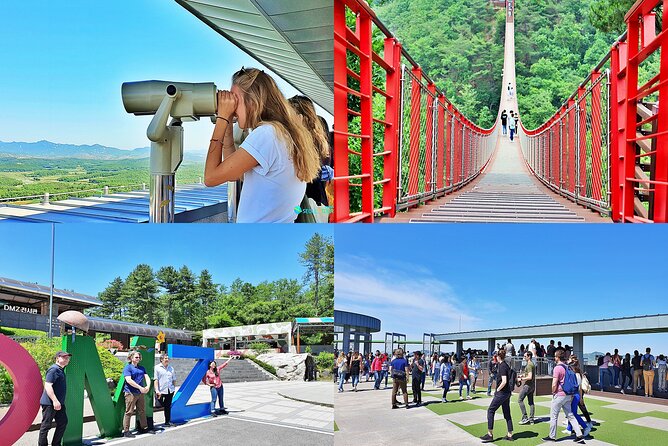
- Telescopes at Dora Observatory: you view North Korea from a controlled vantage point on a clear day.
- Weather and access can change the day: Dora or Tunnel 3, and even the suspension bridge, can close for military or weather reasons.
- Lunch is not included: plan to bring water and snack options, because the day runs from morning to late afternoon.
Other routes to the border, side by side
DMZ Tension in One Managed Day
This is a full-day outing built around one simple idea: you see the division up close, but you do it the safe, regulated way. You start in central Seoul, ride out by climate-controlled coach, then spend the bulk of your time at specific DMZ sites that each show a different piece of the same story.
I like that the route avoids random “drive-by” stops. Instead, you get repeated moments where the guide explains what you’re looking at: the war legacy, the infiltration strategy behind Tunnel 3, and the symbolic meaning of places like Imjingak. It’s not just sightseeing. It’s a day of questions answered in real time.
The trade-off is time and energy. It’s about 9 hours in total, and you’re out there long enough that you will feel it in your legs by the end.
Starting at City Hall Station, and Why the Coach Matters
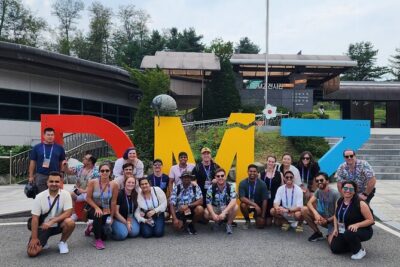
The tour starts and ends at City Hall Station in Seoul, and it typically finishes around 4:50pm. You meet near a public transportation hub, and you’re expected to be ready about 10 minutes before departure so the group does not lag.
All movement is done by coach, described as climate-controlled, which matters a lot. DMZ days can swing from cold to hot fast, and you spend plenty of time outside for the key stops. If you’re someone who gets chilled easily, this comfort on the road is a real plus.
Group size is capped at 16 travelers, which helps with pace. In a place where schedules can tighten, smaller groups generally mean fewer delays when you’re waiting for entry, regrouping after exhibits, or walking back from a stop.
Imjingak Park: Freedom Bridge and Refugee Memory
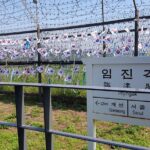
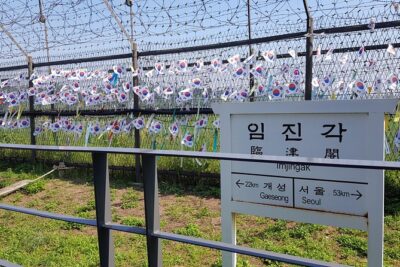
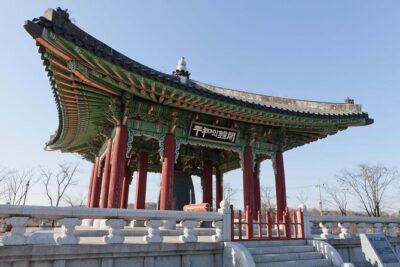
The morning begins at Imjingak Park, also known as Imjingak Pyeonghoa-Nuri Park on the schedule. This area is designed to hold the Korean War’s aftermath in your field of view, especially the refugee story.
One reason I’m fond of this stop is how it sets the emotional frame before the technical parts of the day. You see symbolic monuments like the Freedom Bridge and you also get to learn about the area as a place of solace for refugees from North Korea during the Korean War. It’s not abstract.
Depending on the day, you may also pass by the Freedom Bridge and see old steam trains there while your guide puts the war into plain context. The time here is about 1 hour 30 minutes, so it’s long enough to slow down a bit, not just snap photos and move on.
North Korea Experience Hall: Curiosity With Structure
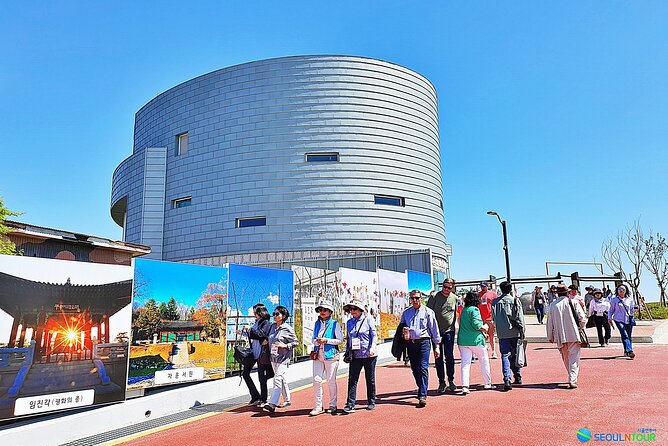
On the route, you may stop at the North Korea Experience Hall (also called North Korea Experience Center in some day variations). This is included as part of the DMZ-focused course, and it’s specifically geared toward answering that first wave of curiosity: how life is shaped by the division and what North Korea’s propaganda village looks like from the outside world.
I like that it’s positioned before Dora Observatory in the day, because it helps you connect what you later view through telescopes with what you learned inside. The hall time is shorter on the schedule, about 30 minutes, so don’t expect a multi-hour museum experience, but do expect a guided overview meant to make the rest of the day make more sense.
- Best DMZ Tour Korea from Seoul (Red Suspension Bridge Optional)
★ 5.0 · 41,422 reviews - DMZ Tour: 3rd Tunnel, Option(Suspension Bridge, Boat) from Seoul
★ 5.0 · 21,373 reviews - DMZ tour south Korea from Seoul (NK experience hall, defector)
★ 5.0 · 20,599 reviews - Seoul: DMZ Tour with Optional Suspension Bridge
★ 4.8 · 5,277 reviews - Signature DMZ Tour: Exclusive Defector Talk & Suspension Bridge
★ 5.0 · 4,459 reviews
Tunnel 3: The Infiltration Tunnel You Walk Into
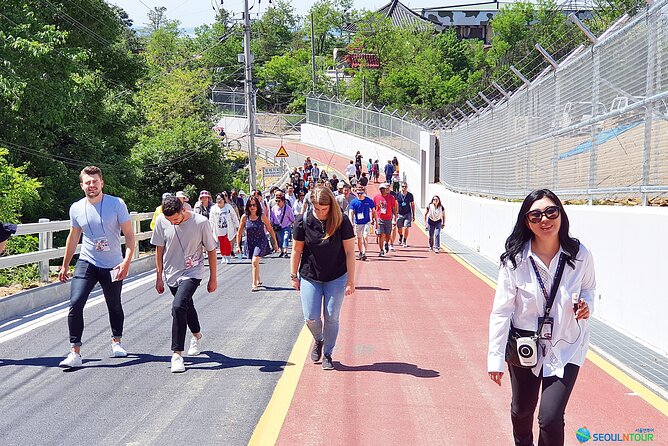
The highlight for many people is the 3rd Infiltration Tunnel. It was built in the 1970s as part of North Korea’s infiltration strategy, and it’s one of those locations where the facts feel mechanical until you step into the space.
You typically spend about 50 minutes here, and the most important part is that you disembark and follow your guide into the tunnel on foot. You should wear comfortable shoes. There is guidance to prepare for going down and up narrow tunnel space, and the tour notes it is not recommended if walking is a problem.
One important practical detail from strong feedback: plan for a workout level effort. People mention steep climbs and descents, and some estimate the day’s tunnel exertion as roughly a 400m climb effort, with short breaks possible. If you’re fit but not used to inclines, take that as your cue to bring water, go slow, and listen to the guide when they suggest pacing.
This is also where a well-spoken guide can make the difference. Names like BK and Sookhee show up in praise for turning the Korean War story into something you can understand while you’re physically in the site.
DMZ Exhibition Hall and the War-Artifact Reality Check

After Tunnel 3, you move into the DMZ Exhibition Hall. This is about turning the day from physical exertion into context. Expect exhibits such as old weapons and a film that explains the background and legacy of Korea’s division.
I like this stop because it gives you a pause. Outside, you’re moving and climbing. Inside, you can reset your brain, read labels, and let your guide’s commentary connect the dots between what you saw at Imjingak, why Tunnel 3 exists, and what Dora Observatory can show you from a distance.
The time here is built into the route, so you get a structured look without feeling like you got “museum’d to death.” Still, bring patience, because DMZ sites are controlled and you may need to wait to enter and exit.
Dora Observatory: Viewing North Korea Through Telescopes
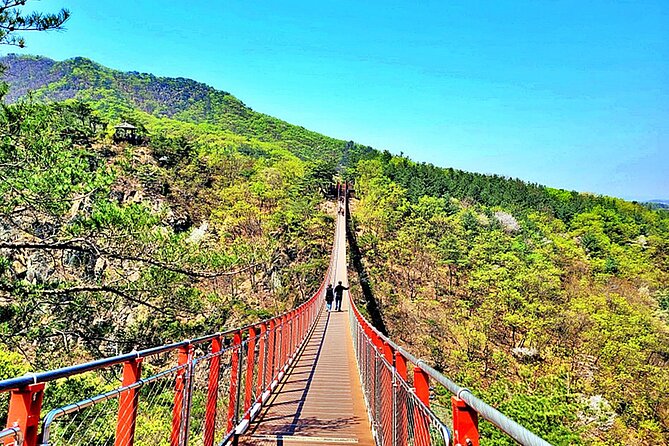
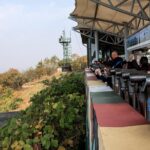
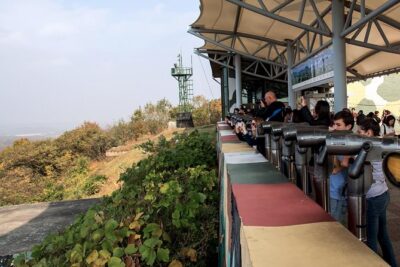
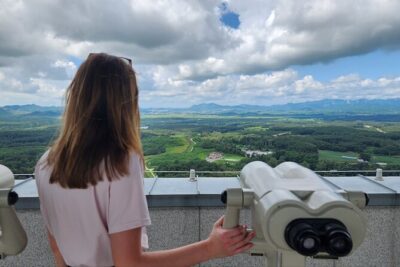
Next comes Dora Observatory on Mt. Dora. This is where you get the iconic DMZ moment: telescopes trained on North Korea’s propaganda village just over the border.
On the schedule, it’s about 30 minutes at Dora Observatory, and that’s plenty if you manage expectations. You’re there for viewing, not for lingering. Clear weather helps. If the day is foggy or rainy, you may find visibility limited.
The value here is not just the view, it’s the guided explanation of what you’re looking at. Strong feedback highlights guides pointing out things you can spot through the telescope view, which makes the short window feel worthwhile instead of rushed.
Also note the reality check: Dora Observatory can close due to military or weather conditions. If it happens, the tour provides a special course with alternative sites, so the day still covers DMZ history, even if the telescopes are off the table.
Unification Village: A Symbolic Road Back
The schedule includes Unification Village on the way back toward Imjingak Park. You usually pass by and hear the guide’s take on reunification hopes for the two Koreas.
This stop matters because it shifts the focus from what the DMZ is today to what people want it to become. Even when you’re seeing concrete and chain-link realities, this reminder keeps the day from turning purely into fear or politics. It’s part of the emotional arc of the day.
If you’re looking for places that blend meaning with scenery, Unification Village works best when your guide keeps the story human and grounded.
Gloucester Hill Memorial: Where Battles Become Specific
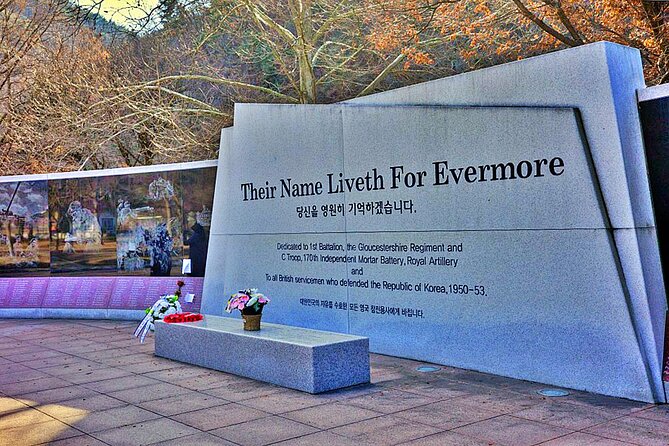
After returning near Imjingak, the tour heads to Gloucester Hill Memorial. This was an important battlefield during the Korean War, and it’s one of the stops that makes the day feel less like a controlled viewing area and more like a commemorative landscape.
This is also where the guide’s ability to pace and explain becomes obvious. If the tour pace feels tight, the memorial can feel like a quick stop. If the guide keeps it thoughtful, it becomes a strong anchor point for the day’s themes.
Gloucester Heroes Suspension Bridge: A Thrill Ride With a Message
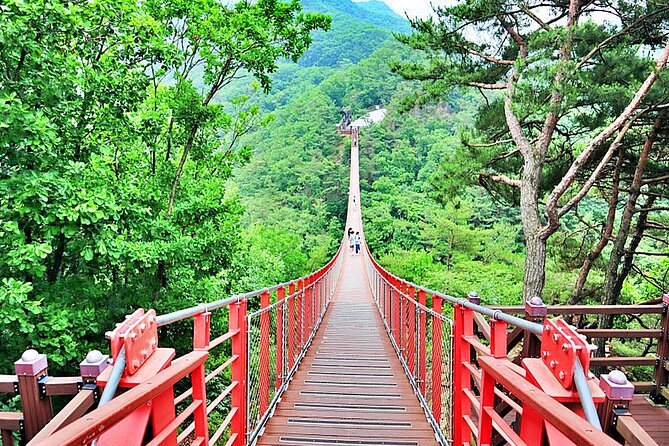
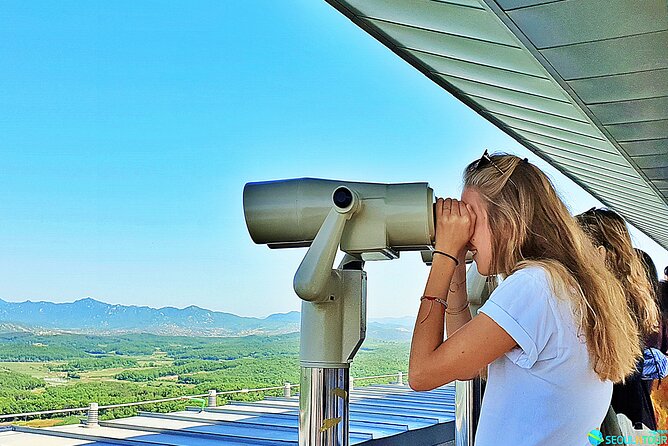
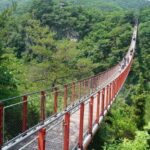
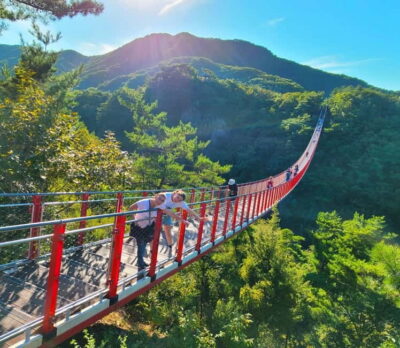
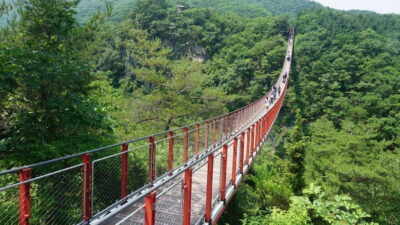
The last major set piece is Gamaksan Chulleong Bridge, which is also called the Gloucester Heroes Suspension Bridge. It opened in 2016 and is described as the longest mountain suspension bridge in South Korea.
You get about 1 hour 30 minutes for this part of the day, and the included experience is the walking itself. You’re up, you’re exposed to height, and you’ll likely feel a quick jolt of adrenaline after all the walking before it.
One practical tip: it can be closed due to military operations or weather conditions, especially if it rains heavily or there’s snow. If the bridge is restricted, the itinerary adjusts. The tour data lists alternatives such as Odusan Unification Observatory or Majang Lake Suspension Bridge, depending on the closure reason.
If you love views but also understand that access rules govern the day, you’ll appreciate how the tour handles this. It avoids canceling the entire experience, and it keeps the remaining day coherent.
What You Really Get From the Small-Group Format
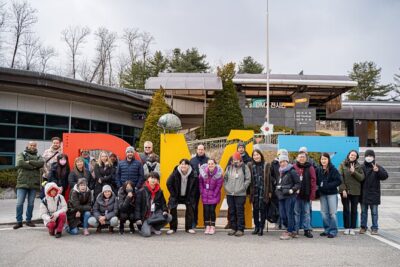
Because the maximum group size is 16, you’re more likely to get actual conversation with your guide, not just one-way commentary. That matters in a place where questions are normal and you might not know what to ask until you’re staring at a tunnel entrance or a viewing telescope.
Many guides get praised for being friendly while staying organized, with clear English and time management. Names highlighted include Mr Young, BK, Sookhee, Lua, Junie, Roy, and April. Some feedback specifically calls out that the guide took time to answer questions, which is exactly what you want here.
And because it’s a single-day loop back to City Hall, you do not have to track the moving parts yourself.
Price Value: Why $65 Can Still Be a Big Win
At $65 per person, this tour is priced to feel accessible for what you get: guided DMZ access, entry fees, and transportation. The schedule includes all fees and taxes, and you’re not paying separately for Dora Observatory or the exhibition stops.
What you do pay extra for is the stuff you would pay extra for on any long day: drinks and lunch are not included. That’s the main budgeting item to plan for.
If you’re weighing other DMZ options from Seoul, this one’s value comes from the combination of:
- multiple signature sites in one day
- guided context at each location
- a small group cap
- included transportation out of central Seoul
In other words, the money buys both access and interpretation. In a subject as complex and sensitive as the DMZ, that interpretation is not optional. It’s the whole point.
Packing and Footwear: Don’t Underestimate the Walking
This is not a flip-flops day. You’ll be wearing comfortable shoes that can handle walking on uneven surfaces and climbing in and out of narrow areas.
The tour guidance also flags moderate fitness, and it notes it is not recommended for seniors who have walking problems. If you’re okay with steep stairs but tired easily, take breaks when your guide indicates.
Bring:
- comfortable walking shoes
- a water plan (drinks are not included)
- layers for morning to afternoon swings
If you get cold outdoors, treat the coach comfort as a bonus, not as your whole climate strategy. You will still spend time outside at key stops.
When Weather or Security Changes the Plan
This matters more here than on most tours. The tour runs year-round, but access depends on conditions. On Mondays, public holidays, or if the 3rd Tunnel and Dora Observatory are closed due to military or weather conditions, you get a special DMZ course.
That special version keeps several core elements, including visits to the North Korea Experience Center, Imjingak Pyeonghwa-Nuri Park, DMZ Peace Gondola, Gloster Hill Memorial Park, and the Suspension Bridge.
If suspension bridge access is restricted, the itinerary can shift again to include places like DMZ Peace Gondola, Odusan Unification Observatory, or the War Memorial of Korea. And in heavy rain or snow, the bridge can close and you may go to Odusan Unification Observatory or Majang Lake Suspension Bridge.
So the big mindset shift is: go in expecting adjustments. Your day is still DMZ-focused. It just might trade one view for another.
Who This DMZ Tour Fits Best
You’ll probably love this tour if:
- you want a guided, structured look at the Korean War legacy and the division
- you care about seeing multiple major DMZ sites in one go
- you like getting a human explanation, not just reading signs
- you’re comfortable walking and climbing, including the tunnel
You might want a different option if:
- you have mobility limitations or struggle with steep climbs
- you need long stretches of seated time
- you’re hoping for a very relaxed pace
Should You Book This DMZ Tour?
I’d book it if you have one full day in Seoul and you want the classic DMZ highlights with a guide who can explain what you’re seeing as you see it. The best reason to go is the way the day ties together viewing (Dora Observatory), physical reality (Tunnel 3), and memorial meaning (Imjingak and Gloucester Hill).
Also, the small-group cap is a quiet advantage in a place with controlled movement. When you add in the $65 price for transportation and entry fees, it’s hard to argue you’ll find a better value for a guided DMZ day.
Just be honest with yourself about the walking. If you’re prepared with good shoes, water, and realistic expectations about weather and access rules, this becomes one of the most memorable, most grounded history experiences you can do from Seoul.
FAQ
What is the duration of the DMZ tour?
The tour runs about 9 hours (approx.), and it ends around 4:50pm.
Where does the tour start and end?
It starts and ends at City Hall Station in Seoul.
How many people are in the group?
The tour has a maximum of 16 travelers.
What does the tour include for admissions and transportation?
The tour includes pickup, a professional guide, and all fees and taxes. Transportation is included by coach, and admission ticket items are included where listed.
Do I need a passport for this tour?
Yes, you need a current valid passport on the day of travel. A passport copy is not needed in advance.
Is lunch included?
No, lunch is not included. Drinks are also not included.
What are the main DMZ stops on the standard route?
Key stops include Imjingak Park, the North Korea Experience Hall, Dora Observatory, the 3rd Infiltration Tunnel, and Unification Village, plus Gloucester Hill Memorial and the Gloucester Heroes Suspension Bridge.
Is the tour offered year-round?
Yes, it operates year-round.
What happens if Tunnel 3 or Dora Observatory are closed?
On Mondays, public holidays, or when Tunnel 3 and Dora Observatory are closed due to military or weather conditions, the tour uses a special course with alternatives such as the North Korea Experience Center, DMZ Peace Gondola, Imjingak Pyeonghwa-Nuri Park, Gloster Hill Memorial Park, and the suspension bridge.
If the suspension bridge is closed, where do you go instead?
If the bridge is closed due to military operations or weather, the itinerary is adjusted. Options listed include Odusan Unification Observatory and Majang Lake Suspension Bridge, depending on the situation.
Keep Browsing Seoul
More Seoul Write-Ups
The Border, Other Routes In
Fresh on the Seoul pile
- Unique Native Experience : Han River Picnic, Board game, BBQ★ 5.0 · 3 reviews
- 2-Hour Private Kayaking and Paddleboarding Experience in Hanriver★ 5.0 · 3 reviews
- Korean Folk Village & Suwon Hwaseong Fortress Private Tour★ 5.0 · 3 reviews
- Seoul Korean BBQ Dinner Experience with Secret Food Tours★ 5.0 · 3 reviews
- Seoul Highlights & Hidden Gems – Private Tour with Photo Service★ 5.0 · 3 reviews
- Night Food Tour in Seoul with Traditional and Modern Cuisine★ 5.0 · 3 reviews
DMZ & Border Tours you might have missed.
 ★ 5.0Best DMZ Tour Korea from Seoul (Red Suspension Bridge Optional)From $2941,422 reviews
 ★ 5.0DMZ Tour: 3rd Tunnel, Option(Suspension Bridge, Boat) from SeoulFrom $3521,373 reviews
 ★ 5.0DMZ tour south Korea from Seoul (NK experience hall, defector)From $2620,599 reviews
 ★ 4.9DMZ Insider Tour: 3rd Tunnel, NK Defector Meet & Red BridgeFrom $5015,214 reviews
 ★ 4.8Seoul: DMZ Tour with Optional Suspension BridgeFrom $455,277 reviews
 ★ 5.0Signature DMZ Tour: Exclusive Defector Talk & Suspension BridgeFrom $274,459 reviews
 ★ 5.0Thrilling Korean DMZ 3rd Tunnel Tour from Seoul + Red Bridge RushFrom $353,097 reviews
 ★ 5.0DMZ Past and Present: Korean Demilitarized Zone Tour from SeoulFrom $372,481 reviews
Where this tour also appears