
REVIEW · DMZ & BORDER TOURS
Seoul: Small-Group DMZ Tour with North Korea Experience Hall
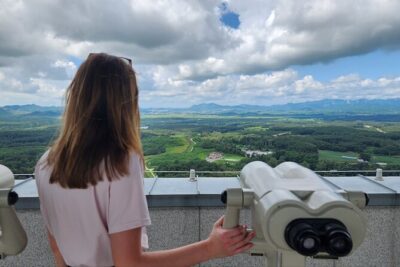
That first view over the DMZ feels unreal. This small-group day tour from Seoul pairs frontline sites like Imjingak Park and the viewing areas with the North Korea Experience Hall, plus guided stops tied to the Korean War and the ongoing divide. Expect a tightly run schedule, lots of interpretation from your guide, and a day that lands heavy in your chest, even when the group stays calm and organized.
Two things I really like: (1) you get real human context, including a defector’s story at the Hall, not just politics on a slide deck, and (2) the pacing is built for seeing key points without feeling like a cattle line, especially on smaller groups where you can actually look around and listen. One consideration: it is a full 8 to 10 hour day with some walking and tight viewing-time limits, so it is not a great fit if you dislike heights, feel uneasy around confined spaces like tunnels, or have serious medical limits.
In This Review
- Why This DMZ Tour Feels Different Than a Quick Sightseeing Trip
- DMZ Signature vs Special Course, and Why It Matters for Your Day
- Key Highlights You Should Expect
- Price and Value for a Full DMZ Day Trip
- Pickup, Timing, and How to Keep the Day Smooth
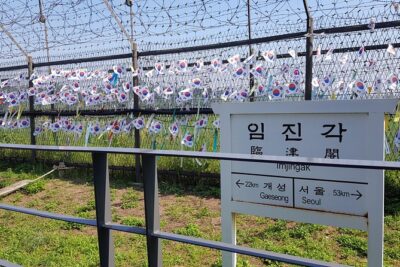
- Imjingak Park First Stop: Division Explained in Human Terms
- Freedom Bridge and Mangbaedan: Quick Stops With Big Meaning
- The North Korea Experience Hall: Where the Facts Become Personal
- Inside the DMZ Zone: Guided Time That Helps You Watch Better
- Third Tunnel of Aggression: One Hour of Physical Perspective
- Dora Observatory and Unification Village: Viewing Stops That Need Time to Sink In
- Gamaksan Suspension Bridge: Fresh Air, Slippery Footing, and Views
- Small Group Size: Why It Changes the Experience
- What’s Not Included, and What You Should Plan For
- Best Day to Book: Choosing Between What You Want to See
- Final Verdict: Should You Book This Seoul DMZ Tour?
- FAQ
- How long is the DMZ tour from Seoul?
- Which stops are included on the Signature course days?
- What is different on Mondays and public holidays?
- Is JSA included in this tour?
- Do I need a passport for this tour?
- What should I wear and bring?
Why This DMZ Tour Feels Different Than a Quick Sightseeing Trip
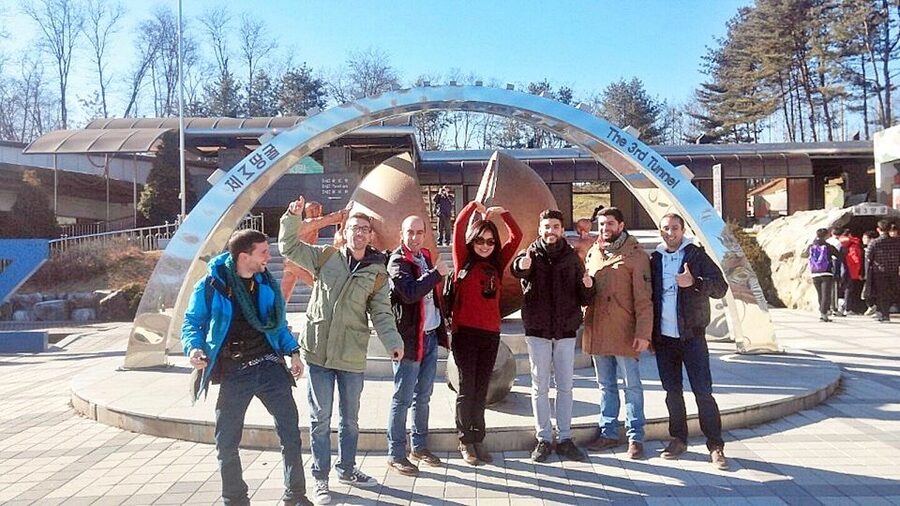
This is not only a checklist tour. The stops are chosen to explain how South Korea remembers the division, how the DMZ functions in daily life, and why the area still feels emotionally charged even when the buildings look quiet.
And it helps that guides here are often praised for storytelling style and care. You may get names like Sookhee, Mr Young, BK, Junie, or Veronica, and the common thread is clear, practical guidance plus history that is explained in plain terms.
Other routes to the border, side by side
DMZ Signature vs Special Course, and Why It Matters for Your Day
The itinerary changes by day, because access can shift depending on closures:
- Signature Course (Tuesday to Sunday): typically includes the North Korea Experience Hall, Imjingak Park, Dora Observatory, Third Tunnel, and the Suspension Bridge.
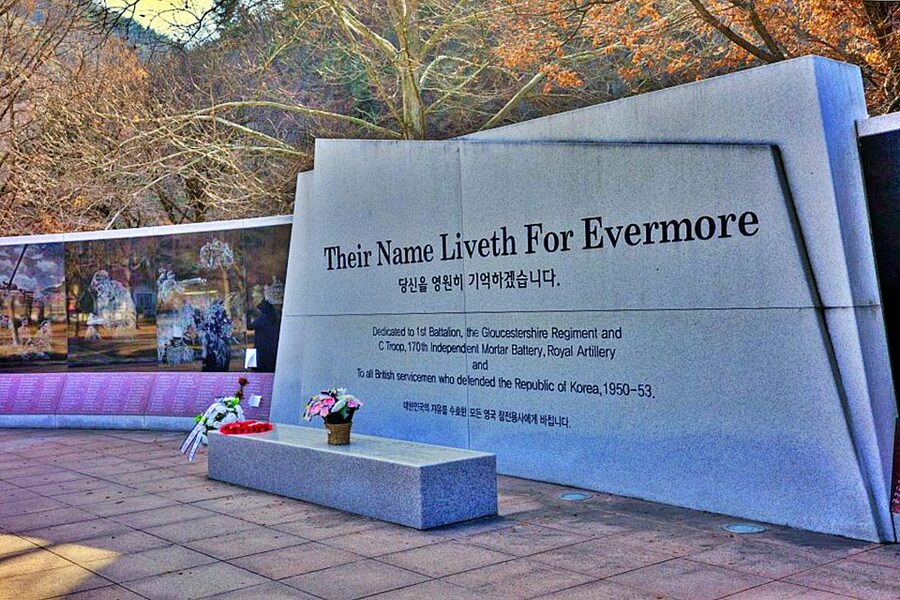
- Special Course (Mondays and public holidays, or when Dora Observatory or Third Tunnel are closed): includes the North Korea Experience Hall and Imjingak Park, plus DMZ Peace Gondola, Gloster Hill Memorial Park, and the Suspension Bridge instead.
If you are deciding based on a specific site like the Third Tunnel, pick the day carefully.
Key Highlights You Should Expect
- North Korea Experience Hall and a defector’s story that turns the political into personal
- Imjingak Park free time so you can absorb the visuals, then connect it to the explanation
- Dora Observatory and the Third Tunnel on Signature days, which add both viewing and physical perspective
- Gamaksan Suspension Bridge walk, where the air feels crisp but the footing matters
- 365-day operation, with the tour available year-round so you can plan around your schedule
Price and Value for a Full DMZ Day Trip
At about $55 per person for an 8 to 10 hour outing, this tour is priced for value compared with private transport or tours that skip key stops. You also get what matters most for this area: a guide, transportation, and entry fees are bundled. That helps because DMZ-related days are where stress creeps in fast if you try to self-plan.
The biggest value is not the sites alone. It is the interpretation. The Hall’s defector story, the way the guide ties Imjingak visuals to the Korean War legacy, and the on-the-ground context make the day feel coherent instead of scattered.
Still, manage expectations. Lunch is not included, and you will have a long day with scheduled segments. Bring snacks you can eat easily if you need them, and plan on paying for your own meal.
Pickup, Timing, and How to Keep the Day Smooth
The tour includes pickup from several Seoul locations. You can choose from options like Gangnam Station (Exit 12), Hongik Univ. Station (Exit 3), Itaewon Station (Exit 1), Myeongdong Station (Exit 10), City Hall Station, Hamilton Hotel, and others. Drop-off is listed at City Hall Station.
One practical detail that can save you time: the time on your voucher is not your pickup time. The provider sends the exact pickup time and location to your email one day before, so check that message and also your spam folder.
The day itself moves by bus and guided stops. You should expect some waiting between sites, plus periods where you stand and look, which means comfortable shoes are not optional. This tour also bans high-heeled shoes, sandals or flip-flops, and walking sticks, so wear something you trust.
- Best DMZ Tour Korea from Seoul (Red Suspension Bridge Optional)
★ 5.0 · 41,422 reviews - DMZ Tour: 3rd Tunnel, Option(Suspension Bridge, Boat) from Seoul
★ 5.0 · 21,373 reviews - DMZ tour south Korea from Seoul (NK experience hall, defector)
★ 5.0 · 20,599 reviews - Seoul: DMZ Tour with Optional Suspension Bridge
★ 4.8 · 5,277 reviews - Signature DMZ Tour: Exclusive Defector Talk & Suspension Bridge
★ 5.0 · 4,459 reviews
Imjingak Park First Stop: Division Explained in Human Terms
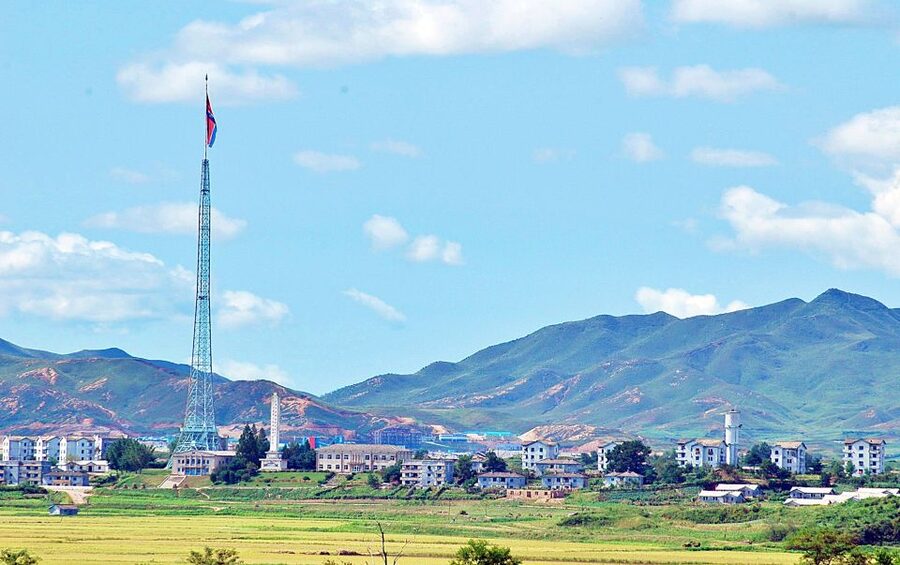
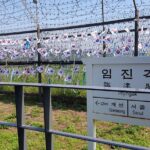
Imjingak Park is your orientation point. You get about an hour of free time, which is important. It means you are not rushed through the memorial feel of the place. You can look, stand, and absorb, then let the guide connect it to what you will see later.
What makes Imjingak effective is that it anchors the day emotionally. Instead of treating the DMZ as only a border line, you see it as part of Korea’s living memory. You can also compare what you feel there with what comes later at the North Korea Experience Hall, where personal testimony fills in the gaps that dates and maps cannot.
If it is cold, windy, or rainy, this is one of the stops where you might want to dress in layers. The tour keeps moving, and weather can change how much you enjoy the outdoor portions.
Freedom Bridge and Mangbaedan: Quick Stops With Big Meaning
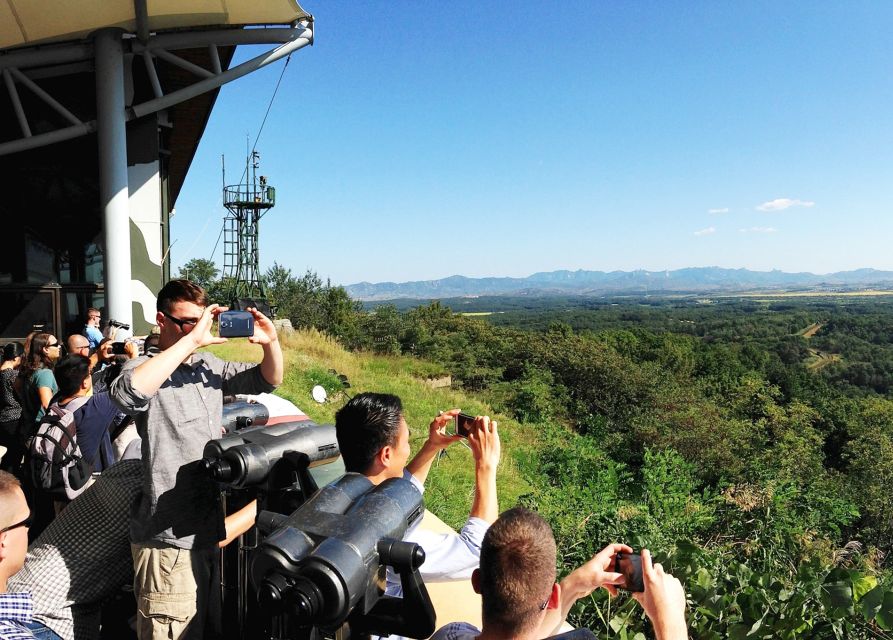
After Imjingak, you move through viewpoints tied to the division story, including:
- Freedom Bridge for sightseeing views
- Mangbaedan for a guided tour
These are not long stops, but they are useful. The key is how your guide frames them. You learn how symbolic places work as public memory, and how the DMZ is not only about what you can see, but what you cannot.
For your own experience, focus on listening during the guided segments, because these places make more sense when you understand the story being mapped onto the physical spot.
The North Korea Experience Hall: Where the Facts Become Personal
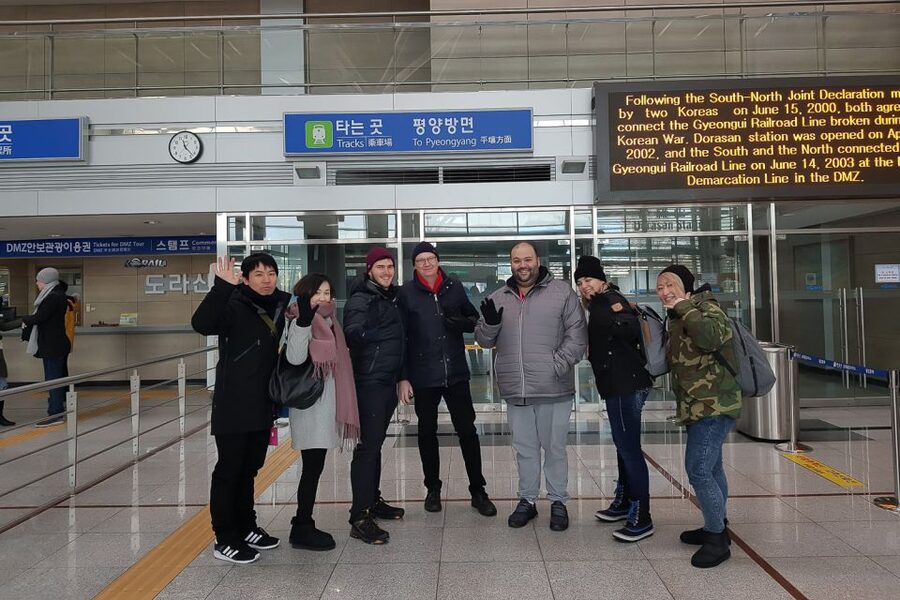
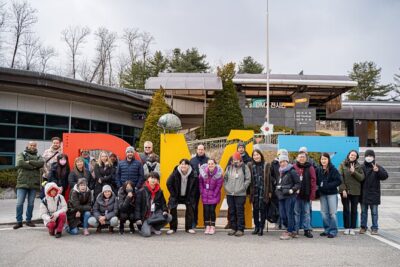
This is one of the best reasons to book. The Hall is designed to give you real insight into North Korea, and it includes a defector’s story. That matters because it turns a distant, abstract topic into a lived reality.
In a day of staged viewpoints and controlled viewing rules, the Hall is the place that often makes people feel the most impact. It is also where your guide’s skills really show, since they need to translate sensitive topics carefully and clearly.
Practical tip: treat the Hall as a full listening experience. You might be tempted to rush for photos, but this stop tends to land best when you let the explanations settle.
Inside the DMZ Zone: Guided Time That Helps You Watch Better
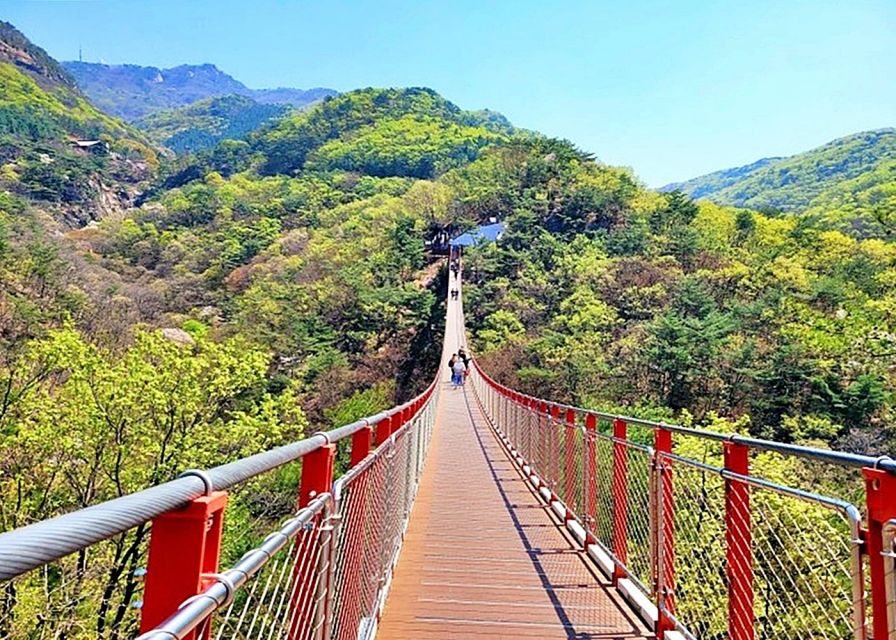
The schedule includes about two hours of guided time in the DMZ zone. This is where you benefit from a guide who can interpret what you see in that moment. From this kind of distance, details are not obvious. Context is what makes your eyes work.
Also, remember that DMZ days can feel emotionally heavy. The best way to get the most out of it is to keep your attention on your guide and the group dynamic, instead of mentally multitasking.
Third Tunnel of Aggression: One Hour of Physical Perspective
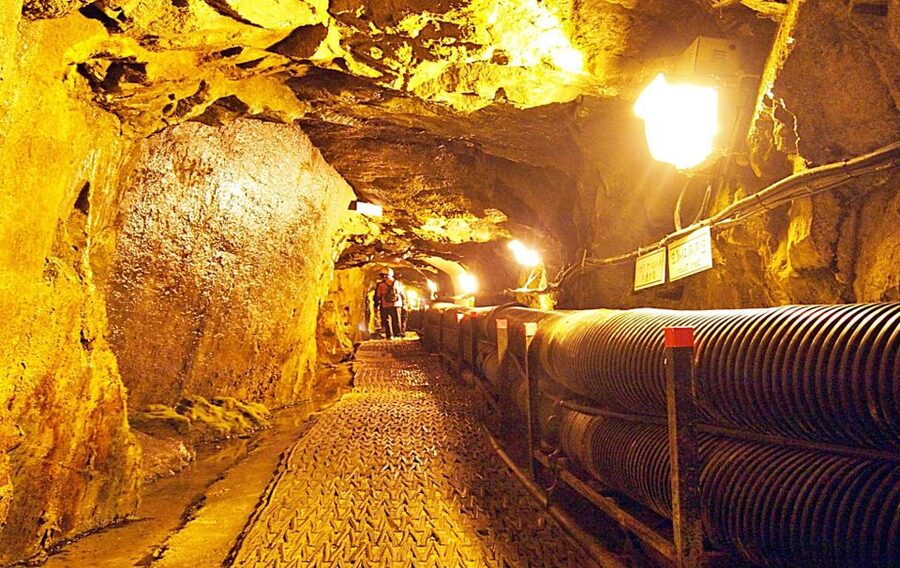
On Signature Course days, you visit the Third Tunnel of Aggression with about one hour of guided time. This stop is memorable because it is not just looking outward. It gives you a physical sense of how conflict planning was imagined and carried out.
One consideration: tunnels can make some people uncomfortable. The tour is not recommended if you have claustrophobia or other serious medical limitations, and the walking and confined feel can be rough even for healthy visitors.
If you are confident in enclosed spaces, this is the kind of site that makes the DMZ feel real in a different way. If you are not, that is exactly why the tour’s Special Course exists, since it can replace certain sites when access or closures apply.
Dora Observatory and Unification Village: Viewing Stops That Need Time to Sink In
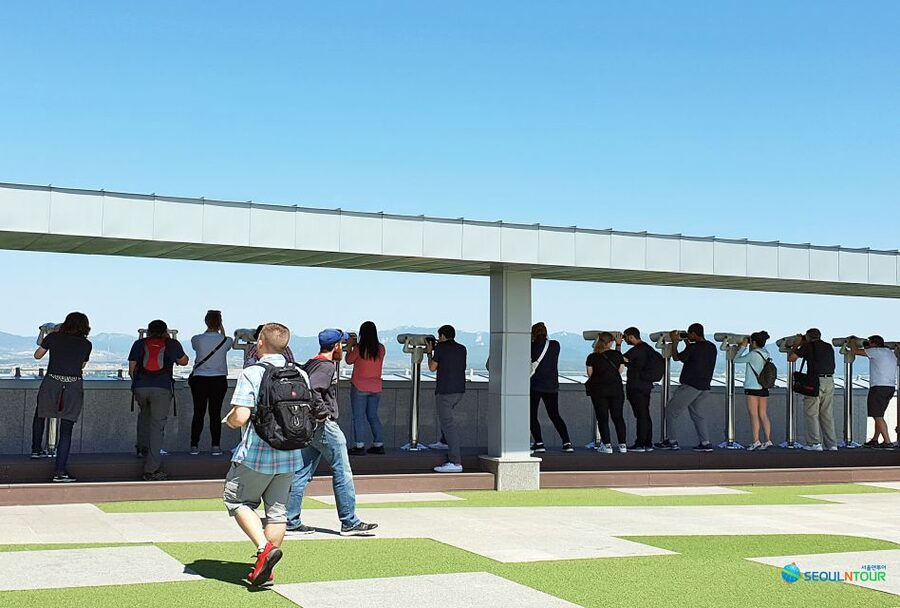
On Signature days, you also get:
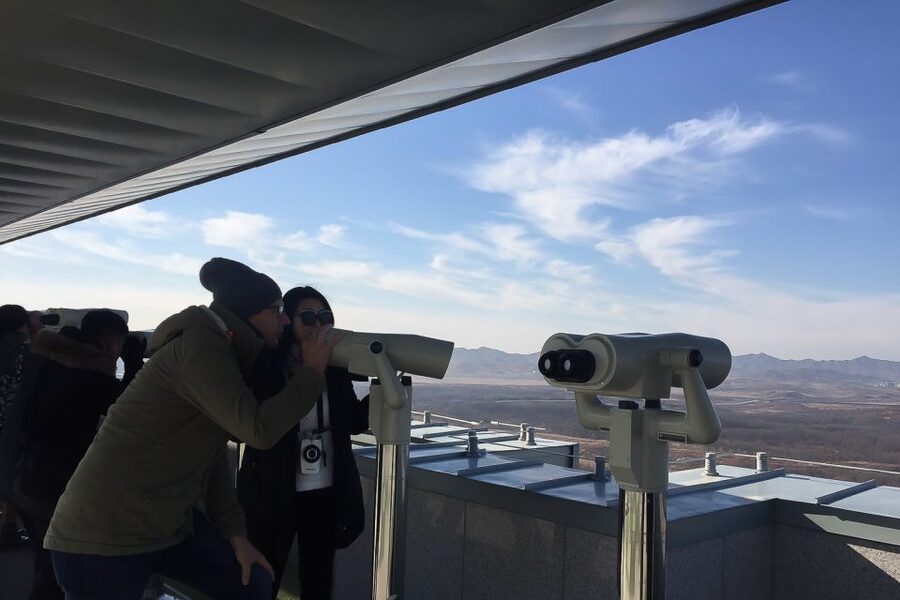
- Dora Observatory with about 40 minutes of guided time
- Unification Village with about 30 minutes of guided time
These are classic viewing and interpretation stops. They work best when you treat them like an observation session. The views can be clearer on some days than others, but even when visibility is limited, the guide’s explanation helps you understand what you are looking at and why it matters.
Unification Village is especially useful for breaking the idea that the DMZ is only fences and silence. It can connect the story to how people imagine life beyond division, and it helps you see the human side of “unification” as a concept rather than a slogan.
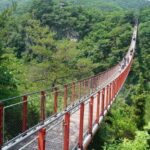
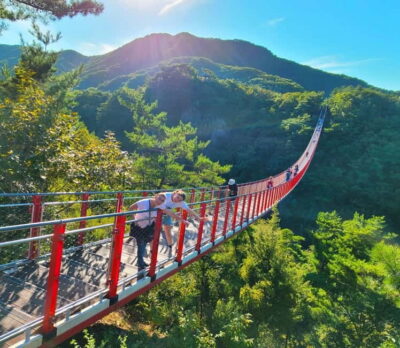
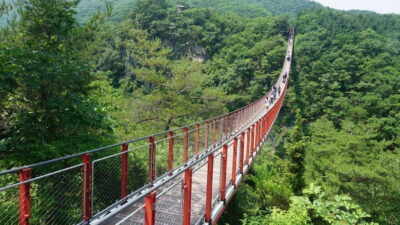
Gamaksan Suspension Bridge: Fresh Air, Slippery Footing, and Views
Near the end, you visit and walk Gamaksan Suspension Bridge. The schedule includes it as a stop where you can explore at your pace, but you should assume the walk depends on comfort with heights.
This is one of the most practical “be ready” moments:
- Wear grippy shoes, because weather can make the area slick.
- Take your time on the bridge if it is windy or wet.
- Bring a light layer if you feel cold easily, since open-air areas can chill you faster than you expect.
Even with safety and caution in mind, the bridge portion is a pleasant contrast to the more intense DMZ stops. It gives you space to breathe, look around, and reset.
Small Group Size: Why It Changes the Experience
The tour is positioned as private or small groups. That is not just marketing fluff. In places like the Hall, the DMZ zone, and on bridge walks, you want room to hear instructions, ask questions, and move at a comfortable pace.
From the feedback pattern, the guides often manage time well without rushing people, and that helps a lot when your day includes multiple controlled viewing segments.
You will likely spend more time on your own attention and less time waiting on a large crowd, which makes the whole day feel more personal and less scripted.
What’s Not Included, and What You Should Plan For
Two big omissions to note:
- JSA (Joint Security Area) is not included.
- Lunch is not included.
If JSA is a must for your trip, this tour may not match your goals. If lunch matters, plan to eat on your own during the day, or bring snacks so you are not relying on quick purchases between stops.
Also note what is required or forbidden:
- Bring your passport.
- Wear comfortable shoes.
- Do not bring pets.
- Avoid restricted items like alcohol and drugs.
- Skip military-style clothing.
- This tour is not suitable for some mobility needs, since it is not available for participants using a wheelchair or walker.
Best Day to Book: Choosing Between What You Want to See
If you want the Third Tunnel and Dora Observatory, aim for a Signature Course day (Tuesday to Sunday). If those sites are closed or you are traveling on a Monday or a public holiday, the Special Course may be the better match, often swapping in DMZ Peace Gondola and Gloster Hill Memorial Park.
The good news is it runs year-round as a 365-day DMZ tour, so you should be able to find a schedule that fits your dates. The day-to-day swap is also a reminder to focus on the experience as a whole, not just one landmark.
Final Verdict: Should You Book This Seoul DMZ Tour?
I recommend this tour if you want a full DMZ day that connects the major sites with careful guided interpretation, and especially if the North Korea Experience Hall’s defector story is important to you. The combination of Imjingak Park, DMZ zone guidance, Signature-day viewing like Dora Observatory and the Third Tunnel, plus the Gamaksan Suspension Bridge walk gives you both meaning and variety in one day.
Skip it if you strongly dislike tunnels or confined spaces, have health limits tied to the activity type, or if JSA is your top priority. Also consider building in extra comfort planning for weather, since bridge walking and outdoor stops can be slippery.
If you show up ready to walk a bit, listen closely, and follow your guide’s instructions, you will come away with a clearer understanding of the DMZ, not just a set of photos.
FAQ
How long is the DMZ tour from Seoul?
The duration is listed as 8 to 10 hours, depending on the schedule and stops.
Which stops are included on the Signature course days?
The Signature Course (Tuesday to Sunday) includes the North Korea Experience Hall, Imjingak Park, Dora Observatory, Third Tunnel, and the Suspension Bridge.
What is different on Mondays and public holidays?
The Special Course runs on Mondays and public holidays (or when the Third Tunnel and Dora Observatory are closed). It includes the North Korea Experience Hall, Imjingak Park, DMZ Peace Gondola, Gloster Hill Memorial Park, and the Suspension Bridge.
Is JSA included in this tour?
No. JSA (Joint Security Area) is not included.
Do I need a passport for this tour?
Yes. A passport is required.
What should I wear and bring?
Bring passport and wear comfortable shoes. High-heeled shoes, sandals or flip flops are not allowed.
Keep Browsing Seoul

More Seoul Write-Ups
The Border, Other Routes In
Fresh on the Seoul pile
- Unique Native Experience : Han River Picnic, Board game, BBQ★ 5.0 · 3 reviews
- 2-Hour Private Kayaking and Paddleboarding Experience in Hanriver★ 5.0 · 3 reviews
- Korean Folk Village & Suwon Hwaseong Fortress Private Tour★ 5.0 · 3 reviews
- Seoul Korean BBQ Dinner Experience with Secret Food Tours★ 5.0 · 3 reviews
- Seoul Highlights & Hidden Gems – Private Tour with Photo Service★ 5.0 · 3 reviews
- Night Food Tour in Seoul with Traditional and Modern Cuisine★ 5.0 · 3 reviews
DMZ & Border Tours you might have missed.
 ★ 5.0Best DMZ Tour Korea from Seoul (Red Suspension Bridge Optional)From $2941,422 reviews
 ★ 5.0DMZ Tour: 3rd Tunnel, Option(Suspension Bridge, Boat) from SeoulFrom $3521,373 reviews
 ★ 5.0DMZ tour south Korea from Seoul (NK experience hall, defector)From $2620,599 reviews
 ★ 4.9DMZ Insider Tour: 3rd Tunnel, NK Defector Meet & Red BridgeFrom $5015,214 reviews
 ★ 4.8Seoul: DMZ Tour with Optional Suspension BridgeFrom $455,277 reviews
 ★ 5.0Signature DMZ Tour: Exclusive Defector Talk & Suspension BridgeFrom $274,459 reviews
 ★ 5.0Thrilling Korean DMZ 3rd Tunnel Tour from Seoul + Red Bridge RushFrom $353,097 reviews
 ★ 5.0DMZ Past and Present: Korean Demilitarized Zone Tour from SeoulFrom $372,481 reviews
Where this tour also appears