
REVIEW · DMZ & BORDER TOURS
Seoul: Closest DMZ Observatory with North Korea View (1.4km)
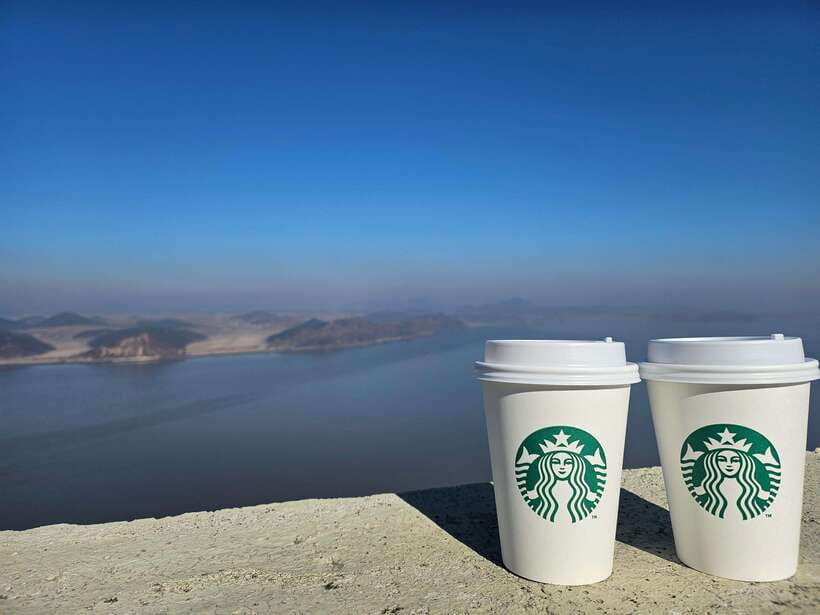
You can watch North Korea, from Seoul’s edge. This 7 hour tour takes you to the Aegibong area, where a refurbished observatory and a very specific Starbucks viewpoint offer a 1.4 km North Korea sightline. You get an on site guide, a free telescope, and a guided walk across an area built around peace and ecology.
I like two things right away: the walk and views at Aegibong Peace Eco Park, and the chance to see North Korea with your own eyes from the Jogang Observatory, also called the Starbucks Observatory. One consideration, bring a passport, because you must have it for the tour day (a copy is fine).
This is not a fly by photo stop. It is structured time in the park, time at the observatory, then a return drive that also includes a quick stop at Hyundai Outlet before you finish back near City Hall.
In This Review
- Key Things To Know Before You Go
- Why This Observatory Trip Feels Different Than the Usual DMZ Tour
- Entering Aegibong Peace Eco Park, Where “Peace” Meets a Real Walk
- Jogang Observatory and the Free Telescope: How to Actually Use the View
- A Day Plan That Balances Context, Viewing Time, and a Real Seoul Finish
- Guides Make the Difference, Especially on a Subject This Serious
- Price and Value at About $47: What You Get for the Money
- What to Bring, What to Expect About the Viewing Conditions
- Who This Tour Suits Best, and Who Might Want Another Option
- Should You Book This North Korea View Tour?
- FAQ
- Where does the tour start?
- How long is the tour?
- What are the main stops during the day?
- Is the telescope included?
- How far is the observatory from North Korea?
- Do I need a passport?
- What languages are available for the guide?
- Is food included in the price?
- What does the tour price include?
- Can I cancel for a full refund?
Key Things To Know Before You Go
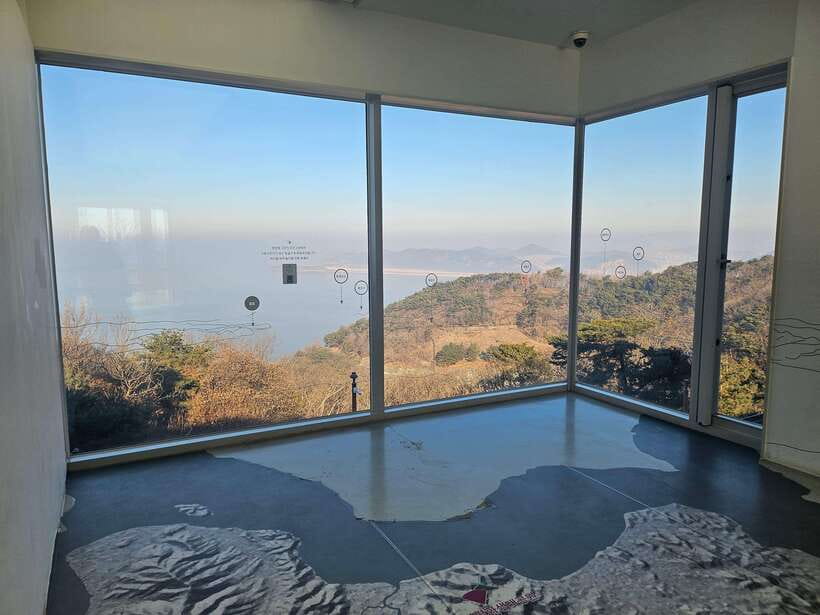
- Starbucks Observatory viewing point: the “closest Starbucks to North Korea” idea is tied to the Jogang Observatory area
- A 1.4 km view when conditions allow: you are close enough to appreciate the geography in a real, eye to eye way
- Aegibong Peace Eco Park is more than a waypoint: it includes an exhibition hall and an ecological trail
- Cross a suspension bridge en route: the route to the observatory includes a dramatic bridge walk
- A free telescope at the observatory: you can use it on site during your guided time
Why This Observatory Trip Feels Different Than the Usual DMZ Tour
A typical DMZ day trip can feel big and rigid: a long drive, strict rules, and a lot of “wait, then look.” This tour has a different energy. You are still in the real conversation about the Korean Peninsula, but the experience is staged around a place you can actually walk through, take in, and understand.
The headline is the Jogang Observatory view of North Korea, positioned so you can grasp the distance for yourself. The “Starbucks” detail is mostly the hook, but the practical value is that you are at a dedicated observation area with an on site telescope and a guided explanation. That combination matters. If someone just points vaguely toward a direction, it is easy to miss what you are actually looking at. Here, you get interpretation that helps you connect the dots.
Timing also helps. The full day runs about 7 hours, with guided blocks on the way and at the observatory itself. You are not rushed the way you can be on shorter sightseeing runs.
One more thing: even when bigger DMZ access is not available, the Aegibong observatory view still has a chance to work. That is not guaranteed every day, but it is the kind of flexibility that turns this into a good “Plan B with meaning” if your other DMZ hopes fall apart.
Entering Aegibong Peace Eco Park, Where “Peace” Meets a Real Walk
Your day starts with pickup options around central Seoul. Depending on what you book, you can meet at places such as Hongik Univ. Station Exit 3, a Skypark hotel in Myeongdong, or The Plaza, Autograph Collection. From there, you head out by bus/coach for roughly 1.5 hours.
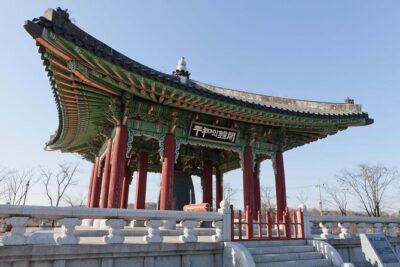
When you reach Aegibong Peace Eco Park, you are not just arriving at a viewpoint. You are entering a space built around ecological exhibits and the story of peace efforts. The park has an exhibition hall, an observatory area, and an ecological trail. That design keeps you from feeling like you are only there for one distant stare. You get to move through a guided sequence that gives context before you reach the North Korea viewing point.
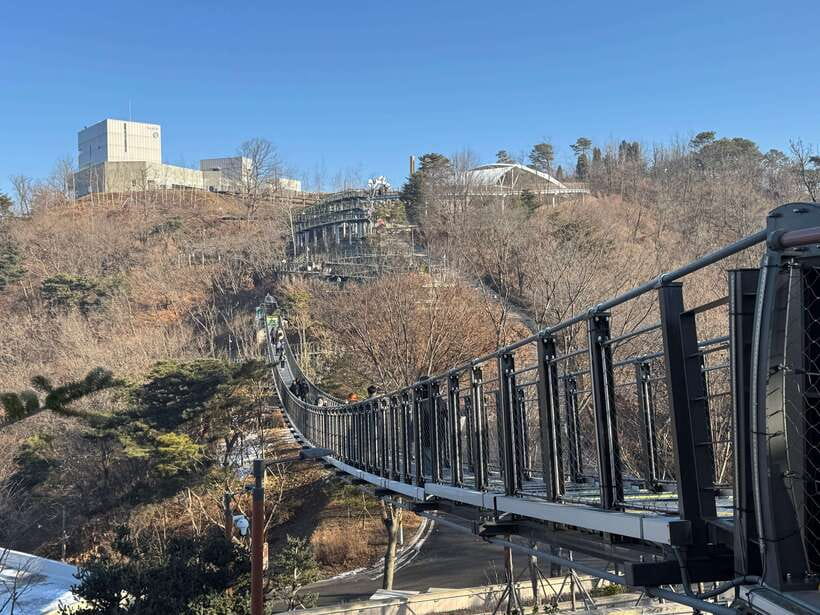
A small detail that turns into a big moment is the suspension bridge. Crossing it on the way up changes the feeling of the trip. You are stepping across the geography rather than just riding past it. Even if you are not the type to get emotional on a bridge, the combination of height, the open sky, and the river setting makes it easier to understand why this area is so carefully observed.
This park also renovated an older observatory into today’s ecological park layout. That matters because you are seeing how infrastructure changes over time while the core strategic location remains. It is a “then and now” lesson you can literally walk through.
Jogang Observatory and the Free Telescope: How to Actually Use the View
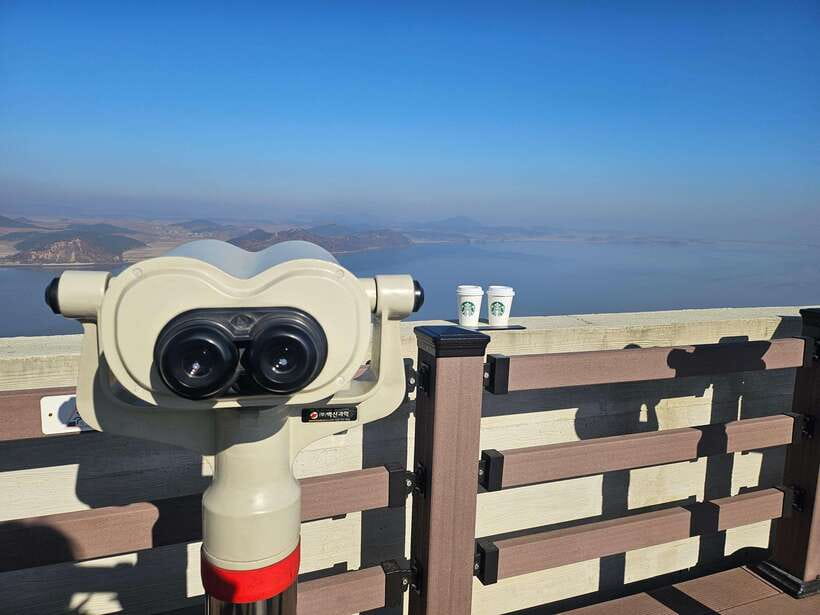
The main moment happens at Jogang Observatory, commonly called the Starbucks Observatory because the viewpoint experience is linked to a Starbucks location in the area. The distance is the key number: you are about 1.4 km from North Korea at this vantage point.
What makes this stop more than a gimmick is that you are not just buying a coffee and hoping for the best. The observatory area is set up for viewing. There is a telescope available for free, and there is a guide to help you understand what you can realistically see and what you cannot.
From here, you can look across the open sky and the river, and you are positioned so the North Korean side is within your direct line of sight. That one sentence sounds simple, but it changes the whole emotional weight of the trip. It is one thing to read about tensions across a border. It is another to stand at a public viewing point, at a known distance, and see the separation with your own eyes.
Practical advice, for when you are standing there: take your time with the direction you are looking. Don’t rush to the first view. Use the telescope if you have it available in that moment, then return to the naked eye look. The contrast helps you register distance and scale. A guide can usually coach you on where to focus, so pay attention to that cueing.
If visibility is limited, your guide can still help you interpret the geography in a way that makes the stop worth it. This is why the guided time is valuable. Without explanation, the view can feel like a long distance game. With explanation, it becomes a geography and history lesson you can point to.
A Day Plan That Balances Context, Viewing Time, and a Real Seoul Finish
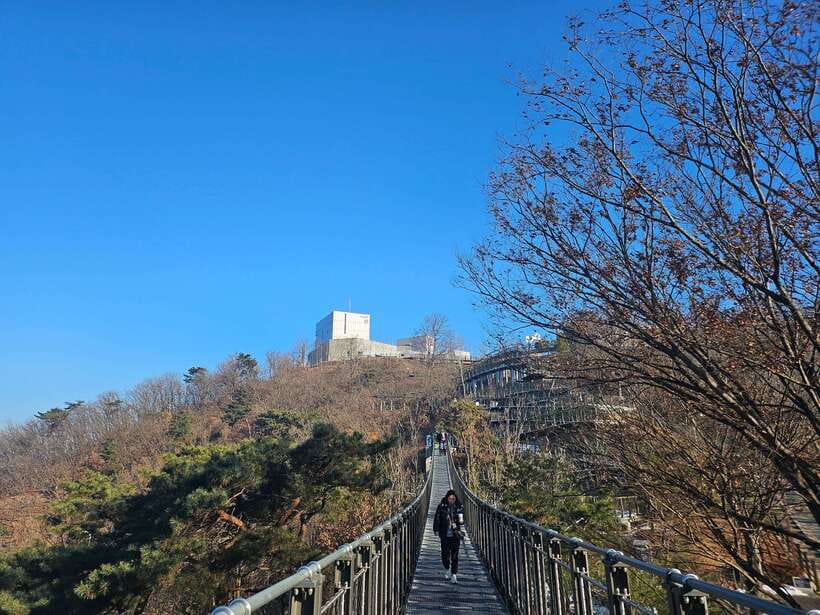
The full run is structured, but it does not feel like you are trapped in a lecture hall. After pickup, the route to Aegibong includes time on the bus/coach. Once you arrive, you get a guided park segment of about 1.5 hours before the observatory time.
That park segment usually focuses on the Peace Eco Exhibition Hall and the lead up through the park grounds. The goal is to help you understand the area’s meaning before you reach the “look and see” portion. You also get the walking element, including the bridge crossing, so your body is moving while your brain is getting context.
Then comes Jogang Observatory with a guided tour of about 1 hour. This is the time you want to treat as the core of the day. It is where questions come up naturally, and where the telescope and viewing explanation do their best work.
After the observatory, the route builds in a small decompression stop: Hyundai Outlet. It is not the cultural highlight for most people, but it is a practical buffer before your return. If you want to pick up something quick or just reset your energy, this stop can help.
Finally, you finish back in Seoul at City Hall. That matters for convenience. You are not dropped at some far edge of the city where you need to figure out complicated transfers.
Guides Make the Difference, Especially on a Subject This Serious
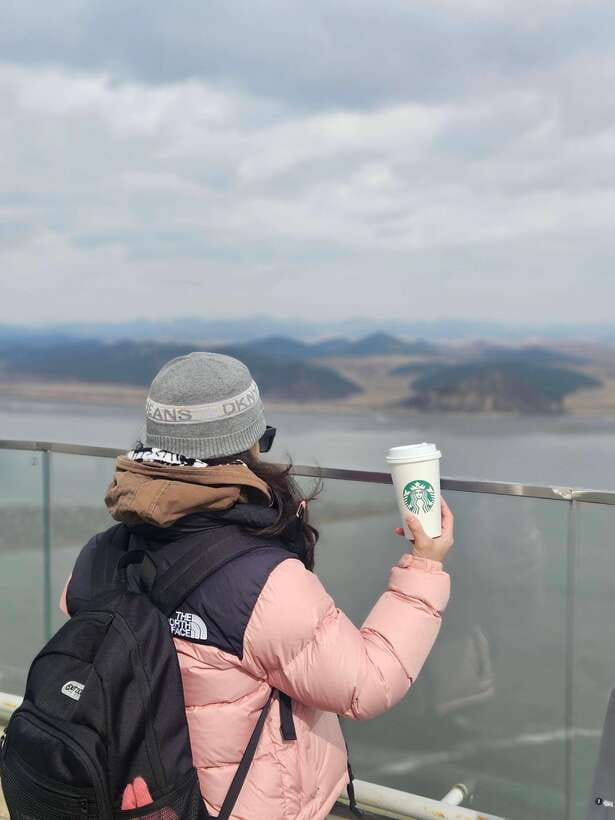
This tour leans heavily on the human element. The tour includes a live guide with options in Chinese, English, or Japanese. That choice affects how quickly you can connect the viewing experience to the broader story. If you pick a language you are comfortable listening to for a full day, you will get more from the observatory time.
What really stands out from guide feedback is the mix of tone and practical pacing. Guides are described as making the experience both respectful and emotionally manageable, with humor that does not ruin the seriousness. A guide named Katie is specifically praised for being warm, funny, and very good at telling stories in a way that feels human. Another guide, Kim, is noted for clear explanations that include historical background, so you understand the why behind the where. Erica is described as making the tour fun, which is not the first word you might expect for this topic. And one guide named Gao Kyungja is mentioned for being helpful, with a driver who also showed kindness and support.
Even if you do not know Korean Peninsula history going in, this kind of guiding helps you get your bearings fast. You learn what matters, what to look for, and how to keep the experience grounded.
If you care about photos, pay attention to the guide’s cues. Some guides are known for helping people frame and capture what they are seeing. The observatory viewpoint is specific, so following direction can make your photos less random and more meaningful.
Price and Value at About $47: What You Get for the Money
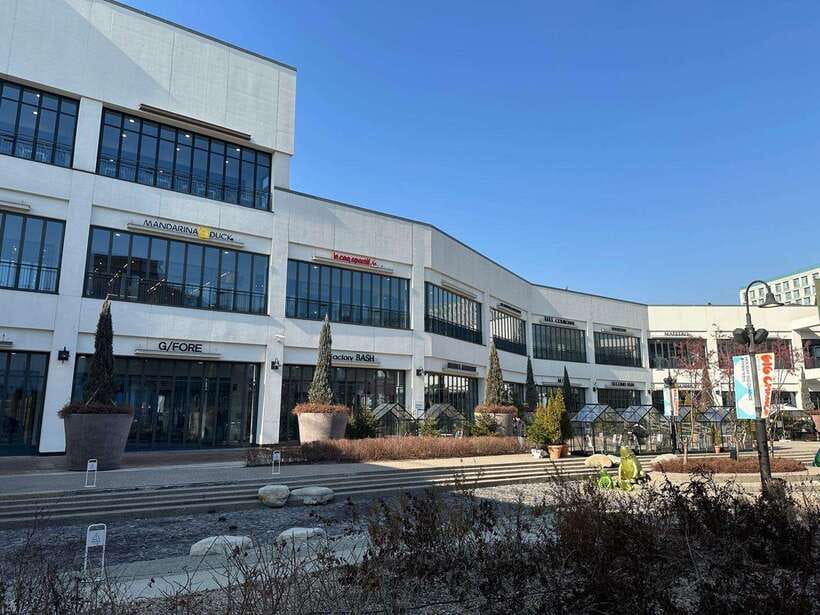
The price is listed around $47 per person, and it is a fair deal if you value guided interpretation and transportation.
Here is why the value can work:
- You get transportation by bus/coach to and from the Aegibong area
- You get a tour guide, including guided time at the park and at the observatory
- You get admission, so you are not adding surprise ticket costs on top
- You get access to the viewing setup, including a free telescope
What is not included is also important: food and drinks are on your own. That means you should plan a simple lunch strategy. Either eat before you go or bring a plan so you are not stuck deciding at the last moment, especially if the day runs in a way that limits your options.
In other words, you are paying for time, interpretation, and the right entry points into a complex setting. If you want to do this as self-guided wandering, you might save money, but you could easily lose the “why you’re looking” part, which is where the tour earns its keep.
What to Bring, What to Expect About the Viewing Conditions
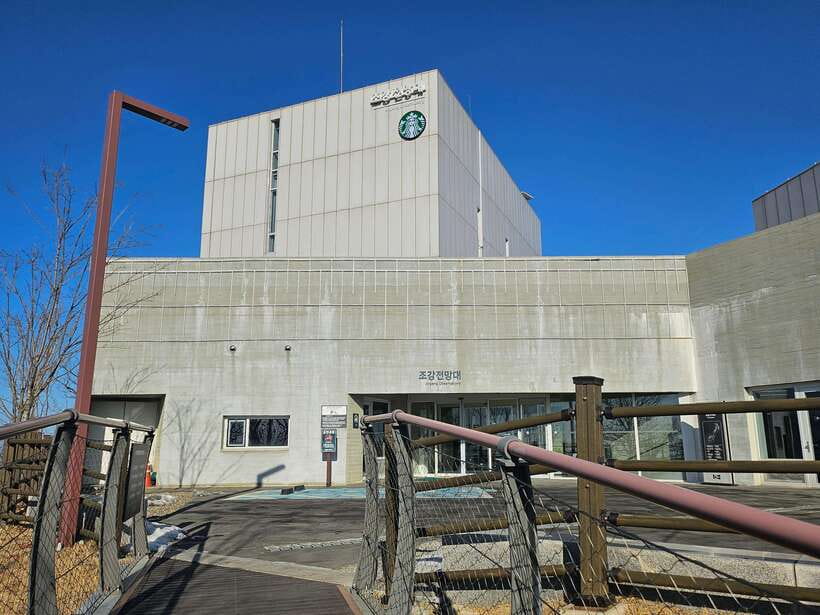
Bring your passport. A copy is allowed. This is not a suggestion. You must have it on the tour date.
Beyond that, think in practical layers. This is an outdoor park setup with walking, an open sky, and an observatory area where you will likely stand and look for a while. Weather can change how comfortable the experience feels, and comfort changes how much you notice.
Also, treat the telescope and the viewing as “use what you can, when you can.” You might have days with strong sightlines and days with fog or low visibility. You are not in control of that. The best approach is to focus on what your guide points out, use the telescope if it is available, and keep your expectations aligned with a public observation setup.
One more small reality check: this is still a one-day tour with a set route. If your priority is a deep independent exploration of the park grounds, you might feel time is tight. The tour is built to do the essentials well, not to give unlimited free roam.
Who This Tour Suits Best, and Who Might Want Another Option
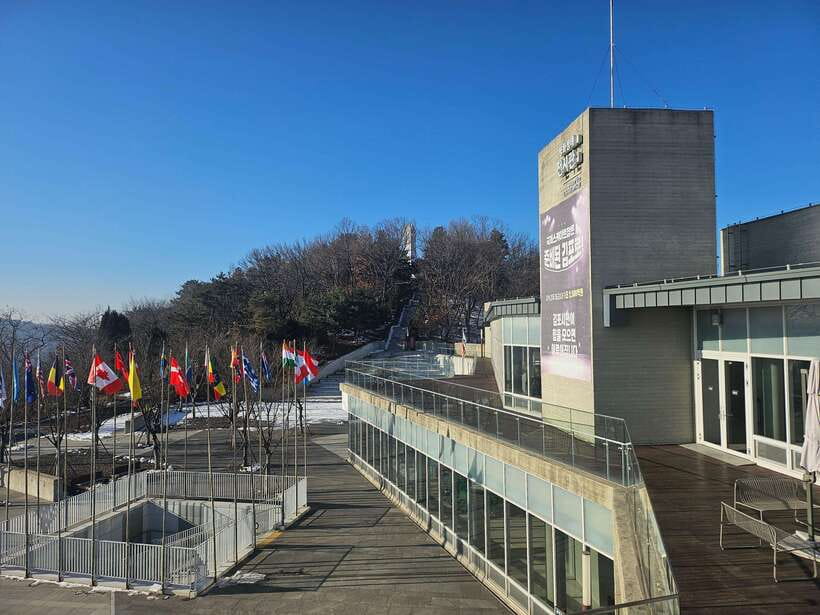
This is a great fit if you want a serious topic without spending the whole day on a strict, high-intensity schedule. You get enough walking to feel like you traveled somewhere meaningful, enough guidance to understand what you are seeing, and enough structure to keep the experience moving.
It is also a smart option if you want something close to central Seoul. The pickup points are in the city, and the return ends back near a major landmark. That makes it easier to plug into your itinerary.
You might want another option if you hate structured tours. This has a clear flow: guided time at the park, then guided time at the observatory, then return. Also, if you are not comfortable bringing a passport and following security related rules, this would be stressful.
If you’re traveling with someone who is curious but not sure what they want from a DMZ-related day, this could bridge the gap. The Aegibong park portion gives calm context, then the observatory gives the direct “see it” payoff.
Should You Book This North Korea View Tour?
I think you should book it if your main goal is a real, eye-level viewing experience from a close DMZ-adjacent observatory area, with a free telescope and guided context that helps you understand the geography instead of just hoping for the best.
I would book it even more strongly if you are the type who likes story-driven explanations, because guides like Katie, Kim, Erica, and Gao Kyungja are specifically called out for making the experience clearer and more human. That kind of guiding is not a bonus. It is part of why the day works.
Skip it only if you cannot bring a passport, if you strongly dislike walking outdoors, or if you want a totally unstructured day. For everyone else, it is a solid value use of a single travel day, and it gives you a rare perspective you cannot recreate with a random viewpoint.
FAQ
Where does the tour start?
Pickup options can vary by booking. Common start points include Hongik Univ. Station Exit 3, a Hotel Skypark Myeongdong location (Hotel Skypark 명동 3호점), and The Plaza, Autograph Collection.
How long is the tour?
The total duration is about 7 hours.
What are the main stops during the day?
The day includes Aegibong Peace Eco Park, a guided visit to the Peace Eco Exhibition Hall, Jogang Observatory (Starbucks Observatory), a stop at Hyundai Outlet, and then return to City Hall.
Is the telescope included?
Yes. There is a telescope at the observatory, and you can use it for free.
How far is the observatory from North Korea?
The viewing point is described as about 1.4 km from North Korea.
Do I need a passport?
Yes. You must bring a passport on the tour date. A copy of the passport is fine.
What languages are available for the guide?
The live tour guide is available in Chinese, English, and Japanese.
Is food included in the price?
No. Food and drinks are not included.
What does the tour price include?
The price includes transportation, a tour guide, and admission fees.
Can I cancel for a full refund?
Yes. Free cancellation is available up to 24 hours in advance for a full refund.
DMZ & Border Tours you might have missed.
 ★ 5.0Best DMZ Tour Korea from Seoul (Red Suspension Bridge Optional)From $2941,422 reviews
 ★ 5.0DMZ Tour: 3rd Tunnel, Option(Suspension Bridge, Boat) from SeoulFrom $3521,373 reviews
 ★ 5.0DMZ tour south Korea from Seoul (NK experience hall, defector)From $2620,599 reviews
 ★ 4.9DMZ Insider Tour: 3rd Tunnel, NK Defector Meet & Red BridgeFrom $5015,214 reviews
 ★ 4.8Seoul: DMZ Tour with Optional Suspension BridgeFrom $455,277 reviews
 ★ 5.0Signature DMZ Tour: Exclusive Defector Talk & Suspension BridgeFrom $274,459 reviews
 ★ 5.0Thrilling Korean DMZ 3rd Tunnel Tour from Seoul + Red Bridge RushFrom $353,097 reviews
 ★ 5.0DMZ Past and Present: Korean Demilitarized Zone Tour from SeoulFrom $372,481 reviews
Where this tour also appears